REVIEW · CHIANG MAI
Lanna Heritage Walking Tour: A Journey Through History
Book on GetYourGuide →Operated by Chiang Mai Private Guided Tour by Richard · Bookable on GetYourGuide
Lanna history is easier to see on foot. This 4-hour Lanna Heritage Walking Tour turns Chiang Mai into a story you can follow, starting at Tha Pae Gate and moving temple to temple with clear explanations of how the Lanna kingdom rose, fell, and changed hands. You’ll connect old carvings, royal-era buildings, and street-level life into one continuous timeline.
What I love most is the way Richard, your English-speaking local guide, keeps answering questions without making it feel like a lecture. The second big win is the mix of stops: major temples like Wat Chiang Man and Wat Chedi Luang, plus real local-life moments at Sompet Local Market and a café break.
The main drawback is simple: it’s still a walking tour, and the temples require respectful dress. If you’re sensitive to uneven sidewalks, heat, or you’re not comfortable covering up with no short skirts, plan accordingly.
Key highlights worth planning around
- Tha Pae Gate orientation: how Lanna formed, its golden era, Burmese control, and the later revival 250 years ago
- Wat Chiang Man + ancient carvings: stone details that explain early Lanna power and belief
- Sompet Local Market stop: fruit tasting and a grounded feel for daily Chiang Mai life
- Royal palace clues under renovation: a women’s prison site with evidence of an earlier Lanna royal palace
- Lanna architecture at Wat Pan Tao: a traditional palace complex layout shown in walking form
- Wat Chedi Luang finale: Chiang Mai’s signature symbol explained with the big historical moments
In This Review
- Starting at Tha Pae Gate: The Lanna Story in 15 Minutes
- Wat Chiang Man and the Moat: Stone That Teaches You
- Sompet Local Market and Snacks: History Meets What People Eat
- Three Kings Monument, School Origins, and Royal-Era Buildings
- Wat Phra Singh: Layers of Meaning Across Time
- A Coffee Break That Feels Local, Not Tourist-Stage
- Wat Pan Tao: Traditional Lanna Architecture You Can Understand
- Wat Chedi Luang Finish: Chiang Mai’s Heritage Landmark
- Price and value: What $45 Really Buys
- Who this tour fits best (and who should skip it)
- Booking advice: How to get the most out of it
- Should you book the Lanna Heritage Walking Tour?
- FAQ
- How long is the Lanna Heritage Walking Tour?
- What does the tour cost?
- Where do I meet the guide?
- Is the tour private and in English?
- What’s included in the price?
- Are meals like lunch included?
- What should I bring and wear?
- Is the tour suitable for children or seniors?
Starting at Tha Pae Gate: The Lanna Story in 15 Minutes
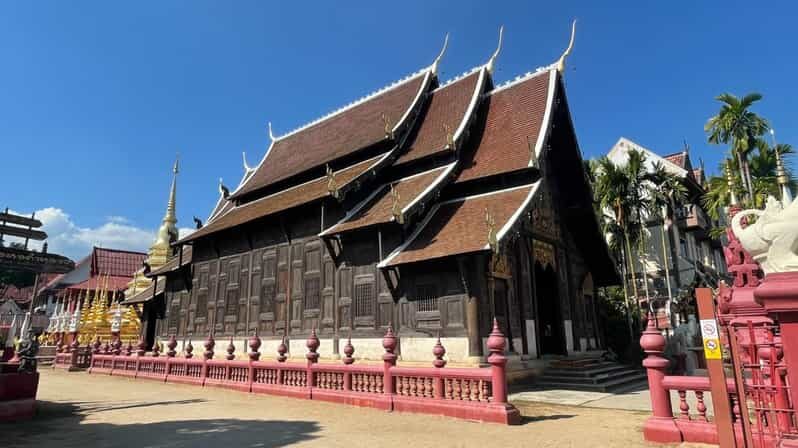
Your tour kicks off at Tha Pae Gate, one of the most recognizable entry points into Chiang Mai. From here, Richard sets the stage with the big picture of the Lanna Kingdom—how it was established, what prosperity looked like in its “golden era,” and how control shifted when the region fell under Burmese rule.
Then comes the part that makes this walk feel more real than a museum: the timeline. You’ll hear about the period when the city was abandoned for around 20 years, the struggle for independence, and the revival about 250 years ago. The tour also connects Lanna to Siam, including why both regions managed to avoid colonization by major powers.
It’s a lot of history, but it’s organized. You get the backbone first, so later temple features and city layout make more sense as you move.
Wat Chiang Man and the Moat: Stone That Teaches You
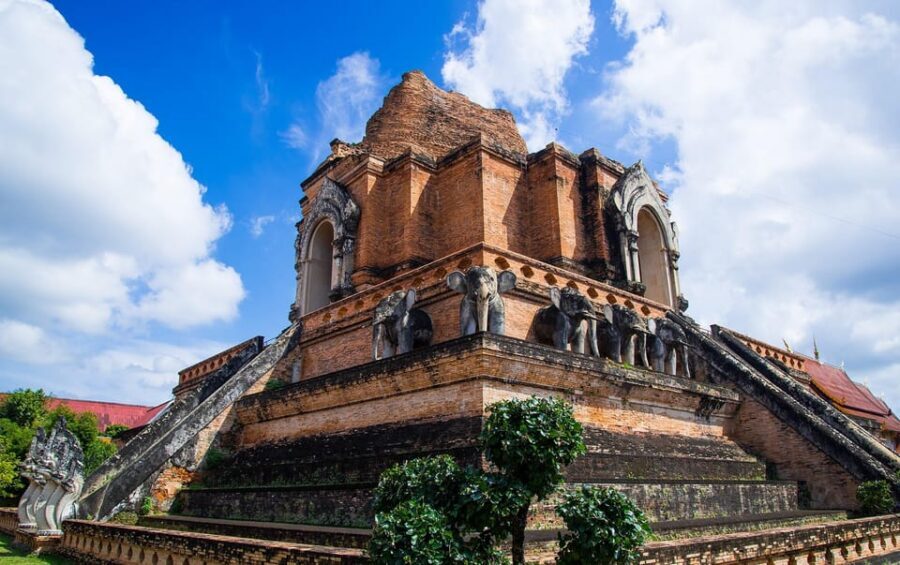
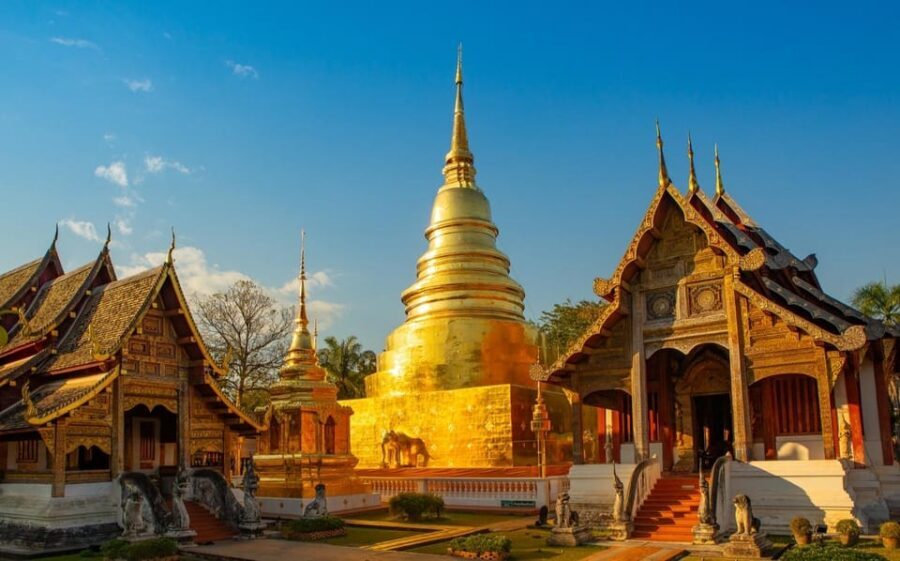
Next up is Wat Chiang Man, widely known as Chiang Mai’s oldest temple. This isn’t a stop where you just look and move on. You’ll get guidance on the temple’s early significance and the ancient stone carvings that depict what’s believed to be the early days of the Lanna Kingdom.
One of my favorite aspects here is that the tour doesn’t treat the temple as an isolated postcard. You walk along the historic city moat, and your guide explains how it fits into the city’s defensive and symbolic planning. Even if you’ve seen moats in other places, hearing the reasoning tied to Chiang Mai makes it click fast.
Practical note: temples mean shoes off sometimes, and you’ll want that sports footwear for the walking and getting in and out smoothly.
You can also read our reviews of more walking tours in Chiang Mai
Sompet Local Market and Snacks: History Meets What People Eat
Between temples, you get a sensory break at Sompet Local Market. This stop is about daily life, not souvenirs. You’ll sample fresh fruit and get a feel for how locals shop, snack, and talk to each other.
The tour includes local snacks, which matters because it helps keep the energy steady during a 4-hour walk. And since lunch isn’t included, this kind of food break helps you avoid the late-afternoon hunger crash.
You’ll also see how the market sits inside the historic city rhythm. It’s a reminder that the past isn’t only carved in stone. It’s also traded, tasted, and reused every day.
Three Kings Monument, School Origins, and Royal-Era Buildings
After the market, you’ll pass the Three Kings Monument, a memorial honoring Chiang Mai’s revered monarchs. Richard uses it as another timeline marker—how rulers shaped identity, and how later generations kept that memory visible.
You’ll also visit Chiang Mai’s first government school, established in 1900 during the reign of King Rama VI. This is one of those details that helps modern Chiang Mai feel connected to the older story instead of separated from it.
Then there’s the museum stop, a building with layered roles over time—once a royal palace, later used as an administrative center, and now home to exhibits. The value here is context: you’re not just touring a site. You’re learning how buildings change jobs while still keeping their bones.
And because history isn’t frozen, you’ll also see ongoing renovations at a site previously used as a women’s prison. The key point is that evidence suggests the presence of an early Lanna royal palace, and the plan is to develop it into a historical park. Watching that transition is a real-world reminder: heritage work is ongoing.
A small heads-up: renovations can mean you’ll be looking at partial areas, barriers, or construction views. That’s normal here and part of the “living history” feel.
Wat Phra Singh: Layers of Meaning Across Time
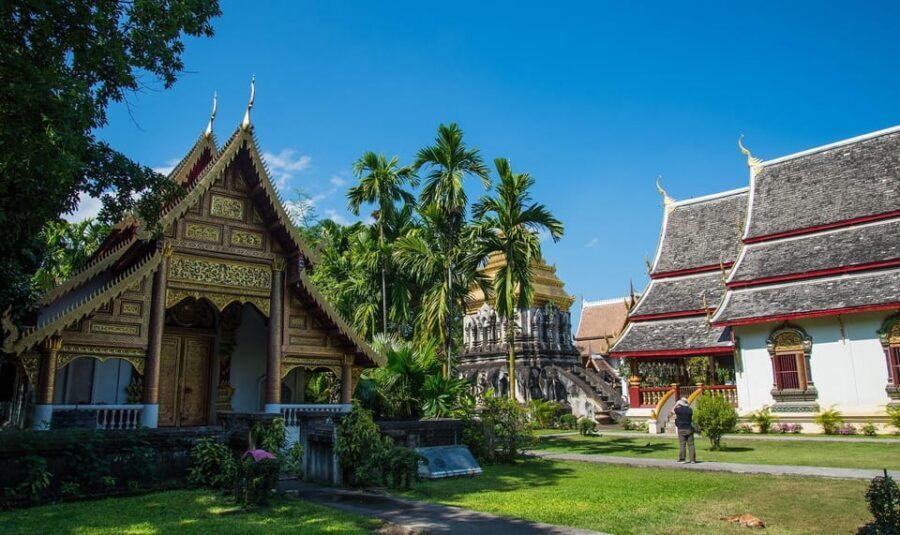
Wat Phra Singh is another major temple stop, and it’s where the tour leans into historical significance again. You’ll hear why this temple matters across multiple periods, not just one era. Richard ties these changes back to how Lanna’s priorities and beliefs evolved over time.
This is a good moment to slow down. The tour pace is guided and steady, but temples usually give you the chance to look up at details—rooflines, inscriptions, and the overall layout—without feeling rushed.
If you’re the kind of traveler who likes to connect the dots between architecture and power, Wat Phra Singh will be a satisfying checkpoint.
A Coffee Break That Feels Local, Not Tourist-Stage
After Wat Phra Singh, you get a break at a local café. The tour includes a coffee or another drink, plus a chance to rest your legs for a bit.
This matters more than it sounds. Chiang Mai walking can be warm, even in seasons where you feel comfortable outside. A proper pause keeps the rest of the tour enjoyable instead of “hurry up and see.”
You’re also free to look around and notice how locals move through the day. It’s the kind of moment that makes the whole tour feel human, not staged.
You can also read our reviews of more historical tours in Chiang Mai
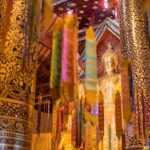


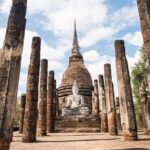

Wat Pan Tao: Traditional Lanna Architecture You Can Understand
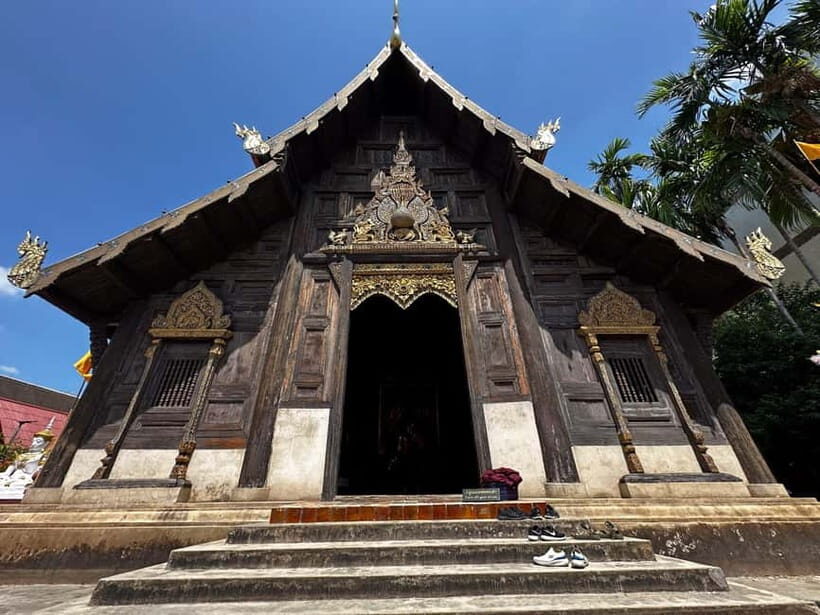
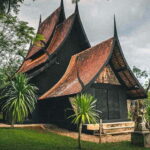
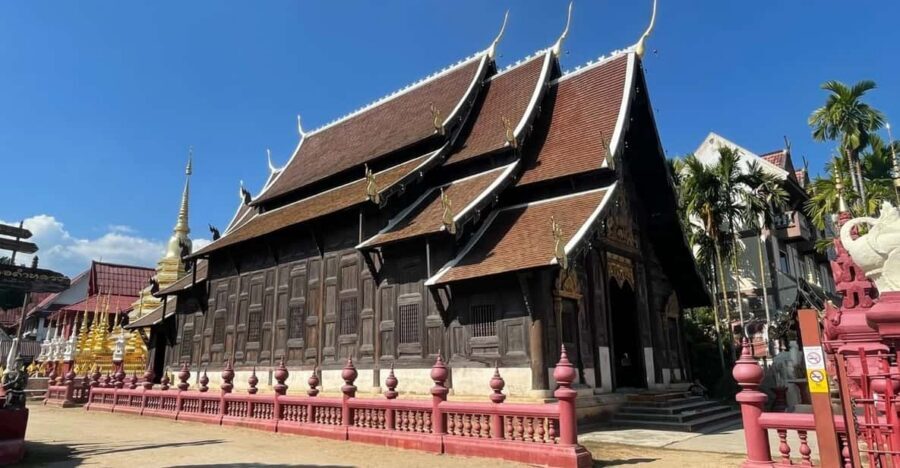
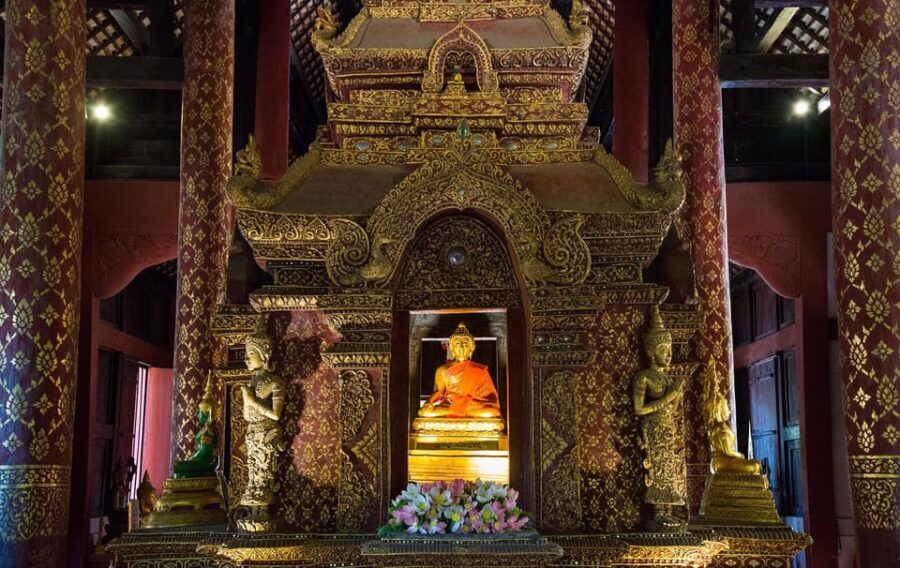
Then comes Wat Pan Tao, highlighted for its traditional Lanna architecture. The site is originally part of the old royal palace, and Richard points out why that matters: the layout and style are connected to how power and residence worked in the Lanna era.
What I like about this stop is that you’re not relying on one grand view. You’re learning how specific architectural features represent an older design language. If you enjoyed the earlier temple carvings and the city planning explanation, this is a matching piece of the same puzzle.
It’s a short stop, but it’s thoughtfully used.
Wat Chedi Luang Finish: Chiang Mai’s Heritage Landmark
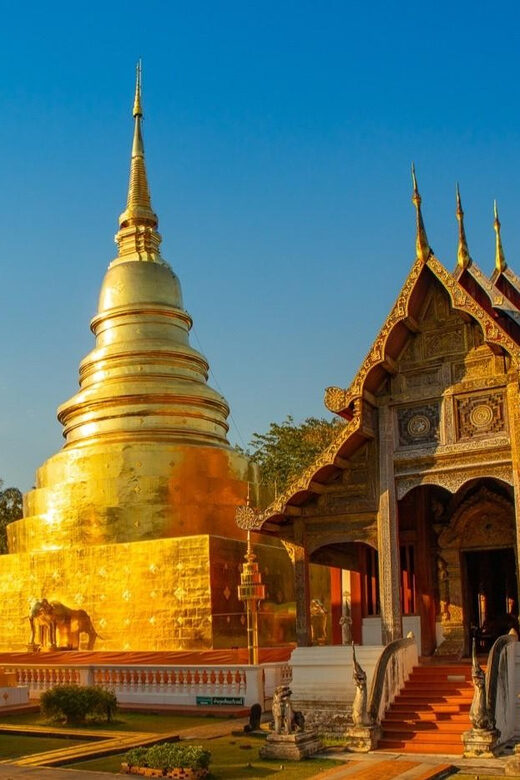
To end, you’ll visit Wat Chedi Luang, one of Chiang Mai’s most recognizable heritage landmarks. Richard shares the temple’s historical events and why it remains a symbol for the city.
This ending works because it ties together what you’ve been taught. By the time you reach Chedi Luang, you’ve already heard how Lanna’s political story shifted, how religious sites anchored identity, and how the city’s layout reflected its priorities.
It also gives you something practical: this is a place you’ll remember later when you’re wandering on your own. You can turn the knowledge you got into your own observations.
Price and value: What $45 Really Buys
At $45 per person for about 4 hours, this tour lands in the “good value if you want guidance” category. You’re not paying just for walking and entry tickets. The price covers a local expert guide in English, entry fees, hotel transfers (two-way), and small comforts that add up: bottled drinking water, local snacks, and a complimentary coffee or drink.
Meals like lunch aren’t included, so you’ll plan your day around that. But the tour is set up so you don’t get totally stranded without food—snacks and fruit help bridge the gap.
If you like history, architecture, and a bit of market life, you’ll feel like you’re buying time with someone who can connect the dots.
Who this tour fits best (and who should skip it)
This private group tour is a great match for adults who want a focused walking route and prefer answers in English. It’s also ideal if you care about how Lanna culture differs from other regional styles and want those differences explained where they actually show up—in temple stonework, carvings, and palace-linked architecture.
It’s not suitable for children under 8, and it’s also not designed for people over 80. The reason is straightforward: it’s a walking itinerary with multiple temple stops, and you need to be comfortable with that pace.
If you’re traveling with someone who hates walking, this won’t be your best day. But if you’re okay with a solid 4-hour stroll in and out of sites, you’ll likely enjoy the structure.
Booking advice: How to get the most out of it
A few tips make a big difference.
Wear sports shoes. You’ll be on sidewalks and through temple areas. Bring layers if you’re going to be out in warmer hours, and dress respectfully so you don’t feel rushed into changing plans at the last minute.
Also, this is the kind of tour where questions are part of the experience. Richard is open and genuinely helpful, and the best moments often come when you ask about the connections between Siam, Lanna, and the city’s physical layout.
If you’re deciding between skipping the guide and going on your own, consider this: the value isn’t just the places. It’s the explanation that helps you read them like a map.
Should you book the Lanna Heritage Walking Tour?
Book it if you want Chiang Mai’s history explained in a practical route, not through random stops. You’ll get a strong Lanna timeline, guided temple visits, and everyday textures at Sompet Local Market and a local café.
Skip it if you want a lazy sightseeing day, or if you don’t like walking and temple etiquette rules. And if you’re expecting lunch to be included, plan to eat outside the tour.
FAQ
How long is the Lanna Heritage Walking Tour?
The tour lasts 4 hours.
What does the tour cost?
It costs $45 per person.
Where do I meet the guide?
You can be picked up from your hotel, or you can meet at Tha Pae Gate.
Is the tour private and in English?
Yes. It’s a private group tour and the live guide speaks English.
What’s included in the price?
The tour includes a guided tour by a local expert, entry fees to the sites visited, a bottle of drinking water, a complimentary coffee or other drink at a local café, local snacks, and two-way hotel transfers.
Are meals like lunch included?
No. Lunch and other meals are not included, so you’ll need to find food on your own.
What should I bring and wear?
Bring sports shoes. Dress appropriately for Buddhist temples, and avoid short skirts.
Is the tour suitable for children or seniors?
It is not suitable for children under 8 years old, and it is also not suitable for people over 80 years old.
If you tell me your travel dates and where your hotel is (roughly), I can help you plan what time of day to do this so the walking feels comfortable.