REVIEW · CHIANG MAI
Chiang Mai Untouched Elephant: Nature Walk & Waterfall Trek
Book on GetYourGuide →Operated by My Holiday Centre Company Limited · Bookable on GetYourGuide
Elephants have a way of changing your schedule. This tour trades the usual Chiang Mai routine for a day that follows a mahout’s pace, including hands-on elephant care and a natural-feeling trek with a waterfall stop. I like that it’s built around no forced tricks and a “you’re part of the day, not the show” mindset.
What I like most is the chance to behave like an assistant caretaker—helping prep food, feeding by hand, and walking alongside elephants without saddles or chains. The second big win is the day doesn’t end at elephants: you also spend time in a traditional hill tribe village and eat a home-cooked Thai lunch made by local families.
One drawback to plan for: this is not a tight, clock-work tour. If you hate uncertainty, or if you’re expecting everything to feel private, you might be surprised by transport comfort and by how busy the waterfall area can get.
In This Review
- Key Things to Know Before You Go
- A Mahout Life Day That Actually Feels Like a Routine
- Getting Out of Chiang Mai: Trucks, Timing, and Comfort Reality
- The Elephant Care Park: Feeding by Hand Without the Crowd-Show Feel
- Jungle Walk: How It Feels When the Trail Isn’t Built for Photos
- Mae Wang Waterfall Stop: Short Walk, Real Nature, and Possible Crowd Energy
- River Mud Spa and Bath: The Part That Gets Messy and Memorable
- Hill Tribe Village Time and Home-Cooked Lunch That Doesn’t Feel Like a Performance
- What $51 Buys You in Chiang Mai Time and Value
- Who Should Book This and Who Should Skip It
- Should You Book Chiang Mai Untouched Elephant: Nature Walk & Waterfall Trek?
- FAQ
- How long is the Chiang Mai Untouched Elephant experience?
- Is hotel pickup and drop-off included?
- Will I be able to ride the elephants?
- Are there chains or hooks used during the experience?
- What food is included during the tour?
- What should I bring for the day?
- What fitness level do I need for the walks?
Key Things to Know Before You Go
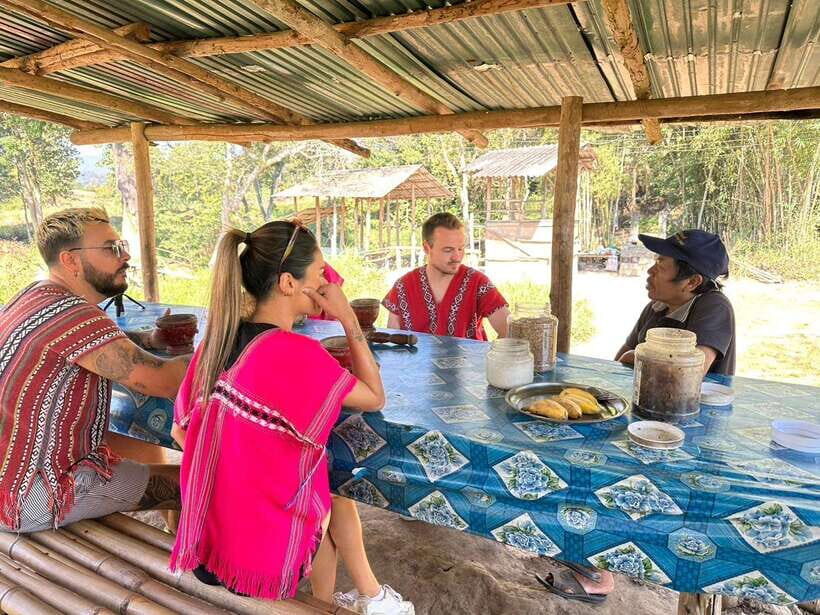
- Mahout life, not an elephant show: You help with daily care, and activities follow what the elephants want to do.
- No riding, no hooks, no chains: The park operates with rescued elephants and keeps interactions natural and respectful.
- A long drive out of town: Expect a ride that switches between an open-air pickup truck and a roofed 4×4 to reach the sanctuary.
- Bring swim-and-mess gear: The river stop includes a mud spa and bath, so pack a change of clothes and towel even if you think you won’t need them.
- Waterfall timing can bring crowds: One stop is more public than the elephant portion, so arrive ready to share space.
- Moderate walking helps: Trekking and outdoor time aren’t for everyone who wants a totally flat, easy day.
A Mahout Life Day That Actually Feels Like a Routine
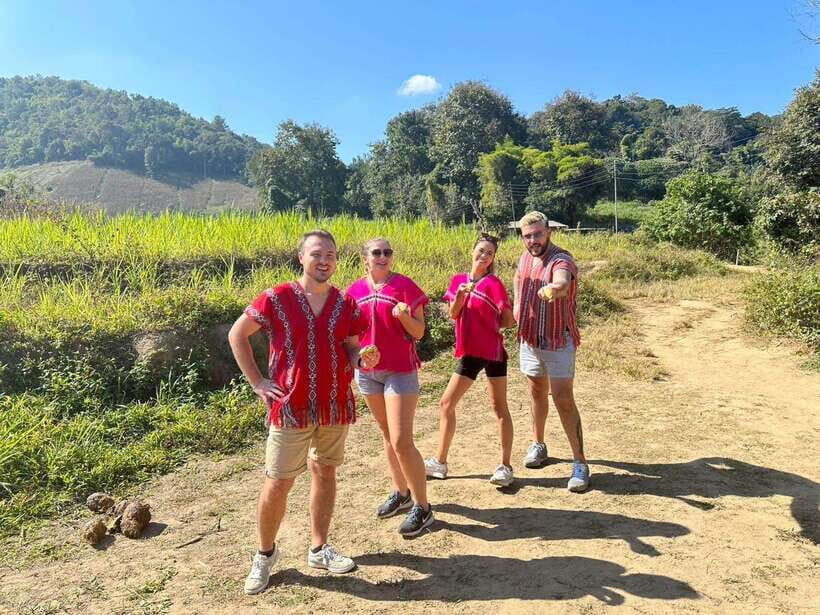
This experience is built around caretaker life. That means you’re not just arriving to watch elephants; you’re placed into the flow of what mahouts do day to day—prepping food, feeding, walking, and joining the elephants where they naturally go (including a river mud bath later on).
What makes this special for your trip is the tone. The day is described as non-commercialized, with no “wait here for the photo moment” choreography. Instead, you’re guided by an English-speaking team through a rhythm that’s closer to rural life than a scripted attraction.
The name Chiang Mai Untouched Elephant can set expectations. Based on what you can learn from the trip details, the goal is respectful care with no forced performances. Still, if your personal definition of untouched means totally empty trails and private viewpoints, keep your expectations flexible—some parts of the day can feel more shared than others.
You can also read our reviews of more walking tours in Chiang Mai
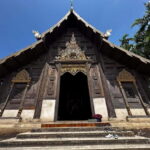
Getting Out of Chiang Mai: Trucks, Timing, and Comfort Reality
Your day starts with pickup in Chiang Mai. Pickup is included for hotels within 5 km of Chiang Mai Old City, and there can be a surcharge if you’re farther out. Transport inside the area uses either a 12-seater air-conditioned van or an open-air pickup truck, and then switches to a roofed 4×4 truck to reach the sanctuary.
This matters because it affects your comfort and your planning. One traveler specifically flagged that transfer time can run longer than expected and that the older-style minibus was uncomfortable. Another practical note: the ride from Chiang Mai can feel like a significant chunk of the day, and you should treat the total outing as a real commitment, not a quick half-day detour.
My practical tip: if you bruise easily, bring a small cushion or scarf for seating comfort. If you get motion-sick, pack your usual remedy. Also, expect you’ll be outside for portions of the drive, especially on the open-air sections, so sunglasses and sunscreen aren’t optional.
This is also where you should manage “calendar pressure.” The total duration is listed as 5 hours, but the real world includes pickup timing and road time. Plan it as your main activity, and try not to schedule another event immediately after.
The Elephant Care Park: Feeding by Hand Without the Crowd-Show Feel
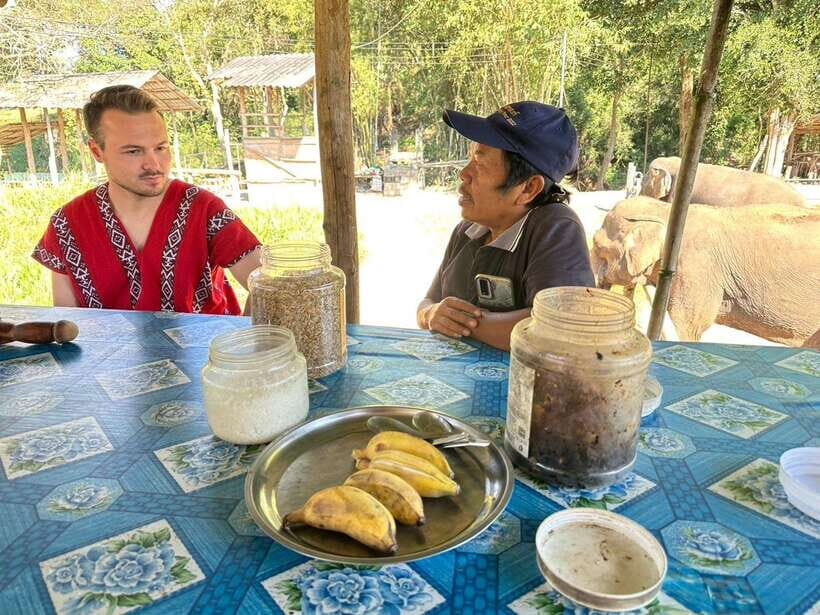
At the elephant sanctuary care park, you’ll meet the elephants and their caretakers first, then spend around 3 hours in that elephant-focused portion. The most reassuring detail is what’s not happening here: there’s no elephant riding, and the operation explicitly states there are no chains or hooks. Elephants are also not forced to perform activities.
In real terms, that changes what you experience. You’re not waiting for commands; you’re noticing behavior. You’re also helping with daily tasks, like preparing food the traditional way before feeding. That hands-on involvement is where this tour earns its price.
You’ll likely spend time:
- preparing elephant food using traditional methods
- feeding elephants by hand
- learning how caretakers manage day-to-day care
The key takeaway for you: this is a “help care for elephants” day. If you want a polished, lecture-style tour where everything is explained in a strict, predictable order, you might feel the pace is looser. But if you want a natural-feeling interaction and real caretaker rhythm, that looseness is the point.
Jungle Walk: How It Feels When the Trail Isn’t Built for Photos
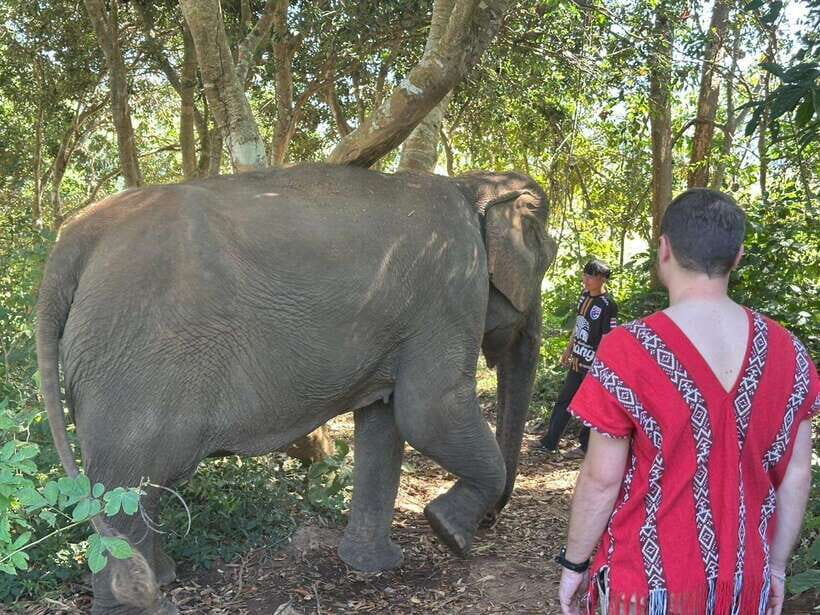
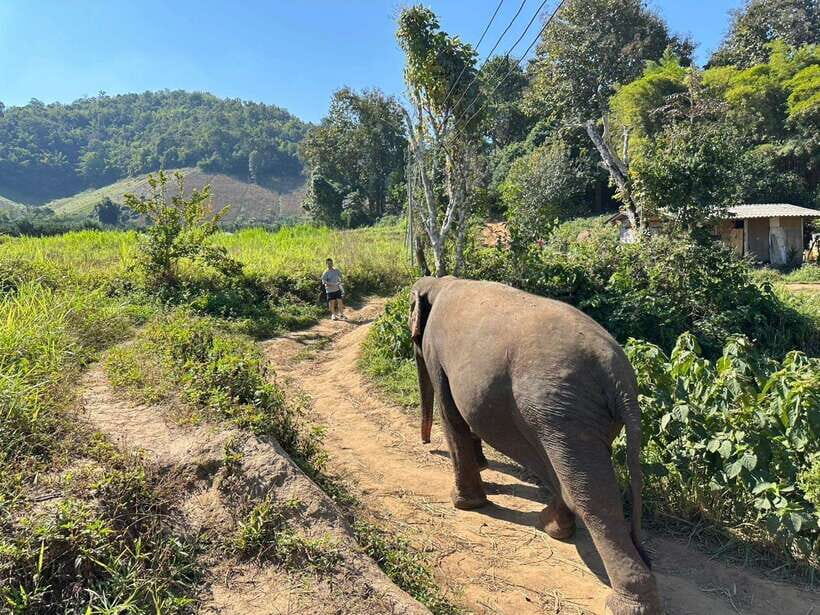
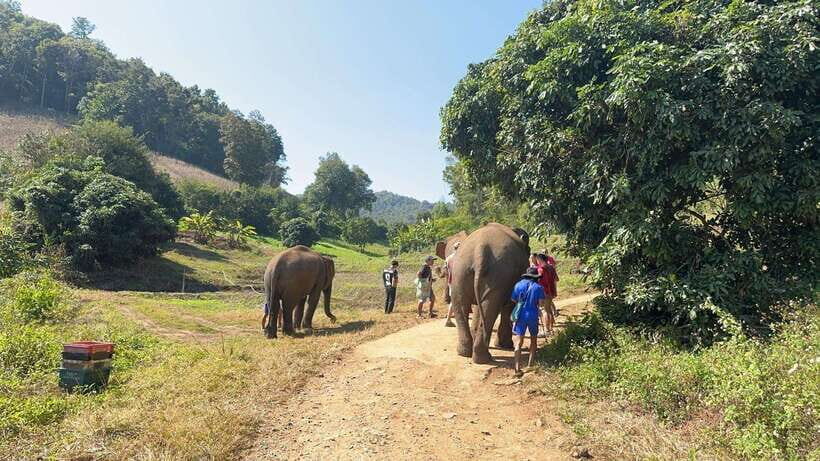
After the food portion, you’ll walk with the elephants through the surrounding jungle. The details emphasize that there are no saddles or chains, and you’re observing how elephants move and interact with their environment.
This is a good moment to adjust your mindset. Don’t think of it like a hike you can conquer. Think of it like a quiet nature observation, with the elephants leading the pace. You’ll get a view of how big animals behave in a natural space, and you’ll see caretakers working calmly around that behavior rather than controlling it for entertainment.
You should also bring a moderate fitness mindset. The tour notes trekking/outdoor activities require a moderate fitness level. That doesn’t mean you need to be a mountain athlete, but you should expect uneven ground, walking time, and time in the sun—especially in Chiang Mai’s warm hours.
If you like bird-watching or noticing tracks, this is where your brain can slow down. If you need your body fully comfortable the whole time, take it easy and move at your own speed.
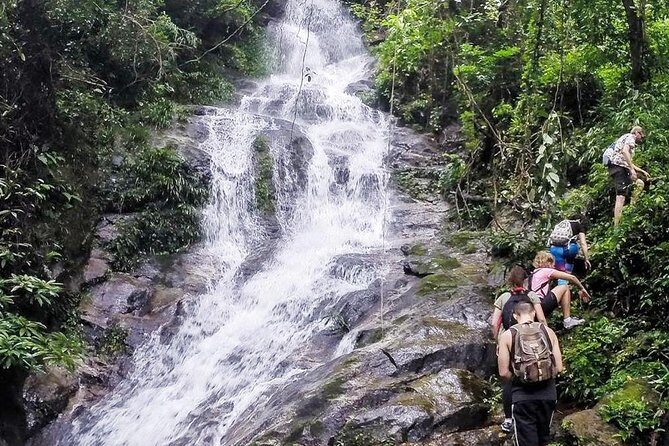
Mae Wang Waterfall Stop: Short Walk, Real Nature, and Possible Crowd Energy
The waterfall portion is listed as about 1 hour, with visit time and free time, plus a walk. The name Mae Wang Waterfall is right there on the schedule, and the tone is a straightforward nature stop.
Here’s the honest part: one traveler reported that the “untouched” vibe didn’t match their expectations and that the waterfall was crowded. You can’t control how many people show up, but you can control how you respond.
Go in with a flexible mindset:
- treat it as a refreshing break after the elephant time
- expect shared viewing areas
- take photos quickly, then move on to enjoy the sound and scenery
Also, if you’re hopping into a waterfall area with mud and river time later (which you do), remember that water conditions can turn your clothes into instant souvenirs. Pack accordingly.
You can also read our reviews of more hiking tours in Chiang Mai



River Mud Spa and Bath: The Part That Gets Messy and Memorable
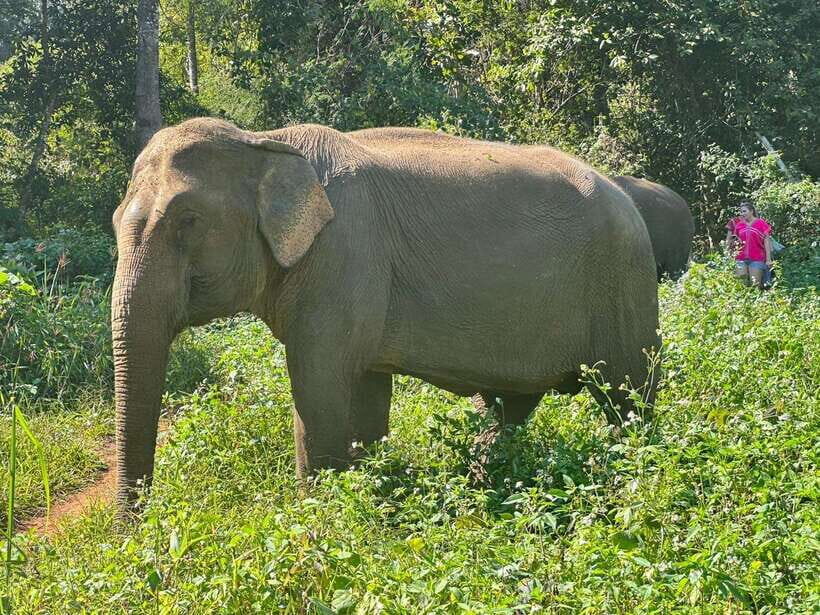
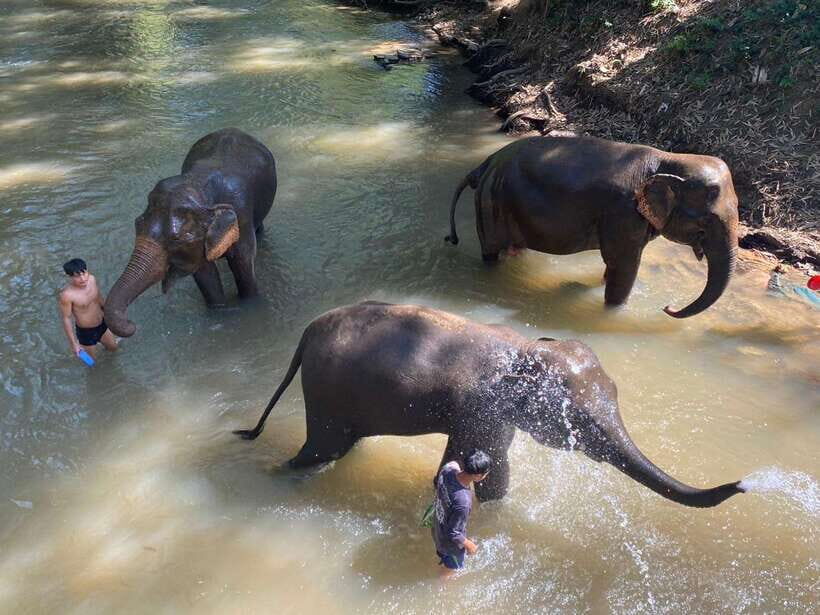
The later part of the morning shifts to a river stop where you join the elephants for a mud spa and bath. This is described as natural bonding—splash, scrub, and laugh with the gentle giants.
This is often the segment people talk about because it’s active, physical, and not based on staged posing. It’s also the most likely part of the day to change your comfort level fast, which is why packing matters.
Even though the official “bring” list includes items like sunscreen, hat, and insect repellent, I strongly suggest you treat mud spa as guaranteed:
- bring a towel
- wear something you can get dirty
- pack a change of clothes
- consider sandals or flip-flops you don’t mind rinsing off
One traveler specifically noted that towels, bathing suit, and change of clothes weren’t listed on the website but are useful in real life. Take that as permission to overpack just a little. You’ll be happier when it’s time.
Hill Tribe Village Time and Home-Cooked Lunch That Doesn’t Feel Like a Performance
After elephant time, you return to the village for lunch—home-cooked Thai food made from fresh, local ingredients. There’s also a complimentary local meal included in the tour.
This part matters because it connects the day’s theme to something beyond elephants. You spend time in a traditional hill tribe village, and you get a glimpse of daily life as the mahouts do—relaxing, helping with small tasks, or simply slowing down.
What you can expect:
- a Thai lunch prepared by local families
- time in the village during the afternoon rhythm
One traveler mentioned the food was delicious, while another flagged that the lunch chips were cold. Food quality can vary day to day, but you’re still getting a meal that’s connected to the local setting rather than a generic buffet stop.
If you have dietary restrictions, inform the team in advance. The information provided says you should tell them what you need, so don’t wait until you arrive.
What $51 Buys You in Chiang Mai Time and Value
At about $51 per person for a 5-hour experience, the value comes from three things:
- transportation that gets you out of the city and into the sanctuary area (including a truck switch)
- a full caretaker-style elephant session (around 3 hours at the park)
- a full day add-on: waterfall walk time and a village lunch
If you compare this to typical elephant encounters that focus on quick viewing or any form of performance, the no-riding, no-chains, no-forced-activities approach is a big part of why it can feel worth it. Also, the day includes more than one setting—elephants in the park, elephants in jungle walking, and a river mud bath, then a village meal.
The value isn’t perfect if you measure comfort. Transfer discomfort shows up in the feedback, and road time can feel long. But if your main goal is meaningful elephant care and a nature-and-village day that doesn’t revolve around a scripted show, this price point can be a strong deal.
Who Should Book This and Who Should Skip It

This trip is best for you if:
- you care about animal welfare and want respectful elephant care
- you don’t mind a day that follows the elephants’ rhythm instead of a strict schedule
- you’re comfortable with outdoor time and some walking
- you’d rather do hands-on work than take a short photo stop
It’s not a great match if:
- you need a fully predictable tour structure with tight timings
- you expect a totally polished, professional “lecture” style day
- you have low tolerance for uncomfortable seating or long road segments
- you want a fully private experience with no chance of crowds at public nature stops
One more quick fit check: this experience is noted as not suitable for travelers expecting a traditional tour with professional guides. That doesn’t mean there’s no guidance—it means the experience isn’t built like a “follow the itinerary on cue” product.
Should You Book Chiang Mai Untouched Elephant: Nature Walk & Waterfall Trek?
If you want a Chiang Mai day built around respectful elephant caretaker life—feeding, walking, and river mud bathing without riding or forced behavior—this is a compelling choice. The high rating (4.7 from 77 provided) lines up with the most praised parts: the hands-on elephant care, the calm organization, and the quality of the lunch.
I’d book it if you’re willing to handle two realities: road time can be bumpy, and the waterfall stop may not be silent or empty. Pack for mess and sun, set aside the rest of your day, and go in wanting to participate in caretaker life rather than ticking off a checklist.
If you want total comfort and strict timing, you’ll probably feel happier choosing something with a more controlled format. But if your goal is a natural-feeling day that treats elephants like living partners—not show props—this tour fits well.
FAQ
How long is the Chiang Mai Untouched Elephant experience?
The tour duration is listed as 5 hours.
Is hotel pickup and drop-off included?
Yes. Pickup and drop-off are included in Chiang Mai Old Town and within a 5 km radius. Places outside that area may cost extra.
Will I be able to ride the elephants?
No. Elephant riding is not included, and activities are described as no forced interactions.
Are there chains or hooks used during the experience?
The information provided says the elephants are rescued and there are no chains or hooks at this park.
What food is included during the tour?
You’ll have a complimentary local meal. The day also includes a home-cooked Thai lunch made from fresh local ingredients.
What should I bring for the day?
Bring sunglasses, a sun hat, sunscreen, and insect repellent. Also, since there is a river mud spa and bath, you should plan for a change of clothes and a towel.
What fitness level do I need for the walks?
Trekking and outdoor activities require a moderate fitness level.