REVIEW · CHIANG MAI
Chiang Mai: Cooking Class, Market & Thai Herbs Garden Tour
Book on GetYourGuide →Operated by Thai Cottage Home Cookery School · Bookable on GetYourGuide
Smell the herbs, then pound your own curry paste. This Chiang Mai class pairs a local market morning with a hands-on cooking session in an organic kitchen garden, so you go home knowing how Thai flavors actually come together.
I love two things most: you cook what you choose (starter, main, curry style), and you get to build the flavor base yourself with a mortar and pestle. Plus, English-speaking hosts like Wave, Flook, Tu, and Balloon show up again and again in the experience, and the teaching style stays practical and upbeat.
One consideration: timing can swing a bit because pickup happens 15–30 minutes before the class and traffic may delay you. If you’re outside the free transfer area, plan to meet at the listed point so the group doesn’t wait.
Key highlights you’ll actually care about
- Market + herb garden first so you cook with context, not guesswork
- Pick your own menu from starters, mains, curry paste styles, and mango sticky rice
- Curry paste from scratch with the mortar and pestle, not a shortcut paste
- Spice control from non-spicy to spicy, plus alternatives for vegan, gluten-free, halal, and allergies
- Eat in the organic kitchen garden as part of the same experience, not afterthought dinner
- Digital recipe book (PDF) so you can recreate the dishes at home
In This Review
- Why This Chiang Mai Cooking Class Feels More Personal Than a Typical Lesson
- Hotel Pickup, Timing, and Getting to the Market on Time
- The Local Market Stop: Where Thai Cooking Starts to Make Sense
- Thai Herb Garden Time: Turning Scents Into Cooking Tools
- Picking Your Menu: Starters, Mains, Curry Paste Styles, and Dessert
- Starters you can choose
- Main course options
- Curry paste: the real skill-building moment
- Dessert: mango sticky rice
- Spice level and dietary needs
- Curry Paste From Scratch: Red, Green, Phanaeng, Massaman, or Khao Soi
- Cooking in an Organic Kitchen Garden, Then Eating Thai-Style
- Instructor Energy: What Makes This Class Work (Even for Food Neutrals)
- Price and Value: Is $31 Really Fair for 210 Minutes?
- Who This Chiang Mai Workshop Suits Best
- When You Might Want to Choose Another Option
- Should You Book This Chiang Mai Cooking Class?
- FAQ
- How long is the Chiang Mai cooking class?
- Do I get hotel pickup and drop-off?
- What dishes do I get to cook?
- Can I control the spice level?
- Is the curry paste really made from scratch?
- Are dietary restrictions and allergies accommodated?
- What should I bring?
Why This Chiang Mai Cooking Class Feels More Personal Than a Typical Lesson
This isn’t a sit-and-watch show. You’re out in Chiang Mai, you’re choosing ingredients, and you’re cooking Thai dishes in the same flow that local cooks use at home: shop, prep, cook, then eat together.
The value is strong because the price includes more than a meal or a single dish. You get hotel pickup and drop-off, a market visit, a Thai herb garden stop, hands-on cooking, all ingredients, and a digital recipe book. In other words, you’re paying for an entire food experience that lasts about 210 minutes.
Hotel Pickup, Timing, and Getting to the Market on Time
Pickup is part of the package, with free transfers within 3 km of Chiang Mai Old Town. Expect the team to collect you 15–30 minutes before the class, but traffic can slow things down, so don’t plan a tight connection right after.
If your hotel is farther out, you’ll be asked to meet at the meeting point. That small detail matters because a late pickup can ripple through the schedule, and you’ll enjoy the day more if you arrive when the group starts moving.
You can also read our reviews of more shopping tours in Chiang Mai

The Local Market Stop: Where Thai Cooking Starts to Make Sense
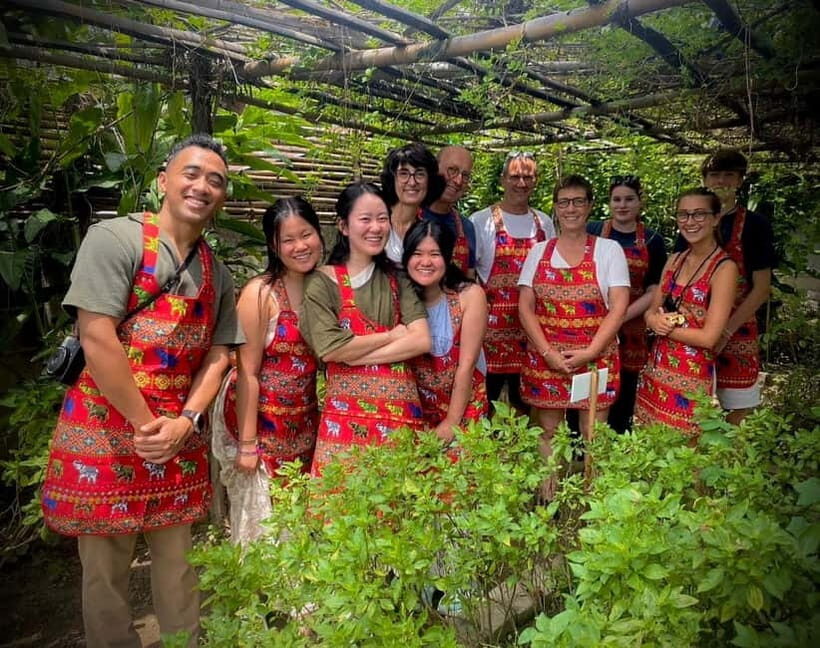
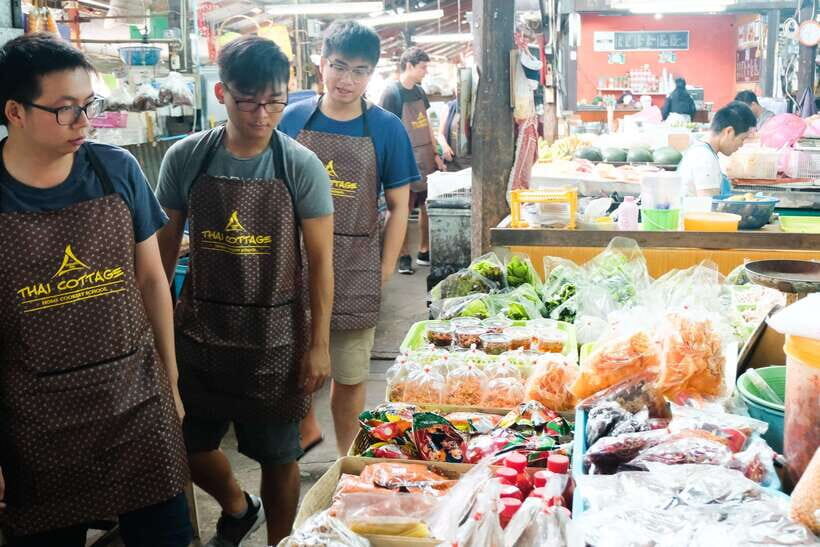
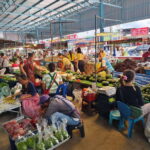
The day begins with a local market run to gather herbs and cooking ingredients. This matters because Thai food isn’t just about “spices in a jar.” You learn why certain herbs are used, how they smell, and what role they play once they hit a pan or get pounded for curry paste.
In practice, this kind of market visit also helps you shop better later. When you recognize ingredients like fresh aromatics and dried flavor components, you stop guessing when you cook at home or try Thai meals from a restaurant menu.
You also get that small thrill of finding Thai pantry items in real-life packaging and formats, not just in tourist shops. Even if your market time feels short, it gives you the right ingredient mental map for the cooking that comes next.
Thai Herb Garden Time: Turning Scents Into Cooking Tools
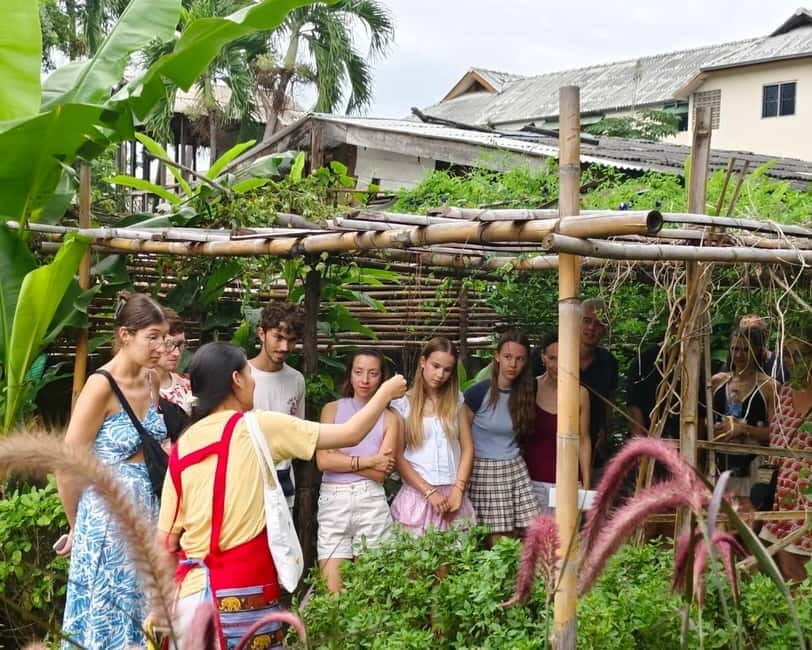
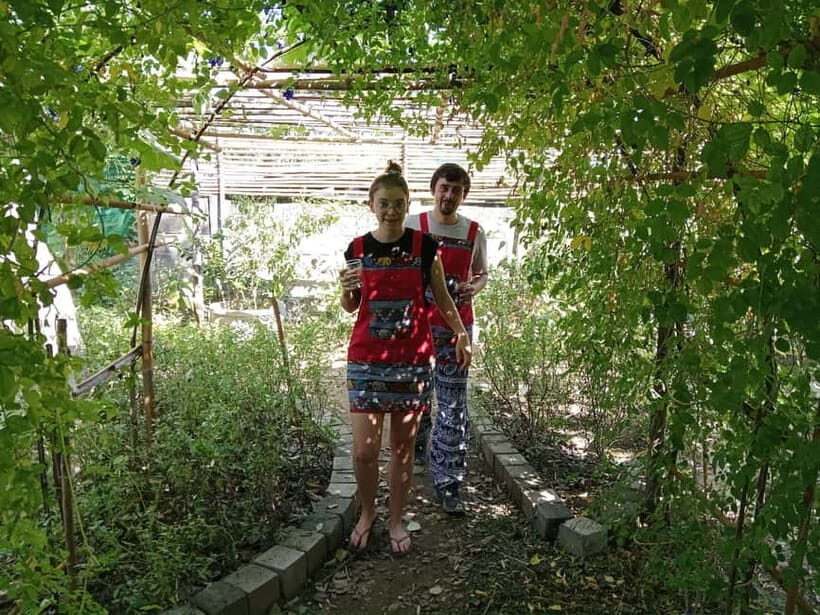
After the market, you’ll head to the Thai herb garden. This is one of those stops that pays off later, because it connects the scent you noticed in the market to the ingredient you’ll actually use.
You’ll be working in an organic kitchen garden setting during the cooking and dining portion. That theme matters. It keeps the focus on fresh ingredients and the idea that herbs aren’t decorations; they’re working parts of a dish.
The garden stop also helps explain why some Thai recipes taste different from one another even when they share similar ingredients. You start to notice the difference between aroma, bitterness, sweetness, and heat before you ever cook.
Picking Your Menu: Starters, Mains, Curry Paste Styles, and Dessert
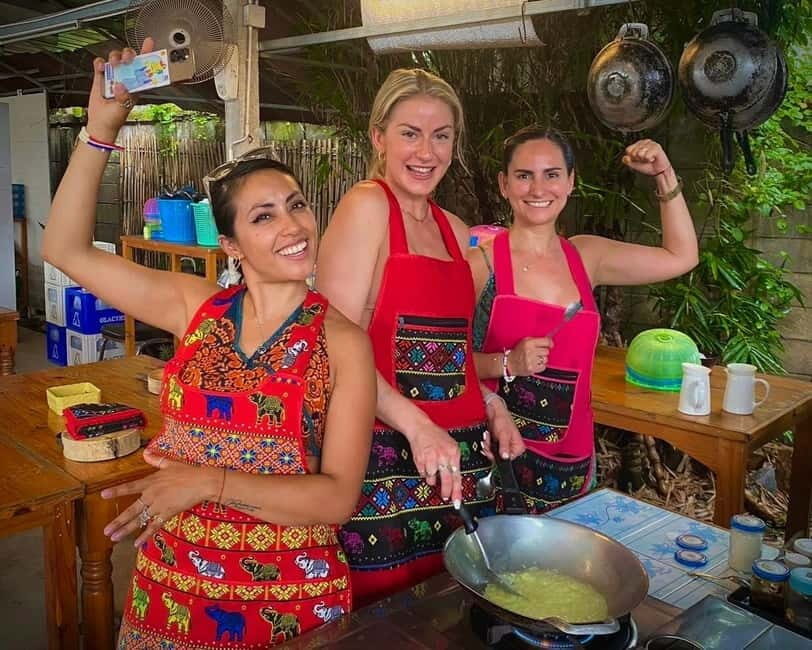
This workshop uses a choice-based format. You’ll choose from categories, so you’re not stuck with someone else’s idea of what you should cook.
Starters you can choose
You can start with options like:
- hot and sour prawn
- local chicken soup
- chicken in coconut milk
- turmeric chicken soup
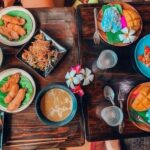
These starters are a smart mix. Hot and sour prawn gives you sharp flavor contrast, while coconut-based soups teach richness and balance. Turmeric chicken soup adds warmth and color, and the local chicken soup option keeps things grounded.
You can also read our reviews of more tours and experiences in Chiang Mai



Main course options
For the main, the menu choices include:
- Pad Thai
- chicken fried rice
- fried chicken with cashew nuts
- Pad Kra Pao
If you want the classic comfort hits, Pad Thai and fried rice are your go-to picks. If you like bold aromas and heat, Pad Kra Pao is the one that tends to feel most intense.
Curry paste: the real skill-building moment
This is the part people talk about for a reason: you make your curry paste from scratch with a mortar and pestle. Then you use that paste to prepare a chicken and coconut milk curry.
You can customize the curry paste style by choosing among:
- red
- green
- Phanaeng
- Massaman
- Khao Soi
Even if you’ve eaten multiple curries in Chiang Mai, the paste-making step changes your understanding. You feel how grinding changes aroma, texture, and how flavors cling together.
Dessert: mango sticky rice
For dessert, you’ll make sweet sticky rice with mango. It’s a fitting end because it’s not “just sugar.” It gives you a final balance point after savory, herb-driven cooking.
Spice level and dietary needs
You can make the food spicy or non-spicy to match your preference. The workshop also welcomes vegan, vegetarian, gluten-free, halal, and guests with allergies, using alternative ingredients when needed.
This matters if you’re picky about spice or food restrictions. You’re not stuck eating a “safe” version that tastes watered down. You can adjust the heat, and you can still aim for the dish style you want.
Curry Paste From Scratch: Red, Green, Phanaeng, Massaman, or Khao Soi
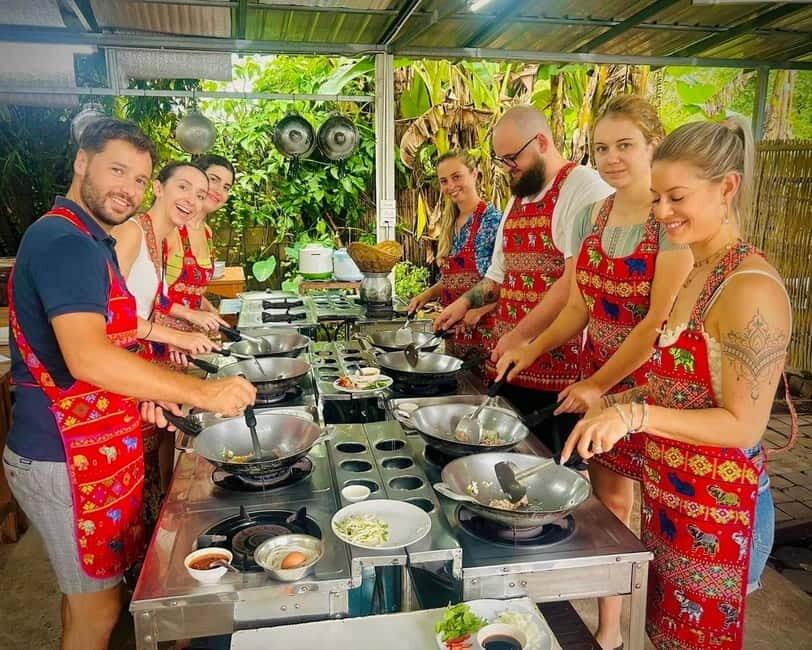
Most cooking classes teach technique. This one also teaches taste structure.
When you pound curry paste ingredients together, you start noticing what each paste style is designed to deliver. Even without a chemistry lesson, you can taste the difference once it’s mixed into coconut milk and cooked. That’s why the curry paste choice feels more than a label.
Also, the hands-on format means you control pace. If your group wants to take an extra minute perfecting the grind, you can feel that texture matter. If you want a smoother paste, you’ll learn quickly that more time in the mortar changes how it behaves.
Then the payoff comes: chicken and coconut milk curry made from your paste choice. You’ll taste a curry that matches the paste style you built, not a generic base used for everything.
Cooking in an Organic Kitchen Garden, Then Eating Thai-Style
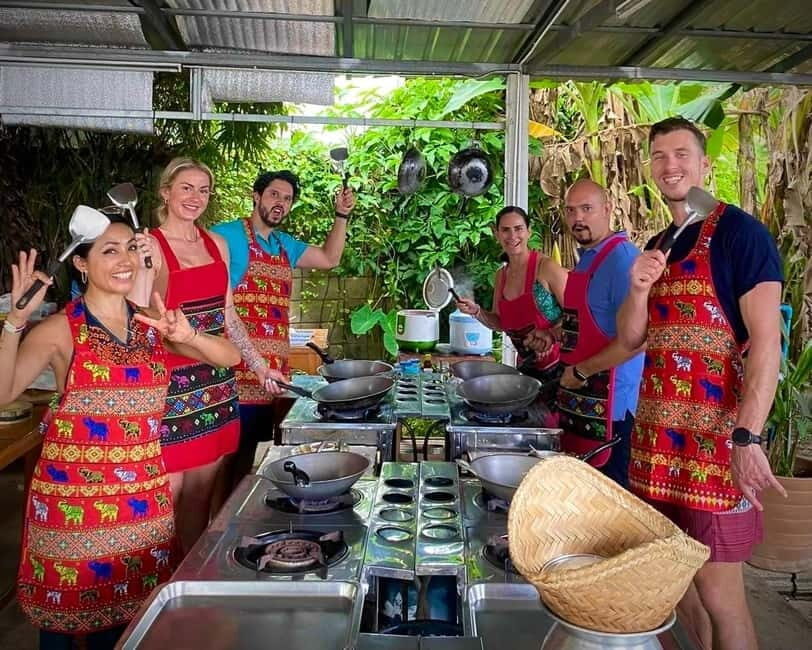
You don’t just cook and leave. You cook and then eat in true Thai tradition in the organic kitchen garden setting.
That “eat where you cooked” setup matters more than it sounds. The meal feels connected to the work you did, and you get time to talk with your instructor and the group while the food is still at its best.
It also makes the day feel complete. You get the market context, the ingredient education, the cooking skill, and a relaxed garden meal in one loop.
Instructor Energy: What Makes This Class Work (Even for Food Neutrals)
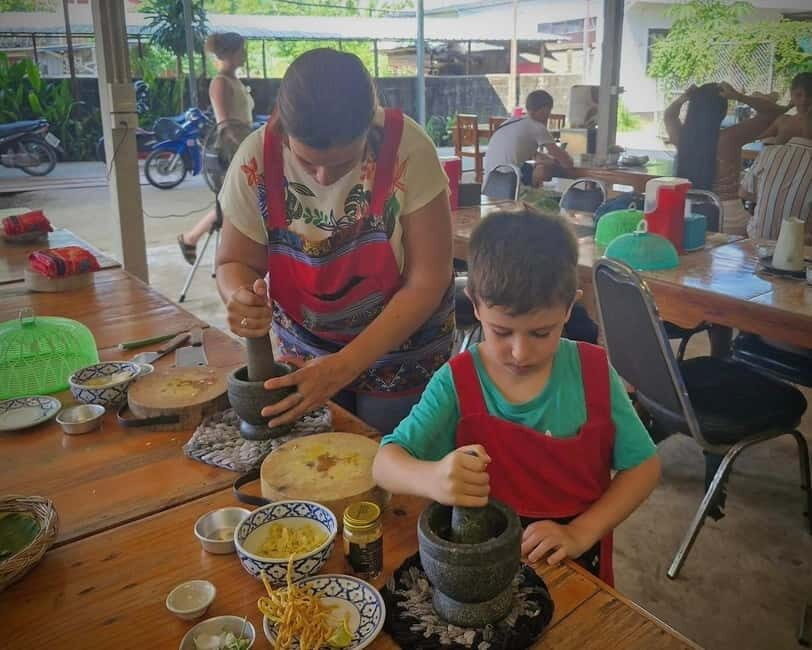
A lot of cooking classes can be technically correct and still feel dull. This one tends to land because the teaching is interactive and fun, and many sessions are led by English-speaking hosts who keep the energy friendly.
Names that show up often include Wave, Flook, Tu, Toey, Kat, and Balloon. The common thread is clear directions, lots of chances to ask questions, and a style that keeps beginners from feeling lost.
You’ll also notice that the choice-based menu helps. People don’t feel forced into one dish, and that reduces the usual “why did I pick this?” regret. You end up tasting more of what you actually wanted to learn.
Price and Value: Is $31 Really Fair for 210 Minutes?
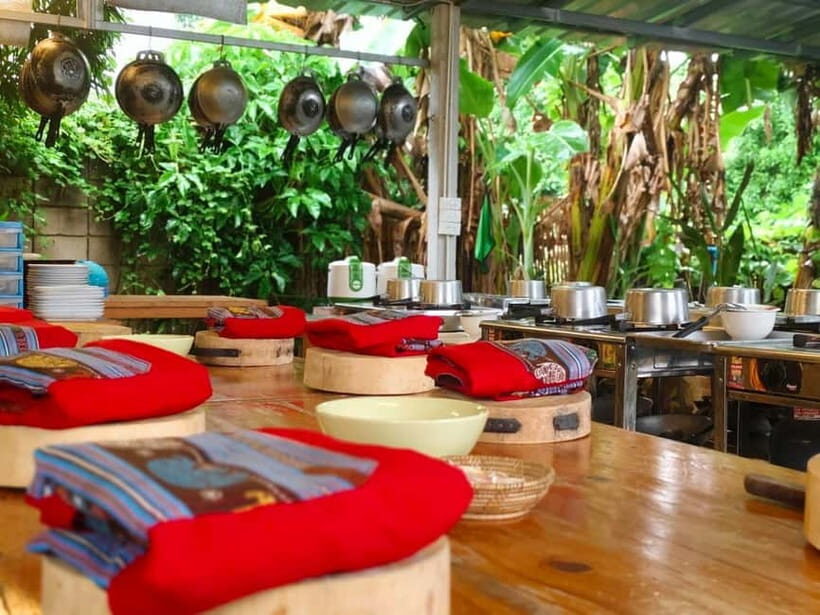
At about $31 per person for roughly 3.5 hours, this is priced like a local cultural workshop rather than a premium “tourist-only” cooking show.
Here’s what you’re getting for that money:
- hotel pickup and drop-off
- local market visit
- Thai herb garden
- hands-on cooking instruction
- all ingredients
- English-speaking instructor support
- digital recipe book (PDF)
When you stack those parts together, the cost starts to look efficient. You’re not paying only for ingredients. You’re paying for guided shopping, ingredient education, cooking coaching, and a meal served in a garden setting.
The main thing not included is alcohol, though alcohol is available for purchase. If you want a beer or a cocktail, that’s an extra line item.
Who This Chiang Mai Workshop Suits Best
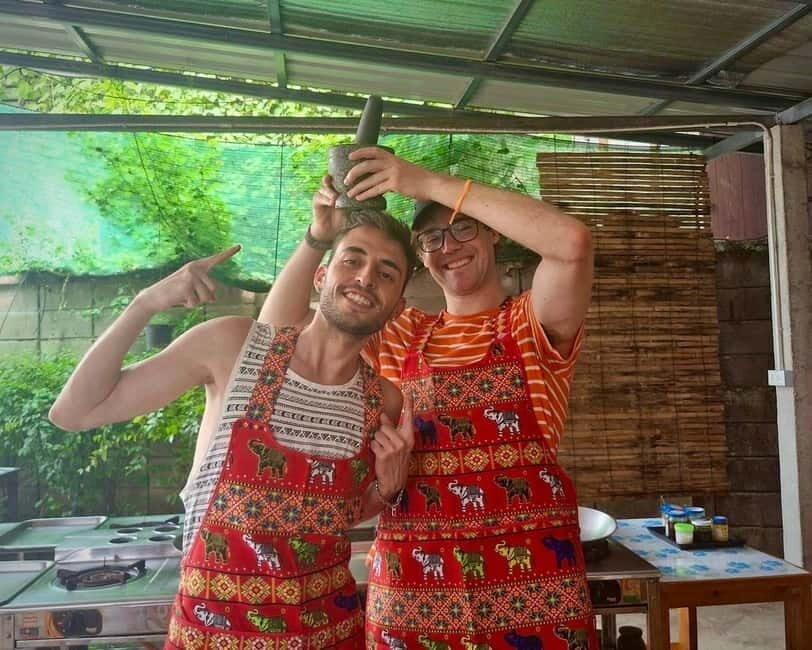
This class is a great match if you want real kitchen skills you can repeat at home: curry paste method, flavor balance, and Thai dish basics like Pad Thai or fried rice.
It’s also a good fit for couples and small groups because you’ll work together, choose different dish components, and end up eating a shared table of results. Some sessions can run with groups of around 9 people, so you might not be cooking solo, but you’re usually kept active.
If you have dietary needs, this is one of the easier workshops to feel confident about since vegan, vegetarian, gluten-free, halal, and allergies are explicitly welcomed with alternatives.
When You Might Want to Choose Another Option
If your schedule is ultra-tight, the pickup window and possible traffic delays can be annoying. This is still a 210-minute experience, and you’ll want to protect your time so you don’t feel rushed.
Also, it’s not suitable for children under 5 or for people over 95. If that age range affects you, you’ll want a different activity.
Should You Book This Chiang Mai Cooking Class?
I’d book it if you want a half-day that actually teaches you something you can cook later. The combination of market shopping, Thai herb garden context, and curry paste made by mortar and pestle gives you skills, not just a good meal.
You should also book it if you care about customizing. You can choose dishes, pick curry paste style (red/green/Phanaeng/Massaman/Khao Soi), and adjust spice level. That flexibility helps both spice-lovers and cautious eaters.
If you’re hoping for a private, silent, strictly timed class with no waiting and zero logistics, this may feel like too much “human day” for your style. For most people, though, that’s the point.
FAQ
How long is the Chiang Mai cooking class?
The experience runs for about 210 minutes.
Do I get hotel pickup and drop-off?
Yes. Pickup and drop-off are included. Free transfers are available within 3 km of Chiang Mai Old Town, and you’ll be picked up 15–30 minutes before class.
What dishes do I get to cook?
You choose from starter options such as hot and sour prawn, local chicken soup, chicken in coconut milk, or turmeric chicken soup. You also choose a main like Pad Thai, chicken fried rice, fried chicken with cashew nuts, or Pad Kra Pao, make curry paste from scratch for a chicken and coconut milk curry, and finish with sweet sticky rice with mango.
Can I control the spice level?
Yes. You can make the food spicy or non-spicy.
Is the curry paste really made from scratch?
Yes. You make your curry paste from scratch using a mortar and pestle, and you can choose the paste style (red, green, Phanaeng, Massaman, or Khao Soi).
Are dietary restrictions and allergies accommodated?
Yes. Vegan, vegetarian, gluten-free, halal, and allergies are welcome, and the team provides alternative ingredients when needed.
What should I bring?
Wear comfortable clothes. Alcohol and drugs are not allowed, and alcohol is only available for purchase.