REVIEW · CHIANG MAI
Chiang Mai: Elephant Sanctuary Feeding Program Half-Day Tour
Book on GetYourGuide →Operated by PON ELEPHANT (THAILAND) CO., LTD. · Bookable on GetYourGuide
Elephants set the pace here.
This half-day experience pairs up-close feeding with ranger-led time in a natural forest setting, then caps it with river moments when the elephants decide it’s time to cool off. It’s designed to feel calm, respectful, and hands-on without turning the animals into entertainment.
I especially like the briefing on elephant behavior and herbal treats, because it helps you stay safe and read what’s happening around you. And I like the chance to feed the elephants in a controlled, gentle way with foods like Napier grass, sugarcane, and bananas.
One possible drawback: you’ll likely do some walking between stations, and the river part can get you soaked. Also, a towel and change of clothes aren’t included, so pack properly—or you’ll feel it after.
In This Review
- Key Highlights I’d Plan Around
- A Sanctuary Day That Feels Like You’re Learning, Not Performing
- How the Day Flows: From Hotel Pickup to Forest Stations
- The Briefing and Nature Walk: Why This Part Matters
- Feeding Napier Grass, Sugarcane, and Bananas (Without the Chaos)
- The River Moment: Swimming and Bathing When Elephants Choose
- Why the Half-Day Format Works (Especially If You Have Plans Later)
- Price and Value: What $27 Gets You in Real Terms
- Safety, Rules, and the Stuff You Must Plan For
- What to Bring to Stay Comfortable (Not Just for the Photos)
- The Ethical Part: How This Tour Tries to Get Elephant Welfare Right
- Who Should Book This Tour (And Who Should Skip It)
- Practical Tips for Photos and Memories (Without Stress)
- Should You Book This Chiang Mai Elephant Sanctuary Feeding Tour?
- FAQ
- How long is the Chiang Mai elephant sanctuary feeding program?
- Is hotel pickup included?
- What foods will I be feeding the elephants?
- Will the elephants definitely bathe in the river?
- What should I bring with me?
- Is riding the elephants allowed?
Key Highlights I’d Plan Around
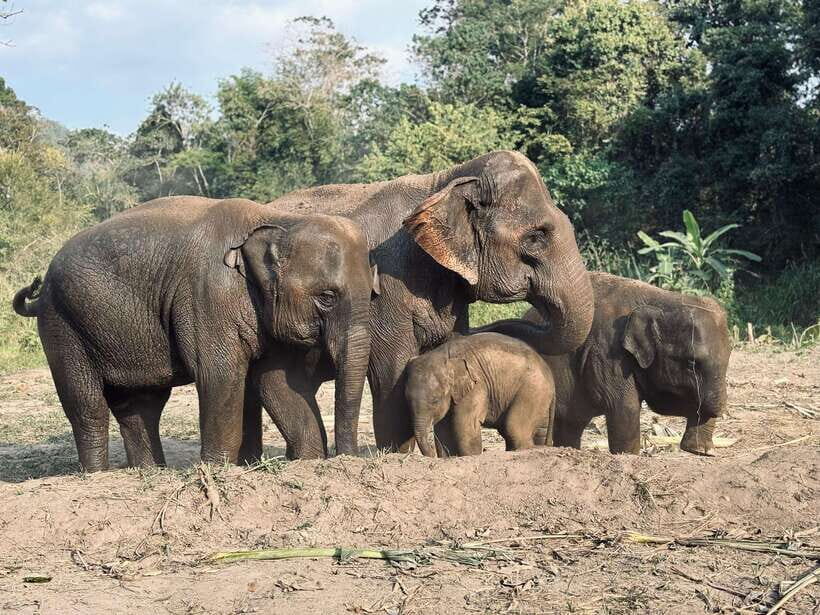
- Ethics-first interactions with no riding and no forced activities
- Elephant behavior briefing before feeding, so you know what to do and what to avoid
- Multiple feeding moments using Napier grass, sugarcane, bananas, and fruit for elephants
- River bathing is elephant-led, meaning timing can shift at short notice
- Forest time with rangers plus a nature walk that adds context beyond the photo op
- Strong value for $27 for a 5-hour half-day with guide, insurance, water, and pickup options
A Sanctuary Day That Feels Like You’re Learning, Not Performing
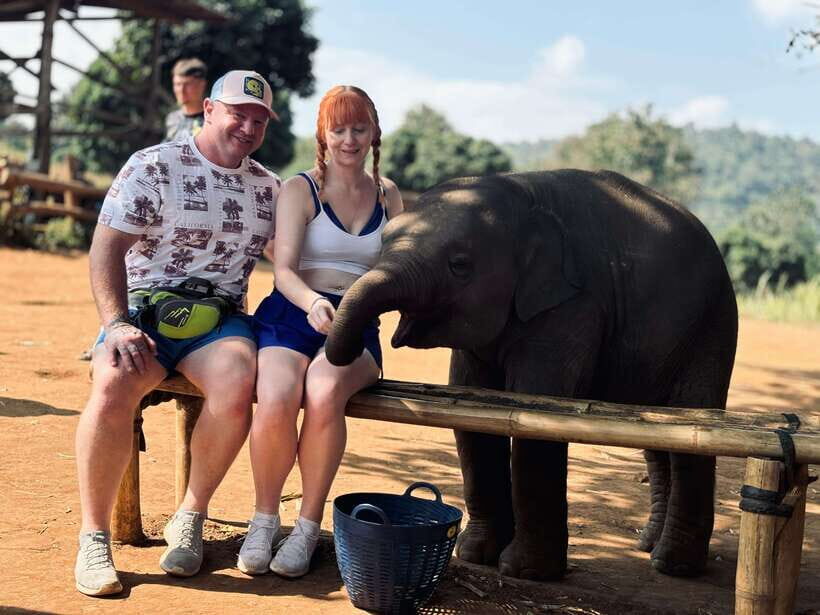
If you’re looking for a Chiang Mai elephant stop that doesn’t feel like a factory, this tour is built around the idea that elephants are living creatures with choices—not props. You’re taken to Pon Elephant Thailand, where the focus stays on coexisting with elephants in a natural habitat and observing their behavior in real conditions.
What makes it click is the pacing. You don’t just arrive, feed once, and leave. You get a briefing, a nature walk, multiple close interactions, and then the river segment—only if the elephants choose to bathe. That elephant-led setup is why the day can feel peaceful even when you’re inches away.
You can also read our reviews of more tours and experiences in Chiang Mai

How the Day Flows: From Hotel Pickup to Forest Stations
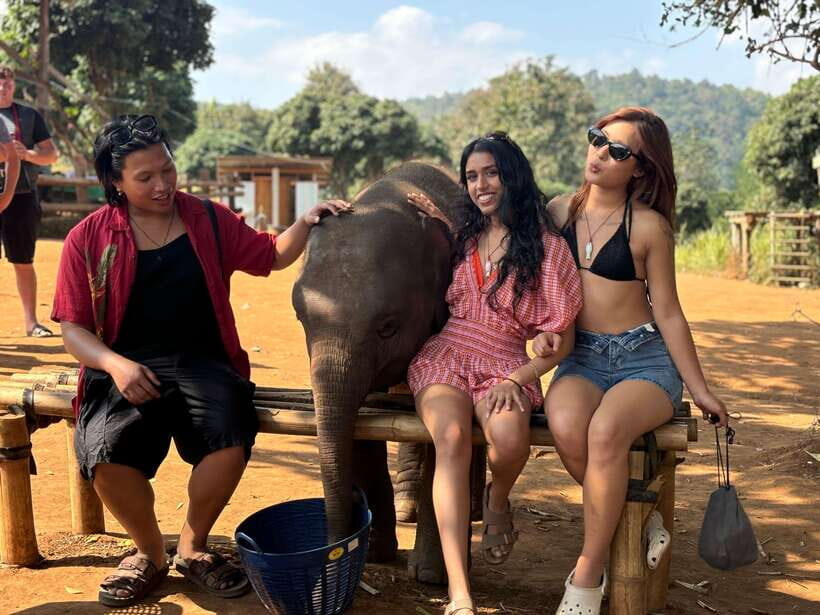
The tour runs about 5 hours (330 minutes), with timing depending on your selected pickup. If you choose hotel pickup, plan to be in the lobby 5–10 minutes early. The driver won’t wait more than 5 minutes after the scheduled time, so I’d set yourself up to be ready.
From Chiang Mai Province, you travel about 1.5 hours south of Mae Wang, moving through hills, forests, and local farms before reaching Pon Elephant Thailand. This drive matters more than you might think: it transitions you from city routines into the kind of environment elephants need, and it helps you arrive mentally ready to watch and listen.
Once there, you’ll meet the team and get a briefing covering the habitat, elephant history, habits, behavior, and how you should act around them. Multiple guides get praised for making this information clear and fun—names that come up include Tuto, Toto, Pat, Pan, Saki, Jacky, Lek, King Kong, and Mr Big (often for transport or guidance). Your exact guide can vary, but the common theme is solid communication.
The Briefing and Nature Walk: Why This Part Matters
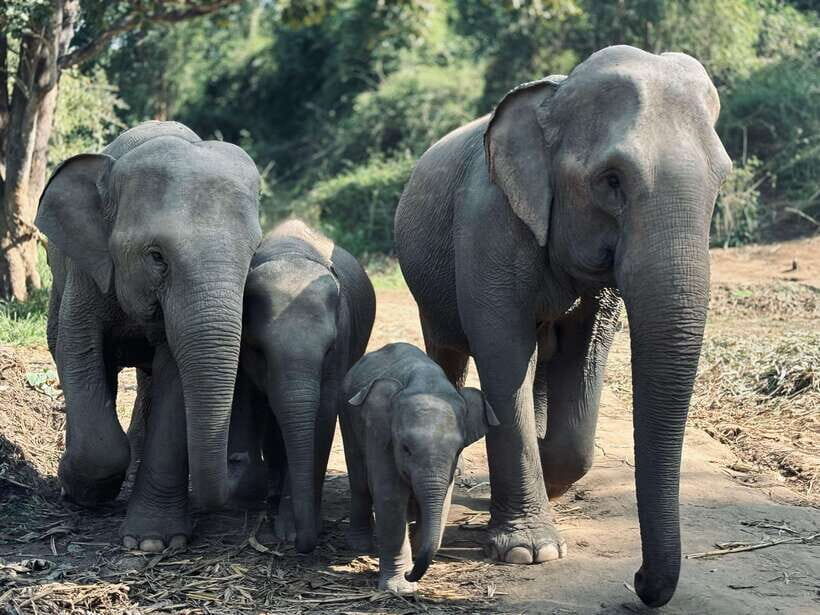
This is not a throw-you-in-the-mud tour. The early training is what turns the rest of the day into something thoughtful.
During the briefing, you learn:
- a bit about Asian elephant history
- how elephants behave and what that behavior means in the moment
- how to prepare herbal treats (you’ll also hear how the sanctuary thinks about feeding responsibly)
- basic do’s and don’ts for staying safe and respectful
Then comes a nature walk with knowledgeable rangers—you’ll see more than just “elephant view” spots. This walk gives context: you’re in a working community-forest area, not a theme park corner. It also helps you understand why the enclosure feels natural, and why the day relies on observation more than control.
The reviews repeatedly point out that staff describe elephants as individuals and tailor their attention to the animals’ needs. Even if you’re not an elephant expert, you’ll leave with a better sense of what you saw and why.
Feeding Napier Grass, Sugarcane, and Bananas (Without the Chaos)
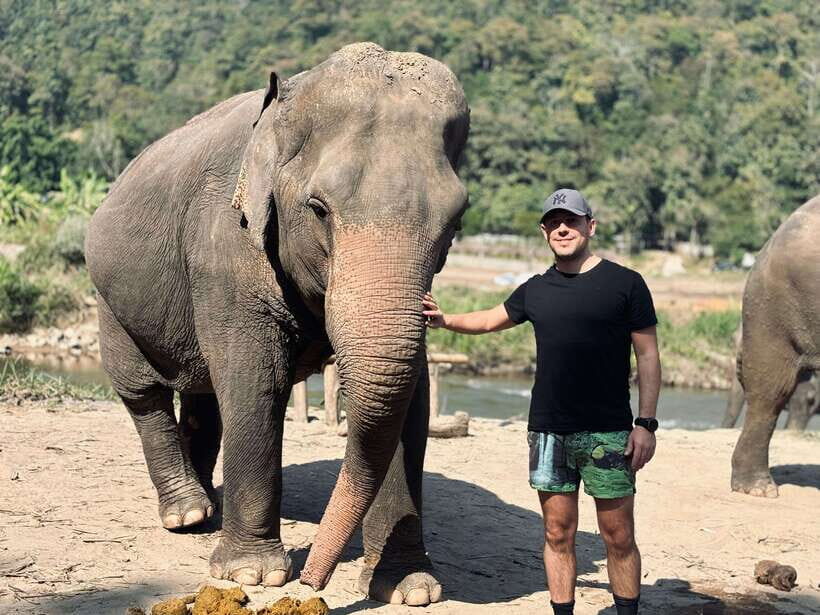
The feeding segment is the heart of the tour, and it’s where you’ll feel the most “close-up” magic—while still keeping it grounded and safe.
You’ll have the chance to feed elephants foods like:
- Napier grass
- sugarcane
- bananas
The tour also references preparing herbal treats, and some participants mention making special items like vitamin balls for certain elephants. Whether you’re making one of those specific treats or working directly with the prepared food, the goal is consistent: you feed as part of a supervised routine, not as a free-for-all.
What I like about this approach is that it helps you avoid the usual elephant-tour problem: treating feeding like a stunt. Here, feeding is framed as nutrition and care. You also get guidance on how to behave while the elephants approach and move around you.
The River Moment: Swimming and Bathing When Elephants Choose
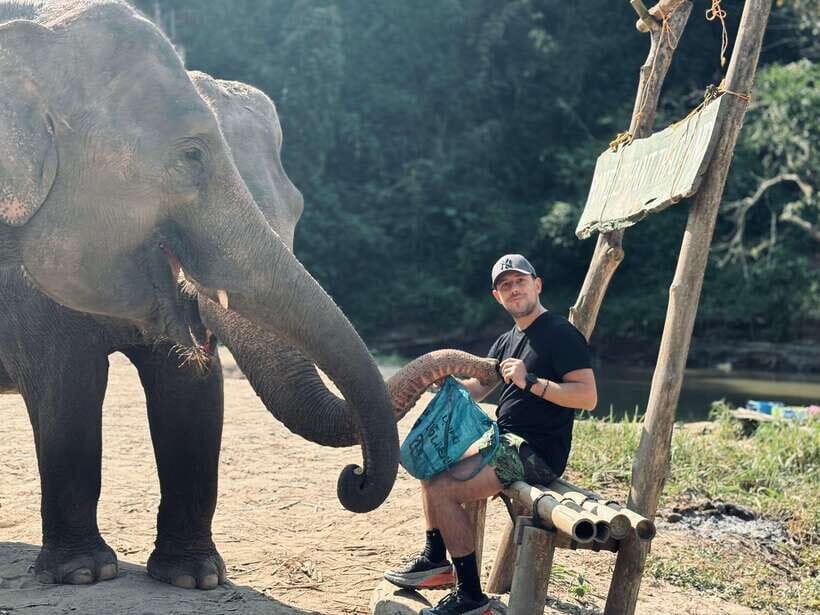
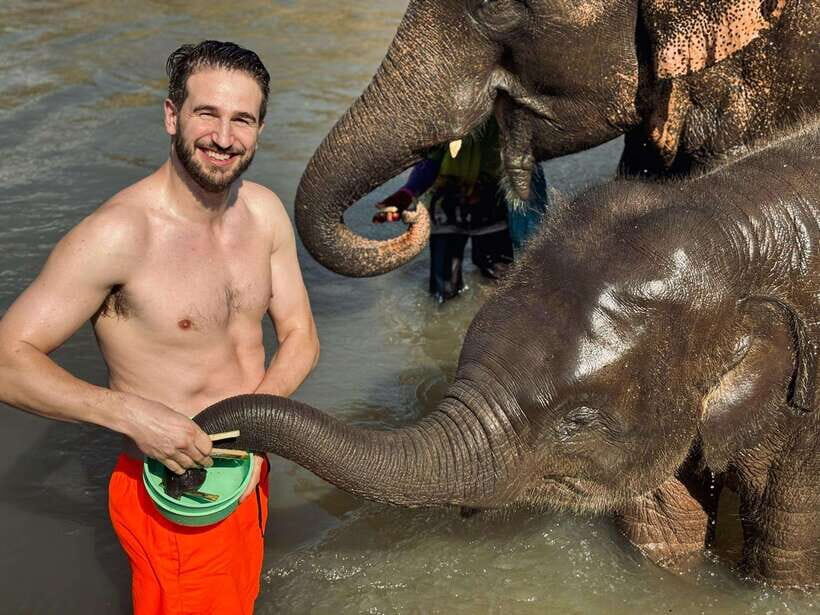
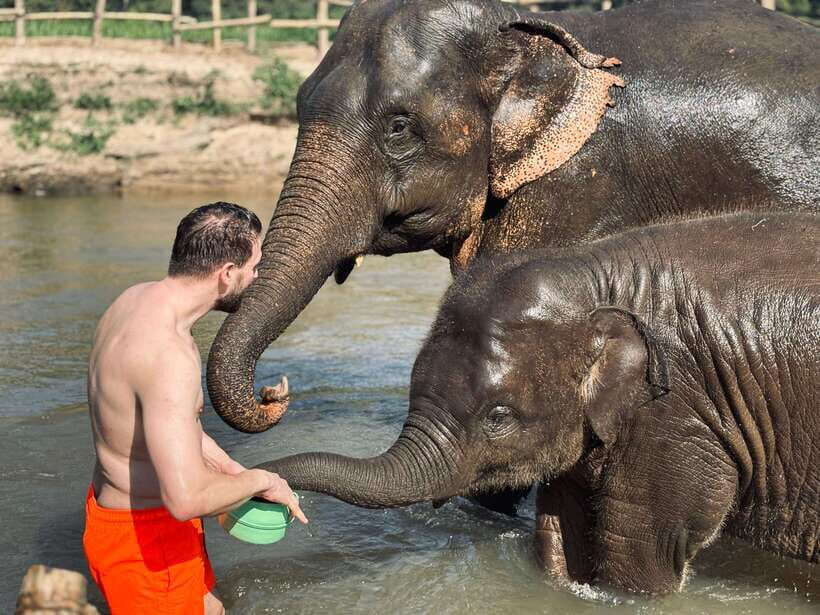
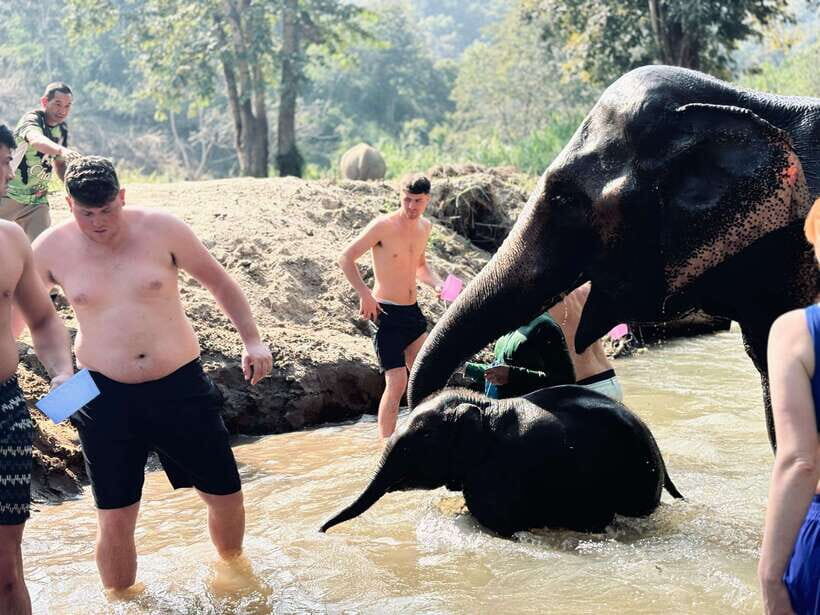
One of the most talked-about parts of the day is the shift from forest to water. You’ll take the elephants to the river and there’s a chance for swimming and bathing with the elephants and their family group.
Here’s the key detail: the elephants choose to bathe. The tour states they do not force the animals, so activities may change at short notice. Translation: your schedule is flexible, and the river time depends on elephant comfort and conditions.
This is also why you should pack for the possibility of getting wet. The tour doesn’t include a towel or a change of clothes, so plan on bringing:
- beachwear
- a change of clothes
- something you’re okay throwing over immediately after
Some people mention getting pretty soaked during the water moments. So if you’re thinking, I’ll just “deal with it,” know that dealing with it means you’ll be uncomfortable until you change.


Why the Half-Day Format Works (Especially If You Have Plans Later)
A half-day can sound short for a meaningful experience, but this tour is structured to use time efficiently. Reviews often say the itinerary feels packed in a good way—enough time at each station to watch and interact without feeling rushed all the way through.
It’s also a practical option if you have an afternoon commitment. People describe doing it right before later travel because the day stays around the 5-hour mark. If you’re trying to fit elephants into a Chiang Mai itinerary that already includes temples, markets, or a night train plan, this timing is easier to manage than full-day options.
Price and Value: What $27 Gets You in Real Terms
At $27 per person for roughly 5 hours, you’re paying for more than the feeding photo. Included elements that add real value:
- hotel pickup and drop-off if you select that option
- an English-speaking tour guide (English and Thai are listed)
- insurance
- fruit for elephants
- drinking water
Not included (and easy to forget until you’re already there):
- towel
- a change of clothes
Then there’s the “hidden value” part: the tour emphasizes ethical coexistence, no riding, and no forcing the elephants into activities. You’re also supported with ranger-led guidance, which reduces the feeling of being on your own in a high-stakes animal environment.
Transport also gets high marks, with 87% of reviewers giving a perfect score for the ride quality. That matters because a bad journey can ruin the mood before you even reach the sanctuary.
Safety, Rules, and the Stuff You Must Plan For
This tour includes specific restrictions, and they’re not random—they’re about keeping everyone safe.
Not allowed:
- riding the animals
- weapons or sharp objects
- intoxication, alcohol, and drugs
- littering or making fires
- feeding animals (outside the structured elephant feeding)
- party groups, bachelor or bachelorette groups
- fishing, fireworks, and explosive substances
You’ll also want to take the “know before you go” guidance seriously. The tour notes the itinerary can change due to bad weather or force majeure events, and that opening hours can change.
Health and comfort limitations listed as not suitable for:
- back problems
- mobility impairments or wheelchair users
- people with epilepsy
- animal allergies
- visually impaired people
- recent surgeries
- low fitness
- insect allergies
If any of those apply to you, I’d treat this as a hard filter, not a maybe.
What to Bring to Stay Comfortable (Not Just for the Photos)
I’d pack like you’ll be outside, moving between spots, and possibly wet. The tour’s “what to bring” list is very practical, and it matches what most people end up needing.
Bring:
- change of clothes
- camera
- biodegradable sunscreen
- comfortable clothes
- beachwear
- cash
- clothes that can get dirty
- charged smartphone
- biodegradable insect repellent
- passport (copy accepted)
Also think about your shoes. You’ll be outdoors and doing some walking. You don’t want footwear that you’ll regret once the ground gets muddy or damp.
One more small note: there’s mention of a wobbly bridge in at least one experience, and it was described as safe but nerve-racking. If you’re sensitive to heights or uneven footing, bring your caution with you.
The Ethical Part: How This Tour Tries to Get Elephant Welfare Right
Ethical elephant tourism is a minefield. This tour specifically says:
- all activities are based on elephants who are not forced to do them
- you’re not riding elephants
- the elephants choose bathing in the river
From the way staff interactions are described, the sanctuary model emphasizes care and routines led by mahouts and carers rather than human performance. People also highlight that elephants look healthy and live with enough space to roam, plus you can observe family groups.
You’ll still get close, including feeding and water time, but the structure is built around the elephants’ behavior. That’s why it tends to feel calm instead of chaotic.
Who Should Book This Tour (And Who Should Skip It)
I think you’ll love this if you want:
- a half-day Chiang Mai activity with a clear schedule
- close elephant interaction that includes feeding and river bathing
- a tour that teaches behavior and care basics, not just animal selfies
- a value-focused day with pickup options and insurance included
You might want to skip if:
- you have mobility constraints, back issues, or low fitness
- you’re prone to panic on uneven footing (possible bridge crossing)
- you have insect allergies, animal allergies, epilepsy, or recent surgery restrictions
- you don’t want to get wet and don’t plan to bring a change of clothes
If you’re traveling with a baby, there are positive notes about the guides supporting families so you can still enjoy the elephants. Still, do your own judgment based on your child’s needs and your comfort with outdoors and walking.
Practical Tips for Photos and Memories (Without Stress)
I’d treat this as a “watch first, shoot second” day. You’ll get better photos when you’re not constantly rushing for the perfect frame.
For great results:
- keep your smartphone charged (you’re outside for hours)
- use camera settings that handle bright daylight near water
- wear sunscreen early, then reapply if you’re outside long enough (biodegradable only)
- expect water and pack a change so you can keep enjoying without that damp, sticky feeling
- be ready for your timing to flex because the elephants control the bathing moment
And if the guides crack jokes while explaining elephant behavior, go with it. Humor is often how they teach you to slow down and pay attention.
Should You Book This Chiang Mai Elephant Sanctuary Feeding Tour?
I’d book this if you want a hands-on but regulated elephant experience—feeding Napier grass, sugarcane, and bananas in a calm habitat, then getting the chance for river bathing when the elephants choose. The price is low for what’s included, and the day is paced to teach you how to behave around elephants, not just how to pose next to them.
Skip it if you can’t manage walking between stations, if getting wet is a dealbreaker, or if any of the listed medical and allergy limitations apply.
If you’re on the fence, the best deciding question is simple: do you want a day where elephants’ comfort drives the itinerary? If yes, this tour is a strong fit. If no, look for a different kind of Chiang Mai day.
FAQ
How long is the Chiang Mai elephant sanctuary feeding program?
The duration is listed as 5 hours (330 minutes).
Is hotel pickup included?
Hotel pickup and drop-off are included only if you select the pickup option.
What foods will I be feeding the elephants?
You’ll have the opportunity to feed elephants Napier grass, sugarcane, and bananas, and fruit for elephants is included.
Will the elephants definitely bathe in the river?
Not necessarily. The tour notes that elephants choose to bathe, and some activities may change at short notice.
What should I bring with me?
Bring a change of clothes, beachwear, comfortable clothes, a camera, biodegradable sunscreen, biodegradable insect repellent, and a charged smartphone. You’re also advised to bring cash, and a passport (a copy is accepted).
Is riding the elephants allowed?
No. Riding the animals is not allowed.