REVIEW · CHIANG MAI
Half-Day Elephant Experience at Rantong
Book on Viator →Operated by Ran-Tong Save & Rescue Elephant Centre · Bookable on Viator
Elephants set the pace here, and that ethical rhythm is what makes this outing so memorable. I like that you get a small-group limit for hands-on time, and you also get hotel pickup so the day feels simple from start to finish.
The trade-off is the drive. The ride out toward Mae Taeng can be long and some vans sound tight, with a few reports of rough or unsafe driving, so I’d plan for comfort and motion in advance.
In This Review
- Key Things to Know Before You Go
- The Ran-Tong Experience: Ethical Elephant Time, Not a Trick Show
- Getting There From Chiang Mai: Pickup, Ride Time, and Comfort Tips
- Arriving at the Centre: Changing Into Mahout-Style Karen Clothes
- Elephant School and Daily Care Lessons: Making Vitamins the Care Way
- Feeding and Walking With Rescued Elephants: Close, Calm, and Guided
- Bath Time in a Natural-Feeling Setting: What to Expect (and How to Prepare)
- Lunch and the Shower Moment: A Half-Day That Still Feels Finished
- Price and Value: Is $58.70 Worth It?
- Who This Tour Suits Best (and Who Might Want a Different Option)
- Things to Pack and Do Before You Arrive
- Should You Book Ran-Tong’s Half-Day Elephant Experience?
- FAQ
- How long is the half-day Elephant Experience at Ran-Tong?
- Is there a morning and afternoon option?
- Do I get hotel pickup and drop-off?
- What activities are included with the elephants?
- What should I bring?
- Is lunch or dinner included?
- What is the cancellation policy for a full refund?
Key Things to Know Before You Go
- Max 15 people keeps the experience more personal and easier to manage around large animals.
- Hotel pickup/drop-off in Chiang Mai city removes the hassle of finding the right meeting spot.
- Mahout-style Karen clothing and boots help you join in without worrying about your own clothes.
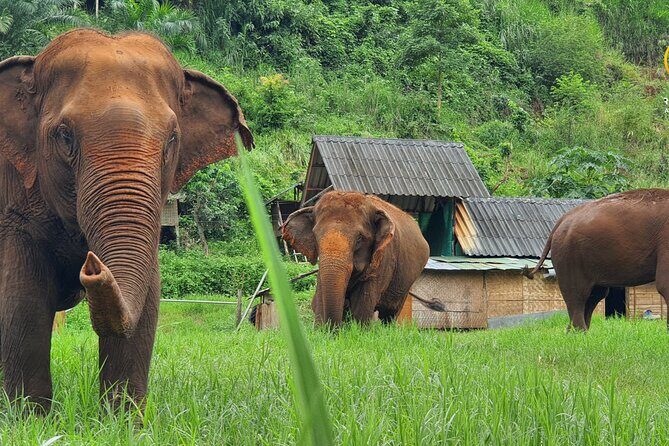
- Vitamin-making and feeding focus on daily care, including elephants who are pregnant, injured, or older.
- Bath time in a natural-feeling setting is part education, part hands-on, and it’s done with elephants in control.
- Shower and Thai food at the end mean you can dry off, refresh, and refuel without extra planning.
The Ran-Tong Experience: Ethical Elephant Time, Not a Trick Show
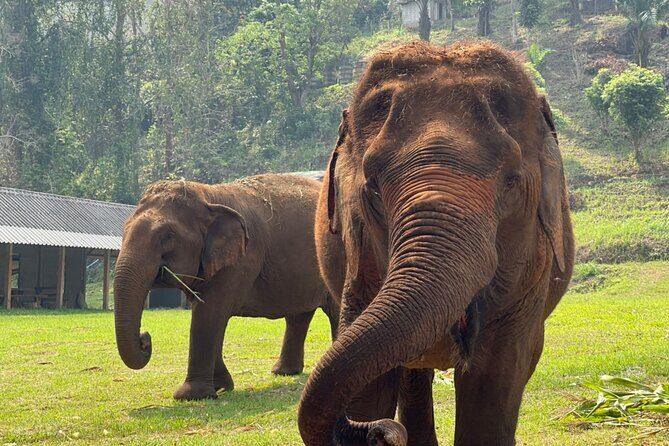
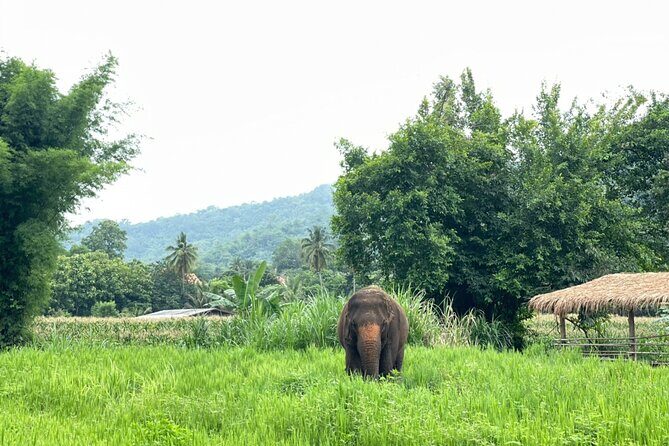
If you’ve ever worried that elephant encounters in Thailand are just entertainment, this is the kind of place that aims to change that script. At Ran-Tong Save & Rescue Elephant Centre, your day centers on care and calm interaction: feeding, walking time, and bathing, with instructions designed around elephant comfort rather than performance.
What I like most about the way this works for you is the pacing. One of the biggest themes is that the elephants set the tempo—if they move away, you don’t chase them. You’re learning how to be around rescued animals without turning them into a prop, and that changes the feel of the day.
You’ll also see rescued elephants up close: animals described as being cared for after terrible conditions, including older elephants and elephants who need special support. That matters, because it turns a one-off attraction into a meaningful visit.
You can also read our reviews of more tours and experiences in Chiang Mai

Getting There From Chiang Mai: Pickup, Ride Time, and Comfort Tips
This half-day tour is built around convenience. You’re picked up from your hotel/accommodation in Chiang Mai city, and then you return there at the end. That’s a big deal in a place where “getting there” can eat half your energy.
Expect about an hour each way driving to Ran-Tong in Mae Taeng District (some accounts describe closer to 45 minutes, but traffic can stretch it). Because it’s a shared van setup, comfort can vary. A couple negative notes mention cramped seating and even seatbelt issues, so this is the one part you should treat as a potential weak link.
If you’re the type who gets motion-sick, here’s my practical advice: bring water, wear closed-toe shoes that are easy to keep on, and keep your valuables secured. You’ll be getting wet later anyway, so it helps to start with a clear, organized bag plan.
Arriving at the Centre: Changing Into Mahout-Style Karen Clothes
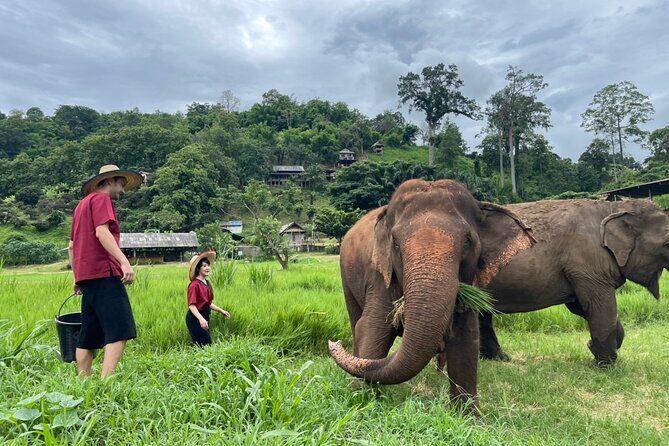
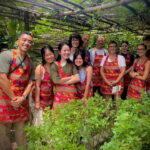
Once you reach Ran-Tong Save & Rescue Elephant Centre, you’ll switch into Mahout-style Karen clothes. This is more than a costume moment. It helps you fit the rhythm of the elephant school portion, where you learn the basics of how the centre works and how interaction is supposed to happen.
You’ll also get footwear support (boots are mentioned in accounts), which is a relief. Elephants do what elephants do—mud, water, and splashes are part of the day. The “change and gear up” phase is where you go from spectator mode to participant mode.
Then the tour shifts into the elephant school session. This is where you get the rules and context that make the rest of the morning or afternoon make sense. You’re not just told what to do—you’re given a reason why.
Elephant School and Daily Care Lessons: Making Vitamins the Care Way
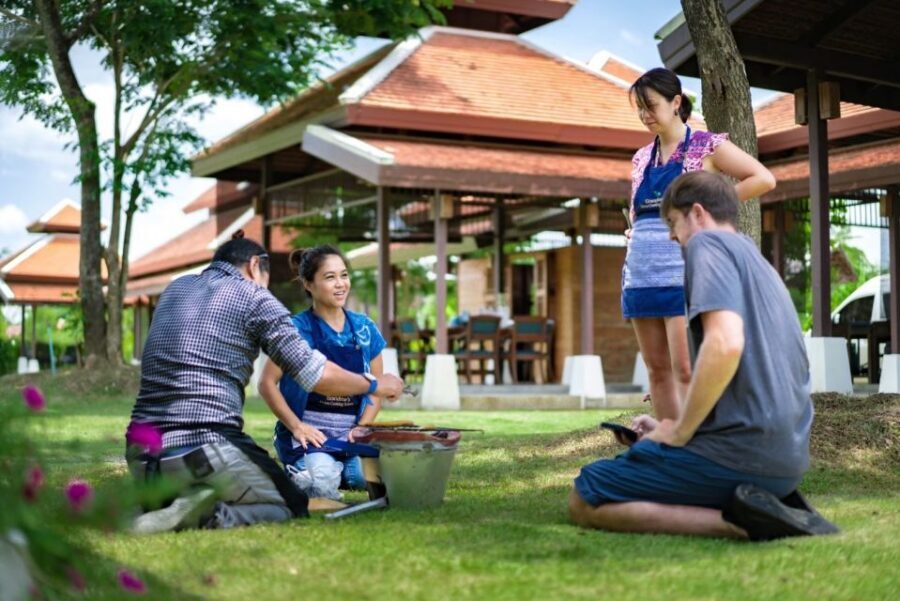
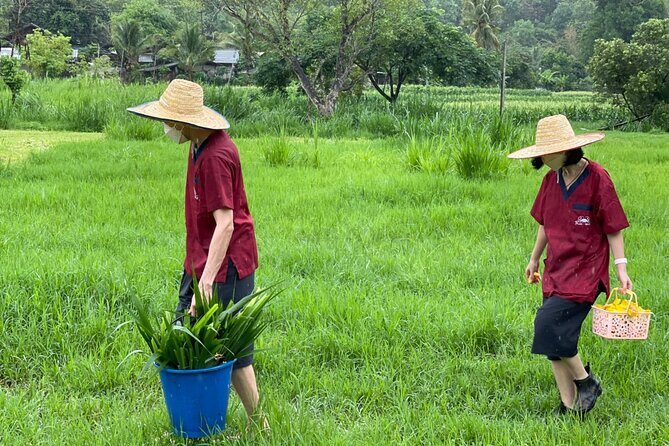
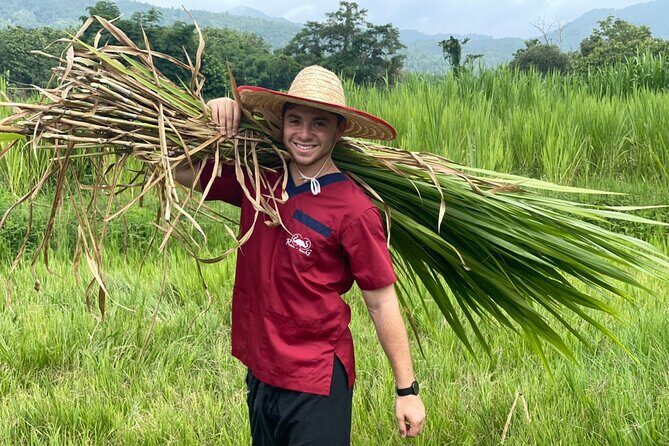
One of the most distinctive parts of this experience is the vitamin-making activity. You’re involved in preparing vitamins for the elephants, including those described as pregnant, injured, and older.
For you, this matters because it reframes feeding from a simple photo moment into a care task. You get a hands-on sense of how daily support works at a rescue centre, and that makes your later time with the elephants feel more grounded and respectful.
This is also where good guiding can really change the experience. In accounts tied to this tour, guides named Rambo, Seven, Nikon, and Oh-Oh show up with praise for being fun and clear about elephant behavior and interaction rules. When the instruction clicks, you’re more confident around huge animals, and the day feels safer and smoother.
Small groups help here too. With a cap of 15, you’re less likely to feel pushed forward or lost in the shuffle while you’re learning what to do.
Feeding and Walking With Rescued Elephants: Close, Calm, and Guided
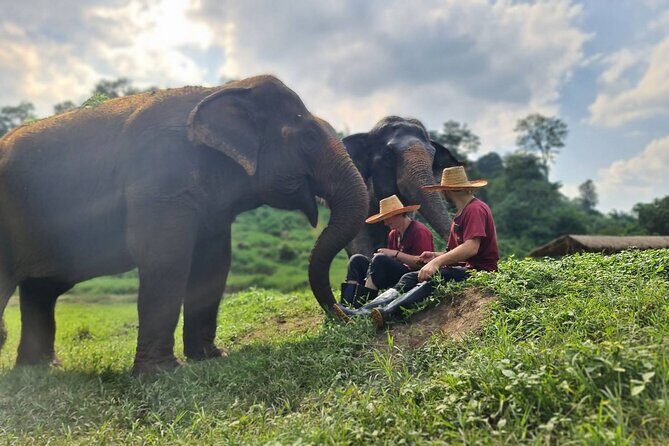
After the care lesson, you meet the elephants. Then the tour includes walking with them and feeding them. You’ll be guided on how to interact at the elephants’ pace, which is a key point for anyone who’s anxious about being in charge of something massive.
This is also where you’ll notice the centre’s approach to comfort. Accounts describe clear instructions, slow progression, and the sense that elephants aren’t forced to stay close. Instead, they’re allowed to move naturally, and you adjust to their choices. That approach tends to feel less like “experience time” and more like learning how to share space.
One more practical detail: the facility is described as sizeable, with one account saying roughly 10–20 acres and around 20 elephants. Another says the centre is home to 13 elephants. Either way, you shouldn’t expect a tiny roadside pen. It feels like a working sanctuary with real grounds and multiple animals.
And for families, that space plus the calm pace can be a win. A couple mentions highlight the experience as organized and safe for children, which usually means the staff are managing flow and instruction rather than letting chaos happen.




Bath Time in a Natural-Feeling Setting: What to Expect (and How to Prepare)
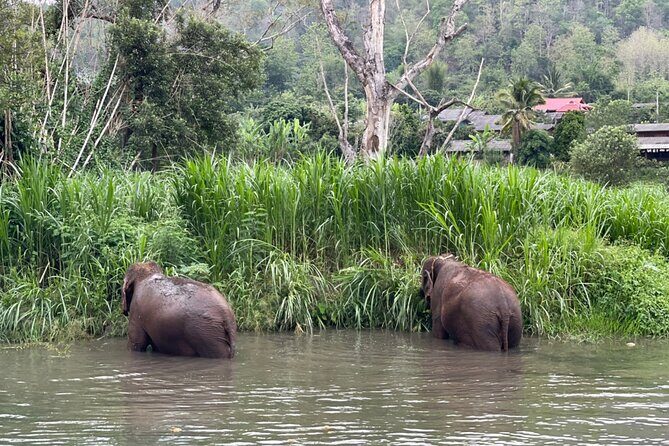
Bathing is the big crowd-pleaser, and this tour treats it as a structured, caring activity. You’ll take part in a bath with the elephants, in conditions described as close to their natural habitat.
You should go in expecting wet and dirty clothes. You’re changing into a prepared outfit, and you’ll still want to bring the right gear mindset. The centre setup usually gives you the chance to participate without soaking your entire life—boots help, and you’ll get change options later—but plan on getting splashed.
The best part of bath time is what it teaches you. It’s not just a spectacle; it’s a routine that supports animal well-being. When the elephants are comfortable, the whole interaction looks easier and calmer, and you feel like you’re supporting a care step rather than staging a performance.
Lunch and the Shower Moment: A Half-Day That Still Feels Finished
By the time you head back after the elephant activities, you’re not left hungry. The tour includes lunch/dinner with Thai food, seasonal fruit, and drinking water. Some accounts specifically call out pad Thai and tropical fruit, plus a spread that’s filling rather than a token snack.
Then comes the other important part: the shower and change area. You’re given time after the wet work to freshen up, and accounts describe the shower/changing area as clean and well set up. Towels and shower gel are mentioned, and the tour guidance also suggests bringing shampoo and soap if you want to stick to your own products.
For you, this is where the tour earns its “half-day” label. You don’t just get a photo and a goodbye. You get a real wrap-up: food, refresh, and a return to your hotel.
Price and Value: Is $58.70 Worth It?
At $58.70 per person for an experience around 5 hours, the value comes from what’s included—not just the headline activities. You get:
- hotel pickup and drop-off in Chiang Mai city
- a small-group format (maximum 15)
- instruction in elephant care via the elephant school portion
- hands-on involvement (including vitamin-making)
- feeding and bathing time
- change into Mahout-style Karen clothing and boots
- Thai food, seasonal fruit, and drinking water
- time to shower after
If you price out those items separately in your head—transport, guide time, entry fees, and basic meal—the total starts to make sense. This is especially true if you’d otherwise have to arrange your own ride to Mae Taeng, coordinate what to bring, and figure out how the interactions work.
The one place where value can feel weaker is transport comfort. A few negative notes focus on the van ride (cramped seating or rough driving). That doesn’t change what you’ll do at the centre, but it can affect how you feel at the start and end of the day.
Still, for many people, the trade-off is worth it because the core experience is built around care, not rides. Reports highlight that this is an ethical format with no riding and with elephants allowed to choose their pace.
Who This Tour Suits Best (and Who Might Want a Different Option)
This is a strong match if you want a meaningful encounter with rescued elephants and you care about ethics. You’ll like it if you prefer learning and hands-on care moments over quick, high-pressure interactions.
It also suits people who appreciate structure: you get a clear flow with guidance, rules, and time to interact slowly. And if you’re traveling with family, the tour’s organization is repeatedly praised, including for kids.
You might want to think twice if:
- you’re very sensitive to motion or cramped vehicles
- you expect luxury comfort in the van (some accounts suggest it’s not)
- you dislike getting wet and dirty, even with shower and change provided
Things to Pack and Do Before You Arrive
I’d treat the packing list like you’re going to both an animal-care day and a splash zone.
Bring:
- spare clothes (you will change again)
- comfortable shoes plus sandals you don’t mind getting wet and muddy
- a camera (and maybe a phone pouch)
- mosquito spray or insect repellent
- shampoo and soap if you’re picky about what you use
The tour provides change clothing and boots, and you can shower after. But packing for your personal comfort is still smart because not everyone’s idea of feeling fresh is the same.
Should You Book Ran-Tong’s Half-Day Elephant Experience?
If you’re choosing between generic elephant encounters and an experience built around rescue care, I’d lean toward booking this one. The strongest reason is the focus: feeding, bathing, and hands-on daily care like vitamin-making, done with clear instruction and an emphasis on elephant comfort and freedom.
The only real “don’t ignore this” point is the ride. If transport comfort matters a lot to you, go in knowing the van portion can be rough or cramped for some people. Then plan to recover after the centre with the shower, and you’ll be fine.
If you want to spend a half-day in Chiang Mai doing something that feels more humane and more educational than a quick photo stop, this is a very solid choice.
FAQ
How long is the half-day Elephant Experience at Ran-Tong?
The duration is approximately 5 hours.
Is there a morning and afternoon option?
Yes, you can choose a morning or afternoon start time.
Do I get hotel pickup and drop-off?
Yes. Pickup and drop-off are offered from your hotel/accommodation in Chiang Mai city.
What activities are included with the elephants?
You’ll change into Mahout Style Karen clothes, learn about the centre, make vitamins for the elephants, feed them, walk with them, and take part in a bath.
What should I bring?
Bring spare clothes, comfortable shoes, sandals that you do not mind getting wet and dirty, shampoo and soap, a camera, and mosquito spray or insect repellent.
Is lunch or dinner included?
Yes. Thai food, seasonal fruits, and drinking water are included.
What is the cancellation policy for a full refund?
Free cancellation is offered. You can cancel up to 24 hours in advance for a full refund, and changes less than 24 hours before the start time are not accepted.