REVIEW · CHIANG MAI
Half-Day Thai Cooking Class at Organic Farm in Chiang Mai
Book on Viator →Operated by Smile Organic Farm Cooking School · Bookable on Viator
This is not just a cooking class in a building. You get a real organic farm setting plus a hands-on Thai menu made from ingredients you learn about first. The whole half-day runs like a tight mini-trip into Chiang Mai countryside life.
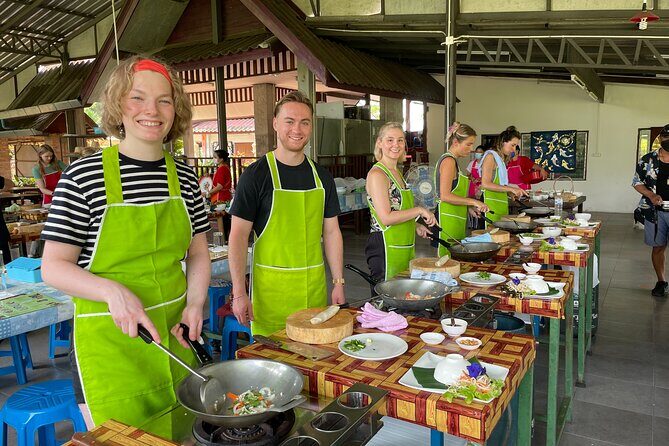
I especially like two things here. First, you can choose your menu and even match it to your needs, since every dish option can be vegetarian or vegan. Second, the teaching is hands-on, with people doing the chopping, grinding, and cooking themselves at organized stations led by instructors such as Lilli, Luna, Love, K, Natalie, and Lizzy.
One consideration: you’ll end up with a lot of food. Multiple reviews flag that the portions come fast across three courses, so go in with an appetite plan, not a full breakfast marathon.
In This Review
- Key things I’d plan around
- Why This Organic Farm Class Feels Different Than Usual Cooking Tours
- Getting From Chiang Mai City to Smile Organic Farm
- Market Stop: Spices, Veggies, and Picking What You’ll Cook
- The Farm and Organic Garden Walk That Changes How You Cook
- Hands-On Cooking: Curry Paste, Curry, Stir-Fry, Soup, and Spring Rolls
- Curry paste
- Curry
- Stir-fry
- Soup
- Spring rolls
- Choosing Vegan or Vegetarian Menus and Controlling the Spice
- The Meal Experience: Eat What You Made, Not Just Watch It
- Price and Value: Is $29.35 Worth It?
- Who This Half-Day Class Suits Best (and Who Might Hesitate)
- Should You Book Smile Organic Farm Cooking School?
- FAQ
- How long is the Thai cooking class?
- Do I get pickup and transportation back to my hotel?
- Where does the class begin?
- Can the dishes be made vegan or vegetarian?
- What can I cook during the class?
- Is there an age limit for children?
Key things I’d plan around
- Organic farm + kitchen garden time so your cooking isn’t just memorizing steps
- Market stop first, which helps you understand the spices and veggies before you cook
- Pick your own menu choices across categories, with vegan or vegetarian options always available
- Hands-on cooking for curry paste, curry, stir-fry, soup, and spring rolls (including pastes)
- Smaller group size (max 12) with a dedicated chef/guide for smoother instruction
Why This Organic Farm Class Feels Different Than Usual Cooking Tours
Most Chiang Mai cooking classes focus on the meal. This one builds the meal from the ground up, starting with a short market visit and then heading out to Smile Organic Farm Cooking School for garden learning and real cooking practice.
You also get that countryside feel without turning it into a full-day bus ride. Round-trip transfers are included, so you spend your energy learning instead of navigating. The vibe tends to be relaxed but structured, with instructors keeping each step moving so you get your hands on the food rather than just watching.
The experience is rated extremely high, with a 5-star score across more than 19,000 reviews, which lines up with what you’ll likely care about most: clear teaching, solid organization, and food that tastes like you built it.
You can also read our reviews of more cooking classes in Chiang Mai
Getting From Chiang Mai City to Smile Organic Farm
Pickup starts from your hotel or accommodation in Chiang Mai city. Then you head toward the farm area, with a brief market stop before arriving at Smile Organic Farm Cooking School.
This matters because Chiang Mai traffic can turn your “half-day” plan into a time sink. Here, the transfer is already built into the schedule, so you can plan the rest of your day with more confidence. The schedule runs about 6 hours (approx.), even though it’s sold as a half-day class, so treat it like a true morning/early afternoon commitment.
Also, the group size is capped at 12 travelers, which usually means the staff can keep things moving without leaving anyone behind. Several reviews mention that even with multiple groups going on at the same time, each group has its own chef/guide, which helps instruction stay personal.
Market Stop: Spices, Veggies, and Picking What You’ll Cook
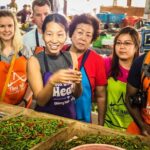
You don’t just pass through the market. You get a short guided visit, intended to help you understand what you’re about to cook.
In practice, this part sets you up to make better choices. You’ll learn about the herbs, veggies, and spices used in Thai cooking, and then later you can choose what you want from the menus offered for each cooking category. Reviews describe guides walking people through products and explaining why each ingredient matters.
One smart way to use this time: think about flavors you already like. If you’re a curry person, start paying attention to how they talk about curry paste ingredients. If you’re more into fresh herbs, note what you see used in stir-fries and spring rolls. The goal isn’t to become a spice expert in 30 minutes; it’s to get the map in your head so your cooking sessions feel logical.
A small caution: one review called the market stop unnecessary, so if you’re the kind of person who just wants to get straight to cooking, you may find it lighter on action than the farm portion. Still, it tends to pay off when you start chopping and grinding later.
The Farm and Organic Garden Walk That Changes How You Cook
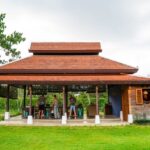
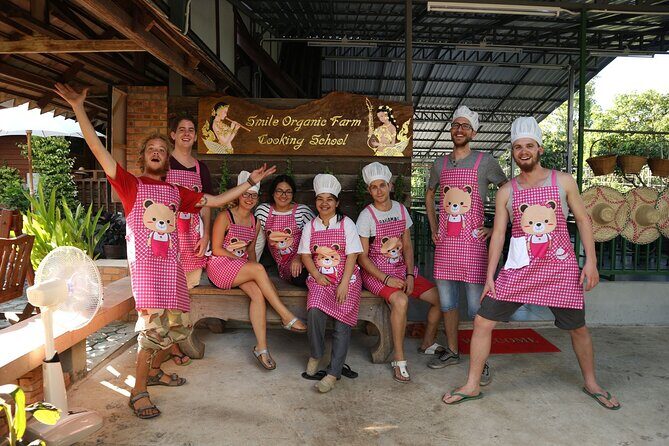
After the market, you drive to Smile Organic Farm Cooking School. When you arrive, the team explains the menu categories, and then you choose what you want to cook for each section.
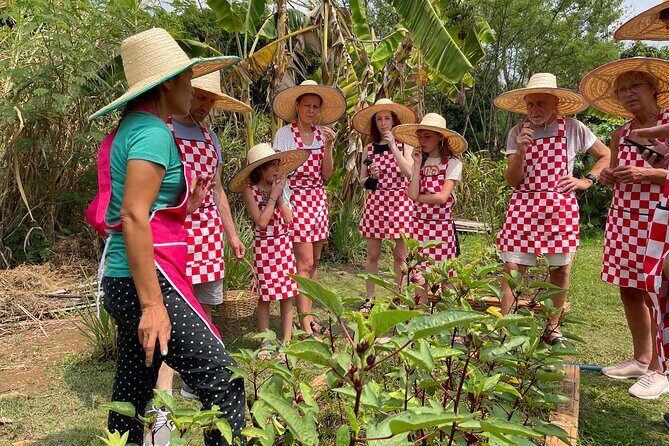
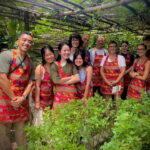
Then you get the garden component: you’ll learn about Thai herbs and vegetables grown in their organic kitchen garden. This is one of the most useful parts of the whole day because it connects ingredient names to real plants you can recognize.
Reviews also hint at extra farm atmosphere, including animals on-site. Some people mention seeing a tortoise and French bulldogs, plus an outdoor cooking feel. You might find this part relaxing, especially if you’re tired of city tours that move too fast.
What you should take away: Thai cooking relies heavily on fresh aromatics and balanced flavor, not just heat. Seeing the herbs in a farm setting makes it easier to understand why the instructors stress herb choice and prep technique once you’re back in the kitchen.
Hands-On Cooking: Curry Paste, Curry, Stir-Fry, Soup, and Spring Rolls
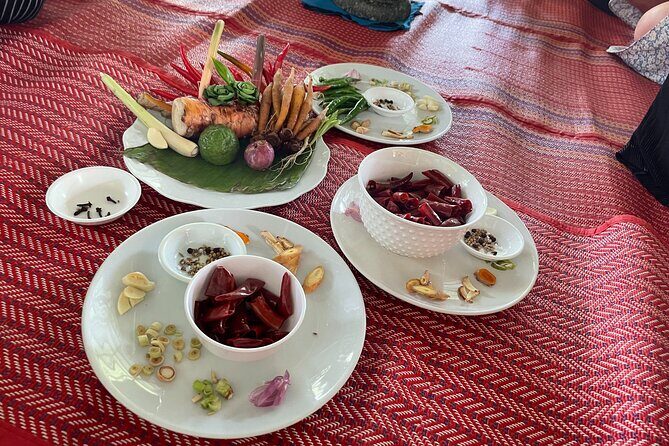
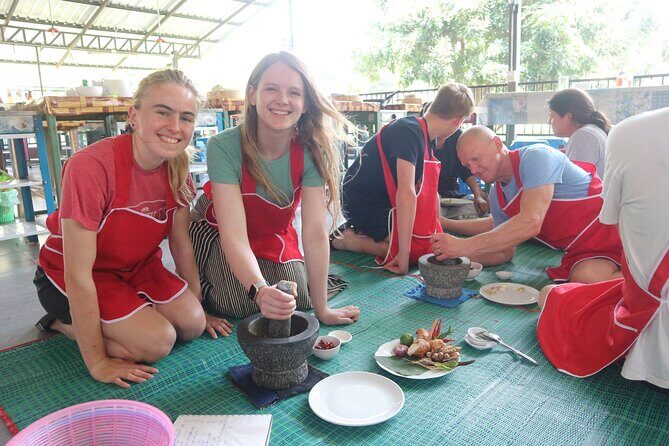
This is the centerpiece. You’ll learn basic Thai cooking in five categories:
- Curry paste
- Curry
- Stir-fried dishes
- Soup
- Spring rolls
And yes, you actually do the work. Reviews repeatedly mention chopping, grinding, and stir-frying yourself, with setups that are organized and fast. People also note that directions are clear, which matters because Thai cooking can feel intimidating when you’re missing one key detail, like how long to toast something or when to add paste.
Here’s how each category usually lands, and what it gives you as a home-cook:
You can also read our reviews of more tours and experiences in Chiang Mai

Curry paste
Curry paste is where Thai cooking becomes real. Several reviews specifically highlight making pastes and learning what’s going into them. When you grind and blend your own paste, you understand how flavors build, rather than treating curry paste as an instant product.
Curry
After the paste, you cook curry using the paste you made. This teaches the timing that keeps curry tasting fresh instead of flat. You’ll see how paste, coconut or other base components, and aromatics work together.
Stir-fry
Stir-fry tends to be the quickest confidence-builder because you can see results fast. You’ll learn to keep ingredients moving and coordinate heat with prep. If you’re trying to cook Thai after this class, stir-fry is often the dish you repeat first.
Soup
Soup rounds things out and gives you a different texture and flavor path. Some reviews mention that soup appears in place of dessert for the final course, which means your last meal may feel more filling than sweet.
Spring rolls
Spring rolls give you a hands-on wrapping and cooking lesson, with focus on getting the filling right and handling the wrapper correctly. This category is also a great “bring it to a party” skill, since spring rolls scale well.
Across all categories, a key pattern shows up in reviews: the experience is paced so everyone cooks, not just one person in each station. Many people mention personal stations, which helps if you want to avoid waiting your turn.
Choosing Vegan or Vegetarian Menus and Controlling the Spice
You have flexibility. Every menu can be cooked as vegetarian or vegan, and you can also choose whether your food is spicy or mild.
This matters because Thai cooking often makes people worry about missing the “real” meat flavor. Here, the structure is built so you can still experience authentic technique without needing meat. And if you’re traveling with someone who can’t handle spice, you have an easy shared plan.
Practical advice for your choices:
- If you want the most Thai flavor, focus your picks on curry paste and one curry dish, even if you go mild.
- If you’re traveling with mixed spice tolerance, set the spice level early and stick to it. Then everyone can relax while cooking.
In reviews, instructors like Love, Luna, K, and Lizzy get credit for explaining how to get consistent results even when people are cooking for the first time. That’s what you want from a class like this: no mystery, just repeatable technique.
The Meal Experience: Eat What You Made, Not Just Watch It
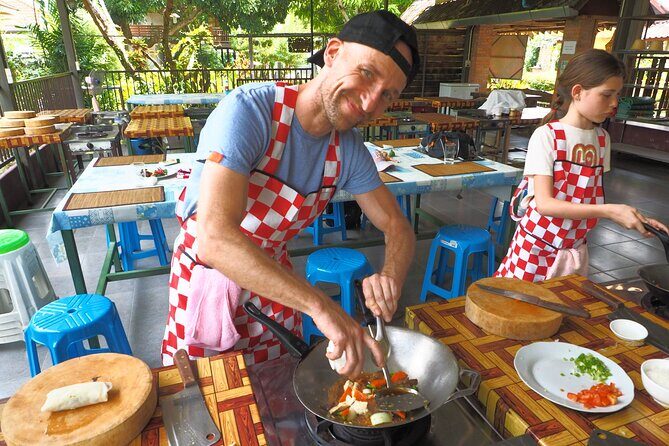
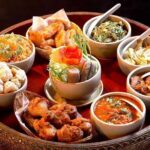
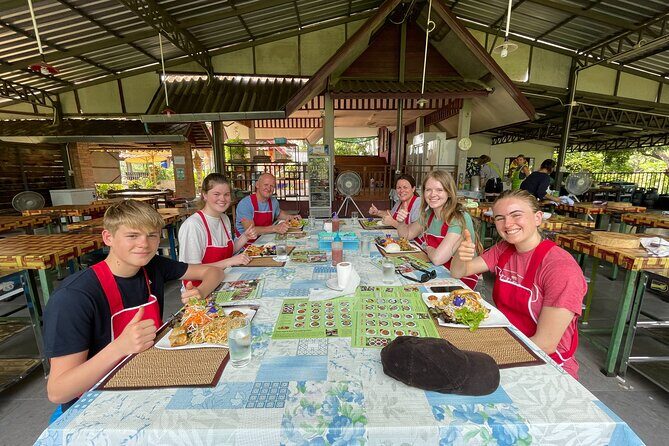
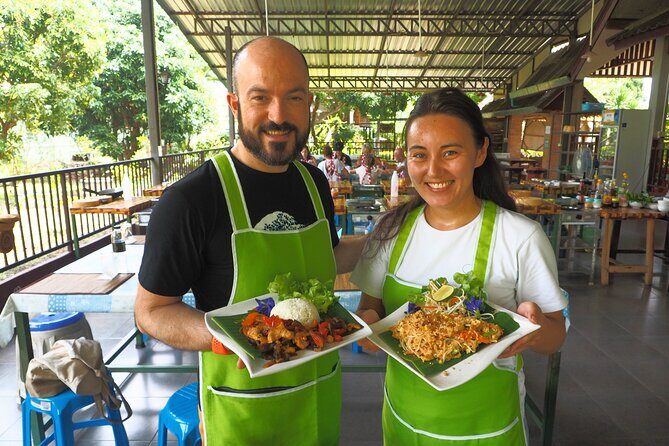
After cooking, you enjoy the Thai food you made in a relaxing atmosphere. Reviews often describe communal eating, organized stations, and smooth flow from market and garden to cooking and plating.
One practical thing to plan for: the food volume. Multiple reviews say you’re given a lot of food and that it’s easy to feel stuffed if you eat too much before starting. A strong tip from the feedback is to not eat a huge meal earlier in the day. Treat this like your main food event.
Also, you’ll likely finish with more skills than you expect. People specifically mention learning enough to cook additional Thai dishes at home, not just copying one recipe.
And about dessert: at least one review notes there was no Thai dessert, since the half-day format ends with soup instead. If you’re someone who expects a sweet finish, you might feel that absence. On the other hand, you may welcome the extra savory meal if you’re hungry.
Price and Value: Is $29.35 Worth It?
At $29.35 per person, this class can be excellent value when you look at what’s included. You’re paying for:
- Round-trip transfers from your hotel area
- A market visit
- Farm and herb garden learning
- Guided, hands-on cooking across multiple categories
- A sit-down meal made from your own work
Most cooking classes charge more for fewer steps. Here, the price-to-experience ratio looks strong because you’re not just sampling food. You’re learning technique that’s harder to get in a quick demo.
You also get small-group energy. With a maximum of 12 travelers, your attention from the chef/guide is more likely to stay tight. That’s part of what drives the consistently high ratings.
If you compare this to taking a cooking workshop that only covers one dish, the value gets even clearer. You’re getting a broad foundation: paste, curry, stir-fry, soup, and spring rolls.
Who This Half-Day Class Suits Best (and Who Might Hesitate)
This class fits best if you want a hands-on food education with a real organic farm element. It’s also a strong pick for:
- Couples who want a memorable food-focused outing
- Families or small groups who value clear guidance and shared meals
- Foodies who like cooking technique, not just eating
It can also be a great activity for people who don’t cook much. Reviews emphasize clear directions and efficient setups, with guides keeping the process manageable.
Who might hesitate? If you hate chopping, grinding, or anything that smells like curry paste during prep, you might find it more labor than you expected. And if you want lots of variety in the final menu and especially dessert, you may notice the half-day format leans heavily on savory courses.
Should You Book Smile Organic Farm Cooking School?
I’d book it if you want more than a meal. This experience is built around a simple idea: if you learn ingredients in the market and herbs in the garden, then cooking makes sense. You’ll come away with practical skills you can repeat, especially with curry paste and stir-fry.
I’d also book it if you care about options. The fact that everything can be vegetarian or vegan, plus spice control, makes it an easier decision for groups with different diets.
One more practical note: plan your schedule around being full. This is not a light snack. You’ll likely eat a lot across the cooking and the meal portion, so keep the rest of your day simple.
If you’re deciding between this and a quicker class, the organic farm setting and the five-category structure help justify the time. And if something changes, you get free cancellation up to 24 hours in advance, which makes it easier to take the leap.
FAQ
How long is the Thai cooking class?
The experience is listed at about 6 hours (approx.), including pickup, the market stop, cooking activities, and the return transfer.
Do I get pickup and transportation back to my hotel?
Yes. Round-trip transfers are included, and you’ll be picked up from your hotel or accommodation in Chiang Mai city.
Where does the class begin?
The day begins with pickup in Chiang Mai city, then you travel to a local market for a brief visit before continuing to Smile Organic Farm Cooking School.
Can the dishes be made vegan or vegetarian?
Yes. The menu options can be cooked as vegetarian or vegan.
What can I cook during the class?
You’ll learn basic Thai cooking in five categories: curry paste, curry, stir-fried dishes, soup, and spring rolls.
Is there an age limit for children?
The experience notes that children 0–3 years old are free of charge. Children above 9 years old can have their own cooking stations as participants. Children 4–8 years old are listed under a separate price for visitors.