REVIEW · CHIANG MAI
Evening Cooking Class in Organic Farm with Local Market Tour
Book on Viator →Operated by The Best Thai Cookery School · Bookable on Viator
Thai cooking becomes way easier when you shop first. This evening class in Chiang Mai pairs a visit to Somphet Market with hands-on cooking at an organic farm area, so you see ingredients before you touch the stove. I like the individual cooking stations (you’re not hovering in a crowd) and the fact you eat what you cook right after class. One thing to consider: it runs for about 5 hours starting at 3:30 pm, so you’ll want an easy afternoon plan and come ready to work up an appetite.
The setup is also practical. You get round-trip hotel transfers and you keep the day stress low, which matters in Chiang Mai traffic. The group stays small, with a maximum of 10 travelers, and the teacher leads the session with enough personality to keep things light and fun.
You’ll be cooking familiar Thai favorites from scratch, including a focus on making curry paste and building flavors step by step. There’s also a demo covering papaya salad and mango sticky rice, so even if you’re a beginner, you’ll leave with a clearer idea of how Thai dishes come together.
In This Review
- Key highlights you’ll feel right away
- Entering The Evening: Why 3:30 pm Works So Well
- Somphet Market: Where Your Thai Cooking Starts
- Organic Farm Time: Picking Ingredients That Actually Matter
- Your Cooking Class: Six Dishes at Your Own Station
- What You’ll Eat and Why the Sequence Works
- Transfers, Group Size, and a Smooth Evening Plan
- Price and Value: Is $29 Actually a Good Deal?
- Who This Tour Fits Best (And Who Might Skip)
- Should You Book This Evening Cooking Class?
- FAQ
- What time does the class start?
- How long is the experience?
- What does the price include?
- What are the main stops?
- How many dishes will I cook?
- Do I eat the food I cook?
- Can I cancel for a full refund?
Key highlights you’ll feel right away
- Somphet Market first, so you learn what to buy before you cook
- Organic farm ingredient picking, including hands-on herb and produce learning
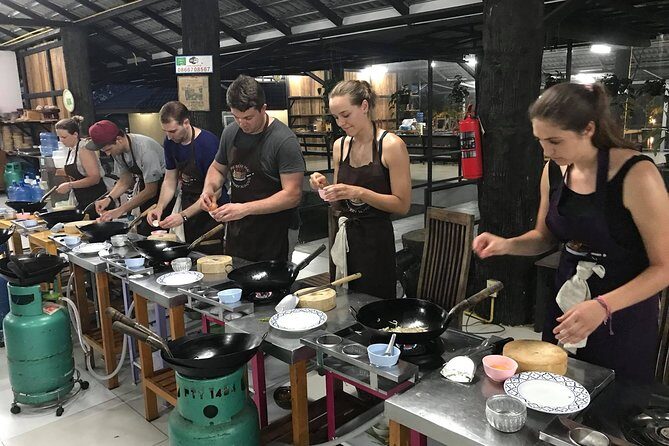
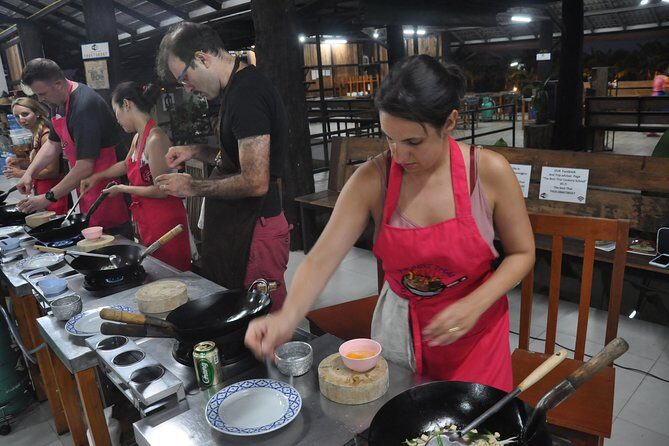
- Your own cooking station, which makes it easier to follow along
- Six dishes on your menu, plus tasting your own work at the end
- Small group (max 10), so questions actually get answered
- Chef Perm energy from the reviews, with laughs built into the lesson
Entering The Evening: Why 3:30 pm Works So Well
This is a class designed for a specific rhythm: late afternoon into dinner. The start time is 3:30 pm, and the full experience is about 5 hours. That timing is handy because it lines up with Chiang Mai’s cooler hours and the natural “food mode” your body hits in the evening.
You’ll begin with a market visit and then move to the cooking location outside the city. Because the food tour and cooking class are linked, it doesn’t feel like two separate activities. You see ingredients at the market, then you use them later at your station. That connection is the difference between a show-and-tell class and a skill-building one.
If you’re the type who likes to understand what you’re eating, you’ll appreciate that the lesson starts before the recipes. It also helps you remember flavors later, because you associate each ingredient with a real moment: looking for it, smelling it, and then cooking with it.
You can also read our reviews of more shopping tours in Chiang Mai

Somphet Market: Where Your Thai Cooking Starts
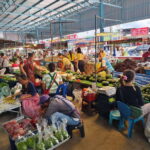
Your first stop is Somphet Market, and the market time is about 30 minutes. The main idea here is not to “finish” the market like a shopping spree. It’s to get oriented to the ingredients you’ll cook with later, especially the items that show up in Thai staples like curry bases and salads.
In the reviews, people highlight the authentic, local feel of this market. You also get a guided element during the market portion. A chef-teacher (named Perm in one review excerpt) introduces ingredients and even gets you smelling herbs and plants. That smell step matters. Thai cooking often depends on fresh aromatics, and if you can recognize a herb by scent, you’ll cook more confidently later.
What to watch for during those 30 minutes:
- Items that smell strong and fresh (herbs and aromatics are a huge part of the flavor profile)
- Produce that looks clean and crisp, since you’re using it in dishes later
- Any ingredients related to curry paste and common Thai sauces
Since time is short, you’ll get the best value by staying focused rather than trying to browse every stall. If you want souvenirs, you might be able to pick a small thing on the way out, but the goal is ingredients, not shopping.
Organic Farm Time: Picking Ingredients That Actually Matter
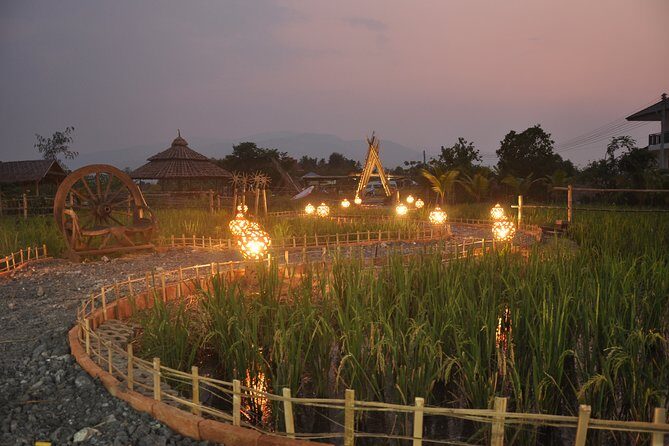
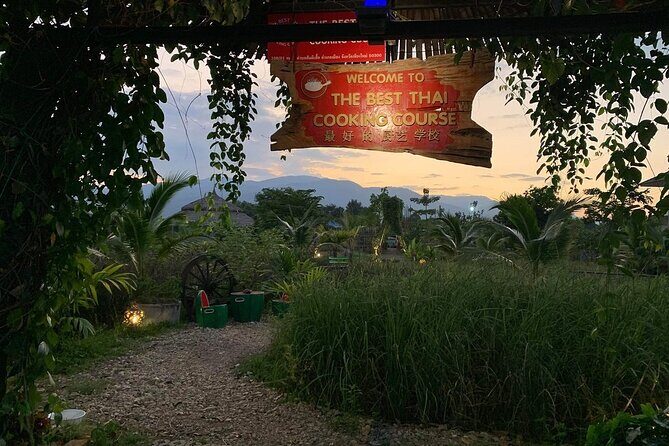
After the market, you head to the cooking course area, described as a farm setup a short drive away from Chiang Mai. This is where the “organic farm” piece becomes practical, not just a label. You’ll be able to hand-pick fresh ingredients as part of the experience.
That matters because Thai cooking is ingredient-driven. When you pick the produce yourself, you pay attention to quality: what looks fresh, what smells right, and what seems like it will hold up in cooking. It’s also a way to understand what “from scratch” means in this context. You’re not just following instructions with a pre-made packet. You’re choosing components that will shape the dish.
The lesson also includes learning how to make curry paste. Curry paste is one of the foundations of many Thai meals, and it’s where beginners often get stuck. Instead of treating it like a mystery sauce, you learn the process and the logic behind combining flavors.
Even if you don’t remember every ingredient name later, you’ll likely remember the sequence and the “feel” of building paste. That’s what makes it useful when you try to cook at home.
Your Cooking Class: Six Dishes at Your Own Station
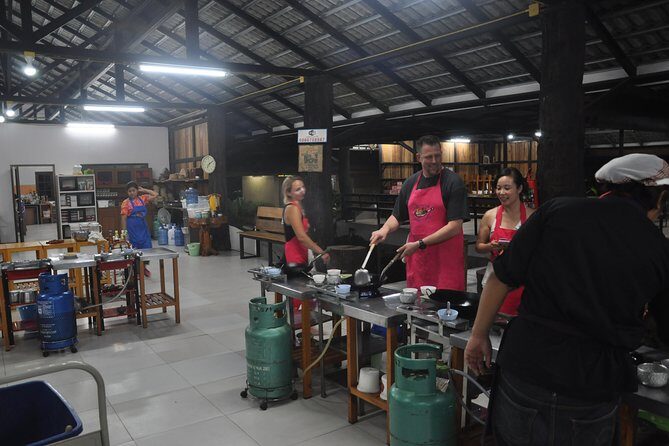
The core of the experience is the Thai cooking course itself, which is about 4 hours. You’ll cook with a professional teacher at an individual cooking station. For a group class, this is a big deal. You’re not stuck watching while others take over the wok.
The structure is designed to help you learn without falling behind:
- You start with curry paste and key building blocks
- You then cook multiple dishes using what you’ve learned
- You also get a demonstration portion for dishes like papaya salad and mango sticky rice
According to the course description, you’ll create six dishes. You’ll also see a demonstration covering papaya salad and mango sticky rice. That demo is valuable even if you’re already good at cooking, because it shows technique and timing, not just ingredients. Sticky rice and mango can go wrong for the unprepared, so watching the right method helps you understand how it should come together.
Chef-teacher energy is a major theme in the reviews. People specifically mention that Perm was funny and kept jokes and laughs going nonstop. That kind of tone does more than entertain. It reduces the pressure of cooking in a new style of food and makes it easier to ask questions. When the teacher is relaxed, you’re more likely to focus on what you’re doing instead of rushing.
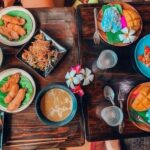
And yes, you eat what you cook. After the class, you sit down to dine on your own creations before you head back. That closes the loop: learn, cook, taste, and compare what you made to what you expected.
What You’ll Eat and Why the Sequence Works
The meal isn’t an afterthought. It’s built into the experience. Once you finish cooking, you stick around to dine on the dishes you made. This is one of the most practical forms of learning because it gives you immediate feedback. You get to taste your own version while the steps are still fresh in your mind.
The dishes you cook include the curry base work plus the broader Thai favorites. The description also includes papaya salad and mango sticky rice as part of the demonstration. Even if you don’t personally cook every demo dish, you can still learn from watching and then tasting.
Here’s why the sequence matters:
- Market first helps you recognize ingredients
- Curry paste instruction teaches a foundation
- Hands-on cooking gives you technique practice
- Eating your results locks in the learning
One more thing: you’ll likely leave feeling satisfied. The reviews repeat the idea of leaving full and super happy. That’s not just good vibes. It’s a sign that the class portion isn’t a small snack. It’s a real dinner from your work.
You can also read our reviews of more tours and experiences in Chiang Mai


Transfers, Group Size, and a Smooth Evening Plan
Logistics can make or break an evening activity, especially when you’re tired after exploring earlier in the day. This one is built for low hassle: round-trip hotel transfers are included, and pickup is offered.
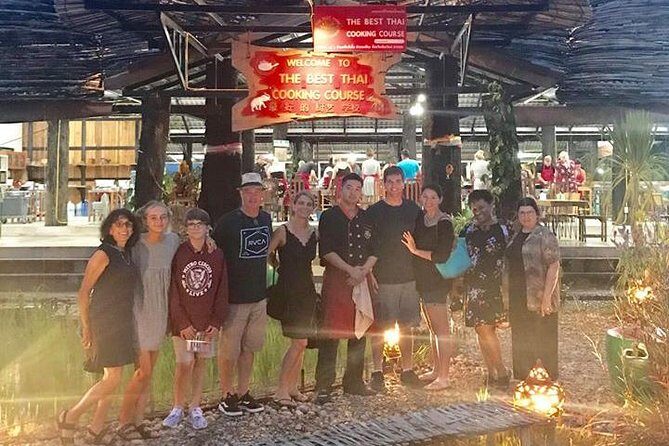
The tour provider also keeps the group size small, with a maximum of 10 travelers. Small groups are where you usually get more attention and more flexibility. You can ask questions without feeling like you’re interrupting, and it’s easier for the teacher to notice if someone is stuck.
The meeting start time is 3:30 pm. If you’re staying near public transportation, you’ll find it easier to get around the city too. But transfers do most of the work for you, which is a big advantage if you don’t want to wrestle with finding the right ride at dusk.
The whole experience is about 5 hours. That’s long enough for real cooking practice, but short enough that it won’t steal your entire next day. It’s a good “one big food activity” slot.
Price and Value: Is $29 Actually a Good Deal?
The price is $29, and what you get is unusually bundled for that range. You’re paying for:
- A market stop (with admission included)
- A professional-led cooking course
- Individual cooking stations
- A lesson that includes curry paste and cooking multiple dishes
- A meal that includes what you cooked
- Round-trip hotel transfers
Cooking classes can be expensive once you include transportation and meal costs. Here, the class is structured so you don’t have to add those extras separately. You’re also getting a market tour component, which many cooking classes skip or shorten so much it becomes decorative.
Is it worth it if you’re a serious foodie who already knows Thai cuisine? You might still learn something from the curry paste process and the technique of building dishes at your own station. If you’re newer to cooking, it’s even better value, because you’re getting a guided path rather than random recipes.
My practical take: at this price point, the biggest value is not the food you taste. It’s the skills and the ingredient learning that comes with it.
Who This Tour Fits Best (And Who Might Skip)
This experience makes the most sense if you want an evening activity that includes real cooking, not just watching. It’s also a good fit if you like guided ingredient learning and want a market-to-stove connection.
It’s especially well suited for:
- Beginners who want structure and clear instruction
- Food lovers who enjoy markets and ingredient smells
- People who prefer a small group and individual work stations
You might think twice if you dislike hands-on cooking, because you’ll be cooking through the lesson and then eating what you make. Also, since the start time is 3:30 pm, it’s not ideal if you prefer very late dinners or very early mornings.
Dietary needs aren’t described in the information you provided, so if you have allergies or restrictions, I’d recommend checking with the operator at booking to confirm what will work for you.
Should You Book This Evening Cooking Class?
Book it if you want a Thai cooking experience that feels grounded: shop for ingredients at Somphet Market, learn curry paste, cook six dishes at your own station, and then eat your results as dinner. For $29, the inclusion of hotel transfers and the meal makes it strong value, especially in an evening format that’s easy to plug into your Chiang Mai plans.
Skip it only if you’re looking for a purely sightseeing market walk with no hands-on cooking, or if you can’t do a 3:30 pm start and roughly 5 hours out of your day.
If you like laughs, a friendly teacher presence, and a class that leaves you full, this one fits the bill.
FAQ
What time does the class start?
The start time is 3:30 pm.
How long is the experience?
It runs for about 5 hours (approx.).
What does the price include?
The price includes round-trip hotel transfers, a visit to Somphet Market (with admission included), the cooking course (with admission included), and a meal after the class.
What are the main stops?
You go to Somphet Market first, then to The Best Thai Cooking Course for the cooking class and farm ingredient portion.
How many dishes will I cook?
You will cook six dishes.
Do I eat the food I cook?
Yes. You stick around after the class to dine on what you cooked.
Can I cancel for a full refund?
Yes. You can cancel up to 24 hours in advance for a full refund. If you cancel less than 24 hours before the start time, the amount you paid will not be refunded.