REVIEW · CHIANG MAI
Chiang Mai: Elephants, Sticky Waterfalls, Market and Temple
Book on GetYourGuide →Operated by Elephant Welfare Sanctuary · Bookable on GetYourGuide
Sticky falls and elephants in one day. This small-group Chiang Mai tour strings together local food culture, wet adventure at Bua Thong Sticky Waterfalls, and a temple stop that feels more like worship than sightseeing. Then it ends with elephant care activities in a natural setting, with time to feed and bathe the animals.
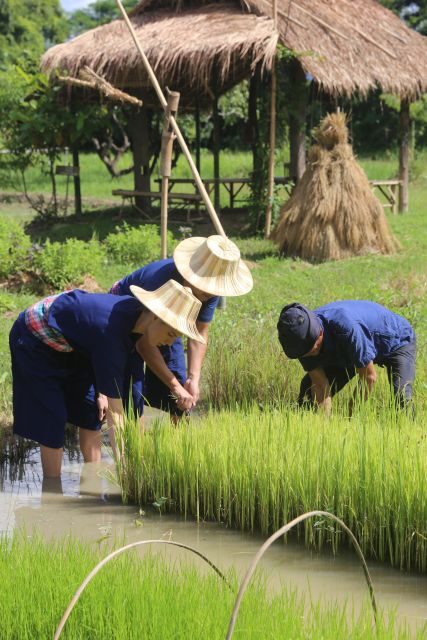
I particularly love how the day balances city-to-countryside variety without feeling rushed, especially with the off-road drives past paddy rice fields and village life. I also like the human touch: guides such as Blue, Tu, and Non consistently handle logistics well, share cultural context, and even capture photos for you during the day. One consideration: sticky waterfalls and temple footwear rules mean you should plan to get wet and be ready for a more active day than you might expect.
In This Review
- Key things I think you’ll care about
- A full-day Chiang Mai hit list that actually feels local
- Price and value: why this runs about $70 and where it earns its keep
- The 10:45 hotel pickup that gets you out of town
- Market stop: bugs, food ideas, and rural everyday life
- Bua Thong Sticky Waterfalls: wet rocks, shoe sense, and real effort
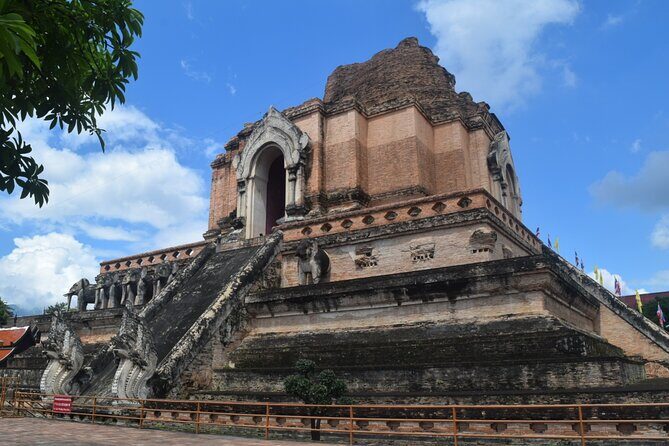
- Wat Ban Den: the colorful Lanna temple that locals actually use
- Lunch between countryside roads and elephant care
- Elephant Welfare Sanctuary: Mahout uniforms, digestion balls, and river bathing
- Transport, photos, and the small-group advantage
- What to bring (and what matters most)
- Who should book this tour, and who should skip it
- Should you book this Chiang Mai day trip?
- FAQ
- What time do you get picked up in Chiang Mai?
- How long is the tour?
- How much does the tour cost?
- What’s included in the price?
- Do I need to bring a towel and change of clothes?
- What do you do during the elephant portion?
- Is Wat Ban Den crowded with tourists?
- Are there age or health limits?
- What drinks or personal purchases are not included?
Key things I think you’ll care about
- Small group (up to 9) means more attention and easier pacing.
- Sticky Waterfalls feel like climbing, not just standing around for photos.
- Wat Ban Den is colorful and calmer, with locals coming to pray rather than just pose.
- Elephant time is hands-on: feeding, walking, and river bathing, plus Mahout-style uniforms.
- Your guide often provides photos and videos, which helps when you’re busy doing the activities.
A full-day Chiang Mai hit list that actually feels local
This is the kind of day trip that makes sense if you only have a limited number of days in Chiang Mai and you want more than one temple photo set. You get a market morning, countryside roads, a specific temple with striking color, and then real time with elephants. The pacing is set up so you’re doing something most of the day, not waiting around.
What I like is that it’s not only “check the box” tourism. The market stop connects you to rural daily life and food choices, including insects like worms and bugs that you might be curious about (and maybe brave enough to try). Then the day swings into nature with Bua Thong’s sticky rock climb, where the fun is the motion—up, down, and laughing at how your feet handle the slippery-sticky surfaces.
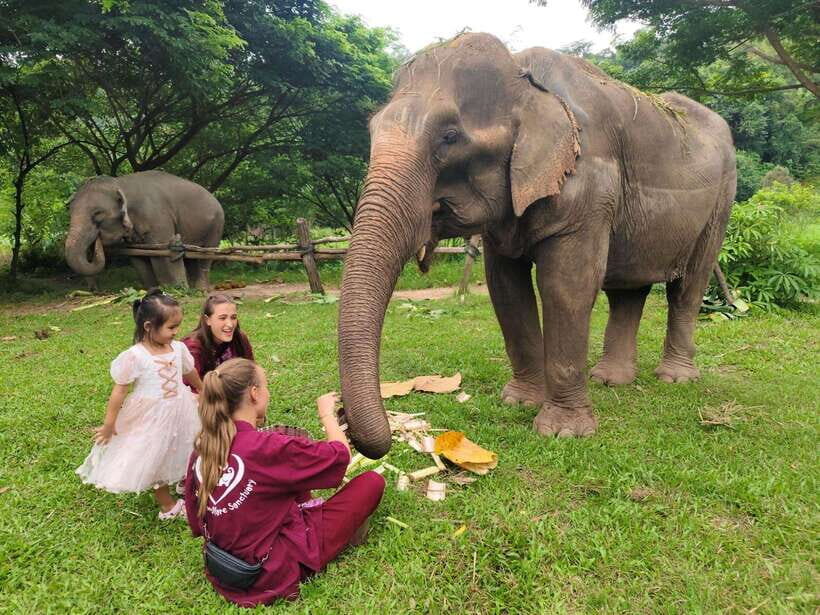
The elephant segment is the emotional anchor. You aren’t just watching from behind a rope line. You’ll help with elephant digestion support through the herbal vitamin/medicine balls activity, feed them (bananas and sugarcane), and bathe them in the river as part of the care routine.
You can also read our reviews of more shopping tours in Chiang Mai
Price and value: why this runs about $70 and where it earns its keep

At about $70 per person for a 450–510 minute day (roughly 7.5–8.5 hours), you’re paying for a tight bundle: transport, guide, admissions, lunch, elephant-care supplies, and elephant-feeding items. That matters because Chiang Mai’s best animal and nature experiences can add up fast once you start buying separate tickets and hiring private transport.
This price also covers the stuff that makes the day work in real life. You get round-trip transfer from multiple pickup locations, drinking water, snacks, and an insurance add-on. And for the “wet” part of the day, you’ll have a plan in place for changing clothes after the waterfalls stop, which is one of those small details that saves your mood later.
My balanced take: the elephant portion is hands-on and wet, so plan for time on your feet and in water. If you’re looking for a low-impact, sit-all-day tour, this probably won’t match. But if you want a practical, active day that mixes culture and nature under one roof, the value is strong.
The 10:45 hotel pickup that gets you out of town
You start at 10:45 am with pickup from your hotel lobby or one of the listed meeting points. Then you go by van, and the group stays small—limited to 9 participants. A comfortable van matters here because you’re doing multiple locations in one day, and you’ll be much happier if you’re not cramped.
The schedule is built around a morning start: first a market visit, then the sticky waterfall segment, then countryside roads toward Wat Ban Den, and finally lunch and elephants. That order is smart. You do the wet, active part earlier while your energy is high, and you finish with the calmer, more rewarding elephant care activities.
Drop-offs also cover several areas back in the city, so you’re not stuck figuring out how to get home right after a long day.
Market stop: bugs, food ideas, and rural everyday life
The day begins at a local market (a guided visit around 25 minutes) where you’ll see foods and ingredients that most casual visitors never notice. The market includes items such as bugs, worms, and insects, and the guide helps connect what you’re seeing to how rural families eat and live.
This is also where you can taste small snacks. In multiple guides’ versions of the day, people were provided Thai snacks from the market, which turns “watching” into “participating.” Even if you don’t want to eat insect-based snacks, seeing the variety helps you understand the logic of street food and local sourcing.
Two practical points for the market:
- Bring cash, since it’s listed as something to carry.
- If you’re sensitive to unfamiliar foods, you can still enjoy the market visually and through guide explanation without committing to every item.
This stop isn’t just a food photo moment. It’s a fast lesson in how northern Thai food culture is built—seasoning, ingredients, and everyday preferences shaped by what’s available close to home.
Bua Thong Sticky Waterfalls: wet rocks, shoe sense, and real effort
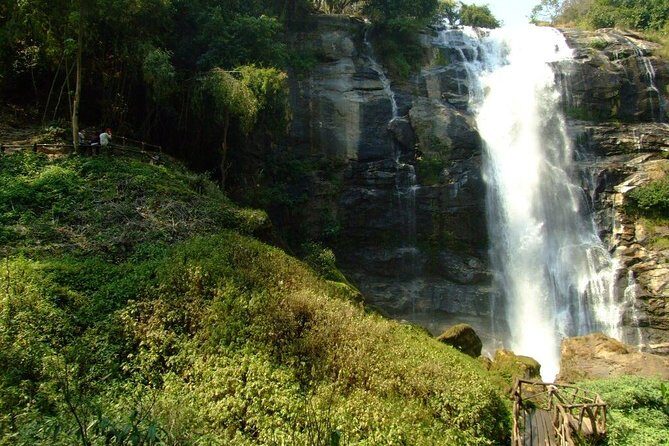
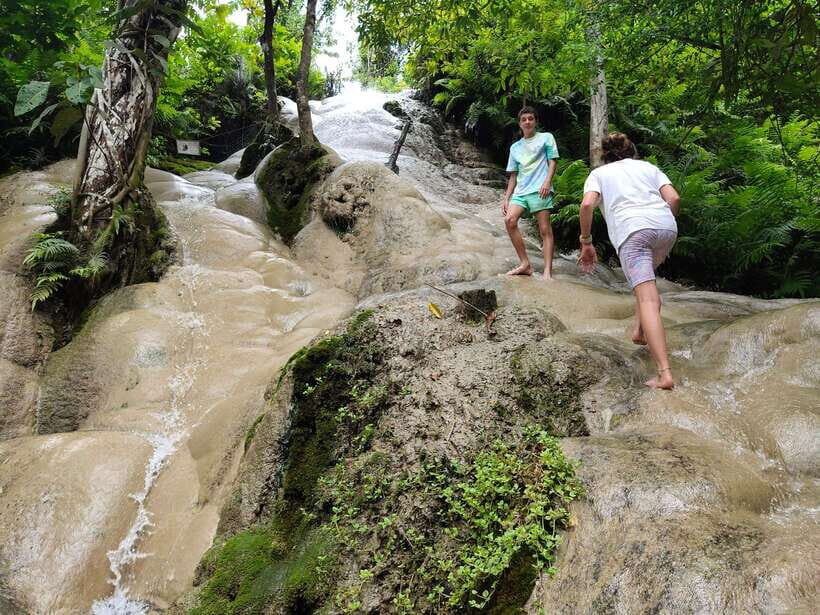
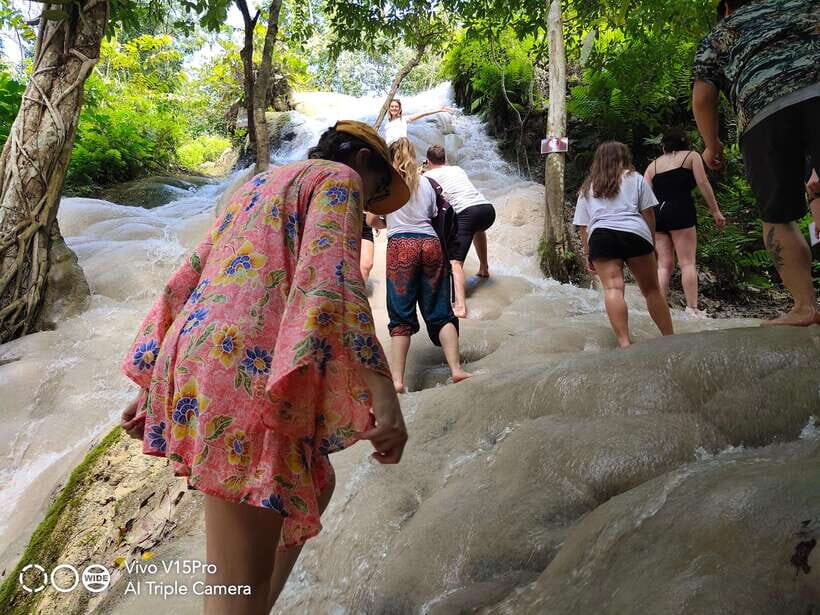
Then you head to Bua Thong Sticky Waterfalls. Expect around 100 minutes for the waterfall portion, and yes—this place is famous because the rock surface gets sticky when wet. The guide route takes you along a natural path down to the waterfall, and you’ll have time to climb up and down.
The most important “bring this” items are practical:
- Change of clothes
- A towel
- Comfortable shoes you’re okay getting soaked
- A sun hat and sunscreen, because you’re outdoors
One of the best tips from real-world experience here: bring socks. Some temples require you to remove footwear, and warm floors can be rough if you only have bare feet. Socks aren’t listed as required, but they’re a comfort upgrade you’ll be glad you packed.
Also, anticipate that high season can make Bua Thong feel busy. If you dislike crowds, plan to keep a flexible mindset: you didn’t come here to stand still anyway. You came here to move.
If you go in expecting a gentle stroll, you’ll be surprised. If you go in expecting a playful workout and a lot of wet fun, you’ll probably have the best part of the day.
You can also read our reviews of more tours and experiences in Chiang Mai






Wat Ban Den: the colorful Lanna temple that locals actually use
After the waterfalls, you drive countryside roads—paddy rice fields, villages, orchards—toward Wat Ban Den in Chiang Mai. This is a temple that many tour groups skip, and that’s exactly why it feels special.
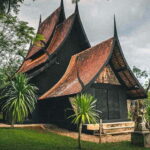
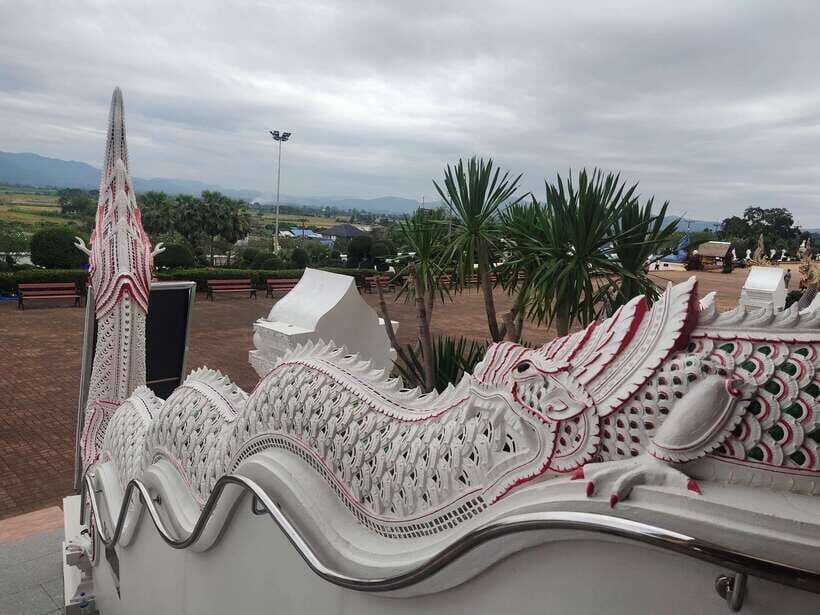
Wat Ban Den is known for a striking mix of white, green-blue, and pink colors. It’s tied to Lanna-style architecture and the guide helps you notice details you’d miss without explanation. The temple is described as peaceful and elegant, with locals who come to worship and pray, not just to take selfies.
You’ll usually spend about 40 minutes at Wat Ban Den with a guided visit. That time gives you room for photos from the right angles, plus the chance to slow down and see how the space works as a working religious site.
Two realistic considerations:
- The ground can be hot, and you may need to take shoes off depending on temple rules. That’s another reason socks help.
- This is one of the calm stops in the day, so don’t cram it with extra activities right before or after. Let it be a breather between wet rock and elephant care.
Lunch between countryside roads and elephant care
Lunch is served at a local area after the temple stop. You’ll get the included meal, and it gives you a chance to reset before the elephant portion. The guide also helps keep you on track so you don’t feel like you’re rushing between activities.
Because lunch is included, it’s one less cost to worry about during the day. Just know what’s not included: soft drinks and alcoholic beverages are not part of the package, so if you want those, plan to pay separately.
This is also where you’ll appreciate the earlier drinking water and snacks. You’ve been outdoors, and by the time you reach elephants, you’ll want to feel good rather than dehydrated or sluggish.
Elephant Welfare Sanctuary: Mahout uniforms, digestion balls, and river bathing

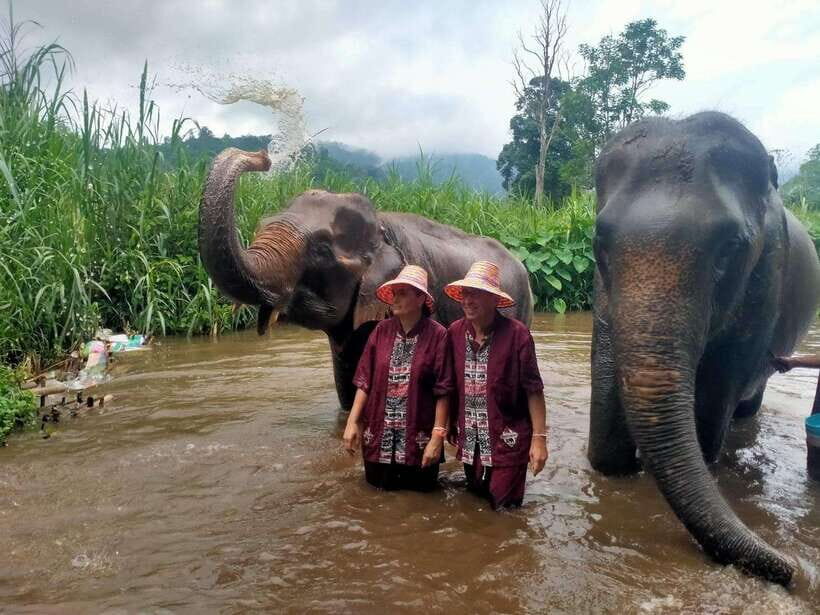
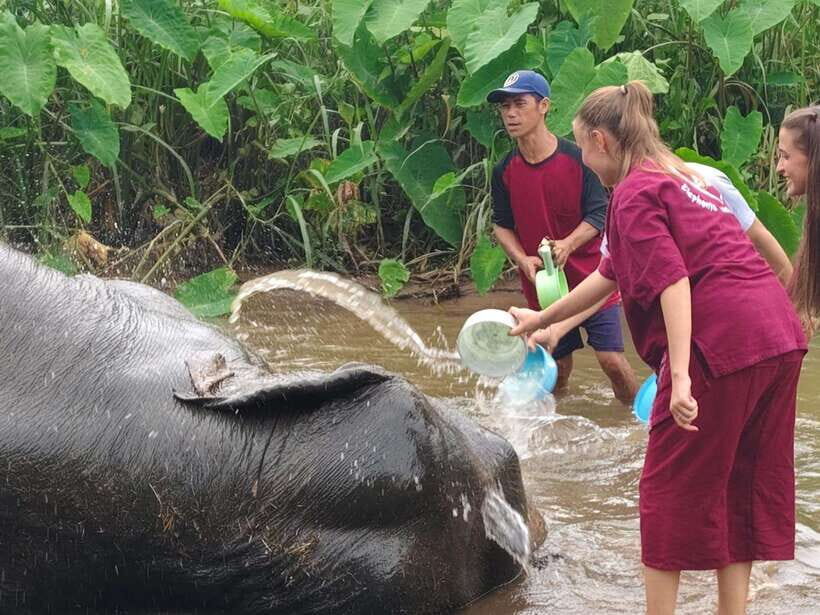
This is the headline segment for most people. You arrive at the elephant sanctuary and get Mahout uniforms to put on before elephant activities. The program includes multiple kinds of interaction tied to care routines, not just entertainment.
Here’s what you can expect based on the activity details:
- Making herbal vitamin and medicine balls that support digestion (the program notes elephants can have poor digestion after eating)
- Feeding elephants with bananas and sugarcane
- Walking with the elephants and observing them up close
- Bathing them in the water
- Using elephant-care activities that help you feel like a participant, not a spectator
People also mention a closer, natural-feeling setup where elephants aren’t separated like a zoo exhibit. That can be meaningful because you see more of their real behavior and the sanctuary’s daily rhythm.
Now for a balanced note: this experience includes touch and photo opportunities, plus structured activities like feeding and bathing. If you want zero-contact elephant tourism only, this kind of program might not match your expectations. In this setup, you’re actively involved, including moments where the elephants interact with people.
Still, the overall design aims at care and learning. Guides often explain why digestion support matters and what the keepers are managing day to day.
Transport, photos, and the small-group advantage
A lot of value in a day like this is intangible: smooth timing and a guide who handles moments when plans shift. In the better versions of this tour day, guides like Blue, Tu, Tom, James, and Non kept the energy going and made sure everyone understood what to do next.
One of the big, consistently praised extras is photography. Many guides take photos and videos during the day and help you get moments you wouldn’t catch while you’re climbing rocks or standing with elephants. Some people also mentioned the day includes a lot of photo-taking and posing, so if you hate that style, you might want to politely ask your guide to focus more on candid shots.
Transport-wise, the van is highlighted as comfortable with enough leg room for a full day. That sounds minor until you realize you’re traveling between a market, a waterfall, a temple, lunch, and a sanctuary in one trip.
What to bring (and what matters most)
If you pack smart, this tour feels fun instead of tiring.
Bring:
- Comfortable shoes (you will get wet)
- Sun hat
- Change of clothes
- Towel
- Camera
- Sunscreen
- Insect repellent
- Cash
Optional-but-wise:
- Socks, especially if you expect to remove shoes at the temple and the floor is hot
- A dry bag or plastic bag to keep your phone safe during wet moments (not required, but practical)
Not allowed notes are simple: no smoking indoors and no food in the vehicle. Stick to water and snacks provided.
Who should book this tour, and who should skip it
This is a great fit if you:
- Want a full day of variety: market, nature adventure, a standout temple, and elephants
- Like active travel and don’t mind getting wet
- Prefer a small group and an English-speaking guide
- Care about seeing elephants in a sanctuary-style setting with care activities
It may not suit you if you:
- Are pregnant, use a wheelchair, or are over 75 (listed as not suitable)
- Travel with babies under 1 year or children under 2–3 years (listed as not suitable)
- Have limited tolerance for climbing and standing outdoors
Also, the elephant and waterfall segments are physical. If you’re managing mobility issues, do yourself a favor and choose a calmer alternative.
Should you book this Chiang Mai day trip?
Book it if you want one day to cover northern Thai culture, adventure, temple architecture, and a real elephant-care experience—without needing to plan separate tickets and transport. The value stands out because so much is included: guide, admissions, lunch, water and snacks, elephant food and vitamin balls, and insurance coverage.
Skip it if you want a low-activity day, zero-contact elephant tourism, or you get stressed by wet environments and outdoor crowds. Sticky waterfalls are active and can be busy in peak times, and the elephant care portion is hands-on by design.
If you’re okay with being active, getting wet, and spending a long day outdoors, this tour is one of the most practical ways to experience Chiang Mai beyond the city center.
FAQ
What time do you get picked up in Chiang Mai?
Pickup starts at 10:45 am. You can choose from several pickup points, or be picked up from your hotel lobby if your location matches the listed options.
How long is the tour?
The total duration is 450 to 510 minutes.
How much does the tour cost?
The price is $70 per person.
What’s included in the price?
The tour includes all admission fees, lunch, elephants care-taker uniforms (Mahout outfits) at the sanctuary, round-trip transfer, an English-speaking TAT license guide, snacks, elephant feeding items, elephants’ vitamin balls, drinking water, and local accidental insurance.
Do I need to bring a towel and change of clothes?
Yes. Change of clothes and a towel are specifically recommended because you’ll get wet at the sticky waterfalls.
What do you do during the elephant portion?
You’ll make herbal vitamin and medicine balls for digestion support, feed elephants bananas and sugarcane, walk with them, take photos, observe them, and bathe with them.
Is Wat Ban Den crowded with tourists?
Wat Ban Den is described as not crowded with tourists, and locals come there to worship and pray.
Are there age or health limits?
Yes. The tour is not suitable for children under 2 or under 3 (as listed), babies under 1, pregnant women, wheelchair users, people over 75, and people over 95.
What drinks or personal purchases are not included?
Soft drinks are not included. Alcoholic beverages and personal expenses are also not included.