REVIEW · CHIANG MAI
Chiang Mai: Doi Inthanon, Waterfalls, & Tribal Villages Tour
Book on GetYourGuide →Operated by Oh-Hoo · Bookable on GetYourGuide
Doi Inthanon day trips feel like a reset. This tour takes you up to Thailand’s highest peak area, then strings together waterfalls, the King and Queen Pagodas, and a look at Karen and Hmong village life. It’s a full-day hit of mountain air and rural culture without you needing to plan transport or tickets.
What I like most is how the day is built around altitude and pacing. You climb to about 2,565 meters, so even if the views are hazy, the air and forest feel different from Chiang Mai’s city heat. I also really appreciate the guide energy, with names like Mr Bobo and Choo often mentioned for facts, humor, and keeping the group moving in a good rhythm.
One drawback to plan for: weather. Fog (and a bit of rain) can steal the dramatic panoramas at the top areas, including the pagoda viewpoints. Still, you can usually count on green scenery and waterfall power, just with fewer postcard skies.
In This Review
- Key things to know before you go
- Why Doi Inthanon’s altitude feels worth the long day
- King and Queen Pagodas: dress code, timing, and what you should aim for
- Wachirathan and Sirithan waterfalls: power, weather, and smart expectations
- Karen and Hmong hill tribes: culture you can learn from (and where the limits show)
- Getting there and back: pickup order, pacing, and comfort reality
- Price and what you really pay for a 10-hour mountain day
- Should you book this Doi Inthanon tour?
- FAQ
- What time does pickup usually happen?
- How long is the tour?
- What’s included in the tour price?
- Are the national park fees included?
- Are the King and Queen Pagodas admission tickets included?
- What should I wear for the pagodas?
- What do I need to bring?
- Is this tour suitable for everyone?
Key things to know before you go
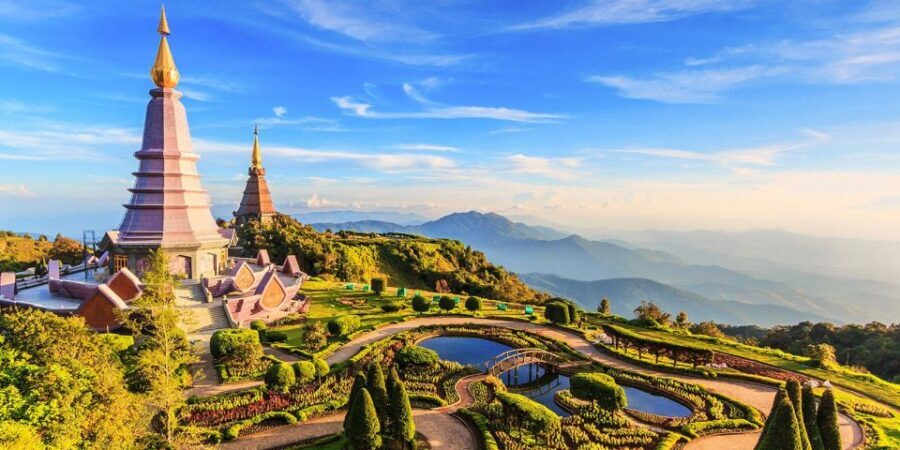
- Roof of Thailand timing: you’ll reach the higher viewpoint area during the day, but fog can change what you see.
- Royal pagodas with real rules: dressing matters for the King and Queen chedis (more on that below).
- Waterfall choice and conditions: Wachirathan or Sirithan are both on the route, and recent rain can make them surge.
- Karen and Hmong stops: you’ll see daily life and learn context, but the time can feel tight.
- A guide makes or breaks it: when guides like Bobo or Choo are in charge, the facts land better and the day feels smoother.
- Comfort is mixed: the route is long, so seat comfort can matter on a big van day.
Why Doi Inthanon’s altitude feels worth the long day
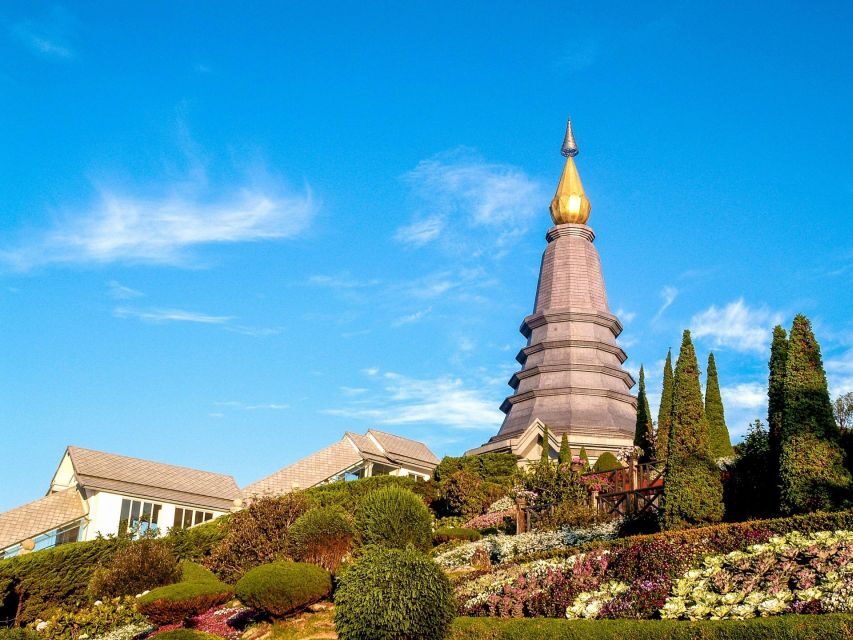
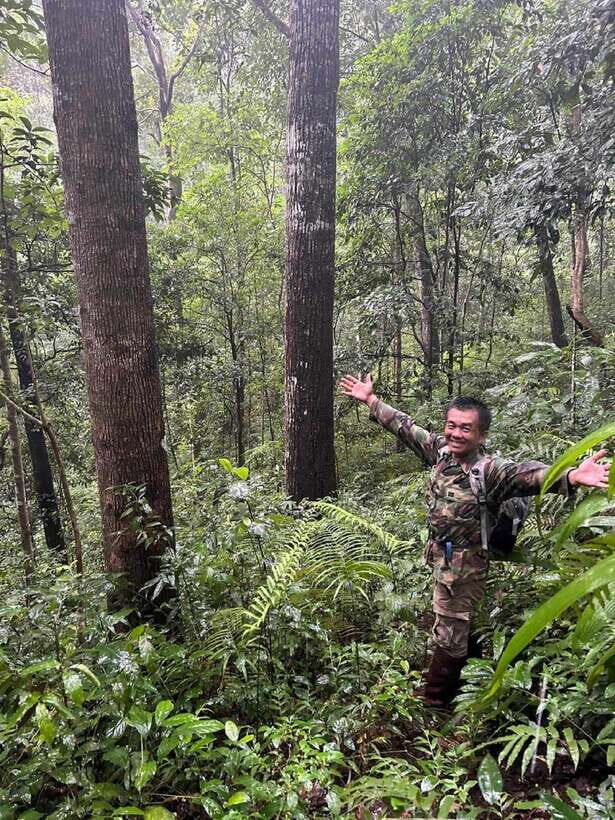
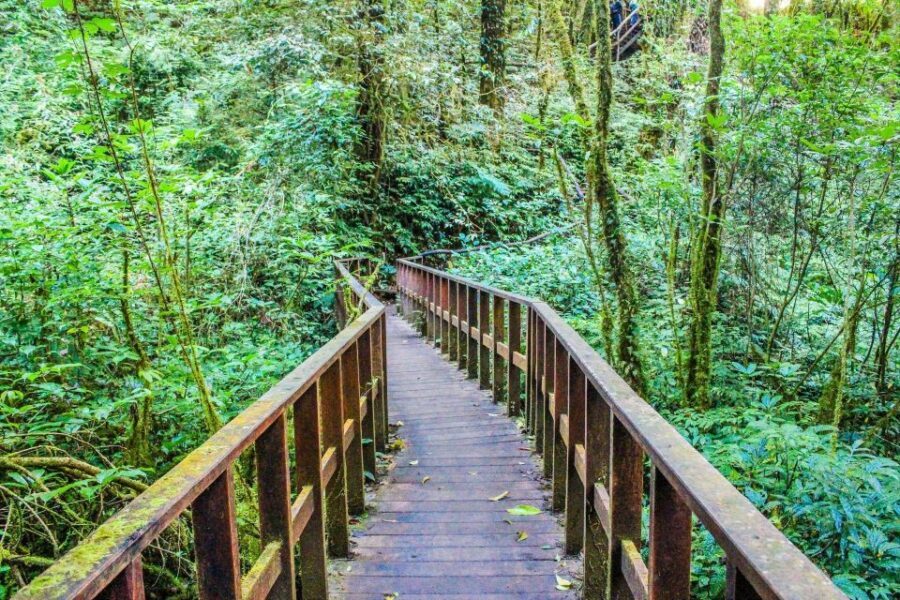
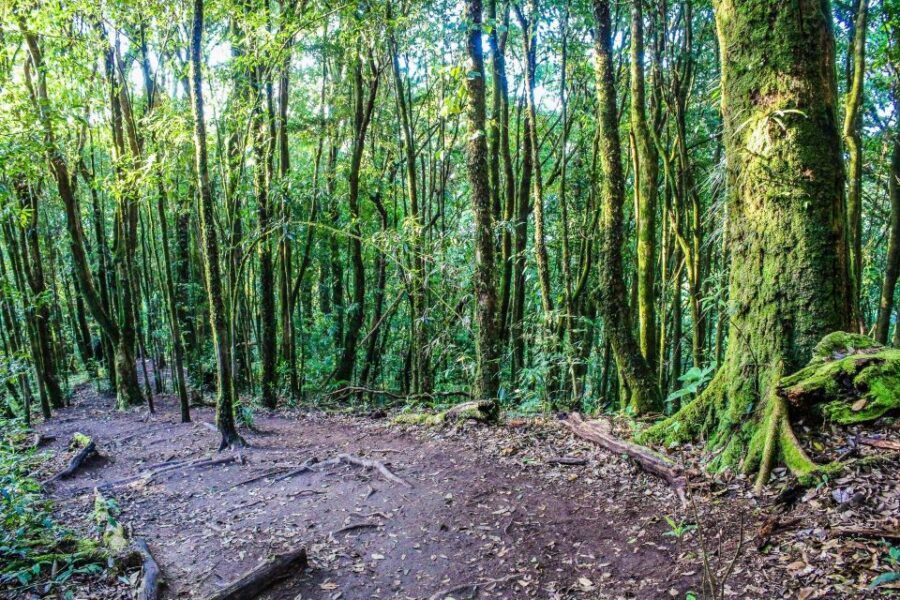
Doi Inthanon isn’t a quick “look and leave” kind of place. The tour commits to the mountain by driving you up toward Thailand’s highest peak area (around 2,565 m). That elevation shift is the point. The air tends to feel cooler, the vegetation looks different, and the whole mood of the day changes from city sightseeing to a slower, forest-focused wander.
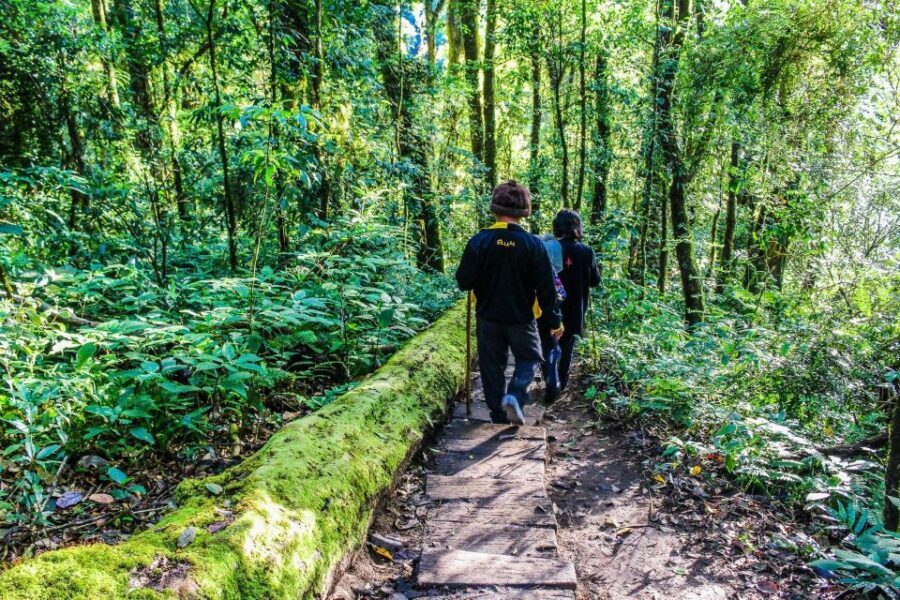
The best part for me is that the itinerary doesn’t treat the mountain as a single stop. You’re not only chasing a viewpoint. There are also nature walking bits and garden areas tied to how King Inthawichayanon imagined forest conservation. Even when you can’t see forever due to fog, you still get the feeling you’re inside a living ecosystem.
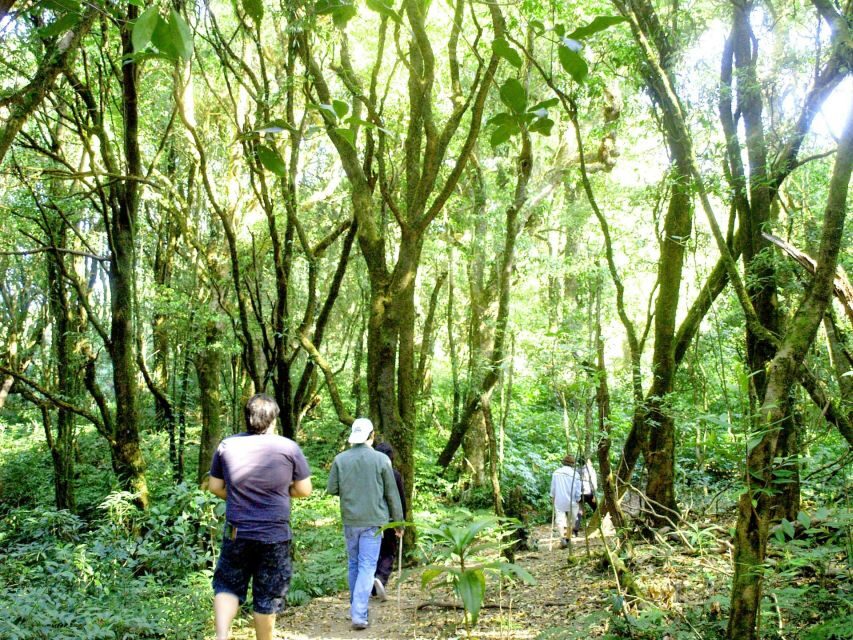
Do expect the day to be active-but-not-rugged. Think short walks between scenic spots, not long hikes. That works well if you want nature time without the stress of training for a mountain trek. If you’re sensitive to travel fatigue, bring snacks and water beyond what’s provided and plan to take breaks when offered.
You can also read our reviews of more tours and experiences in Chiang Mai.



King and Queen Pagodas: dress code, timing, and what you should aim for
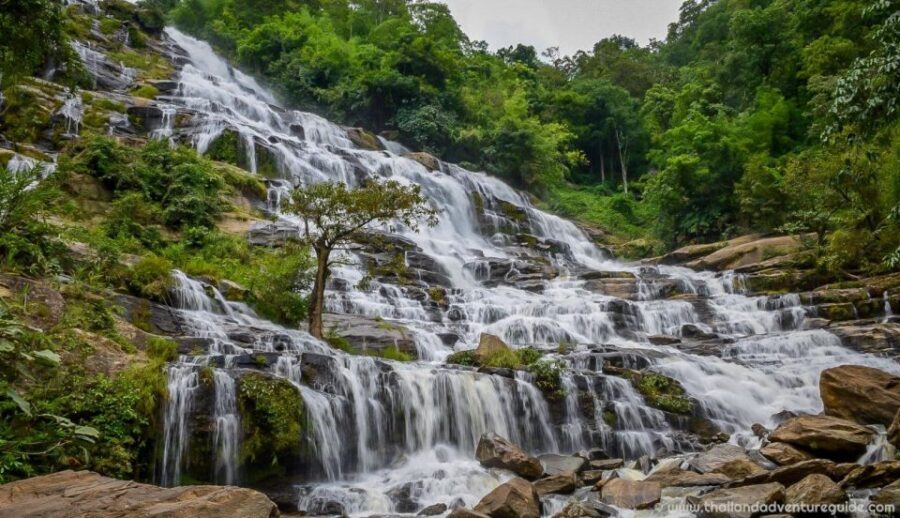
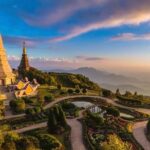
The royal pagodas are a standout stop because they’re not just “temples.” They’re royal-scale architecture tied to the conservation story of the area. You’ll visit the King and Queen’s Pagodas, and you’ll also get access to the grounds that let you pause, look around, and take in the setting.
Here’s what to prepare: there’s a specific casual dress code. No flipper shoes (sneakers or sports shoes are fine). Skip tank tops. Also avoid short pants. Long jeans tend to work well. This matters because it can affect whether you’re comfortable during the time you’re waiting to enter and walking around.
Budget note: pagoda admission tickets are not included in the base price. The listed cost is 100 THB per adult and 50 THB per child. Some people also recommend keeping a little extra time for the pagoda zone, because fog can limit views and you may want to linger for a break in the weather.
If the sky clears even slightly, aim for the pagoda viewpoints first. On foggy days, you’ll still appreciate the architecture, but the big “look-out” moment won’t hit the same way.
Wachirathan and Sirithan waterfalls: power, weather, and smart expectations
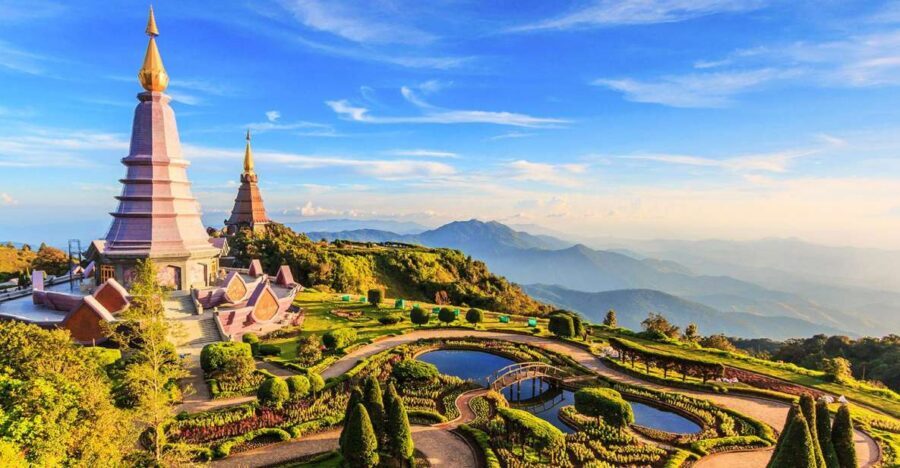
The day tour channels the mountain energy into waterfalls. Depending on the day’s conditions, you’ll visit Wachirathan or Sirithan Waterfalls (or related stops in that same waterfall zone). Both are known for the kind of water flow that makes you hear the forest before you fully see it.
The practical truth: waterfalls are weather-dependent in a good way. After rain, they often run stronger. That’s a win. But if it’s foggy higher up, you may not get wide summit views. Still, waterfalls remain the most reliable “wow” when visibility is limited, because sound and spray cut through bad light.
Time on these waterfall stops is usually focused but not exhausting. You’ll walk around enough to see the falls properly, but it’s still a full-day loop, so you won’t be out there for hours and hours.
My advice: don’t over-plan your photos. Bring a light rain layer if the forecast looks iffy, and be ready to accept that mist might soften the background. Use the waterfall as your main subject, not the distant view.
Karen and Hmong hill tribes: culture you can learn from (and where the limits show)
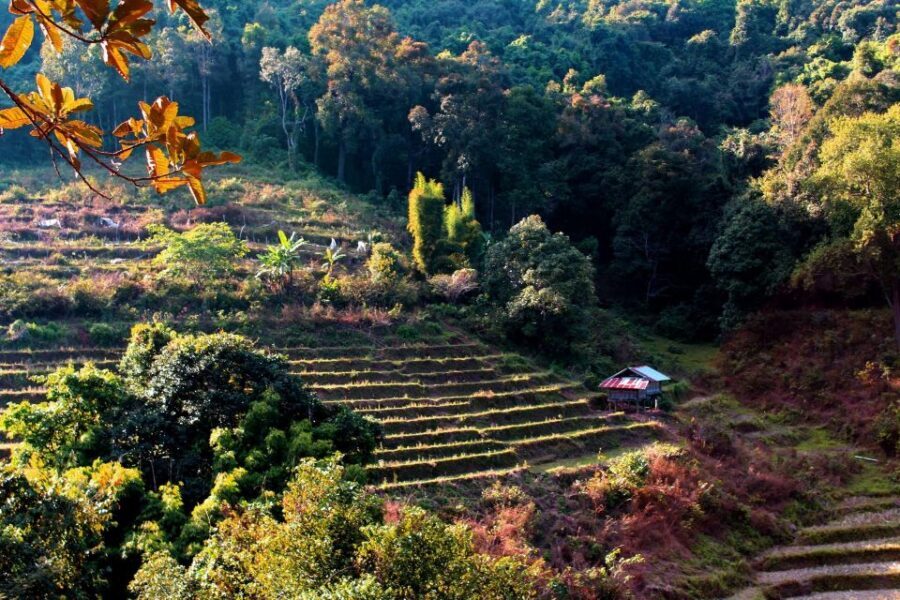
One of the most interesting parts of the day is the cultural component: learning from Karen and Hmong hill tribes. You’ll visit a local market area and then a village stop, with an emphasis on daily life, traditions, and how the community fits into the surrounding region.
This is where the guide matters a lot. Guides such as Ping, Nammy, Oi, or Soo are often singled out for explaining context and answering questions in a way that makes the visit feel more than a quick photo stop. When you get a good guide, you’ll understand what you’re seeing and why it matters.
That said, there are tradeoffs with a 10-hour schedule. The time at each village or market can feel brief, and not every stop becomes a deep, hands-on experience. Some people also find that parts like coffee or tea tastings (if offered) may feel like a missed opportunity for more interaction.
If you want the cultural piece to feel meaningful, come with simple questions:
- What’s a typical day like here?
- What do people grow or make locally?
- How do traditions connect to the seasons and the mountain environment?
You’ll get more out of the stops by treating them like conversation—through your guide—rather than trying to absorb everything in one short visit.
Getting there and back: pickup order, pacing, and comfort reality
The tour runs about 10 hours, with hotel pickup and drop-off included. Pickup starts between 08:00 and 08:30 in Chiang Mai old town and the Nimman area, and the operator confirms your exact pickup time by email. You’ll want to be in the lobby at least 10 minutes early, because the tour follows a pickup order and may move on.
This joint-tour setup has a hidden benefit: you can avoid rental scooters and complicated timing. But it also creates a reality check. You might wait a bit while other pickups happen, and your exact schedule can shift slightly depending on traffic and group order.
On the road, you’ll cover a lot of distance, as expected for a mountain day. One thing to plan for: vehicle comfort can vary. A few people noted issues with seat stability (especially on back seats in a van) and one mentioned driving style felt intense at times. That doesn’t mean the day is unsafe, but it does mean it’s smart to bring patience and choose where you sit if you have that option.
Pacing is generally “many stops, short windows.” Some days feel like you barely catch your breath between viewpoints. If you prefer slower, longer time at fewer places, you might find the plan a bit busy.


Price and what you really pay for a 10-hour mountain day
The headline price is $36 per person and the value is mostly in what’s bundled: round-trip transport from central Chiang Mai areas, a live guide, set-menu lunch, drinking water, and insurance. For a day that includes high-elevation areas plus multiple attractions, that can be a solid deal—especially if you’re short on time.
But the real cost includes the add-ons you don’t get in the base price:
- National park fee: 300 THB per adult, 150 THB per child
- King and Queen Pagodas admission tickets: 100 THB per adult, 50 THB per child
So you’re paying for the convenience and organization up front, then covering government and site fees on top. When the guide is strong—funny, clear, and good at explanations—the bundled value feels even better, because you’re not just getting transport, you’re getting sense-making for the day.
If you’re price-sensitive, this tour can still work. Just budget for the extra THB costs and plan your expectations around short time blocks. You’re buying a “greatest hits” mountain day, not an all-day deep hike with zero driving.
Should you book this Doi Inthanon tour?
If you want one organized day that combines mountain nature, waterfalls, and a hill tribe cultural visit with a guide, this is a good match. I’d especially recommend it if you’re arriving in Chiang Mai for a short stay, hate logistics, and like learning while you sightsee.
Skip it (or think hard first) if you’re pregnant or have mobility limitations, since the tour is not suitable for mobility impairments. Also, if long drives and frequent stops make you cranky, choose a different style of tour with fewer touchpoints.
And check the sky. If you travel during a foggy stretch, you may not get the big summit views you hoped for, but you can still enjoy waterfalls and the pagoda grounds. When you get a strong guide—people have praised guides like Bobo and Choo for keeping the day lively—the experience tends to feel worth it even on a gray day.
FAQ
What time does pickup usually happen?
Pickup starts between 08:00 am and 08:30 am in Chiang Mai old town and Nimman areas. The operator confirms the exact pickup time by email, so recheck your inbox and be ready in the lobby at least 10 minutes early.
How long is the tour?
The tour runs about 10 hours. It returns you to your hotel roughly between 05:00 pm and 05:30 pm, depending on your location and traffic.
What’s included in the tour price?
Round-trip air-conditioned transport from Chiang Mai old town and Nimman, lunch (set menu), drinking water, a live tour guide (English and Thai), and insurance are included.
Are the national park fees included?
No. You’ll pay the national park fee on-site: 300 THB for adults and 150 THB for children.
Are the King and Queen Pagodas admission tickets included?
No. Tickets are separate: 100 THB for adults and 50 THB for children.
What should I wear for the pagodas?
You’ll need casual dress. No tank tops. Avoid short pants. Also skip flipper shoes; sneakers or sports shoes are okay.
What do I need to bring?
Bring a passport or an ID card. A copy is accepted.
Is this tour suitable for everyone?
The tour is not suitable for pregnant women or people with mobility impairments.