REVIEW · CHIANG MAI
Chiang Mai: Chiang Rai Temples, Karen Tribe and Hot Springs
Book on GetYourGuide →Operated by MONKEY TRAVEL ASIA by Ask Discovery · Bookable on GetYourGuide
White, blue, and hot springs in one day. This Chiang Rai tour strings together big-name temples and a Karen long-neck village, starting with a relaxing stop at Mae Kachan Hot Springs before heading out to the art-meets-Buddhism sights. I especially loved the creativity of the White Temple and the calm, cool feeling you get inside the Blue Temple, even after hours on the road. The main drawback is simple: it’s a long day, so some parts can feel a touch rushed if you want extra wandering time.
The guide makes a real difference here. I saw the same pattern across guides like Benz, Kwan, Ann, Dee, and Ruby: clear explanations, humor, and steady timing to keep the group moving without chaos.
In This Review
- Key Highlights You’ll Feel Right Away
- Why Chiang Rai Temples Work Best on a Day Trip
- Getting Started: Pickup Time, Traffic, and Coach Comfort
- Mae Kachan Hot Springs: Foot Soaks and a Proper Reset
- Karen Long-Neck Mae Kachan Village: Culture, Crafts, and Respectful Questions
- Wat Rong Khun White Temple: Purity, Glass Detail, and Modern Devotion
- Wat Rong Suea Ten Blue Temple: Deep Blue Calm and Gold Accents
- Huay Pla Kang Temple: Guan Yin Views From the Nine-Tier Pagoda
- Lunch, Snacks, and What to Budget Beyond the Tour Price
- Guide Style: English-Only Live Tour and QR Audio in 41 Languages
- Who This Tour Fits Best (and Who Might Want Another Plan)
- Should You Book This Chiang Rai Day Trip from Chiang Mai?
- FAQ
- What is the main departure meeting point?
- Are hot springs included, and can I swim there?
- Which temple entrance fees are included in the price?
- Is lunch included?
- What extra cost might I need for the long-neck village?
- Do I need earphones for the audio guide?
- Is this tour suitable for people with mobility impairments?
Key Highlights You’ll Feel Right Away

- Mae Kachan foot-soak start: a real reset before the temples, and you still get time for photos and quick snacks nearby
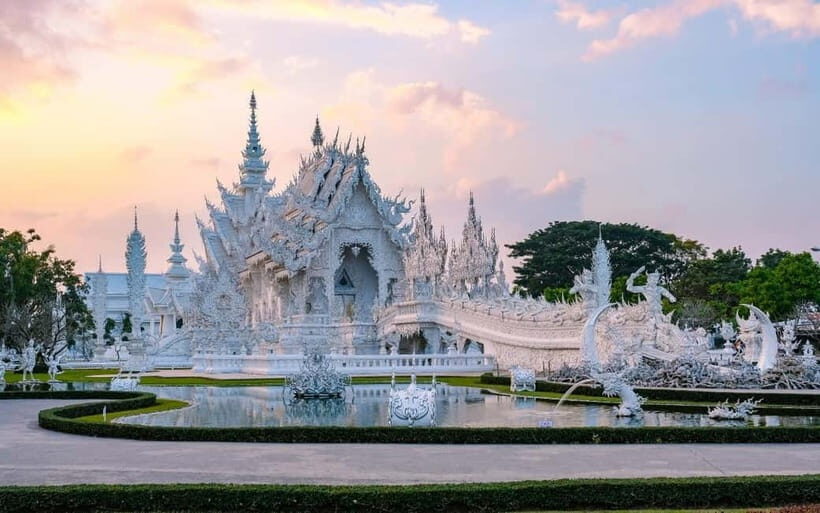
- White Temple’s modern Buddhist art: pure-white surfaces plus intricate glass details by Chalermchai Kositpipat
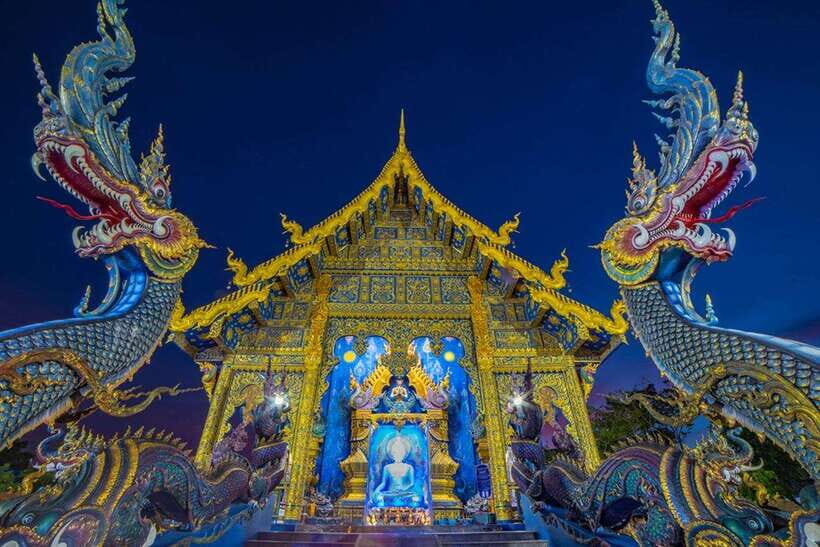
- Blue Temple’s deep blue interior: gold accents, dragon statues at the entrance, and a bright Buddha center
- Karen long-neck Mae Kachan village: brass neck-ring tradition, handmade crafts, and a chance to ask respectful questions
- Huay Pla Kang’s nine-tier pagoda: Guan Yin statue plus a climb that rewards you with strong views
- English guide with QR audio in 41 languages: great if you want extra context without interrupting the day
Why Chiang Rai Temples Work Best on a Day Trip
If you’re in Chiang Mai and you want the best-known Chiang Rai sights without planning an entire overnight trip, this is the kind of day route that actually makes sense. You get a mix of modern temple art (the famous White and Blue Temples) plus a standout spiritual structure at Huay Pla Kang, and you also break up the drive with Mae Kachan Hot Springs and a hill-tribe village stop.
The value angle is what sells it: your ticket covers entrance fees for the White Temple, Blue Temple, and Huay Pla Kang. That matters because those temple visits are a big part of what you’re paying for, not just “getting transported to a place.”
Just go in expecting a full itinerary day. You’ll see a lot, and you’ll have less time than you’d get if you were traveling slower between sites.
You can also read our reviews of more tours and experiences in Chiang Mai
Getting Started: Pickup Time, Traffic, and Coach Comfort
You meet the guide 15 minutes before departure at Burger King Thapae in Hotel M Chiangmai. Chiang Mai traffic can be real, so I’d rather you arrive early than gamble on a last-minute sprint.
The transportation is by air-conditioned vehicle, and the tour runs about 11 hours overall. That’s long enough that small things matter: comfy shoes, sunscreen, and a hat help more than you think, especially when the day turns into temple time under bright light.
Also note the rules: luggage or large bags aren’t allowed. You’ll want a day bag you can keep under control so you’re not stressed each time you board or get off the coach.
Mae Kachan Hot Springs: Foot Soaks and a Proper Reset
This tour starts with Mae Kachan Hot Springs, which is a smart way to beat fatigue on a temple-heavy day. Swimming isn’t allowed here, but you can still enjoy the warm, mineral-water experience with a short break that helps your legs feel human again.
What you’re really buying at this stop is timing. After the drive out of Chiang Mai, you get a calmer moment: photo time, a guided visit, and a chance to sit, stretch, and cool down.
You’ll also find practical services around the area, like places to grab drinks such as coffee or Thai tea. Reviews also mention you can dip your feet even without swimming, which turns this into a quick, low-effort comfort stop rather than a “full activity” you have to commit to.
Karen Long-Neck Mae Kachan Village: Culture, Crafts, and Respectful Questions
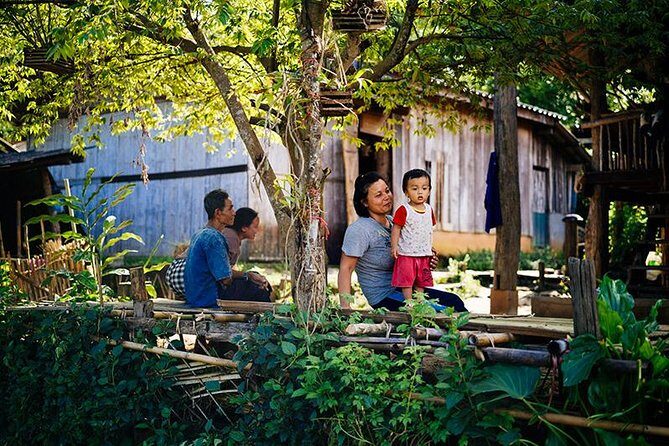
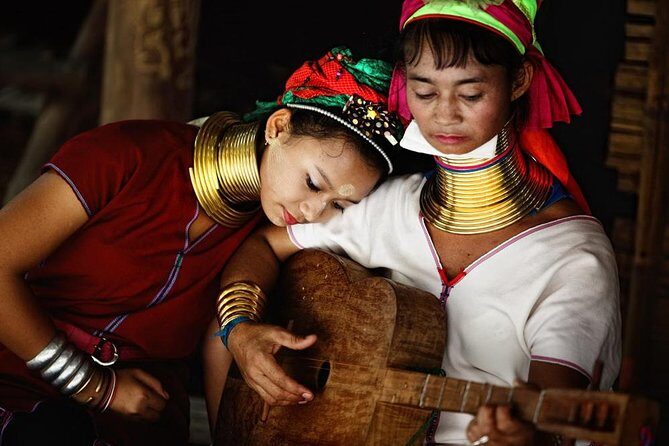
Next comes the hill tribe stop: the Mae Kachan long-neck village. This is where you’ll see the tradition of women wearing brass neck rings, plus handmade crafts sold by local artisans.
Two things can be true at the same time. First, the village is fascinating because it shows how traditions pass through generations and how people build livelihoods around craft and community. Second, it can feel unsettling if you’re uncomfortable with physical traditions or worry about how outsiders experience them. If that’s you, I’d treat your visit as observation only, stay respectful, and don’t let curiosity turn into performance.
A practical note: the long-neck village entrance fee (300 THB) is not included in the tour price. If you want to shop, plan to bring enough cash for small purchases, since change availability can be limited in some vendor areas.
Wat Rong Khun White Temple: Purity, Glass Detail, and Modern Devotion
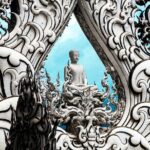
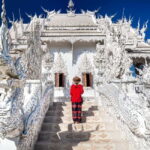
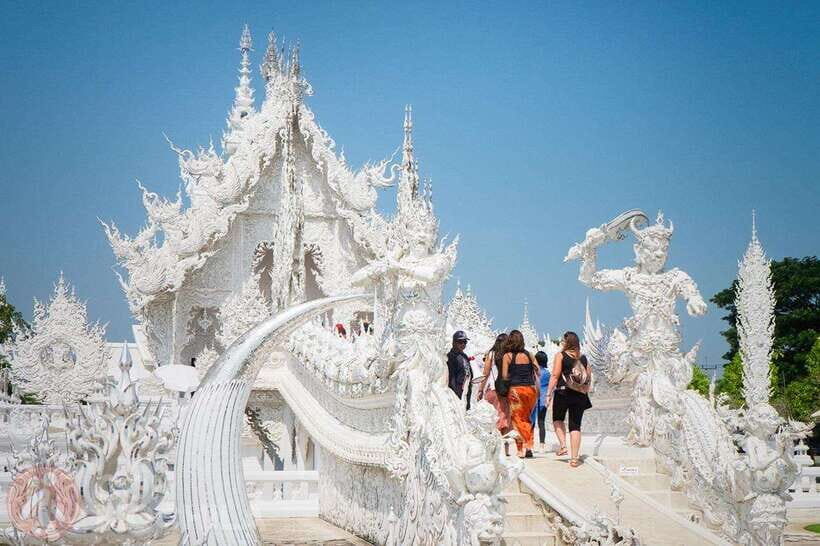
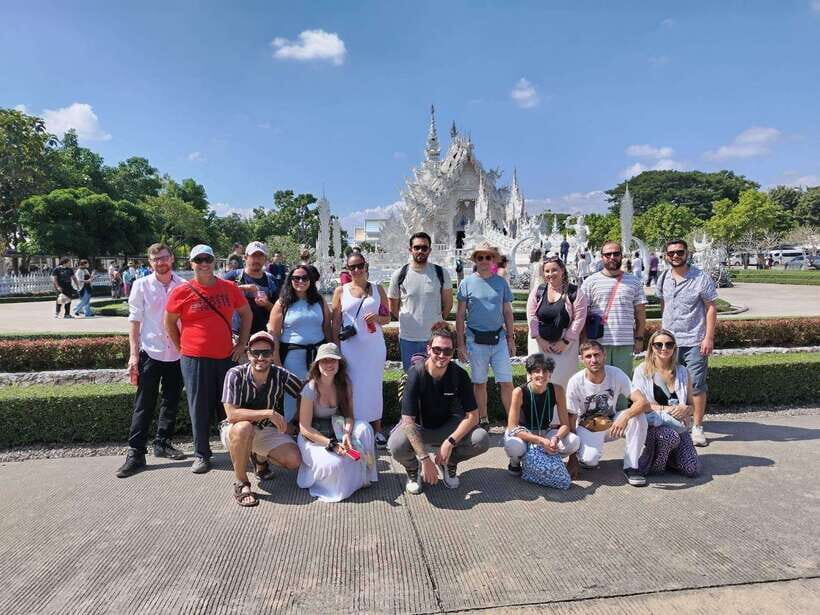
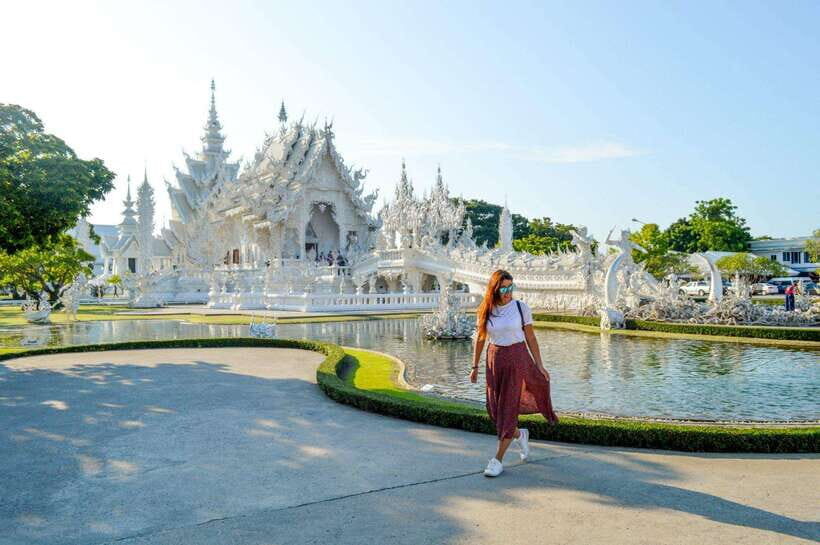
The White Temple is the star attraction for a reason. Wat Rong Khun was created by Chalermchai Kositpipat, and it’s designed to represent purity with an all-white look that feels almost unreal in person. Then you notice the details: intricate glass elements that add sparkle and texture, plus a mix of classic Buddhist religious art and surprising modern imagery.
This is also a strong photo site. You’ll want to walk slowly, look up, and capture small details rather than only shooting wide angles. The guide’s context helps too, because without it the visuals can blur into “wow” instead of “meaning.”
One good travel habit: dress modestly and be ready for stairs. Temples like this reward patience more than speed, but the day is structured so you still get a guided visit without losing momentum.



Wat Rong Suea Ten Blue Temple: Deep Blue Calm and Gold Accents
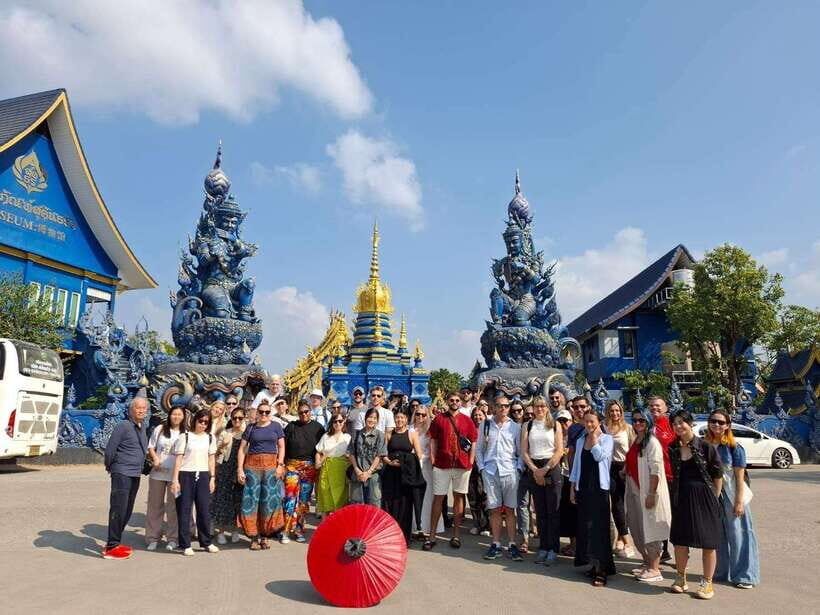
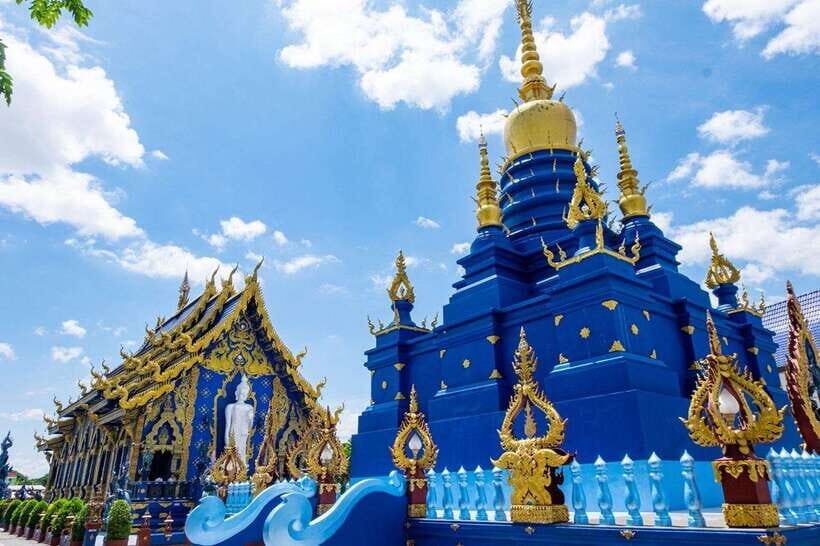
The Blue Temple shifts the mood instantly. You get deep blue interiors with gold details, and the entrance is guarded by dragon statues. Step inside and you’ll find a calm, bright Buddha statue centered in the space, which is a nice change of pace after the white-heavy spectacle of Wat Rong Khun.
Here’s the best way to enjoy it: slow down once you’re inside. The colors look dramatic outside, but the interior is where the atmosphere lands. Even if you’re not the type to memorize temple symbolism, you’ll still feel the contrast between the temple’s brightness and the surrounding travel noise.
You’ll also likely spot snack culture around the day’s stops. People mention things like coconut ice cream at the Blue Temple, which is a fun, easy break that keeps your energy steady.
Huay Pla Kang Temple: Guan Yin Views From the Nine-Tier Pagoda
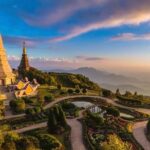
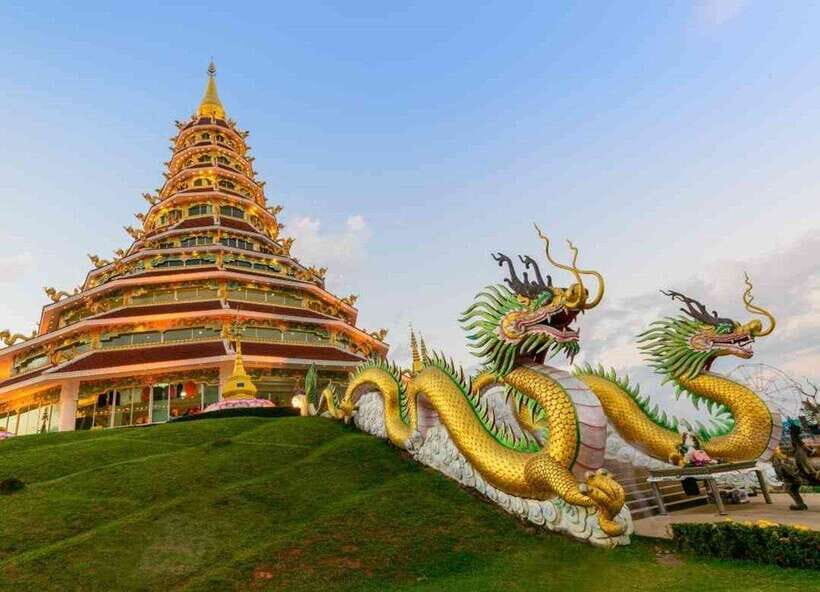
Huay Pla Kang is known for its nine-tiered pagoda and a large statue of Guan Yin, the Goddess of Mercy. It’s one of those temples that gives you options: you can focus on the big statue, or you can head toward the pagoda climb for sweeping views and more decorative detail.
The nine levels matter because they create a natural “story” as you move upward. Carved statues and decorations appear around the grounds, and as you climb, the architecture starts to feel like a guided lesson in symbolism and design.
If you’re not a big stair person, go with shoes that grip and take it steady. The day is long, so pace yourself here so you don’t feel wrecked by the time you’re ready to head back.
Lunch, Snacks, and What to Budget Beyond the Tour Price
The tour price is positioned as good value for a day that includes multiple temple entrance fees and round-trip transportation. Still, two costs can pop up.
Lunch is not included. The good news is you typically have opportunities to eat during the day. Guides often recommend places in Chiang Rai for a proper meal, and people also mention vegetarian-friendly Thai lunches.
Second, the Karen long-neck village entrance fee (300 THB) is separate. Plan for that on arrival.
For budgeting, I’d also think about small purchases. Reviews mention snack moments like ice cream and inexpensive bites later in the day, and some vendors may have trouble making change for larger notes. Bringing smaller bills helps you avoid awkward delays.
Guide Style: English-Only Live Tour and QR Audio in 41 Languages

The live guide speaks English only. That’s helpful if you prefer one clear voice and consistent pacing. What makes the setup flexible is the audio guide available via QR code in 41 languages, as long as you bring your own earphones.
This combination is useful in real life. You can listen to the guide when you’re near the action, then switch to audio when you want more detail without slowing everyone down.
The best guides in this route also do more than facts. Reviews mention guides like Benz and Kwan offering practical help, like keeping the group on schedule, stepping in when someone didn’t feel well, and even giving fun language tips and photo timing cues. That kind of attention matters because it can keep a long day from turning into “just transport between stops.”
Who This Tour Fits Best (and Who Might Want Another Plan)
This tour fits best if you want the core Chiang Rai icons in one day: White Temple, Blue Temple, and Huay Pla Kang, plus a hot springs break and a Mae Kachan village visit. It’s also a good fit for first-time visitors who like having a guide translate what they’re seeing.
It’s less ideal if you’re sensitive to the long-neck village experience. It’s a cultural tradition with real people behind it, but the physical practice can be emotionally uncomfortable for some visitors. If that’s a concern, consider how you want to approach the stop: respectful observation, no pressure, no filming where you’re unsure.
Two more practical limits. The tour is not suitable for people with mobility impairments, and it’s not recommended if you have a flight the same day. With a long driving day, you don’t want to gamble on timing.
Should You Book This Chiang Rai Day Trip from Chiang Mai?
I’d book it if your priority is maximum Chiang Rai highlights with guided context and included temple fees. The hot springs start is a smart touch, and the White and Blue Temples are the kind of sites you’ll remember months later because they’re not “standard temple photos.” Huay Pla Kang adds the scale and views that round out the day nicely.
I wouldn’t book it if you’re looking for a slow, quiet day where you linger without pressure. This is a full itinerary. You’ll be moving, climbing, and switching locations all day long.
If you do book, I’d pack for heat and walking, bring your own earphones for the QR audio, and carry a bit of small cash for extra items like the 300 THB village fee and lunch.
FAQ
What is the main departure meeting point?
Meet the guide 15 minutes before departure time at Burger King Thapae in Hotel M Chiangmai.
Are hot springs included, and can I swim there?
Mae Kachan Hot Springs are included. Swimming is not allowed, but it’s still a relaxing stop for rest.
Which temple entrance fees are included in the price?
Entrance fees are included for Wat Rong Khun (White Temple), Wat Rong Suea Ten (Blue Temple), and Huay Pla Kang Temple.
Is lunch included?
No, lunch is not included.
What extra cost might I need for the long-neck village?
The long-neck village entrance fee is 300 THB and is not included.
Do I need earphones for the audio guide?
Yes. The audio guide is via QR code in multiple languages, but you must bring your own earphones.
Is this tour suitable for people with mobility impairments?
No, the tour is not suitable for people with mobility impairments.