REVIEW · CHIANG MAI
Chiang Mai: Thai Buffalo and Rice Planting Experience
Book on GetYourGuide →Operated by Hang Tueng farm · Bookable on GetYourGuide
Feed buffalo and plant rice the Thai way. At Hang Tueng farm near Chiang Mai, you get a guided, small-group session where you cut grass for Riam Thai buffalo and learn how rice work really happens, not just how it’s pictured.
I love that the activities are practical and step-by-step, including dressing up in farmer costume with boots so you can focus on the job (and expect mud). The lunch is a strong payoff too, with green chicken curry plus mango sticky rice and a herbal drink, but at $57 this one only feels like a great deal if you actually want hands-on farm time.
In This Review
- Key things to know
- First Stop at Hang Tueng Farmstay: How the Day Starts
- Buffalo Feeding Time: Grass, Care, and the Real Animals
- Rice Planting the Traditional Way: Seedlings, Mud, and Tools
- The Trainer’s Lessons: What You’ll Learn (and What You’ll Remember)
- Lunch Break on a Working Farm: Green Chicken Curry and More
- Red Taxi Pickup and a Tight 150-Minute Flow
- Price vs. What You Get at $57
- Who Should Book This Chiang Mai Buffalo and Rice Session
- Should You Book This Buffalo and Rice Planting Class?
- FAQ
- How long is the Chiang Mai Thai Buffalo and Rice Planting experience?
- What’s included in the price?
- How big is the group?
- What languages are used by the instructor?
- Where is the meeting point?
- Do I need to wear special clothes or shoes?
- What are the cancellation terms and reserve options?
Key things to know
- Grass-cutting before buffalo feeding: you don’t just walk up and toss food, you prepare it first.
- Riam Thai buffalo in their setting: you learn how to care for them with the right feeding routine.
- Traditional rice nursery work: you uproot rice seedlings and work the mud the classic way.
- Farmer outfit and boots provided: you’ll be dressed for the job, not guessing what to wear.
- Lunch is part of the experience: green chicken curry, herbal drink, and mango sticky rice.
First Stop at Hang Tueng Farmstay: How the Day Starts
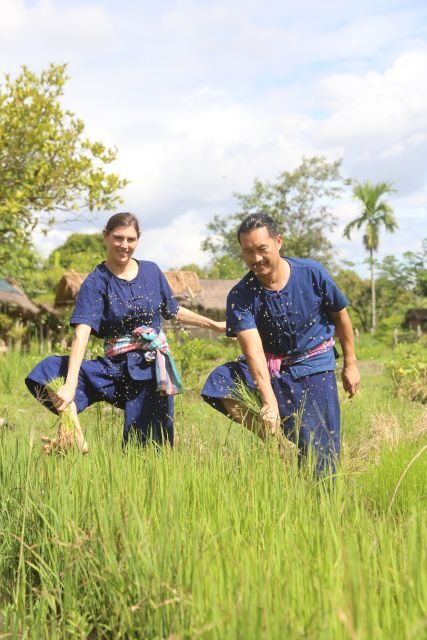
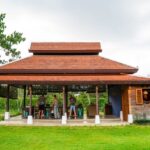
Most Chiang Mai tours move fast and feel a bit staged. This one starts at Hang Tueng farmstay & workshop, and that matters. The whole pace is built around doing farm tasks in order, not hopping from photo spot to photo spot.
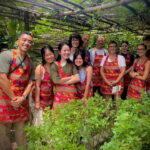
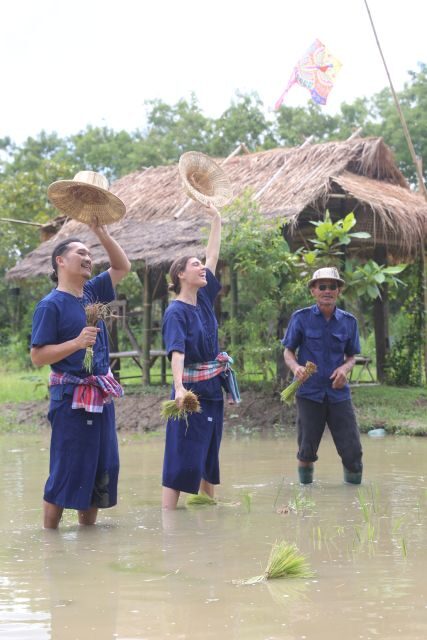
You’ll be with a small group (limited to 10), and that tends to make the explanations clearer. With an instructor who speaks English and Thai, you’re less likely to feel lost when the work gets hands-on. You also get farmer costumes and boots, which is a quiet but big win: it lowers the stress of figuring out what to wear for mud.
One practical thing to plan for: it’s a real working farm session. If you dislike getting dirty or you hate wet, muddy footwear, this probably isn’t your style. The upside is that you’ll do more than watch.
You can also read our reviews of more tours and experiences in Chiang Mai.


Buffalo Feeding Time: Grass, Care, and the Real Animals
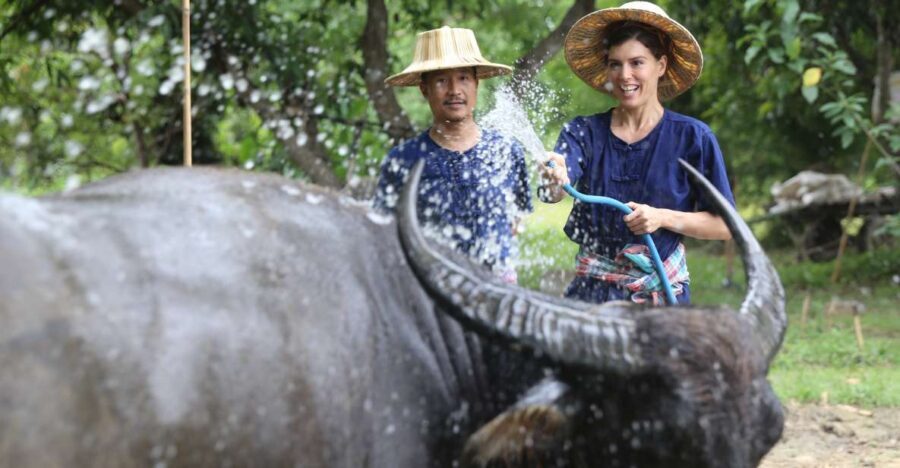
This is the part that hooks most people. You’ll feed grass to authentic Thai buffalo in their natural setup, and you don’t just do the easy version. You learn what to give them and how to handle the feeding routine.
A neat detail: before the feeding, you’ll cut the grass. That turns buffalo time into an actual farm task, not just an animal interaction. Kids tend to love this part because it feels like a game with tools. Adults like it because it’s grounded in daily work.
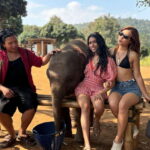
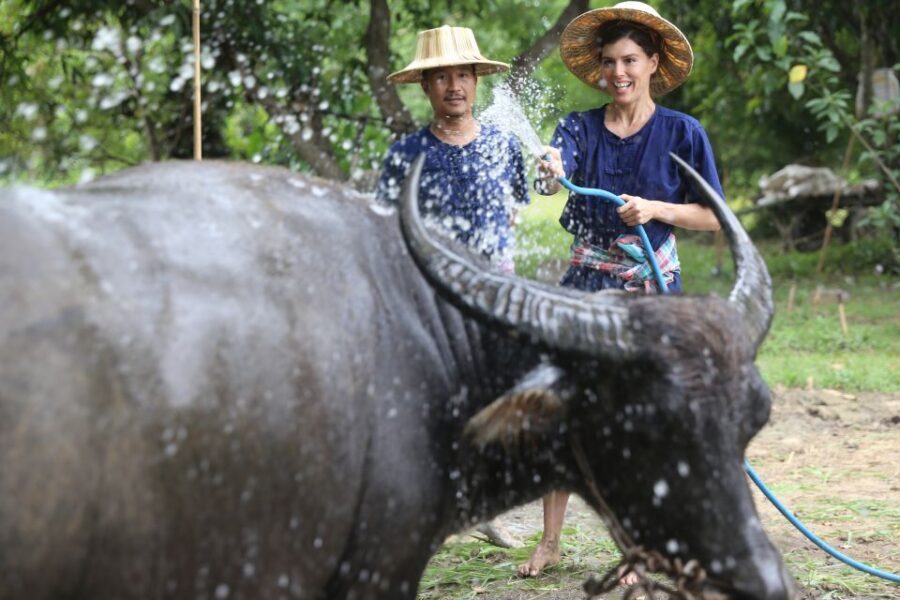
The buffalo aren’t treated like show animals. You’ll get instruction on how to care for them, and you may even see them eat other things besides grass, like fruit. One other moment that often surprises first-timers: water play. You’ll be taught how to give them water, and the buffalo may respond by relaxing or lying down, which makes for a memorable sight.
If you’re hoping for a quiet, hands-off experience, adjust your expectations. This is interactive, with real farm handling and real mess potential.
Rice Planting the Traditional Way: Seedlings, Mud, and Tools
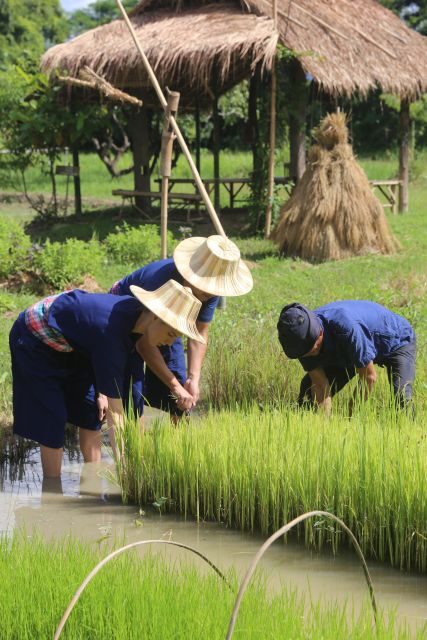
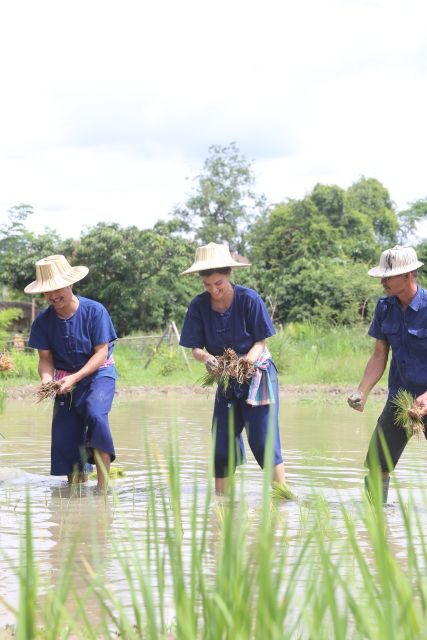
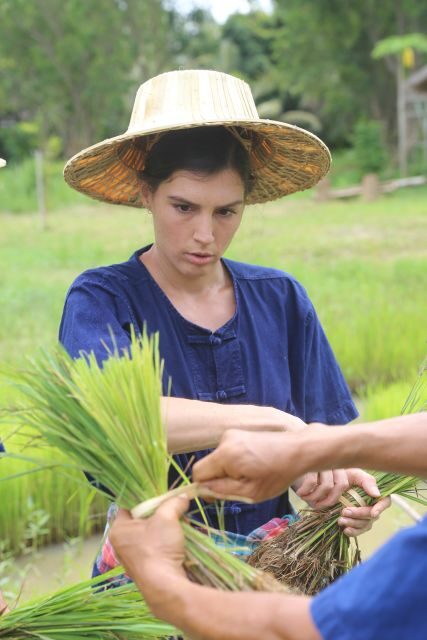
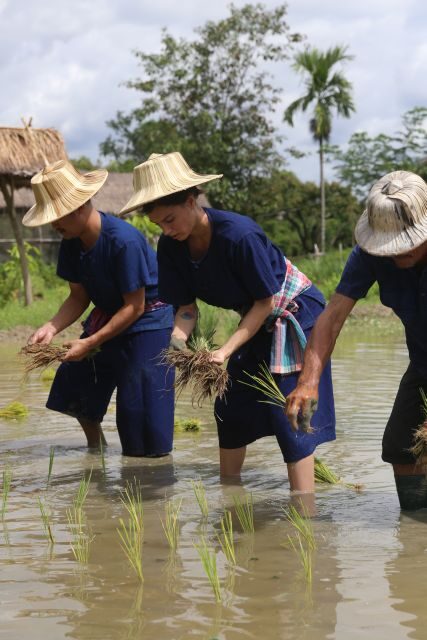
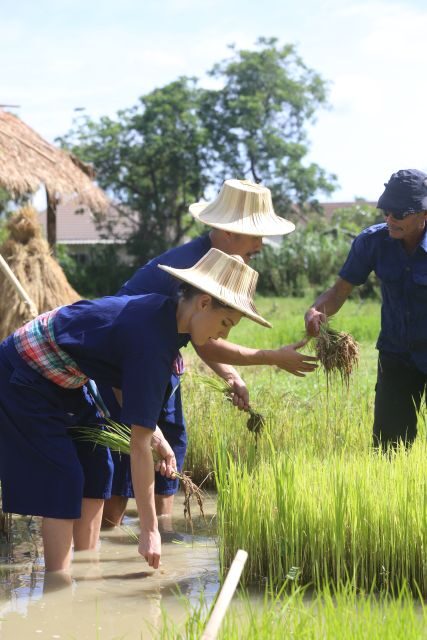
After buffalo time, the session shifts to rice planting. The centerpiece is working in the rice nursery: you’ll uproot rice seedlings and handle them in the traditional method. Then there’s the mud work—kicking mud off rice seedlings the old way—so you can prepare them properly.
Yes, you’ll get into mud. That’s the point. But the tour isn’t reckless about it. You’re provided with farmer costumes and boots, so you’re not wearing your best clothes. Also, you can rinse afterward: there’s a shower option at the end, which makes the dirt part far less scary.
One important detail for your packing plan: the rice field work involves being barefoot. So if you come in sneakers, you’ll end up changing anyway. The easiest approach is to wear something you can take off quickly, then use sandals or slip-ons for moving to and from the field and shower area.
What you’ll learn here isn’t just “plant rice.” You’ll learn the flow of how the day’s work fits together—how grass feeding, animal care, and rice planting all connect as part of farm life. Even if you only catch the basics, you’ll leave with a more real-world understanding of how rice work actually happens.
The Trainer’s Lessons: What You’ll Learn (and What You’ll Remember)
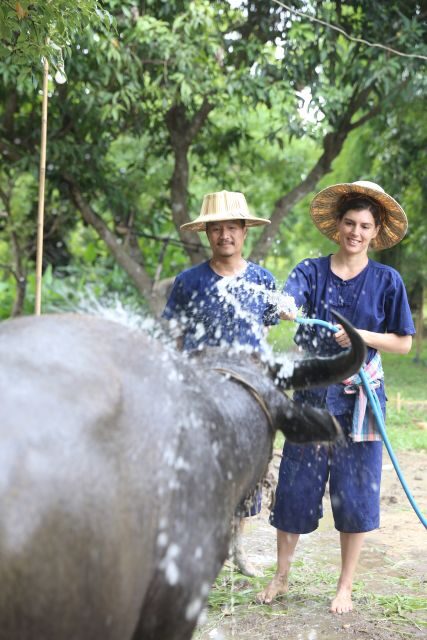
This isn’t a lecture tour. It’s teaching you in the middle of doing. The instructor explains the animals, the rice-growing steps, and the tools in use. When people finish, they usually mention that the time passes quickly because you’re always busy with the next small task.
The strongest learning moments tend to be the ones that come right before you do the work:
- when you’re shown how to cut and collect grass
- when you’re guided on feeding and caring for the buffalo
- when you’re taught how to handle seedlings in the nursery
- when you’re shown how to remove mud the traditional way
That timing helps you remember. You’re not trying to memorize a process you never touched.
Also, English and Thai support means you’re not stuck with guesswork. If you’re traveling with family, this matters even more. The format is approachable for kids and still interesting for adults who want to understand the why behind the steps.
Lunch Break on a Working Farm: Green Chicken Curry and More
Lunch is included, and it isn’t an afterthought. After the morning work, you’ll have a meal that fits the farm setting: rice with green chicken curry, plus a herbal drink. Then there’s mango sticky rice to round things out.
This part is valuable for two reasons. First, it keeps the energy steady after you’ve been in mud and handling tasks. Second, it’s a cultural moment: farm work ends the way many workdays do here—with a hearty, local meal.
If you’re traveling with kids, there’s a practical note. One family reported that a child-friendly option like fried rice was prepared. That’s the kind of detail that makes the experience feel more workable with different tastes, without turning the whole day into a custom meal request.



Red Taxi Pickup and a Tight 150-Minute Flow
You get pickup and drop-off, and the transfer is handled via a red taxi service. Chiang Mai traffic can make timing feel unpredictable, so having organized transport helps you stay calm and on schedule.
The session lasts about 150 minutes, which is around two and a half hours. That short window is a trade-off. It means you get a concentrated dose of farm work and food, but you won’t have time for a long extra wander or multiple rice field areas.
In plain terms: you’ll work, you’ll eat, and you’ll go. Plan your Chiang Mai day around that. If you’ve got another long stop right after, give yourself a little buffer.
Price vs. What You Get at $57
$57 per person can feel high if you compare it to casual sightseeing. But this isn’t casual sightseeing. You’re paying for:
- a small group format (max 10)
- a hands-on rice planting experience
- buffalo feeding and animal care instruction
- farmer costumes and boots
- pickup and drop-off
- lunch (green chicken curry, herbal drink) and mango sticky rice
So the value isn’t just “you get to watch.” You get equipment support, instruction, transport, and a meal. That combination is why the price can make sense, especially if you’d otherwise have to pay separately for transport and food after a half-day activity.
One consideration: if your priority is the cheapest activity in Chiang Mai, this may not satisfy. But if you want something active and real, it’s priced like a focused experience.
Who Should Book This Chiang Mai Buffalo and Rice Session
This is ideal for you if you want:
- a farm day that’s hands-on, not just a walk and photos
- a guided introduction to buffalo feeding and rice planting basics
- a meal included that actually fits the day
- an experience that works for families, including kids who learn best by doing
You might think twice if:
- mud and barefoot field time sound unpleasant
- you’re hoping for a slow, scenic nature hike
- you hate the idea of a short, structured schedule
The good news is that you’re given the tools to make it easier. Farmer costumes and boots reduce the clothing hassle, and the shower option reduces the “now I’m stuck with mud” problem.
Should You Book This Buffalo and Rice Planting Class?
If you like practical travel—the kind where you leave with skills, not just pictures—book it. For $57, you’re buying instruction, a real farm workload, and a satisfying lunch that ties the day together.
If you’re on the fence, use this rule of thumb: choose this tour if you genuinely want to get your hands dirty and learn how rice nursery work and buffalo feeding are done. Skip it if you want comfort-first, low-mess sightseeing.
FAQ
How long is the Chiang Mai Thai Buffalo and Rice Planting experience?
The experience lasts about 150 minutes.
What’s included in the price?
You get rice planting, pickup and drop-off, traditional farmer costumes and boots, and lunch.
How big is the group?
It’s a small group limited to 10 participants.
What languages are used by the instructor?
The instructor speaks English and Thai.
Where is the meeting point?
The meeting point is Hang Tueng farmstay & workshop Chiang Mai (search on Google Maps for Hang Tueng farm stay & workshop Chiang Mai).
Do I need to wear special clothes or shoes?
You’ll be provided traditional farmer costumes and boots. The rice field experience includes being barefoot, and you can rinse with a shower afterward, so sandals or easy slip-ons are helpful.
What are the cancellation terms and reserve options?
You can cancel up to 24 hours in advance for a full refund. There is also a reserve now & pay later option, where you pay nothing today.