REVIEW · CHIANG MAI
Chiang Mai: Ethical Half Day Elephant Sanctuary & Waterfall
Book on GetYourGuide →Operated by Joy Elephant Sanctuary · Bookable on GetYourGuide
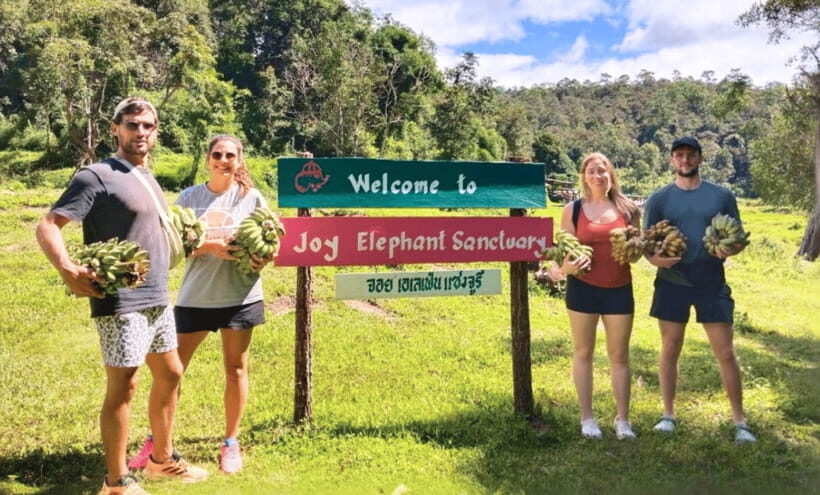
One sentence can’t do justice to this peaceful half-day in the Chiang Mai jungle. You’ll visit Joy Elephant Sanctuary for ethical elephant observation close to a waterfall setting, with time to learn how rescued elephants live and behave when visitors follow the rules.
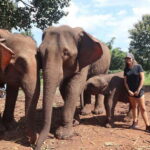
I really like two parts of this program: you get hands-on feeding and careful observation (no tricks, no stunts), and you’re allowed to walk alongside the herd at their pace without pressuring the animals. It feels respectful because the staff keep distance and set clear expectations.
The main trade-off is the day’s rhythm. Expect about 1.5 hours of van time each way, and the road can feel bumpy, so plan to be patient with travel.
In This Review
- Key things to know before you go
- Ethical Elephant Observation in Chiang Mai: Why Joy’s Rules Matter
- The Get-There Phase: Van Ride, Jungle Time, and What to Expect
- Feeding Time: Preparing Elephant Food and Reading Elephant Behavior
- Following the Herd: Walking in the Jungle Without Pressuring Them
- Waterfall Break: Herbal Tea, Swimming Time, and Elephant No-Bath Rules
- Lunch and Included Comforts: Food You’ll Actually Want After Jungle Time
- The Ya Dom Souvenir: Making a Thai Herbal Inhaler
- Price and Value: Is $54 a Fair Deal for an Ethical Day?
- Who Should Book This Program (and Who Should Skip It)
- Should You Book Joy Elephant Sanctuary’s Half-Day Program?
- FAQ
- Is this elephant experience in the morning or afternoon?
- Where do you get picked up in Chiang Mai?
- How long does the program take?
- What’s included in the price?
- Can I touch or bathe the elephants?
- Is swimming allowed at the waterfall?
- What should I bring?
- Is this tour wheelchair accessible?
- Are pets allowed?
- What souvenir do you make?
Key things to know before you go
- Ethical interaction only: no touching, no bathing, and elephants aren’t made to perform
- Feed the elephants, then follow their pace through the jungle
- Waterfall break with herbal tea plus time to cool off (bring swimwear)
- Included lunch and drinks: you’re not left hunting food in the middle of the day
- DIY Thai souvenir: make a Ya Dom herbal inhaler to take home
- Small-group feel and an English-speaking guide to keep the experience clear and safe
Ethical Elephant Observation in Chiang Mai: Why Joy’s Rules Matter
If you care about animal welfare, this is the kind of elephant day that makes sense. The whole point is observing elephants doing what elephants do—walking, foraging, pausing—while you follow staff guidance that prioritizes elephant comfort.
Two things I’d call out right away. First, you get to interact in a meaningful way by preparing and feeding elephant food and watching their behavior up close. Second, you’re not turned into a performer: there’s no elephant bathing and no riding, and you won’t be encouraged to touch the animals.
That restraint changes the vibe. You’re not chasing an activity. You’re sharing space quietly enough for the herd to stay calm, and it’s easier to notice real elephant behavior—how they move through brush, how they pause, and how they communicate with each other.
You can also read our reviews of more tours and experiences in Chiang Mai.



The Get-There Phase: Van Ride, Jungle Time, and What to Expect
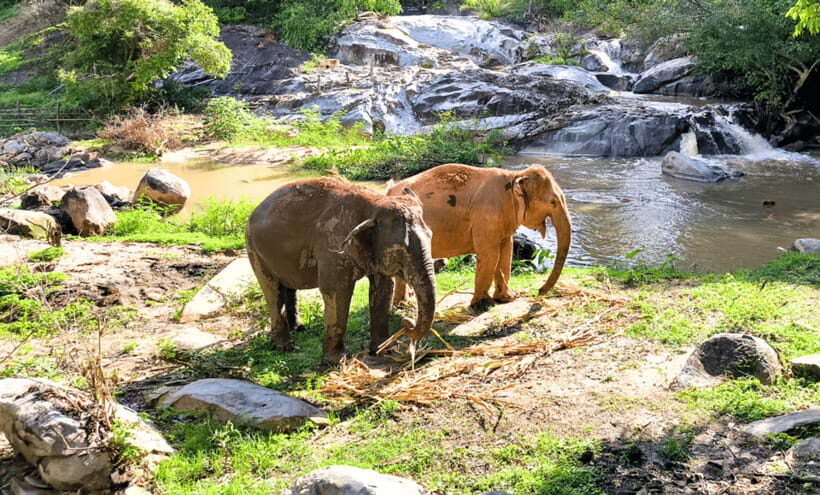
This experience starts with pickup in Chiang Mai. If your hotel is within a 5km radius of the Old City, you can expect round-trip transfer by minivan, plus a guide with you for the day.
From there, you’re looking at about 1.5 hours on the road before you reach the Mae Wang District area. One review noted that the ride can be a bit shaky, and that’s believable—this is not a smooth highway day. Bring a little patience, and think of the travel as the transition from city noise to countryside calm.
Once you arrive, the time feels more like a nature outing than an attraction. You’ll have structured moments with the elephants, then time to cool down near the waterfall, and finally a craft activity that turns the day into something you can remember beyond photos.
Feeding Time: Preparing Elephant Food and Reading Elephant Behavior
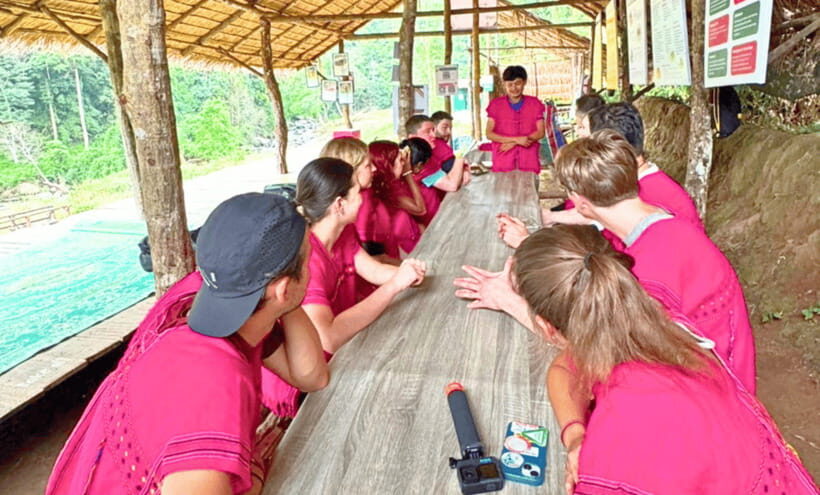
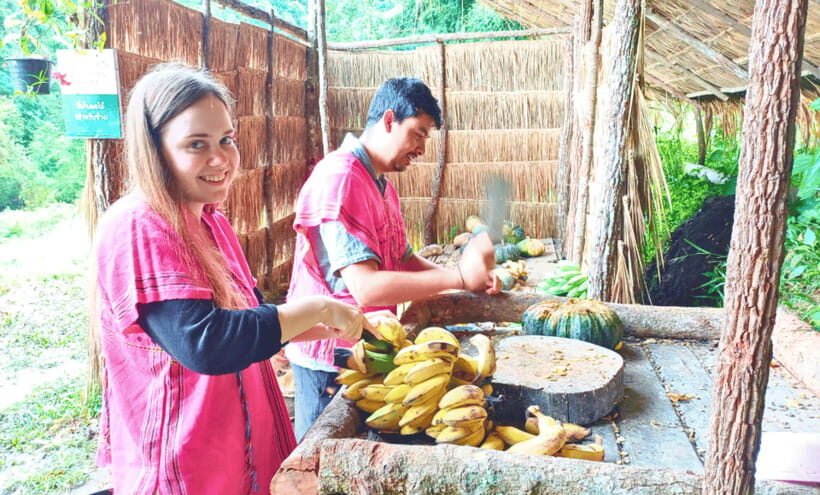
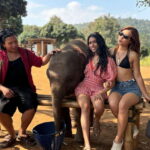
When you arrive, you’ll get oriented and learn what’s expected. Then comes one of the most memorable parts of the day: you help with preparing elephant food and you get to feed elephants during observation sessions.
This is valuable because it’s not just about handing something over. The guide explains elephant care and behavior, so you know what you’re seeing. You’ll notice that feeding is treated like a calm, respectful moment, not a crowd show.
The best way to make this portion land is simple: keep your movements smooth, listen for instructions, and don’t try to rush closeness. Since touching isn’t part of the program, feeding works best when you focus on the elephants’ routine—what they choose, how they approach, and how the herd stays together.
Following the Herd: Walking in the Jungle Without Pressuring Them
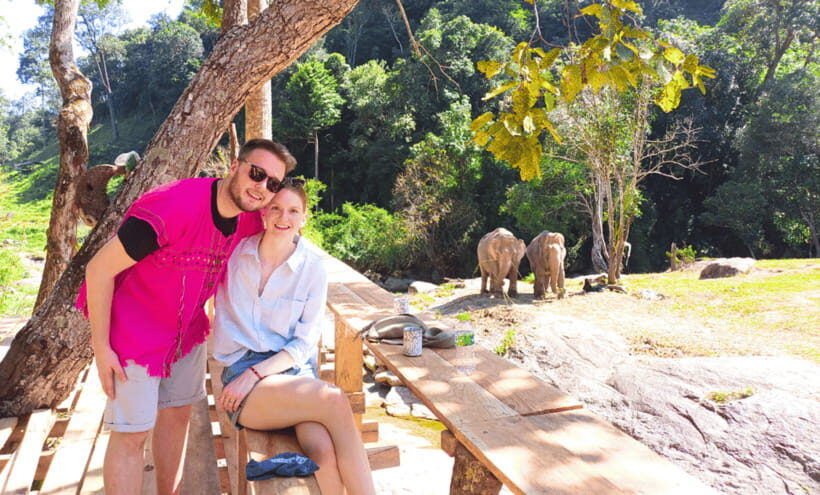
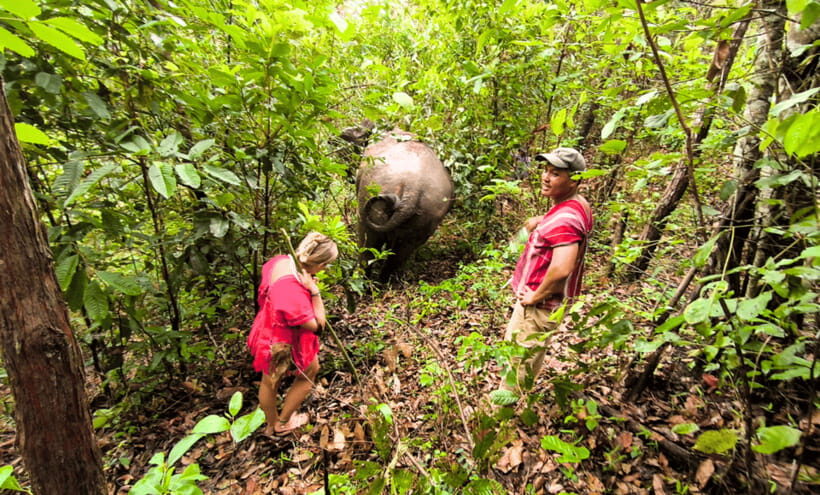
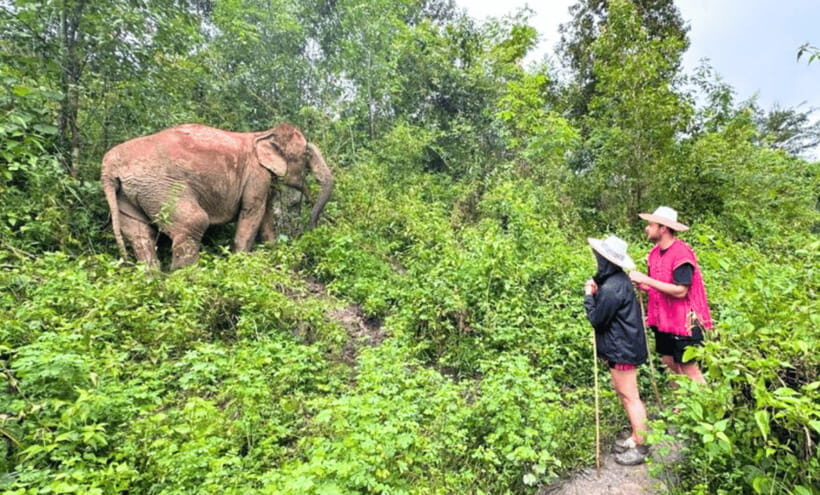
After feeding, you’ll move into a walking-and-observation segment near the sanctuary area. This is where the experience becomes more than a photo stop. You’ll walk alongside the elephants as they forage in the jungle, following their lead in pace and direction.
A key detail here is distance and boundaries. The program is designed so the elephants aren’t forced to change behavior for you. You’re part of the day, but the elephants are still in charge.
This is also why the walk feels meaningful. When you walk at a slower pace—matching the herd’s rhythm—you start to see the natural logic of foraging: pausing where food is, moving through brush, and interacting within the group. Even if you’re not a hiking person, the value is in watching, not in training for a trek.
Waterfall Break: Herbal Tea, Swimming Time, and Elephant No-Bath Rules
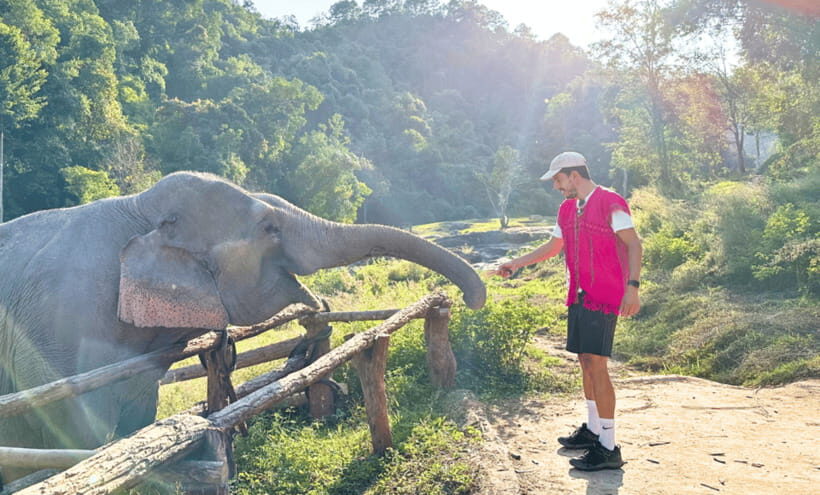
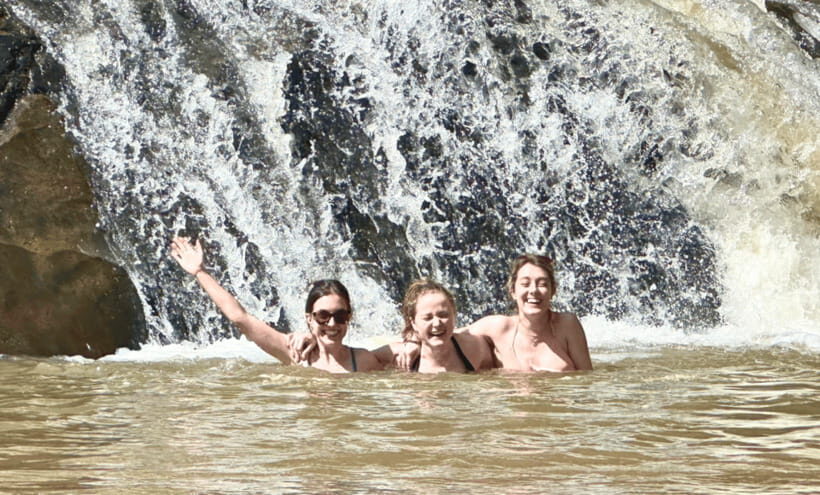
One of the nicest parts of the day is the reset at the waterfall. After the jungle time, you get a break with herbal tea, and you’ll have a scenic moment to relax while observing elephants in the area (without bathing them).
Bring swimwear for this portion. Towel is included, and several participants mention cooling off or swimming in the river/waterfall area—but importantly, not with elephants present. The elephants stay separate from the swim area, which helps keep the day focused and less chaotic.
Also, set your expectations for the waterfall. One participant said it isn’t as large as expected, and that’s useful advice. Think of it as a cool-down spot with a pleasant setting, not a giant postcard waterfall.


Lunch and Included Comforts: Food You’ll Actually Want After Jungle Time
Between animal time and walking, you’ll earn your meal. Lunch is included, along with water, and the day doesn’t feel like a grind where you’re hungry and waiting.
Food details from the experience highlight point to a satisfying, Thai-style stop: Pad Thai shows up on the menu, plus fresh fruit. The meal is vegetarian-friendly in practice for many guests, but since the exact menu can vary by day, I’d treat it as Thai comfort food that fits the day’s outdoor pace.
A small but smart planning tip: if you’re prone to getting cold or dehydrated after time outdoors, use the included water and towel. You’ll feel more human before the souvenir activity at the end.
The Ya Dom Souvenir: Making a Thai Herbal Inhaler
The day finishes with a handmade cultural activity. You’ll create your own Thai herbal inhaler (often called Ya Dom), made from local spices and herbs.
This part is more than shopping. It gives you a tactile memory of the day, and it connects Thai craft traditions with the health and wellness theme already present in the sanctuary environment. Plus, it’s something easy to pack and gift.
Practical angle: wear clothes you won’t mind if they get a little dusty from workshop materials. The good news is that this portion is typically slower and calmer than the jungle segment, so it feels like a gentle landing back toward Chiang Mai.
Price and Value: Is $54 a Fair Deal for an Ethical Day?
At $54 per person for about a 7-hour day with pickup, guide, lunch, water, insurance, elephant food, and towel, you’re paying for a full program—not just a quick entrance ticket.
Here’s what that price covers that actually matters:
- Hotel pickup/drop-off (within a defined radius) so you’re not scrambling for transport
- A guided experience in English so rules and animal behavior make sense
- Elephant food included, which makes feeding possible without extra costs
- Lunch and water, so you aren’t paying for meals mid-excursion
- Insurance included, which adds peace of mind for a day that includes walking and swimming options
- Towel provided, so you can participate in the waterfall cooling time
The value equation is strongest if you’re specifically choosing an ethical sanctuary over cheaper, exploitative elephant experiences. If you want a day that focuses on observation, education, and respectful interaction, this program fits that goal without turning it into a circus.
Who Should Book This Program (and Who Should Skip It)
This is a strong fit if you want:
- A hands-on but respectful elephant day
- A clear educational tone with an English-speaking guide
- Time outside in nature, followed by a real rest stop near the waterfall
- A take-home craft that’s not just a cheap souvenir bag
It’s not suitable for wheelchair users. Also, because you’ll be walking in a jungle setting, you should come with comfortable footwear and expect some uneven ground. If you’re sensitive to insect bites or sun, insect repellent and sunscreen are truly worth it.
If you have allergies, bring your own allergy medication. The program notes you should have it if you need it—so don’t gamble on the idea that everything will be available on-site.
Should You Book Joy Elephant Sanctuary’s Half-Day Program?
If you’re choosing between an unethical elephant attraction and an ethical observation-style sanctuary, I’d book this. The combination of feeding without touching, walking at the herd’s pace, and no elephant bathing makes it feel aligned with animal welfare instead of tourist entertainment.
Also, the day structure helps. You get enough time with elephants to feel the experience, then you cool down at the waterfall, eat a proper meal, and end with a meaningful craft you can bring home.
If you’re worried about the road ride, or you’re expecting a huge waterfall spectacle, know that the trip is first and foremost about the sanctuary and the animals—not a giant natural showpiece.
FAQ
Is this elephant experience in the morning or afternoon?
The program is available in either morning or afternoon sessions. You’ll be able to check starting times when you reserve.
Where do you get picked up in Chiang Mai?
Pickup and drop-off are included from accommodation within a 5km radius of Chiang Mai’s Old City, using a minivan.
How long does the program take?
The experience lists a duration of about 7 hours total. It’s a half-day program with travel time included.
What’s included in the price?
Included items are hotel pickup/drop-off, a guide, lunch, water, elephant’s food, insurance, and a towel.
Can I touch or bathe the elephants?
No. The experience specifies no elephant bathing, and the program is set up around observation and respectful interaction rather than touching.
Is swimming allowed at the waterfall?
You’ll have time to take a break at the waterfall and bring swimwear. A towel is included, and the waterfall break is designed for cooling off without elephant bathing.
What should I bring?
Bring comfortable shoes, swimwear, a change of clothes, sandals, sunscreen, and insect repellent.
Is this tour wheelchair accessible?
It is not suitable for wheelchair users.
Are pets allowed?
No pets are allowed.
What souvenir do you make?
You’ll craft a Thai cultural handmade souvenir, described as a Ya Dom herbal inhaler.
If you want, tell me your travel dates and whether you prefer the morning or afternoon session, and I’ll suggest the best way to plan the rest of your day in Chiang Mai around this trip.