REVIEW · CHIANG MAI
Chiang Mai: Kayak the Jungle River of Chiang Dao Valley!
Book on GetYourGuide →Operated by CHIANG MAI MOUNTAIN BIKING & KAYAKS · Bookable on GetYourGuide
Paddle under Chiang Dao’s watchful cliffs. This day trip turns the Chiang Dao Valley into your backyard with jungle creeks, flooded forest edges, and the Ping River flowing past farm land. You also get coached so you are steering your own kayak, not just following a guide.
I especially love two things about this tour. First, the beginner-friendly instruction feels practical, with guides correcting mistakes right on the water. Second, the scenery mix is great: shaded bamboo, branches you duck under, and wildlife moments that happen because you are moving slowly and quietly.
One thing to consider: the river route includes weir crossings, and you may have to get out and drag past obstacles. That part is usually handled by guides, but footing can get tricky in muddy, rocky spots.
In This Review
- Key Things I’d Mark on Your Checklist
- Chiang Dao Jungle Kayaks: Why This Day Feels Like an Escape
- The Skill Upgrade: Beginner Coaching Without the Pressure
- What You Actually Paddle: Ping River, Flooded Forests, and Duck-Under Branches
- The Day’s Flow: Pickup, Safety Briefing, and the Chiang Dao Run-Up
- Safety That Doesn’t Feel Like a Checklist
- Lunch at Mango Plantation Restaurant: A Real Reset After the River
- Price and Value: What $64 Covers (And What Costs Extra)
- What to Bring: Simple Stuff That Prevents a Bad Day
- Who Should Book This Chiang Dao Kayak Day
- Should You Book It? My Quick Decision Guide
- FAQ
- Do I need kayaking experience to join?
- How long is the tour?
- How big is the group?
- What languages do the instructors speak?
- What should I bring with me?
- What’s included in the price?
- What costs extra and what info do I need at check-in?
Key Things I’d Mark on Your Checklist
- Small group size (max 10) makes the coaching more personal
- Hard-shell single and double kayaks help stability compared with soft boats
- Google Earth orientation before you launch helps you understand what you will see
- Certified first aid and CPR adds real comfort on an active day
- Support truck with secure storage means you can leave valuables behind safely
- Vegetarian and vegan lunch options at Mango Plantation Restaurant
Chiang Dao Jungle Kayaks: Why This Day Feels Like an Escape
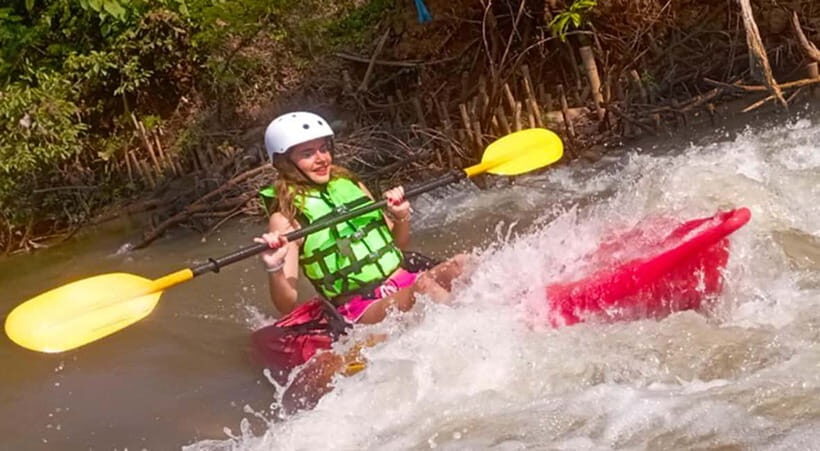
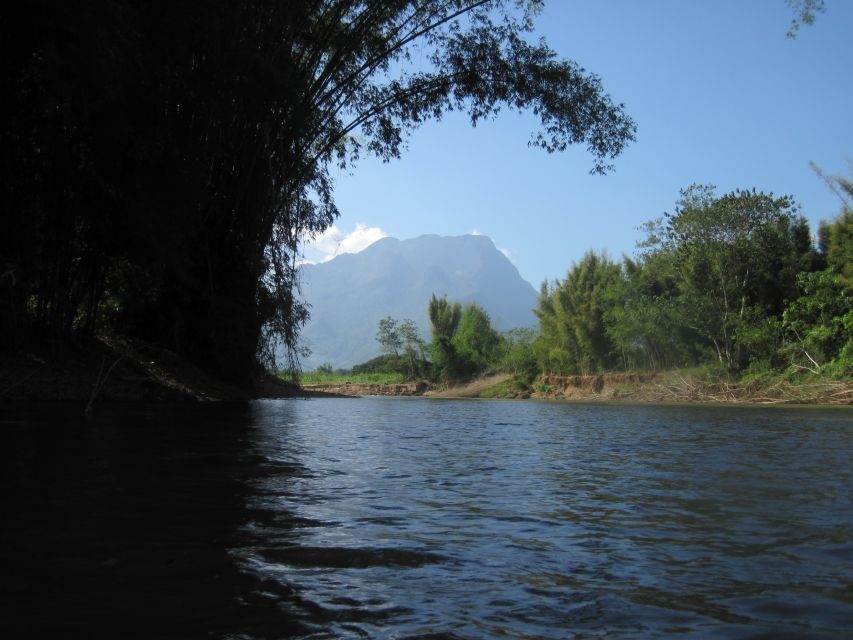
If Chiang Mai feels busy, this is a smart way to reset. You trade city sights for a water route tucked under the infamous Chiang Dao mountain range, then slide into narrow jungle waterways where the vegetation grows right over the river. Instead of looking at nature from a trail, you pass it at eye level, with a slow rhythm that lets birds and wildlife show up when they want to.
What makes the vibe especially good is that you get multiple “worlds” in one day. The Ping River section brings open stretches and calmer paddling, while the creek and flooded-forest segments feel more like a hidden system of tunnels. The tour also keeps things grounded in real local life: you hear stories tied to hunters and fishermen who know this land well. That kind of context turns the scenery from pretty photos into something you actually understand.
The best part for me is the mix of thrill and control. You get adventure, but you are not thrown in blind. You get a briefing, a guide nearby, and the support truck behind you.
You can also read our reviews of more tours and experiences in Chiang Mai

The Skill Upgrade: Beginner Coaching Without the Pressure
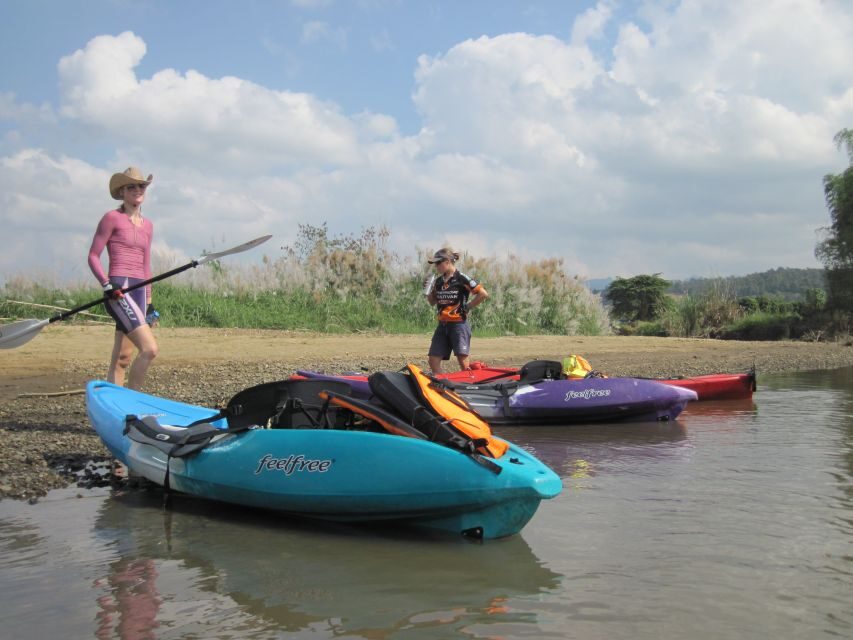
You do not need kayaking experience to join, and that matters. The tour is built around the idea that you will be learning while you go, with an instructor close enough to help you correct technique before you get frustrated.
In practice, that means you spend time on basics and then immediately apply them. Your goal is to feel confident controlling direction and paddling in tighter spaces, especially when the river narrows and branches come down close. Even if you are brand new, the pacing is set so you can keep up while still enjoying the scenery.
I also like that the coaching style is supportive. In past experiences with this kind of activity, the hard part is often the awkward moments, when a beginner panics for a second. Here, the guides are patient and direct, with corrections that help you get your kayak moving smoothly again. That changes the whole feel of the trip because you start paying attention to the jungle instead of worrying about balance.
One more note: you are the captain of your own boat. You guide your kayak, while the instructors manage the route. That blend keeps it from turning into a passive boat ride.
What You Actually Paddle: Ping River, Flooded Forests, and Duck-Under Branches
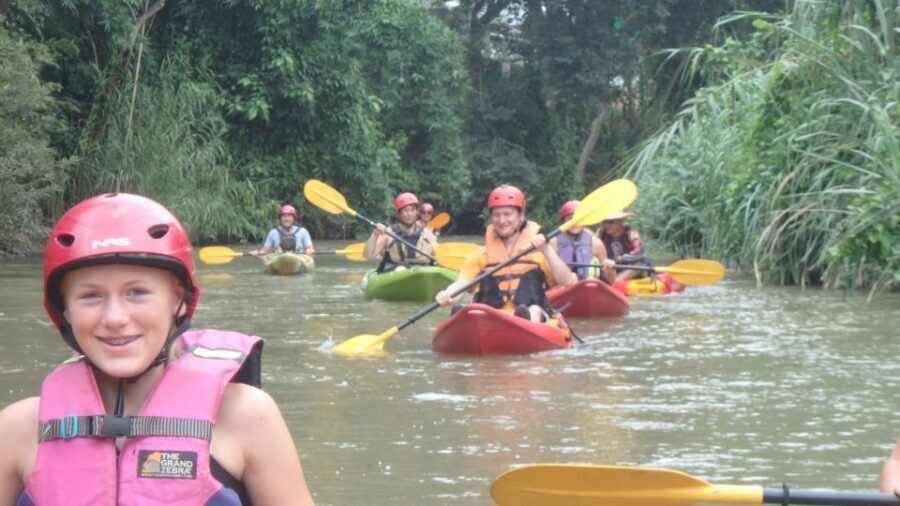
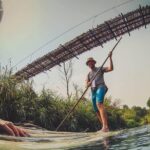
The route is designed to feel like you are moving through layers of the Chiang Dao Valley. Expect narrow creeks and sections where the water looks calmer, until you notice dense plants and thick trees crowding in close. This is the part where you duck under branches, glide past bamboo, and paddle through areas where greenery reaches over the water line.
There is also a flooded-forest feeling. When the forest edge is wet, the waterway can look like it is threaded through living walls. That is the moment you realize why a kayak beats a vehicle or a standard sightseeing boat. The kayak slips through at the pace of the birds, so you can actually see what is hiding in the trees.
Wildlife spotting is not guaranteed, but the setup helps. You paddle quietly, you pause when needed, and your guide points out what to watch for as you move. You also get plenty of time to notice small details: how the jungle changes when the river opens, and how farmland appears along parts of the Ping River.
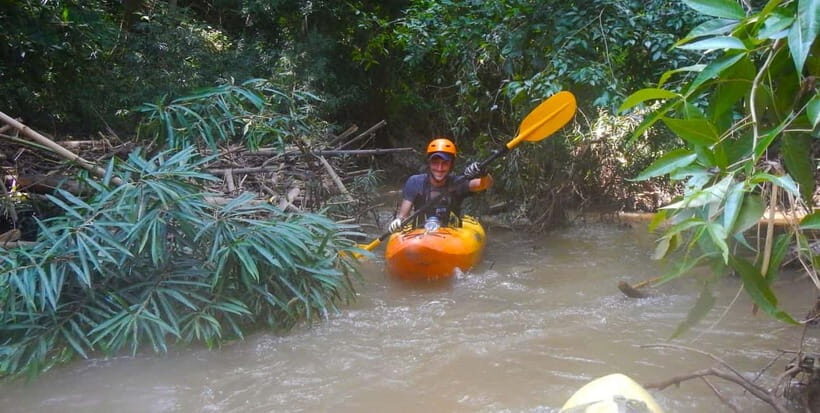
And yes, there are obstacles. One consideration to keep in mind is that you may need to get out of the kayak to drag it past weirs—likely twice on the route. Guides handle the work, but you may still step on muddy or rocky ground. Wear shoes you trust, because the “getting out” moments matter.
The Day’s Flow: Pickup, Safety Briefing, and the Chiang Dao Run-Up
This is a full-day logistics package, not a quick half-hour stop. You get two pickup options depending on where you are staying, with pickup typically estimated between 10:30 and 11:15 if you are in the Chiang Dao area. From there, you head out by air-conditioned van (and 4×4 SUVs for smaller groups).
The timing works like this: you start with a safety briefing and orientation at the pro-shop, then get transported to Chiang Dao. The drive itself takes about 75 minutes, and the break time at Chiang Dao includes sightseeing and another safety briefing. That break matters more than it sounds, because it helps you gear up before you launch and gives you time to mentally shift from road mode to river mode.
One smart touch is the Google Earth orientation and kayak briefing before you paddle. Even if you are not a tech person, seeing the route in advance helps you understand where you are going and why certain sections require more control.
After the kayaking, there is lunch and then you return by jeep/SUV for about an hour to the drop-off locations. If you like structured days (not wandering around trying to find the next activity), this format is a good fit.
Safety That Doesn’t Feel Like a Checklist
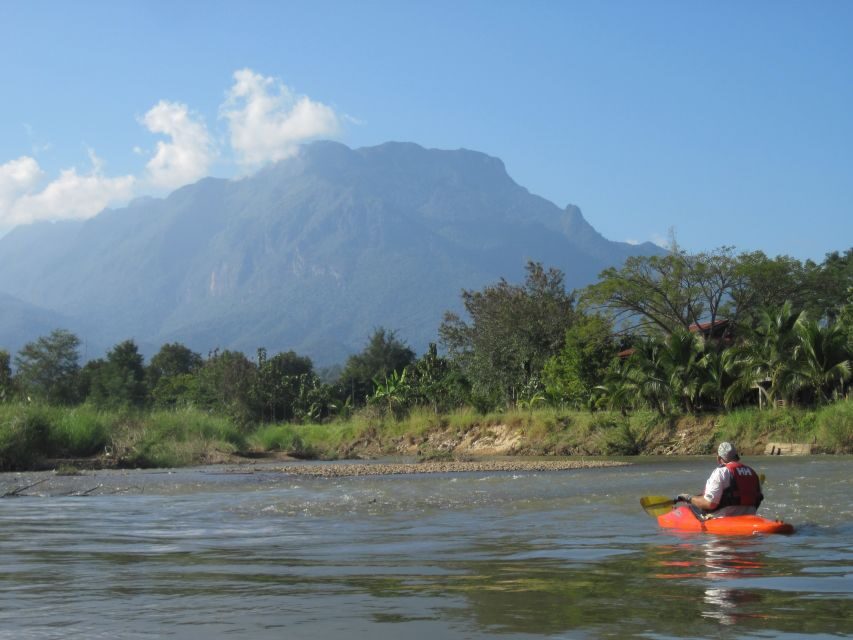
Safety here is not just paperwork. The instructors are certified in first aid and CPR, and you also have clear guidance on the water. That matters because rivers are dynamic: branches shift, water flow changes, and obstacles show up where you do not expect them.
You also get the right equipment for the job: top-quality hard-shell kayaks in both single and double options. Hard-shell boats tend to track better and feel more stable than inflatable or soft designs, especially when you are learning steering and when you hit awkward sections near weirs.
The tour also uses a support truck that follows along and includes secure storage for valuables. So you do not have to treat your bag like it is the most fragile object on Earth. You still should bring what you need and keep it organized, but the security makes the day less stressful.
Finally, you have instructors watching the group. That is the difference between paddling alone and paddling with a plan. When you get close to tighter waterways, having someone nearby who can guide timing and technique turns stress into focus.






Lunch at Mango Plantation Restaurant: A Real Reset After the River
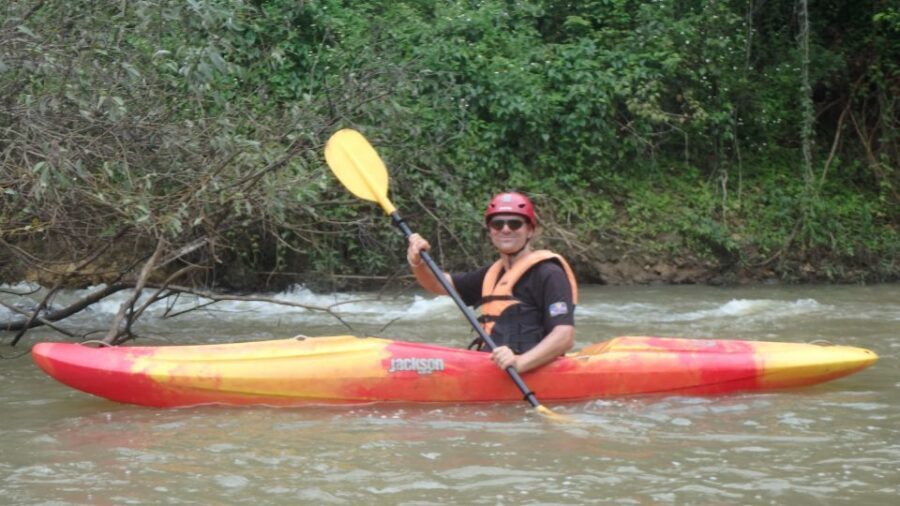
After you paddle through jungle creeks and river sections, you get lunch with time to recover. The lunch stop is at Mango Plantation Restaurant, with vegetarian and vegan options available. That is a big deal for value and comfort because it means you do not have to scramble for food after getting wet and tired.
The timing is built into the day. You have a dedicated lunch window after the kayaking block, so you can dry off, change, and eat without racing the schedule. Even if you love adventure, a clean break is what keeps you from feeling worn out by the end.
I also recommend treating lunch as part of your energy plan. If you are learning skills on the water, your shoulders and core are working. A satisfying meal helps you enjoy the final transport back without feeling drained.
One small practical point: since the day is active, bring a change of clothes (and use it after lunch if possible). It makes a huge difference on comfort during pickup and the ride home.
Price and Value: What $64 Covers (And What Costs Extra)
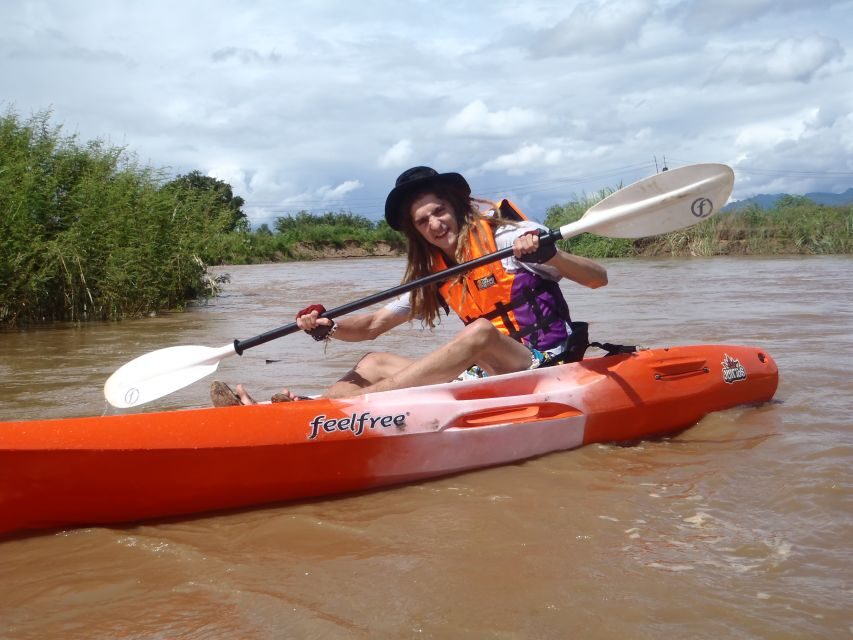
At about $64 per person, this tour is priced like an activity day with real logistics, not just a rental. You are paying for guided instruction, transportation, equipment, hydration, and lunch—not to mention the support truck and on-water safety staffing.
Here’s what feels like value:
- Coaching and escort so you actually improve on the water
- Hard-shell single/double kayaks
- Air-conditioned transport and a follow vehicle for support
- Water provided throughout with hydration packs in mind
- Lunch with vegetarian and vegan options
- First aid and CPR certified instructors
- Limited group size up to 10, which helps you get attention
What’s not included: insurance and a river fee of 150 THB. You also need to provide your passport number at check-in for that river fee. The insurance part can matter if you have plans that require coverage for water activities, so double-check your personal policy before you go.
When you add up the included transport plus lunch plus guided equipment, the price starts to make sense. For many people, the biggest reason it feels worth it is the skill coaching. If you are new, that instruction helps you enjoy the trip instead of spending the day wrestling with your kayak.
What to Bring: Simple Stuff That Prevents a Bad Day
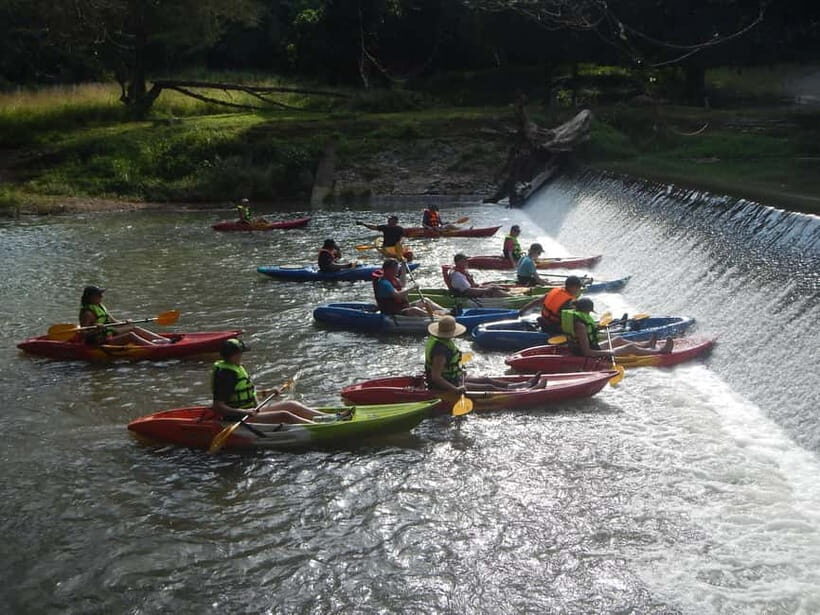
The tour asks you to bring a few basics, and I agree with them. You want to pack for getting wet and for comfort afterward.
Bring:
- A change of clothes
- A hat
- Sunscreen
- Insect repellent
Also think about footwear. If you are getting out of the kayak at weir crossings, you want shoes that handle muddy or rocky ground. Lightweight water shoes or quick-dry footwear can be more comfortable than totally slick soles, especially if the second exit spot is muddy and uneven.
If you are prone to sunburn, reapply sunscreen before you launch and again if you notice strong light during the river stretch. And if bugs are a concern for you, insect repellent is not optional in this kind of jungle setting.
The tour provides water for hydration packs and bottled water, so you can focus on clothing and personal comfort rather than carrying everything.
Who Should Book This Chiang Dao Kayak Day
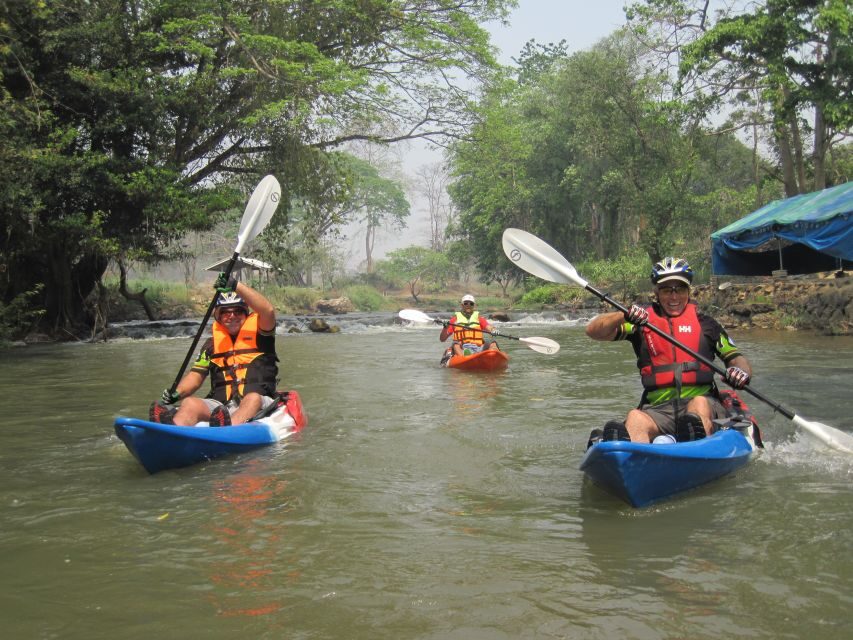
This tour is a strong match if you want nature time without tourist crowds. The small group format helps, and the route is designed to keep you away from the most obvious, high-traffic experiences. You will likely enjoy it if you like active travel: getting on the water, learning something, and spending the day moving through real surroundings.
It is also a good choice if you are a beginner. The guiding approach is built for learning, and you get safety support as you practice. People who want a gentle day might still find the weir crossings and duck-under sections a bit more physical than expected, but the guides do the hard parts.
You might want to think twice if:
- You have foot issues or limited mobility, because getting out near weirs can involve muddy ground and sharp stones
- You dislike changing clothes after getting wet
- You want a purely relaxing ride with no obstacles
If you fall in the middle—curious about kayaking, happy to work a little, and craving a less-crowded nature experience—this is a great fit.
Should You Book It? My Quick Decision Guide
If you want a day that combines guided kayaking, beginner coaching, and jungle scenery near Chiang Dao, I’d book it. The value is strongest when you are new to kayaking or when you care about learning technique, not just checking a box.
The biggest “make or break” factor is your comfort with active moments on land. There are weir crossings where you may have to step out and drag the kayak past obstacles. The guides assist, but you should still be prepared for uneven footing.
If you can handle that, you get what most people really travel for in Northern Thailand: a wild-feeling water route, calm paddling when the river opens, and the feeling that you are traveling through the real Chiang Dao Valley rather than just watching it from afar.
FAQ
Do I need kayaking experience to join?
No. The tour is designed for beginners, and instructors guide you through technique while you are on the water.
How long is the tour?
It runs for one day.
How big is the group?
The group is limited to 10 participants.
What languages do the instructors speak?
Instructors speak Thai and English.
What should I bring with me?
Bring a change of clothes, a hat, sunscreen, and insect repellent.
What’s included in the price?
You get a professional guided escort, hard-shell single and double kayaks, transportation (air-conditioned van and 4×4 SUVs for smaller groups), hydration water, a Google Earth orientation and kayak briefing, and lunch with vegetarian and vegan options. A support truck follows for help and secure storage.
What costs extra and what info do I need at check-in?
Insurance is not included, and there is a river fee of 150 THB. You’ll need to provide your passport number at check-in for the river fee.