REVIEW · CHIANG MAI
Full Day Thai Cooking at Farm (Chiang Mai)
Book on Viator →Operated by Smile Organic Farm Cooking School · Bookable on Viator
Wok skills start here. A full-day Thai cooking class at Smile Organic Farm turns Chiang Mai food cravings into real technique, starting with a local market stop and ending at a serene farm kitchen with a small group.
I like the menu choice and spice control, because you can keep it mild or go for heat, and you can choose vegetarian or vegan versions. I also like that the instruction covers 8 cooking categories, not just one or two showpieces, so you leave with a repeatable game plan. One catch: it runs about 8 hours and starts at 8:00 am, so plan your day around a long, food-focused morning.
In This Review
- Key things to look forward to
- A farm-based Thai cooking day from Chiang Mai City
- Morning pickup and the market stop that sets you up
- Choosing your menu, setting the spice level, and going veg or vegan
- Organic garden lessons: herbs and vegetables you can actually name
- Cooking 8 categories: the techniques behind the flavor
- Curry paste and curry: start with the backbone
- Stir-fried dishes: timing and heat you can feel
- Soup: balancing aroma and comfort
- Spring roll: the crunchy structure
- Thai salad: the sharp-sweet-sour rhythm
- Dessert and herbal drink: finish with Thai comfort
- Guidance that actually helps you cook with confidence
- The meal: eating what you cooked together
- Value for money: what you’re really paying for
- Who should book this Thai cooking class (and who might not)
- Quick practical notes that help your day go smoother
- Should you book Full Day Thai Cooking at Farm in Chiang Mai?
- FAQ
- How long is the Thai cooking experience?
- What time does the tour start?
- Does the tour include pickup and drop-off?
- Do you visit a market before cooking?
- Can the class accommodate vegetarian or vegan menus?
- Is there a limit on group size?
Key things to look forward to
- Hotel pickup and drop-off makes the early start feel manageable.
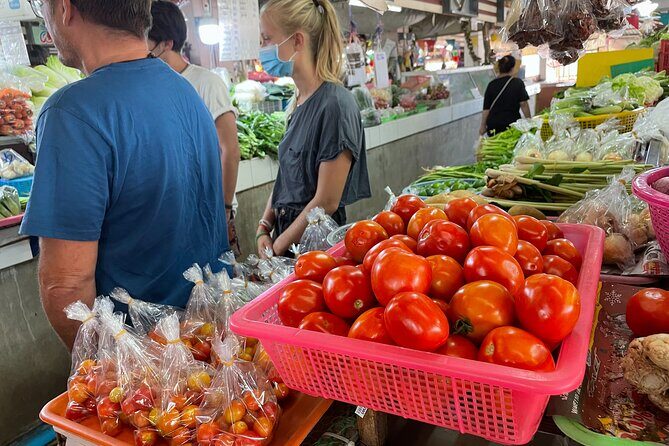
- A market visit before cooking helps you connect ingredients to the dishes you’ll make.
- Pick your menu and your spice level with vegetarian or vegan options in every category.
- Up to 12 people keeps the class hands-on and easier to get questions answered.
- Everything you need is included: ingredients, a recipe book, and a photo album.
A farm-based Thai cooking day from Chiang Mai City
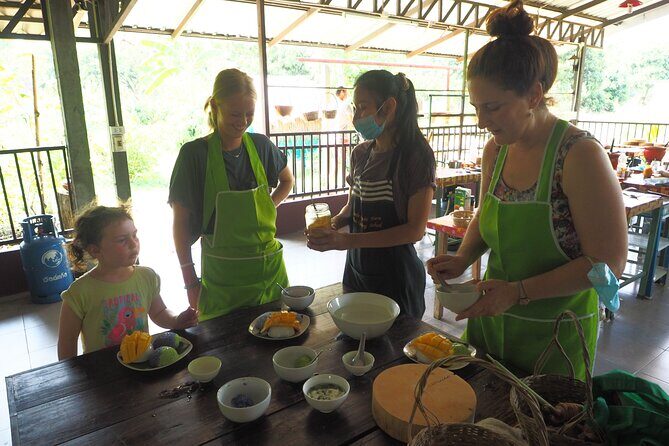
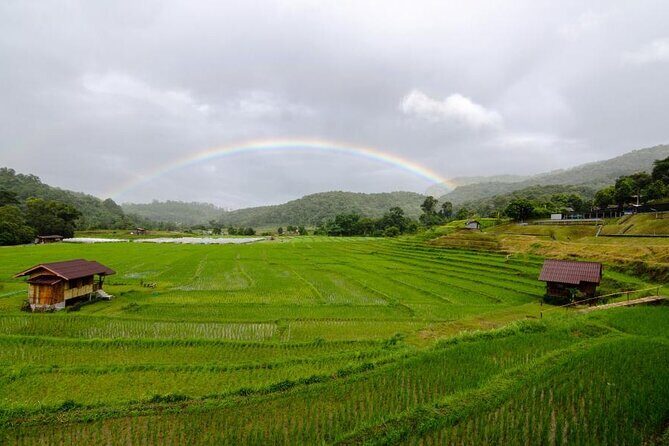
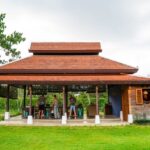
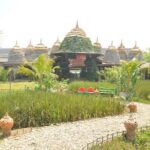
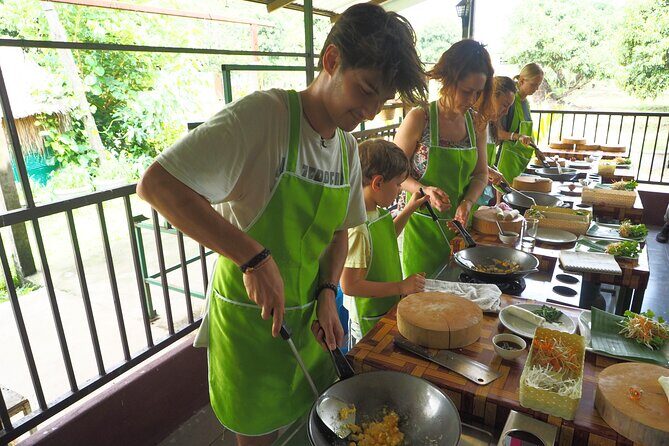
This is one of those tours where the setting actually matters. You’re not just cooking in a classroom. You head out to a local farm environment near Chiang Mai, where the day feels calmer and more grounded. That matters for learning, because Thai cooking is a mix of technique, timing, and balance. When you’re not rushed, it’s easier to pick up the workflow.
The group size caps at 12, which is a big deal for a hands-on cooking class. With fewer people, you’ll likely spend less time waiting around and more time actually cooking—especially when sauces, pastes, and stir-fries start moving fast.
The day is structured but not stiff. You choose from categories, learn in an organic kitchen garden, cook your own food, then eat together. If you’ve had Thai food you loved in Chiang Mai but always felt like you couldn’t recreate it at home, this format is built for that gap.
You can also read our reviews of more cooking classes in Chiang Mai

Morning pickup and the market stop that sets you up
Most full-day classes in Chiang Mai jump straight into cooking. Here, you start with pickup from your hotel or accommodation in Chiang Mai city, then go to a local market first. That first step is practical. It gives you context for what you’re about to buy—or substitute—when you cook later.
At the market, the visit is described as brief, so you’re not turning it into a long shopping tour. Instead, it’s more like get your bearings fast and learn what ingredients and flavors you should watch for. Even if you don’t buy much, you’ll likely leave with a stronger sense of what goes where in Thai cooking.
Then you head to Smile Organic Farm Cooking School. Since the start time is 8:00 am, I’d treat breakfast lightly and save your appetite. You’ll cook, and you’ll eat what you make.
Choosing your menu, setting the spice level, and going veg or vegan
One of the smartest parts of the day is the menu system. When you arrive, you’ll be shown the menu options for the different categories, and you get to choose your own menu in each category. You’re not locked into one fixed plate plan.
You also get spice control. That’s not just about comfort. It’s about learning how Thai dishes can scale from mild to fiery. Same dish idea, different heat level—so you can recreate the flavors to your own tolerance.
Then there’s the vegetarian/vegan flexibility. Every menu is able to cook as vegetarian or vegan, which makes the class work well even if not everyone in your group eats the same way. If you’ve ever tried to follow a Thai recipe and got stuck because it assumed fish sauce or meat-based broth, this matters. It lets you focus on Thai flavor-building without getting sidelined by ingredient constraints.
Organic garden lessons: herbs and vegetables you can actually name
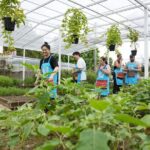
After you’re settled, the class moves into the farm side: learning about Thai herbs and vegetables in the organic kitchen garden. This is where “food tourism” turns into something you can take home.
Thai cooking often hinges on aroma: what’s fresh, what’s dried, what’s chopped, what’s bruised, and what’s added early versus late. Seeing herbs and vegetables growing nearby helps you remember them. Instead of staring at a supermarket shelf later thinking, What was that green thing?, you’ll have mental hooks.
You might not leave with a botanist’s knowledge, but you should leave with a clearer sense of which ingredients matter for which dish styles—like curries versus salads versus stir-fries.
Cooking 8 categories: the techniques behind the flavor
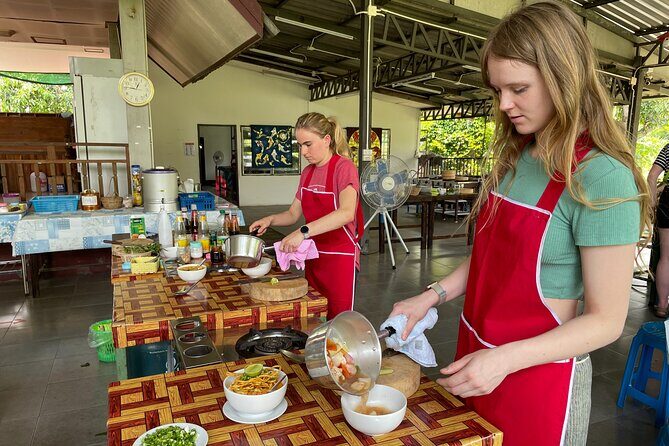
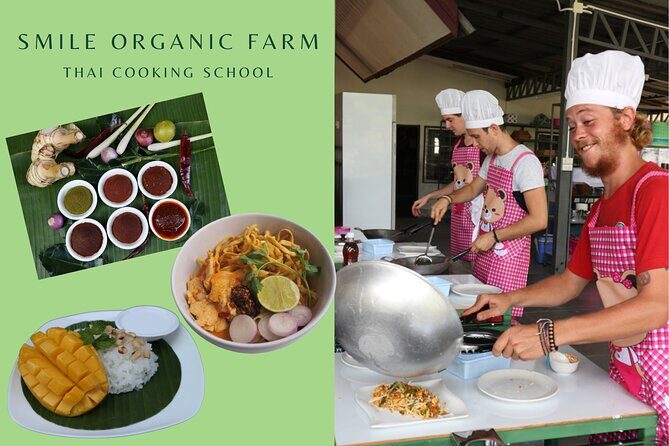
The heart of the day is learning basic Thai cooking in 8 categories. Here’s what that structure does for you: it covers both the building blocks (pastes and sauces) and the final dishes (curries, stir-fries, soups, rolls, salads, dessert, and a herbal drink). You’re not only learning how to assemble; you’re learning how Thai flavor gets created.
You can also read our reviews of more tours and experiences in Chiang Mai

Curry paste and curry: start with the backbone
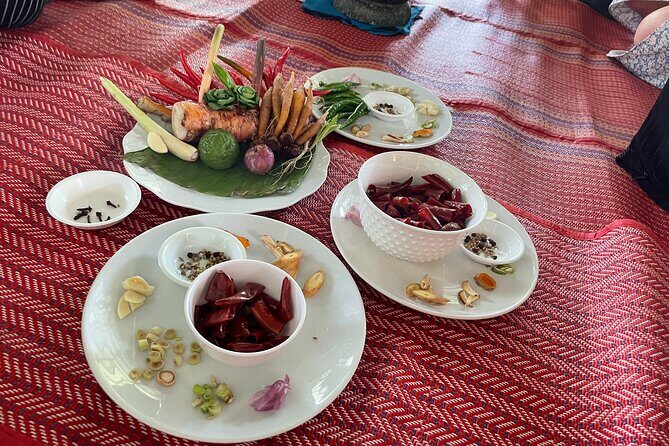
You begin with Curry Paste, which is key. Thai curries are not just “spicy sauce.” The paste drives the depth. Learning paste technique gives you leverage: once you understand the paste logic, you can apply it beyond the single curry you cook that day.
Then you cook Curry itself. That’s where you connect the paste to heat control, simmering time, and texture. If you like Thai curries (and most people do), this is the part that tends to make the biggest difference at home.
Stir-fried dishes: timing and heat you can feel
For Stir-Fried dishes, the class focuses on how quickly things move in a wok-style workflow. Thai stir-fries usually need fast heat and quick sequencing. Even if you don’t cook with a wok at home often, learning the timing mindset makes your later cooking more consistent.
Soup: balancing aroma and comfort
You’ll also cover Soup. Soups in Thai cooking can be clear and fragrant, or heavier and creamy depending on ingredients. You’ll be learning how Thai flavor profiles translate into a simmered format, and how to keep the taste bright rather than flat.
Spring roll: the crunchy structure
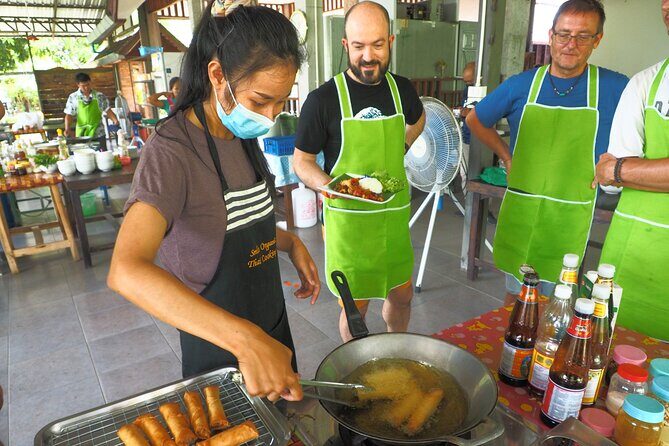
For Spring Roll, you’ll learn how to handle the wrapping and filling idea. Spring rolls can look simple, but good rolls depend on balance and assembly. Even if you don’t think you’ll make spring rolls often at home, it’s a useful technique lesson because it’s a different cooking logic than curry or soup.
Thai salad: the sharp-sweet-sour rhythm
Thai Salad is a flavor class. Thai salads often rely on contrasts: salty, sour, sweet, and herbal punch. If you’ve ever had a Thai salad and wondered why it tastes so much brighter than your usual chopped salad, this is where you start to understand the underlying balancing act.
Dessert and herbal drink: finish with Thai comfort
The final two categories are Dessert and an Herbal Drink. Desserts are often where Thai cooking shows its personality—less “just sweet,” more about texture and fragrant flavor. The herbal drink adds a different kind of closure: refreshing and calming, tied to Thai preferences for digestible, plant-driven flavors.
In short: you get a full Thai meal arc, not just savory dishes.
Guidance that actually helps you cook with confidence
What makes a cooking class work isn’t just the ingredients. It’s the coaching tone.
Based on the instructor names that show up in past classes, you could be guided by teachers such as Natalie, Anya, Lili, or Nina. That range matters because it hints the school prioritizes friendly, patient instruction. Many people highlight clarity and a comfortable pace—exactly what you want when you’re learning something as specific as Thai cooking.
Also, cooking classes can get stressful if everyone is asking the same question at once. With a small cap of 12 travelers, you’re more likely to get real help when you get stuck.
The meal: eating what you cooked together
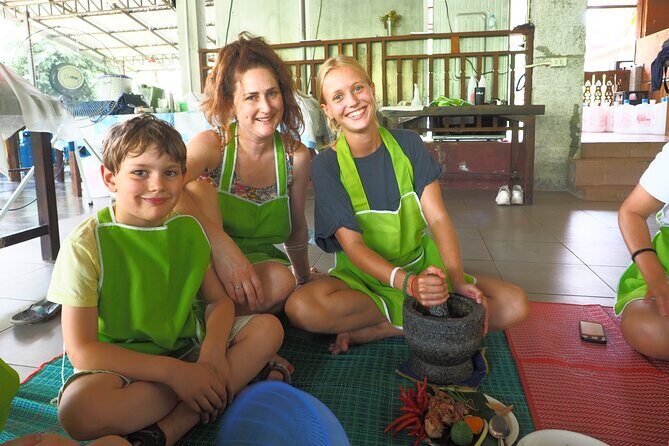
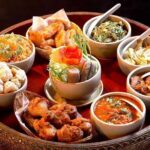
After all the hands-on work, you sit down and enjoy the food you cook yourself in a relaxing atmosphere. This is one of the best payoff moments of a cooking class. You get to taste what you made without guessing. If a flavor seems off, you can connect it to a step you just performed.
It also helps that you chose the menu categories. That means you’re eating a meal you actually wanted to cook, rather than a “surprise what’s for lunch” situation.
Tip from how this kind of class runs: bring your appetite. The day is long, and you’ll be tasting and cooking throughout.
Value for money: what you’re really paying for
At $39.13 per person, this class isn’t just “paying for instruction.” You’re paying for a full day of structured learning plus the cost of ingredients and learning materials.
Here’s what’s included:
- ingredients for what you cook
- a recipe book
- a photo album
That inclusion changes the math. Many DIY Thai cooking attempts fail because you don’t know what ingredients you need (or you don’t use the right amount), and you don’t get a simple recipe system to follow later. With the recipe book and photos, you get a built-in reference for your own kitchen reality.
The max group size of 12 also adds value. Lower numbers usually means more attention, which matters when you’re learning paste-making, stir-fry timing, and salad balancing.
If you’re the type who eats your way around Chiang Mai but wants a practical souvenir, this is a strong choice. A recipe book you can use beats another random fridge magnet.
Who should book this Thai cooking class (and who might not)
This is a great fit if you:
- want hands-on Thai cooking with real technique, not just watching
- like the idea of a local market intro
- want options for vegetarian or vegan cooking
- enjoy learning by doing, with a small group
- want ingredients and recipes included so you can cook at home
It might be less ideal if:
- you dislike early mornings (it starts at 8:00 am)
- you want a light, low-effort day (this is an 8-hour cooking-focused schedule)
- you prefer totally self-guided travel with no group structure
For most people who love Thai food, it lands in the sweet spot: educational, practical, and genuinely fun.
Quick practical notes that help your day go smoother
A few details from the way the class is set up can save you minor headaches:
- The school offers pickup and drop-off in Chiang Mai city, so you’re not figuring out transport to a farm.
- You’ll likely use a mobile ticket, so keep an eye on your email/app confirmation.
- You’ll be cooking across 8 categories, including dessert and an herbal drink, so plan for a food-heavy day.
- Since every menu can be made vegetarian or vegan, tell the team your preference when you’re choosing your categories.
Should you book Full Day Thai Cooking at Farm in Chiang Mai?
I’d book it if your goal is to bring Thai cooking home in a way that actually works. The mix of market context, organic herb lessons, menu choice with spice control, and a structured curriculum across 8 categories gives you more than a one-off meal experience. Add the included recipe book and photo album, and you’re taking home a memory you can cook from.
I would think twice only if the early start and full-day schedule sounds exhausting. If you can handle an 8-hour food day, this one is built for repeat success—at least in your kitchen.
FAQ
How long is the Thai cooking experience?
It runs about 8 hours (approx.).
What time does the tour start?
The start time is 8:00 am.
Does the tour include pickup and drop-off?
Yes. Pickup and drop-off are provided for accommodations in Chiang Mai city.
Do you visit a market before cooking?
Yes. You’ll visit a local market for a brief stop before you continue to Smile Organic Farm Cooking School.
Can the class accommodate vegetarian or vegan menus?
Yes. Every menu can be cooked as vegetarian or vegan, and you can also choose how spicy or mild you want your food to be.
Is there a limit on group size?
Yes. The experience has a maximum of 12 travelers.
If you want, tell me your dietary preference (vegetarian/vegan or not) and whether you can handle an 8:00 am start, and I’ll help you decide if this matches your Chiang Mai day plan.