REVIEW · CHIANG MAI
Chiang Mai: Local Northern Thai Cooking Class at Grandma’s
Book on GetYourGuide →Operated by Grandma's Home Cooking School · Bookable on GetYourGuide
Cooking isn’t just a meal here. It’s a full Northern Thai lesson from ingredients to technique. I especially love the market-to-menu flow and the chance to get hands-on with real Lanna tools. One thing to consider: it’s active cooking, so come ready for heat, chopping, and getting a little messy.
The best part for me is how this class turns Northern Thai flavors into something you can repeat at home. You learn key dishes like Northern sausage and nam prik dips, plus curries and stuffed dough pyramids. The second big plus is the overall feel: many groups are small and well tended, so you’re not lost in a crowd.
One more practical note: the class can include spicy elements (nam prik options), so if you’re very spice-averse, tell your instructor early so they can guide portioning.
In This Review
- Key highlights worth your attention
- Morning Pickup and the Start at Grandma’s Home Cooking School
- The Market Walk: where Northern Thai seasoning makes sense
- Organic Farm Tour and Chicken Coop Eggs
- Lanna Cooking Skills: grill-lighting, milling flour, and coconut grating
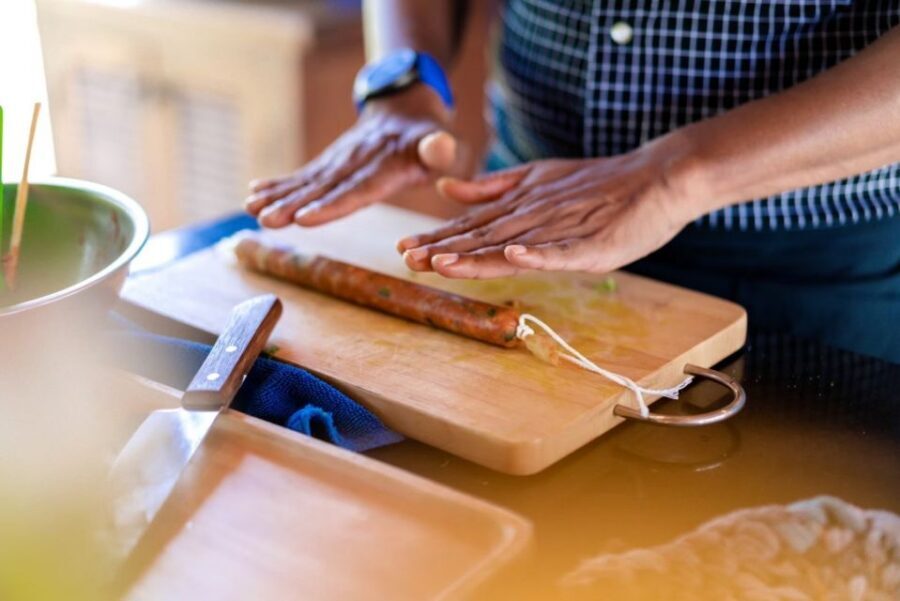
- Cooking the Northern Thai Menu: sausage, nam prik, curries, and more
- How the cooking feels in practice
- Nam prik and spice reality check
- Lunch and Dessert Tasting: eating your way through Northern Thailand
- Price and Value: what $48 buys you in Chiang Mai
- Who should book this cooking class (and who might not love it)
- Should you book Grandma’s Home Cooking School?
- FAQ
- What dishes will I learn to cook?
- How long is the cooking class?
- How much does it cost?
- What language are the instructors?
- What time does the pickup happen?
- Are dietary requirements accommodated?
- What should I bring?
- Is it okay for kids?
- Can I cancel for a refund?
Key highlights worth your attention
- Market walk for Northern Thai ingredients so the flavors make sense, not just taste good
- Organic farm + herb picking tied directly to the dishes you’ll cook
- Charcoal grill and traditional prep work like flour milling and coconut grating
- Small-group care and clear portioning (some groups described it as almost private)
- Lunch and a dessert tasting session built into the course, not tacked on later
- English-speaking instructors who guide you through each station step by step
Morning Pickup and the Start at Grandma’s Home Cooking School
Most days start with pickup around 8:30am to 9:00am, and you’ll want to be waiting at your hotel lobby by 8:30. Plan on comfortable shoes. This is a cooking class, but also a tour day, with outdoor stops and plenty of walking.
When you arrive, you’re not just handed an apron and pointed at a stove. You get welcome snacks and a refreshing drink, which helps you settle in before the morning moves fast. The overall setup is kept clean and organized, and that matters because you’ll be moving between prep areas, tasting, and cooking.
From the way the day is structured, you should expect an active class rather than a passive demonstration. You’ll help with tasks like washing vegetables, prepping ingredients, and assembling components for dishes. If you’re the type who likes to understand why a dish works, this format will click.
You can also read our reviews of more cooking classes in Chiang Mai

The Market Walk: where Northern Thai seasoning makes sense
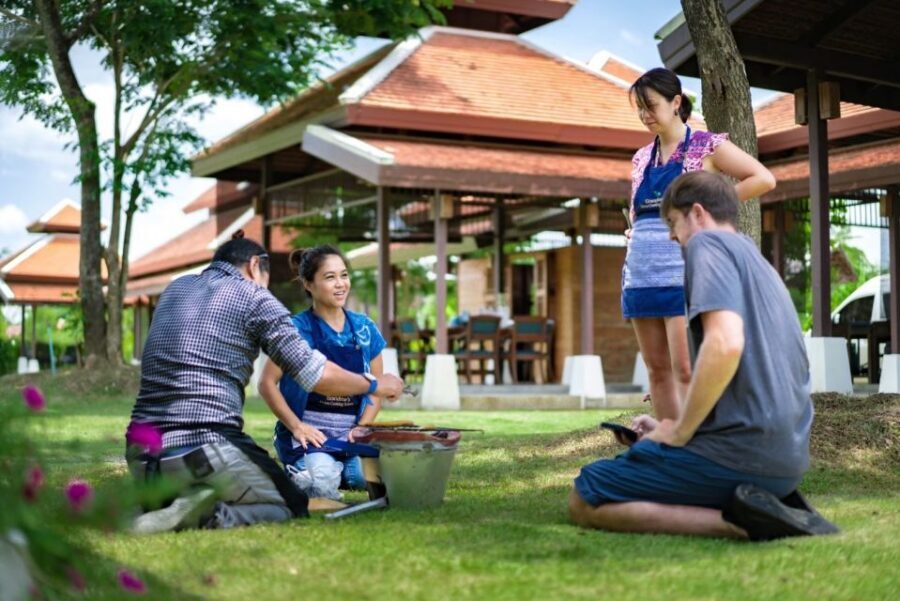
The class begins with a visit to a local market, and this is a real advantage if you want more than a list of ingredients. The instructors introduce key items used in Northern Thai cuisine—things like herbs, seasonings, and produce that drive the taste profile.
I like this step because markets are where you learn the logic behind cooking. Instead of memorizing measurements, you learn how ingredients behave, what forms to look for, and how different seasonings show up across dishes.
A small drawback is that market time can move at a travel pace. You’ll want to stay close, keep your eyes open, and ask questions while you’re there. If you miss a detail, it’s usually easier to clarify at the market than later during cooking.
Organic Farm Tour and Chicken Coop Eggs
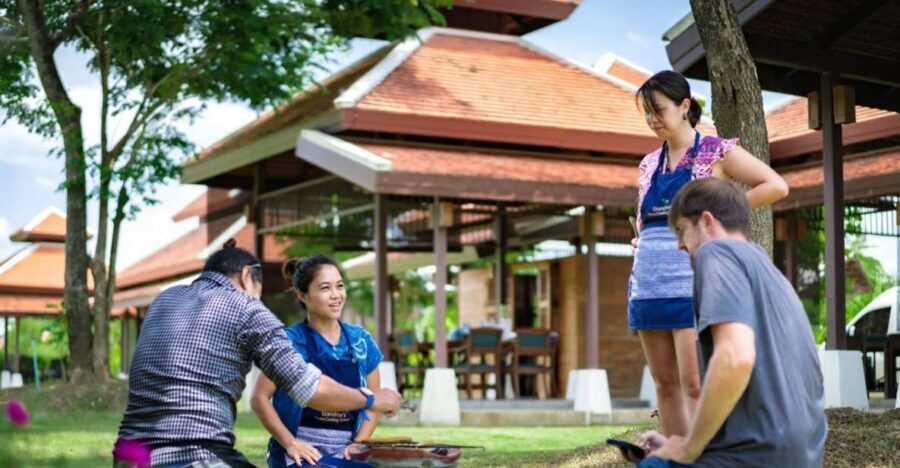
After the market, you head to an organic farm. This part is about ingredients with a story. You see herbs and vegetables growing and learn how they’re used in Northern Thai cooking, including picking the Thai herbs and vegetables you’ll use in your dishes.
Then there’s the chicken coop stop, where you can collect eggs. That small moment adds up because you’re not only cooking food—you’re reconnecting the dish to how ingredients actually come to your plate. It also gives the day an authentic rhythm.
The “tradeoff” here is time and walking. You should bring your energy, not just your appetite. Still, if you enjoy food culture as much as food itself, the farm and coop stops are exactly the kind of detail that makes a cooking class memorable.
Lanna Cooking Skills: grill-lighting, milling flour, and coconut grating
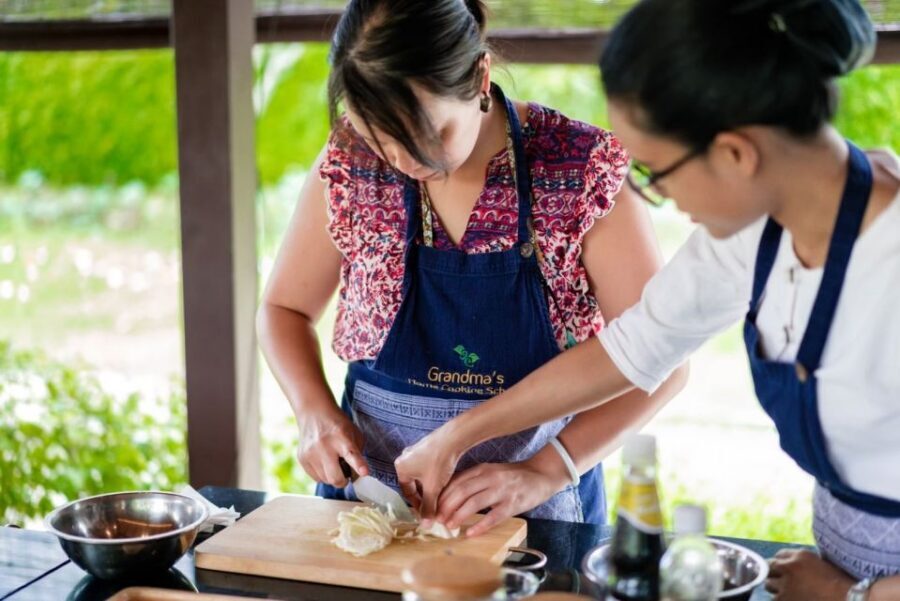
This class doesn’t skip the hands-on traditions. You get practice with small but meaningful skills, including learning to light a charcoal grill and helping with prep tasks like washing vegetables.
You’ll also do more old-school prep work than you’d expect. The day includes milling flour using a traditional millstone, and grating coconut meat with a coconut grater. Those are not just “cool photos” moments. They change how ingredients feel and behave, and you’ll understand why certain textures show up in Northern Thai dishes.
If you’re nervous about complicated steps, you’ll likely feel better here because the instructors guide you and you work side by side with the group. Clean stations help too. In at least one review, the cleanliness (including the toilets) stood out, and that kind of practical organization makes it easier to focus on cooking.
Cooking the Northern Thai Menu: sausage, nam prik, curries, and more
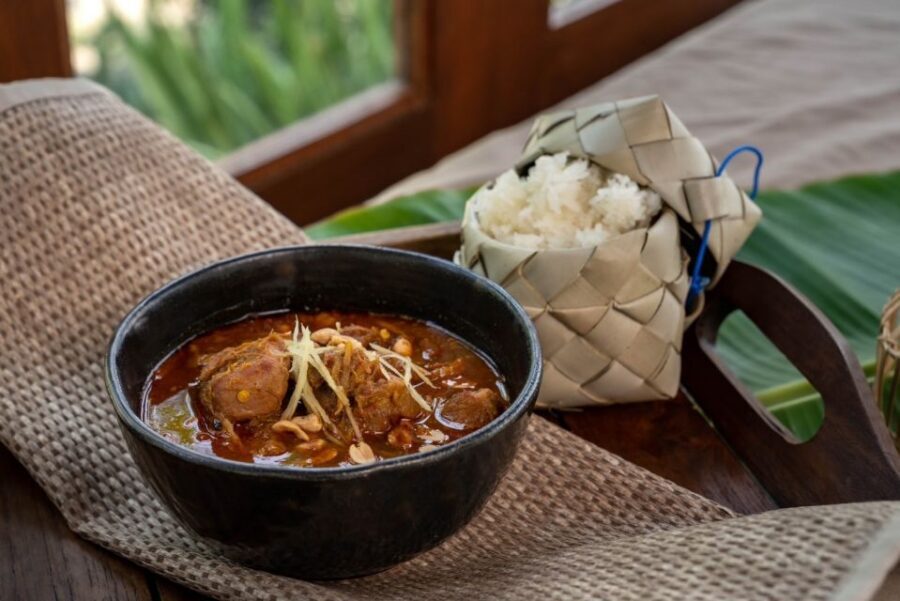
The heart of the day is cooking. The course is built around Northern Thai classics, and the included dishes specifically list five core items:
- Northern Thai sausage
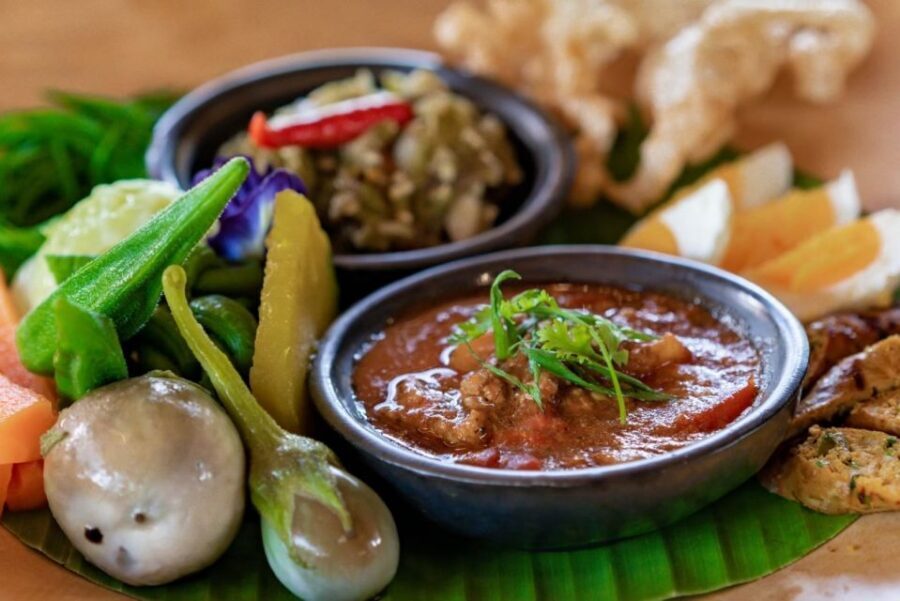
- Nam Prik Ong (spicy Northern pork and tomato) or Nam Prik Num (Northern green chili dip)
- Northern pork belly curry (Hang Lay curry)
- Curry young jackfruit (Kraeng Khanun-on)
- Stuffed dough pyramid (Ka Nhom Tian or Kanomjok)
One more detail to know: the broader class description also names additional items you may cover as part of the full Lanna day, including grilled egg in banana leaf and Thai coconut pancakes. So even if the “included” list is your anchor, you should expect the cooking day to include extra hands-on preparations like coconut pancakes and grilled egg in banana leaf.
You can also read our reviews of more tours and experiences in Chiang Mai

How the cooking feels in practice
You’re guided by English-speaking instructors, and the format supports teamwork. You help each other to prepare components, and you’re not just watching someone else cook. That matters because Northern Thai dishes often depend on balancing tastes and textures, and you learn those balances by doing.
Also, groups are cared for closely. Reviews mention small numbers like five people and eight people, with guides handling explanations clearly and adjusting attention to the group. One person specifically thanked their guide, Best, for being friendly and helpful, with humor along the way.
Nam prik and spice reality check
Nam prik is the flavor test of the day. You’ll either make Nam Prik Ong or Nam Prik Num, and both can be spicy. If spice is a concern, say so at the start. You’ll want to get your comfort level right so the dip adds pleasure, not regret.
Lunch and Dessert Tasting: eating your way through Northern Thailand
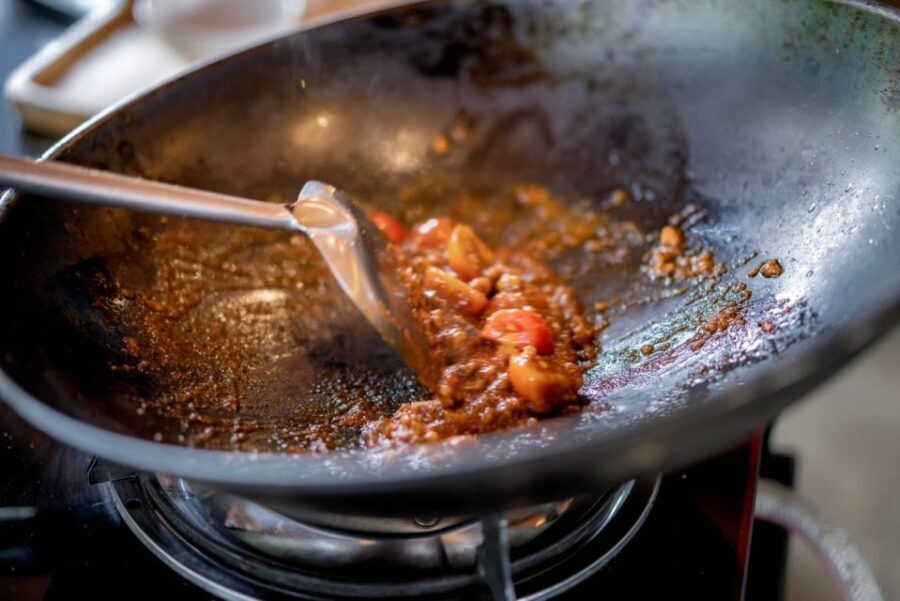
Lunch is included, and you’ll get to taste what you helped cook. That’s one of the most satisfying parts of cooking classes like this: the meal isn’t theoretical. You can map what you did in the morning to what you’re tasting at the table.
After lunch comes a dessert session with traditional Thai desserts and refreshments. This is a smart addition because Northern Thai meals often come with sweet notes that balance the savory heat from dishes like curry and nam prik.
There’s also a take-home element. You receive an e-recipe book you can download later and use to practice at home. For me, this is where the value stays after the day ends. You’re not relying on memory.
One small but practical bonus: in reviews, people mentioned being able to take leftovers home, with disposable containers provided. That’s helpful if you cook more than you can eat on the day, or if you’re building a second meal for the evening.
Price and Value: what $48 buys you in Chiang Mai
At $48 per person for about 6 hours, this isn’t just paying for a meal. You’re paying for several experiences layered into one: a market visit, an organic farm tour, ingredient prep, guided cooking instruction, lunch, and a dessert tasting. You also get round-trip transfers to and from your hotel.
That transfer detail adds real value, especially in Chiang Mai when morning timing matters. You start around late morning to early day and don’t have to solve the logistics of getting to multiple food stops.
The other value angle is depth. Many cooking classes only teach cooking. Here, you also learn where ingredients come from and how traditional prep skills work. That makes the cooking lessons stick, because you understand the ingredients and the methods, not only the final dishes.
In short: for the time, food, instruction, and included transportation, $48 feels like good value if you want a meaningful food day, not just a quick hands-on show.
Who should book this cooking class (and who might not love it)
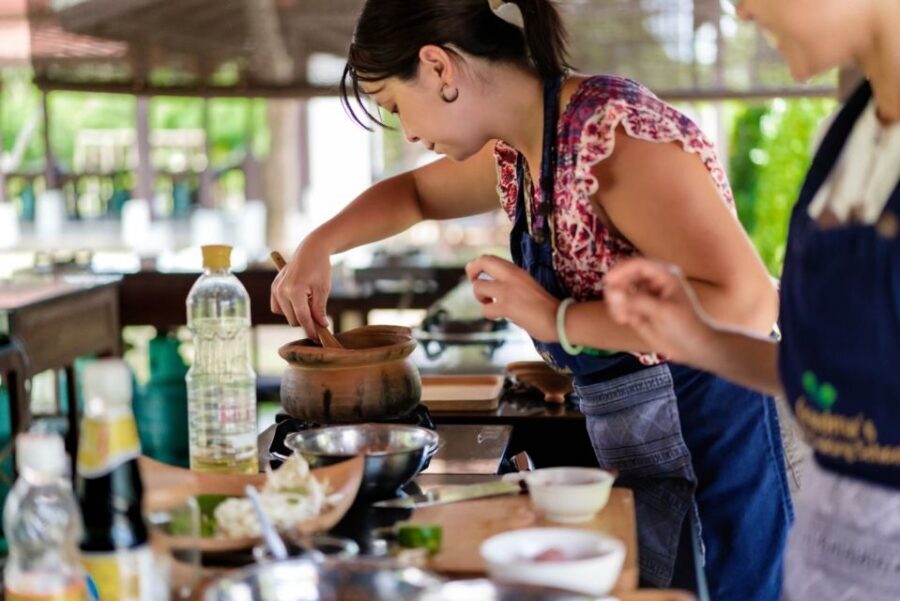
I think this class suits you best if you want a Northern Thai food day with real technique. The market and farm stops are ideal if you enjoy learning ingredients, not only recipes. And the hands-on tasks like charcoal grilling, flour milling, and coconut grating are perfect if you like doing things with your hands.
It also sounds family-friendly in a light way. The activity is open to all dietary requirements, and children aged 0-10 can join as observers. It’s also wheelchair accessible, which can matter a lot for choosing activities in Chiang Mai.
Where it may be less ideal: if you dislike spice entirely, or if you want a strictly sit-down, low-effort experience. This is a working cooking day. Expect prep, movement, and active participation.
Should you book Grandma’s Home Cooking School?
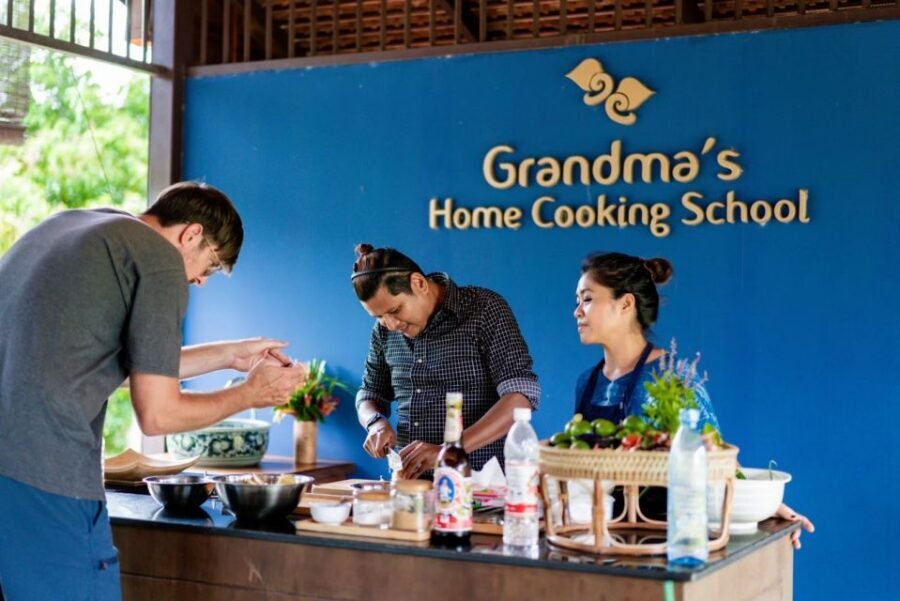
If you want a cooking class that connects Northern Thai ingredients to cooking technique, I’d book it. The combination of market learning, organic farm picking, traditional prep skills, and full meal structure (lunch plus dessert tasting) gives you a full day of food culture in one package.
You should also book if you care about guidance. Reviews highlight that instructors explain clearly, groups can be small, and the guides stay attentive. If you like the idea of learning dishes such as Northern Thai sausage, Nam Prik Ong or Nam Prik Num, and Hang Lay curry, this matches your menu cravings.
Skip it only if you want a fast, low-spice, low-mess activity or if you prefer a more purely restaurant-style cooking experience. Otherwise, this looks like one of the more practical, hands-on ways to learn Northern Thai cooking in Chiang Mai.
FAQ
What dishes will I learn to cook?
The class includes cooking five traditional Northern Thai dishes: Northern Thai sausage, Nam Prik Ong or Nam Prik Num, Northern pork belly curry (Hang Lay curry), curry young jackfruit, and stuffed dough pyramid (Ka Nhom Tian or Kanomjok). The class description also mentions additional items like grilled egg in banana leaf and Thai coconut pancakes.
How long is the cooking class?
The experience lasts about 6 hours.
How much does it cost?
It costs $48 per person.
What language are the instructors?
The instructors speak English.
What time does the pickup happen?
Pickup is around 8:30am to 9:00am, and you should be ready at the lobby by 8:30am.
Are dietary requirements accommodated?
Yes. The activity says it can accommodate special dietary requirements.
What should I bring?
Wear comfortable shoes and bring sunglasses.
Is it okay for kids?
Children aged 0-10 are welcome as observers.
Can I cancel for a refund?
Free cancellation is available up to 24 hours in advance for a full refund.