REVIEW · CHIANG MAI
From Chiang Mai: Elephant Care Program and Nursery Tour
Book on GetYourGuide →Operated by Elephant Retirement Park Chiang Mai · Bookable on GetYourGuide
Feeding elephants turns a morning into a memory. This Chiang Mai Elephant Retirement Park program lets you get up close with rescued elephants, watch their routines, and join in gentle care moments like feeding and mud play around Mae Tang’s countryside. You’ll also get the simple comfort stuff handled for you: hotel pickup, a real Thai lunch, and time to cool off afterward.
I really like two things about this day. First, you’re not stuck behind a fence—you’ll help prepare food and feed the elephants while a guide explains behavior and proper care. Second, the program is built around elephant choice, so you’re observing and interacting in ways the animals tolerate, not forcing them through tricks.
One consideration: this is a mud-and-bath experience, so if you don’t pack swimwear and a change of clothes, you’ll miss part of the fun (and drying off won’t be comfortable). Some people also find the day can feel a bit busy depending on group size, so go in with an easy pace.
In This Review
- Key Takeaways Before You Go
- Mae Tang’s Elephant Sanctuary: What Makes This Day Worth It
- Getting There From Chiang Mai: Pickup, Ride Time, and First Impressions
- Changing Into Local Clothes and Learning the Rules That Keep It Safe
- Feeding Time and Healthy Treat Prep: The Hands-On Part People Talk About
- Walking With the Herd to the Mud and Sand Spa
- Mud Pool Fun and Elephant Bathing: What It’s Like to Actually Get Messy
- Thai Buffet Lunch and Hydration: A Real Break in the Middle
- Photos, Souvenirs, and How to Think About the Picture Cost
- Transportation and Timing: Why the 5–6 Hours Feels Just Right
- Price and Value: Is $53 a Fair Deal for Elephant Welfare?
- Who Should Book This Elephant Care Program (And Who Should Think Twice)
- Should You Book This Chiang Mai Elephant Day?
- FAQ
- How long is the Elephant Care Program and Nursery Tour?
- Is hotel pickup included in the tour price?
- Does the tour include food to feed the elephants?
- Is lunch included, and is it vegetarian?
- What should I bring for the mud pool and bath activities?
- Are elephants forced to do the activities?
- Is there an English-speaking guide?
- What drinks are included during the tour?
- What is the cancellation policy?
Key Takeaways Before You Go
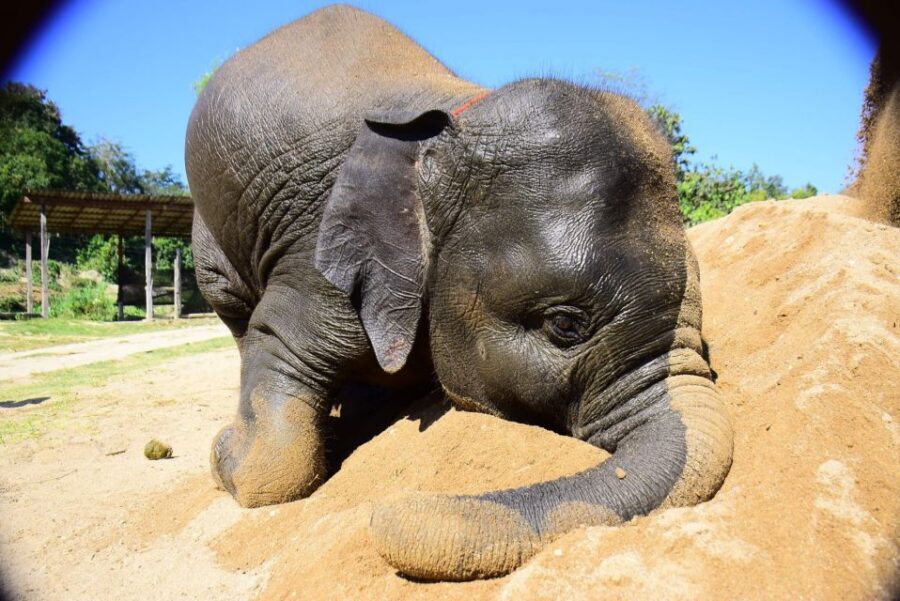
- Mud pool and elephant bath time: You’re meant to get splashed, so bring swimwear and flip-flops.
- You prepare and feed healthy treats: It’s hands-on care, not just watching.
- Baby elephant interactions and photos: Expect extra cuteness and photo moments as they join the group.
- Guides explain elephant behavior and care: You learn why the rules matter while you’re doing the activities.
- Thai buffet lunch is included: Vegetarian-friendly options are part of the meal.
- This visit supports rescued elephants: Your ticket helps fund care and future rescues.
Mae Tang’s Elephant Sanctuary: What Makes This Day Worth It
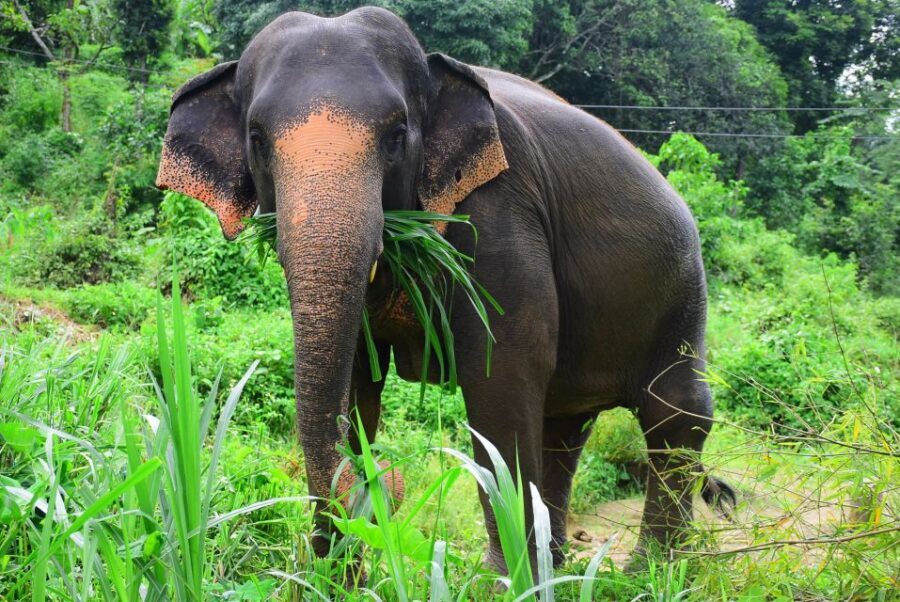
This is a half-day elephant experience from Chiang Mai Province that focuses on rescued elephants’ daily care. The setting is outside the city, in the Mae Tang district area, which helps keep the vibe calmer than the loud, water-park style “elephant” attractions you may have seen elsewhere.
What you’re really paying for isn’t just contact with big animals. It’s the combination of specialist guidance, actual caregiving tasks (feeding and preparing treats), and a muddy, messy nature session that feels like part of their routine. The program is also clear that elephants aren’t forced to do activities they don’t want to do. That matters, because it changes how the day feels: you’re more of a participant observer than a passenger in someone else’s performance.
And yes, the baby-elephant time is a big highlight. In this kind of sanctuary setting, the little ones don’t behave like stage props. They move, they play, and you learn quickly that elephants have personalities—and boundaries—like any other animal.
You can also read our reviews of more tours and experiences in Chiang Mai.



Getting There From Chiang Mai: Pickup, Ride Time, and First Impressions
Your day starts with morning pickup from Chiang Mai city center (the listing notes pickup up to about 5 kilometers from the Old Town area). Then you’ll head out about an hour toward the countryside in Mae Tang district.
Why that ride time matters: it gives you a buffer before the hands-on part starts. You’ll arrive ready to change, participate, and settle into the sanctuary routine without feeling rushed.
When you get there, you’ll change into local clothing and get briefed by your English-speaking guide. Expect a lot of practical instruction right away—how to behave around elephants, what care looks like, and how elephant behavior can affect what happens next. People often remember the guide’s tone as much as the elephants, and several guides named in the program’s visitor stories (like Francesco, Tin, Tim, and Aom) come across as friendly and focused on explanation, not just crowd management.
Changing Into Local Clothes and Learning the Rules That Keep It Safe
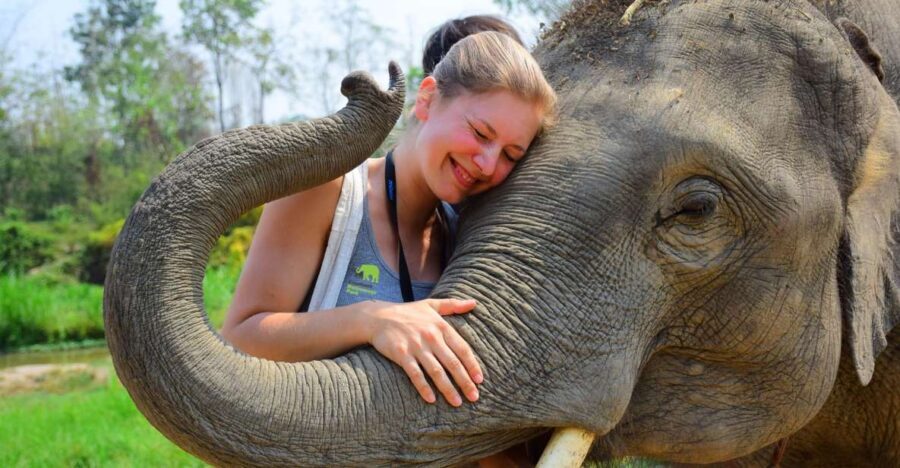
Before you touch anything or enter the active areas, the guide sets the expectations. The big idea is simple: elephants decide. You may see the day shaped around what the animals choose to do, which is exactly what makes this program feel different from common “interaction” experiences.
This is also where you’ll get the behavior basics. The guide explains how elephants communicate and what to watch for. That turns your experience from wow into understanding. You’ll be able to notice when the elephants are relaxed versus when they’re just not in the mood.
Practical tip: if you plan to do the mud and bath portion, treat this part like the start of your water-and-mud setup. Wear something that can get ruined and bring a proper way to change afterward.
Feeding Time and Healthy Treat Prep: The Hands-On Part People Talk About
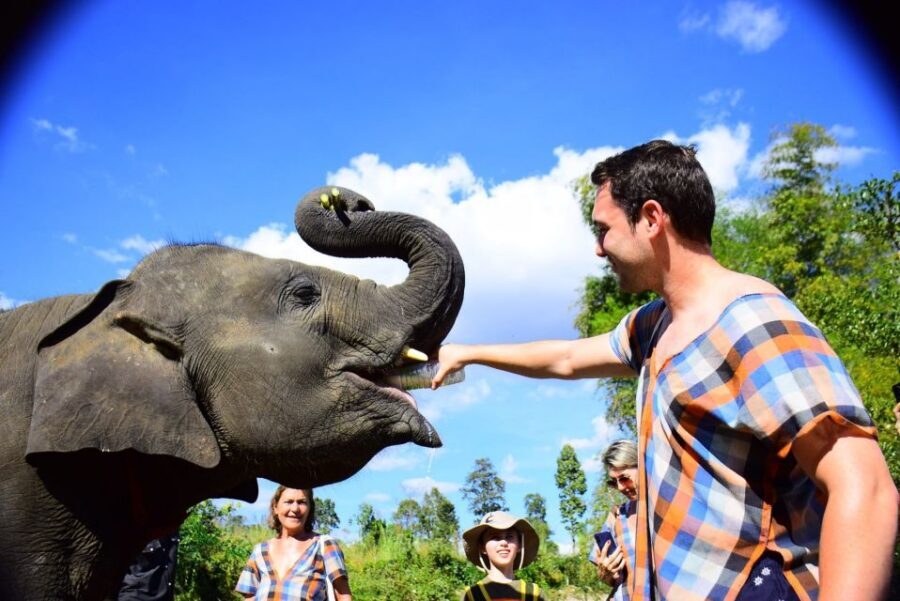
One of the most praised aspects is the feeding element. You don’t only watch a staff member do the work—you help prepare food and healthy treats, then feed the elephants afterward.
In many days, you’ll also make items like medicine balls or vitamin-based treats (visitors describe rolling or preparing these before feeding). This is one of those details that turns a single moment—like offering food—into a real caregiving activity. You’re understanding nutrition as part of welfare, not just handing out snacks.
Here’s what I’d watch for as you participate:
- Follow your guide’s cues for timing and spacing.
- Keep the focus on care tasks rather than trying to “get the best photo first.”
- Let the elephants come into your space. Don’t rush their movement.
This is also where guide personalities shine. In multiple accounts, guides like Francesco and Tin are remembered for explaining elephant behavior clearly and answering questions. That makes a difference because feeding can feel intimidating if you don’t know how to read the moment.
Walking With the Herd to the Mud and Sand Spa
After feeding, the group moves toward the mud and sand spa area. You may walk with the elephants as part of the routine, and the program includes close observation of how elephants play and interact in natural surroundings.
This “walk” step matters for two reasons. First, it connects feeding to what comes next—mud time isn’t random entertainment; it’s part of how elephants regulate comfort and behavior. Second, the moving stage gives you time to settle your own expectations. Instead of all the action happening at once, you get a sequence.
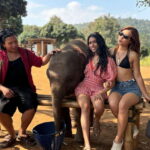
Also, this is when baby elephants often make an appearance for extra playful moments and photos. The day’s pacing is designed so you’re not just standing still waiting for something to happen—you’re moving through the sanctuary experience in a way that fits the animals’ rhythm.

Mud Pool Fun and Elephant Bathing: What It’s Like to Actually Get Messy
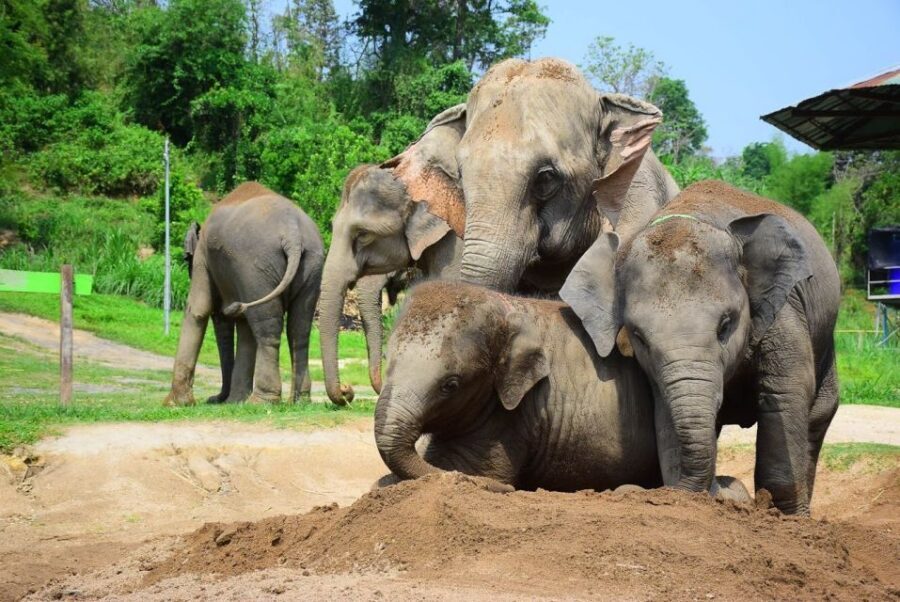
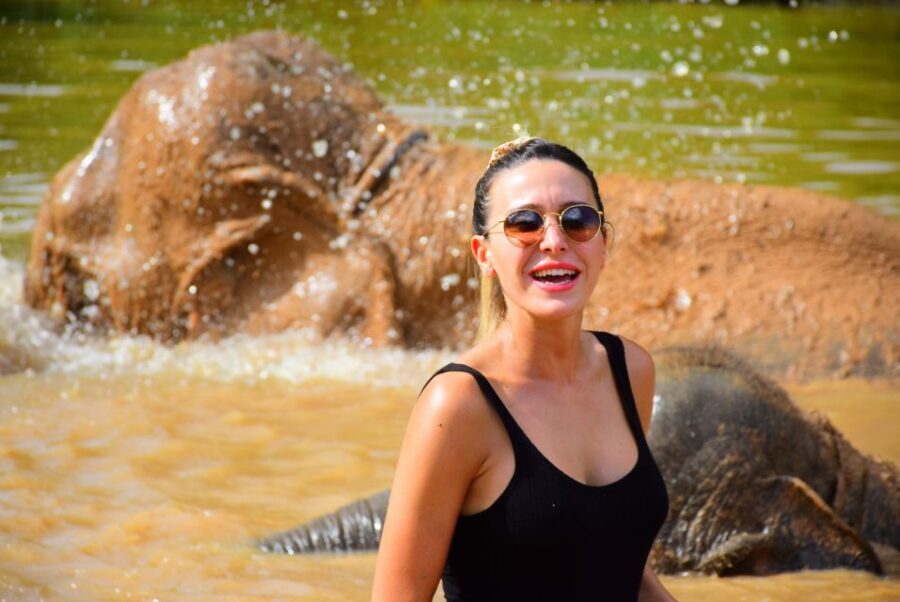
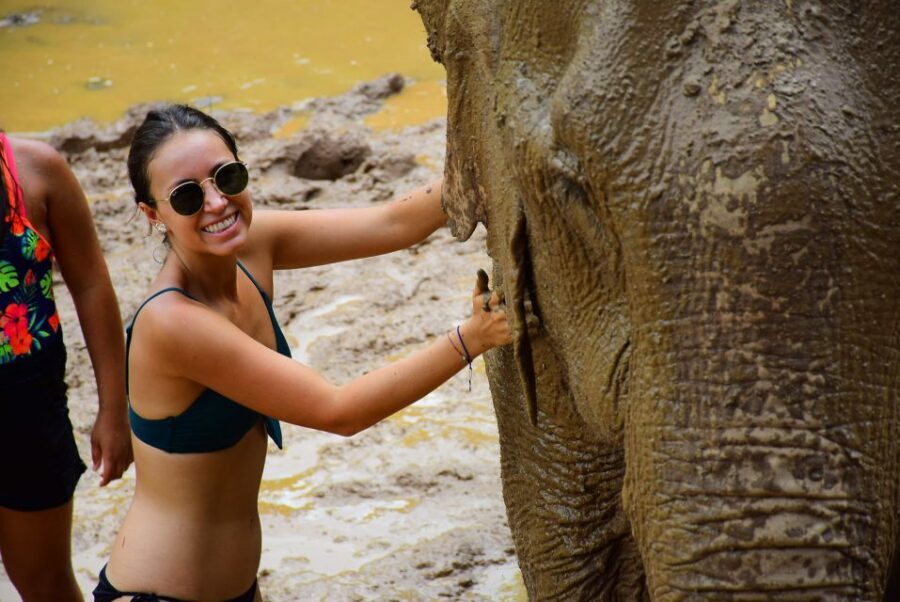
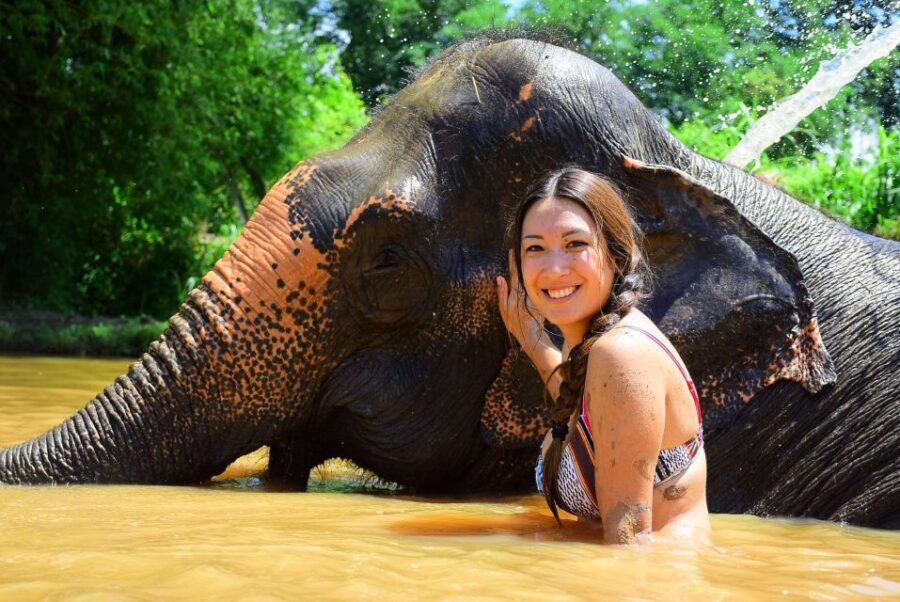
The mud and bath portion is the headline for a reason. You’ll join the elephants as they play in a mud pool and a bathing area, with time to observe behavior and feel the chaos of mud in the best way.
What to expect:
- Splashing is part of the deal.
- The day’s activities depend on what the elephants want to do, not on a strict schedule.
- Your role is interactive but guided—follow instructions, don’t crowd, and don’t force contact.
You’ll want swimwear, flip-flops, and a plan for wet clothes. The tour packing list explicitly calls out swimwear, change of clothes, flip-flops, insect repellent, and personal medication. One visitor note that really helps: if you forget a change of clothes, you may end up missing the mud spa or bath. That’s not a small inconvenience. It changes your day.
After the mud time, you’ll change again, shower, and then head to lunch. Several accounts mention that there’s a shower area and that soap and towels are provided. Still, bring your own small towel or a zip bag if you like being extra prepared.
Thai Buffet Lunch and Hydration: A Real Break in the Middle
After elephant time and washing up, you’ll get a traditional Thai buffet lunch. The meal is described as suitable for vegetarians, which is a big deal if you don’t want to scramble for food in Chiang Mai after getting muddy.
This is also when you’ll want to drink water and slow down your body. The day is only 5–6 hours, but it packs in travel, activity, and heat. The tour includes drinking water, along with coffee and tea.
Food-wise, expect it to be practical rather than fancy. A few visitor comments describe simple but tasty Thai favorites (things like pad Thai and fried rice with vegetables). It’s the kind of meal that helps you recharge for the ride back.
Photos, Souvenirs, and How to Think About the Picture Cost
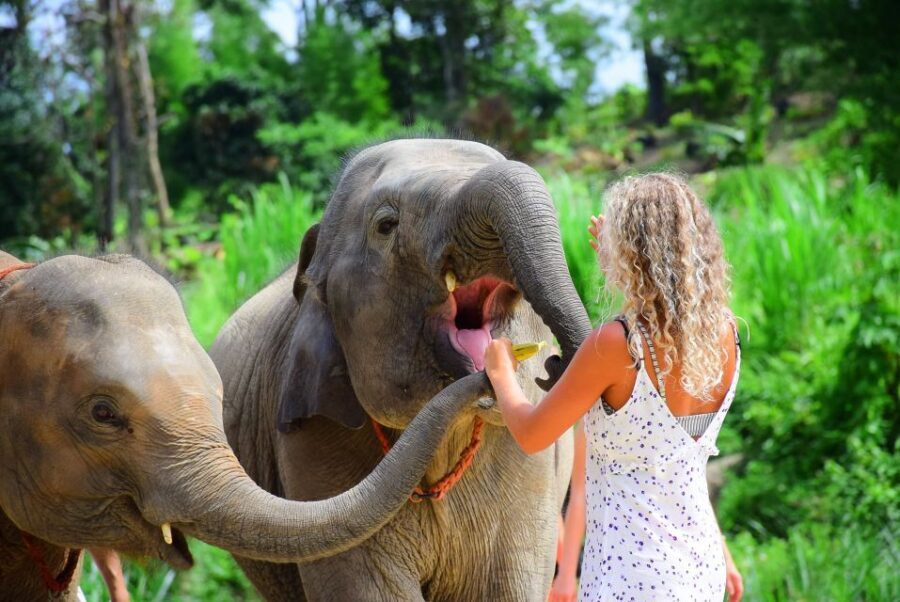
The experience includes time for photos, especially around baby elephant interactions. There’s also mention of an on-site photographer who takes pictures during the day and offers bundles for purchase.
What you should take from this: photos are part of the full sanctuary day experience, not an afterthought. In visitor stories, prices for photo bundles were mentioned at around 500 baht per person for all photos in one case, and a larger bundle around 800 baht (with 250+ images) in another. Packages can vary, so I’d treat this as optional budgeting rather than a guaranteed cost.
Souvenir-wise, some visitors mention purchasing elephant-themed clothing with proceeds supporting elephant care. If you’re the type who wants something tangible from the day, set aside a bit of cash for a small item, but only after you see what’s available.
Transportation and Timing: Why the 5–6 Hours Feels Just Right
This program runs about 5–6 hours. That shorter length is part of its appeal because you get the best parts of the sanctuary experience without turning it into a full-day haul.
You get:
- Morning pickup and about an hour ride to Mae Tang district
- Changing and instruction
- Feeding and hands-on care preparation
- Mud play, observation, and bathing
- Shower and Thai buffet lunch
- About an hour back to Chiang Mai city center
Group size can vary. Some accounts describe smaller groups that feel intimate, while others mention it can be busy (around 20–25 people in at least one story). Either way, the staff-to-elephant ratio seems intentionally designed so you can still interact safely and follow the elephants’ pace.
Price and Value: Is $53 a Fair Deal for Elephant Welfare?
At $53 per person, this isn’t just a cheap “see elephants” outing. It’s priced like a structured half-day activity that includes:
- Round-trip hotel transfers (pickup/drop-off from nearby Chiang Mai)
- An English-speaking live guide
- Drinking water, coffee, and tea
- Food for feeding the elephants
- A vegetarian Thai lunch
Value depends on what you want. If you want rides, tricks, and staged performances, this may not be the right match. If you want a genuine caregiving-style encounter with rescued elephants, plus a guide explaining behavior and care, then the price starts to make sense quickly.
Also factor in the bigger picture: the tour notes that your visit helps support the work and future elephant rescues. While no one can measure exactly how your money is spent from a single booking, the structure is clearly built around welfare support, not spectacle. That’s a major part of the value proposition.
Who Should Book This Elephant Care Program (And Who Should Think Twice)
This fits best if you:
- Want hands-on interaction that’s guided and welfare-focused
- Like learning while you travel (behavior explanations really add meaning)
- Are okay getting wet and muddy for a real experience
- Want a vegetarian-friendly lunch without hunting for options
Think twice if you:
- Hate the idea of mud and don’t want to deal with changing afterward
- Expect guaranteed photo packages included in the price (photos are a separate purchase in many situations)
- Are very sensitive about crowds, since group size can vary
It’s also a great choice for couples and solo travelers who want an organized day that still feels grounded in animal care.
Should You Book This Chiang Mai Elephant Day?
If your goal is an ethical, hands-on elephant sanctuary experience with feeding, mud play, and time around baby elephants, this is a strong option. The day is short enough to stay comfortable, but packed enough to feel like a true highlight of Chiang Mai.
Book it if you’ll prepare for the practical parts—swimwear, flip-flops, change of clothes, and insect repellent—so you can fully join the mud and bath segment. Skip it only if you want a dry, sit-and-watch tour or you’re not willing to follow safety and behavior instructions.
FAQ
How long is the Elephant Care Program and Nursery Tour?
The duration is listed as 5–6 hours.
Is hotel pickup included in the tour price?
Yes. Round-trip hotel transfers are included, with pickup noted for hotels within about 5 kilometers from the Old Town.
Does the tour include food to feed the elephants?
Yes. The tour includes food for feeding the elephants, and you’ll also help prepare food and healthy treats.
Is lunch included, and is it vegetarian?
Yes. Lunch is included, and it’s described as Thai buffet and suitable for vegetarians. A vegetarian lunch is listed as included.
What should I bring for the mud pool and bath activities?
Bring swimwear, a change of clothes, flip-flops, insect repellent, and any personal medication you need.
Are elephants forced to do the activities?
No. The tour notes that activities are based on the elephants, who are not forced to do any activity they do not want to do.
Is there an English-speaking guide?
Yes. The tour includes a live tour guide in English.
What drinks are included during the tour?
Drinking water, coffee, and tea are included.
What is the cancellation policy?
Free cancellation is available up to 24 hours in advance for a full refund.