REVIEW · CHIANG MAI
Chiang Mai: Asia Scenic Thai Cooking School
Book on GetYourGuide →Operated by Oh-Hoo · Bookable on GetYourGuide
Six hours sounds long, but it moves fast. In this Chiang Mai Thai cooking class, you go from a local market to an organic herb-and-veg stop, then cook your own Thai meal in an open-air kitchen.
I especially like the way you choose 5 dishes to learn and eat, so the class fits your taste instead of forcing a one-size menu. And you leave with a recipe book that helps you repeat the flavors at home, not just remember them.
One thing to consider: if you do the farm option, the transfer time can reduce how long you spend in the market—one guest even wished for more market time.
In This Review
- Key Things You’ll Actually Remember
- From Old City Pickup to Thai Food Starts
- Price and Value: What $41 Really Buys in Chiang Mai
- How the Dish-Choosing Works (and Why It’s the Smart Part)
- Market Tour: Learn the Thai Pantry Before You Touch a Pan
- Organic Farm and Herb Garden Stop: Why It Changes Your Cooking
- Open-Air Kitchen Cooking: Your Station, Your Pans, Your Sticky Rice Moment
- Eating What You Cook: Coffee, Tea, and a Lot of Food
- The Recipe Book: Your Ticket Back to Chiang Mai
- Who Should Book This Chiang Mai Cooking Class?
- Should You Book This Cooking School in Chiang Mai?
- FAQ
- What is the duration of Chiang Mai: Asia Scenic Thai Cooking School?
- How much does it cost?
- Is hotel pickup included?
- How big is the group?
- How many dishes do I cook, and can I choose them?
- What dishes are available to choose from?
- Does the class offer dietary accommodations?
- Is it suitable for young children?
Key Things You’ll Actually Remember
- Small-group cooking (up to 10): you get hands-on attention at your own station.
- Pick your 5 dishes: stir-fries, soups, curry pastes/curries, or spring rolls.
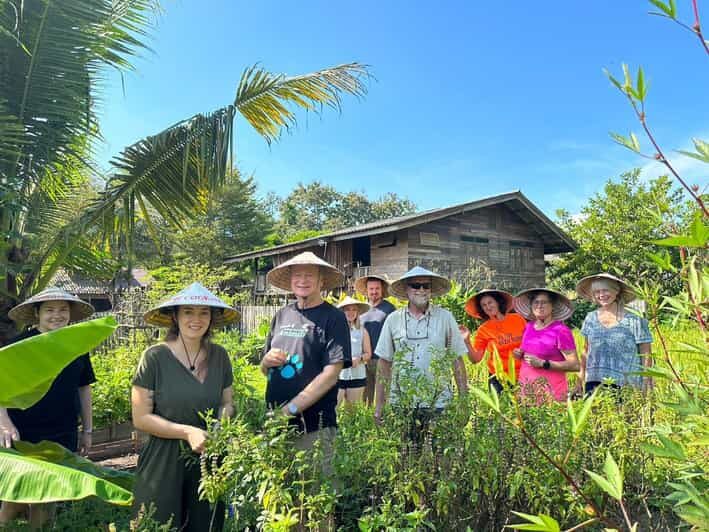
- Market tour plus organic herb/veg garden: you see ingredients before you cook them.
- Open-air kitchen + sticky rice demo: you watch the method, then cook and eat.
- Printed cookbook included: you can rebuild the dishes later, ingredient list included.
From Old City Pickup to Thai Food Starts
You’ll start with pickup from your hotel area in Chiang Mai’s downtown zone. The operator only covers hotels within a 3 km radius, and they email you the exact pickup time, so keep an eye on your inbox the day before.
Once everyone’s together, the pace becomes practical. This isn’t just a show-and-tell cooking class. It’s a full stretch of time—about 270 minutes (around 6 hours)—built around sourcing ingredients, cooking at your station, and then eating what you made.
The vibe is family-friendly in a “relaxed day” way. One review even described the breaks as chilled, with hammocks to use during downtime. That matters, because it keeps the day from turning into a frantic food sprint.
You can also read our reviews of more cooking classes in Chiang Mai

Price and Value: What $41 Really Buys in Chiang Mai
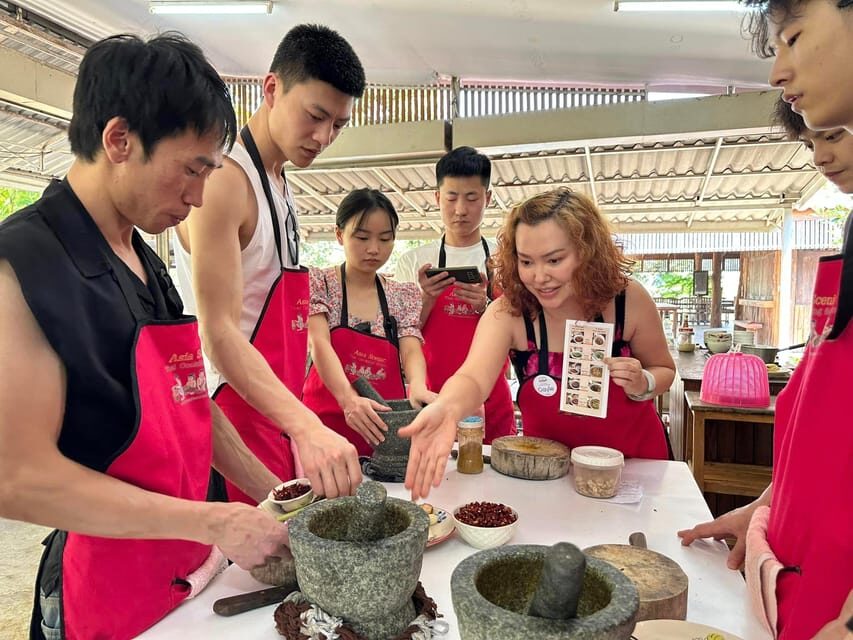
At $41 per person for a half-day, this class stacks the value in a smart way. You’re not just paying for cooking time. You’re also paying for:
- a market tour
- a stop to taste herbs on an organic farm/kitchen garden
- all ingredients at your own cooking station
- welcome snack/fruit
- coffee and herbal tea
- a cookbook to take home
- pickup and drop-off within the downtown zone
I think the best value here is the “two-phase” approach. Many cooking classes skip the ingredient story and jump straight to cooking. Here, you see and select ingredients first—then you learn what changes when you adjust flavors. That’s how your results improve after you get back home.
How the Dish-Choosing Works (and Why It’s the Smart Part)
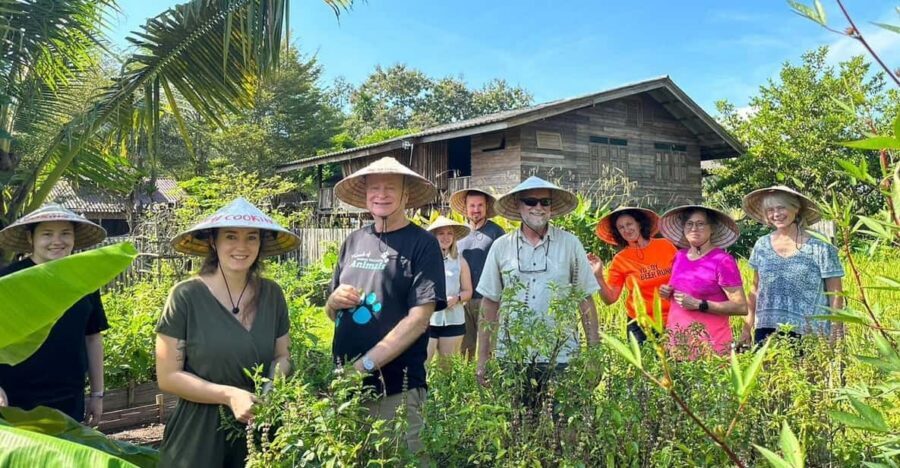
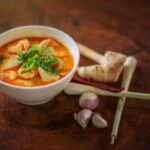
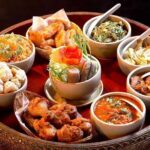
You can choose 5 dishes from the menu, and then you cook those (plus you’ll also see how sticky rice is cooked). The dish list includes options across the major Thai categories:
Stir-Fried
- Pad Thai
- Pad See Uw
- Hot Basil Stir Fried
- Cashewnut With Chicken
Soups
- Coconut Milk Soup
- Tom Yum
- Tom Sab
Curry Pastes
- Red, Green, Massaman, Panang, Khaw Soi
Curries
- Red Curry, Green Curry, Massaman Curry, Panang Curry, Khaw Soi
Spring Rolls
- Spring Rolls
This setup makes the class feel personal. If you love tangy heat, you can lean toward Tom Yum or a curry. If you want something more comforting, you can pick Massaman or Panang. And if you’re cooking with a friend who likes stir-fries and you prefer soups, you can both design your own path.
Dietary needs are also handled with real-world flexibility. Reviews mention the team adapting recipes for vegan and vegetarian. So if your diet is restrictive, this isn’t the type of class where you just watch and eat bread rolls.
Tip for choosing: pick one dish you already know (so you can compare your skills), one that’s new to you (so you learn something), and one that matches your spice tolerance. Your later self will thank you when you’re cooking the leftovers.
Market Tour: Learn the Thai Pantry Before You Touch a Pan
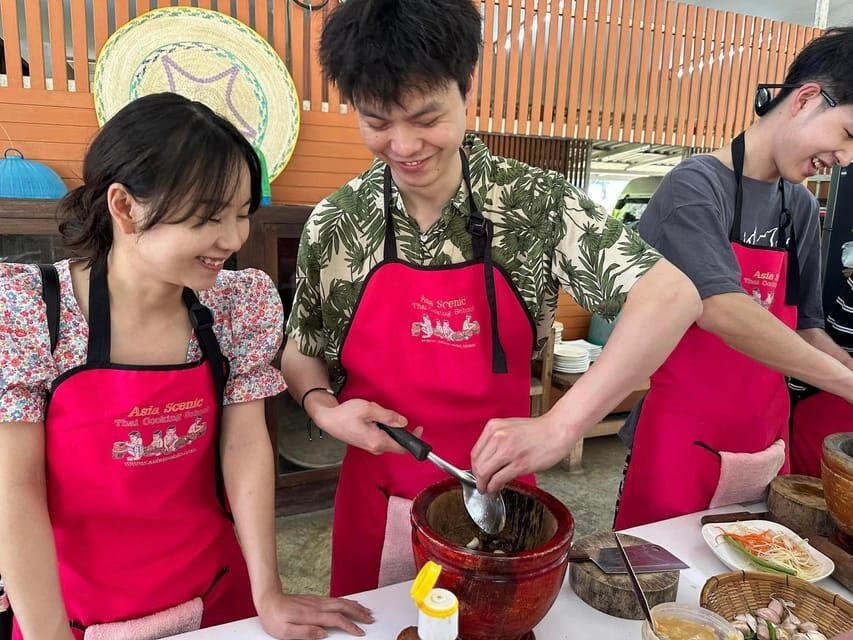
The market stop is where Thai cooking stops being abstract. You’re not just sightseeing. You’re selecting ingredients that you’ll use later, and you get a guided look at how Thai flavors build.
The class includes time to explore the market and a tour focused on Thai culinary traditions. In practice, this helps you understand why Thai cooking often tastes balanced: sour, salty, sweet, and spicy work together, and the ingredient choices matter.
One word of caution: market time can feel like it moves quickly, especially if you’re doing the farm package too. If you love markets and want a long browse with plenty of photos and slow wandering, you might feel a little time-pressured.
Still, the market tour is practical. You’ll come away with a better sense of what to buy next time you’re at home, whether that’s the right sauces, pastes, herbs, or aromatics.
Organic Farm and Herb Garden Stop: Why It Changes Your Cooking
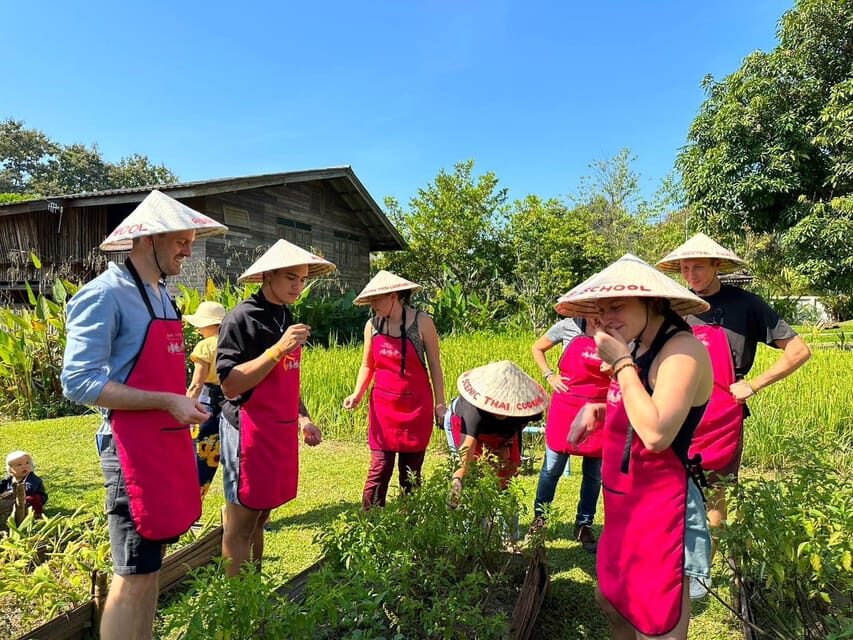
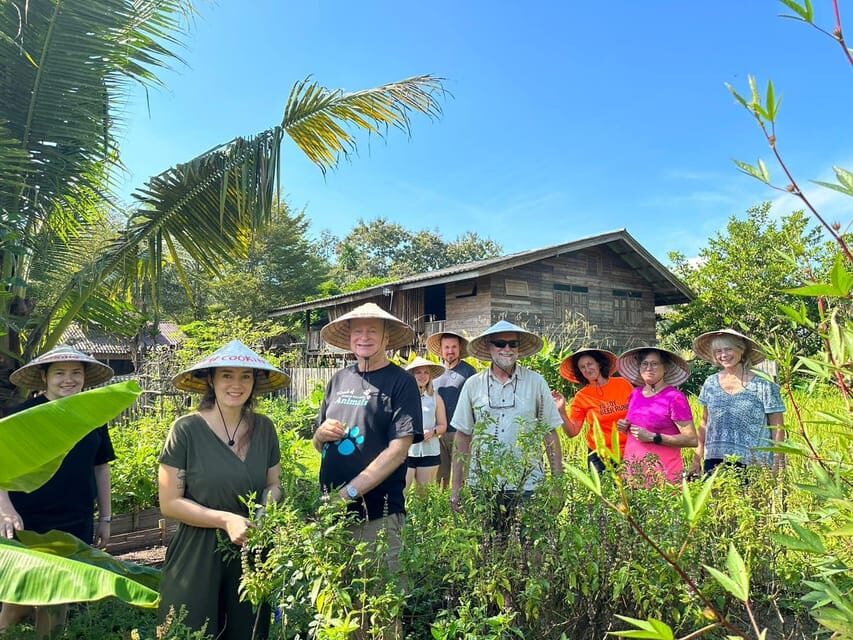
After the market, you head to the organic farm or kitchen garden area. This part is built around herbs and produce—specifically visiting and tasting herbs in the farm setting.
Even if you’re not an herb nerd, this stop helps. It makes the ingredients feel less like mystery powders and more like living plants with distinct smells and roles in Thai dishes. When you later cook, you understand what you’re reaching for and why.
Reviews also describe this as a beautiful, fun add-on. One person called out how great it was to see ingredients growing, and another mentioned the facilities and overall chilled atmosphere.
If you pick the full farm option, expect some ride time from downtown. One review estimated roughly 30–40 minutes each way. That’s not a problem if you’re settling in for the whole day, but it’s worth knowing if you’re trying to protect your schedule.





Open-Air Kitchen Cooking: Your Station, Your Pans, Your Sticky Rice Moment
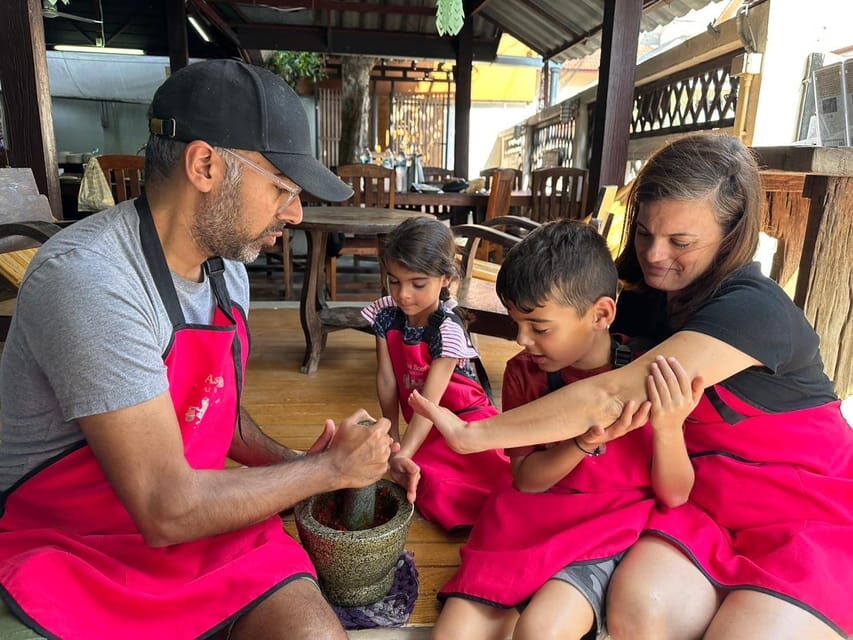
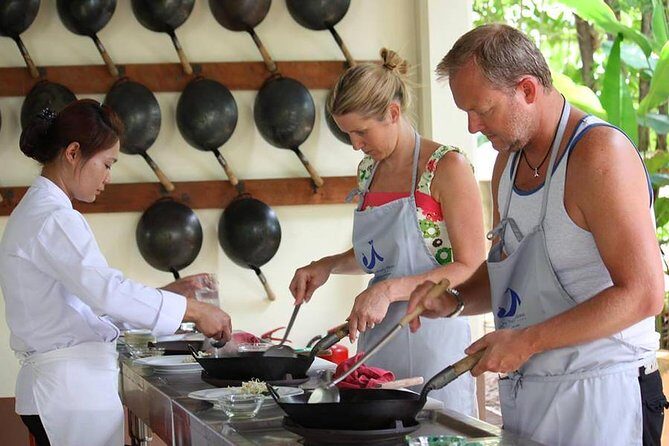
This is the heart of the day: an open-air kitchen with individual cooking stations. Instead of crowding around one pot, you cook at your own setup with all the necessary ingredients provided.
You’ll cook 6 traditional dishes across the session. With the structure in mind, the most common flow is that you choose 5 dishes and then also get the sticky rice cooking element as the sixth. Either way, you’ll leave full, not just hungry with photos.
You also get ingredient guidance and step-by-step instruction in English (with Thai support). Reviews repeatedly highlight guides who could explain clearly and keep the room relaxed and funny at the same time. Names showing up across reviews include Noon, Tommy, Nan, Olive, Dev, Sue, Thaï, Kade, and Marium—so you can expect a lively, human-led class rather than a scripted production.
What I like about this format is how it turns technique into confidence:
- stir-fry timing stops feeling like luck
- soup and curry flavor balance becomes something you can adjust
- curry pastes and curry styles stop being confusing menu words
It’s also set up for group energy. With a max group size of 10, you’re not stuck waiting for help every time the pan gets hot.
Eating What You Cook: Coffee, Tea, and a Lot of Food
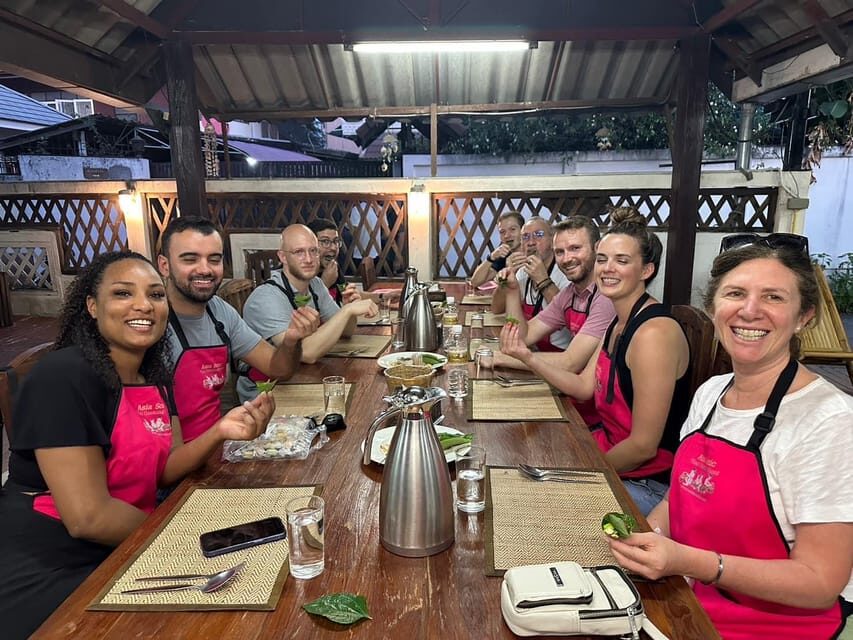
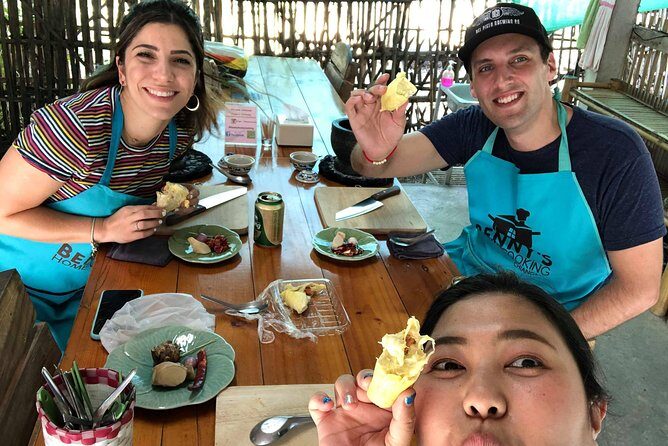
After cooking, you get to enjoy the meals you made in a relaxing setting. The class includes welcome snacks or seasonal fruit, plus fresh coffee and herbal tea, which is a great break when you’ve been standing over a stove for a while.
This is one of those experiences where you’ll likely feel full in a practical way. One review said they were so full they took home the last dishes. That’s the kind of outcome you want from a cooking class: you don’t just learn; you also eat well.
Between cooking and eating, there are small breaks. One review specifically mentioned hammocks during downtime, which tells you the environment is designed for comfort, not nonstop labor.
The Recipe Book: Your Ticket Back to Chiang Mai
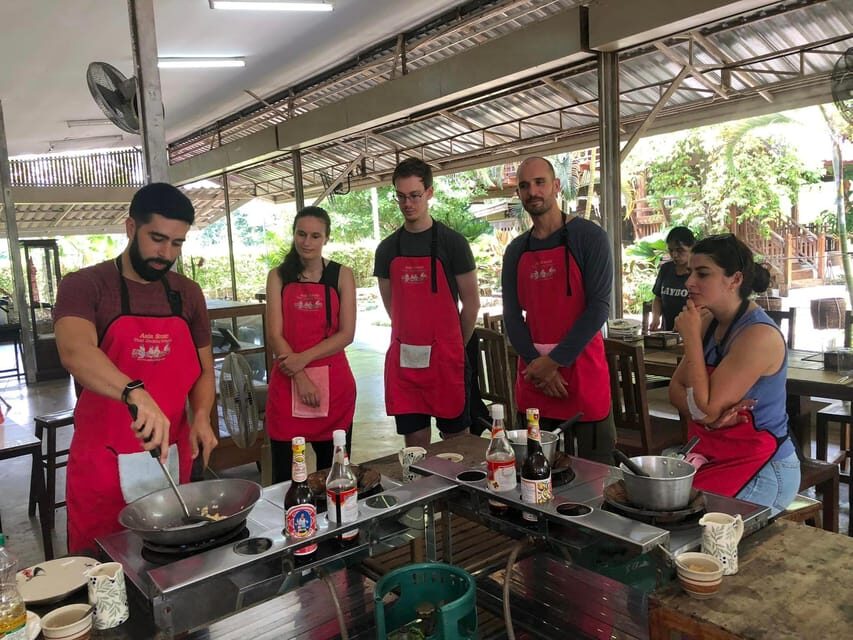
The best cooking class souvenir is the one you use. Here, you take home a cookbook that covers the dishes you chose (and the wider set of options from the class). That means you can recreate what you ate without having to guess amounts or steps later.
This is especially valuable because Thai cooking is detail-driven. Small choices—how you time additions, when you adjust flavors, how you balance a dish—make a big difference.
If you’re the type who buys a cookbook and then never opens it, this one is more likely to get used because it’s tied directly to what you made during the class.
And yes, the recipe book is included in the price, so you’re not paying extra after paying a low base rate.
Who Should Book This Chiang Mai Cooking Class?
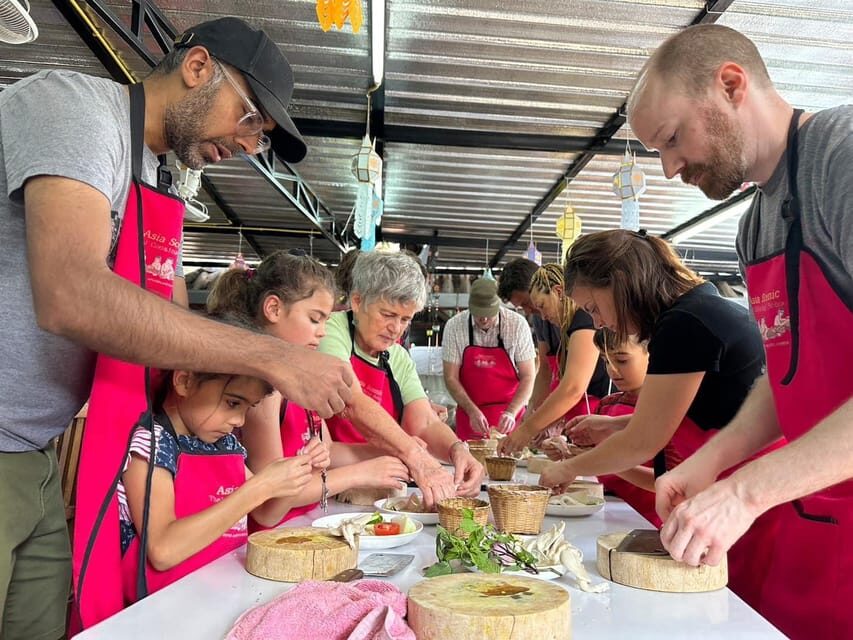
This is a strong fit if you want a Thai cooking day that’s structured but still fun. It suits:
- couples who want an activity that doesn’t feel like homework
- solo travelers who want a small group and real conversation
- families and mixed groups (as long as kids are 4+)
- food lovers who want both culture and actual kitchen technique
You might want to consider your priorities first if you mainly want a long market experience. The class is built around cooking and multiple stops, so market time may feel tighter than a dedicated market tour.
If you’re on a strict diet, you’re in luck. The class is described as adaptable for dietary preferences, including vegan and vegetarian options in reviews.
Should You Book This Cooking School in Chiang Mai?
Yes—if you want a hands-on Thai cooking class that teaches skills you’ll use again. The biggest reasons to book are the small group (up to 10), the ingredient-first flow (market + organic garden), and the practical payoff of cooking at your station plus taking home a recipe book.
If you’re the kind of person who loves stretching out in markets for hours, set your expectations. This is a full day with cooking and multiple stops, so keep your “slow wander” mindset in check.
If you want, tell me when you’re going to Chiang Mai and what dishes you like (spicy? soups? curries?), and I’ll suggest a smart 5-dish mix from the options listed.
FAQ
What is the duration of Chiang Mai: Asia Scenic Thai Cooking School?
The experience runs for about 270 minutes, which is around 6 hours, depending on the starting time.
How much does it cost?
The price is $41 per person.
Is hotel pickup included?
Yes. Pickup is included for hotels within a 3 km radius from Chiang Mai downtown. The exact pickup time is confirmed by email.
How big is the group?
The class is limited to a small group of up to 10 participants.
How many dishes do I cook, and can I choose them?
You can choose 5 dishes from the listed options. The experience also includes cooking sticky rice, and the day includes cooking 6 traditional dishes.
What dishes are available to choose from?
Options include Pad Thai, Pad See Uw, Hot Basil Stir Fried, Cashewnut With Chicken; soups like Tom Yum and Tom Sab; curry pastes and curries like Red/Green/Massaman/Panang/Khaw Soi; and spring rolls.
Does the class offer dietary accommodations?
The class is tailored to dietary preferences, and reviews specifically mention adaptation for vegan and vegetarian diets.
Is it suitable for young children?
It is not suitable for children under 4 years old.