REVIEW · CHIANG MAI
Chiang Mai: Historical and Culture Exploration Walking Tour
Book on GetYourGuide →Operated by Discova Thailand · Bookable on GetYourGuide
Temples and legends, all on one walk. This Chiang Mai old-town tour is a practical way to understand the city’s roots, from the Three Kings Monument to major Lanna temples like Wat Phra Singh and Wat Chedi Luang. I especially like that you get both the art details (woodcarving and northern murals) and the spiritual context (including temple talks by monks). One more plus: it’s a small group with a real English-speaking guide, so questions don’t get lost in a crowd.
One consideration: this is a walking-focused tour, and it’s not suitable for wheelchair users. Also, you’ll want to follow temple dress rules, so skip shorts and short skirts before you meet.
In This Review
- Key points to know before you go
- Entering Chiang Mai Through the Three Kings Monument
- Wat Phra Singh: Northern Art, Lai Kam, and the Dragon-Year Pagoda
- Wat Chedi Luang: 600-Year-Old Ruins and the Buddha Inside
- Why the Monk Talks Matter More Than Another Temple Check
- How the Walking Route Helps You Read the Old City
- Price and Value: What $15 Buys in Temple Access
- Dress Code and What to Bring Without Stress
- Guide Styles: Why Small Groups Feel Personal
- Timing Tips: Catch Golden Hour and Beat the Heat
- Should You Book This Chiang Mai Old-City Temple Walk?
- FAQ
- Where is the tour meeting point?
- How long is the Chiang Mai historical and culture exploration walking tour?
- What does the $15 per person price include?
- Is hotel pickup and drop-off included?
- What languages does the live guide speak?
- What should I bring, and what clothing is not allowed?
- Is the tour suitable for wheelchair users?
- Can I get a refund if my plans change?
Key points to know before you go
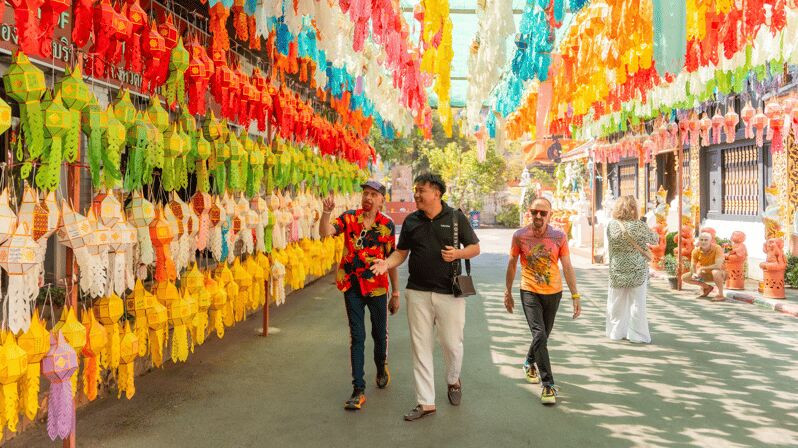
- Three Kings Monument sets the story with King Mangrai and the founding of Chiang Mai
- Wat Phra Singh is all about northern Thai style—murals, woodcarving, and key temple spaces
- Wat Chedi Luang connects ruins to belief with the Buddha image inside the temple area
- Monk talks add real meaning instead of just checkpoint sightseeing
- Small group (8 max) makes it easy to ask questions and get personalized pacing
- $15 with tickets and water included is good value for the temples you’ll enter
Entering Chiang Mai Through the Three Kings Monument
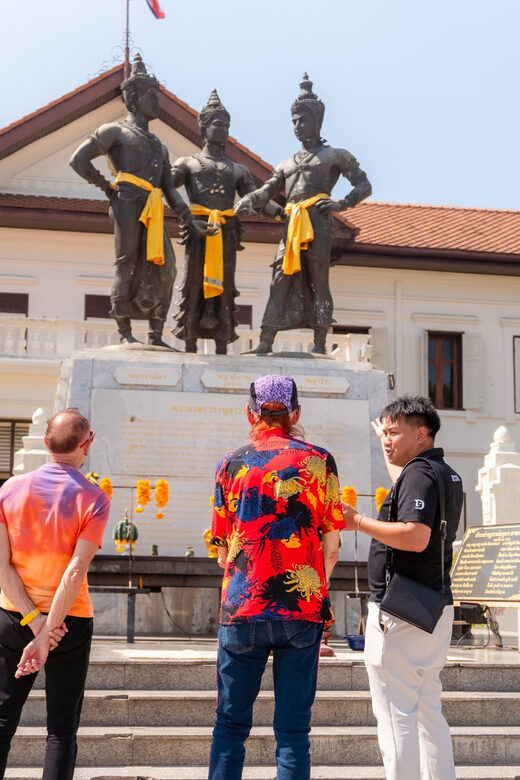
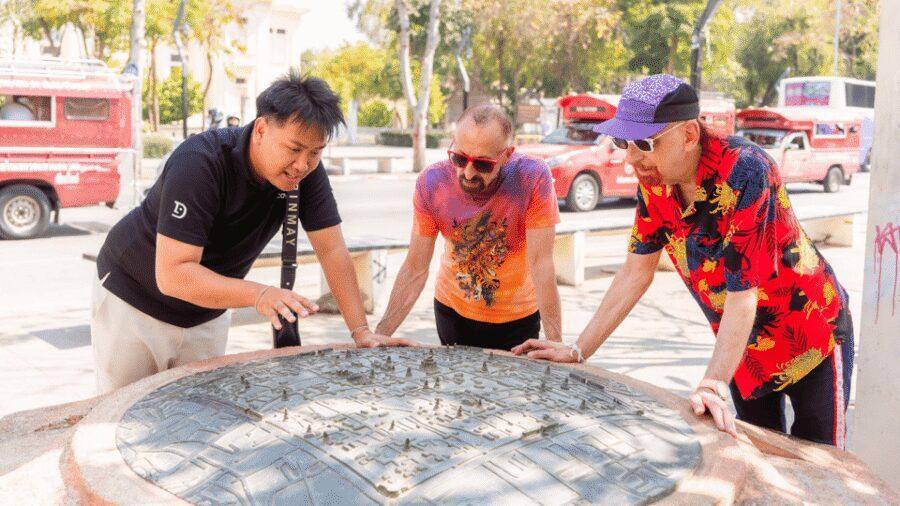
Most people start Chiang Mai with markets and massage shops. This tour starts by putting the city into context, right at the Three Kings Monument, where the guide frames the story of King Mangrai and the Lanna Kingdom. If you’ve ever wondered why Chiang Mai feels so distinct from other Thai cities, this is where the answer starts.
You’ll get a short briefing, then the walk begins. King Mangrai comes up early because it connects the dots between early city life and the temples you’ll see next. It’s also a good mental warm-up: once you know who built what and why, the architecture becomes easier to read.
This start matters because it changes how you look at the rest of the old city. Instead of scanning for pretty buildings, you start noticing symbols, building choices, and what each site means to local people.
You can also read our reviews of more walking tours in Chiang Mai
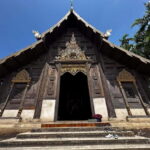
Wat Phra Singh: Northern Art, Lai Kam, and the Dragon-Year Pagoda
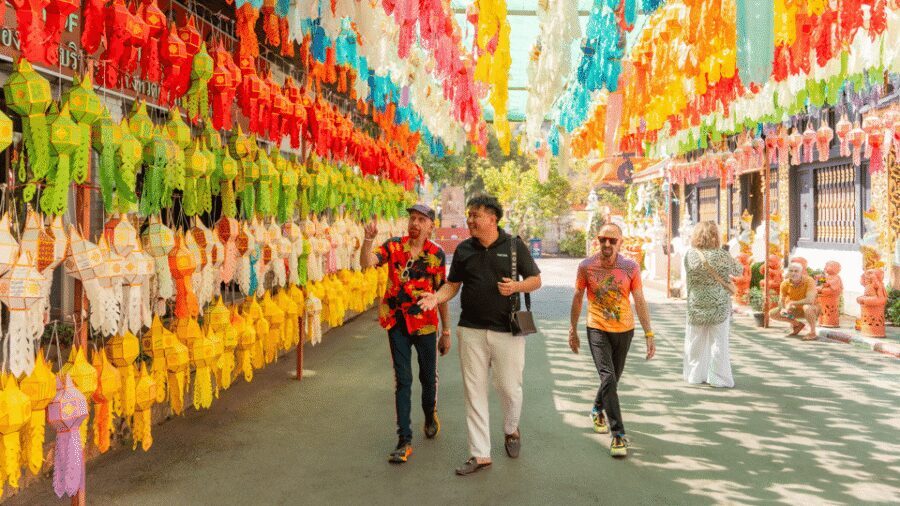
Your first temple stop is Wat Phra Singh, one of the most revered places in Chiang Mai. What I like here is that the guide doesn’t treat it like a photo stop. You’re pointed toward specific temple areas and the details that make northern Thai design feel different.
Wat Phra Singh is known for distinctive architecture with intricate woodcarvings and northern Thai-style murals. Those carvings and murals aren’t random decoration. They reflect a way of telling stories and teaching values through visual art, which is exactly the kind of thing you miss if you just rush inside.
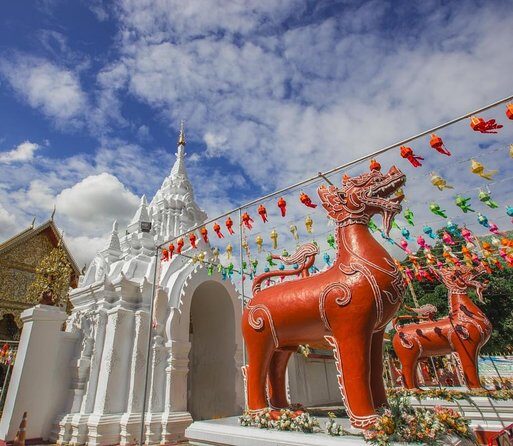
You’ll also have a chance to explore the Lai Kam Assembly Hall and the pagoda area. A neat detail the guide shares: the pagoda is linked to a Buddhist symbolism for people born in the Year of the Dragon. Even if you don’t memorize the full explanation, you’ll leave understanding that these sites are meant for lived belief, not only sightseeing.
Time-wise, you won’t be trapped inside for hours. The pacing is designed for an old-city route, so you get a meaningful look without feeling like you’re stuck in one place.
Wat Chedi Luang: 600-Year-Old Ruins and the Buddha Inside
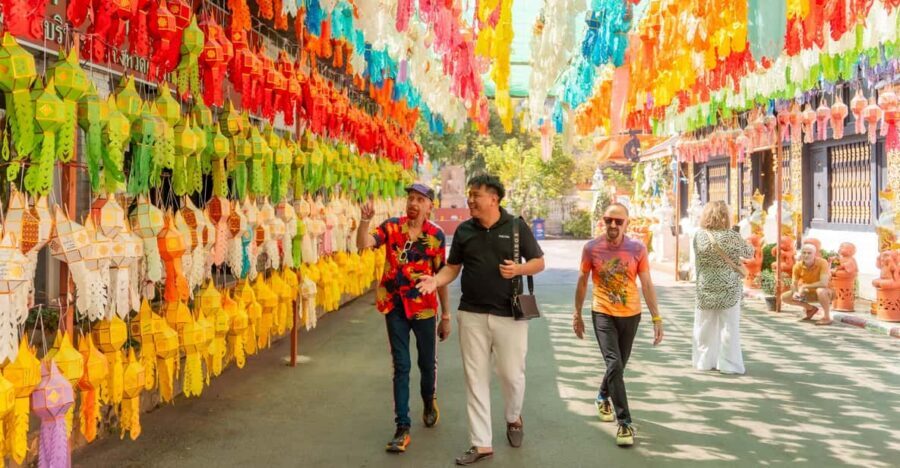
Next comes Wat Chedi Luang, and this is where the tour shifts from art appreciation to deeper “how the city used to work” energy. The temple complex is about 600 years old, and the guide connects it to King Mangrai’s era. That timeline detail alone helps you understand why the site feels layered—past and present are both visible.
Even when a temple has ruins, it can still feel intensely alive because people interpret and use the space through belief. At Wat Chedi Luang, you’ll look around the premises and see the chedi area, plus the chance to view the Buddha inside. The guide’s explanations help you understand what you’re looking at, instead of treating it like a damaged structure you hope is still impressive.
This stop is also a strong match for photographers, especially if you’re there during softer light. One guide (Emmy) was even noted for sharing extra camera-friendly tips, which you might find helpful when you’re trying to frame chedis and temple gates without turning everything into a blown-out sky.
And yes, there’s a reason this temple is a highlight. It gives you an old-world scale that’s hard to grasp from street level, especially when you’re used to modern buildings.
Why the Monk Talks Matter More Than Another Temple Check
A lot of temple tours give you a script and a countdown timer. Here, you also get time for talks by monks, which changes the feel of the visit. When you hear temple teaching in context, it’s easier to notice how Buddhism shows up in daily behavior—what people pay attention to, how they show respect, and why certain spaces matter.
These talks also help you connect the earlier story (Lanna beginnings) to what Chiang Mai looks like today. The city isn’t frozen in the past. It’s still shaped by spiritual rhythms, and the guide’s temple-to-people framing helps you see that link.
Even if you’re not sure what questions to ask, the monk discussion gives you something to listen for. You’ll likely notice that the guide isn’t just repeating dates. They’re pointing out meaning.
How the Walking Route Helps You Read the Old City
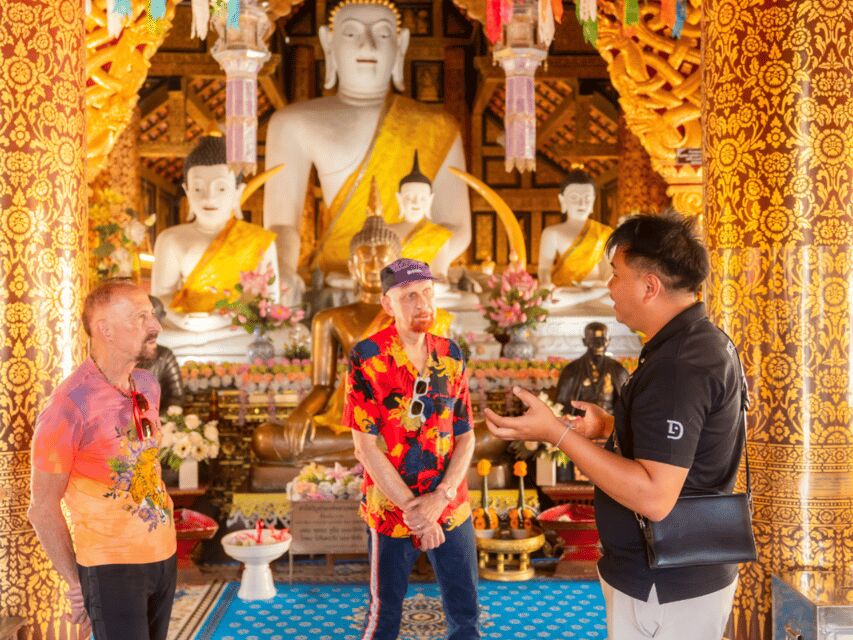
This is a 2.5-hour guided walk through major old-town sites, with short stretches between them. Because the route is designed around close temple connections, you spend more time looking at places and less time stuck in transit.
That said, don’t assume every minute is strictly on foot. One guide experience included tuk-tuk rides to make the schedule easier. So if your group meets up and you’re offered a quick ride, it’s not a surprise—it’s part of keeping the tour comfortable.
The best way to enjoy the walking portion is simple: wear comfortable shoes and keep your pace steady. Chiang Mai’s sidewalks and temple entry steps can add up fast, especially if you’re also carrying a camera.
You can also read our reviews of more historical tours in Chiang Mai


Price and Value: What $15 Buys in Temple Access
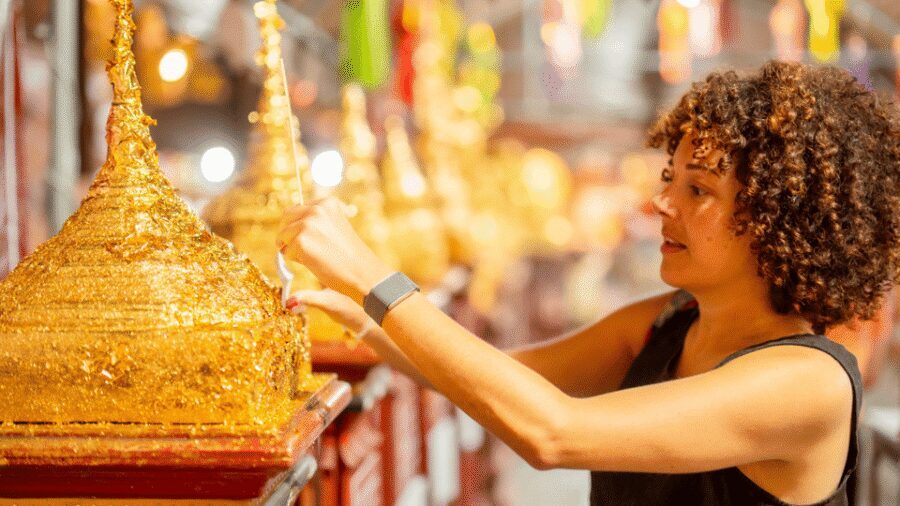
Let’s talk value, because $15 per person sounds low until you see what’s included. In this case, the price covers an English-speaking guide, entrance tickets, water, and tour insurance. That combination matters because temple entry fees and guided interpretation can stack up quickly if you plan it yourself.
This is also a small-group experience, limited to 8 participants, which usually means you’ll get more than a generic explanation. It’s harder to feel lost when the guide is paying attention to your questions.
Not included is hotel pickup and drop-off. That’s the one cost tradeoff. If you’re staying near the old city or central areas, it’s usually easy to manage. If you’re farther out, you’ll want to factor in how you’ll reach the meeting point.
Dress Code and What to Bring Without Stress
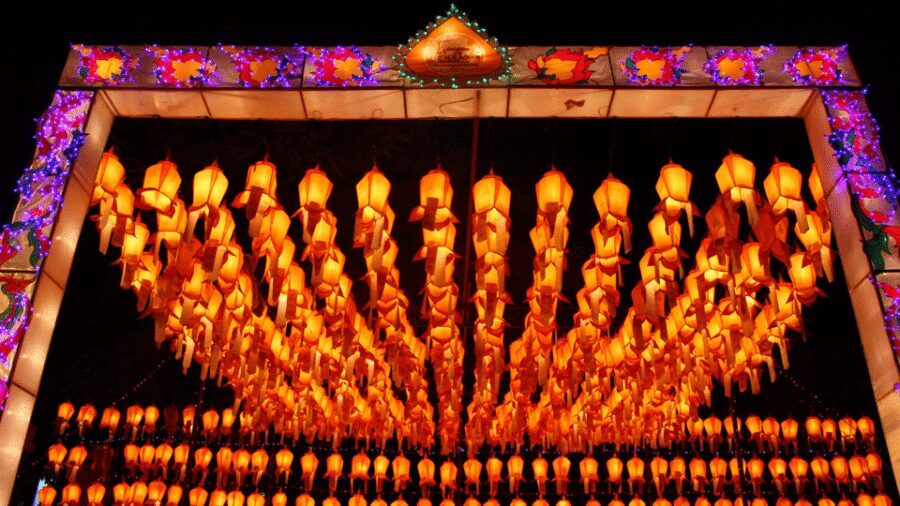
Temple rules are straightforward here: no shorts or short skirts. That can sound annoying until you realize it keeps the environment respectful and avoids last-minute shopping.
Bring comfortable clothes, comfortable shoes, and a camera if you want to capture temple details. Also, drink the provided water early. On foot, you’ll feel heat sooner than you expect.
If you’re planning a photo-heavy day, consider how much you’ll move your camera up and down. With temple steps and chedi views, a strap setup that doesn’t yank your neck can save you from the end-of-tour shoulder ache.
Guide Styles: Why Small Groups Feel Personal
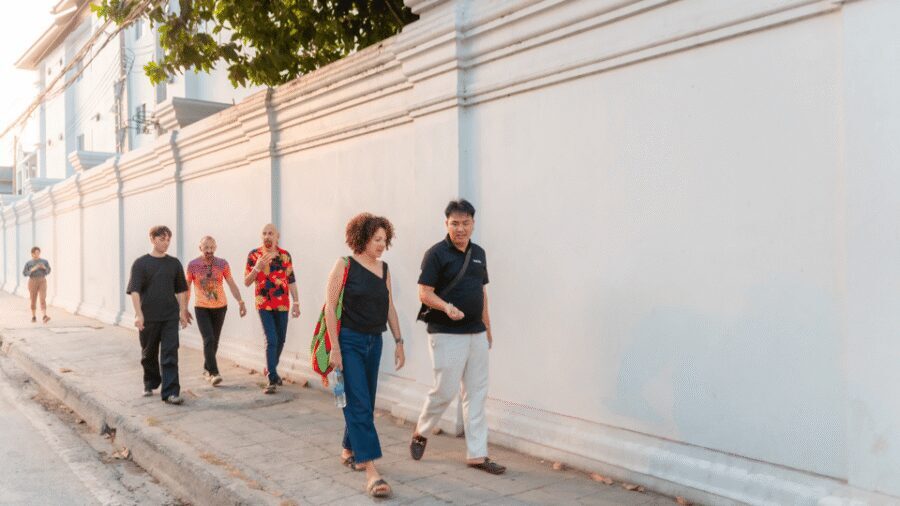
A theme that pops up with this tour experience: the guides bring personality and care. Names you might encounter include Bim (also spelled Bin in some experiences), Emmy, Amy, and Farm. In one case, Bim was described as having Lanna heritage, which can make the explanations feel more personal and grounded.
Because the group is capped at 8, you’re more likely to get direct answers instead of a one-size-fits-all lecture. And if your schedule lines up for a smaller group day, you may find it easier to ask questions as they come up.
If you like having someone point out where to look—murals here, carvings there—this tour format works well. You’ll likely leave with a mental map of the old city, not just a memory of temple photos.
Timing Tips: Catch Golden Hour and Beat the Heat
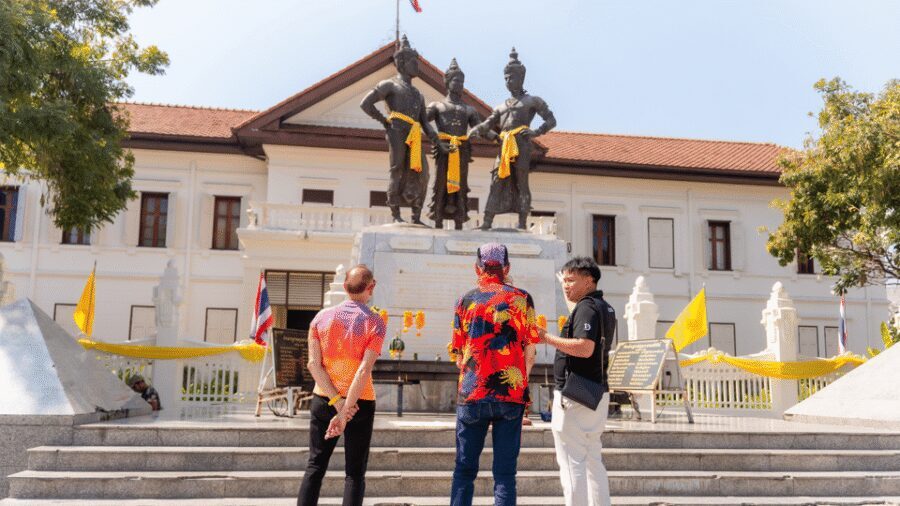
One smart move is choosing a later departure. A 5pm-style slot was highlighted for golden hour temple lighting and for avoiding the hottest part of the day. That’s not just about comfort—it can help your photos too, especially around chedis and temple gates where harsh midday sun can wash out details.
If you’re traveling in warmer months, I’d treat time-of-day as part of your planning. You’ll enjoy the walking stretches more when the light is softer and the air is kinder.
You’re moving through outdoor sections between entrances, so don’t underestimate how a 90-minute heat difference can change your mood.
Should You Book This Chiang Mai Old-City Temple Walk?
Book it if you want a fast, structured way to understand Chiang Mai’s spiritual and cultural roots without building your own route from scratch. The Three Kings Monument start gives you a foundation, and the two major temples cover both art details and belief-focused context.
Skip it if you need a fully wheelchair-friendly route, or if you dislike walking between sites. Also, plan to dress correctly for temples, because the outfit rules are real.
If you’re short on time but still want more meaning than a checklist, this is a solid way to get your bearings and enjoy the old city with a guide.
FAQ
Where is the tour meeting point?
The meeting point is Three Kings Monument. Your guide will be waiting there, so arrive on time.
How long is the Chiang Mai historical and culture exploration walking tour?
The guided walking tour runs for about 2.5 hours.
What does the $15 per person price include?
It includes an English-speaking tour guide, all ticket entrance fees, water, and tour insurance.
Is hotel pickup and drop-off included?
No. Hotel pickup and drop-off are not included.
What languages does the live guide speak?
The live guide speaks English and Thai.
What should I bring, and what clothing is not allowed?
Bring comfortable shoes, a camera, and comfortable clothes. Shorts and short skirts are not allowed.
Is the tour suitable for wheelchair users?
No. The tour is not suitable for wheelchair users.
Can I get a refund if my plans change?
Yes. You can cancel up to 24 hours in advance for a full refund.