REVIEW · CHIANG MAI
Chiang Mai: Local Food and Markets Guided Walking Tour
Book on GetYourGuide →Operated by TripGuru Thailand · Bookable on GetYourGuide
Two hours in Chiang Mai markets changes your whole day. This local food and markets walking tour turns street snacks into a guided storyline—where the stalls, the smells, and the history all make sense as you walk.
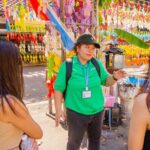
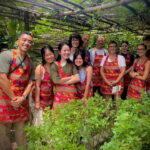
I especially love how the tour’s led by a real foodie guide—people like Nom, Koi, Patty, and Banana are mentioned for being friendly, attentive, and willing to answer questions as you go. The other big win for me is the pace: short distances between meaningful food stops, so you can try more without feeling like you’re sprinting.
One consideration: there’s no vegan option listed. If you eat vegan, plan on eating elsewhere or using your own substitutions, because the tour is built around specific local dishes.
In This Review
- Quick hits you’ll actually feel
- Chiang Mai street food in 150 minutes: what you really get
- Starting at Khua Khaek: the bridge that puts you near everything
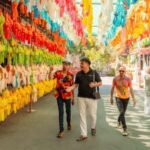
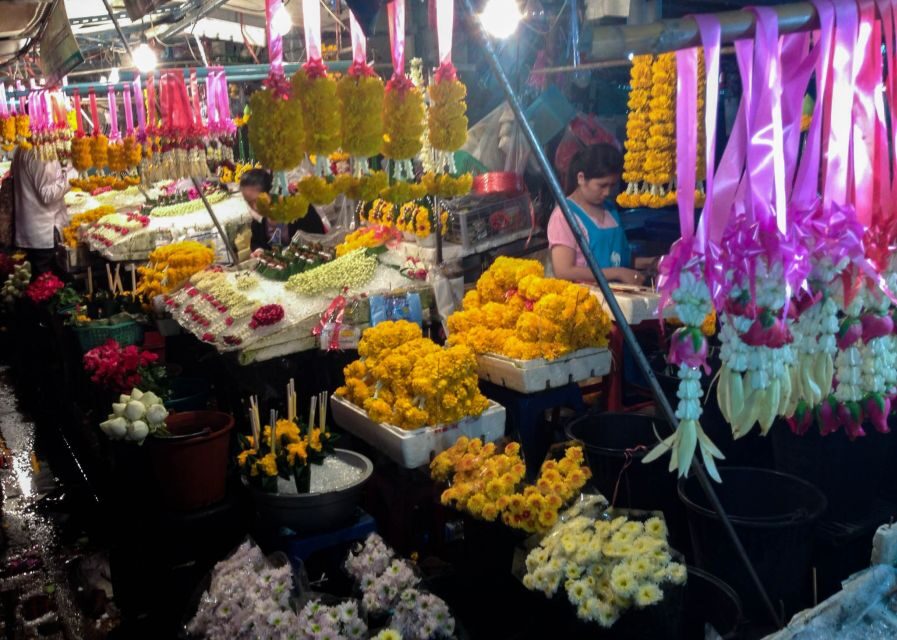
- Ton Lamyai Flower Market: a colorful break from just eating
- Lung Khajohn Wat Ket and Khao Kriab Pak Moh
- Go Neng and Pa Thong Ko: snack shapes and big local love
- Warorot Market: the big decision-maker stall-hopping game
- Thana Ocha and Hakka-style noodles: the filling finale
- Optional tastings and the real cost of eating your way through Chiang Mai
- Who this tour is best for (and who should skip it)
- Getting the timing right: start times, traffic, and what to bring
- Booking logic: how to choose your slot like a local
- Should you book this Chiang Mai local food and markets walking tour?
- FAQ
- How long is the Chiang Mai local food and markets guided walking tour?
- Where do I meet the guide?
- Is hotel pickup and drop-off included?
- What food is included in the tour price?
- What languages are the guides?
- Is there a vegan option?
- What should I bring?
Quick hits you’ll actually feel
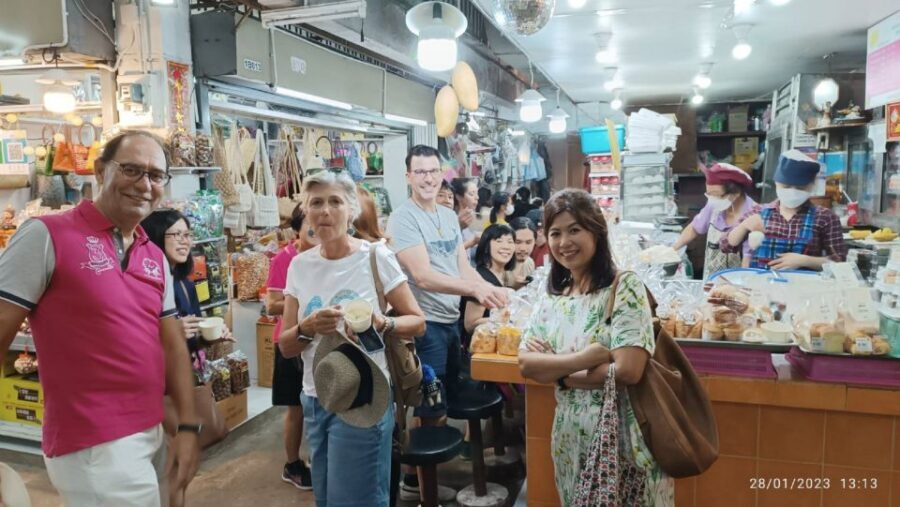
- Khua Khaek (Chansom Memorial Bridge) sets the tone fast, with an easy meeting spot near the action
- You’ll pass Ton Lamyai Flower Market and get a moment that’s not just food
- First tastings can include Khao Kriab Pak Moh (sweet steamed rice-skin dumplings with peanuts)
- You get your fun-and-funky snack moment at Go Neng with Pa Thong Ko
- The market challenge at Warorot Market includes tracking down mango sticky rice
- Your finale is Thana Ocha: Hakka-style noodles with Hakka stuffed tofu, fish sausage, and wontons
Chiang Mai street food in 150 minutes: what you really get
This is the kind of tour I recommend when you want Chiang Mai food without guesswork. You get a focused 150-minute walking loop that mixes food stalls and markets, then caps it with a heavier main-dish style tasting.
The smartest part is how the tour is designed around recognition. Instead of tossing you into one random street and hoping you pick the right stall, you learn what to look for—types of snacks, what makes them local, and what to expect from the flavors. You’ll also have the helpful structure of a guide who can help you order or choose, which matters a lot with Thai street food you might not recognize at a glance.
The tour also includes carbon offset credits as part of the experience, and it’s described as a GSTC-certified tour. That doesn’t magically change the fact you’re eating street food in a busy city, but it does mean the operator has built environmental responsibility into the tour model rather than treating it as an afterthought.
You can also read our reviews of more walking tours in Chiang Mai



Starting at Khua Khaek: the bridge that puts you near everything
You meet at Chansom Memorial Bridge, locally known as Khua Khaek, opposite Ton Lamyai Flower Market. Your guide carries a TripGuru sign, and you’ll want to be there about 10 minutes early.
This matters more than it sounds. The tour notes warn about morning traffic, which can swing travel times on apps. Your guide can wait only up to 10 minutes after the scheduled pickup time, so showing up early is your best insurance.
You should also expect this to be a real walk. A lot of the tastings are in market areas, not parked-inside-a-restaurant convenience zones. Bring the kind of shoes you’d wear for a long afternoon—because your feet will get their own snack tour.
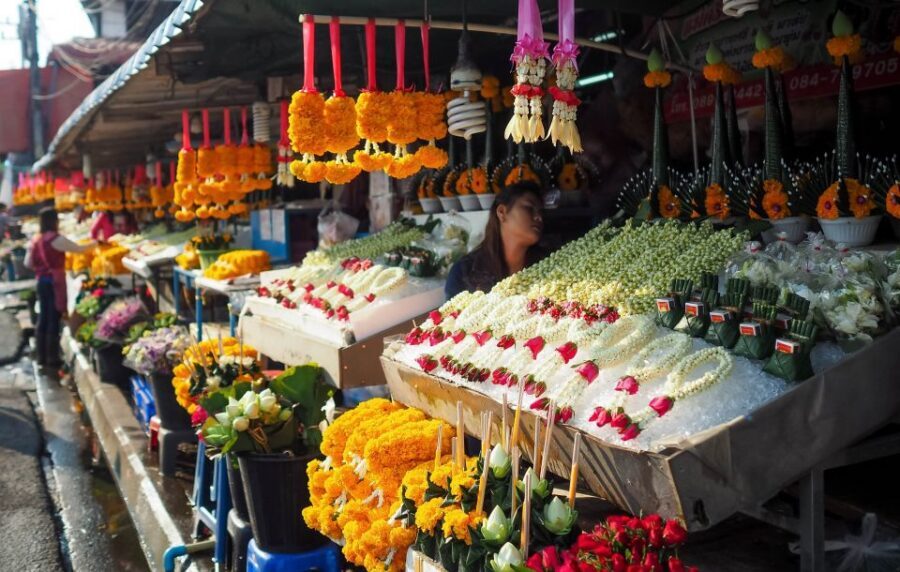
Ton Lamyai Flower Market: a colorful break from just eating
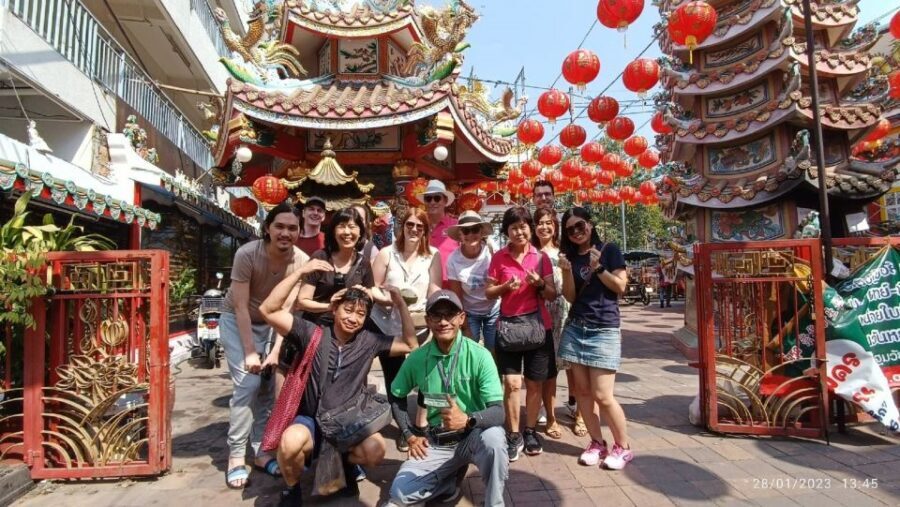
The walk includes Ton Lamyai Flower Market, described as colorful and lively. Even if you’re not buying flowers, this stop is useful because it shifts your senses. You’ll go from thinking about crunch and sweetness to thinking about fresh herbs and the feel of local market life.
There’s also a practical perk: the tour highlights getting fresh flowers from this market. That’s not required for the tour to work, but it’s a nice way to take something home that’s more than a photo.
If you’re sensitive to heat, this is a good place to slow your breathing for a second. Markets can move fast, and the day can get warm. The tour’s “what to bring” list is spot-on here: sunscreen, sunglasses, and a hat aren’t optional in Chiang Mai summer.
Lung Khajohn Wat Ket and Khao Kriab Pak Moh
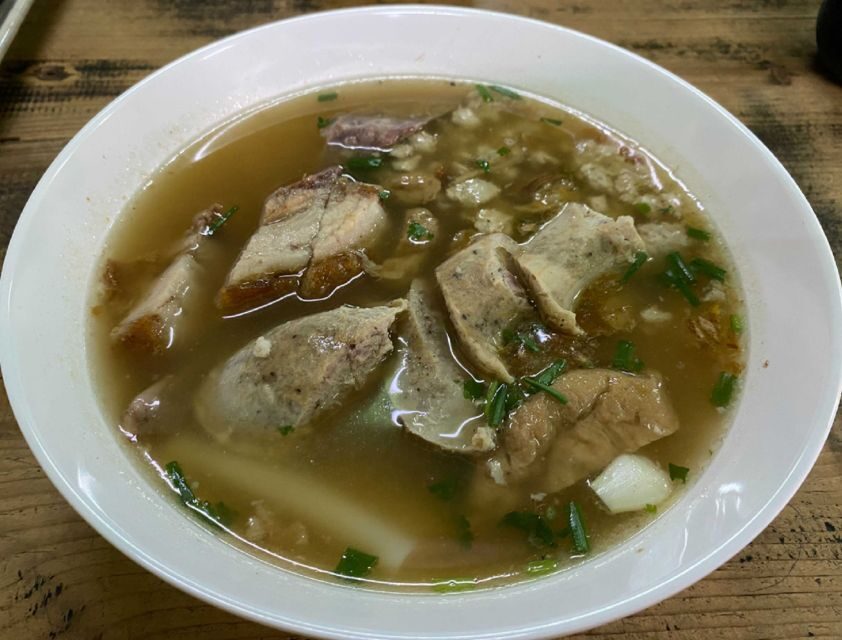
The first food stop is Lung Khajohn Wat Ket, known for sweet steamed rice-skin dumplings stuffed with peanuts. The snack name you’re looking for is Khao Kriab Pak Moh.
This is a great opening tasting because it’s different from most beginner Thai street-food orders. You get something soft and sweet rather than purely salty and fried. That matters because it trains your palate for what’s coming next.
A tip for your first bite: treat it like a snack, not like a meal. Save your big appetite for later stops where you’ll get deeper-fried textures and a satisfying noodle finale. The tour is only about two and a half hours, but it can still fill you up if you start strong at every stall.
Go Neng and Pa Thong Ko: snack shapes and big local love
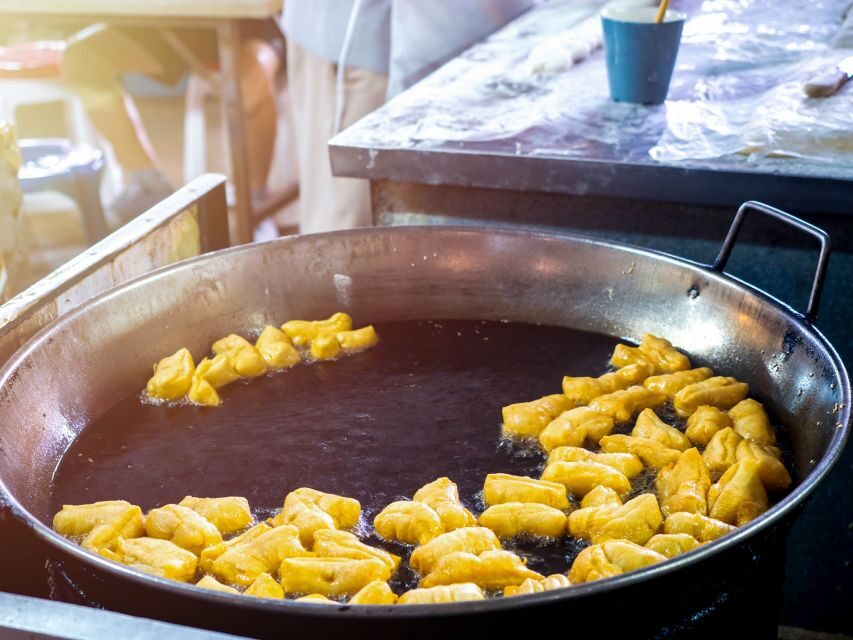
Next up is Go Neng for a Chinese-influenced snack: Pa Thong Ko. It’s described as oddly shaped deep-fried dough—people compare them to dinosaur-like forms, which is a fun mental image if you’re trying to remember what to order.
This is one of the most popular local snacks, and it’s easy to understand why. Fried dough is comforting on the street, and Pa Thong Ko tends to hit that sweet-salty comfort zone many people crave after walking around markets.
The tour’s value here is that you’re not stuck guessing. A guide helps you pick what to taste, and you get context about why foods like this show up in Chiang Mai.
You can also read our reviews of more food & drink experiences in Chiang Mai
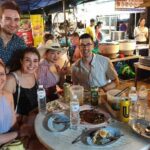
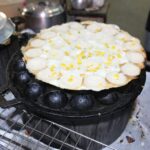

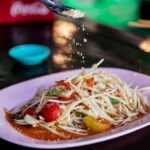
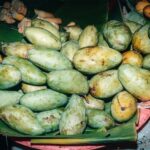
Warorot Market: the big decision-maker stall-hopping game
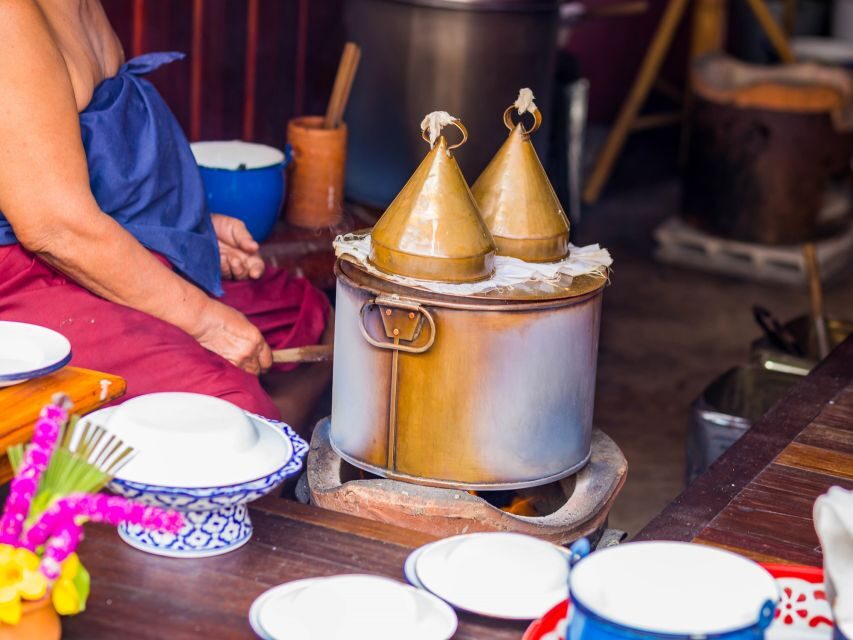
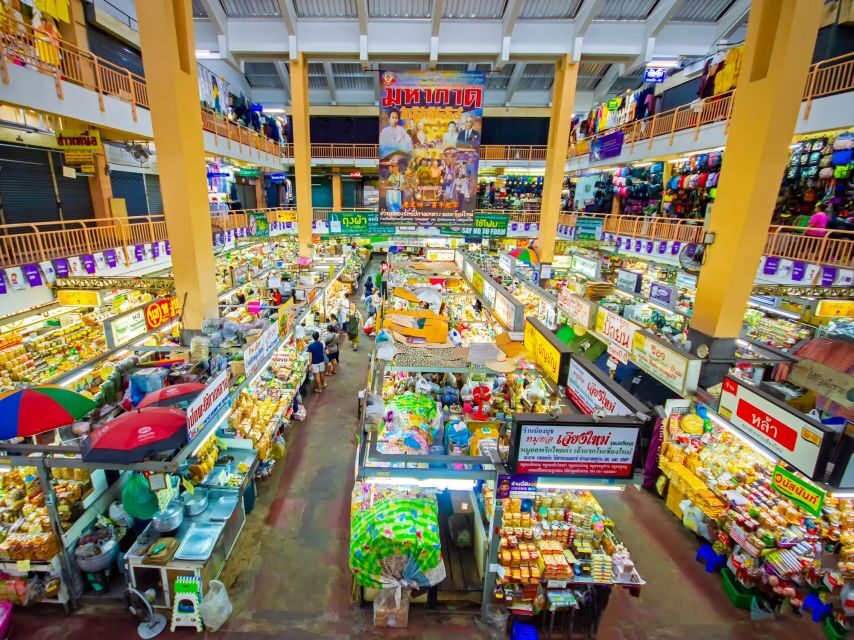
Then you land in Warorot Market, which the tour describes as a famous market where you can find snacks, produce, clothes, and more. This is where the tour feels most like a real market adventure—moving through stalls and learning to spot what’s worth your attention.
One of your tastings here focuses on the famous Thai classic: mango sticky rice. The tour frames it as a bit of a hunt for a particular stall that sells it, which turns the tasting into a mini mission.
This stop is also where you’ll appreciate having a guide. Warorot is the type of place where you could wander for an hour and still be uncertain what to eat. With the tour structure, you’re hitting key moments instead of spinning in circles.
Practical note: markets can get hot and crowded depending on the day and time. If you’re planning a later start time, don’t assume every stall will be operating on your schedule. It’s a street-food world, not a museum with fixed hours.
Thana Ocha and Hakka-style noodles: the filling finale
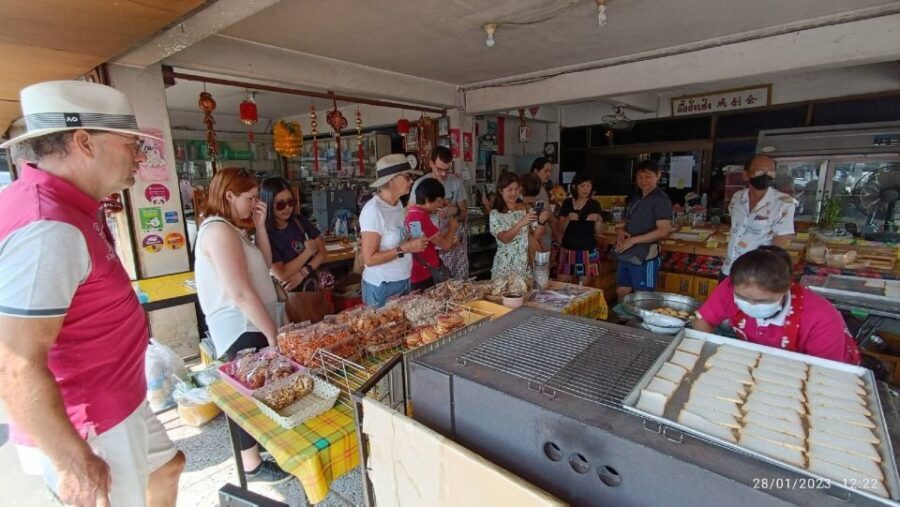
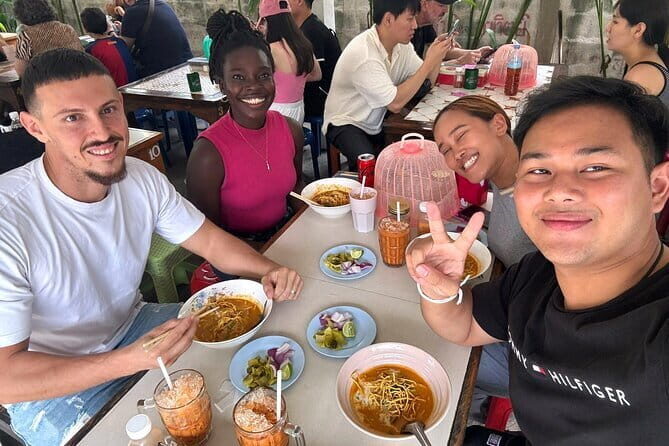
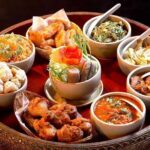
Your last stop is Thana Ocha, and this is where the tour earns its “food tour” title. You’re set up for Hakka-style noodles, including items like Hakka stuffed tofu, fish sausage, and wontons.
If you’ve only had Thai noodles before, this tasting can broaden your idea of what Chiang Mai noodle food can be. Hakka-influenced flavors often feel hearty and satisfying, and that’s exactly what you want at the end of a walking tour.
This finale is also a good strategy if you’re trying to eat like locals without going too complicated. You’re guided through a known set of dishes, rather than ordering individual items on your own when your Thai vocabulary might be doing parkour.
From the tour design, it’s clear the ending is meant to be memorable. People also tend to remember the first and last tastings most, and here the last stop is strongly positioned as the “sink your teeth into it” moment.
Optional tastings and the real cost of eating your way through Chiang Mai
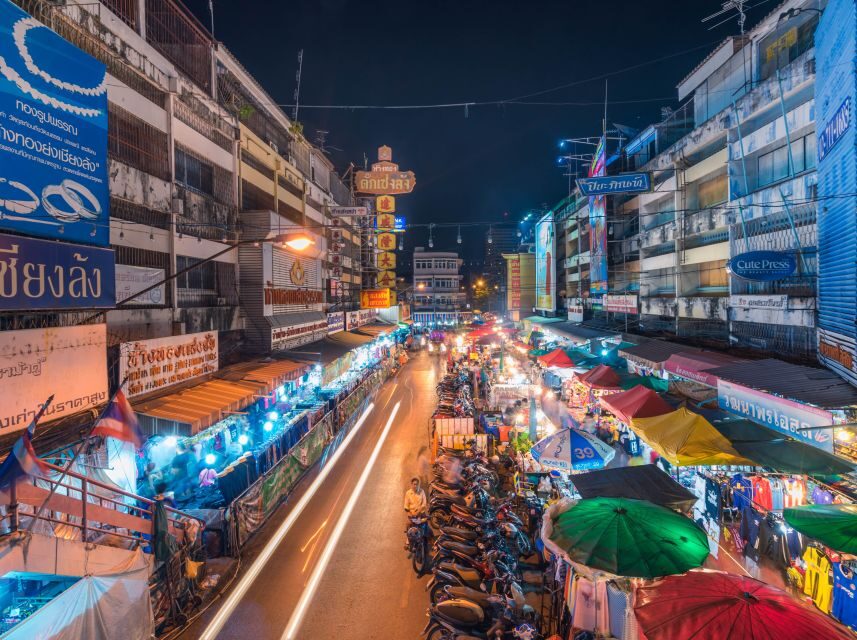
The tour price is $48 per person for the guide, the walking tour, and carbon emissions offset credits. Food and tastings cost extra, and the tour notes list possible food tasting choices at your own expense, including:
- Hakka-style noodle
- Sticky rice with mango
- Pa Thong Ko (deep-fried dough sticks)
- Khao Kriab Pak Moh (steamed rice-skin dumplings)
So the value question isn’t only the $48. The value is whether the guide saves you time and mistakes—and whether the tastings are priced fairly at the stalls you visit. Based on the strong review themes, guides tend to bring you to places you’d struggle to find alone, and you’re not wandering randomly through tourist traps.
One wallet tip: bring cash. The tour’s “what to bring” list explicitly calls out cash, and street markets are not always set up for the payment methods you’re used to.
If you’re the type who hates paying for each bite separately, you might feel friction here. Some people wish food was included in the tour price. Still, I like this setup because you’re not forced to eat everything. You can manage your appetite while still getting the best hits the guide recommends.
Who this tour is best for (and who should skip it)
This tour fits best if you:
- Want a guided way to try Chiang Mai classics without planning every stop
- Like markets and street food more than sitting in one restaurant
- Enjoy learning why foods exist, not just what they taste like
It may not be right for you if:
- You’re vegan (no vegan option is available)
- You’re pregnant
- You have mobility impairments
- You have heart problems or respiratory issues
It’s also a faster walking style with food stops, so plan your energy accordingly. One review even notes the walk can feel like a “fast pace walk through with interesting tastings,” which matches the tour’s tight timeframe.
Getting the timing right: start times, traffic, and what to bring
The tour offers multiple start time options, so you can match the day to your energy level. One note specifically recommends booking morning slots when possible because many restaurants close by early afternoon—especially for the later 2:30 pm time slot, where guides may swap in alternative stalls to keep the food plan going.
That’s a helpful heads-up. It means a later start doesn’t always equal the exact same restaurant order, even if the tour still aims to deliver the tasting highlights.
What to bring is straightforward and useful:
- Comfortable shoes
- Sunglasses and a hat
- Sunscreen and insect repellent
- Cash
- A camera (because markets are photo-friendly)
If you’re heat-sensitive, treat this like an outdoor event, not an air-conditioned tour. Water would be smart too, but it’s not listed—so I’ll just say: bring what helps you stay comfortable.
Booking logic: how to choose your slot like a local
If you can, choose a morning time. Morning markets usually feel easier, and you’re less likely to hit stall closures or rushed transitions.
Also, consider the kind of eater you are:
- If you love fried snacks and sticky desserts, this tour will likely keep you happy through the whole loop.
- If you want lighter food only, you might feel stuffed by the end because the tour includes multiple tastings across different food types.
Finally, think about language. The guide is listed as English and Thai. Reviews mention guides speaking good English, and that’s a big factor in whether a food tour feels like a lesson or like a food courier. Here, it sounds like you’ll get real explanations, not just orders.
Should you book this Chiang Mai local food and markets walking tour?
Book it if you want an easy win: a short guided street food walk that hits Chiang Mai market culture with a clear tasting plan. I’d especially recommend it as either your first foodie day or a day you want to keep simple while still eating well.
Skip it (or at least rethink it) if you’re vegan or you’re dealing with health or mobility concerns. Also, if you hate buying food separately, note that tastings are at your own expense and you’ll need cash.
My final take: at $48 for a 150-minute guided walk, the price feels fair for what you get—especially the guide-led ordering help and the structured tastings across Ton Lamyai Flower Market, Warorot Market, and Thana Ocha. Add in carbon offset credits and the GSTC-certified framing, and it becomes a sensible value for people who want Chiang Mai food without the stress.
FAQ
How long is the Chiang Mai local food and markets guided walking tour?
It lasts about 150 minutes (roughly 2.5 hours).
Where do I meet the guide?
You meet at Chansom Memorial Bridge (Khua Khaek), opposite Ton Lamyai Flower Market. The guide will be holding a TripGuru sign.
Is hotel pickup and drop-off included?
No, hotel pickup and drop-off are not included.
What food is included in the tour price?
The tour guide and walking tour are included, but food and tasting expenses are not included. The tour lists possible tasting choices at your own expense.
What languages are the guides?
The tour guide speaks English and Thai.
Is there a vegan option?
No vegan option is available.
What should I bring?
Bring comfortable shoes, sunglasses, a hat, camera, sunscreen, insect repellent, and cash.