REVIEW · CHIANG MAI
Northern Flavours Chiang Mai Food Tour with 15+ Tastings
Book on Viator →Operated by A Chef's Tour · Bookable on Viator
Fifteen bites can change how you taste Chiang Mai. This small-group night food tour focuses on Northern Thai flavors, with Burmese influences explained as you eat. You’ll ride around in a rod daeng/songthaew-style truck, hitting street stalls and markets most first-timers skip.
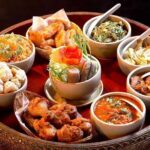
I especially like the sheer amount of food—15+ tastings in about four hours—so you can sample spices, dips, curries, noodles, and even jungle greens without committing to one big meal. I also like how the guide keeps things organized: bottled water shows up at each stop, and you’ll get practical pointers on what you’re tasting and how to eat it.
One big consideration: the tour isn’t suitable for vegetarians, pescatarians, or a no-pork diet, and it may be a bad fit for certain severe allergies (including shellfish and peanuts). If you have diet constraints, you’ll want to check what can be swapped before you book.
In This Review
- Key things to know before you go
- Night markets, Northern Thai flavors, and why Burmese influence matters
- Price and timing: what $59 really buys you
- Meeting at Wat Lok Moli and riding the rod daeng around town
- Stop-by-stop: how the tastings usually unfold
- Stop 1 (about 1 hour): first tastes of Northern spices and greens
- Stop 2 (about 2 hours): markets, street stalls, and the Burmese influence thread
- Stop 3 (about 1 hour): Wararot Market by the Ping River
- What you’ll learn (and how it changes what you order next)
- Diet limits and allergies: plan, don’t hope
- Transport, walking, and how to stay comfortable
- Who this tour fits best (and who might skip it)
- Should you book Northern Flavours Chiang Mai Food Tour with 15+ Tastings?
Key things to know before you go
- 15+ tastings across street stalls and tucked-away spots, so you’ll leave well fed
- Max 8 people, which makes it easier to ask questions and adjust pace
- Rod daeng/songthaew-style transport helps you cover ground without a long slog on foot
- Burmese influence on Northern Thai cooking is a core theme, not just a side note
- Ends at Wararot Market near the Ping River, a solid place to keep eating if you’re not done
- Not for certain diets and severe allergies, so plan ahead
Night markets, Northern Thai flavors, and why Burmese influence matters
Chiang Mai food has a reputation for being its own world. What this tour does well is show you why. Instead of only pushing the most famous Thai hits, you move through Northern-style stalls and specialty spots while your guide connects dishes back to plant life, local history, and Burmese influence.
That Burmese angle is more than trivia. It helps you understand why some Northern Thai dishes lean into deeper spice blends, different textures, and tastes that don’t always match what you’d expect from Central Thailand staples like green curry or pad Thai. As you try dips, curries, and noodle dishes back-to-back, the story makes the flavors easier to remember.
And because the group is capped at eight, you’re not stuck listening while half the table doesn’t hear. You can ask what something is, how spicy it will be, or what ingredient to watch for.
You can also read our reviews of more food & drink experiences in Chiang Mai
Price and timing: what $59 really buys you
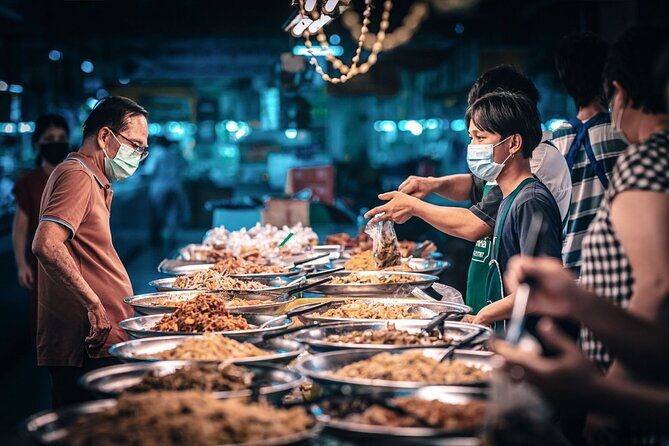
At $59 per person for about four hours, this tour is priced like an activity—not a simple walking tasting. The value comes from three things:
- Portions are designed for sampling. You’re not buying one full dish; you’re stacking lots of smaller tastings, which adds up fast.
- The count is explicit: 15+ tastings. Most food tours in Chiang Mai don’t clearly promise that many stops.
- You get water and local soft drinks included, which matters in Chiang Mai heat and humidity.
Timing-wise, you’ll be eating across the evening’s street-food rhythm: first introductions, then a longer stretch of market and stall time, then a final stop around Wararot Market. It’s built for people who arrive hungry and want to leave with a list of what to order later on your own.
If you’re worried about value, here’s a simple check: if you’re the type who likes variety and hates ordering the same thing twice in one trip, this is the sort of tour that pays off.
Meeting at Wat Lok Moli and riding the rod daeng around town
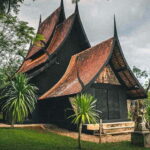
Your tour starts at Wat Lok Moli, at 298/1 Manee Nopparat Rd, Si Phum, Mueang Chiang Mai. There’s no pickup or drop-off from your hotel, so you’ll want to plan how you’ll get there (public transportation is nearby, but you may still use a taxi or grab-style ride).
Once the group meets, the tour moves by a rod daeng / songthaew truck. That detail sounds small, but it changes the feel of the evening. You’re not stuck bouncing from one distant spot to the next on foot. You can spend more time actually eating, less time waiting in lines, and you still get that street-life experience.
In the best versions of this tour style, the guide also handles the in-between moments—where to stand, when to line up, and bathroom or wipe breaks. People specifically call out that water is available at every stop, and the guides show up prepared with napkins/wipes and good organization.
Stop-by-stop: how the tastings usually unfold
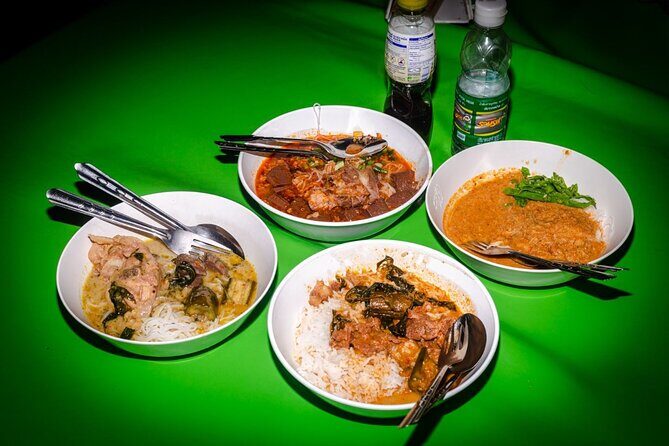
You’ll be out for about four hours with three main segments. The exact dishes can vary by vendor availability, but the format stays consistent: you’ll try multiple Northern-style items, get explanations on what you’re eating, and keep rolling.
Stop 1 (about 1 hour): first tastes of Northern spices and greens
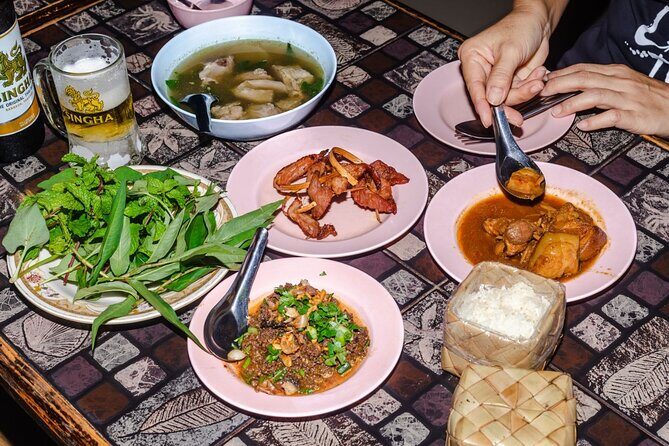
The tour starts by setting expectations. This first hour is usually where you get your bearings and your first wave of flavor. Expect a mix of Northern Thai staples like spice blends, dips, and dishes that show off the region’s plant ingredients—think jungle greens and earthy vegetables alongside more familiar street-food components.
This is also where the guide’s teaching style starts to click. If you like food history that connects to the plate (rather than long lectures), this part matters. You’re learning what to notice before the food load gets serious.
What to watch for: pace yourself. The portions are “tasting-sized,” but you’ll stack them for the next couple hours.
You can also read our reviews of more tours and experiences in Chiang Mai

Stop 2 (about 2 hours): markets, street stalls, and the Burmese influence thread
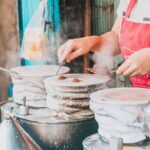
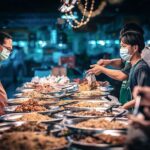
This is the main stretch. You’ll hit street eats and fresh market areas around Chiang Mai. It’s also where Burmese influence becomes a running theme, giving you a reason to remember the tastes later.
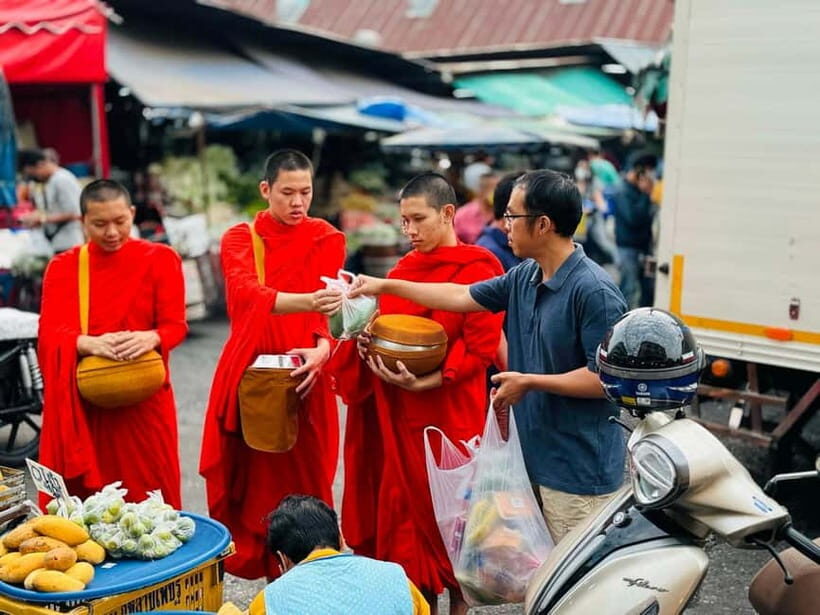
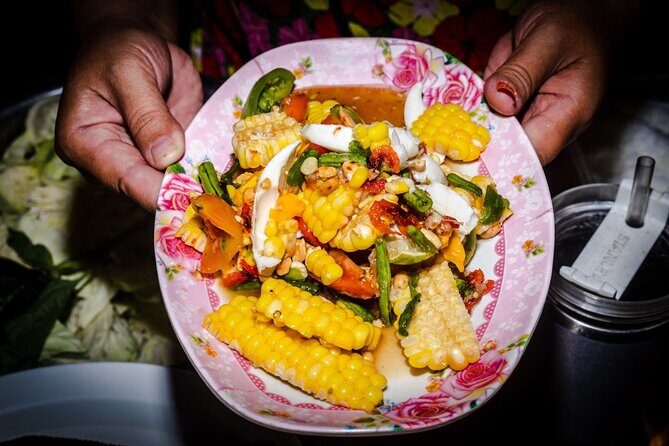
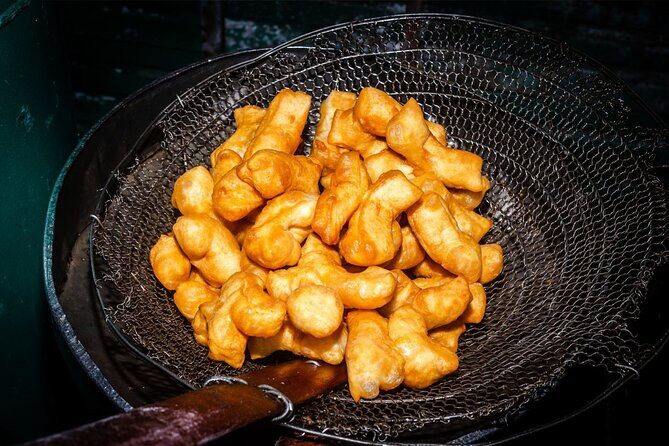
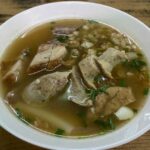
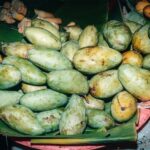
A lot of the standout items people cite fall in this phase—crispy pork belly, mangosteen, and corn salad are mentioned as favorites, plus other bites that push beyond the typical tourist menu. Some people even try unusual items like silk worm. That doesn’t mean it’s for everyone, but it does show the tour is willing to take you beyond the safe list.
Practical note: expect a mix of textures—crisp, fresh, saucy, and sometimes spicy. Having water and local soft drinks included helps you reset between stops without slowing the group down.
Also, you might get little guidance on eating style: how a dish is meant to be combined, whether it’s best with herbs, or how to manage spice so you keep tasting instead of sweating through the night.
Stop 3 (about 1 hour): Wararot Market by the Ping River
The tour wraps up at Wararot Market along the Ping River. This is a great ending point because it’s not just a random stop—it’s an area where you can keep browsing after the guide finishes up, especially if you want to compare what you tasted on the tour with what you see on your own.
People mention “local hospitality” here and the chance to meet new friends. Even if you don’t chat much, the benefit is that Wararot gives you an easy next step: you know what to order, what to look for, and how to recognize a Northern-leaning item by smell, color, and texture.
If you’re still hungry (and many people are), this is the moment to follow your curiosity—just don’t forget you still need water and a little pacing.
What you’ll learn (and how it changes what you order next)
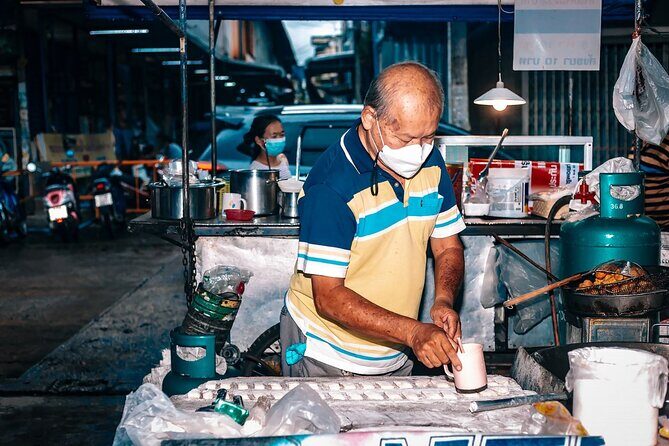
This tour isn’t built like a lecture tour, but it does teach. The biggest “aha” theme is how Burmese influence shaped modern Chiang Mai cuisine. When your guide explains the origins of recipes and ingredients as you eat, you start tasting with context instead of just guessing.
You’ll also get a sense of how plant life and local history affect Northern Thai food. That matters because Northern Thai cooking often leans into herbs, greens, and spice blends that don’t always show up in Central Thai menus.
After you’ve gone through 15+ tastings, you’ll likely find your future ordering gets easier. You’ll know what to look for when you see a dish name on a menu, and you’ll understand why certain flavors feel “Northern” rather than generic Thai.
Diet limits and allergies: plan, don’t hope
Here’s the honest part. This tour isn’t suitable for:
- Vegetarians
- Pescatarians
- No pork diets
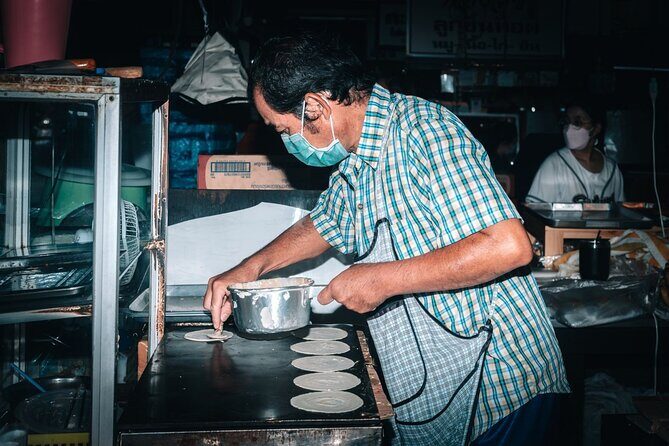
Street vendors often have limited substitutions, and the tour is built around tasting across that setup. If you avoid pork or meat broadly, you may end up missing too many dishes to make the tour worth it.
Allergies are also handled with care:
- It isn’t suitable for shellfish or peanut allergies
- Other severe allergies may require dishes to be missed
If you’re unsure, don’t guess. Message the provider before booking and ask what can be swapped. The tour can be amazing, but it’s not designed as an allergy-friendly tasting menu.
Spice level is another real-world factor. Northern Thai food can be spicy, and you’ll likely taste multiple dishes in one sitting. If you’re sensitive, you’ll want to pace and use water strategically.
Transport, walking, and how to stay comfortable
The tour is mostly about eating, not hiking. There is some light walking between stops, but the main movement is done by the dedicated truck. That means you can focus on food while still getting out into the streets and market areas.
A few comfort tips:
- Wear something you can move in and that won’t trap sweat.
- Bring your own small pack of wipes even though the guide typically carries napkins/sanitizers.
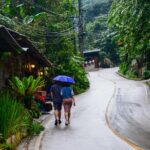
- If you’re visiting in rainy season, bring an umbrella since the tour operates in all weather.
- Expect lots of food. Small portions add up fast, so eat slowly and take breaks when you need to.
There’s also a mobile ticket, so you won’t be fussing with paper tickets mid-night.
Who this tour fits best (and who might skip it)

This is a strong fit if you:
- Love eating a lot of different Northern Thai dishes in one evening
- Want more than the usual pad Thai tour script
- Like learning how recipes and ingredients connect to regional history
- Prefer a small group (max eight), with time to ask questions
This is less ideal if you:
- Need vegetarian, pescatarian, or no-pork options
- Have shellfish or peanut allergies
- Prefer a sit-down meal over street-food variety
One thing to know: the best experience comes from going in hungry and staying flexible. If you want a “choose one dish and relax” style, this won’t match that vibe.
Should you book Northern Flavours Chiang Mai Food Tour with 15+ Tastings?
Yes, if you want a practical shortcut to Chiang Mai’s Northern food identity. For $59, you’re paying for quantity, variety, and context: 15+ tastings, water included, small group size, and a guide who links Burmese influence and Northern ingredients to the food you’re actually eating.
Book it if you’ll use the ending point wisely. Wararot Market near the Ping River is a strong place to continue on your own, and the tour helps you know what to hunt for next.
Skip it or ask extra questions first if your diet or allergies narrow your options. In that case, the tour’s street-food style can limit what you can safely eat.
If you’re the kind of person who likes ordering boldly, trying odd-but-fun items, and learning while you snack, this tour is one of the better bets in Chiang Mai.