REVIEW · CHIANG MAI
Half Day Evening Cooking Class with Market Tour in Chiang Mai
Book on Viator →Operated by Yummy Tasty Thai Cooking School · Bookable on Viator
Northern Thai food tastes different for a reason. This half-day evening cooking class pairs a real market stop with hands-on cooking, capped at a small group.
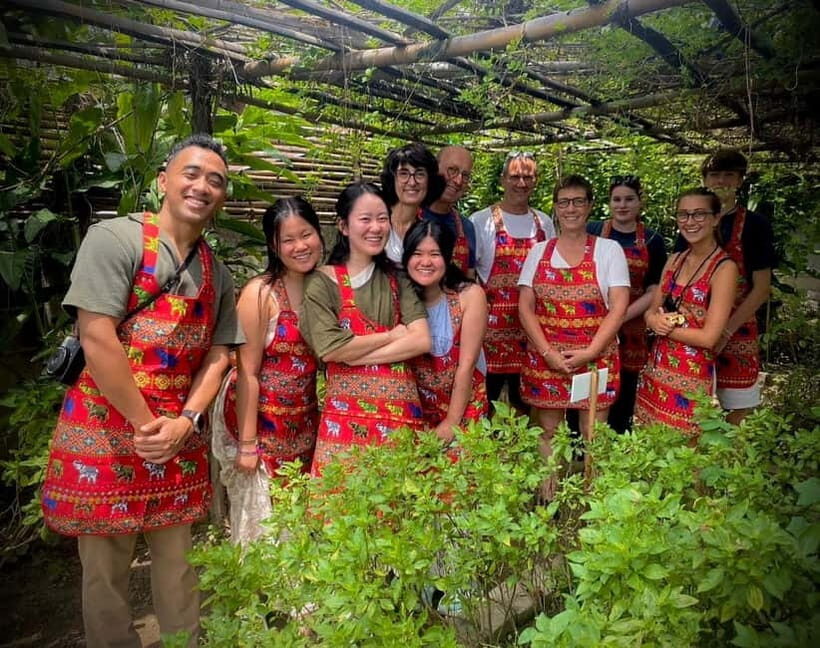
What I like most is the small class size (max 10 people) and the way your instructor keeps things moving so everyone can cook. You also get a market run to pick fresh ingredients before you touch the stove.
One thing to watch: with a 3:30 pm start, you’ll want to pace your day and not overeat beforehand, so the meal hits right.
In This Review
- Key highlights worth planning around
- Northern Thai Flavors, in a Small Group With Real Coaching
- Kad Kom Market: Where Your Menu Starts
- From Market to the Stove: How the Class Runs
- Choose Your Dishes and Get Spice Tuned to You
- The Teaching Style: Humor, Pace, and Everyone Cooks
- What You Eat and What You Can Use Later
- Pickup, Timing, and Meeting Point Practicalities
- Price Check: $29.34 for Market Shopping and Dinner-Style Cooking
- Who This Evening Class Is Best For
- Should You Book This Chiang Mai Evening Cooking Class?
- FAQ
- How long is the cooking class in Chiang Mai?
- What time does the class start?
- Is hotel pickup available?
- Is there a market stop included?
- How big is the group?
- What if the class needs a minimum number of people to run?
Key highlights worth planning around

- Kad Kom Market ingredient shopping to match what you’ll actually cook
- Pick-your-own menu from the options your class provides
- Small-group pace so you’re not just watching from the back row
- Spice adjusted to your tolerance, with help as you go
- Instructors with personality like Sky, Noodle, and Mango, who keep it fun and clear
Northern Thai Flavors, in a Small Group With Real Coaching
Chiang Mai food is not just Thai food with a different label. Northern dishes often lean more into aromatic herbs, bold sauces, and flavor balance that feels distinct from what you’ll taste elsewhere in Thailand.
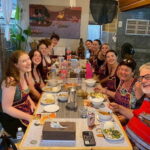
This class gives you that context while still focusing on the practical stuff: what to buy, what to chop, what to taste for, and how to adjust. The group stays small (up to 10), so you’re less likely to get stuck waiting for attention when you’re holding a knife and a pan.
Another big win is the variety of instructors you may meet. I saw names like Sky, Noodle, and Mango tied to great experiences, and the common thread is clear, friendly teaching. You can expect humor and real coaching, not just a script.
You can also read our reviews of more shopping tours in Chiang Mai

Kad Kom Market: Where Your Menu Starts
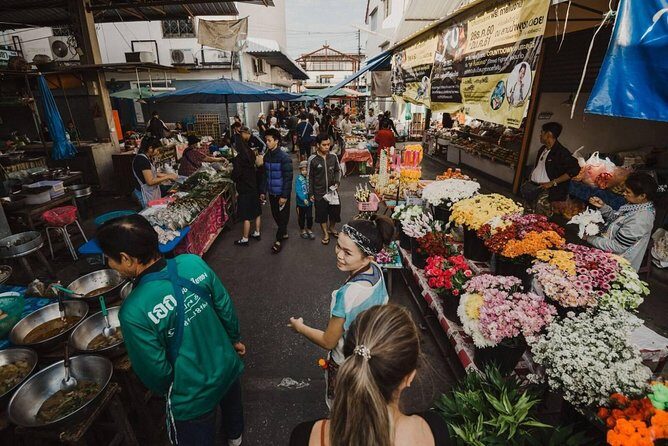
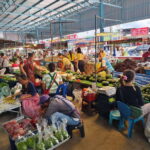
The class begins with a visit to Kad Kom Market. This matters because Thai cooking works best when ingredients are fresh and chosen with purpose, not grabbed from a generic supermarket shelf.
You’ll shop for what you need, guided through the thinking behind the ingredients. Market time also gives you something extra to do besides cooking—seeing how people select produce, herbs, and other staples for everyday meals.
A practical tip: if you’re the type who likes to compare smells and textures, this is your moment. Ask questions while you’re shopping, because you’ll remember what you picked when it shows up later in your pan.
If you’re sensitive to heat, consider wearing breathable clothing and bringing water. Markets in Chiang Mai can feel busy and warm, and you’ll be moving around.
From Market to the Stove: How the Class Runs
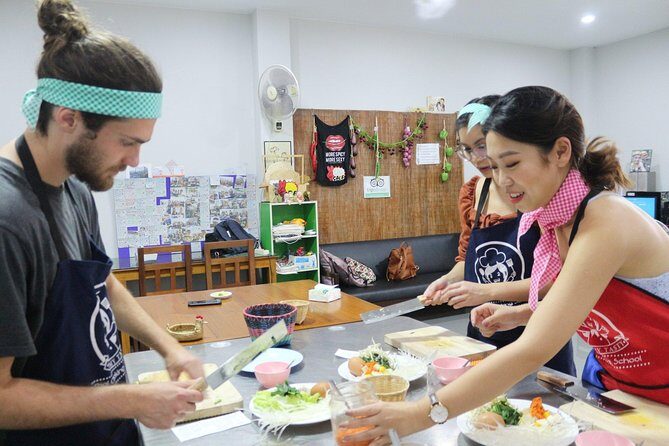
After the market stop, you move into the cooking phase (the experience ends back at the meeting point). The structure is designed so you can cook multiple dishes during the session, not just one and then sit down.
A key detail here is the pace: courses have a rhythm, and there’s time to eat rather than rush through everything. One review described transitions that felt smooth, with staff quietly handling cleanup between rounds so the class could keep going without chaos.
You can also expect a comfortable, done-for-you setup for cooking. Reviews specifically mention the cooking area being clean and smooth, which is exactly what you want when you’re trying to focus on technique.
This is a 4-hour-style experience, starting at 3:30 pm. That timing is great for an evening plan that still ends early enough to enjoy the rest of Chiang Mai without feeling wiped out.
Choose Your Dishes and Get Spice Tuned to You
A big reason this class gets strong ratings is control. You’re not locked into a rigid menu where everyone eats the same thing. Instead, you pick from a set of dish options your class offers before or as the class starts, and your ingredient shopping matches your choices.
That flexibility helps if you have dietary limits or simply want to lean into the dishes you’re most curious about. It also makes the market stop more meaningful, because you can literally connect what you chose with what you’ll cook.
Spice control is another standout. Multiple experiences mention the instructor adjusting for spice tolerance. That means if you like it mild, you won’t feel punished, and if you like heat, you should have room to dial it up.
If you’re worried about comfort with Thai flavors, don’t be. The class is built for beginners, with real guidance while you cook and support when you ask questions.
The Teaching Style: Humor, Pace, and Everyone Cooks

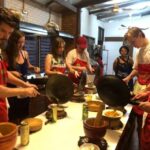
This isn’t a watch-and-learn show. The format pushes you into the action—chopping, mixing, tasting, and adjusting—while the instructor circulates and coaches.
Instructors like Sky and Noodle show up in reviews as engaging and patient, with teaching that stays clear even when multiple dishes are happening at once. Some classes can feel like a factory line; here, the coaching style seems designed to keep you on track without making you feel rushed.
You’ll also likely get lots of small technique tips that don’t show up in a recipe card. For example, how to handle seasoning timing, what to look for as sauces thicken, or how to build flavor step-by-step so the dish tastes right even if you tweak the amounts.
If you’re going solo, this setup is a plus. The small group size makes it easier to talk with others and keep the energy friendly rather than awkward.
You can also read our reviews of more tours and experiences in Chiang Mai


What You Eat and What You Can Use Later
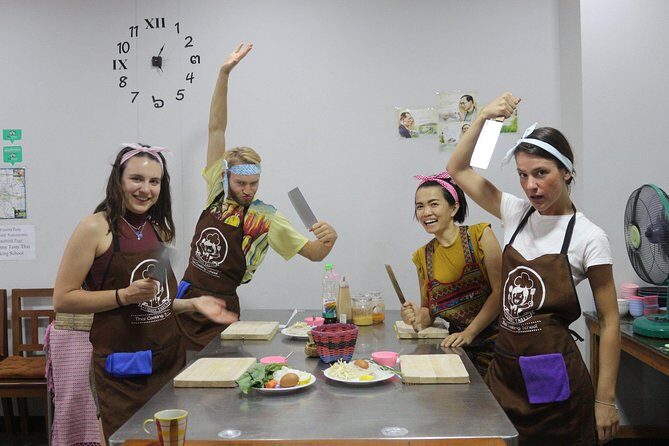
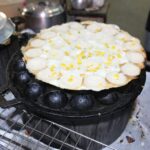
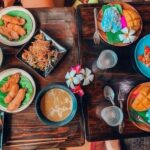
You’ll eat what you cook. That’s the payoff: you get to taste northern Thai dishes you helped make, and you learn how they should taste when they’re done right. Several reviews point out that the food was delicious and satisfying, with portions that make sense for a class meal.
Another practical bonus is the take-home value. The experience is designed to leave you with tailored recommendations for the rest of your vacation—basically, what to seek out in Chiang Mai based on what you enjoyed and how you like your flavors.
This is useful because Thai food advice online can be generic. A good cooking class helps you learn how to spot quality ingredients and how flavors should balance, so you can order with confidence later.
One more timing note: go easy on snacks beforehand. Reviews explicitly suggest not eating too much before the class, and I agree with the logic. You’ll taste better, learn more, and enjoy the meal instead of forcing it.
Pickup, Timing, and Meeting Point Practicalities

Hotel pickup is offered, which is a real quality-of-life perk in Chiang Mai, especially if you don’t want to figure out the exact meeting spot on your own. Pickup also reduces stress if you’re juggling other evening plans.
The class starts at 3:30 pm and ends back at the meeting point. If you use pickup, you don’t have to worry about transport to the market. If you’re not using pickup, the start point is at Kad Kom Market (address listed in the booking info).
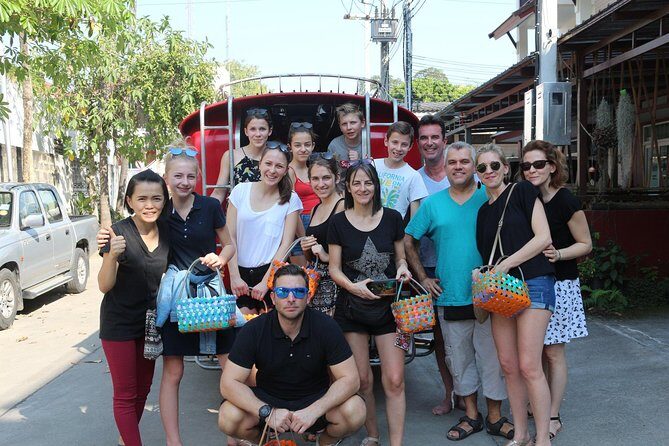
A few reviews mention strong service when traffic was heavy (including a second car arranged to keep people from being late during Songkran). That detail matters because evening roads can get unpredictable, and you want a team that plans around real-world conditions.
Also, the meeting point is said to be near public transportation. So even if you’re not in a hotel zone with easy pickup, you might still find it manageable to reach.
Price Check: $29.34 for Market Shopping and Dinner-Style Cooking
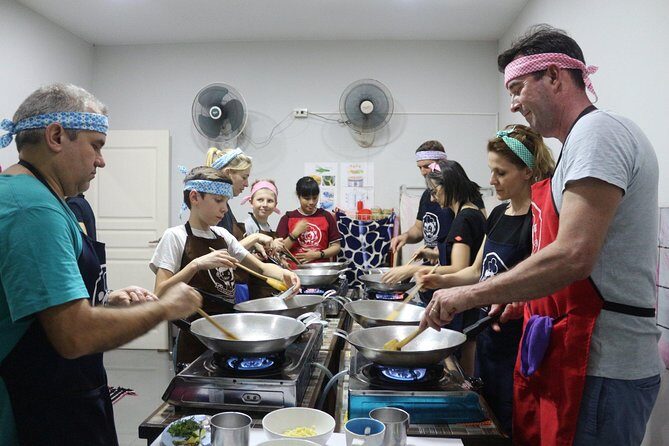
At $29.34 per person, this is priced like a budget-friendly cooking class, but it’s doing more than the cheapest options. You’re paying for two things that cost time and effort: market ingredient selection and a guided, hands-on cooking session with time to eat.
You’re also paying for value through group size. Max 10 travelers means your instructor’s attention is more likely to reach you, and you’re less likely to get rushed while you cook.
If you compare this to doing Thai cooking without guidance—like buying ingredients and trying at home—you’re also paying for technique coaching, spice adjustment, and the flavor logic that makes the dish work. That’s the part that’s hard to get from a recipe alone.
For travelers who want an authentic food experience without spending a big chunk of their day, the price feels fair—especially for a class that lasts about 4 hours.
Who This Evening Class Is Best For
This class fits well if you want northern Thai food with context, not just a cooking demo. It’s also ideal if you enjoy markets and want to connect what you buy to what you cook and eat.
It’s a strong pick for couples, friends, and solo travelers because the group stays small and the instruction seems supportive. Families with kids can work too, since reviews mention a positive experience with children—especially with instructors who keep things fun and manageable.
If you’re short on time, the late-afternoon start is a smart way to fit in an activity that still leaves your evening open. And if you’re picky about spice, the class’s ability to adjust to your tolerance is a real advantage.
Should You Book This Chiang Mai Evening Cooking Class?
Book it if you want a straightforward way to learn northern Thai cooking while actually eating what you make. The combo of Kad Kom Market, hands-on cooking, and a small group with friendly instructors like Sky, Noodle, or Mango is exactly the kind of experience that turns into real food confidence later in your trip.
Skip it only if you hate markets or you want a more private, one-on-one setting. Otherwise, for the price and the structure, this is a solid choice for a memorable Chiang Mai evening.
FAQ
How long is the cooking class in Chiang Mai?
It runs for about 4 hours.
What time does the class start?
The start time is 3:30 pm.
Is hotel pickup available?
Pickup is offered.
Is there a market stop included?
Yes. The experience includes a visit to Kad Kom Market to buy fresh ingredients.
How big is the group?
It has a maximum of 10 travelers.
What if the class needs a minimum number of people to run?
The experience requires a minimum number of travelers. If it’s canceled because that minimum isn’t met, you’ll be offered a different date/experience or a full refund.