REVIEW · CHIANG MAI
Chiang Mai: Ethical Elephant Encounter Feeding Program
Book on GetYourGuide →Operated by Elephant Jungle Sanctuary Chiang Mai · Bookable on GetYourGuide
One hour with gentle giants beats the rush. This ethical elephant encounter at EJS Chiang Mai focuses on rescued elephants in a natural setting, with a guide who explains what you’re seeing. You get to feed them and watch their social behavior up close, without the circus-style add-ons.
I especially like that the experience is run around elephant welfare: you’re guided on what’s allowed, and there’s no riding. I also like the pacing. At just 1 hour, you can fit it into a busy Chiang Mai day and still come away with real takeaways, from feeding basics to elephant communication and care.
One thing to plan for: it’s short, so don’t expect a long Q&A session or a slow, lingering visit. If you hate heat, know that the elephants can get warm and want to do their own “chill” thing, and the sanctuary can be a little remote for taxi logistics afterward.
In This Review
- Key things that make this encounter special
- Ethical elephant feeding at EJS Chiang Mai: what you’re signing up for
- Your 1-hour plan at the sanctuary: feeding, watching, learning
- Feeding time: how to get close without crossing the line
- What the guide teaches: elephant behavior, communication, and care
- Price and value: why $22 can make sense for a short stay
- Logistics that affect your day: timing, crowds, and where you’ll wait
- What to bring (and what to skip) for a comfortable visit
- Should you book this ethical elephant encounter in Chiang Mai?
- FAQ
- Where is the meeting point?
- How long does the experience last?
- How much does it cost?
- What’s included in the ticket price?
- What is not included?
- Do you have a live guide?
- Can I cancel for a full refund?
- Can I reserve now and pay later?
- What should I bring?
- What activities are not allowed?
Key things that make this encounter special
- 1-hour format that respects your time: get the core experience without losing a whole day
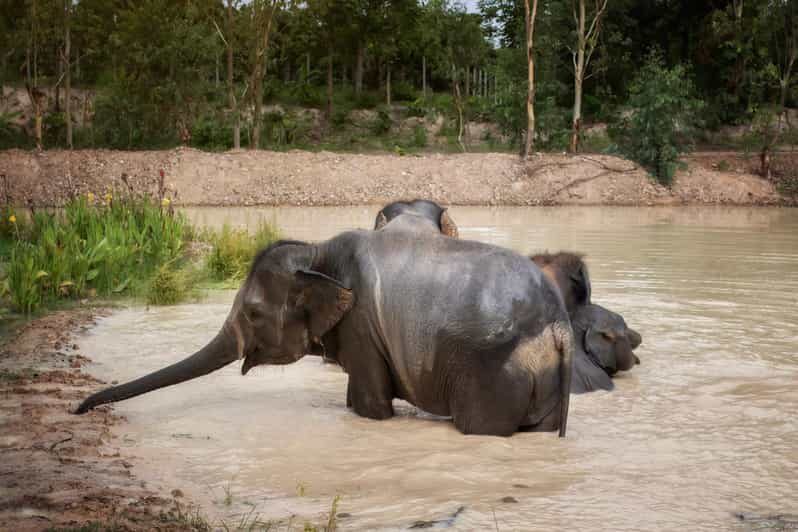
- Rescued elephants in a sanctuary setting: you’re there to observe and feed as instructed
- Education built in: learn elephant behavior patterns and how caretakers manage care and feeding
- Strict interaction rules: no riding, no independent feeding, no smoking
- Small-group moments possible: some time slots run with very few people
- Extra activities in some sessions: an education room and hands-on crafts like elephant dung paper
Ethical elephant feeding at EJS Chiang Mai: what you’re signing up for
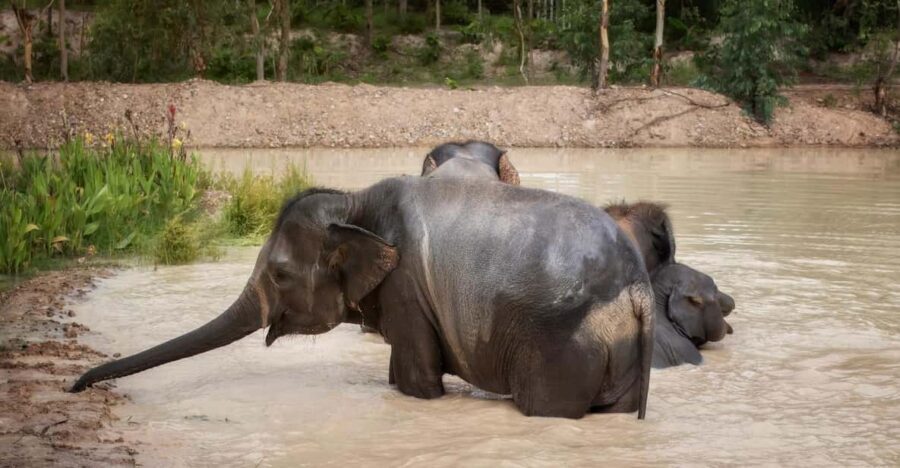
This isn’t the kind of elephant stop that centers on rides or staged tricks. The program is built around rescued elephants living in a sanctuary environment, where you meet them, feed them with elephant food provided, and learn how their day-to-day works.
The big value for you is simple: you get closeness without controlling the animals. You’re expected to follow the guide’s instructions about where you can stand and how interaction should work, because the whole point is to reduce stress and keep things safe for both sides.
Also, the rules matter. No riding is explicitly listed, and you’re not meant to feed animals on your own. That means the experience stays structured, and you’re less likely to end up doing the usual visitor mistakes like rushing, crowding, or ignoring staff guidance.
You can also read our reviews of more tours and experiences in Chiang Mai.



Your 1-hour plan at the sanctuary: feeding, watching, learning
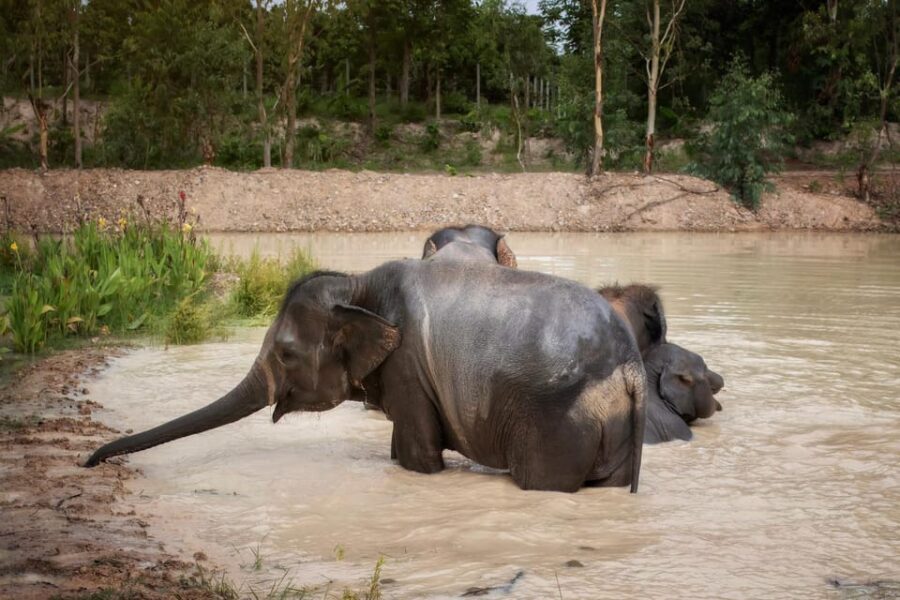
Plan on arriving 10 minutes early at the sanctuary. It’s a small window, but that buffer helps you get oriented so you’re not rushed in the heat with a phone at 5% battery.
Most of the time is spent in the same general flow:
- You meet your live guide (English and Thai available).
- You watch the elephants, learn what to notice, and then do the feeding part with the elephant food included.
- You get a little extra education and, in some cases, an additional activity.
Here’s where the “short” format helps. You’re not waiting around for long transfers between far-flung stops. Instead, you’re focused on the moments that actually teach you something: feeding and observation.
A couple of optional-style elements show up in the experience package depending on the session. Some guides lead visitors through an elephant education room, and some groups add a fun, hands-on craft activity like elephant dung paper or elephant poo cards. If you like learning paired with something creative, this can be a nice bonus.
Feeding time: how to get close without crossing the line

Feeding is the headline, but the guide keeps it calm and controlled. You prepare special treats (the program provides the food), and you feed the elephants as directed. The experience is designed so you can see them up close while still keeping the interaction respectful and safe.
The best move for you is to keep your expectations practical:
- Follow instructions on when to feed and how to handle the food.
- Stay where the guide tells you to stay.
- Don’t improvise. If it feels unclear, ask in the moment rather than guessing.
The rules list a few clear boundaries: no riding and smoking isn’t allowed. The most useful one, though, is the one that prevents chaos: you aren’t allowed to feed animals on your own. That’s a good sign. It means you won’t be left alone with a bag of food while things get messy.
You’ll also notice how much the elephants drive the pacing. They’re not “performing” for you. One visitor noted that they like to chill, especially when it’s hot—so you might see a lot of calm standing, shifting, and social behavior rather than nonstop action.
What the guide teaches: elephant behavior, communication, and care
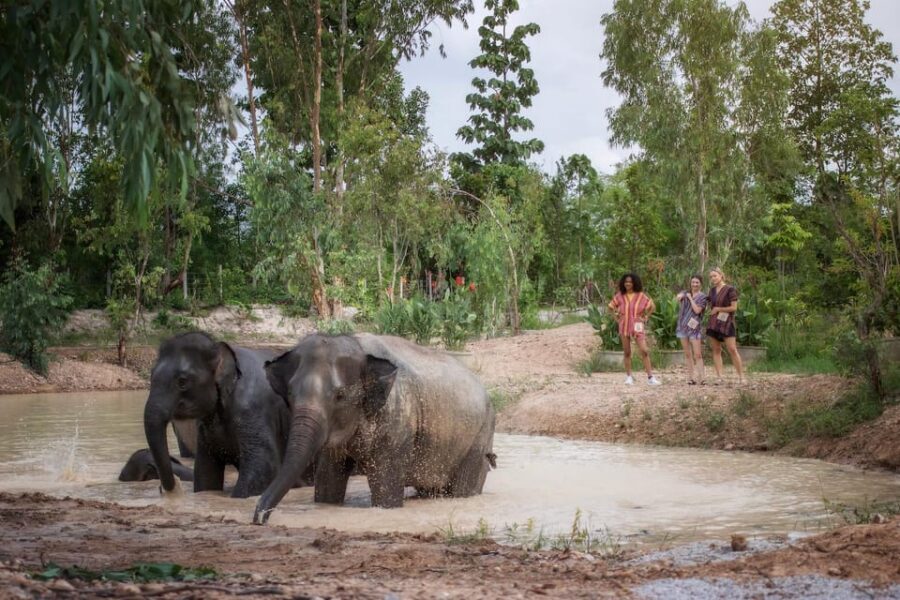
This experience leans hard on interpretation. Your live guide explains elephant behavior and history, and you learn fun facts about their care and feeding. That’s the difference between a photo session and an actual learning moment.
You’ll likely pick up ideas like how caretakers think about the elephants’ routines, plus what to look for in social behavior. Several people highlighted the guides as friendly, funny, and full of knowledge, including one guide who shared a personal story about following in his father’s footsteps after his father retired.
That said, not every visit will feel equally “deep” for explanation. One person specifically wished for a bit more detail from the guide. So if you’re the type who loves lots of facts and long answers, go in ready to ask questions as soon as you can, and don’t wait until the end when time is tight.
Price and value: why $22 can make sense for a short stay

At $22 per person for a 1-hour encounter, this sits in the “short and sweet” category. The big question is: what’s actually included?
Here’s what you get with the ticket:
- Accident insurance
- A free drink per 1 ticket
- Elephant food
You do not get transportation to and from the activity, and meals aren’t included. That matters for value, because Chiang Mai can mean extra time (and cost) getting to a more remote sanctuary.
So the value math for you goes like this:
- If you’re already in the Chiang Mai area and can handle local transport easily, this price is reasonable for what you’re getting: a guided, welfare-focused encounter plus feeding.
- If you’ll need a taxi wait or more complicated pickup, factor that in. One review mentioned that after the tour, they had to wait a long time to get a ride back, so it’s smart to plan how you’ll leave.
Where this price shines is for travelers who don’t have a full day for elephants. If you’ve already got other Chiang Mai plans and you still want that up-close connection, this format is often a good fit.




Logistics that affect your day: timing, crowds, and where you’ll wait
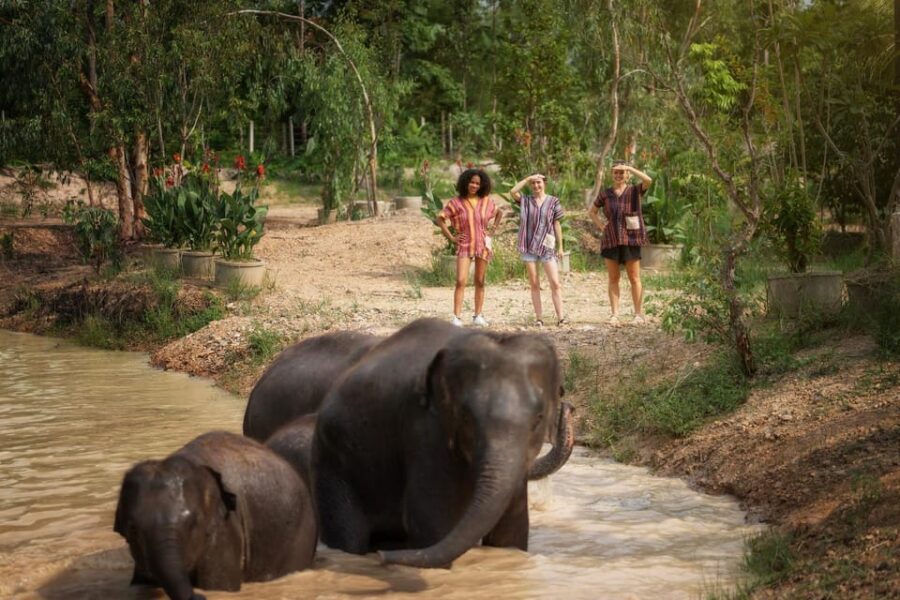
The schedule is built around starting times, and the tour runs 1 hour. That’s helpful because you’re less likely to lose half your day to timing issues.
Crowd levels can vary by time slot. People noted that going earlier in the morning can help you avoid big crowds. If you want a calmer experience—more elephants, less shoulder-to-shoulder energy—morning is the move.
Also, the sanctuary can feel a bit remote. If you rely on a Grab or taxi, you should think about pickup timing before you arrive. One visitor said they had trouble booking another ride afterward and ended up needing to wait, so having a backup plan for transport is smart.
Finally, keep in mind that you’re outdoors enough to deal with real Chiang Mai sun. That’s not a deal-breaker, but it does change how you should pack and pace yourself.
What to bring (and what to skip) for a comfortable visit
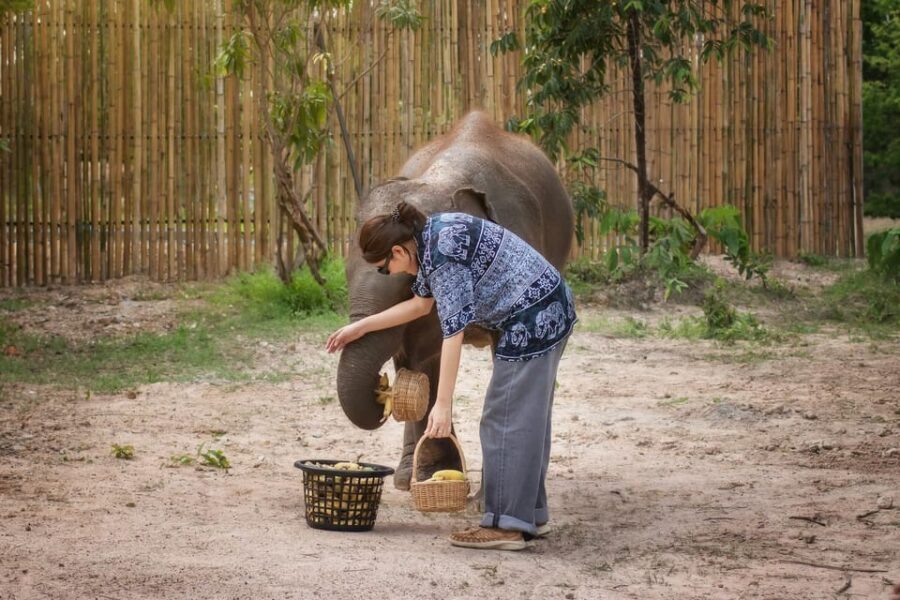
This is where you can make the experience smoother fast. The program lists a clear packing list, and it matches how these encounters feel in real life: outdoors, sun, and some walking.
Bring:
- A hat
- Sunscreen
- Water
- Comfortable clothes and shoes
- Insect repellent
- A camera
Skip:
- Smoking (not allowed)
- Anything that counts as independent feeding
- Riding the elephants (not allowed)
If you want one practical tip, it’s water plus shade breaks whenever you can. Even if you’re not walking all over, you’ll still feel the sun while you’re watching and waiting for your feeding moment.
Also, camera planning helps. You’ll be close, but you don’t control the elephants’ movement, so strap your camera securely and avoid fumbling at feeding time.
Should you book this ethical elephant encounter in Chiang Mai?
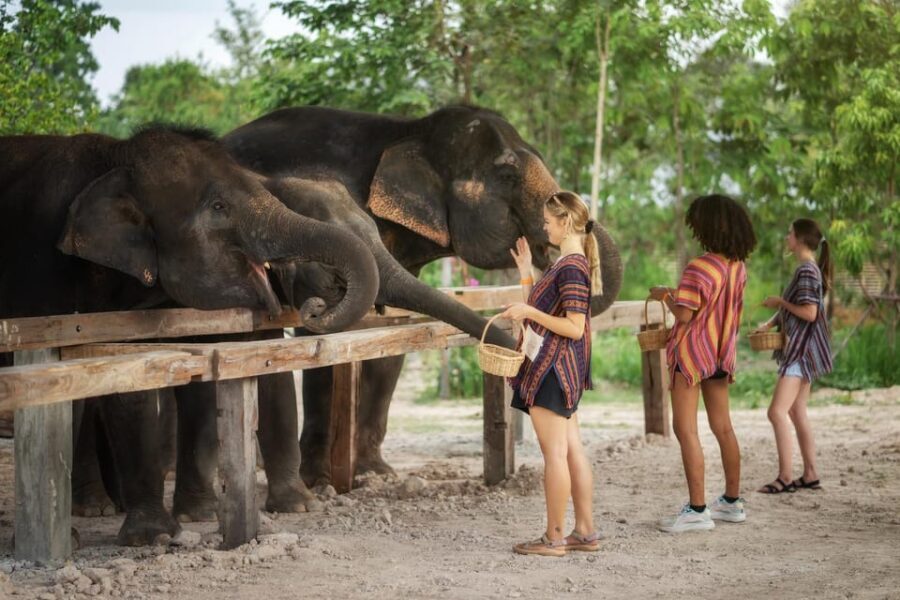
I’d book this if you want a welfare-focused elephant experience in a tight time window. The 1-hour structure makes it ideal when you’re short on time but still want something more meaningful than a quick roadside stop. You’ll get education, feeding, and a calm sanctuary atmosphere, plus extras like an education room or crafts in some sessions.
I wouldn’t book it if you’re looking for a long, slow, full-day deep dive with lots of time to talk at length, or if your ideal elephant day is lots of riding and nonstop entertainment. This experience is deliberately controlled, and that’s the point.
If you can handle a short visit and you’re willing to follow the guide’s interaction rules, this is a strong match for most Chiang Mai itineraries—especially morning slots when you want fewer people around.
FAQ
Where is the meeting point?
Meet at the sanctuary 10 minutes before the start time.
How long does the experience last?
The tour duration is 1 hour.
How much does it cost?
The price is $22 per person.
What’s included in the ticket price?
Included items are accident insurance, a free drink per 1 ticket, and elephant food.
What is not included?
Transportation to and from the activity and meals are not included.
Do you have a live guide?
Yes. A live tour guide is provided, in English and Thai.
Can I cancel for a full refund?
Yes. You can cancel up to 24 hours in advance for a full refund.
Can I reserve now and pay later?
Yes. The listing offers Reserve now & pay later, where you can book your spot and pay nothing today.
What should I bring?
Bring a hat, camera, sunscreen, water, comfortable clothes, and insect repellent.
What activities are not allowed?
Smoking, feeding animals on your own, and riding the animals are not allowed.