REVIEW · CHIANG MAI
Chiang Mai: Temple & City Tour Part II
Book on GetYourGuide →Operated by Journey D Travel · Bookable on GetYourGuide
Four temples, one morning walk, and lots of history. This tour strings together Wat Chiang Man and the Shan and Burmese temple world around Chiang Mai, so you don’t just see pretty buildings—you get the why behind them.
I love the storytelling focus: Wat Chiang Man’s 1296 roots under King Mengrai, and the temple’s crystal Buddha connection. I also like that the guide doesn’t treat it like a quick photo sprint—people come away learning basic temple etiquette and even Buddhism-practice basics, with guides like Eddy, Son, Big, and Katoon known for teaching and taking helpful pictures.
The main consideration is simple: you’ll be walking in Chiang Mai heat for hours, so bring a plan for shade, water, and rest—or your feet will complain first.
In This Review
- Key highlights you’ll care about
- A calm walking format that lets temples sink in
- Wat Chiang Man: Chiang Mai’s oldest temple and the crystal Buddha link
- Wat Chiang Yuen: a 16th-century Shan residential temple story
- Wat Pa Pao: Shan-Burmese style outside the old city walls
- Wat Ku Tao: the chedi built in 1613 for Prince Saravadi’s ashes
- Guides really shape the experience: teaching, etiquette, and photos
- Price and value: is $31 a good deal for a day of temples?
- Timing and heat: how to set yourself up for comfort
- What’s included (and what you’ll handle)
- Dress code and respect rules: small things that prevent big problems
- Who this tour suits best (and who might skip Part II)
- Should you book Chiang Mai Temple & City Tour Part II?
- FAQ
- What time does the Chiang Mai Temple & City Tour Part II start?
- How many temples does the tour include?
- How long is the tour?
- What is the price?
- What’s included in the price?
- What isn’t included?
- What languages are the guides available in?
- What should I bring?
- Is the tour suitable for pregnant women or wheelchair users?
Key highlights you’ll care about
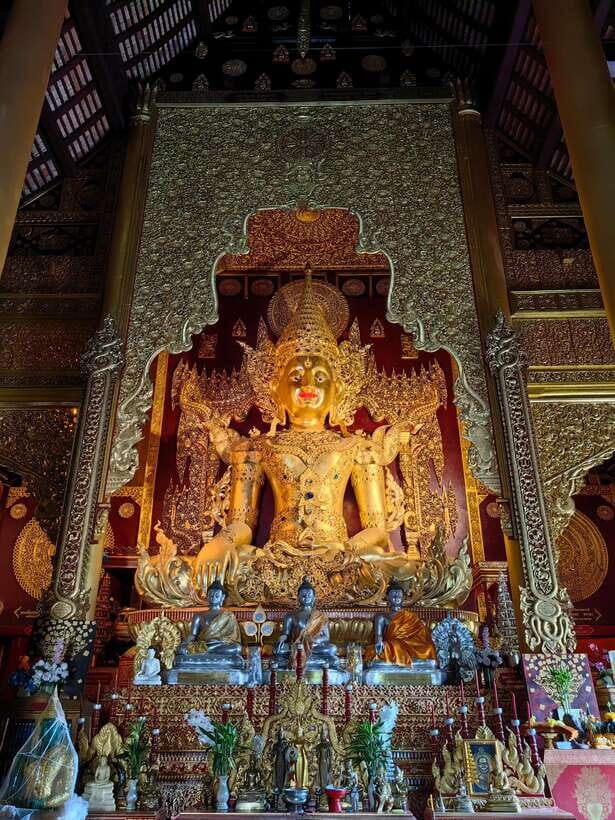
- Wat Chiang Man’s 1296 origin: Chiang Mai’s oldest temple stop with a crystal Buddha focus
- Wat Chiang Yuen’s Shan residential past: a 16th-century temple tied to Shan community life
- Wat Pa Pao’s Shan-Burmese style: Burmese influence outside the old city walls and moats
- Wat Ku Tao’s unusual chedi (1613): built for Prince Saravadi’s ashes, including his first Burmese overlord role
- Ex-monk style teaching (at times): guides who can explain Buddhism in plain, practical terms
- Photo help and pacing: stops feel unhurried, not rushed, with assistance on pictures
A calm walking format that lets temples sink in
This is a walking temple tour built for a slow, respectful pace. You start at 08:20 am, and you’ll move between four major temple stops, with the guide guiding the meaning behind what you’re seeing.
Because it’s on foot, you also notice the “ordinary” details: how people move through temple grounds, how visitors behave, and how worship fits into daily life. The tour is described as relatively easy walking, but easy doesn’t mean effortless—plan for steady time on your feet.
One extra point I appreciate: the tour is set up to prioritize offsetting carbon emissions and reducing environmental impact. It won’t change your itinerary, but it’s the kind of detail that signals the operator is thinking beyond just ticking off attractions.
You can also read our reviews of more city tours in Chiang Mai
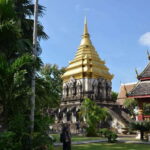
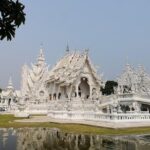
Wat Chiang Man: Chiang Mai’s oldest temple and the crystal Buddha link
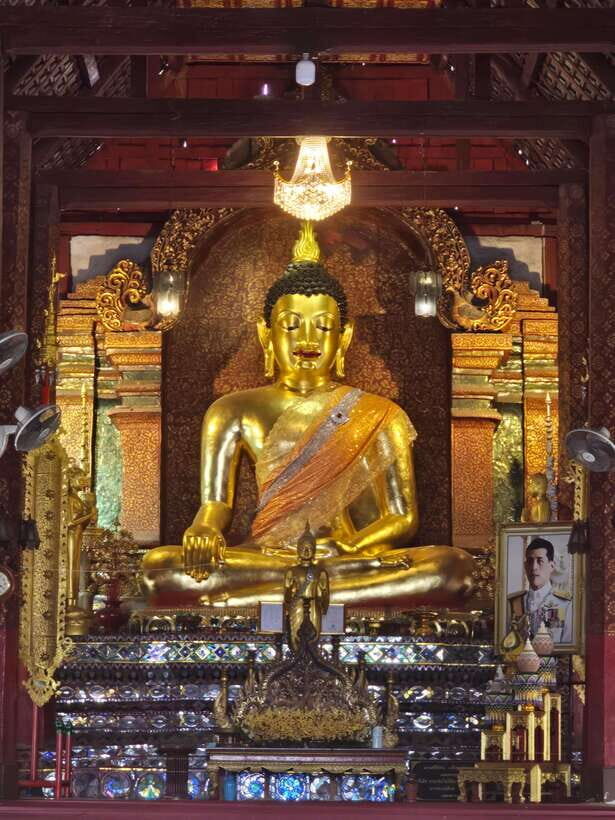
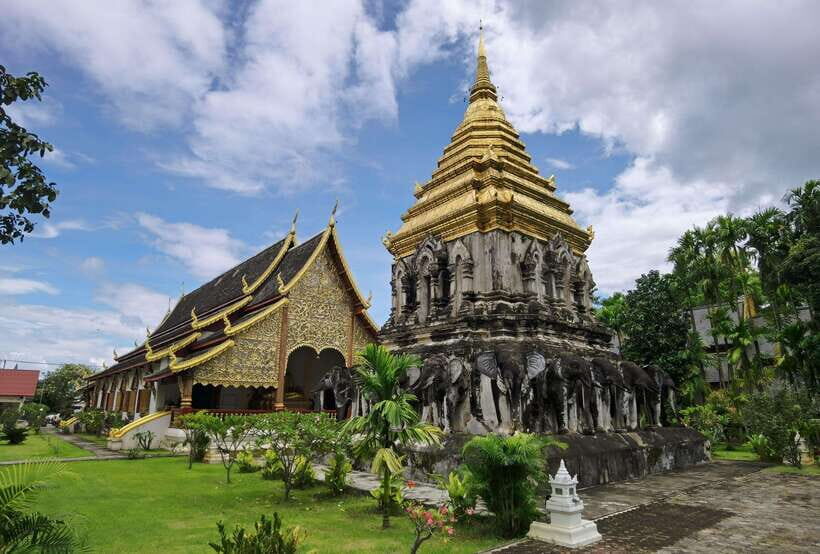
Your first stop is Wat Chiang Man, described as the oldest temple in Chiang Mai town. It was built in 1296 by King Mengrai, and it’s known for enshrining a crystal Buddha statue.
This temple works well as an opening act because it anchors the day in Chiang Mai’s early religious roots. The guide’s job here is to help you see past the surface—why this temple matters, and how those older layers show up in what you notice on-site.
A practical tip: arrive mentally ready to slow down. Even if you’re in “see-it-all” mode, this is one place where it pays to stand, look, and listen. That’s also where good guides shine—people in this tour are repeatedly praised for sharing temple-prayer basics and etiquette so you don’t feel like you’re interrupting something sacred.
Wat Chiang Yuen: a 16th-century Shan residential temple story
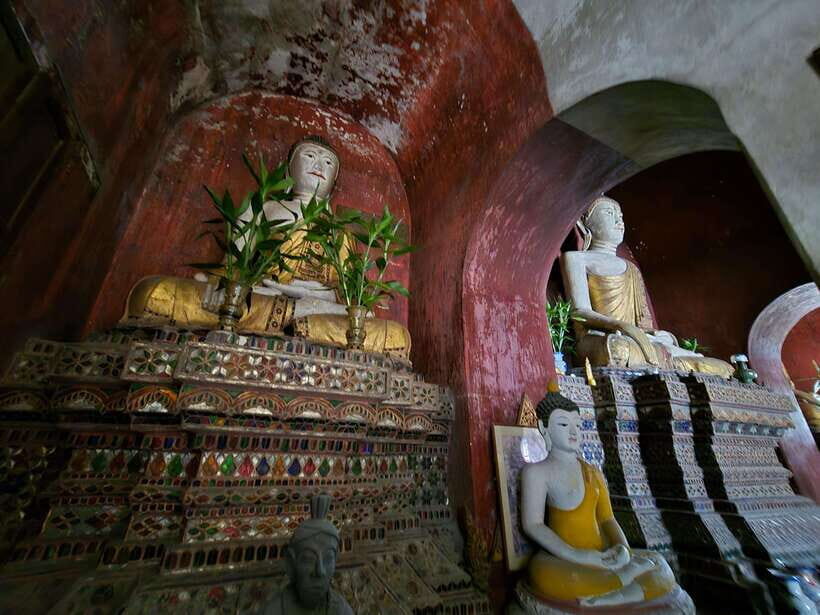
Next is Wat Chiang Yuen, a standout stop because it’s tied to people, not just architecture. The temple area once served as the residential area of the Shan people, and the temple itself dates to the 16th century.
This is where the tour becomes more than sightseeing. You’ll start connecting temple spaces to community life—who lived nearby, how a cultural group shaped religious spaces, and why Chiang Mai isn’t one single cultural lane.
What you’ll likely enjoy here is the way the guide frames context. Instead of treating Wat Chiang Yuen like a separate “random temple,” you get it as part of a larger story about Shan influence in the region. It’s the kind of context that makes details click, even if you’re not a temple-history person.
Wat Pa Pao: Shan-Burmese style outside the old city walls
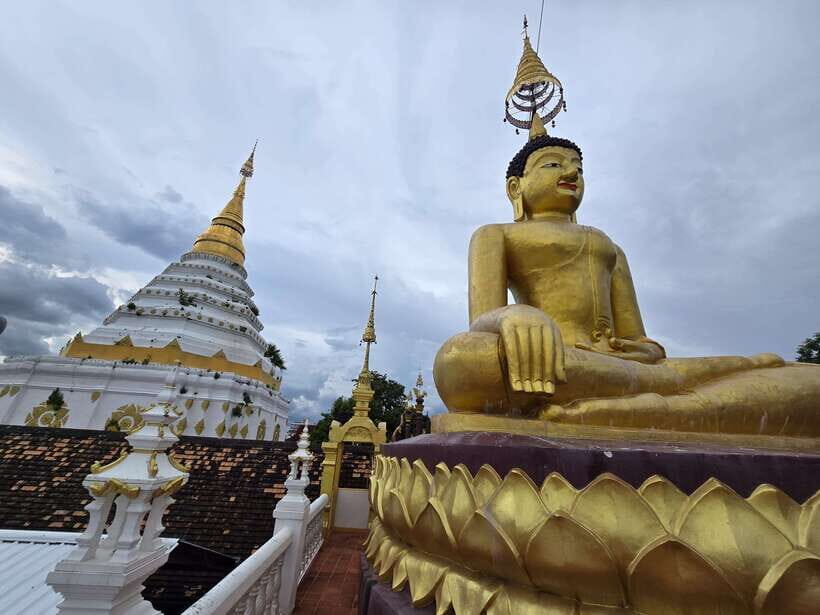
The tour then heads to Wat Pa Pao, described as a Shan Burmese style temple. It’s located outside the old city walls and moats, which matters because it changes the feel of the stop.
Temples outside the old moat-and-wall zone often feel less “tour loop” and more tied to how the city grew. In other words: you may feel like you’re walking into a different chapter of Chiang Mai, not just moving to another postcard.
The value here is how the guide links style to story. When you learn what Shan-Burmese influence looks like in temple design and cultural practice, the architecture starts to make sense—not just look impressive. If you’re the type who likes to ask questions, this is a good day for it, since the tour is praised for answering many questions patiently.
Wat Ku Tao: the chedi built in 1613 for Prince Saravadi’s ashes
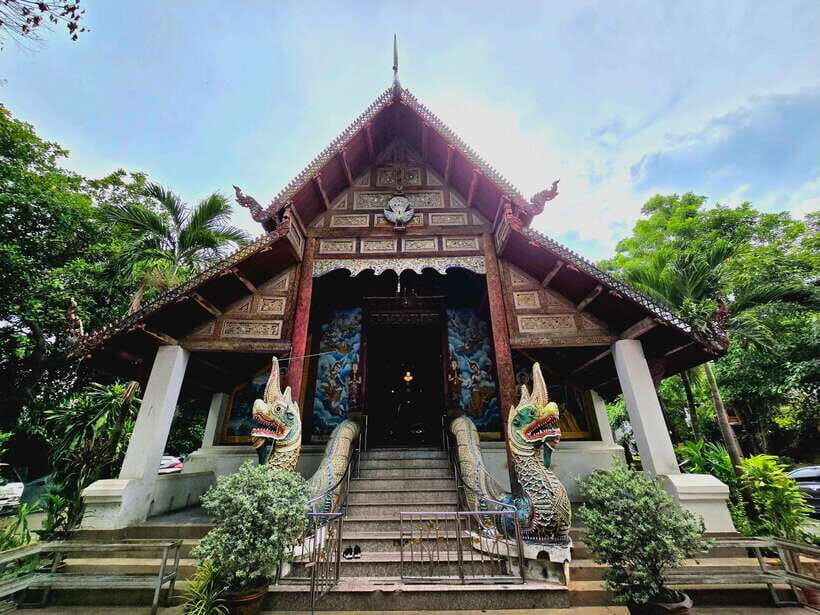
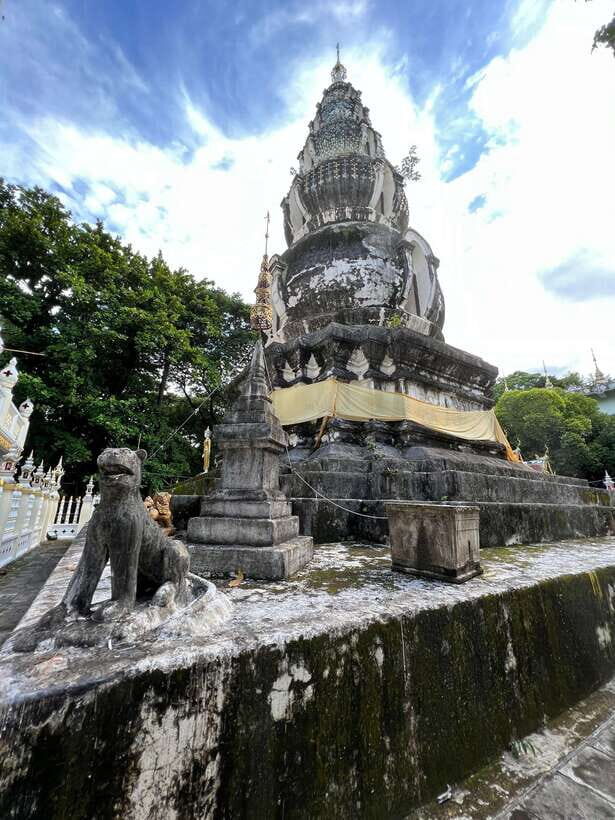
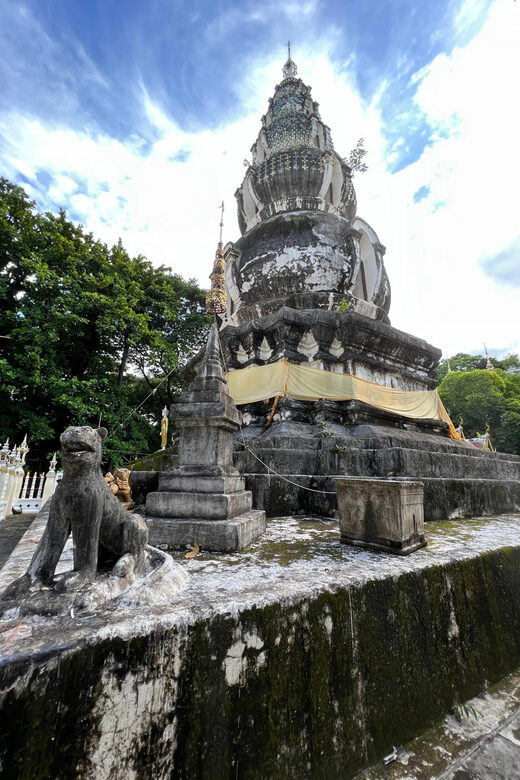
The final temple stop is Wat Ku Tao, centered on a very unusual chedi. It’s thought to have been built in 1613 to hold the ashes of Prince Saravadi (1578–1607), described as the first Burmese overlord of Chiang Mai.
This stop is memorable because it’s specific. Rather than vague “old structure” tourism, you get a named person, a date, and a clear reason the chedi exists. That kind of detail turns monuments into stories you can repeat later.
If you’re trying to understand how Chiang Mai’s religious and political worlds mixed, this is a key piece. Even if you only remember one thing from the day, it’s probably this: a temple form tied to a named Burmese figure and the historical tension and contact that came with that.



Guides really shape the experience: teaching, etiquette, and photos
A lot of tours say they’re informative. This one earns its reputation because it’s described as teaching-forward—especially around Buddhism basics and how to behave in temple spaces.
You may have guides like Eddy, Son, Big (Mr. Big), or Katoon, and multiple accounts praise guides for being friendly, accommodating, and attentive to guests. A few write-ups highlight guides who are ex-monks and can share monk life directly, including explanations of meditation and how prayer works in everyday Buddhist practice.
You’ll also appreciate the practical extras. Guides on this tour are repeatedly described as helping with photos along the way and not rushing past important moments. That matters because temple days can go two ways: you either feel like you were herded, or you leave feeling like you understood what you saw.
Just note: the tour includes respect rules, so if you expect to roam in whatever outfit you want or treat sacred spaces like a playground, you’ll clash with the tone.
Price and value: is $31 a good deal for a day of temples?
At $31 per person for a 1-day walking tour, the value is mostly in the guide time. You’re not only visiting sites—you’re getting someone to translate meaning, explain practice, and keep the day moving at a pace that lets you actually absorb the temples.
You also get hotel pickup and drop-off if you choose a private option. If your hotel is inconvenient to reach by tuk-tuk or taxi on your own, that changes the math fast. Even if you don’t choose private, you still get a guide and a structured route instead of trying to stitch together four temples yourself.
Food and extra drinks aren’t included, so budget for at least one meal you’ll buy on your own. Still, compared to paying separately for transportation, entry logistics, and a guide who can explain the cultural context, the $31 price sits in the “smart spend” category.
Timing and heat: how to set yourself up for comfort
You start at 08:20 am, which is a smart time for temple walking. Still, Chiang Mai heat can catch you even in the morning, and at least one comment calls out that the heat becomes a real factor if you’re not used to it.
This is where your preparation matters more than the tour details. Wear breathable clothes that still meet temple expectations, bring water, and don’t underestimate sweat. If you’re the type who hates stopping, you’ll still want to take small breaks—nothing dramatic, just short moments to reset.
The umbrella listed as a bring item isn’t a suggestion. It’s an easy way to handle sudden sun, and it helps you avoid the “why am I sweating through everything” feeling.
What’s included (and what you’ll handle)
Included:
- a tour guide
- a walking tour
- hotel pickup and drop-off if you select the private option
Not included:
- food and additional drinks
I like being able to choose where and how I eat, but it does mean you should plan your day around meal timing. Bring a little cash so you’re not stuck searching for payment options while everyone else gets snack-ready.
Also keep in mind this tour is designed as a temple-focused route, not a restaurant crawl. If you want a food-heavy itinerary, you’ll need to pair this with other plans for lunch.
Dress code and respect rules: small things that prevent big problems
Temple tours live or die on respectful behavior, and this one is clear about what’s not allowed. You’ll want to avoid short skirts, and you should keep your noise level down. Smoking indoors and intoxication are also not allowed, along with alcohol and drugs.
The list of prohibited items includes drones, pets, weapons or sharp objects, and baby strollers. If you’re traveling with items outside that scope, don’t bring them expecting to “figure it out later.”
For your own comfort, think practical: shoulders covered enough to feel safe, shoes you can walk in for hours, and quiet behavior. If you’re unsure how to act, that’s exactly what the guide is for—people praise that they teach basics like how to pray and how to enter temples respectfully.
Who this tour suits best (and who might skip Part II)
This is a good fit if you want a temple day that feels cultural, not just scenic. You’ll enjoy it most if you like learning why places matter, asking questions, or getting help with temple etiquette and Buddhism basics.
It’s also a solid “Part II” choice if you already did another city/temple segment and want the deeper, more specific stops—especially those tied to Shan and Burmese history.
Not suitable for:
- children under 2 years
- pregnant women
- wheelchair users
- babies under 1 year
If any of those apply, plan something else. If you’re traveling with reduced mobility or need a lot of breaks, this may not be the right fit since the format is walking-focused.
Should you book Chiang Mai Temple & City Tour Part II?
If you want a guided walk that connects temples to people, dates, and religious practice, I think this is a strong booking. The standout reason to say yes is the combination of key temple stops—Wat Chiang Man, Wat Chiang Yuen, Wat Pa Pao, and Wat Ku Tao—plus teaching-style explanations from guides (including ex-monks in some cases) who help you understand what you’re looking at.
Book it if:
- you care about context, not just photos
- you like patient answers and temple-practice basics
- you’re comfortable walking for a few hours in warm weather
Skip it if:
- you hate heat and long walking days
- you need an easier format than a guided foot route
- you’re looking for a food-first day (since food isn’t included)
FAQ
What time does the Chiang Mai Temple & City Tour Part II start?
The tour starts at 08.20 am.
How many temples does the tour include?
It includes Wat Chiang Man, Wat Chiang Yuen, Wat Pa Pao, and Wat Ku Tao.
How long is the tour?
The experience is listed as 1 day.
What is the price?
The price is $31 per person.
What’s included in the price?
You get a tour guide and a walking tour, plus hotel pickup and drop-off if you select a private option.
What isn’t included?
Food and additional drinks aren’t included.
What languages are the guides available in?
The live tour guide is available in English, Chinese, and Thai.
What should I bring?
Bring an umbrella, drinks, and cash.
Is the tour suitable for pregnant women or wheelchair users?
No. It’s listed as not suitable for pregnant women and wheelchair users.