REVIEW · CHIANG MAI
Completed Thai Silk Class Experience
Book on Viator →Operated by GoWithJoe · Bookable on Viator
Silk work gets real fast. In Chiang Mai, you learn natural tie-dye and basic weaving steps, then you make a handmade silk souvenir to take home. I like that it is not just watching. It is doing. One thing to think about: the class runs about 6 hours, so if you want nonstop shopping time or zero mess, plan accordingly.
I also really value the practical setup: hotel pickup and drop-off plus lunch, so you are not juggling transport or meal timing mid-day. The day moves in a small-group format too, with a maximum of 10 people, which keeps the pace friendly and hands-on.
If you are short on time or picky about weather, here is the catch. This experience requires good weather, and if it gets canceled for poor conditions, you will be offered a different date or a full refund.
In This Review
- Key highlights you will care about
- Chiang Mai Thai silk: why this class feels more meaningful
- Getting there at 9:00 am: pickup, timing, and group vibe
- Natural tie-dye basics: where color turns into a skill
- Spinning silk thread: the step that explains everything
- Cross weaving in silk: making your own piece without panic
- Lunch and the reality of a craft day pace
- Your take-home silk: what it means and how to use it
- Price and value: is $124.23 a fair trade?
- Who should book this Thai silk class in Chiang Mai
- Tips to make your day smoother
- Should you book this Thai silk class?
- FAQ
- How long is the Thai silk class in Chiang Mai?
- Does the class include lunch?
- Is hotel pickup and drop-off included?
- How big is the group?
- What will I learn during the class?
- Do I get to make something to take home?
- What if the weather is bad?
Key highlights you will care about
- Small group size (max 10) means you are more likely to get close attention while working.
- Hotel pickup and drop-off makes the whole day easier, especially if you are not near a transit hub.
- Natural tie-dye, silk spinning, and cross weaving give you a full beginner path through silk production.
- Included lunch keeps the 9:00 am start from turning into a long, hungry stretch.
- A finished product you make gives you a souvenir with actual skill behind it.
Chiang Mai Thai silk: why this class feels more meaningful
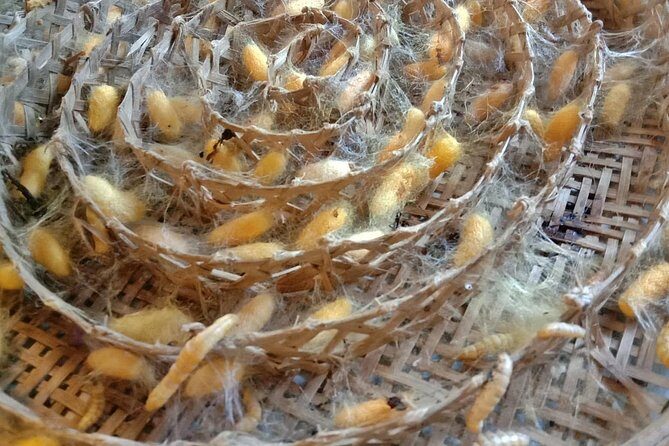
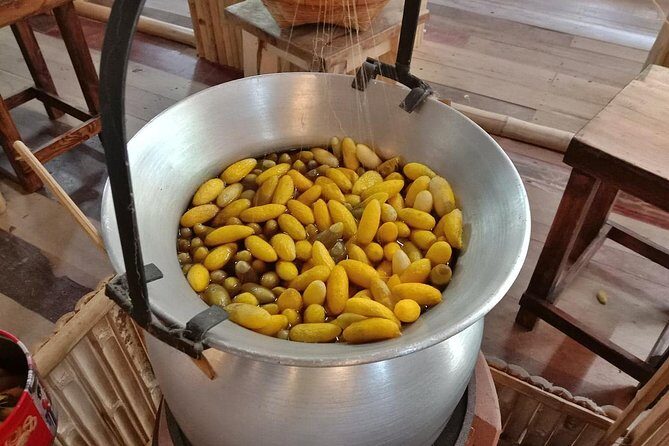
Chiang Mai is one of those places where crafts are not locked behind glass. You can see the workflow from fiber to fabric style. This silk class leans hard into that idea. You do not just get a general overview. You learn the basics of the full process, starting with natural tie-dye techniques, then moving to silk thread spinning, and finally cross weaving.
That sequence matters. It is one thing to appreciate silk in a store. It is another to understand why certain steps affect texture, strength, and the final look of what you create. Even if you never turn into a full-time weaver, you will leave knowing what to look for when you see silk in shops afterward.
I also like the tone of the day. The makers demonstrating the techniques are friendly and eager to show how things work. You are not treated like a passive customer. You are treated like a person learning a craft.
You can also read our reviews of more tours and experiences in Chiang Mai



Getting there at 9:00 am: pickup, timing, and group vibe
The class starts at 9:00 am, and it is about 6 hours total. For most people, that is a comfortable block: long enough to learn and make something real, but not so long that you feel cooked by late afternoon.
You get hotel pickup and drop-off, and the ride is air-conditioned. That is a big quality-of-life upgrade in Chiang Mai, where you can feel the heat even earlier in the day. It also means you do not have to plan a transit route just to arrive at a craft workshop.
Group size is capped at 10 travelers. That is the difference between standing at the back of a classroom and actually getting your hands on the work. It also helps with flow. You can ask questions without feeling like you are competing for attention.
A small note: there can be group discounts, which is worth asking about if you are traveling with friends or family. With silk crafts, the value often comes from the fact you get personal time, so splitting the cost can make this class feel even more worthwhile.
Natural tie-dye basics: where color turns into a skill
The day starts by teaching you the basics of silk natural tie-dye. Tie-dye has a wow factor because patterns can look unpredictable. But in a workshop, the real magic is learning how control works: where you bind, how you manage dye application, and what natural dyes can do when they hit silk.
You are not just learning the theory. You get to see how the process is set up, and you learn what to expect from natural materials. Natural dyes behave differently than synthetic ones. The colors can shift with how the silk is prepared and treated, and the pattern depends on technique.
Why this part is a big deal for value: tie-dye is not a generic activity. It is tied directly to how handmade silk textiles are actually produced. So when you later see patterned silk products in Chiang Mai, you will have context for why some pieces look more refined, why some patterns pop more, and what kind of labor likely went into them.
If you are worried about mess, you are probably thinking the right thought. Any tie-dye process can get hands dirty. Wear comfortable clothes you do not mind staining a little, and keep a small towel handy if you like being prepared.
Spinning silk thread: the step that explains everything
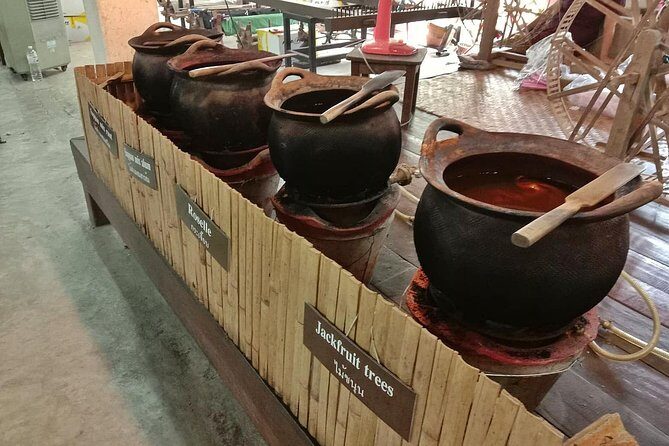
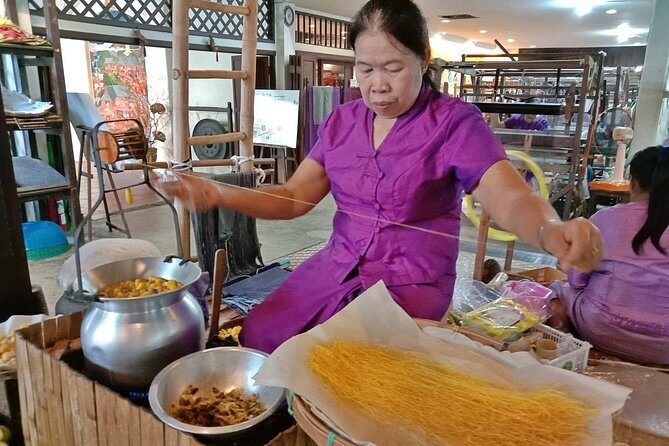
After tie-dye, the class moves into silk thread spinning. This part can feel a little surprising if you only think of silk as a finished fabric. Spinning is where you understand the craft’s foundation: turning fiber into usable thread.
This is also where you get a more grounded appreciation. When you see (and work with) the basics of silk spinning, it becomes easier to understand why silk thread quality affects weaving. Stronger thread, more consistent thickness, and cleaner work all help the weaving step go smoother.
The best part here is the human element. In this class setting, the people demonstrating the craft are eager to show their techniques, and you get the chance to follow along rather than just watch from a distance. That hands-on time is what makes the day stick.
One consideration: this is a beginner class. You are learning core steps, not producing professional-grade thread for commercial use. The goal is skill-building and a take-home souvenir, not a factory timeline.
Cross weaving in silk: making your own piece without panic

Next up is silk cross weaving. Weaving sounds intimidating until you realize the workshop is built around you learning the basics step by step. Cross weaving is especially interesting because it builds structure. You can see how repeated crossings create pattern and stability.
This is the moment where your confidence starts changing. At first, you focus on getting the motions right. Then you start to recognize how your choices affect the look of the fabric.
And yes, you get to create a handmade souvenir that you can take home. That matters more than it sounds. A souvenir you make will feel different in your hands. It is not just a product. It is proof you learned a process.
Practical tip: if you get frustrated in the first hour of weaving, you are normal. Start small. Focus on technique over perfection. A good workshop lets you learn at a human pace.






Lunch and the reality of a craft day pace
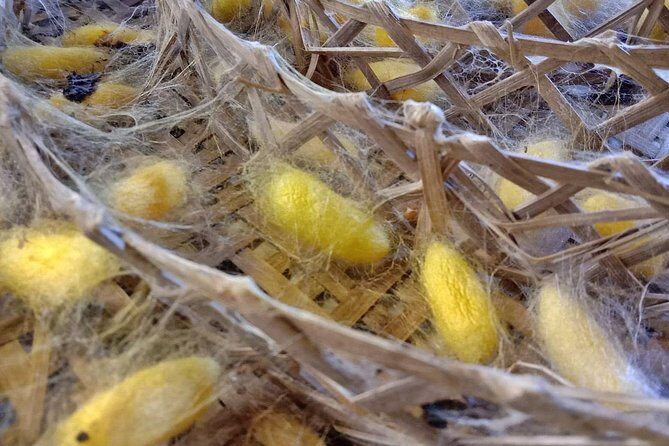
This experience includes lunch, which is more valuable than it looks. When you start learning something tactile, your brain burns energy. You also spend the day seated and standing in a workshop setting, which can feel tiring in the Chiang Mai sun and air.
Lunch is part of why the day stays enjoyable. You are not trying to find food at the exact wrong time. You can refuel and come back ready to finish your souvenir.
Diet details are not listed in the provided information, so if you have allergies or a strict diet, it is smart to ask ahead when you confirm. With craft classes, people often do not want to slow down the group, but staff can usually help if they know your needs early.
Your take-home silk: what it means and how to use it
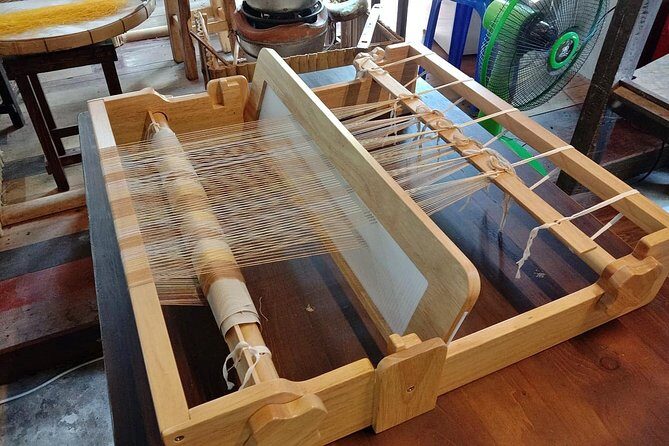
The class includes your own product made, and the reviews also point to the shop environment being large, with plenty to look at. That is part of the context for the day: you are not leaving with one thing only. You leave with a sense of the craft ecosystem.
What you take home is the strongest “value lever” in this experience. Why? Because you are paying for learning and for a tangible result. If you enjoy hands-on activities, this kind of souvenir is usually more satisfying than buying something similar in a store.
How to get the most out of your take-home item:
- Treat it gently when you pack it. A handmade piece can be more delicate than mass-produced textile items.
- If you want to display it, keep it away from direct sun for long stretches, since silk can fade over time.
- If you plan to gift it, it is an easy win because the story is built in. You can tell people you made it yourself in Chiang Mai.
Price and value: is $124.23 a fair trade?
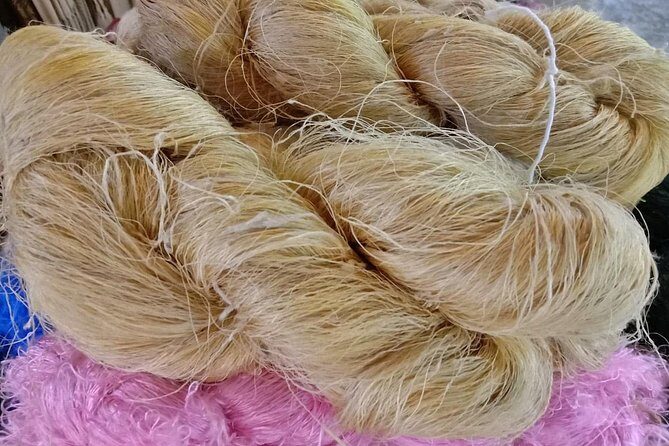
At $124.23 per person, this class can feel like a splurge if you are comparing it to a basic city tour. But it includes three big cost drivers: hotel pickup/drop-off, lunch, and a hands-on handmade souvenir built during the day.
The value gets stronger because the group is small (max 10). Small-group attention usually costs more, and you are paying for that. You are also paying for the fact that the class covers multiple stages of silk production: natural tie-dye, thread spinning, and cross weaving. It is not one quick demo.
One more angle: you are booking on average 22 days in advance. That suggests demand and planning flow are typical. If you wait too long, you might lose your preferred slot. If you care about fitting this into a tight Chiang Mai schedule, booking earlier tends to help.
If you are the type who loves learning by doing, this price starts to make sense fast. If you only want a photo-op or a light viewing experience, you may feel it is pricier than you want. But if you want skill plus a souvenir, this sits in a good value zone.
Who should book this Thai silk class in Chiang Mai
This class fits best if you want:
- a hands-on cultural activity, not a lecture
- a clear craft pathway: tie-dye → spinning → weaving
- an included meal and easier logistics thanks to pickup
It also suits you if you like meeting artisans and watching technique up close. The workshop atmosphere described in the experience emphasizes friendliness and teaching, which usually makes a difference when you are learning something fiddly.
You might consider another option if:
- you hate getting your hands involved in crafts
- you only want free time for browsing and shopping
- you have very limited time beyond morning hours, since the day is about 6 hours starting at 9:00 am
Tips to make your day smoother
Here is how to set yourself up for an enjoyable class from start to finish:
- Wear comfortable clothes you do not mind getting a little craft-dirty.
- Bring a small water bottle if you like staying hydrated, even though lunch is included.
- Go in with low expectations about speed. The point is learning.
- When staff show you technique, watch one full cycle before you copy. It saves frustration.
- If you want to buy extra silk items later, keep the souvenir in mind. You will spot quality cues faster after learning tie-dye and weaving basics.
And a nice bonus: because it is small-group (max 10), you can ask quick questions without feeling rushed.
Should you book this Thai silk class?
Book it if you want a meaningful Chiang Mai craft experience with real hands-on time, hotel pickup, lunch, and a take-home handmade piece. The combination of natural tie-dye, thread spinning, and cross weaving gives you a fuller understanding of silk production than many short demos.
Skip it or compare alternatives if you are mainly after a quick tour, you dislike tactile activities, or you are traveling in weather that might disrupt outdoor-style plans. Since the experience requires good weather, check conditions and keep an eye on your schedule.
FAQ
How long is the Thai silk class in Chiang Mai?
The experience lasts about 6 hours and starts at 9:00 am.
Does the class include lunch?
Yes. Lunch is included in the experience.
Is hotel pickup and drop-off included?
Yes. Hotel pickup and drop-off are included, and you travel by air-conditioned vehicle.
How big is the group?
This class has a maximum of 10 travelers, which helps keep the experience small-group focused.
What will I learn during the class?
You learn the basics of natural tie-dye, silk thread spinning, and silk cross weaving.
Do I get to make something to take home?
Yes. You create your own product during the class, and you take it home as a souvenir.
What if the weather is bad?
The experience requires good weather. If it is canceled due to poor weather, you will be offered a different date or a full refund.