REVIEW · CHIANG MAI
Chiang Mai: Half Day Morning Cooking Class with Market Tour
Book on GetYourGuide →Operated by Yummy Tasty Thai Cooking Class · Bookable on GetYourGuide
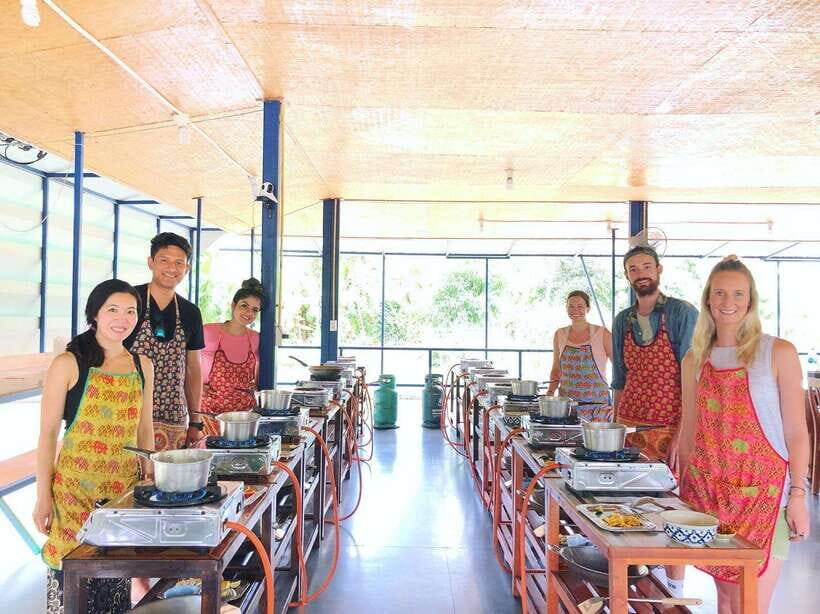
Cook Thai curry paste in four hours. This Chiang Mai half-day experience turns a market morning into real skill, not just tasting, with make-your-own curry paste and an individual cooking station. One heads-up: the kitchen is open air (no AC), so you’ll feel the outdoor humidity.
I like how the class is structured for you to actually cook, with an English-speaking instructor guiding you step-by-step. You’ll shop for fresh ingredients at a local market near Kad Kom Market, then go to Yummy Tasty Thai Cooking Class, where you’ll cook, taste, and leave with a PDF recipe you can use at home.
In This Review
- Key Highlights You’ll Actually Care About
- Morning Pickup and Kad Kom Market Ingredient Hunting
- Quick practical note
- Choosing Your Menu and Cooking at Your Own Station
- Making Thai Curry Paste the Traditional Way
- What to expect while cooking the paste
- Home-cooking win
- Open-Air Kitchen Reality: Heat, Comfort, and Tasting What You Cook
- Food amount note
- Welcome Snacks, PDF Recipe Book, and What You Can Recreate Later
- Price Check: Is $35 for 4 Hours a Good Deal?
- Who This Class Is Best For (And Who Might Want Something Else)
- Should You Book This Chiang Mai Cooking Class?
- FAQ
- How long is the Chiang Mai half-day morning cooking class?
- Do you pick up and drop off from my hotel?
- Is the class taught in English?
- Can I choose what I cook?
- How many dishes will I cook?
- Do we make curry paste during the class?
- Is the kitchen air-conditioned?
- Is there a free cancellation option?
Key Highlights You’ll Actually Care About
- Curry paste from scratch: you’ll make it the traditional way and learn what each herb and seasoning does
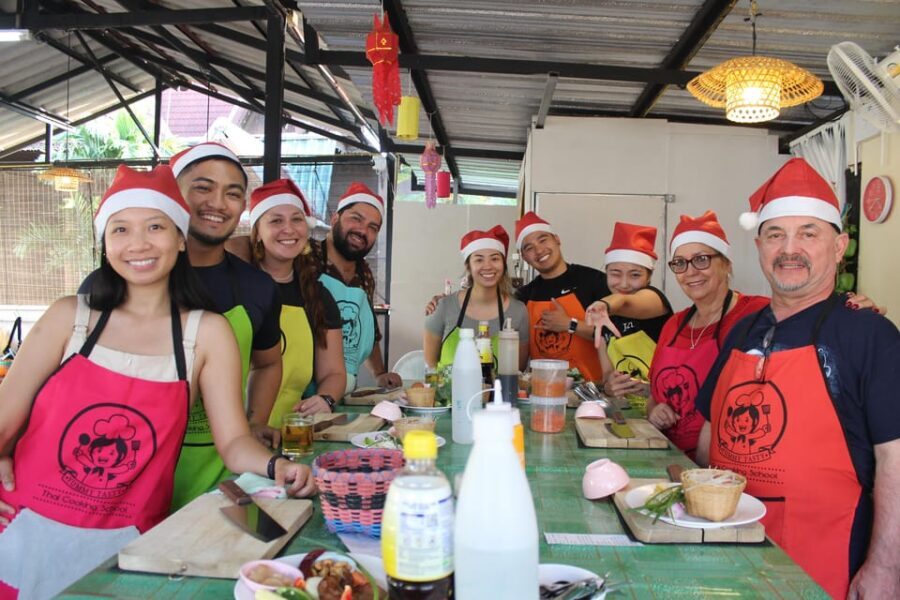
- Your own station: choose your menu and cook alongside your own setup, not from a seat in the back row
- Market shopping for ingredients: you’ll see and pick the fresh items you’ll use, so the flavors make sense
- Cook 5 dishes in 4 hours: a good pace for learning without feeling rushed
- Small group size (max 10): easier attention and more hands-on time at your station
- Open-air cooking space: no AC, so dress and plan for warm outdoor conditions
Morning Pickup and Kad Kom Market Ingredient Hunting
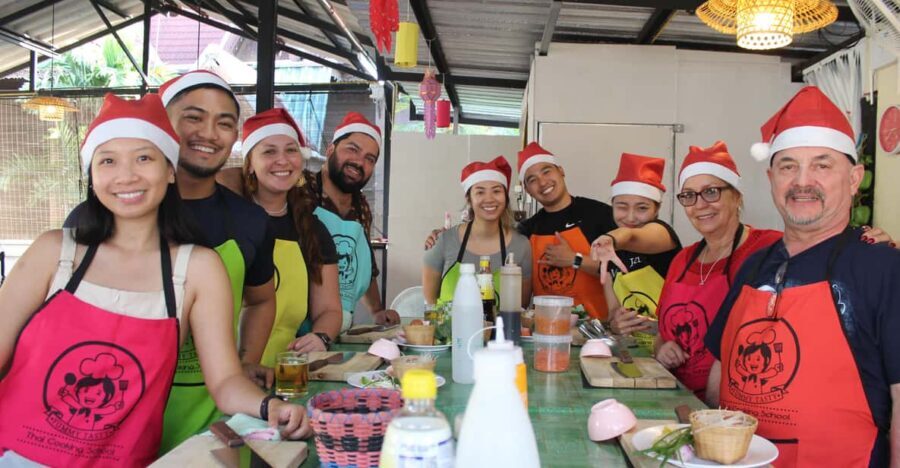
This half-day starts with hotel pickup (and later drop-off), timed for a morning flow. The service is built around hotels within 3 km of Kad Kom Market. If you’re farther away, or you’re in areas like Nimman, you’ll be asked to meet at Kad Kom Market instead. That matters because it keeps the whole experience tight—less waiting, more cooking.
Once you’re picked up, you head out for market shopping. You’re not just browsing. The goal is to pick fresh vegetables, herbs, and seasonings you’ll later use in class. This is where the learning becomes real: you start to connect what you see in the market with what ends up in your pot.
And yes, you’ll likely hear plenty of ingredient talk—what’s used in Thai cooking, what flavors those items add, and why certain choices matter. One reason this format works is that you get to ask questions in the moment, before the ingredients get chopped and overwhelmed by cooking time.
You can also read our reviews of more shopping tours in Chiang Mai
Quick practical note
Wear shoes you can stand in. Markets involve uneven ground and quick stops, and you’ll want to move comfortably before you start cooking.
Choosing Your Menu and Cooking at Your Own Station
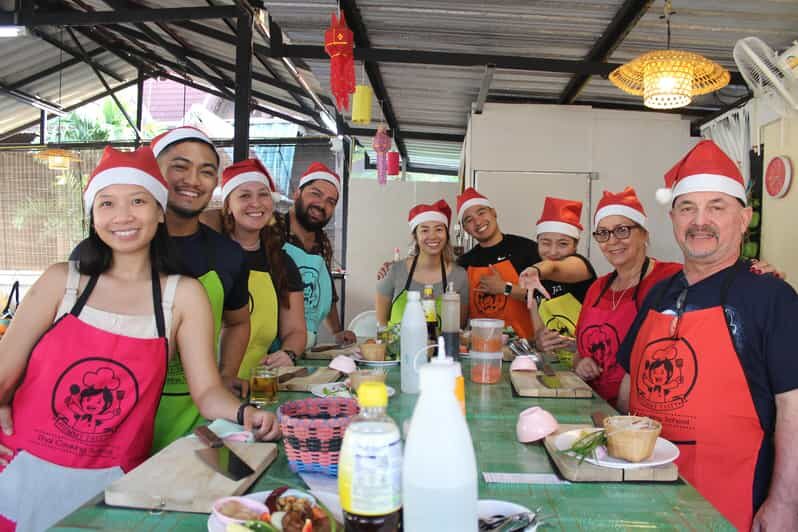
The class isn’t a one-menu-fits-all show. You can choose your individual menu, and you’ll work at an individual cooking station. For me, that’s the difference between learning and watching.
In a small group (limited to 10 participants), your station setup helps you stay active throughout the 4 hours. You’ll cook and taste what you make, guided by the instructor. The teaching style is step-by-step, which is important if you’re not used to Thai flavors or Thai chopping techniques.
You’ll also get a straightforward intro to how the class runs: where ingredients come from, how to organize your workspace, and what steps come first. When people describe the experience as fun, it’s usually because the class moves like a workshop—do this, then do that—rather than a lecture.
You’ll also find that the instructors focus on the “why,” not only the “how.” They’ll explain differences between Thai herbs and seasonings, and they’ll talk substitutions for when you can’t find a specific ingredient at home. That’s the part you’ll actually use months later.
Making Thai Curry Paste the Traditional Way
The big skill here is curry paste. Not a shortcut. Not a jar grab. You’ll make your own paste using a traditional approach, with guidance from the instructor.
This is valuable because Thai curry is built on paste flavor. When you understand what goes into it, you stop guessing at home. You’ll also learn how herbs and seasonings work together—what you’re tasting when you mix and fry the paste, and what changes when proportions shift.
One smart thing about this class is that it connects curry paste to real cooking. After you make it, you’re not stuck with one dish and a lecture. You cook multiple dishes (you’ll make 5 dishes total), and you can taste how curry paste fits into the broader Thai menu.
What to expect while cooking the paste
You’ll be learning a process, not memorizing a recipe list. Expect guided prep and mixing, plus explanations of key flavor ingredients. Then the instructor helps you carry those flavors into the rest of your dishes.
You can also read our reviews of more tours and experiences in Chiang Mai


Home-cooking win
The class includes notes you can use for substitutions. If you’ve ever tried Thai food at home and wondered why it tasted “close but not right,” this is where you’ll get answers.
Open-Air Kitchen Reality: Heat, Comfort, and Tasting What You Cook
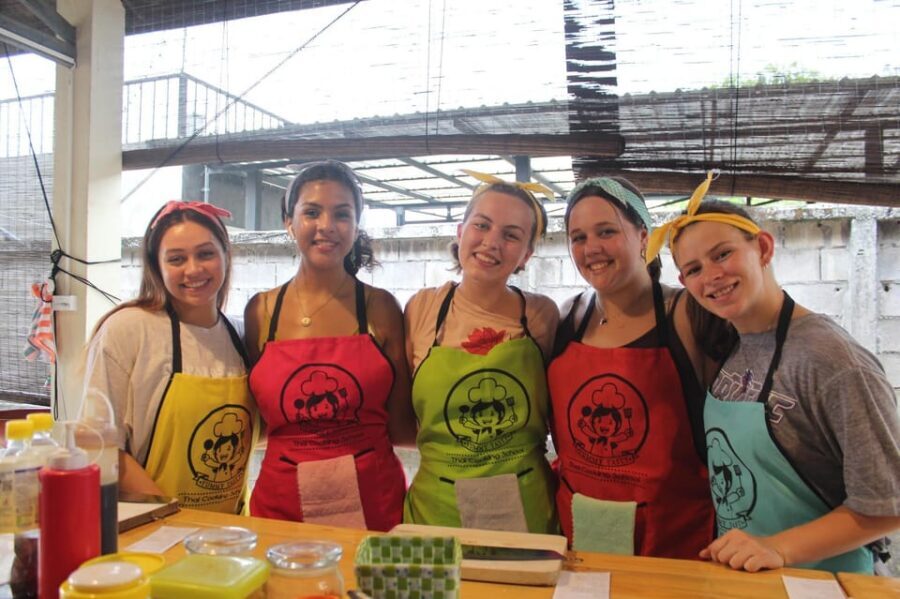
This is an outdoor cooking setup. The kitchen is open air with no AC. In a morning class, you may find the timing more comfortable than midday, but you should still plan as if you’ll be working in warm conditions.
That affects your experience in a practical way:
- Wear breathable clothing you don’t mind getting a little splattered while cooking.
- Bring or plan on using your own water aside from what’s provided, if you sweat easily.
- Keep a towel handy if your station gets humid.
The good news? Open air can also feel lively. It’s part of the “real kitchen” vibe—no sealed room, no artificial disconnect from the market morning.
During the class, you’ll cook at your station and then taste the results. The tasting matters because Thai cooking can be subtle. You might think a sauce is too strong—then taste and realize it needs balance from another ingredient you add next.
If you want a class that feels like real life cooking rather than a demonstration, this structure fits. And because the group is small and you’re at your own station, tasting usually happens with your own dishes in front of you.
Food amount note
The experience is designed so you can enjoy what you make. In at least one case, the team offered food to take along, so if you finish with extra portions, it’s worth asking what’s possible.
Welcome Snacks, PDF Recipe Book, and What You Can Recreate Later
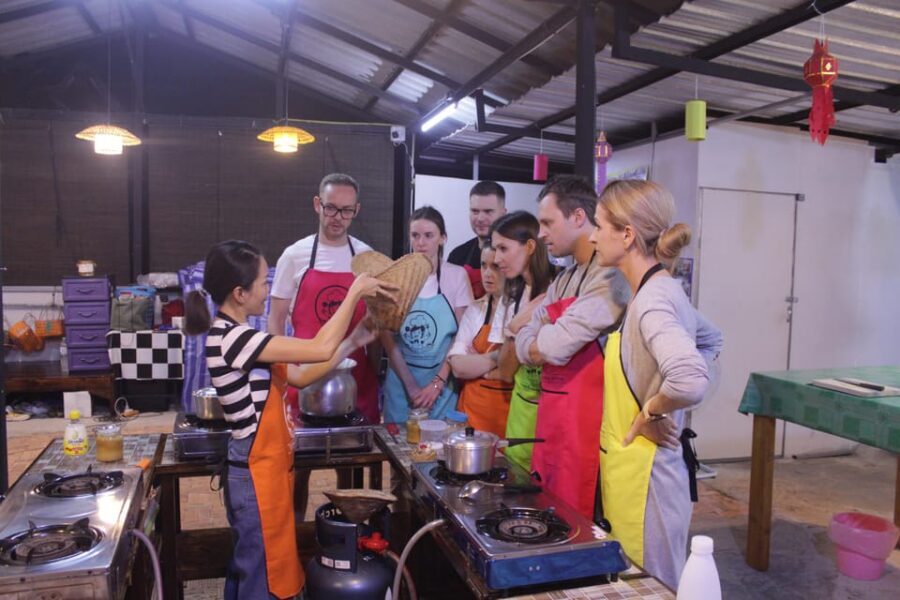
Before the cooking ramps up, you’ll settle into Yummy Tasty Thai Cooking Class and get welcome snacks, plus fruits and drinking water. That’s not a tiny detail—it helps you start cooking without feeling hungry or drained before the first steps.
Then you’ll work through the cooking process and finish the experience with a PDF recipe book for the dishes you made. This is one of the strongest value points because a cooking class is only half useful if you can’t recreate it later.
A PDF format is practical: you can store it on your phone, zoom in on steps, and use it when you’re shopping again back home. Also, since the class includes explanations about substitutions, the recipes are easier to adapt when Thai herbs aren’t available in your local supermarket.
The overall payoff is that you’ll leave with:
- a set of dishes you cooked (not just watched),
- a curry paste method you understand,
- and a written guide you can follow at your own pace.
Price Check: Is $35 for 4 Hours a Good Deal?
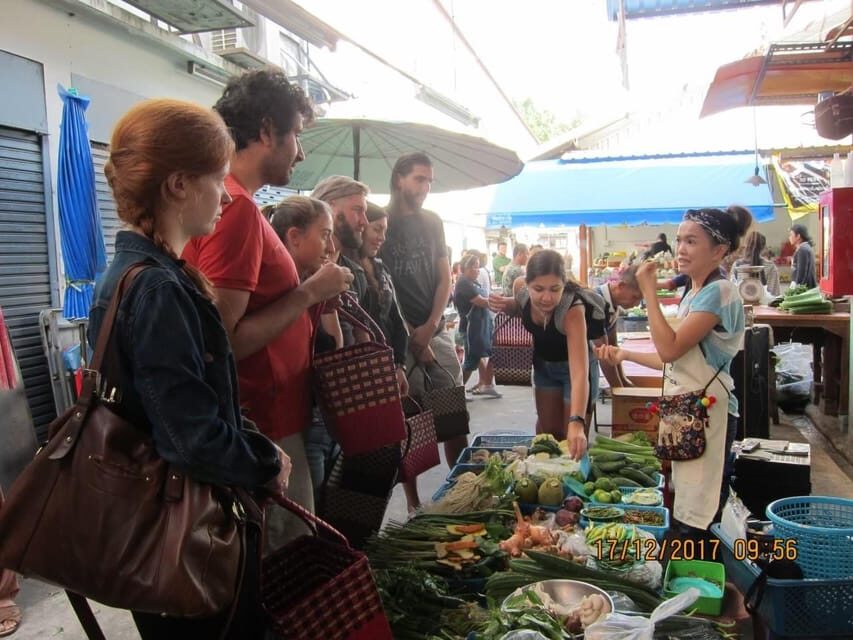
At $35 per person for about 4 hours, this class lands in the “good value” zone, mainly because you’re not paying for a sit-and-watch demo. You’re paying for ingredient shopping, individual station time, English instruction, and a curriculum that includes curry paste and five dishes.
What makes it feel fair:
- Hands-on setup at your own station
- Market ingredient selection that connects to your dishes
- Structured instruction with step-by-step guidance
- Recipe follow-through via the PDF book
Where the cost can feel less attractive is if you’re extremely sensitive to heat, because the kitchen is open air with no AC. If that’s a deal-breaker for you, it might not feel like a smart spend. But if you’re okay with outdoor cooking conditions for a half day, the price reflects the amount of food work you’ll do.
Also, because the group is small (max 10), your time at the station usually feels more productive. That’s the real cost-saver: you’re less likely to wait around while someone else gets attention.
Who This Class Is Best For (And Who Might Want Something Else)
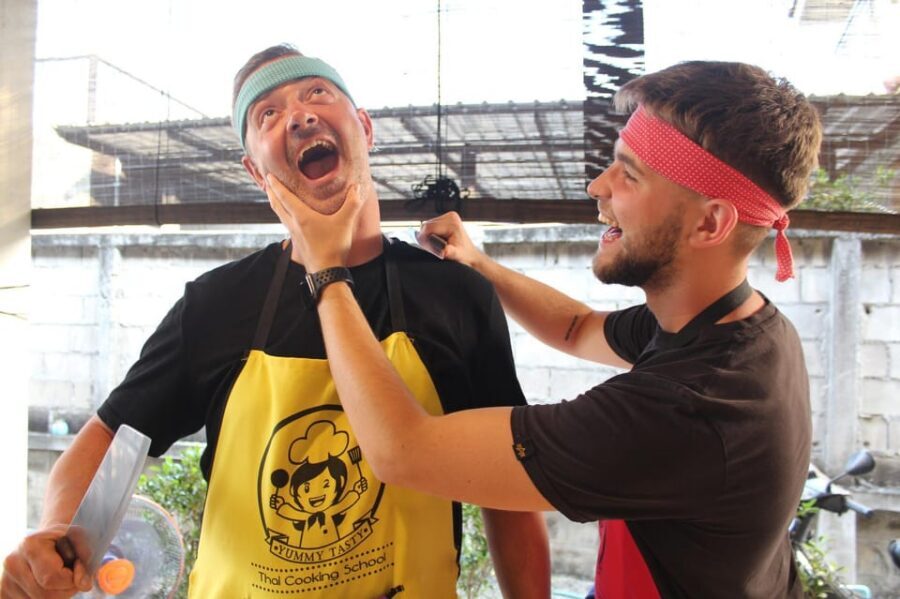
This is a great fit if you want:
- practical Thai cooking skills, especially curry paste
- a market-to-kitchen experience near Kad Kom Market
- an English-speaking instructor guiding you step-by-step
- a small group with a more personal pace
It’s also a smart choice if you like learning through doing. The experience isn’t only about tasting. It’s about making your own choices at the station, tasting your results, and learning what to swap back home.
It may not be ideal if:
- you strongly dislike outdoor cooking conditions (no AC is part of the setup),
- you need an environment with minimal standing or physical effort,
- or you fall outside the stated suitability guidance (the experience isn’t designed for very young children and isn’t suitable for people with altitude sickness or very advanced age limits).
Should You Book This Chiang Mai Cooking Class?
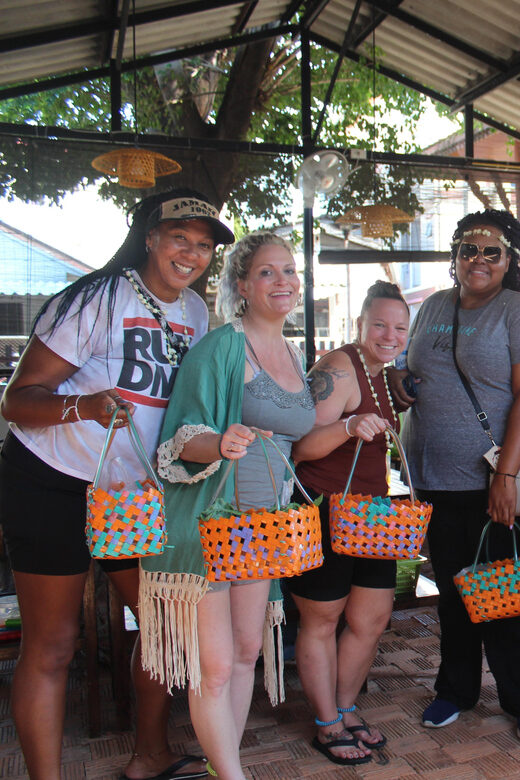
I’d book it if you’re the type of traveler who wants a souvenir you can use. The curry paste skill plus the PDF recipe book makes the class more than a one-day meal.
I’d also consider it if you’re excited by market shopping. The market stop isn’t random—it feeds the dishes you cook, and it helps you understand flavors instead of following instructions blindly.
Skip it only if you know you’ll struggle with heat or open-air cooking. Otherwise, this is a solid half-day plan in Chiang Mai: you get a guided market morning, hands-on cooking at your own station, and a recipe handoff you can actually use later.
FAQ
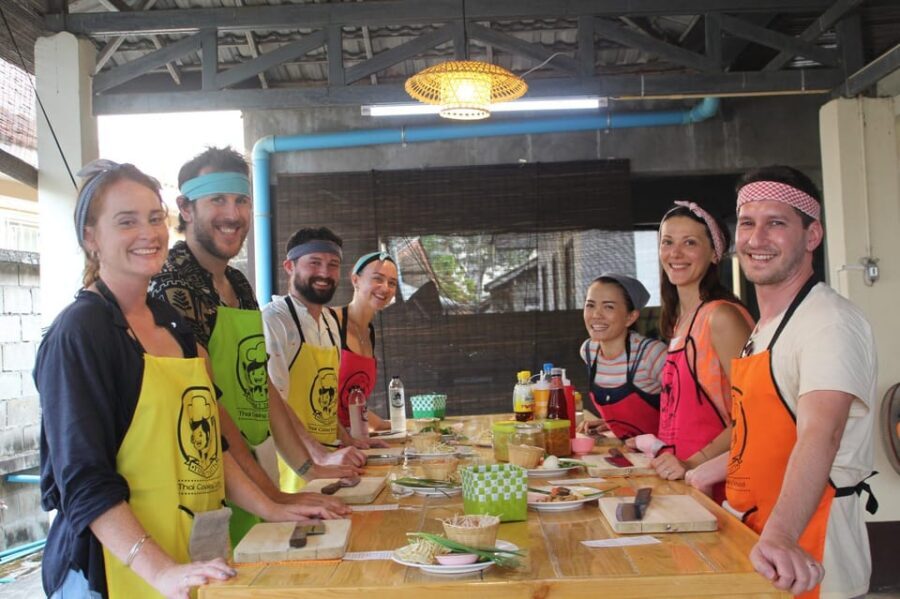
How long is the Chiang Mai half-day morning cooking class?
The program lasts 4 hours.
Do you pick up and drop off from my hotel?
Yes, pickup and drop-off are included for hotels within 3 km from Kad Kom Market. If your hotel is farther away (including Nimman area), you’ll meet at Kad Kom Market.
Is the class taught in English?
Yes, the instructor speaks English.
Can I choose what I cook?
Yes, you can choose your individual menu, and you cook at your individual cooking station.
How many dishes will I cook?
You will cook 5 dishes.
Do we make curry paste during the class?
Yes. You’ll make your own curry paste using a traditional Thai method.
Is the kitchen air-conditioned?
No. The kitchen is open air with no AC.
Is there a free cancellation option?
Free cancellation is available up to 24 hours in advance for a full refund.