REVIEW · CHIANG MAI
Chiang Mai: Hmong Village, Doi Suthep and Wat Pha Lat Trek
Book on GetYourGuide →Operated by Chiang Mai Everywhere · Bookable on GetYourGuide
Temple trails beat the usual Chiang Mai checklist. I loved the forested Monk’s Trail hike and the quiet arrival at Wat Pa Lat, far from the big-tour crowd. The one catch: this is real trekking time, so it is not the best fit if you have mobility limits or low fitness.
You’ll also get a smooth, low-stress day because the tour includes hotel pickup and a car to the next stops, with a small group capped at 9. You are not left figuring out logistics while you are tired and sweaty. Still, expect the day to feel active and slightly busy around the most iconic sites like Doi Suthep.
For the hiking portion, I suggest you pack like you mean it: good shoes and bug spray. And plan your expectations on pace. Even with a planned route, your time on the trail can feel shorter or longer depending on how the group moves.
In This Review
- Key highlights worth your attention
- How the Monk’s Trail sets the tone in Chiang Mai
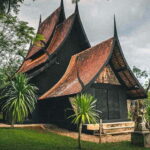
- Wat Pa Lat: a quiet Lanna-era temple moment
- Doi Suthep and the golden chedi for Buddha relics
- Doi Suthep-Pui National Park: nature time between stops
- The Hmong village visit: culture, coffee, and a bit of walking
- Timing and pacing: what a 7-hour day really means
- Price and value: is $57 a good deal?
- What to bring and how to stay comfortable
- Who should book this and who should skip it
- Final verdict: should you book the Chiang Mai temple + village trek?
- FAQ
- What is the duration of the tour?
- What locations are pickup and drop-off?
- How long is the hiking?
- Does the tour include entrance fees?
- Is there an English guide?
- Is the group small?
- Is coffee included?
- Is this tour suitable if I have mobility issues or heart problems?
Key highlights worth your attention
- Monk’s Trail forest walk: a serene path still used like a pilgrimage route
- Wat Pa Lat temple stop: calm meditation vibes connected to the Lanna era
- Doi Suthep panoramic views: golden chedi + wide-angle city outlook
- Doi Suthep-Pui National Park time: a nature break between temple and village
- Hmong hill tribe village visit: culture, handicrafts, and time to explore
- Small-group feel: limited to 9 people, which helps with pacing and questions
How the Monk’s Trail sets the tone in Chiang Mai
The day starts with pickup from your Chiang Mai hotel (Old City area or Nimman). You’ll want to be ready about 10 minutes early in the lobby. From there, the car takes you to the trail area so you can start walking without burning time on getting oriented.
Once you hit the Monk’s Trail, the mood changes quickly. Instead of streets and traffic, you get a forest path with that constant background of birds and leaves. It is not just a scenic break—it is part of the story of why you are here. The trail is described as a route monks once used to climb toward the temple cluster, and it remains a pilgrimage-style path for locals.
For me, the best part is that you can feel the shift from sightseeing to something slower. This is the portion of the day where you can actually breathe and settle your brain before the more famous temple views.
You can also read our reviews of more hiking tours in Chiang Mai

Wat Pa Lat: a quiet Lanna-era temple moment
After the forest walk, you reach Wat Pa Lat, a peaceful temple tied to the Lanna Kingdom period (around the 14th century). The stop matters because it is not trying to be loud or performative. It is built around the same spiritual purpose that shaped the region’s monastic journeys—resting and meditation.
This is where the tour earns its value. Doi Suthep gets all the attention, but Wat Pa Lat is where you understand why people walked up here in the first place. You are not only looking at a structure; you are stepping into a calmer temple rhythm.
If you enjoy temples that feel less staged, you’ll like this segment. It’s also a nice change of pace from the later chedi and crowds. Just remember: even if the temple portion is calm, you are still in trekking shoes mode.
Doi Suthep and the golden chedi for Buddha relics
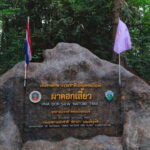
Next comes the big one: Wat Phra That Doi Suthep. This is Chiang Mai’s iconic temple, and the tour is straightforward about what makes it special—inside the golden chedi, there are sacred relics of the Buddha. That is the kind of detail that helps the visit land with meaning, not just photo angles.
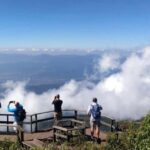
Then comes the view. From the temple grounds, you get panoramic scenery over Chiang Mai. Even if you’ve seen city views before, Doi Suthep tends to hit different because you are up high, in temple space, with a clear sense of the city’s layout beneath you.
Practical note: build in patience. Doi Suthep is popular, and the timing is set for a temple visit on top of your earlier hike. So your energy management matters. Take your time walking, then decide where you want photos and where you want a quiet moment.
Doi Suthep-Pui National Park: nature time between stops
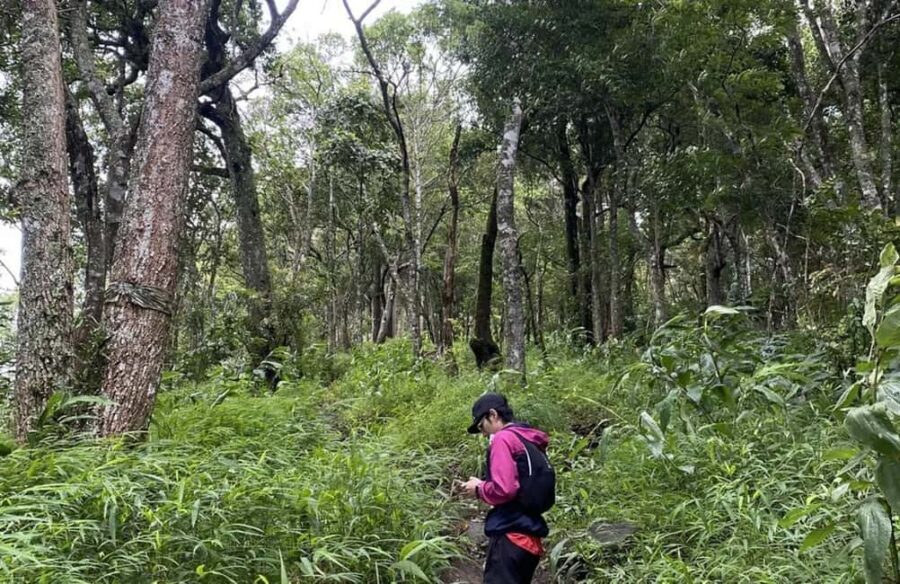
After Doi Suthep, the schedule includes a visit in Doi Suthep-Pui National Park for about an hour. This part is a useful reset. Temples ask for one kind of attention; forest and nature ask for another, and mixing them keeps the day from feeling like a checklist.
You might use this time for short pauses, photos, and simply enjoying a cooler-feeling break from the temple heat. Because the tour includes both hiking and multiple stops, this park segment is one of your best chances to slow down without completely stopping.
Bring the same items you’d use for a walk: hat, sunglasses, weather-appropriate clothing, and insect repellent. Even if you think you are only walking a little, forests and shade can still mean bugs.
The Hmong village visit: culture, coffee, and a bit of walking
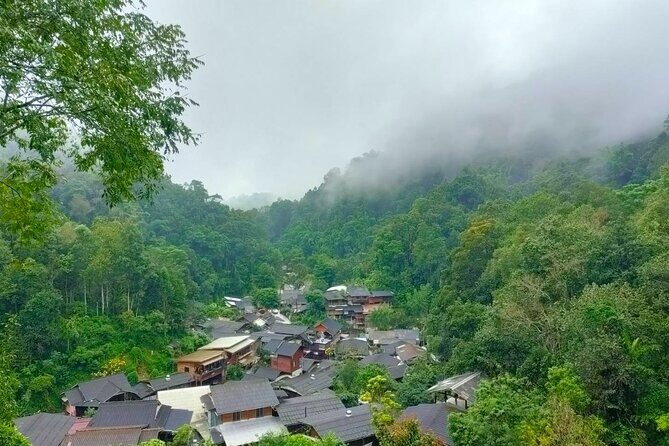
The afternoon brings you to a traditional Hmong hill tribe village set above the clouds. You get a guided visit that focuses on lifestyle and culture, including handicrafts and day-to-day traditions. The tour also frames the Hmong as an ethnic minority originally from highland regions across southern China, Laos, Vietnam, and Myanmar.
This village time is one of the most human parts of the day. Temples are about architecture and belief. A village visit is about people, skills, and everyday choices—what they make, how they live, and how they explain their world.
There’s also time built in for coffee at the village, plus photo stops and some free time. The itinerary includes walking and hiking here too, with an additional hiking segment around 1.5 hours. So even though it feels like a cultural visit, plan for movement.
If you like respectful, slow travel, you’ll enjoy this section. If you prefer purely sightseeing with minimal walking, note that you still have trail time during the village portion.






Timing and pacing: what a 7-hour day really means
The total duration is 7 hours, which is long enough to include real trekking but short enough to still feel efficient. Hotel pickup and multiple transfers by car keep the energy from dropping too fast. At the same time, the schedule stacks hiking, temple visits, and village exploration into one day.
Here’s how I’d think about it as a fitness plan, not just an itinerary:
- You’ll do a significant forest trail hike early.
- You’ll take in temple time at Doi Suthep for viewing and photos.
- You’ll add park time and then more movement at the village.
If you go in expecting one hour of walking, you might feel surprised when the day adds up. If you go in knowing the hiking is part of the deal, it feels more satisfying, like you earned the views and the culture time.
Price and value: is $57 a good deal?
At about $57 per person, the pricing makes sense when you look at what’s included. You get hotel pickup and drop-off, an English-speaking guide (English and Thai), a car with a group-sized vehicle, entrance fees, and the structured hike time. You’re also not paying for transport between scattered temple and village locations.
For many travelers, the hidden cost of a day like this is logistics: getting out of town, moving between sites, and finding someone who can explain what you’re seeing. This tour solves those problems in one go.
So the value question becomes: are you comfortable with a trekking day? If yes, this price feels fair because the guide + transport + entrance fees bundle together. If you want a mostly sit-and-see day, you’ll probably feel like you paid for hiking you did not want.
What to bring and how to stay comfortable
This tour lists practical gear for a reason. Wear hiking shoes with grip and bring insect repellent. Add a hat and sunglasses, especially if you’ll be in sun before shade takes over.
Also pack a weather-appropriate layer. Chiang Mai can shift in feel during the day, and temple mornings and forest afternoons can feel different. Bring outdoor clothing and a daypack for essentials—water, sunscreen, and anything personal.
If you want to make the day easier on yourself, bring a small towel or wipes. You’ll be walking in humid air and doing multiple stops. The more comfortable you feel, the more you’ll enjoy the calm moments at Wat Pa Lat and the view time at Doi Suthep.
Who should book this and who should skip it
This experience is best for you if you like temples plus walking and you don’t mind a longer active day. You’ll enjoy it if you want more than the typical Chiang Mai highlights and you like learning context—why monks traveled these routes and how local culture fits into the landscape.
Skip it if you have mobility impairments, heart problems, or low fitness. The tour explicitly warns it involves trekking, and it is not designed as an easy stroll.
If you’re traveling with friends, the small-group size can be a plus. There’s enough structure to keep the day moving, but it’s limited to 9 participants, which usually means you can ask questions and get answers without shouting over a big crowd.
Final verdict: should you book the Chiang Mai temple + village trek?
I think you should book this tour if you want a full day that mixes quiet temple time, major viewpoint time at Doi Suthep, and a real cultural stop at a Hmong village. The trail-to-temple flow is the key. It turns the day into a story, not just a series of stops.
I would not book it if you want minimal walking or if trekking stresses your body. In that case, the day will feel long and tiring in the wrong way. But if you can handle the hike and you like moving at a steady pace, this is a strong value way to experience more than the obvious Chiang Mai sights.
FAQ
What is the duration of the tour?
The tour lasts about 7 hours.
What locations are pickup and drop-off?
Pickup is available from your hotel in Chiang Mai City, including the Old Town area and Nimman. Drop-off is also in Chiang Mai and the Old City.
How long is the hiking?
The tour includes 2+ hour hiking. There is also additional walking/hiking time during the Hmong village portion.
Does the tour include entrance fees?
Yes, entrance fees are included.
Is there an English guide?
Yes. The guide works in English and Thai.
Is the group small?
Yes. The group is limited to 9 participants.
Is coffee included?
Yes. There is coffee at the village stop.
Is this tour suitable if I have mobility issues or heart problems?
No. The tour states it is not suitable for people with mobility impairments or heart problems, and it also requires a reasonable fitness level.