REVIEW · CHIANG MAI
Meditation Retreat and Self-Care in Nature
Book on GetYourGuide →Operated by Flow Yoga Chiang Mai · Bookable on GetYourGuide
Nature calls, and your mind listens. This 3-hour meditation retreat in Chiang Mai Province pairs mindfulness practice with Thai culture touches in a calm outdoor setting. It’s the kind of class that gives you something practical to use the next day, not just a nice afternoon.
What I like most is the way Amori teaches: patient, clear, and warm. You’ll get guided sitting meditation plus mindful walking outdoors, and the small-group size (up to 6) helps the session feel personal.
One possible drawback: if you’re sensitive to language gaps, plan on a fully English-led experience. One guest noted a language barrier that made it harder to fully relax, so if you’re not comfortable in English, you might need to work a little harder to follow every step.
In This Review
- Key things that make this retreat worth your time
- A 3-hour Chiang Mai reset that doesn’t need a full retreat week
- Mindful walking: turning attention into something you can feel
- Guided sitting meditation: clear instructions, less struggle
- Yoga or gentle stretches: movement that supports meditation, not competes with it
- The garden tea moment and Thai culture flavor
- Where this fits in your Chiang Mai itinerary (and how to not rush it)
- Price and value: $48 for instruction + space to practice
- Who this retreat is perfect for (and who should choose differently)
- Should you book Meditation Retreat and Self-Care in Nature?
- FAQ
- How long is the retreat?
- What’s included in the retreat?
- Do I need experience with yoga or meditation?
- Where do I meet for the retreat?
- Is the class taught in English?
- Is pickup and drop-off included?
- What’s the cancellation policy?
Key things that make this retreat worth your time
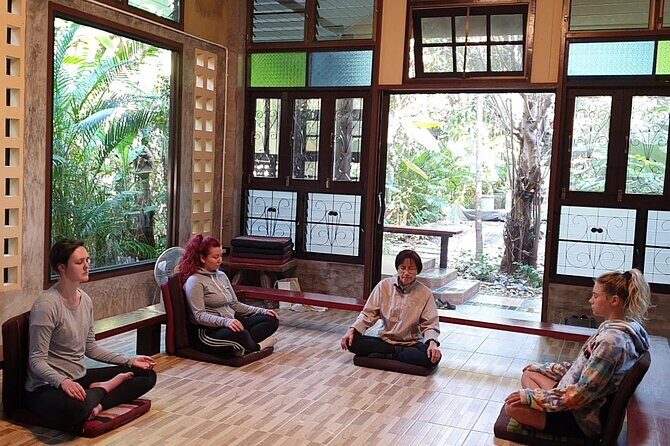
- Mindful walking outdoors so your attention goes from idea to action, step by step
- Guided sitting meditation with explanations that make the practice feel doable
- Gentle yoga or stretches adapted to your level, including beginners
- A calm, low-distraction setting that feels removed from noisy Chiang Mai days
- A garden finish with tea/coffee, and sometimes extra end-of-session treats like fruit and sticky rice
A 3-hour Chiang Mai reset that doesn’t need a full retreat week
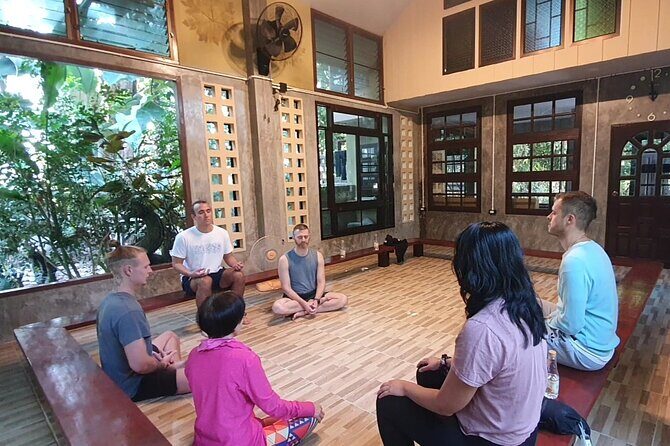
This is not a massive retreat. It’s short on purpose. At 3 hours, you get enough structure to feel a shift, without turning your Chiang Mai trip into a meditation boot camp. The setting matters too: the sessions are described as clean and secluded from distractions, so your body can actually switch gears.
The experience also has a nice rhythm: mindfulness first, gentle movement second, then a quiet finish with a warm drink in a garden. That pacing is great for most people because meditation can be abstract when you’re tense. Yoga or stretching helps your body release tension while your mind learns how to stay with the present moment.
And yes, it’s tied to Thai culture. You’ll be doing more than copying breathing techniques—you’ll be practicing in a way that connects to how local teachers share calm and intention.
You can also read our reviews of more tours and experiences in Chiang Mai.



Mindful walking: turning attention into something you can feel
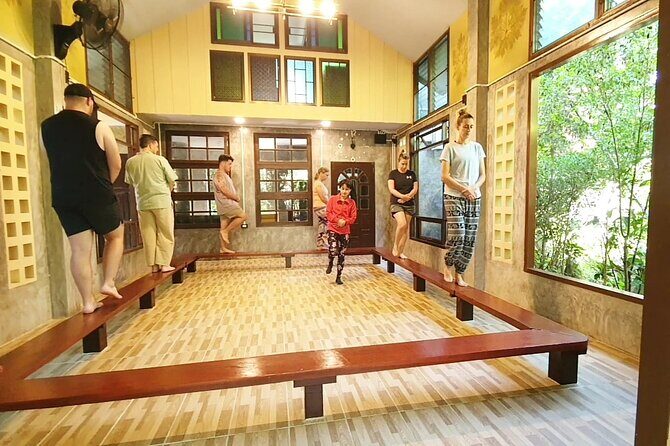
Mindful walking is one of those practices that sounds simple until you do it. Here, you learn how to walk with awareness: how to place your attention on each step, how to notice what your body is doing, and how to return when your mind wanders.
Doing it in nature changes the whole experience. Instead of trying to create quiet from scratch, you’re meeting quiet halfway. Leaves, open space, and the slower pace outdoors naturally reduce the mental sprinting you may bring from city life.
Practical payoff: this is the meditation skill that’s easiest to bring back to your trip. You can do it while walking between temples, along your guesthouse path, or even just to the café. After a good guided session, you’re not wondering what to focus on. You already have a starting point.
Guided sitting meditation: clear instructions, less struggle
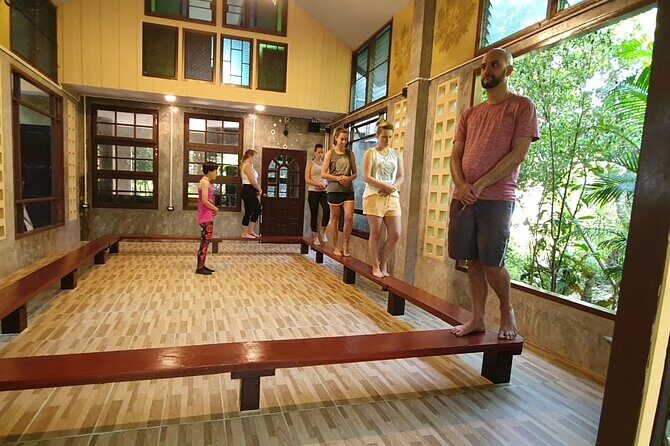
The core of the retreat is guided sitting meditation. The emphasis here is on learning a method you can actually repeat. Amori’s teaching style comes through in the way guests describe her: patient, clear, and encouraging a calm, welcoming space.
You’ll likely move through a few phases during the sitting period, which helps you avoid the classic problem of staring at your thoughts and calling it meditation. Guests specifically mention leaving with a grounded feeling and even getting “keys” for freeing yourself from mental loops. That’s a big deal for first-timers. If your mind keeps jumping tracks, you need tools—not just silence.
Also, because the group is small (and sometimes becomes tiny), coaching can be more direct. One guest even experienced a session that felt close to one-on-one, with personal adjustments and guidance.
Yoga or gentle stretches: movement that supports meditation, not competes with it
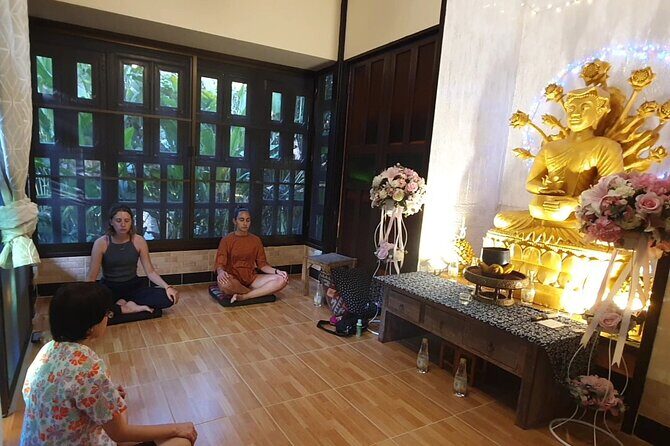
After meditation, you’ll shift into yoga practice or gentle stretches. The key word is adapted. The instruction is meant to match your level, not punish you for not being flexible on day one.
This is where you’ll notice the retreat’s “self-care” angle. Meditation can be mentally demanding. Gentle movement helps your body feel safe and supported while you keep practicing awareness.
A couple of practical notes from what you’ll see guests say:
- If you’re a beginner, don’t panic. Many people describe this as accessible, with yoga explained and adjusted.
- If you’re brand new to yoga, you might still feel a stretch or two that are unfamiliar. One guest said it was out of their comfort zone and they were sore afterward, even though the teaching was still beginner-friendly overall.
- If you’re more experienced, you may find some parts more challenging, and that’s not a bad thing. It just means you’ll get more return on attention.
Amori’s guidance is described as detailed, with modifications when needed—especially in smaller groups. So if you have knees, low back tightness, or you simply want a lighter day, you can likely communicate that and get options.
The garden tea moment and Thai culture flavor
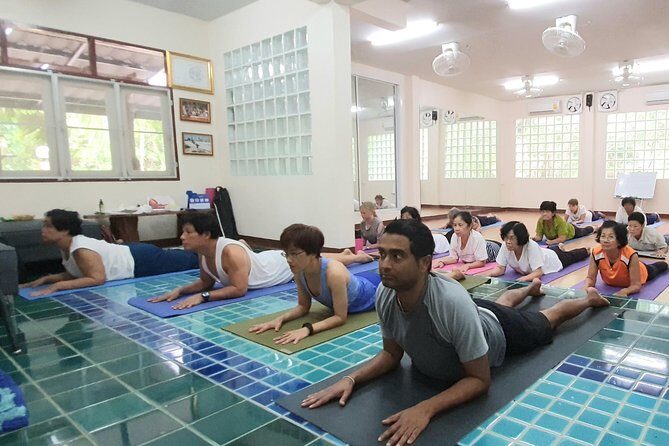
You’ll finish with a cup of tea or coffee in a beautiful garden. That simple ending matters because it gives you a “landing zone.” After sitting and moving, you’re not rushing to your next stop. You can let your nervous system settle before you re-enter Chiang Mai traffic and schedules.
Now, about Thai culture: the experience is framed as Thailand-focused, and the atmosphere is part of that. One guest even mentioned being invited to try a Thai apperitif, and others note the end sometimes includes fruit or sticky rice treats. Those extras aren’t guaranteed based on the core information, but they’re consistent with what people experienced here—warm hospitality layered onto mindfulness.
Think of it like this: the retreat isn’t just about doing techniques. It’s about learning how calm can be social and grounded, not just private and quiet. That’s a more useful souvenir than a photo.





Where this fits in your Chiang Mai itinerary (and how to not rush it)
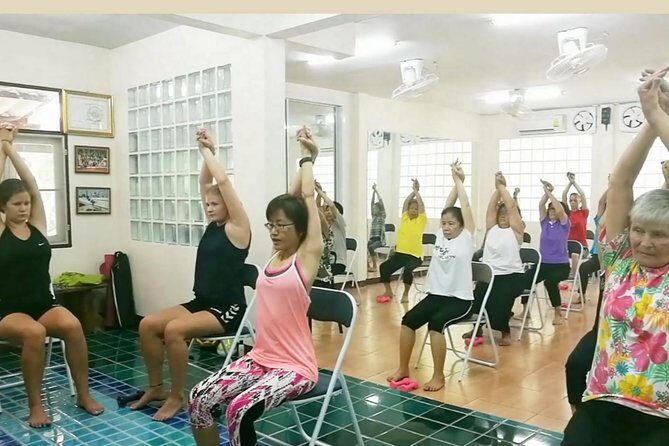
Meeting point is Flow Yoga Chiang Mai. Since pickup and drop-off aren’t included, plan to get yourself there. People mention that getting to the retreat center is manageable with Grab, which is useful if you’re not trying to solve transport puzzles in a new city.
Timing advice:
- Put this on a day when you’re not stacking ten temple visits back-to-back. You want mental quiet after.
- If you’re doing a lot of walking during the day, this becomes a smart “reset” session rather than another workout.
- If your goal is clearer thinking for the rest of your trip, schedule it before your heavier sightseeing day.
You’ll likely feel more energetic and clear-minded afterward, which is exactly why people recommend staying a few more nights. Even if you don’t extend your stay, you’ll leave with a better approach to how you handle your mind during the rest of the trip.
One more practical point: wear comfortable clothes. You’ll be sitting and moving, so think breathable layers and flexible bottoms.
Price and value: $48 for instruction + space to practice
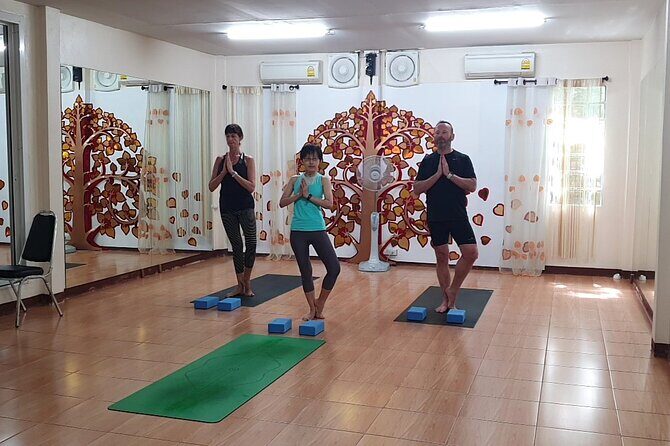
At $48 per person for 3 hours, the value is in three things: teaching time, practice environment, and small-group attention.
First, you’re not just “joining a class.” You’re learning how to practice meditation and mindful walking with guidance. That matters because the difference between struggling alone and learning a usable method can be huge.
Second, the setting is described as clean and secluded. That’s not a luxury add-on. It’s part of the experience. Meditation doesn’t work well when you’re fighting noise or distractions.
Third, the group is limited to 6 participants. Even a small group is a big upgrade from feeling anonymous in a big studio. And in some cases, the retreat can become very personal, which is where you really notice the value: you get the instruction you need rather than generic pointers.
The one cost to keep in mind: no hotel pickup/drop-off. That’s normal for many activities, but it means you should budget a little time to find the meeting point and handle your own transport.
Who this retreat is perfect for (and who should choose differently)
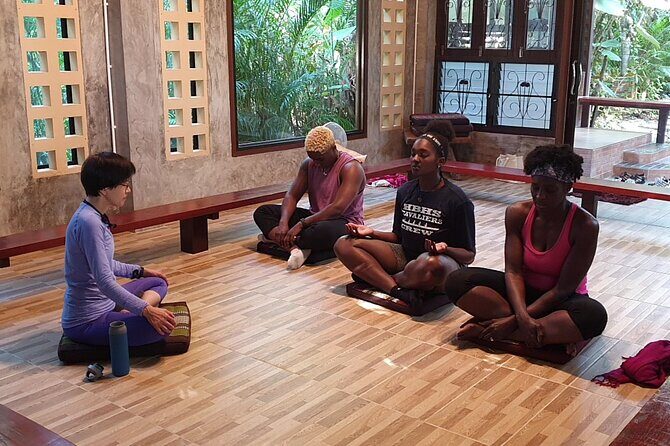
This retreat is a great fit if you want:
- A beginner-friendly introduction to meditation and mindfulness practice
- A way to learn mindful walking that you can use outside class
- A calm afternoon reset without committing to multi-day retreats
- Yoga that’s adapted rather than one-size-fits-all
It’s especially good if Chiang Mai already has your calendar packed. This is your pause button.
Choose something else (or be extra ready) if:
- You’re not comfortable following instruction in English and you’re expecting the retreat to slow down for you.
- You want a long, deep retreat format with hours upon hours of meditation. This is intentionally shorter.
The takeaway: this works well for travelers who want results you can carry home—more than just relaxation in the moment.
Should you book Meditation Retreat and Self-Care in Nature?
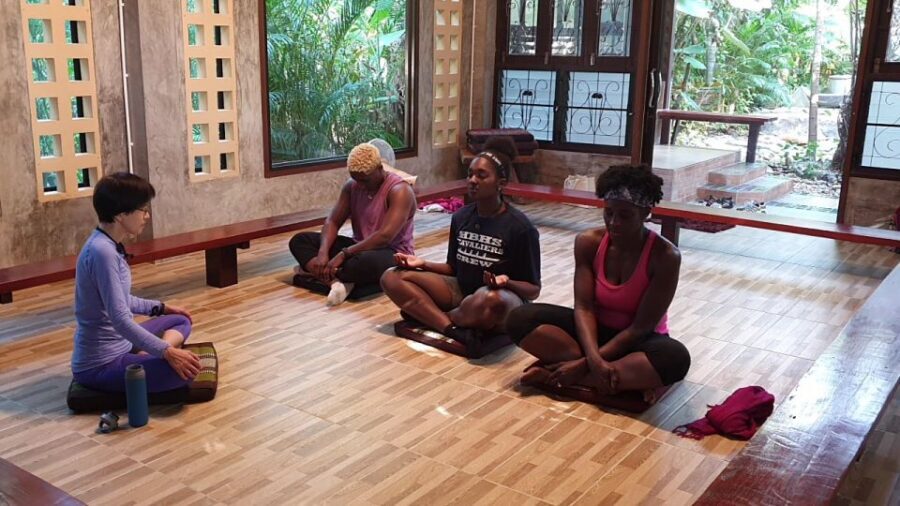
Yes, if your goal is a structured, calming experience that teaches you techniques you can repeat. For $48, you’re buying real instruction—mindful walking, guided sitting meditation, and yoga or gentle stretches—set in a quiet outdoor space, then finished with tea or coffee.
Book it if:
- You want a break from busy days in Chiang Mai
- You’d like a clear starter method for daily mindfulness
- You prefer small group teaching with a supportive instructor like Amori
I’d skip (or at least set expectations) if you need very flexible pacing in a language other than English or if you’re looking for a full-day retreat experience. But for most people searching for calm, clarity, and practical self-care, this 3-hour session is a strong choice.
FAQ
How long is the retreat?
It lasts 3 hours.
What’s included in the retreat?
It includes mindful walking, guided sitting meditation, yoga or gentle stretches (adapted to practitioners), and tea or coffee in a garden.
Do I need experience with yoga or meditation?
No experience is required from what’s described. Yoga practice will be adapted to practitioners, and the session is taught with guidance.
Where do I meet for the retreat?
You meet at Flow Yoga Chiang Mai.
Is the class taught in English?
Yes, the instructor teaches in English.
Is pickup and drop-off included?
No. Hotel pickup and drop-off are not included.
What’s the cancellation policy?
You can cancel up to 24 hours in advance for a full refund.