REVIEW · CHIANG MAI
5 Day Tuk Tuk Adventure in Chiang Mai – with driver
Book on Viator →Operated by The Tuk Tuk Club · Bookable on Viator
A five-day tuk tuk run up north is a great shortcut to real Thailand. You ride in the back seats of a three-wheeled classic while the route climbs toward Mae Wang and then up to Doi Inthanon. It is also run like a well-oiled convoy, with an expert driver and a guide keeping things moving.
I love the combo of local food and mountain days that do not feel rushed. I also like how the company’s guides (names like Oa, Bigg, Yuth, and Boyz show up again and again) tend to explain what you are seeing as you go, not after the fact.
One consideration: you are in tuk tuk seating all day on mountain roads, so if bumpy rides and long travel days are not your thing, this might feel like a lot. Rain can happen up there too, and the best part is that the team plans around it, but you still need to be flexible.
In This Review
- Key takeaways before you go
- Tuk tuk travel that actually fits Northern Thailand
- Day 1 in Mae Wang: your mountain base and first real tastes of the north
- Day 2 up the valley: Maevang Elephant Home and remote mountain life
- Day 3 to Doi Inthanon: Thailand’s highest mountain area and a Karen village night
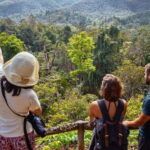
- Day 4 on foot in the Doi Inthanon foothills: forest walking with a local guide
- Day 5 return from the mountains: saying goodbye to your tuk tuk
- The elephant stop, the Karen village, and the value of doing more than photos
- Food on tour: meals that make the schedule work
- Convoy logistics: why the guides and driver matter more than you think
- Getting the most out of the back-seat experience
- Price and value: what $827.30 actually buys you
- Who should book this tuk tuk adventure (and who should reconsider)
- Should you book the 5-day tuk tuk adventure with a driver?
- FAQ
- What is the duration of the tour?
- How much does the 5-day tuk tuk adventure cost?
- Where do I meet the group?
- What time does the tour start?
- How does the tour end?
- How big is the group?
- What’s included in the price?
- Is travel insurance included?
- What ticket format do you use?
- Is confirmation quick after booking?
- What if plans change and I need to cancel?
Key takeaways before you go
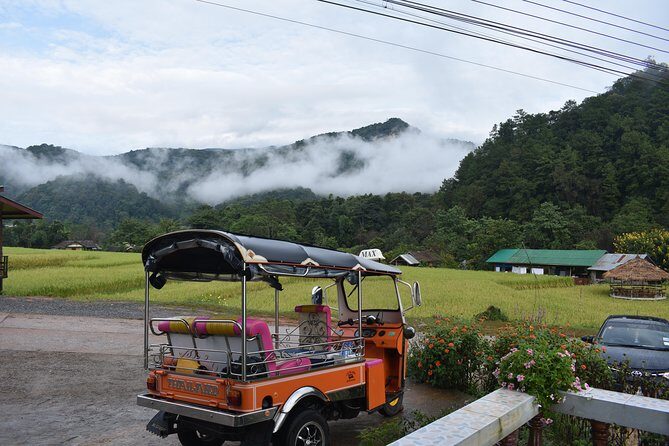
- Tuk tuk + convoy travel: you see more remote routes without wrestling big-city logistics
- Doi Inthanon focus: Thailand’s highest mountain area, plus a guided forest walk
- Elephants at Maevang Elephant Home: a dedicated stop built into the schedule
- Karen village night: a real overnight at Ban Mae Klang Luang with views in the foothills
- Meals handled: breakfast, lunch, and dinner are included across the five days
- Small group size: capped at 12 travelers, so it stays friendly and organized
Tuk tuk travel that actually fits Northern Thailand
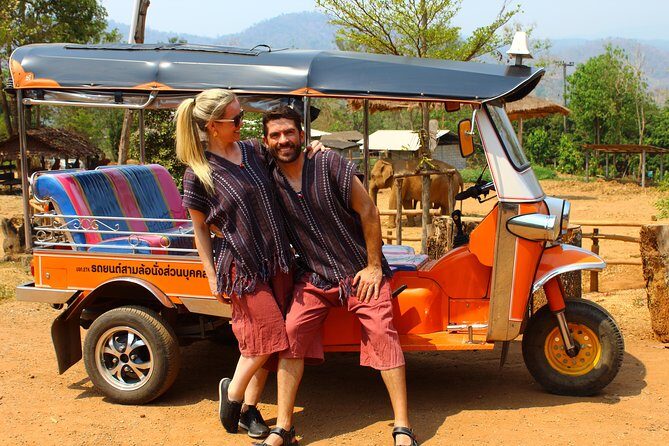
Chiang Mai’s north is not a place you want to rush through. Roads get narrow. Distances look small on a map and then take longer in real life. A tuk tuk tour makes sense because you get a vehicle built for local roads and a pace that lets you stop when it matters.
The other big win is the human part. This is not just a driver who drops you at the next photo spot. You have a guide who stays with you, plus an expert driver handling the mountain-road work. That means you can focus on what you are seeing—temples, hill-tribe communities, river and forest areas—while someone else worries about timing and route choices.
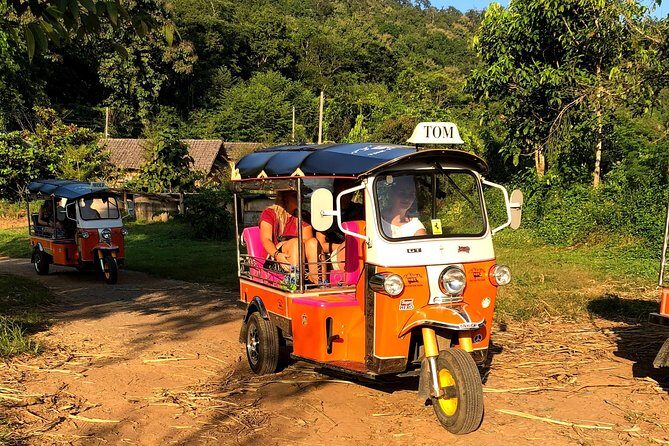
And yes, the vehicle is the point. Those back seats give you that watch-the-world feeling. You smell the roadside life. You hear the birds and motorbikes. You catch glimpses of rice fields and hills as the convoy moves through valleys. It is a travel style that feels closer than a private van.
You can also read our reviews of more tours and experiences in Chiang Mai.


Day 1 in Mae Wang: your mountain base and first real tastes of the north
Your adventure starts in Chiang Mai and then moves you into the Mae Wang area. Mae Wang National Park is close by, and the tour begins by getting you settled in a very local-feeling hotel. This first day matters because it sets the tone: you are not jumping straight into a long hard push. You land, get your bearings, and start learning the rhythm of the region.
What you will likely feel on day one is that the north changes the air. Temperatures can drop as you climb. The light looks different. Even before you reach Doi Inthanon, the hills start to show you why Northern Thailand pulls people back for repeat visits.
Practical note: the tour includes a mix of short transfers and activity time, so you should keep your first day unbooked for extras. You want your body rested for the longer days that follow.
Day 2 up the valley: Maevang Elephant Home and remote mountain life
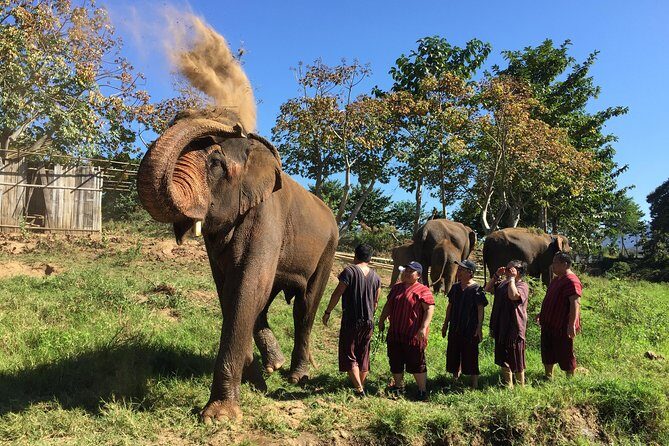
After breakfast, you roll north in a convoy. The route heads toward Mae Sapok and the remote region around it. This day is where the trip earns its wow-factor with a visit to Maevang Elephant Home.
Elephants are one of those topics where it is easy to get caught up in the hype. The value here is that the stop is not random. It is built into the flow of the mountains, so it feels like a meaningful part of the area you are touring—not just a standalone attraction.
You should also expect that the day has a “journey” feel. You are going up and out, passing smaller roads and local scenery. That is where the tuk tuk helps most: it keeps the trip feeling hands-on and human, not like you are trapped behind glass.
Lunch and dinner are included on this tour, which is a big deal on long driving days. It cuts down on decision fatigue. You can just follow the schedule and trust the team to feed you well.
Day 3 to Doi Inthanon: Thailand’s highest mountain area and a Karen village night
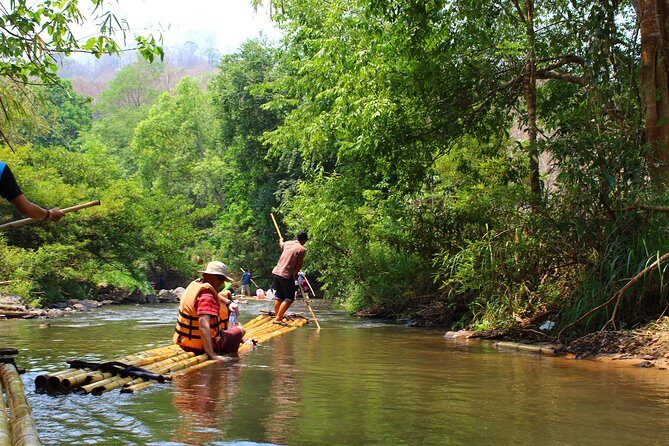
This is the day where the altitude energy kicks in. You head toward Doi Inthanon, Thailand’s highest mountain, traveling along smaller country roads. Small roads mean slower driving. That is the point. You get a better sense of where you are and how communities live out of town centers.
Then you switch from vehicle time to evening time. You spend the night at Ban Mae Klang Luang, a scenic Karen village up in the foothills. This overnight is one of the best value parts of the whole trip because it is not just a stop-through. You get to slow down after the day’s driving, explore a little, and experience the area without the constant pressure of the next transfer.
What I like about a village night like this: it changes the emotional tone of the trip. Daytime sightseeing can feel like a string of checkmarks. An overnight makes it feel more like a real visit. Even if your exploration is simple—walking nearby paths, observing village life, watching the light settle—you leave with memories that do not fade after one group photo.
Day 4 on foot in the Doi Inthanon foothills: forest walking with a local guide
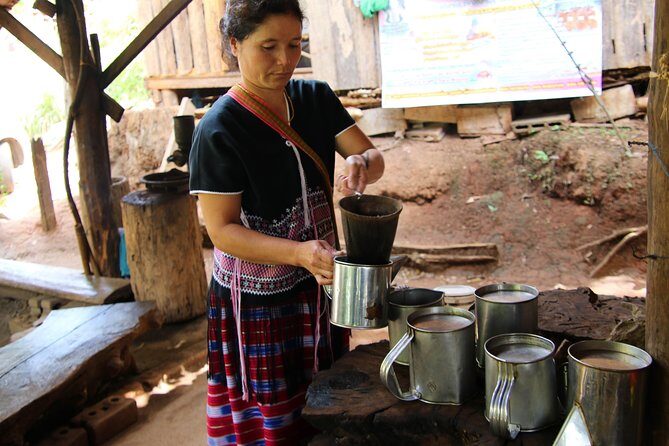
Day four is where the tuk tuks finally get a rest. You transfer by truck for the start of your walk, then head into the forest with a local guide. This is a different kind of Northern Thailand day: not temples, not driving, but being on the ground with someone who knows the area.
A good guided walk changes how you see the place. Instead of just “green trees and air,” you get explanations and a sense of what the forest is doing season-to-season and how people move through it. The tour data also makes clear that this is led by a superb local guide, which is exactly what you want for a forest day.
Weather is the wildcard here. Rain can make trails slick, and in mountain areas, conditions can shift fast. The good news from past experiences on this tour is that the team keeps you occupied and adjusts when weather turns. Still, pack for damp conditions and plan to wear shoes you trust.
You can also read our reviews of more tours and experiences in Chiang Mai

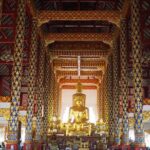
Day 5 return from the mountains: saying goodbye to your tuk tuk
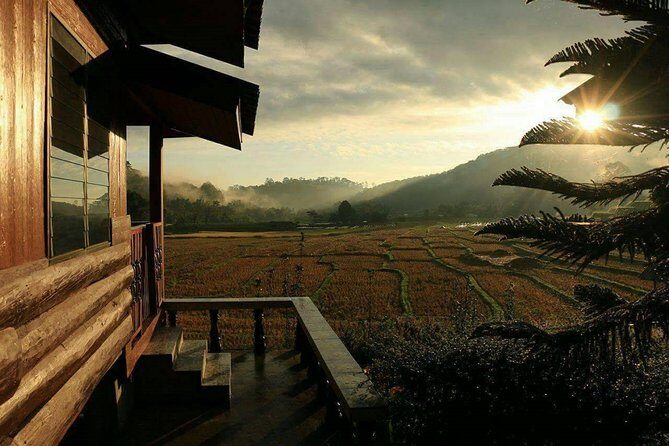
On the final morning, you say goodbye to your tuk tuk and transfer back to Chiang Mai. The return is by private minivan and the transfer time is about two hours.
This day tends to feel like a soft landing after several intense days. You can use it to regroup, grab a late lunch in town, and plan your next stop without rushing into another major tour.
Ending back at the same meeting point also keeps things clean. You do not have to worry about a confusing drop-off. You start at Chiang Mai Gate Hotel on Wua Lai Walking Street, and you finish there too.
The elephant stop, the Karen village, and the value of doing more than photos
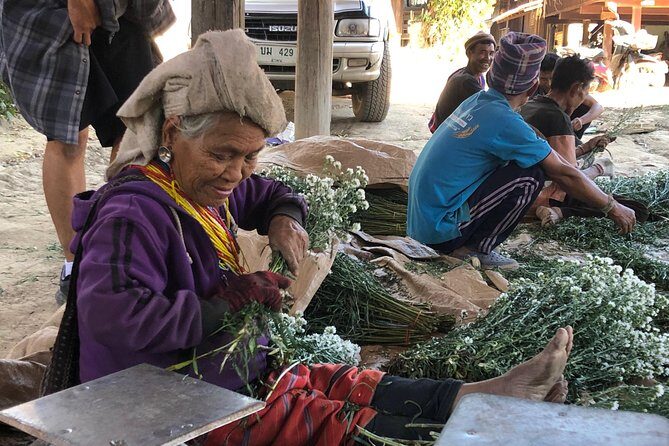
The itinerary is built around variety. You get nature, culture, and that one big bucket-list moment with elephants. You also get a village overnight, which is a different level of contact than typical day stops.
Here is why I think that matters: you travel from one “kind” of experience to another. That keeps the trip from turning into one long sightseeing grind. It also helps you understand Northern Thailand as a system—how forests connect to villages, how valleys shape livelihoods, and how culture shows up in daily routines.
The key is that you are not only moving. You are also meeting parts of the region that most people only glance at from a highway.
Food on tour: meals that make the schedule work
This trip includes four breakfasts, four lunches, and four dinners. That is a practical win. In mountain regions, trying to find food between transfers can turn into a hassle, especially with a small group.
I also like that food is included across multiple days, not just a token meal on day one. It keeps you from having to choose on the fly, and it gives the team control to serve meals that fit the pace of the day.
If you are picky, bring that up mentally as you eat. You may not get your usual foods every day, but the schedule suggests consistent meal planning rather than random restaurant hunts.
Convoy logistics: why the guides and driver matter more than you think
Tuk tuk travel is fun. It is also physically demanding. You are up and down gear shifts and dealing with corners on narrow roads. That is why the tour’s structure is so important.
This experience is designed around a driver who handles the tuk tuk well on mountain routes, plus a guide who keeps everyone aligned. Past participants also mention instructors and staff who manage driving lessons and convoy flow, which tells me the company takes control seriously. Even on the with-driver version, that same mindset shows through: you are not left to figure out the route.
For you, the benefit is mental ease. You can relax during the ride, listen to explanations, and enjoy stops without constantly checking phones, maps, or timing.
Getting the most out of the back-seat experience
The “back seats” part matters because it affects how you move through the day. You get a wide view and a closer connection to sounds and smells. That is the point. But it also means the ride can feel long if you expect constant comfort.
My advice:
- Wear layers. Mountain mornings can feel cooler than Chiang Mai city.
- Bring a light rain layer. Rain can happen in the north, and you will still be out.
- Plan for longer sitting time than a typical day tour.
Also, keep your expectations aligned with the pace. This is an adventure route, not a museum marathon. You will likely do more “being there” and less “standing in line.”
Price and value: what $827.30 actually buys you
At $827.30 per person, this is not a cheap day trip. But it is priced like a five-day, high-contact experience with real moving parts.
Here is what you get for the money, based on what is included:
- Your own tuk tuk with an expert driver for the adventure
- A guide who stays with you and handles the step-by-step flow
- Breakfast, lunch, and dinner across the days
- Admission tickets where the schedule indicates included access
- A small group cap at 12 travelers
The value angle is simple: you are paying to remove the hardest logistics. Mountain-area transport, routing, and pacing are handled. Meals are handled. And because you are traveling in a convoy style, you get access to places you might struggle to reach on your own without a lot of planning and back-up options.
If you want a comfortable five-day “sit and watch,” you might compare price to a private car tour and feel that tuk tuk is a gamble. But if you want memorable movement—three wheels, mountain roads, remote communities—the price is easier to justify.
Who should book this tuk tuk adventure (and who should reconsider)
This tour fits best if you:
- Want to see more than central Chiang Mai
- Like active days with a mix of driving, walking, and cultural stops
- Are comfortable with bumpy rides and long-sitting days
- Prefer guided travel where someone else keeps time and transport organized
You might reconsider if you:
- Need a highly sedentary itinerary
- Have serious mobility limitations that make forest walking difficult
- Hate uncertainty from weather changes
The good thing is that the tour says most travelers can participate, and the team has experience adjusting when conditions shift.
Should you book the 5-day tuk tuk adventure with a driver?
I think you should book this if you want a Northern Thailand trip that feels close-up. The tuk tuk format is not just a gimmick—it is how the route becomes more personal, with views, smells, and quick stop-and-look moments you do not get from bigger vehicles.
You should also like the structure: a mountain base in Mae Wang, elephants at Maevang Elephant Home, Doi Inthanon day time, a Karen village night at Ban Mae Klang Luang, and then a forest walk before the return to Chiang Mai.
If your idea of Thailand travel is mostly comfort, short hops, and never getting damp, then a different style of tour may suit you better. But if you want a five-day story you will keep telling, this is one of the better ways to do it.
FAQ
What is the duration of the tour?
The tour runs for about five days.
How much does the 5-day tuk tuk adventure cost?
The price is listed at $827.30 per person.
Where do I meet the group?
You meet at Chiang Mai Gate Hotel (Wua Lai Walking Street).
What time does the tour start?
The start time is 10:00 am.
How does the tour end?
It ends back at the meeting point, with a return transfer to Chiang Mai City by private minivan.
How big is the group?
The maximum group size is 12 travelers.
What’s included in the price?
The tour includes your tuk tuk and expert driver throughout, a guide, and four breakfasts, four lunches, and four dinners.
Is travel insurance included?
No. Travel insurance is not included, and it is described as compulsory, so you should purchase it before you travel.
What ticket format do you use?
You get a mobile ticket.
Is confirmation quick after booking?
Confirmation is received within 48 hours of booking, subject to availability.
What if plans change and I need to cancel?
You can cancel up to 6 days in advance for a full refund, with partial refunds available for cancellations closer to the start date, and no refund if you cancel less than 2 days before the experience starts.