REVIEW · CHIANG MAI
3-in-1: Doi Inthanon Tour, Elephant Sanctuary, and Trekking Trail
Book on Viator →Operated by Click2GoThailand.com · Bookable on Viator
Elephants, temples, and a jungle waterfall day. This 3-in-1 outing strings together the ethical elephant sanctuary, the highest mountain in Thailand, and a guided nature hike so you see a lot without doing logistics. I especially like the clear elephant rules: no riding and no hooks, so you can focus on observing rather than performing.
What I also like is the easy start: hotel pickup and drop-off plus a Thai lunch built into the route. One consideration: plan for a long day and a lot of road time, including winding mountain roads that can be rough if you get motion sick.
In This Review
- Key things to know before you go
- The full-day rhythm: three highlights plus long-distance travel
- Living Green Foundation elephants: rules that shape the whole experience
- Doi Inthanon viewpoints and the King and Queen pagodas
- Phak Dok Seaw trail and Pha Dok Seaw waterfall: where your shoes matter
- Ban Mae Klang Luang: coffee, community, and a calmer finish
- What’s included (and what it changes about the day)
- Price and entry fees: the honest math
- Transport reality check: long drives, rough roads, and van comfort
- Packing and dress code: do it once, do it right
- Who this fits best (and who should skip it)
- The best way to choose: book for the elephants, stay for the rest
- FAQ
- FAQ
- How long is the 3-in-1 tour from Chiang Mai?
- What time does the tour start?
- Is hotel pickup and drop-off included?
- What does the tour price include?
- Are all entry fees included in the price?
- What happens at the elephant sanctuary?
- Do you get to hike during the tour?
- What is the dress code for the King and Queen pagodas?
- What should I bring for the hike and elephant portion?
- How many people are in the group?
Key things to know before you go
- Ethical elephant encounter: No riding and no hooks at Living Green Foundation (Meaklang Elephant Conservation).
- Doi Inthanon altitude: The mountain tops out at 2,565 meters, so it can feel noticeably cooler.
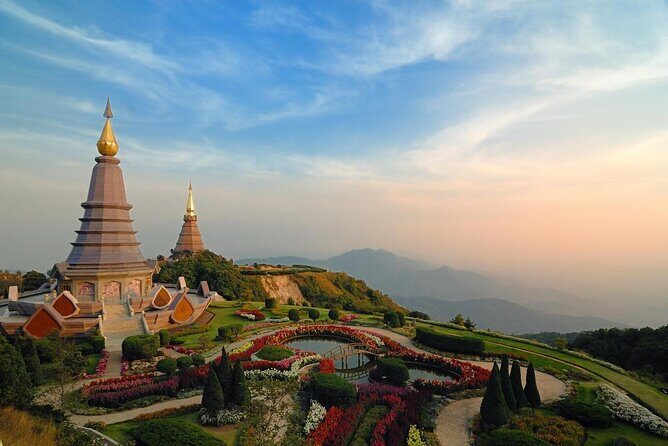
- Two royal pagodas in one stop: The King and Queen Chedis (plus their dress code rules).
- Waterfall trekking with a guide: You hike the Phak Dok Seaw trail, and the route can change to Kew Mae Pan or other options.
- Hill tribe coffee finish: Ban Mae Klang Luang gives you a short cultural stop and locally-grown coffee.
- Group size stays sane: Maximum of 36 travelers, which helps keep the day manageable.
The full-day rhythm: three highlights plus long-distance travel
This tour is built for people who want major Chiang Mai-area sights in one go. Expect 10 to 12 hours total, starting at 7:00 am. The day is mostly a schedule of moving between far-apart locations outside the city—so even with quick stops, you should expect the time to add up.
Price is $48.64 per person, and what you get for that matters. You’re not paying separately for the big structure of the day: air-conditioned transport, hotel pickup/drop-off, an English-speaking guide, bottled water, lunch, and insurance are included. That said, you still need to budget for entry fees at the locations that charge them. The tour lists THB 400 per person for the National Park + King and Queen Pagodas entry fees.
If you only have one day in Chiang Mai, this is a useful format. You’re trading a slower day for a packed one: elephants, mountain viewpoints, pagodas, a hike, and a hill tribe coffee stop.
You can also read our reviews of more hiking tours in Chiang Mai
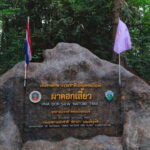
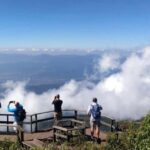
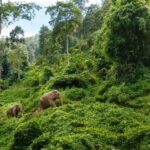
Living Green Foundation elephants: rules that shape the whole experience
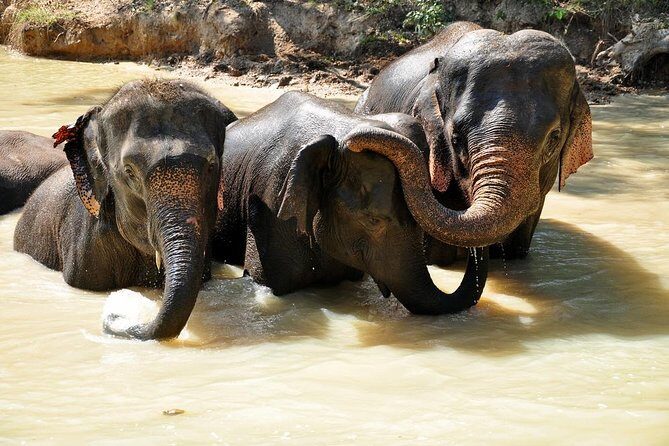
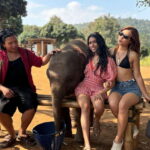
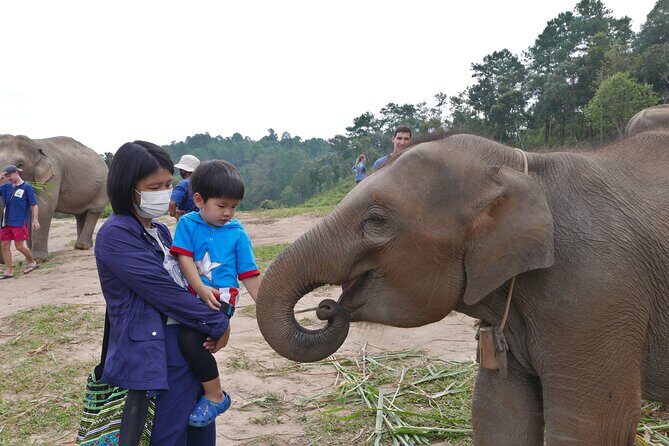
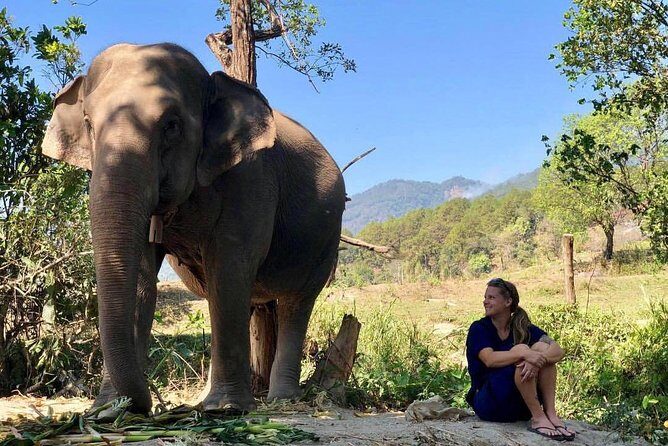
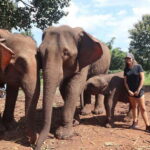
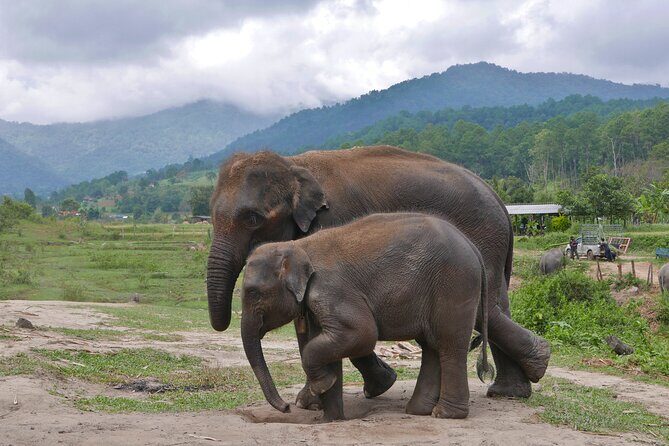
You start at Living Green Foundation (Meaklang Elephant Conservation) for about 2 hours. This is the “emotional anchor” of the tour: rescued elephants are cared for in a sanctuary setting where they have space to rest and recover.
The key ethical details are stated clearly:
- No riding
- No hooks
That changes the vibe. Instead of treating elephants like attractions, you’re more of an observer. The day is structured around close, human-sized moments—things like meeting the elephants, and participating in feeding and bathing activities with staff managing the care. The experience also includes movement to a river area as part of the sanctuary flow, so it’s not just a static viewing platform.
A practical tip: wear clothes you can treat like you’ve signed up for a water-and-dirt shift. The tour guidance explicitly tells you to bring extra clothes you don’t mind getting wet and dirty, plus sandals and a towel. Even if you don’t get soaked, the sanctuary environment is humid and active.
Also watch the time of day. Early morning can mean comfortable conditions for you, but elephants and staff keep their own pace. The best way to enjoy this portion is to show up ready to be present rather than expecting constant action on demand.
Doi Inthanon viewpoints and the King and Queen pagodas
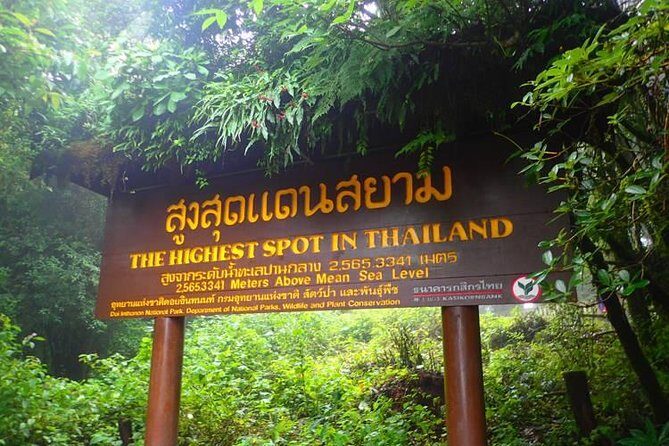
After the elephant sanctuary, you head toward Doi Inthanon National Park, where you’ll spend time at the highest point in Thailand. Doi Inthanon rises to 2,565 meters above sea level, and that elevation is the reason people talk about the “cooler air” up there.
Your itinerary includes:
- A short top-area stop at Doi Inthanon (about 25 minutes) for views and park scenery.
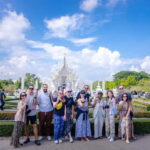
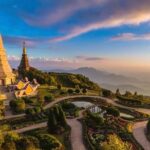
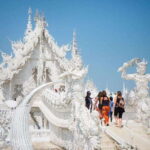
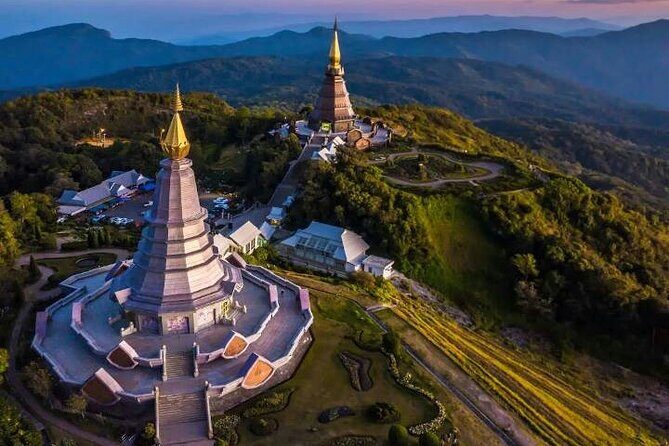
- The Phra Maha Dhatu Naphamethinidon and Naphaphonphumisiri Pagodas stop (about 1 hour).
Those pagodas are a standout because they’re tied to Thai royalty themes and are described as being built by the Thai Royal Airforce and Thai citizens. Even if you’re not a temple superfan, these chedis are easy to appreciate: big forms, strong symmetry, and a view that tends to make everyone slow down and look around.
Two things to plan for:
1) Bring a jacket. The tour guide instructions say to expect colder weather than Chiang Mai city.
2) Follow the dress code at the chedis. You’ll need casual attire or better. Flip-flops aren’t allowed, tank tops are prohibited, and shorts aren’t permitted. Sneakers or other closed shoes are acceptable, and long pants or jeans are fine.
This is one of those stops where a quick outfit adjustment can save you from last-minute frustration. If you want an easy win, pack long pants and a shirt you don’t mind for temple rules.
Phak Dok Seaw trail and Pha Dok Seaw waterfall: where your shoes matter
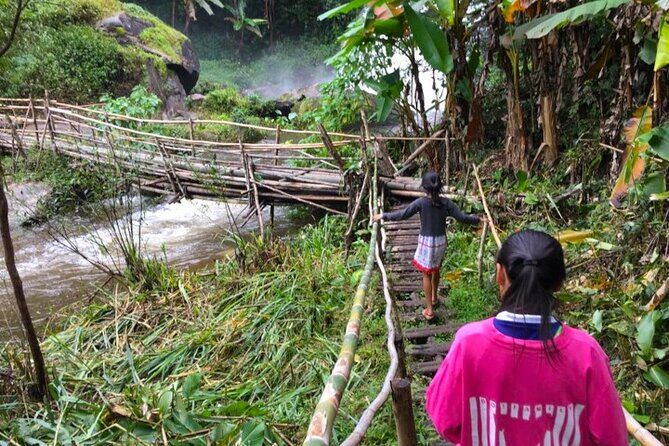
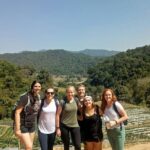
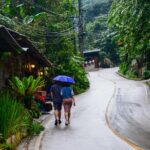
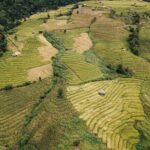
Next comes the “get out of the vehicle and earn the view” segment: a hike along the Phak Dok Seaw trail with a local guide. You’ll spend roughly 2 hours here, and the route is described as having rice terraces and wildlife.
You also get a payoff: cooling down at Pha Dok Siew Waterfall. The tour notes that the route can change to Kew Mae Pan or other options. That means the overall experience stays similar—nature + waterfall—but you shouldn’t lock your expectations to a single exact trail.
Here’s the big practical consideration: terrain can be slippery and wet. The tour brings up packing for getting dirty and wet, and some people find the walking can be more demanding than they expected. So don’t show up in squishy fashion shoes.
Use the tour’s own guidance:
- Shoes for trekking
- Towel
- Insect spray
- Extra clothes (if you’re planning to change after)
If you hate feeling like you’re constantly checking your footing, this part might feel like work. But if you can handle a cautious pace, the mix of jungle trail, terrace scenery, and the waterfall break is usually the most memorable “Thailand nature” moment of the day.
Ban Mae Klang Luang: coffee, community, and a calmer finish
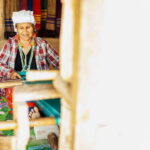
After the hike, you’ll visit Ban Mae Klang Luang, a hill tribe village stop (about 30 minutes). This is not a long cultural immersion. It’s a short, friendly landing where you can meet local people and try something specific to the area.
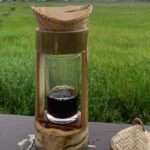
The emphasis here is coffee. You’ll sample different kinds of coffee that are locally grown and roasted. This is a nice contrast to the earlier adrenaline of the hike. You’re back in a human-scale environment, with a drink in hand and time to breathe a bit before the return drive.
It’s also a helpful way to end the day. The elephant stop is emotional, the mountain is scenic, and the waterfall is active. The village stop is quieter, and it gives you an easy souvenir you can actually taste.

What’s included (and what it changes about the day)
The included items aren’t just add-ons. They affect how easy the day feels:
- Hotel pickup and drop-off: You’re not arranging transfers across three far-away zones.
- Lunch: A Thai lunch keeps you from having to hunt for food between stops.
- Bottled water: Hydration is handled.
- Air-conditioned vehicle: Big for comfort during the long transport sections.
- English-speaking tour guide: You can understand what you’re seeing rather than just receiving a checklist.
- Insurance: You’ve got extra safety coverage built into the package.
Some people also highlight the lunch quality, mentioning dishes like coconut milk chicken soup or vegetarian pad Thai. Even if your exact menu changes, the consistent point is that the tour plan includes a real meal, not just snacks.
One more detail that matters: the day is structured to proceed even in bad weather as long as it’s safe. That’s useful in Thailand, where rain can show up without notice.
Price and entry fees: the honest math
At $48.64 per person, this price can be a real bargain if you compare it to booking three separate tours plus separate transport. You’re paying for a single organizer to manage the full route, including guide time and the elephant sanctuary portion.
But don’t forget the listed add-on: THB 400 per person for National Park + King and Queen Pagodas entry fees. So the “all-in” cost isn’t just the displayed price.
Still, even with that fee, the structure tends to hold value because you’re getting:
- Two major cultural/nature stops (Doi Inthanon + pagodas)
- One ethical elephant sanctuary encounter
- One guided hike to a waterfall
- Lunch + drinks + transport + guide + insurance
If you’re trying to do all that independently, the hardest part isn’t money. It’s time and coordination.
Transport reality check: long drives, rough roads, and van comfort
This tour depends on travel time. Doi Inthanon and the sanctuary areas are outside the city, and the road ride is a big chunk of your day. Some people describe the roads as curvy and narrow, especially on mountain routes.
If you’re prone to motion sickness, treat that as a real factor. The guidance calls out cold weather and trekking gear, but it doesn’t cover stomachs. Some riders report swervy curves on the way up. So I’d plan like you might feel it:
- Sit toward the front if your group allows it.
- Bring motion sickness medicine if you normally use it.
- Keep water handy and avoid a heavy meal right before the most curvy segment.
Comfort is the other variable. Multiple comments point to a van that can feel old or cramped, with limited legroom and ride quality that can be bumpy. The driver and guide quality can still be excellent, but vehicle comfort is not guaranteed.
If comfort is a priority for you, you might ask what vehicle you’ll be in before booking. And once you’re on the road, the best defense is practical: wear layers, bring a small neck support if you like it, and accept that this day is a “workday” for your body, not a relaxed city stroll.
Packing and dress code: do it once, do it right
The tour’s own checklist is solid. Bring:
- Extra clothes you don’t mind getting wet/dirty
- Sandals
- Shoes for trekking
- Towel
- Insect spray
- Jacket (cooler at the top)
Also plan for temple clothing. For the King and Queen chedis:
- casual attire or better
- no flip-flops
- closed shoes allowed (sneakers are fine)
- no tank tops
- shorts not permitted (long pants or jeans are okay)
If you can, pack like this:
- One “cleaner” outfit for pagodas
- One “mess-friendly” set for elephants and waterfall area
- A light rain layer if you run warm quickly
It’s not about fashion. It’s about not spending the day adjusting clothes.
Who this fits best (and who should skip it)
This is a strong match if you:
- have limited time in Chiang Mai and want three big experiences in one day
- enjoy early starts and cooler mountain air
- don’t mind a guided hike on potentially slippery ground
- care about an elephant sanctuary that follows strict rules like no riding and no hooks
It’s not the best match if you:
- get motion sick easily and don’t handle curvy roads well
- hate long van time and prefer to explore at a slower pace
- want a fully relaxed day with minimal walking
Also consider your hiking comfort level. The trail part is not just a scenic stroll. It’s active enough that your shoe choice and attention to footing matter.
The best way to choose: book for the elephants, stay for the rest
If you’re on a tight schedule, this tour makes sense. The biggest reason to book is the combination: an ethical elephant sanctuary experience paired with Doi Inthanon’s mountain-and-pagoda views and then a waterfall hike. That’s a lot to pack into 10 to 12 hours, but it’s also a smart use of time.
My call: book it if you’re okay with long drives and some walking. If you’re not, you’ll probably end up wishing you picked a slower, single-area day instead.
FAQ
FAQ
How long is the 3-in-1 tour from Chiang Mai?
The tour runs about 10 to 12 hours.
What time does the tour start?
Pickup starts at 7:00 am.
Is hotel pickup and drop-off included?
Yes. Hotel pickup and drop-off are included.
What does the tour price include?
Lunch, air-conditioned vehicle, English-speaking tour guide, insurance, and bottled water are included.
Are all entry fees included in the price?
No. The National Park and King and Queen Pagodas entry fees are listed as THB 400 per person.
What happens at the elephant sanctuary?
You visit Living Green Foundation (Meaklang Elephant Conservation) to meet rescued elephants with strict rules of no riding and no hooks. The stop lasts about 2 hours.
Do you get to hike during the tour?
Yes. You trek along the Phak Dok Seaw trail and reach Pha Dok Siew Waterfall. The trek portion is about 2 hours, and the route may change to Kew Mae Pan or other options.
What is the dress code for the King and Queen pagodas?
Casual attire or better is required. Flip-flops are not allowed. Tank tops are prohibited, and shorts are not permitted; long pants or jeans are acceptable.
What should I bring for the hike and elephant portion?
Bring extra clothes you don’t mind getting wet and dirty, sandals, trekking shoes, a towel, insect spray, and a jacket.
How many people are in the group?
This tour has a maximum of 36 travelers.