REVIEW · CHIANG MAI
Chiang Mai: Doi Inthanon Park and Pha Dok Siew Trail Trek
Book on GetYourGuide →Operated by Chiang Mai Footsteps Travel · Bookable on GetYourGuide
Thailand’s highest peak feels close to Chiang Mai.
This full-day outing sends you up to Doi Inthanon National Park and into cooler forest on the Pha Dok Siew Nature Trail, with early morning pickup that gets you out of the city before the day heats up.
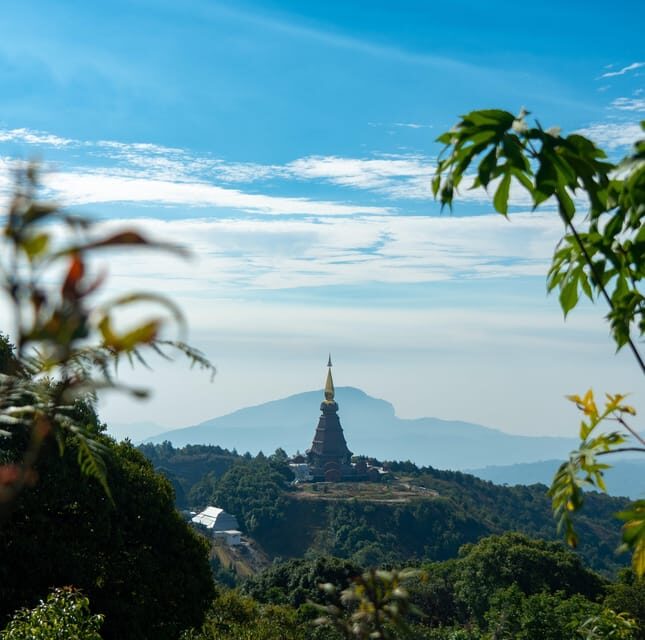
I especially like the mix of sights and walking: the King and Queen Pagodas give you big-valley views when the weather cooperates, and you still end with a proper nature break at Wachirathan Waterfall. One heads-up: the Pha Dok Siew walk is on narrow jungle paths (about 2–3 hours), and the overall day can feel long, so it’s not a fit for mobility impairments.
In This Review
- Key Things I’d Prioritize on This Tour
- Doi Inthanon Day Trips: Why This One Works Better Than a Classic Sightseeing Loop
- Price and Logistics: What $61 Really Buys You in a Full Day
- The Early Van Ride and the First Scenic Hit: Summit Area Without the Whole Grind
- King and Queen Pagodas: Big Views, and Weather Is the Final Boss
- Hmong Market Time and Lunch: Eating Local Without the Detour Tax
- Pha Dok Siew Nature Trail: The Main Event for Nature Lovers
- Karen Hill Tribe Rice Terraces: Traditional Farming, Up Close
- Baan Mae Klang Luang Coffee Tasting: Mountain Coffee, Not a Tourist-Snack Stall
- Wachirathan Waterfall: A Refreshing Ending That Can Be Spectacular After Rain
- The Day’s Pace: What a “Busy, Good” Schedule Feels Like
- Guides Matter Here: English, Humor, and Practical Nature Notes
- What to Bring (So You Don’t End Up Miserable at Summit Altitude)
- Who Should Book This Tour (and Who Should Skip It)
- Should You Book This Chiang Mai Day: My Straight Answer
- FAQ
- What time is pickup in the morning?
- How long is the Pha Dok Siew Nature Trail?
- Is lunch included?
- What does the tour include for food and drink?
- Is this tour suitable for people with mobility impairments?
- Are there temperature changes at the park?
- How big is the group and what language is the guide?
Key Things I’d Prioritize on This Tour
- Doi Inthanon summit stop: quick access to Thailand’s highest peak area, not a rushed photo line
- Pha Dok Siew Nature Trail: a guided hike through forest, terraces, and village scenery
- King and Queen Pagodas: powerful view potential, but fog/mist can happen at the summit
- Lunch + market time: local food and browsing, without turning the day into a shopping sprint
- Baan Mae Klang Luang coffee tasting: coffee made and served in mountain surroundings
- Wachirathan Waterfall: a refreshing finale, often more dramatic when it’s rained
Doi Inthanon Day Trips: Why This One Works Better Than a Classic Sightseeing Loop
Chiang Mai is great, but the best days usually send you out of town. This tour does that in a smart way: you’re not just riding to viewpoints and coming back. You’re getting a true day of altitude, forest air, village stops, and at least one walk that feels like you’re actually in the park.
The value also comes from what’s included. You’re paying for transport, park admission, a live English guide, lunch, and coffee tasting—plus hotel pickup/drop-off. For $61, that’s a lot of “day-trip plumbing” taken care of, which matters when you want to spend your energy on the views and the hike, not logistics.
You can also read our reviews of more hiking tours in Chiang Mai
Price and Logistics: What $61 Really Buys You in a Full Day
Let’s talk straight. $61 isn’t “cheap” in a vacuum, but in Chiang Mai it’s the kind of price that makes sense when the tour covers:
- Hotel pickup and drop-off
- Guide and national park admission
- Lunch and coffee tasting
- Travel accident insurance
This is also a small group (limited to 12 participants). That helps with pacing—your guide can keep the group together without making every stop feel like a cattle chute.
Timing-wise, pickup (when selected) is typically between 7:00 AM and 7:30 AM. Expect the morning to move briskly, then settle into a rhythm of short sightseeing stops and one longer guided trek.
The Early Van Ride and the First Scenic Hit: Summit Area Without the Whole Grind
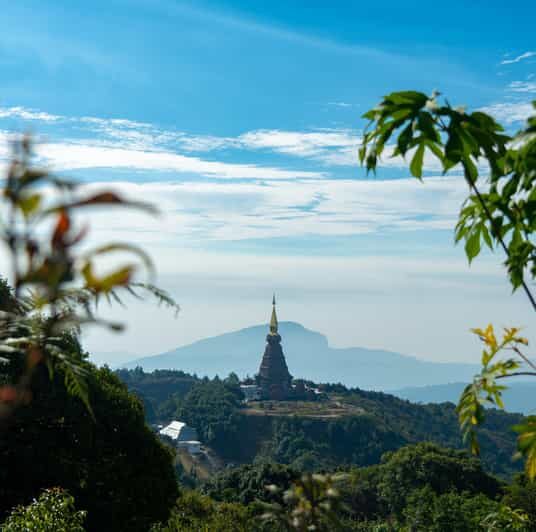
The itinerary includes a quick hit at the Doi Inthanon summit area (about 15 minutes) with scenic viewpoints on the way. That sounds short—and it is—but it’s a good strategy for most visitors. You get the altitude payoff without sacrificing the rest of the day’s walk, village time, and waterfall.
After that, you’ll have a monastery stop (around 30 minutes). The point here isn’t only the building itself—it’s the rhythm shift. You’re moving from highland views into cultural context, so the day doesn’t feel like one long “look, drive, look” cycle.
Then you transition into smaller community stops where time is measured in minutes, not hours. You’re not stuck there. You’re there long enough to see how the region lives.
King and Queen Pagodas: Big Views, and Weather Is the Final Boss
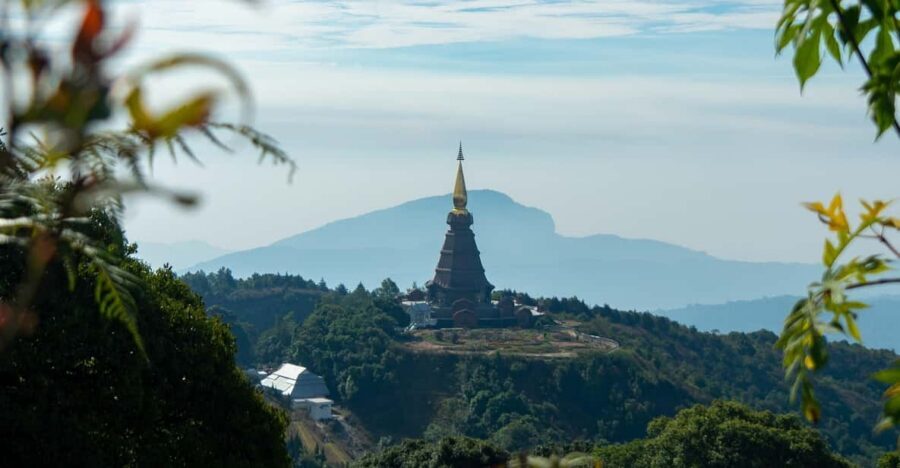
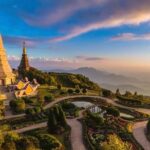
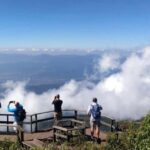
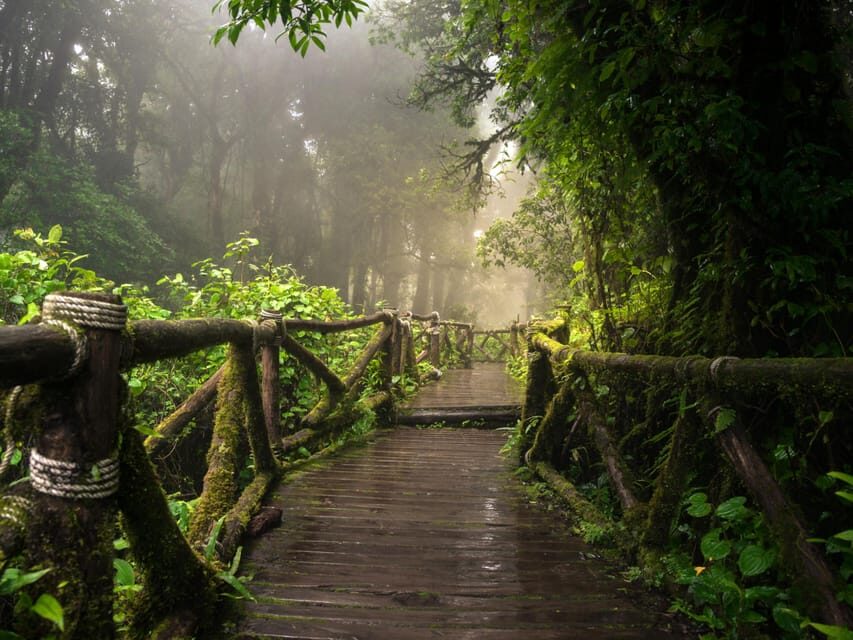
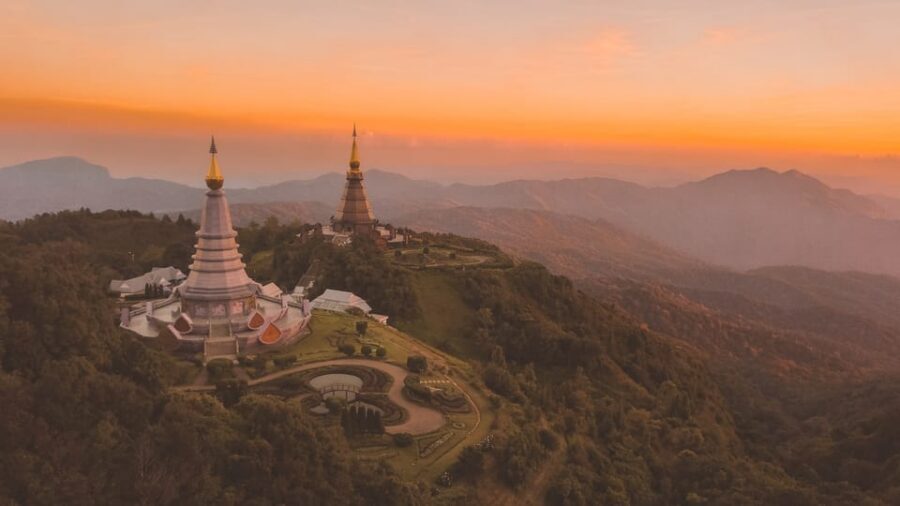
The King’s and Queen’s Pagodas are one of the headline moments, and they’re worth the trip even when visibility is average. Why? Because they sit in a place that makes the valley feel wide and real.
That said, this is mountain weather country. Mist or fog can roll in near higher elevations, and a few guides have handled this by adjusting what you focus on—more on the pagodas’ details, design, and viewpoint understanding when the view is limited.
If you’re the type who cares about photos, plan for this: wear layers. Bring your light jacket. Keep your camera ready but don’t bet your entire day on clear skies at the exact summit moment.
Hmong Market Time and Lunch: Eating Local Without the Detour Tax
You’ll stop around a local market setting (often described as Hmong Market time in the day’s flow). This is where the tour balances culture and comfort.
What you can realistically expect:
- browsing opportunities for seasonal produce and small local items
- a chance to see how people shop day-to-day
- lunch that keeps you fueled for the afternoon trek and waterfall
Lunch timing matters. Several parts of the day revolve around energy levels—especially once you’re walking on uneven ground. So it’s a big plus that lunch is included and scheduled.
Also, the lunch portion is usually substantial enough that you won’t be hunting snacks later in the day. (You’ll still want water and maybe a light snack if you get hungry easily—bring what you need.)




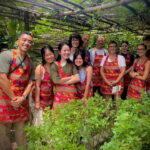
Pha Dok Siew Nature Trail: The Main Event for Nature Lovers
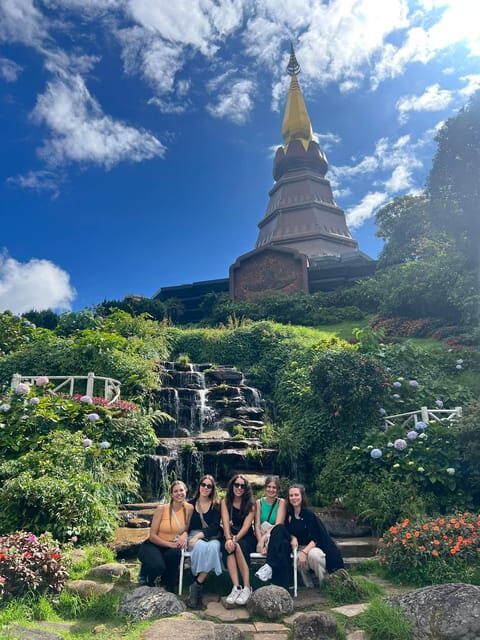
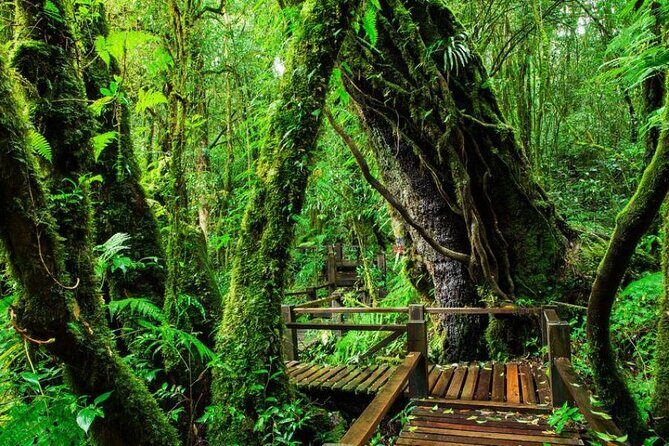
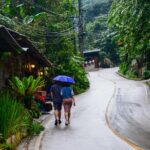
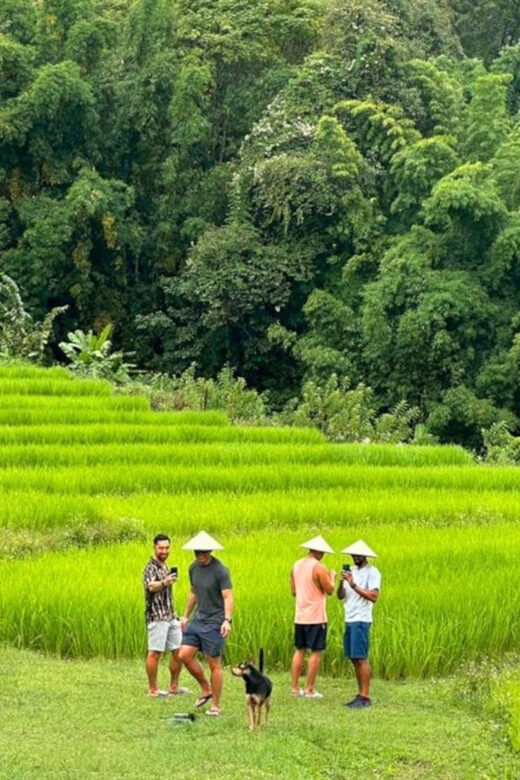
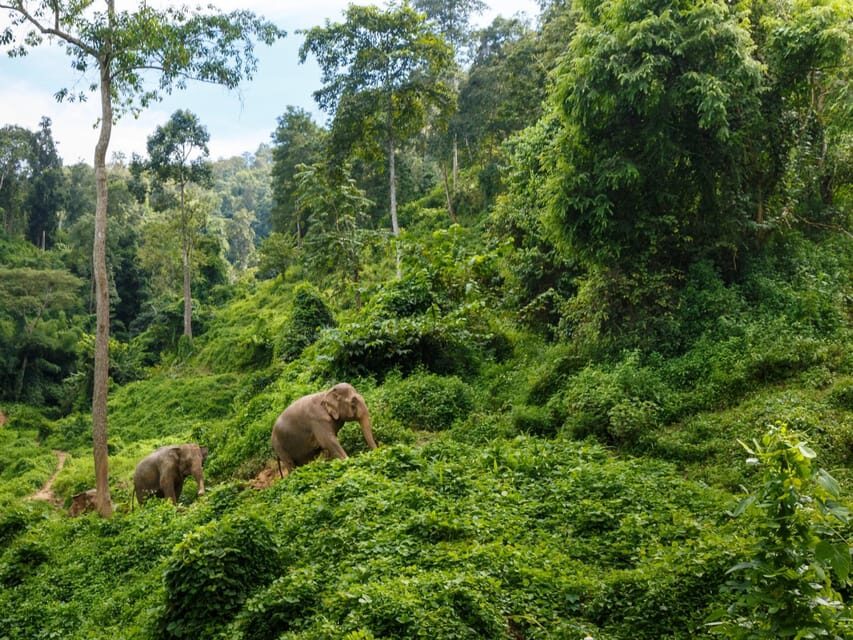
If you like forests, this is the part you’ll remember. The Pha Dok Siew Nature Trail is guided, set in jungle-like terrain, and takes about 2–3 hours. The path can involve narrow jungle sections, so decent footing matters.
How it typically feels:
- Many people find it moderate rather than brutal.
- Some stretches feel like a walk through a living tunnel of trees.
- You’re moving slowly enough to notice plants, birds, and the “working landscape” of rice terraces and village surroundings.
One reason this trail gets so much praise is that it isn’t only about the hike. You get stops and context—how local people connect the land to daily life. Guides often call out features you’d miss on your own.
Practical tip: wear hiking shoes and something that can get dirty. Bring insect repellent too. You’ll thank yourself in the forest portion.
Karen Hill Tribe Rice Terraces: Traditional Farming, Up Close
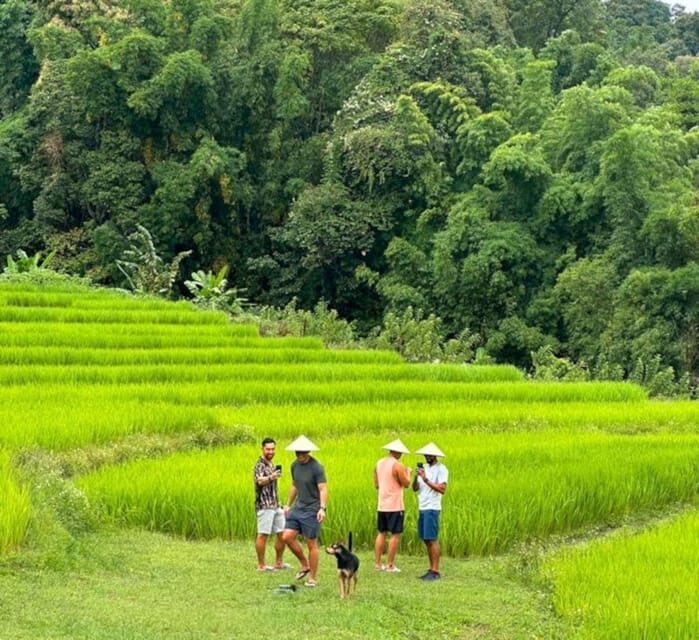
After the trail, the day often includes a visit connected to Karen Hill tribe communities and terrace rice fields, with a look at traditional farming methods. This isn’t a long “show”—it’s presented more like a lived-in way of farming than a staged performance.
What makes this stop meaningful is the connection to what you just walked through. The hills, terraces, and forest paths make more sense once you understand how communities work with the terrain instead of fighting it.
A brief note on expectations: you’ll spend limited time here (it’s a schedule-driven day). So treat it as an introduction that helps you see the region with better context—not as a deep cultural immersion.
Baan Mae Klang Luang Coffee Tasting: Mountain Coffee, Not a Tourist-Snack Stall
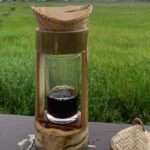
Coffee in Chiang Mai is everywhere, but this stop is different because it’s presented as a local coffee experience in a village setting: Baan Mae Klang Luang and a coffee tasting that’s included.
What I’d look for during this part:
- how coffee is prepared and served
- how the surrounding environment connects to local farming and daily rhythm
Even if you don’t consider yourself a coffee person, it’s a nice break in the middle of a physically active day. And it gives you something calm and sensory right before the waterfall finale.
Wachirathan Waterfall: A Refreshing Ending That Can Be Spectacular After Rain
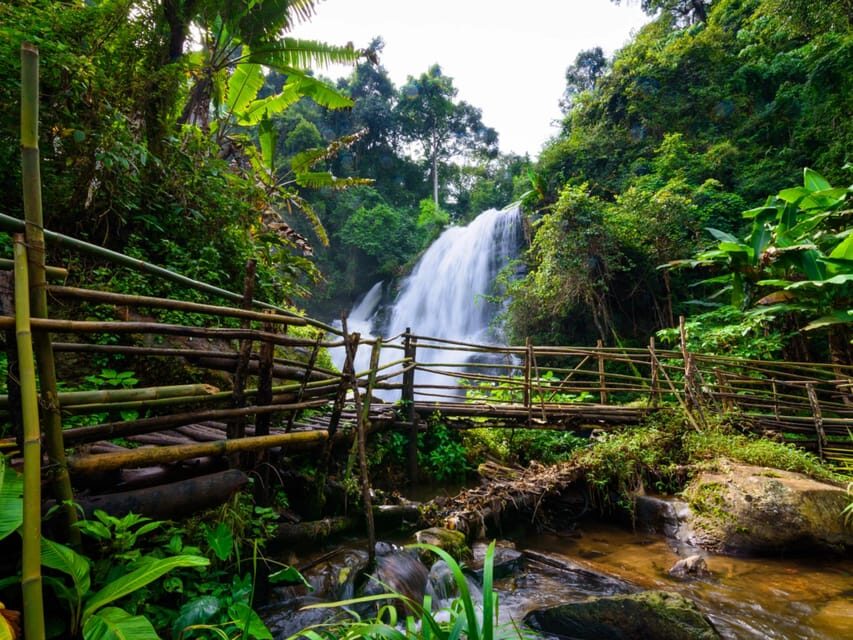
The day finishes with Wachirathan Waterfall (about a 15-minute stop plus scenic driving time). It’s a cascade that feels “majestic” in the plain sense—big enough that you hear it before you fully see it.
Here’s the weather reality: if it has rained, waterfalls tend to look stronger. When the day is wet, Wachirathan can feel dramatic—more power, more spray, more wow factor.
Even if the weather is less dramatic, it’s still a strong closing moment. You’re walking all day, climbing and descending at altitude, then you end with cool air and the sound of water. It balances the heat-and-jungle feeling you’ve had earlier.
The Day’s Pace: What a “Busy, Good” Schedule Feels Like
This tour is packed, but it doesn’t have to feel chaotic if your expectations match the format.
Key pace points:
- Early pickup gets you out of town
- Short visits rotate quickly (summit, monastery, pagodas, markets)
- One longer guided walk: Pha Dok Siew
- Village and coffee tasting breaks up the energy
- Waterfall provides a final nature reset
Some days can also run in a slightly different order depending on timing. For example, a few variations swap which is first among stops like waterfall vs lunch. That’s not a problem—it’s basically the tour operator protecting the schedule against traffic and weather shifts.
Speaking of traffic: the return drive can take longer than you’d expect, and the mountain roads can be slow. That’s normal in this region. Plan for a late-ish return and keep your day bag ready for the van ride.
Guides Matter Here: English, Humor, and Practical Nature Notes
One reason this trip earns high marks is the guide experience. Names that have shown up include May, Chai, Nine, Paul, Steve, Q, and Chan. People consistently describe their guides as friendly, energetic, and ready with facts and answers.
I think you’ll feel it most during the trek. A good guide turns a “walk in the forest” into a route with meaning. You’ll also appreciate photo help—some guides take extra time to help solo visitors capture pictures without making you feel rushed.
English is offered on this tour, and it helps when you want to ask questions like: What plants are these? What’s the terrace system? How do people read the forest?
What to Bring (So You Don’t End Up Miserable at Summit Altitude)
The practical kit list is clear, and I’d stick to it:
- Hiking shoes
- Hat and sunscreen
- Sunglasses
- Jacket (temperatures can drop at higher altitudes)
- Comfortable clothes that can get dirty
- Insect repellent
- Camera
One extra clothing note from real-world experience: when you visit temples and pagodas, plan for modesty around legs. If you’re traveling with exposed-leg outfits, consider bringing something light to cover.
Who Should Book This Tour (and Who Should Skip It)
This is a great choice if you want:
- a day trip that mixes nature + culture
- a guided hike that isn’t just a quick stroll
- the altitude hit of Doi Inthanon without planning a full independent itinerary
Skip it if:
- you have mobility impairments (the route isn’t suitable)
- you want a slow, lazy schedule with lots of free time
- you dislike hiking on uneven, narrow jungle paths
If you’re on the fence between different trails in the area, this one is usually a smart pick because it still packs in pagodas, markets, village time, and waterfall—so you’re not trading everything for only one type of experience.
Should You Book This Chiang Mai Day: My Straight Answer
Book it if you want a full, well-rounded day in Chiang Mai Province that includes the biggest nature hits: Doi Inthanon, Pha Dok Siew, Wachirathan Waterfall, and the region’s village connections. The price makes sense because so much is included: guide, park admission, lunch, coffee tasting, and pickup/drop-off.
Don’t book it if you’re chasing a super flexible schedule or you need accessibility-friendly walking. And don’t assume perfect visibility at the summit—bring your jacket, accept that mist happens, and focus on what you can control: your footwear, your pacing, and your willingness to enjoy the forest even when the views are cloudy.
If your goal is one day that truly changes the scenery from Chiang Mai street life, this is a strong bet.
FAQ
What time is pickup in the morning?
Pickup, when selected, is between 7:00 AM and 7:30 AM. If you choose not to have pickup, you meet at Baan Meesuk in Chiang Mai’s old town.
How long is the Pha Dok Siew Nature Trail?
The guided trek on the Pha Dok Siew Nature Trail takes about 2–3 hours.
Is lunch included?
Yes. Lunch is included during the tour.
What does the tour include for food and drink?
You’ll have lunch plus a coffee tasting experience at Baan Mae Klang Luang.
Is this tour suitable for people with mobility impairments?
No. The trek through narrow jungle paths makes it not suitable for people with mobility impairments.
Are there temperature changes at the park?
Yes. Temperatures can drop at higher altitude, so bringing a light jacket or long-sleeve layer is recommended.
How big is the group and what language is the guide?
The group is limited to 12 participants, and the live tour guide speaks English.