REVIEW · CHIANG MAI
Chiang Mai to Doi Inthanon Full Day Shared Tour
Book on Viator →Operated by WanderSiam Chiang Mai · Bookable on Viator
Doi Inthanon hits fast. This full-day shared tour is a smart mix of Wachirathan Falls plus cooler English-speaking guiding with a hill-tribe village, twin royal pagodas, and forest walking. The main thing to plan for is cost: the national park and pagoda entrances are extra, and lunch isn’t included.
I like that the pace is built for variety, not just sightseeing photos. You get waterfalls, then a short nature trail on a wooden platform, then culture at Ban Mae Klang Luang, before ending at the higher viewpoints. It’s also a small-group day, with a cap listed as up to 10 people, and the activity overall capped at 15, so you’re not stuck shoulder-to-shoulder.
Start early (7:30am), and pickups can begin up to 45 minutes before. Pack for weather swings too—this mountain is cooler, and winter months can feel chilly.
In This Review
- Key things that make this Doi Inthanon day feel worth it
- Why Doi Inthanon feels like a different Thailand
- Price and what you’ll really pay on the day
- Getting there smoothly: early start, comfort, and timing
- Wachirathan Falls: the big waterfall moment
- Sirithan Waterfall: dramatic drop and quick scenic reset
- The Twin Royal Pagodas: views plus temple manners
- Doi Inthanon National Park viewpoints and the easy Ang Ka Nature Trail
- Ban Mae Klang Luang: Karen village life at mountain altitude
- How the guide style changes the whole experience
- What to pack so the day stays comfortable
- Who this Chiang Mai to Doi Inthanon shared tour is best for
- Should you book this Doi Inthanon day trip?
Key things that make this Doi Inthanon day feel worth it

- Small-group feel with a maximum group size listed up to 10 (and the activity capped at 15).
- A lot of variety in one long day, from waterfalls to pagodas to an easy nature trail.
- A guide who explains more than scenery, including heritage and practical culture details (names that show up: Tik, Zach, Bright, Saman).
- Comfort on the road, with round-trip hotel pickup in Chiang Mai downtown and an air-conditioned vehicle.
- Easy forest time at Ang Ka Nature Trail, using a wooden platform path that’s suitable for everyone.
Why Doi Inthanon feels like a different Thailand
Doi Inthanon is the Roof of Thailand, and you can feel that “altitude mindset” from the moment the air cools down. At 2,565 meters, you trade Chiang Mai heat for crisp mountain weather and a different kind of green—plus chances to spot plants and birdlife that do better in the cooler climate.
This tour also hits two styles of travel in one day. You get the dramatic “nature wow” of major waterfalls, but you also get calmer, slower moments: a short forest walk and a village visit where you can learn how local communities live around the Mae Klang River.
You can also read our reviews of more tours and experiences in Chiang Mai



Price and what you’ll really pay on the day

The tour price is $45.10 per person, and that’s where the value comes from: hotel pickup and drop-off in central Chiang Mai, an English-speaking guide, an air-conditioned vehicle, and bottled water.
But you’ll need extra cash for entrances. The Doi Inthanon National Park fee is THB 300 per person, and the Twin Pagodas fee is THB 100 per person. Lunch is not included, so you’ll want to budget for a meal plan once you’re up in the park area.
If you want the simple rule: treat the headline price as covering the drive, guide, and most stops; treat entrances and lunch as add-ons you pay in cash during the day. That avoids the annoying last-minute surprises.
Getting there smoothly: early start, comfort, and timing
The day starts at 7:30am at Burger King – Thapae (Thapae2-6 Rachadamnoen Rd). If you’re using hotel pickup, they’ll start pickups up to 45 minutes earlier, so don’t plan a late breakfast or a relaxed morning.
You’ll ride in an air-conditioned vehicle, and you’ll get one bottle of drinking water per person. That matters on a long day because Doi Inthanon can feel cooler than lowland Thailand, but you’ll still be walking around on uneven paths near waterfalls and viewpoints.
This is also a rain-or-shine operation, so build in flexibility. If you’re the type who hates weather surprises, pack a poncho or raincoat so your day stays pleasant instead of stressful.
Wachirathan Falls: the big waterfall moment
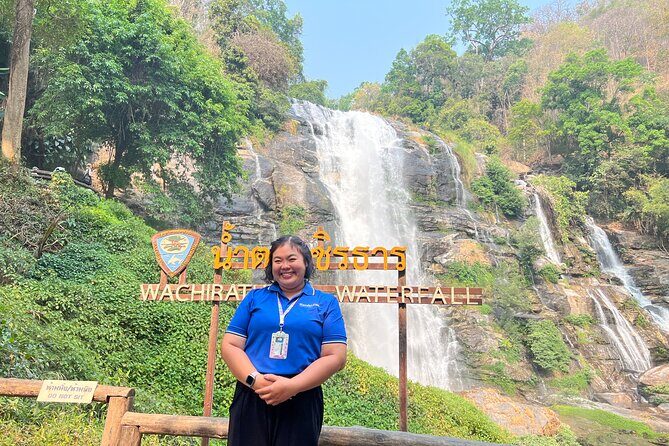
Wachirathan Falls is the centerpiece waterfall stop, and it’s the one the tour builds around. Because of the height, the water creates a powerful curtain effect that makes it feel bigger than the typical “walk up, take a picture” waterfall.
This stop is about 3 hours, and that longer time is a good sign. It gives you room to enjoy the falls without feeling rushed, and it also helps if you want to pause for mountain air and viewpoint checks.
Admission here is listed as free, which makes this one of the easiest “value wins” on the day. Just keep an eye on footing—waterfall areas can be slippery even when the weather looks fine from a distance.
Sirithan Waterfall: dramatic drop and quick scenic reset
Next comes Sirithan Waterfall, where the water cascades down a rocky cliff before joining the river below. It’s surrounded by lush greenery and sits in a more dramatic rock setting than some simpler falls.
This is a shorter stop—about 1 hour. I like this placement in the itinerary because it acts like a reset between the longer waterfall time and the cultural/pagoda segment. You get another nature hit, but you don’t lose the day to endless walking.
Admission is listed as free here too, so you’re not stacking paid entry costs on top of transportation and time. If you’re sensitive to tight schedules, the short duration makes it easier to stay happy even if the day is moving quickly.






The Twin Royal Pagodas: views plus temple manners
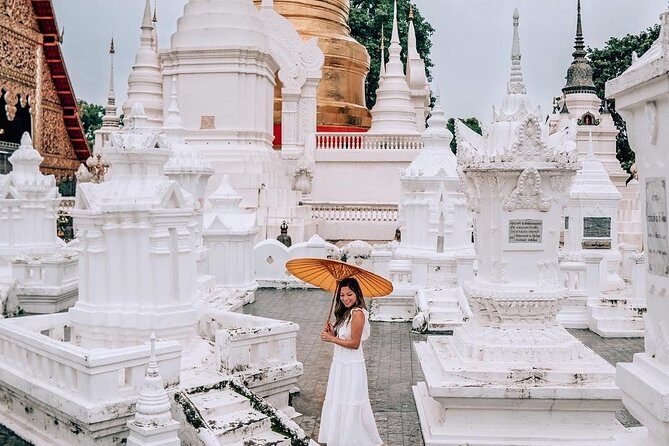
The Twin Pagodas are the most visually “designed” stop. The mirrored King and Queen chedis (Phra Maha Dhatu Nabha Metaneedol and Nabhapol Bhumisiri) sit up on the mountain, surrounded by colorful, maintained gardens.
This stop takes about 1 hour, and it’s also where you’ll want to slow down. Pagodas here aren’t just photo backdrops—they’re religious sites, and that changes the vibe. You’ll get a calmer, more respectful moment after the waterfall energy.
The big practical note: the Twin Pagodas entrance fee is THB 100 per person, and you should dress appropriately. Avoid flip-flops, and don’t wear revealing tops. Cover shoulders and knees. If you show up underdressed, you may end up scrambling to fix it on the spot, which wastes time you could use for viewpoints and gardens.
If you want the best experience, use the pagoda time to look outward as much as up. The whole point of this stop is the mountain setting and the panoramic feel.
Doi Inthanon National Park viewpoints and the easy Ang Ka Nature Trail
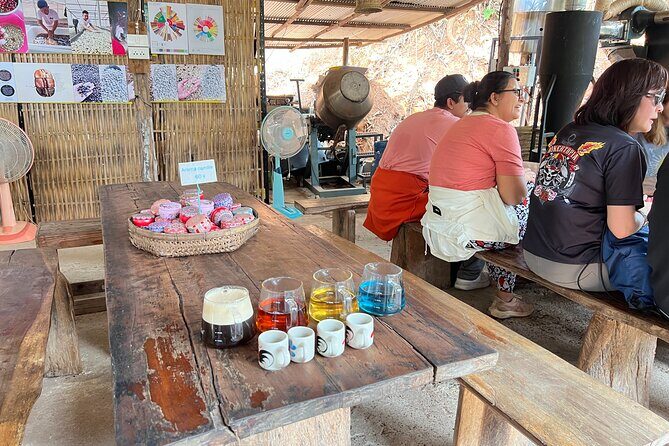
Once you’re in the national park area, the tour shifts from “big sights” to “slower immersion.” You’re surrounded by cooler temperatures and forest areas, with the promise of unique flora and birds that do well in this climate.
You’ll spend about 1 hour exploring Doi Inthanon National Park for viewpoints. This is a key section because it connects the waterfalls and pagodas. It’s where you start to understand the geography of the day: high points, forest corridors, and how everything relates to the mountain’s height.
Then comes the Ang Ka Nature Trail. This is one of the most traveler-friendly parts of the itinerary: it’s a short, easy nature walk on a wooden platform path that’s suitable for everyone. About 1 hour here gives you fresh air and a chance to notice small things—leaf textures, plant shapes, and how the forest changes as you gain elevation.
Practical note: the Doi Inthanon National Park entrance fee is listed as extra (THB 300). Even if some specific stops are marked as free on the schedule, you should still plan to pay the national park fee in cash on the day.
Ban Mae Klang Luang: Karen village life at mountain altitude
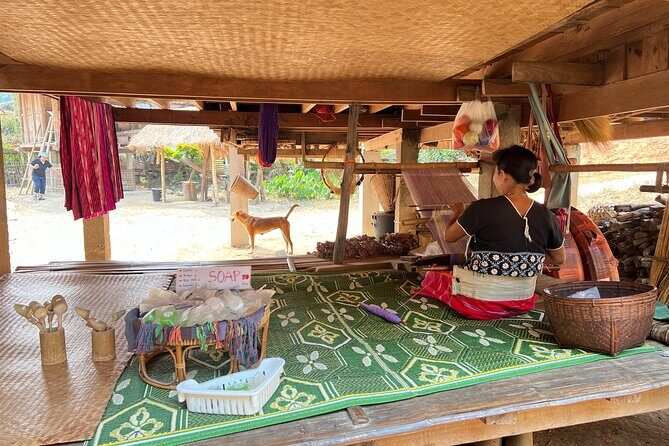
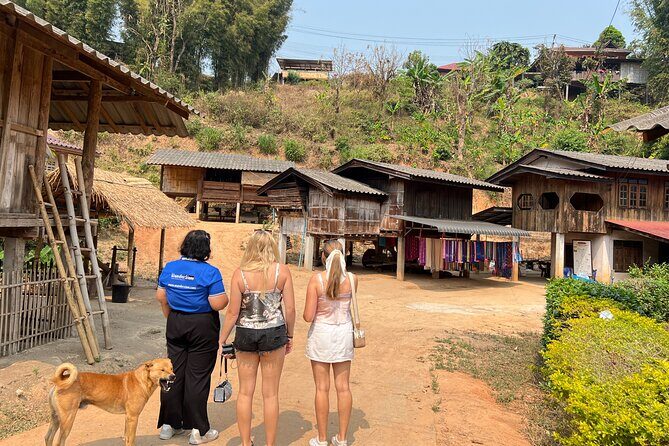
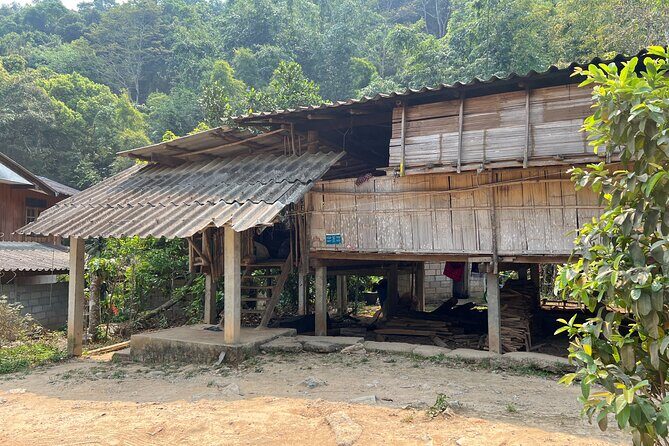
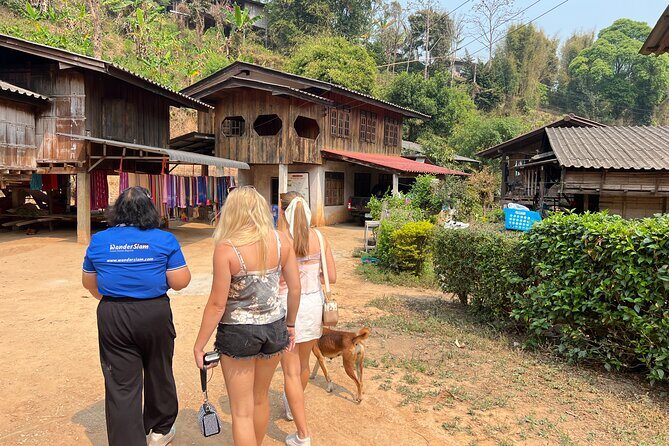
The cultural stop is Ban Mae Klang Luang, a Karen village named after the Mae Klang River. You’ll spend about 3 hours here, which is a solid amount of time for a village visit. It’s long enough to learn something real without feeling like you’re only there for a quick look.
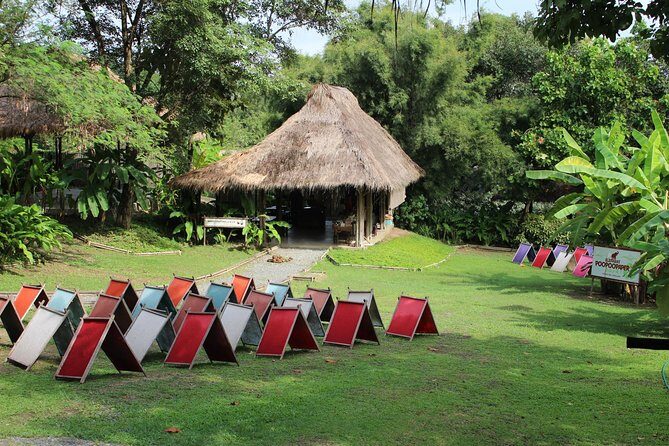
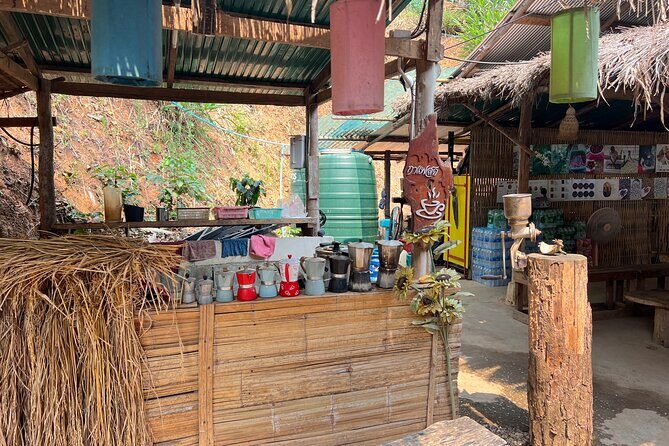
The setting is part of the story. This village sits in a mountainous landscape with green forests nearby, and the area includes rice cultivation around the river system. Expect a calmer rhythm than the waterfalls—more looking, listening, and observing everyday life.
A lot of the value here depends on your guide. On this tour route, guides like Bright and Tik are often described as energetic, attentive, and ready to answer questions, with explanations that go beyond surface-level talking points. That’s important because village visits work best when you can ask: What’s this place like day-to-day? How does the mountain environment shape life?
If you want to be respectful, keep your pace gentle and your questions clear. Dress modestly and follow any guidance from your guide and host community.
How the guide style changes the whole experience
This is the part you feel most on a day trip like this. When a guide is prepared, you stop collecting random facts and start connecting the dots: why the waterfalls look the way they do, why the pagodas were built as mirrored tributes, and what life in a Karen village means in a high-altitude setting.
From the names that show up frequently—Bright, Tik, Zach, Saman—the common thread is an upbeat, organized style. Some guides are described as walking with you from site to site, giving fun facts about Thai culture, and taking time so you can enjoy each stop instead of sprinting past it.
The driver also matters. If your route includes lots of turning, switching road conditions, and mountain travel, a good driver makes the whole day less tiring. Tam is one driver name you may see attached to this kind of outing, and the service tone tends to be smooth.
What to pack so the day stays comfortable
You’re dealing with altitude and weather swings. On paper, it’s “just” a day tour, but your comfort depends on preparation.
Bring:
- Poncho or raincoat for rainy season operations (the tour runs rain or shine).
- Long pants and a sweater or jacket during November to February when it can be chilly.
- Shoes with decent grip for waterfall areas and forest walkways.
- Respectful clothing for the pagodas (cover shoulders and knees).
- Cash for THB 300 (national park) and THB 100 (Twin Pagodas), plus lunch.
Also, plan for a long day. Even with a short nature trail, you’re stacking multiple stops over roughly 9 to 10 hours, so snack timing helps.
Who this Chiang Mai to Doi Inthanon shared tour is best for
This tour is a good match if you want a “high-value sampler” day rather than a slow, single-focus hike. You’ll like it if your trip style is: see the big sites, then add one or two calmer moments (trail + village) so the day feels complete.
It also suits people who don’t want to manage logistics alone—pickup, transport, and an English-speaking guide do the heavy lifting. If you enjoy learning as you walk, this is the kind of itinerary where the guide’s explanations make a real difference.
If you’re chasing a rugged, off-the-beaten-path experience only, you might prefer a smaller private option with more time at fewer places. This shared tour trades that for coverage and efficiency.
Should you book this Doi Inthanon day trip?
I think you should book it if you want an organized day that includes the mountain’s major wow moments—waterfalls, royal pagodas, a forest trail that’s easy enough for most people, and a meaningful Karen village visit. The value holds up because the tour price covers transport, hotel pickup/drop-off in Chiang Mai downtown, and an English-speaking guide, with water provided.
I’d hesitate if you hate extra fees or you’re trying to keep the entire day budget-tight, since you’ll pay THB 300 for the national park and THB 100 for the Twin Pagodas in cash. And if you’re not a morning person, the early start plus possible 45-minute pickup window can feel like a wake-up call.
If you show up prepared with layers, rain gear, and respectful temple clothing, this tour is one of the easiest ways to feel what “Roof of Thailand” actually means.