REVIEW · CHIANG MAI
Cook Local Northern Thai Food in Traditional House
Book on Viator →Operated by Grandmas Home Cooking School · Bookable on Viator
A smell of toasted spices and grilled food starts the day. This 7-hour Northern Thai class in Chiang Mai takes you from a local market to an organic farm, then into hands-on cooking using traditional tools. I love how much you make from scratch, and I love that the day explains why each ingredient matters, not just how to cook it. One drawback to plan for: it is not a private grandma’s house kitchen, it’s a school setup designed for safety and flow.
You start at 9:00am with pickup offered (round-trip hotel transfers are included). The class is capped at a small group size of up to 6 people, so you get real time at the workstations instead of watching from the sidelines. You’ll also go home with an e-recipe book to help you repeat what you learned.
In This Review
- Key Things You’ll Notice Right Away
- From Hotel Pickup to Coconut Pancakes: What This Day Feels Like
- Market Morning in Chiang Mai: Choosing Ingredients the Northern Thai Way
- Organic Farm Tour and Chicken Coop: Herbs, Veggies, and Fresh Eggs
- Traditional Techniques Workshop: Charcoal Grill, Millstone Flour, and Coconut Grater
- Lighting and working with a charcoal grill
- Milling flour with a traditional millstone
- Making coconut milk the traditional way
- The Five Dishes You’ll Cook (and How They Fit Together)
- Northern Thai Sausage
- Nam Prik Ong or Nam Prik Num
- Northern Pork Belly Curry
- Curry Young Jackfruit
- Thai Coconut Pancakes
- Lunch, Dessert Tasting, and the E-Recipe Book
- Small Group Size, English Instruction, and a “Real Class” Feel
- Price and Transfers: Is $57.99 Good Value?
- Who Should Book This Lanna Cooking Class
- Quick Practical Advice Before You Go
- Should You Book It?
- FAQ
- What dishes will I learn to cook in this class?
- How long is the experience?
- Is hotel pickup and drop-off included?
- What time does the class start?
- Is the class group small?
- Are alcohol drinks included?
- Can the school accommodate dietary requirements?
- Can I cancel for a full refund?
Key Things You’ll Notice Right Away
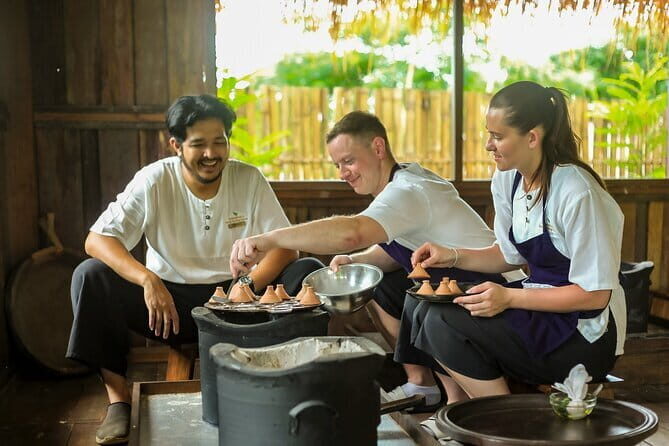
- Market shopping with context: You learn ingredients and seasonings as you choose them, so cooking makes more sense afterward.
- Organic farm picking (including herbs and veg): You gather what you’ll cook with, not just admire the plants.
- Egg-collecting at the chicken coop: A practical stop that ties food to place.
- Old-school techniques: Charcoal grilling, a traditional millstone for flour, and grating coconut the traditional way.
- Five-dish cooking with lunch and dessert: You eat what you make, plus there’s tasting time for Thai sweets.
- Small group, English-speaking instruction: Up to 6 people and hands-on guidance throughout.
From Hotel Pickup to Coconut Pancakes: What This Day Feels Like
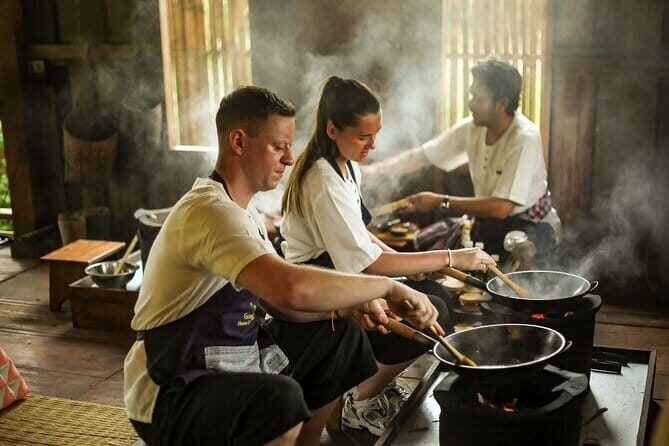
This is a full day of Northern Thai cooking, shaped like a food lesson and a mini food supply trip rolled into one. You’re not just cooking in a classroom. You’re seeing where ingredients come from, picking them, then turning them into dishes you can name and recreate.
What I like most is the pace. You get enough time for each step because the group is small, and the workflow is designed to keep you cooking rather than waiting. You’ll still be busy the whole time, though. If you like your activities to feel slow and relaxed, this one can feel like a sprint with breaks for lunch, dessert, and tastings.
Also note: alcohol drinks aren’t included. If you want a beer with lunch or a cocktail after, you’ll need to plan for that separately.
You can also read our reviews of more food & drink experiences in Chiang Mai
Market Morning in Chiang Mai: Choosing Ingredients the Northern Thai Way
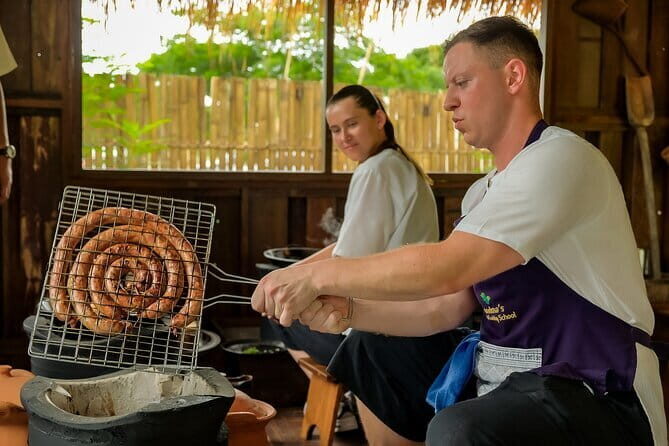
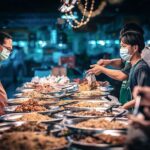
Your day begins with the local market visit, guided by English-speaking instructors who explain ingredients and seasonings used in Northern Thai cooking. This part matters because Northern Thai flavor often comes from a careful mix of pastes, aromatics, herbs, and smoky notes.
You’ll be guided through what to look for, how ingredients are used, and how to translate what you buy into what you cook later. Even if you’re not the type who usually goes market-shopping on vacation, you’ll likely come away with a better sense of what you’re tasting while you cook.
Practical tip: wear shoes that can handle a bit of walking. Markets are not formal. You’ll want to move comfortably between stalls and work surfaces.
Organic Farm Tour and Chicken Coop: Herbs, Veggies, and Fresh Eggs
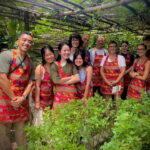
After the market, you head to the organic farm. Here you’ll tour the grounds, then pick Thai herbs and vegetables that will go into your dishes. It’s one of those stops that sounds like scenery, but it’s actually functional. When you later cook with those herbs, you’ll recognize them more easily, and that makes the lesson stick.
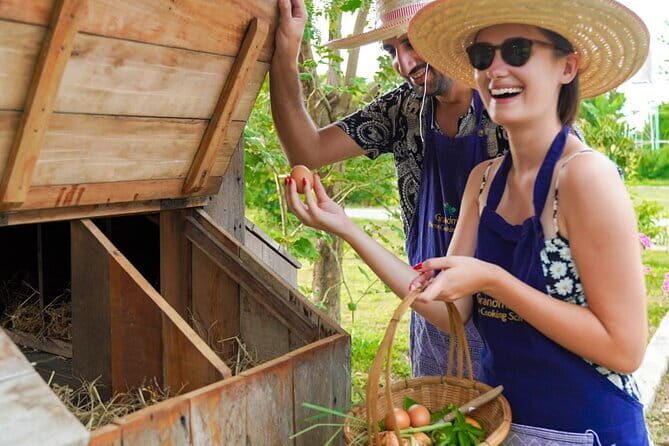
You’ll also visit a chicken coop to collect eggs. That small moment gives the day a grounded feel: you’re cooking with ingredients that came from a real cycle, not a grocery shelf.
A quick reality check: farms can be uneven and outdoor work can be dusty. If you’re sensitive to heat, bring sunscreen and plan to hydrate. The class includes welcome snacks and drinks, plus lunch and refreshments, but you should still treat the day as outdoor time.
Traditional Techniques Workshop: Charcoal Grill, Millstone Flour, and Coconut Grater
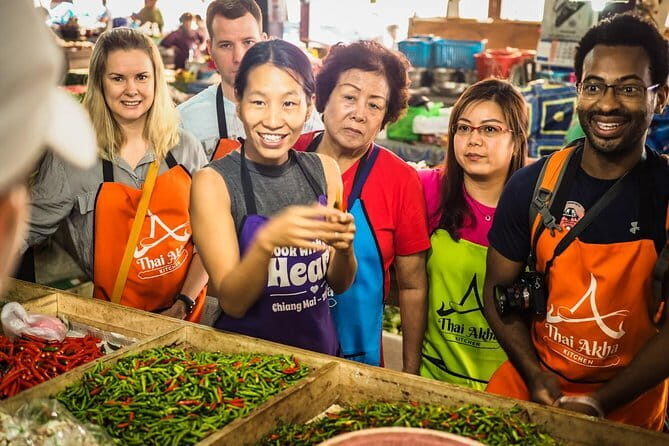
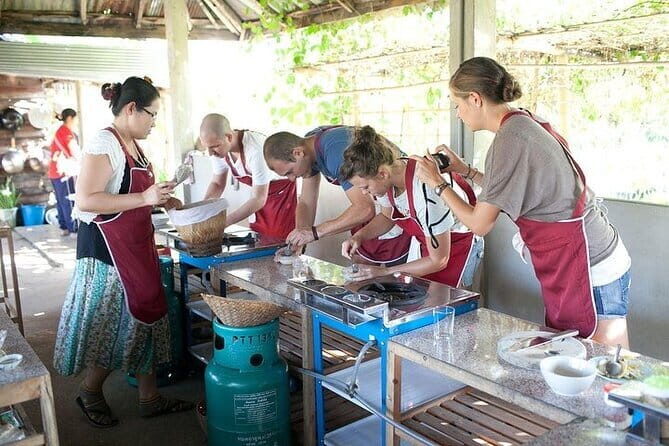
This is the skills chunk. You’ll learn and practice several traditional techniques that most cooking classes skip because they’re slow or a little messy.
Lighting and working with a charcoal grill
You’ll get instruction on lighting a charcoal grill. Then you’ll use that technique as part of the cooking process for the Northern dishes you make. The benefit is flavor and control: charcoal grilling adds a smoky depth that’s hard to replicate with a kitchen burner.
You can also read our reviews of more tours and experiences in Chiang Mai
Milling flour with a traditional millstone
You’ll mill flour using a traditional millstone. This step is simple in concept and satisfying in practice. It also makes you appreciate texture. When you make something with milled flour, you can taste the difference in how dough or batter behaves.
Making coconut milk the traditional way
You’ll use a coconut grater to work with coconut meat and produce coconut-based results. Coconut milk is central to many Thai flavors, and doing it the traditional way helps you understand what thick, creamy texture really means.
You might get a little hands-on with tools that feel more physical than modern kitchen gear. That’s part of the charm, and it’s also why small group size helps: you’re not competing for equipment.
The Five Dishes You’ll Cook (and How They Fit Together)
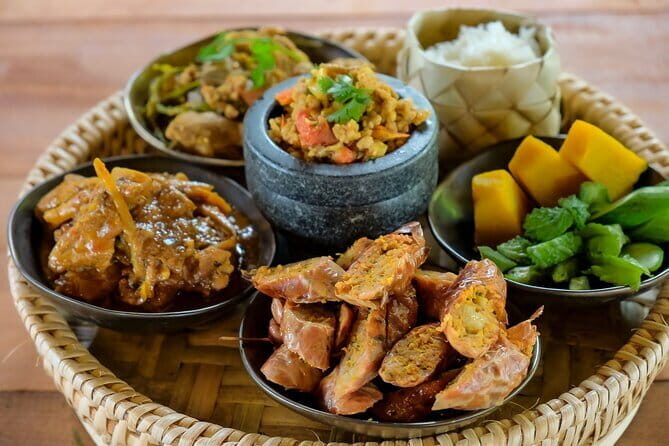
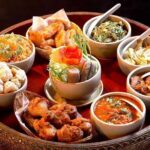
You’ll learn to cook five Northern Thai dishes. The names are specific, which is good because it keeps your brain organized while you’re cooking. Here’s how each one fits the day.
Northern Thai Sausage
You’ll learn Northern Thai sausage as one of the key dishes. It’s the kind of food that shows how regional cuisine isn’t just about heat. It’s about herbs, balance, and how flavors hold together when cooked.
Nam Prik Ong or Nam Prik Num
You’ll make either Nam Prik Ong or Nam Prik Num. These are chili-based dips or sauces in Northern Thai style. They matter because you’ll taste how chili can be complex, not just spicy. This is also where your market learning comes back—ingredients and seasonings start making sense.
If you’re choosing between the two types, think about what you like: one tends to be richer and savory, while the other can feel more vegetal and bright. Either way, you’ll get instruction on building that paste and cooking it properly.
Northern Pork Belly Curry
This is your comforting, saucy dish. Pork belly curry is a great anchor because it teaches how aromatics and fat work together. When you cook it, you’ll better understand how Northern Thai curries can be less about heavy sweetness and more about balance and depth.
Curry Young Jackfruit
Young jackfruit curry brings a different texture and cooking logic. The fruit’s “meaty” bite changes how the curry feels in your mouth. It’s also a reminder that Thai cuisine often swaps ingredients based on season and availability, not just what’s imported.
Thai Coconut Pancakes
This ends the day in a sweet, satisfying way. You’ll make Thai coconut pancakes using the traditional methods you practiced earlier, including coconut prep. It’s a smart final dish because it connects the morning tools (grating coconut, coconut milk) to something you’ll want to eat again and again.
Lunch, Dessert Tasting, and the E-Recipe Book
Your lunch break includes tasting of what you’ve made. That’s more important than it sounds. When you eat immediately after cooking, you can connect technique to flavor while the steps are fresh in your mind.
You’ll also have a dessert and refreshments tasting session. Northern Thai sweets and snacks can be a different flavor world from the savory dishes, so this gives you a fuller picture of the cuisine instead of ending on one note.
Then there’s the e-recipe book you can download. This is the practical part. Cooking classes can be fun, but the real value is being able to recreate dishes at home. Having written steps helps you repeat the key techniques without relying on memory.
Small Group Size, English Instruction, and a “Real Class” Feel
The maximum group size is 6, and the instructors speak English. That combination is a big deal. In a larger class, you often spend half your time waiting for the next step. Here, you can ask questions and get guidance while you cook.
Based on the overall vibe people describe, the class runs clean, fun, and safe. Just don’t expect a literal grandma’s home kitchen. The name is part of the branding. The day still feels authentic because the techniques and ingredient gathering are real, not because you’re sitting in an old wooden house.
Price and Transfers: Is $57.99 Good Value?
At $57.99 per person for about 7 hours, this can be a good value if you want more than a single cooking lesson. Here’s why.
You’re paying for:
- ingredient selection time at a local market,
- an organic farm visit and herb/vegetable picking,
- a chicken coop egg-collecting stop,
- hands-on teaching in traditional techniques (charcoal grill, millstone, coconut tools),
- lunch plus dessert and refreshment tastings,
- round-trip hotel transfers,
- and an e-recipe book.
You’re also getting accommodation for special dietary requirements, which reduces the risk factor if you eat in a structured way. The only thing not included is alcohol drinks.
If you’re the type who wants to learn a small set of dishes deeply and actually leave with repeatable skills, this price makes sense. If you only want a quick cooking demo and don’t care about market-to-kitchen connection, you might find other cheaper classes that feel more basic.
Who Should Book This Lanna Cooking Class
This class is a strong fit for:
- food lovers who enjoy hands-on cooking, not just tasting,
- travelers who want Northern Thai dishes and regional ingredients explained,
- people who like learning tools and techniques, like charcoal grilling and coconut prep,
- anyone who wants a small-group day in Chiang Mai rather than a large tour bus routine.
It’s less ideal if:
- you want a fully relaxed pace with lots of free time,
- you dislike outdoor stops like the farm and coop,
- you need a very quiet, low-activity experience.
If you’re traveling as a couple or small group, the max 6-person setup can feel extra personal. Children under 12 are welcome as visitors, so families can consider it, but it’s still a cooking and picking-heavy day.
Quick Practical Advice Before You Go
A few things will help you get the most out of the day.
- Bring comfortable, closed-toe shoes for market and farm time.
- Expect to get a bit hands-on. You’ll be using real tools and cooking from scratch.
- Plan to eat. Lunch and dessert tastings are included, and you’ll sample what you cook.
- If you have dietary needs, mention them ahead of time so the class can accommodate you.
Should You Book It?
I’d book this if you want a complete Northern Thai cooking day with ingredients chosen by hand, traditional technique practice, and dishes you can name and repeat later. The best part isn’t just the food outcome. It’s the chain that connects market, farm, tools, then five finished dishes.
I’d skip it if you’re chasing a light, low-effort experience or if you only want one quick dish. This is a full workday of cooking and learning, and that’s exactly what makes it valuable.
If you’re already in Chiang Mai and you’re within reach of a 9:00am start, this is the kind of class that can end up being your favorite meal memory, because you built it step-by-step.
FAQ
What dishes will I learn to cook in this class?
You’ll learn to cook five dishes: Northern Thai Sausage, Nam Prik Ong or Nam Prik Num, Northern Pork Belly Curry, Curry Young Jackfruit, and Thai coconut pancakes.
How long is the experience?
It runs for about 7 hours.
Is hotel pickup and drop-off included?
Yes. Round-trip transfers to and from your hotel are included, and pickup is offered.
What time does the class start?
The start time is 9:00am.
Is the class group small?
Yes. The maximum group size is 6 travelers.
Are alcohol drinks included?
No. Alcohol drinks are not included.
Can the school accommodate dietary requirements?
Yes. The activity is able to accommodate special dietary requirements.
Can I cancel for a full refund?
You can cancel for free up to 24 hours in advance of the experience start time for a full refund.