REVIEW · CHIANG MAI
Wat Phra That Doi Suthep & Hmong Village Half Day Tour From Chiang Mai
Book on Viator →Operated by Oh-Hoo · Bookable on Viator
Two cultures, one short morning. A half-day trip to Doi Suthep means you get temple sights and a quick hill walk, then you shift gears to a Hmong Village for real everyday culture, not just photos. It’s built as a small group tour (up to 15), so you spend more time looking and asking, and less time waiting around.
I really like the practical pickup and drop-off, especially if you’re staying near Tha Phae Gate. I also like that you’re not just ticking off a landmark: you get temple atmosphere at Doi Suthep and then a chance to see how the Hmong community lives, including the famous colorful, detailed clothing.
One watch-out: timing can be strict, and there may be optional add-ons (like a garden or waterfall) that cost extra. If you’re hoping for long, story-heavy explanations at every statue and building, you may need to speak up and ask for more detail.
In This Review
- Key Highlights That Matter
- Doi Suthep Starts With a Short Hike You’ll Actually Finish
- Wat Phra That Doi Suthep: The Temple Complex Is the Main Show
- The Hmong Village Stop: Culture You Can Talk To
- How the 4-Hour Format Changes the Experience
- Price and Value: Why $32.18 Can Work (or Not)
- Who This Tour Fits Best
- Practical Tips That Make This Day Easier
- Should You Book This Tour?
- FAQ
- What’s the duration of the Wat Phra That Doi Suthep & Hmong Village half-day tour?
- What time does the tour start, and when do I get back?
- Where does the tour start from in Chiang Mai?
- Is pickup and drop-off included?
- What language is the guide?
- Do I need to dress a certain way for the temple?
- Is the tour suitable for families or kids?
- What’s the cancellation policy?
Key Highlights That Matter

- Doi Suthep in half a day, with a quick hike and plenty to see at the temple complex
- Hmong Village culture, including interaction and a close look at traditional clothing
- Small group size (max 15), which usually means less crowding and less frantic pacing
- English-speaking guide + comfortable transport, so you’re not figuring it out alone
- A fixed 8:30am start with return around 1:00–1:30pm, leaving your afternoon open
Doi Suthep Starts With a Short Hike You’ll Actually Finish
Your morning begins at Tha Phae Gate around 8:30am. This is one of those tours where you’re not stuck waiting on the edge of the city all day. Pickup runs in a round-robin style, so you’ll likely get collected in order, not all at once. Then your driver and guide get you moving toward Doi Suthep at a steady pace.
The first real activity is a hike up to the temple area. It’s described as a quick hike, which is exactly what you want when you only have about four hours total on the clock. You’re still walking uphill, so wear shoes you trust. Even if you’re not a hardcore hiker, the route is usually manageable if you keep a steady rhythm and take it slow for the first few minutes. Bring a bit of water too, since temple mornings can warm up faster than you expect.
If you’re coming straight from downtown, this climb also gives you a nice “Chiang Mai altitude moment.” The air changes. Views start popping out. And your brain shifts from city mode into temple mode.
You can also read our reviews of more tours and experiences in Chiang Mai.



Wat Phra That Doi Suthep: The Temple Complex Is the Main Show
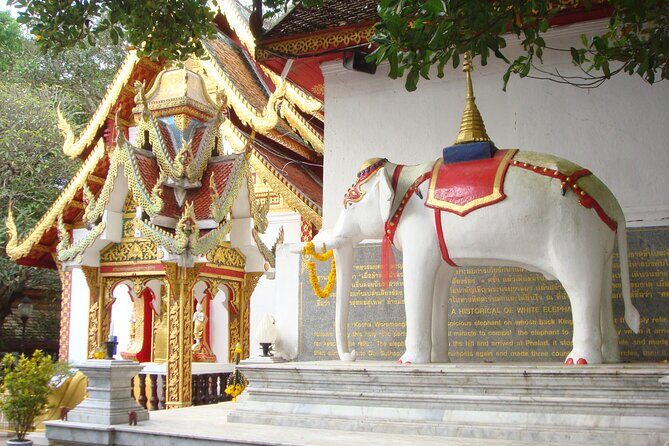
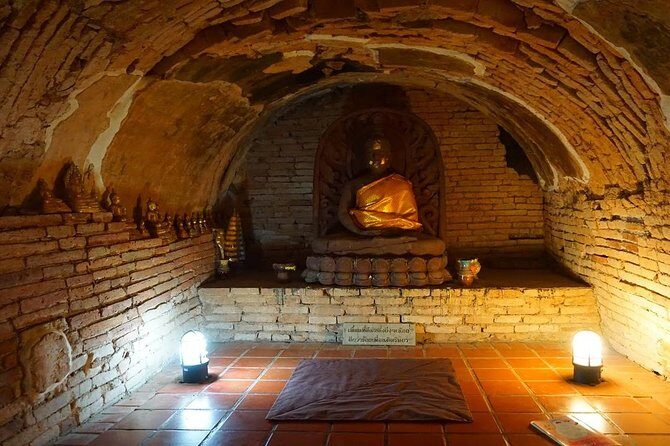
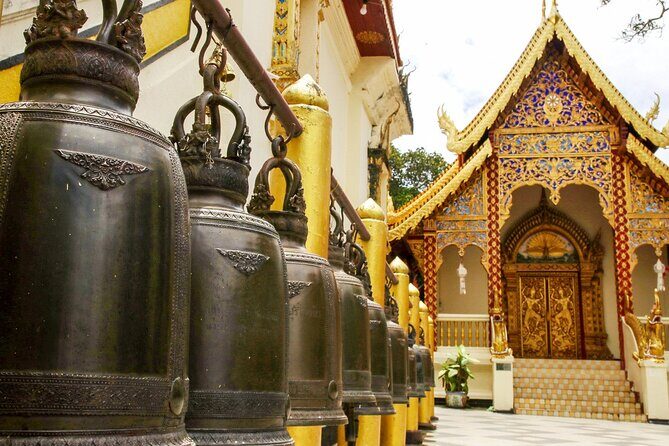
Doi Suthep is home to Wat Phra That Doi Suthep, and the temple complex is where you’ll spend meaningful time. This is not a drive-by stop. The point is to walk around and take in shrines, chedis, and temples that show the influence of Buddhism in Thailand.
Here’s what makes the temple portion worth it: it’s visual and interactive. You’ll see different buildings and shrines clustered in a way that feels layered, almost like the site keeps expanding the more you look. There are plenty of angles for photos, but the better move is to pause. Look at how people behave—where they stand, how they move, when they bow. Even if you don’t catch every explanation, you can learn a lot just by watching.
Dress matters. You’ll want modest clothing for temple entry and respectful walking. Think shoulders covered, and avoid very short shorts or transparent fabric. If you forget, you may find yourself juggling scarf or layers, so pack something light if your wardrobe is borderline.
Also, remember that not every guide style is the same. Some people want a storyteller who explains every statue and building in depth. Others prefer a more time-focused approach. If you’re the first type, ask early for context. A simple question like what this specific chedi style represents can turn a basic look into a richer one.
The Hmong Village Stop: Culture You Can Talk To
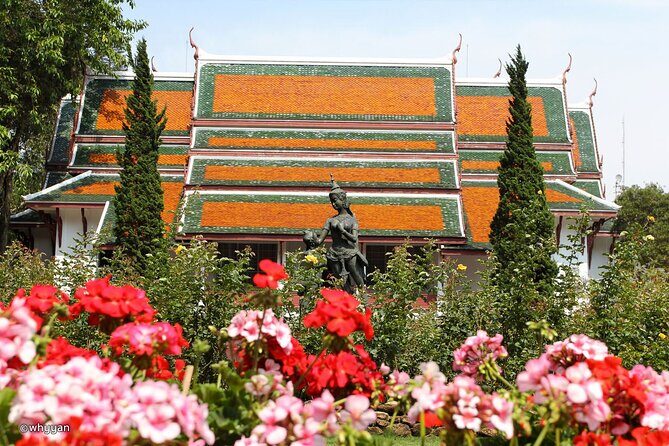
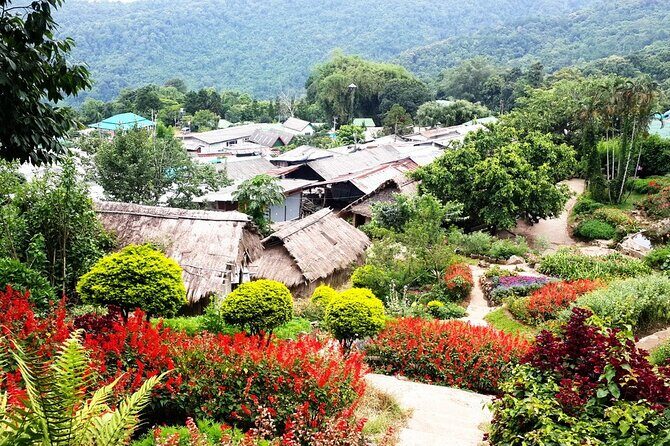
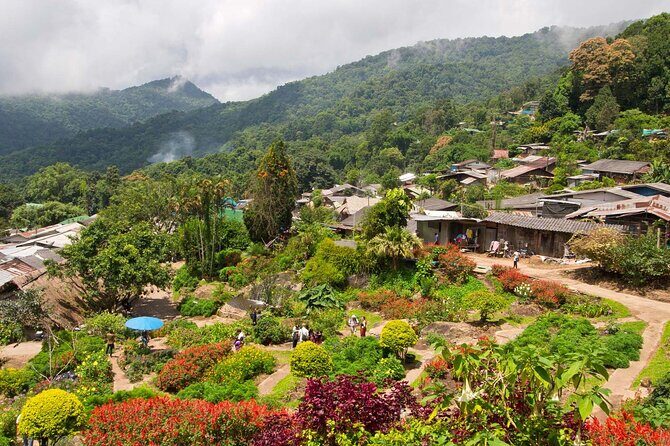
After the temple, the tour shifts to a Hmong Village visit. This part is often the “human” contrast to the temple: less incense and architecture, more everyday life and people-based learning.
The village is known for colorful and intricate garments, and you’ll get time to see clothing up close. That matters because in a place like this, clothing isn’t just fashion—it’s part of identity, craftsmanship, and community expression. Take your time here. If you rush, you miss the details that make the textiles interesting.
You also get a chance to interact with the community and learn about their culture and way of life. What I’d recommend: be curious, not performative. Ask questions about daily routines, what the garments are used for, or what traditions are still practiced. If your guide encourages conversation, go with it. If they keep things moving fast, you can still learn a lot by watching first and asking one or two focused questions.
One practical note from the tour experience: sometimes there can be extra side stops that come with additional entrance fees, such as a garden or waterfall. If that happens on your day, you’ll have a choice. I’d treat it like a bonus, not the core of the visit. If you’re more interested in people and culture than scenery, it may not be worth the added cost.
How the 4-Hour Format Changes the Experience

This is a half-day plan, and that’s the secret sauce. Instead of spending your whole day on buses and long waits, you pack two major cultural moments into a tighter schedule. That’s also why small group size (up to 15) matters. Big groups turn stops into a traffic jam. Smaller groups usually feel calmer, and you can actually keep up with what’s going on.
Still, timing is real. One thing I’d keep in mind: guides can be strict about the clock. That doesn’t mean they’re unfriendly. It just means you may get less wandering time than you’d get on a slower private tour. If you’re the kind of traveler who likes to linger at each viewpoint, you might feel slightly rushed here and there.
My advice: use your “linger blocks” strategically. Spend extra time on the temple areas that interest you most—shrines and chedis are the visual anchor. Then in the village portion, focus on interaction and clothing details. Don’t try to cover everything equally. With only a few hours, smarter choices win.
At the end, you’ll head back to your starting area, and the tour returns you to your hotel around 1:00–1:30pm depending on traffic and your hotel location. This is great if you want to plan a relaxed lunch, an afternoon massage, or a second exploring session on your own.
Price and Value: Why $32.18 Can Work (or Not)
At $32.18 per person for about four hours, this tour sits in the budget-friendly range for Chiang Mai. But value isn’t just price. Value is what you get for your time and your energy.
Here’s the math that matters:
- You’re paying for transport from central Chiang Mai and for a guide to connect the dots between Buddhism and Hmong cultural life.
- You’re also paying for a schedule that returns you by early afternoon, so you can avoid losing your entire day.
- And because it’s a joint tour with a small cap, you avoid some of the steep costs of private guiding.
So when is it a smart buy? If you want a well-run sampler—temple first, village second—without managing logistics on your own. If you’re okay with a paced itinerary and you’ll ask questions when you want more detail, you’ll likely feel like the money went to the right place.
When might it feel less worth it? If you crave deep historical interpretation at every stop, and you end up with a guide who keeps things brief. Or if your day includes optional paid add-ons (like a garden or waterfall) that you personally don’t care about. In that case, you may be paying for time you didn’t need.
A simple fix: decide what you care about most before you go. If temple symbolism is your thing, say so. If village culture is your main goal, ask the guide to prioritize that part.





Who This Tour Fits Best
This tour is a good match if you want:
- A half-day cultural plan with a real mix of religion and minority community life
- A tour that’s not overwhelming in length, with return by early afternoon
- Moderate walking with a quick hike that’s manageable for many people
- English-speaking guidance and comfortable transportation
It also lists that most travelers can participate, including pregnant women and persons with disabilities. Since the tour includes a hike, it’s still smart to think about your comfort level with uphill steps. If you want, ask the operator what the hike involves on your date.
If you’re traveling with kids, there’s a child ticket for ages 3–6. Because temple etiquette and modest dress are part of the deal, bring a light plan for what your child will wear and how you’ll keep them comfortable during the walk.
Practical Tips That Make This Day Easier
These are small things that can save you stress.
- Dress modestly for the temple. Shoulders and legs matter.
- Wear grippy shoes. You’ll be walking on uneven ground.
- Bring a small water bottle. Mornings can start cool, then turn warm fast.
- Decide on add-ons early. If a garden or waterfall stop with an entrance fee comes up, decide based on your priorities, not momentum.
- Ask for details. If you want deeper explanations of shrines or building meanings, ask directly. Guides vary in how much they talk, and you get better value when you guide the conversation.
Should You Book This Tour?
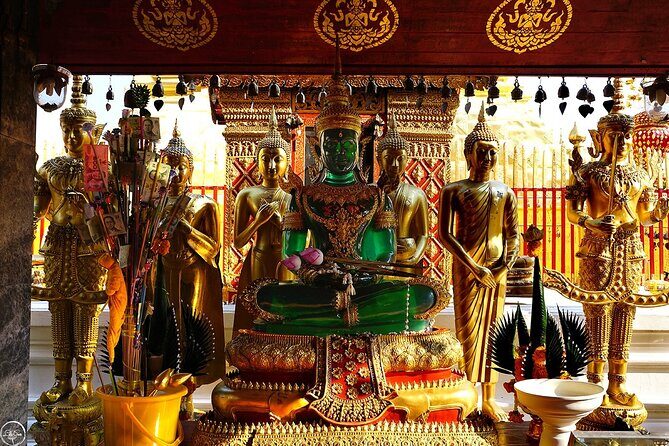
I’d book this tour if you want a tight, efficient half-day that gives you both Wat Phra That Doi Suthep atmosphere and a meaningful Hmong Village cultural visit. It’s especially worth it when you like structured days—show up, get picked up, follow a plan, and get back early enough to enjoy the rest of Chiang Mai your way.
I wouldn’t book it if you need a slow, history-lecture-style experience at every statue and building. If that’s your travel style, you might prefer a private guide or a longer tour where you can spend extra time and ask more questions without worrying about the clock.
Overall, for the price and the limited time you have, it’s a solid way to experience two different sides of Northern Thailand—religious life on the mountain, then community culture down in the village. Just go in with clear priorities, and you’ll likely feel like your morning was well spent.
FAQ
What’s the duration of the Wat Phra That Doi Suthep & Hmong Village half-day tour?
The tour runs for about 4 hours (approximately).
What time does the tour start, and when do I get back?
The start time is 8:30am, and the tour returns you to your hotel around 1:00pm to 1:30pm depending on your location and traffic.
Where does the tour start from in Chiang Mai?
The meeting point is Tha Phae Gate on Tha Phae Road, Chang Khlan, Amphoe Mueang Chiang Mai, Chiang Mai 50200.
Is pickup and drop-off included?
Pickup is offered, and the tour includes transportation with return back to your lodging area. The experience ends back at the meeting point, with return to your hotel noted in the tour timing.
What language is the guide?
An English-speaking tour guide is included.
Do I need to dress a certain way for the temple?
Yes. You should dress modestly when visiting the temples.
Is the tour suitable for families or kids?
Child tickets are available for ages 3–6 years, and most travelers can participate.
What’s the cancellation policy?
Free cancellation is available. You can cancel up to 24 hours in advance of the experience for a full refund. If you cancel less than 24 hours before the start time, the amount paid is not refunded. The tour can also be canceled for weather, with an alternative date or full refund offered.