REVIEW · CHIANG MAI
Half Day Umong Temple and Monk Chanting at Doi Suthep Temple ( Private tour)
Book on Viator →Operated by AP Good@travel · Bookable on Viator
Temple time in Chiang Mai feels personal. This private half-day tour threads together three very different stops, starting with Wat Umong’s tunnel statues and Buddha Dhamma garden, then working up toward Doi Suthep. You get a licensed guide who keeps the focus on meaning and local context, not just taking photos.
I also love the way the experience is timed for atmosphere. At Wat Phra That Doi Suthep, you have a real chance to catch monks chanting and enjoy sunset views over Chiang Mai, which feels far more special than a rushed temple stop. One thing to consider: if you’re hoping for quiet meditation in Wat Umong’s tunnels, it can get busy, so you may need to shift to a calmer spot nearby.
Because it’s private, your guide can adjust the pace and explanations on the fly. The ride is handled in an air-conditioned vehicle with a licensed driver, and you don’t have to juggle tickets or cash—admission is included at each temple, with water provided along the way.
In This Review
- Key highlights worth planning around
- Private van plus 2:30 pm timing: why this feels easier
- Stop 1: Wat Umong tunnels, Buddha Dhamma garden, and optional meditation
- Stop 2: Wat Pha Lat halfway up Doi Suthep’s path
- Stop 3: Wat Phra That Doi Suthep, monk chanting, and sunset views
- What you’re really paying for: value beyond the temples
- Practical expectations: timing, pacing, and dress
- Who should book this tour, and who might skip it
- Should you book? My take
- FAQ
- FAQ
- What time does the private tour start in Chiang Mai?
- How long does the experience take?
- Which temples are included?
- How much time do you spend at each stop?
- Are admission tickets included?
- Is pickup included?
- Can I meditate at Wat Umong?
- What should I wear for the temple visits?
- Do I need to provide passport details?
Key highlights worth planning around
- Wat Umong tunnels and Buddha Dhamma garden: a more unusual temple setting than most Chiang Mai visitors expect
- Private guide with TAT license: history, Buddhism context, and plenty of time for your questions
- Wat Pha Lat stop on the mountain route: a quieter break before Doi Suthep’s main complex
- Monk chanting at Wat Phra That Doi Suthep: timed for the late-afternoon feel and possible evening chant moments
- Optional meditation at Wat Umong: if the tunnels are crowded, you’ll likely find a more peaceful spot
- Admission tickets included: you’ll spend less mental energy on logistics and more on the temples
Private van plus 2:30 pm timing: why this feels easier
This tour starts in the afternoon, around 2:30 pm, and runs about 4 to 5 hours. That timing matters. You’re not competing with the biggest morning rush, and you still end at Doi Suthep when the temple grounds can feel more atmospheric.
The other big win is the private transport. You travel in an air-conditioned van or car with a licensed driver, and water is included. That may sound basic, but on a mountain route where traffic and crowds can be unpredictable, it keeps the day from turning into a logistics project.
Also, guides matter here. People mention guides like Noom, Mr Nan, Nikki, Peter, and Gobi for clear explanations and good pacing. In practice, it means you’re less likely to feel like you’re being herded and more likely to understand what you’re seeing.
You can also read our reviews of more private tours in Chiang Mai


Stop 1: Wat Umong tunnels, Buddha Dhamma garden, and optional meditation
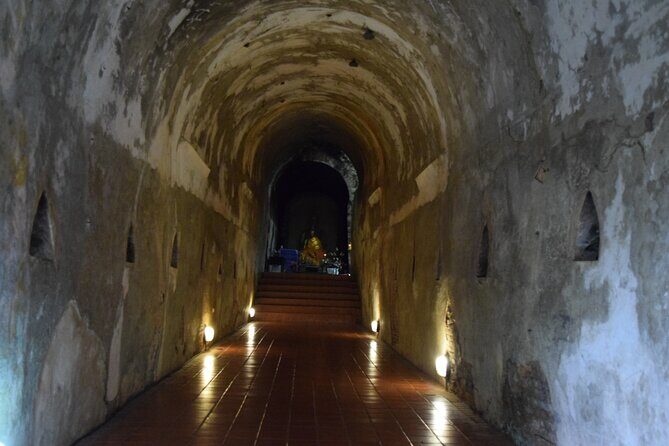
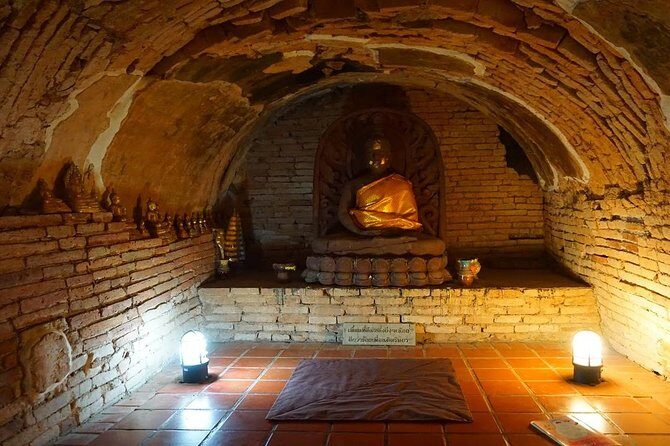
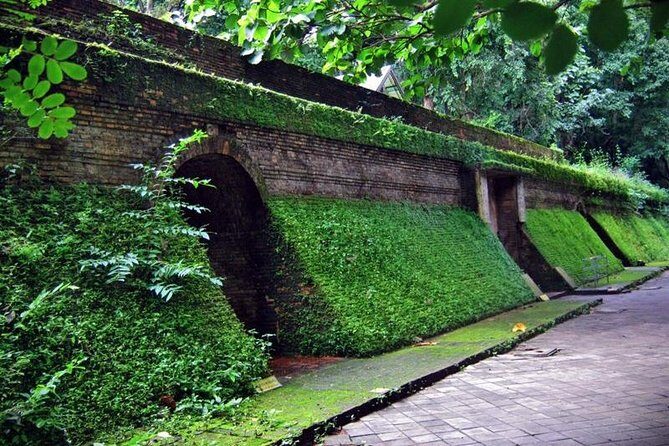
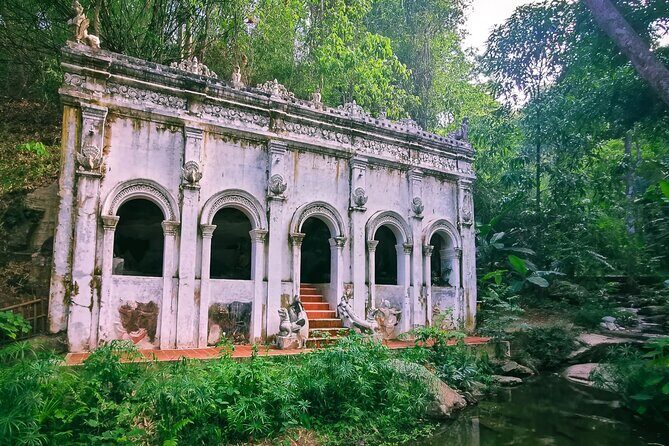
You’ll begin at Wat Umong, known for its tunnel-like temple setting. The place is described as the Temple of the tunnels and the Buddha Dhamma garden, and it has an unusual backstory: it was abandoned during the 15th century, then later restored as a more active temple area.
Expect a different kind of atmosphere than the bright, open temple courtyards you may know from elsewhere in Thailand. The tunnels add a sense of quiet and symbolism, and the garden spaces give you a break between more enclosed areas. This is a great first stop because it sets the tone: you’re not starting with the “headline” temple. You’re warming up with something strange and thoughtful.
You’re typically there for about 45 minutes, and admission is included. If you’re interested in meditation, this is also the spot. The tour notes that you can practice meditation at Wat Umong, and one key practical tip from real-world experience is that the tunnels can get busy. If that happens, you’ll want your guide’s help to find a quieter place to sit and listen—one person noted they shifted to another calmer location so they could actually hear nature sounds and settle in.
One more practical note: you’ll want to wear temple-appropriate clothing. A t-shirt with short sleeves and long trousers is specifically suggested as a good fit.
Stop 2: Wat Pha Lat halfway up Doi Suthep’s path
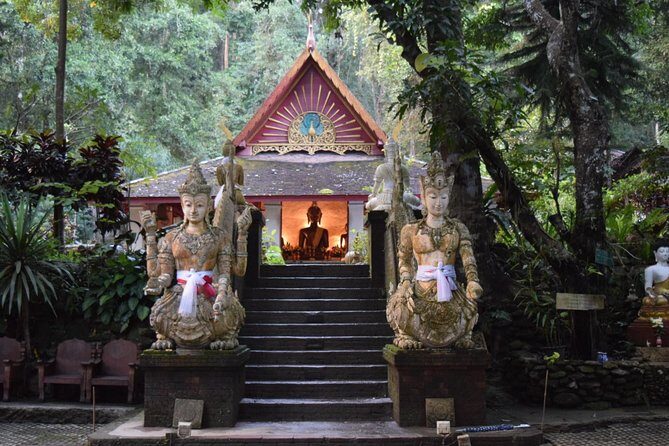
Next is Wat Pha Lat, a temple many people miss because they aim straight for the main Doi Suthep complex. This stop is described as being partway up the mountain, with a reminder that it’s not as crowded as the top-tier attractions.
You’ll typically have about 30 minutes here. Admission is included, so you can move through without stopping to manage tickets. The time is short on purpose: it’s a breather stop that keeps the day varied and prevents you from feeling like you’re doing one long temple loop with only one “real” highlight.
What I like about this kind of stop is the rhythm. Wat Umong is enclosed and different. Wat Pha Lat gives you a change of scenery before you arrive at Doi Suthep, where the main temple grounds can feel more intense. If you’ve already visited Doi Suthep earlier in the day, this middle stop becomes even more valuable because it adds temple variety instead of repeating the same entrance-to-exit pattern.
A possible drawback: if you’re the type who wants long, slow temple time at every stop, 30 minutes may feel tight. But for most people doing a half-day, it’s a good trade. You’re not losing the end highlight.
Stop 3: Wat Phra That Doi Suthep, monk chanting, and sunset views
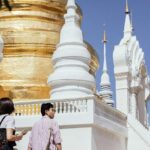
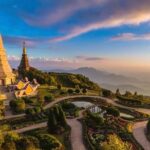
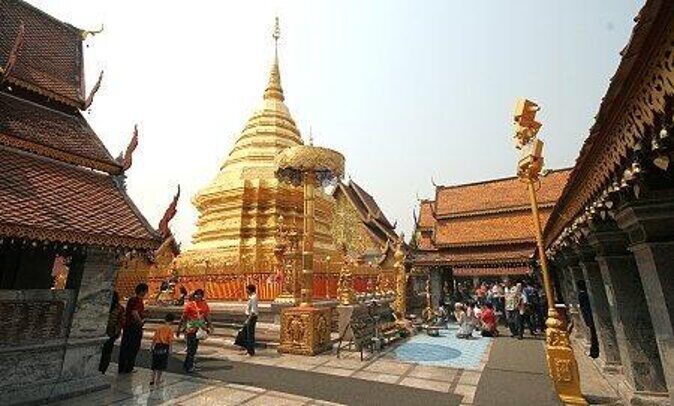
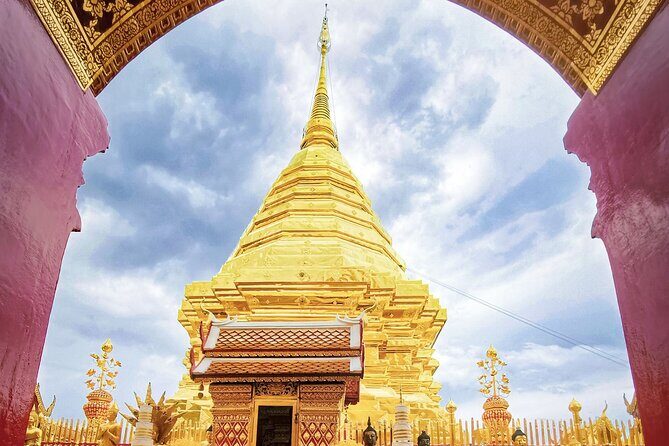
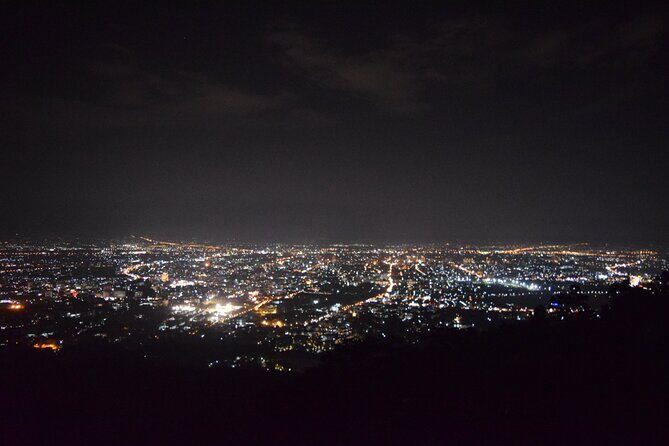
Then comes the big one: Wat Phra That Doi Suthep, near the top of Mount Suthep. The temple is one of Northern Thailand’s most important and beautiful places of worship, and it dates back to the year 1373, when the first chedi was built. That gives you a sense of scale when you’re standing there—this is not a “new temple complex” vibe.
You’ll spend about 1 hour 30 minutes at Doi Suthep, and admission is included. The experience description also highlights monk chanting, with the tour designed so you can hear it and watch the late-day atmosphere as you go.
If you’re wondering what chanting time feels like in real life: one account notes monks chanting at around 6 pm, plus a better viewpoint than earlier in the day. Your actual timing can vary depending on season and daylight, but since this is an afternoon-start tour, you’re set up well for that late-afternoon-to-evening energy.
This is also where a good guide makes a noticeable difference. People mention guides positioning them well to see the chanting and explaining what was happening as it happened. That’s the difference between watching sound happen and understanding the setting that makes it meaningful.
If you want photos, you’ll find plenty of angles around the main temple areas, but don’t treat it like a quick checklist. Slow down for a moment and notice what people are doing and how the space is used. That’s when the chanting lands, not just when you press a camera button.
What you’re really paying for: value beyond the temples
The price is $81.24 per person for a private tour. On paper, that might look like “just a temple trip.” In practice, it’s buying three things at once: transport, a licensed guide, and admission.
Here’s what’s included:
- Private transport by air-conditioned van or car with a licensed driver
- Private English-speaking guide with TAT license
- All activities as mentioned in the program
- Drinking water in the car
- Travel accident insurance
- Admission tickets for each stop
You also get a mobile ticket, and you’ll receive confirmation at booking. For me, the biggest value is the guide. Chiang Mai temples are easy to look at and harder to understand. A guide who can connect the dots—like why Wat Umong’s tunnel setting matters, or what the Doi Suthep tradition means—turns the same entry fees into a deeper experience.
You may also appreciate the private format if you’re traveling with a partner, small family, or anyone who wants their day shaped around questions and timing instead of group pacing. Some guides named in real experiences include Bonnie with driver Jack, Fa, Linda, and Jack paired with Nikki. Across those stories, the pattern is consistent: clear explanations, time management, and help with seeing the chanting moments.





Practical expectations: timing, pacing, and dress
This is a half-day, so it’s not “wander all day.” You’ll move temple to temple with guide-led timing and enough breathing room to enjoy each stop.
For clothing, the tour’s guidance is simple and useful: t-shirt with short sleeves and long trousers. Temple rules can be strict, and this recommendation makes it easy to pack light while staying respectful.
One more expectation: late-afternoon mountain travel can mean changing conditions—light shifts fast, and crowds can spike near major sites. The private structure helps, but your guide will still be managing real-time flow. If you keep your schedule calm (bring a light layer, wear comfortable shoes), you’ll get more out of the day.
Who should book this tour, and who might skip it
Book it if you want:
- Three temples with different vibes in one afternoon, instead of only hitting the famous main complex
- Monk chanting as a planned highlight, not an accidental bonus
- A private guide who can tailor explanations and pacing
- A break from the busiest parts of Chiang Mai, starting with Wat Umong
Consider something else if:
- You want long stays at just one site, like spending the whole day at Doi Suthep
- Meditation is your only priority, and you know you’ll be unhappy if the tunnel area is busy
- You dislike temple circuits and prefer a single, slow wandering plan
It’s especially well-suited for people who already saw Doi Suthep earlier and want the mountain temples that fill in the gaps. It also fits travelers who like meaning and context as much as scenery.
Should you book? My take
Yes, I think you should book this if your goal is a thoughtful, well-paced private temple afternoon. The combination of Wat Umong’s tunnels, the stop at Wat Pha Lat, and the chance to experience monk chanting at Wat Phra That Doi Suthep makes it feel like more than a transfer to the main attraction.
For best results, come with flexible expectations about meditation timing. If the tunnels are busy, you’ll still have a chance for a quieter moment with your guide’s help. And if you care about understanding what you’re seeing, pick a guide who’s good at pacing—names like Noom, Mr Nan, Nikki, and Peter come up for exactly that reason.
If you’re curious about Northern Thai Buddhism and you want your afternoon to feel calm rather than chaotic, this private route is a smart use of your time in Chiang Mai.
FAQ
FAQ
What time does the private tour start in Chiang Mai?
The tour starts at 2:30 pm.
How long does the experience take?
It runs about 4 to 5 hours.
Which temples are included?
You visit Wat Umong, Wat Pha Lat, and Wat Phra That Doi Suthep.
How much time do you spend at each stop?
You’ll spend about 45 minutes at Wat Umong, 30 minutes at Wat Pha Lat, and 1 hour 30 minutes at Wat Phra That Doi Suthep.
Are admission tickets included?
Yes. Admission tickets are included for the temples on the program.
Is pickup included?
Pickup is offered, and you should use your hotel name in Chiang Mai City for pickup. Hotel pickup/drop-off is not included outside the city area.
Can I meditate at Wat Umong?
Yes. The program includes an option to practice meditation at Wat Umong.
What should I wear for the temple visits?
The suggested outfit is a t-shirt with short sleeves and long trousers.
Do I need to provide passport details?
Yes. Passport name, number, expiry, and country are required at booking for all participants.