REVIEW · CHIANG MAI
Chiang Mai Michelin Food Walking Tour with Professional Tour Guide
Book on Viator →Operated by TripGuru Thailand · Bookable on Viator
Tour review: I came for the food stories and left with a plan. This 2.5-hour walk is built around Chiang Mai street eats and the local food scene, with a guide who can explain what you’re seeing and tasting. I like that you start by the Ping River at Chansom Memorial Bridge (Khua Khaek) and then move through real neighborhood food spots, not just a showy strip-mall tour. I also like that guides such as Sunny and Koi get praised for turning hungry curiosity into clear, practical food guidance. The main drawback to keep in mind is that the tour price includes the guide and walk, but food tasting expenses are not included, so you’ll want to budget for what you eat.
If you’re worried about timing and heat, good news: you’ll be walking a short distance at a time, and the route is short enough to stay focused on bites. Still, this is a weather-dependent experience, and one reviewer flagged how hot it can get, so bring water and plan for Thai weather. Also, there’s no vegan option, so if that matters for you, you’ll need to decide how you’ll handle food choices on the route.
In This Review
- Quick hits
- From Chansom Memorial Bridge to food streets fast
- Lung Khajohn Wat Ket: a friendly warm-up with local snack energy
- Gor Neng and pa tong go: the dinosaur-bun snack you’ll remember
- Warorot Market (Kad Luang): where snacks share space with real shopping
- Thana Ocha noodles: the Hakka-style finish that feels like closure
- Price and what value really looks like at $40
- Timing, heat, and why the 2:30 pm slot may change the route
- Who should book this tour in Chiang Mai
- Should you book this Chiang Mai Michelin Food Walking Tour?
- FAQ
- How long is the Chiang Mai Michelin Food Walking Tour?
- What does the tour cost?
- Are food tastings included in the tour price?
- What food stops are included?
- Do they offer a vegan option?
- How many people are in the group?
- Where do I meet and where does the tour end?
- What happens if the weather is bad?
Quick hits
- Chansom Memorial Bridge start: You begin near the Ping River at Khua Khaek, so the tour feels grounded in the city.
- Pa tong go at Gor Neng: Deep-fried dough that’s oddly shaped, often described like dinosaur buns.
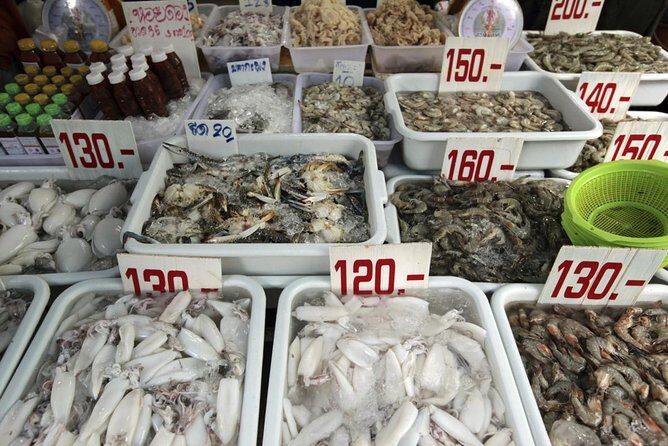
- Warorot Market (Kad Luang): A mix of snack stalls and everyday market shopping, so it feels like real life.
- Hakka-style finish at Thana Ocha: Hakka noodles with stuffed tofu, fish sausage, and wontons to round things out.
- Small group size (max 15): Easier questions, easier pacing, and less chaos than big bus tours.
- Guide quality matters: Reviews highlight Sunny and Koi as strong, food-focused guides.
From Chansom Memorial Bridge to food streets fast

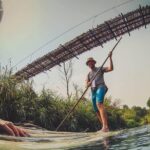
This tour starts at Chansom Memorial Bridge (Khua Khaek), near the Ping River. That matters because the walk doesn’t feel like a scavenger hunt with no context. You get oriented in a part of Chiang Mai where the city’s food culture feels normal, not staged.
The total time is about 2 hours 30 minutes, and the pacing is designed to keep you tasting and learning without turning the afternoon into a slog. It’s also a small group, capped at 15 travelers, which helps if you want to ask basic questions like what you’re eating, how spicy something usually is, or what’s worth prioritizing.
One thing I appreciate about this setup is that it’s not “just eat wherever the group stops.” The guide is there to connect the dots: what the ingredients mean, how the dishes are made, and why Chiang Mai has its own spin on flavors. Reviews also back this up. People specifically called out guides Sunny and Koi for making the experience feel personal and practical instead of vague.
You can also read our reviews of more walking tours in Chiang Mai

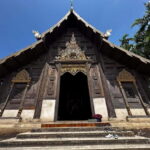
Lung Khajohn Wat Ket: a friendly warm-up with local snack energy
Your first stop is Lung Khajohn Wat Ket. Even though the time here is short, this kind of opening matters. It’s where you get a baseline for the flavors and the pace of the day, so later stops don’t feel like random hits of food you can’t compare.
This early stage is also where the tour’s “food walking” rhythm really shows. You’ll be moving in and out quickly, so the guide can steer attention toward what to taste and what to notice. Think texture, seasoning, and how the dish fits into the broader Thai-Chinese influence you’ll see more clearly later.
A shortcoming to watch for: if you’re expecting the entire walk to be only fried food and sweets with zero market atmosphere, you may feel the tour sometimes blends food with the surrounding day-to-day street scene. That’s not bad, but it’s different from a pure bite-only crawl.
Gor Neng and pa tong go: the dinosaur-bun snack you’ll remember
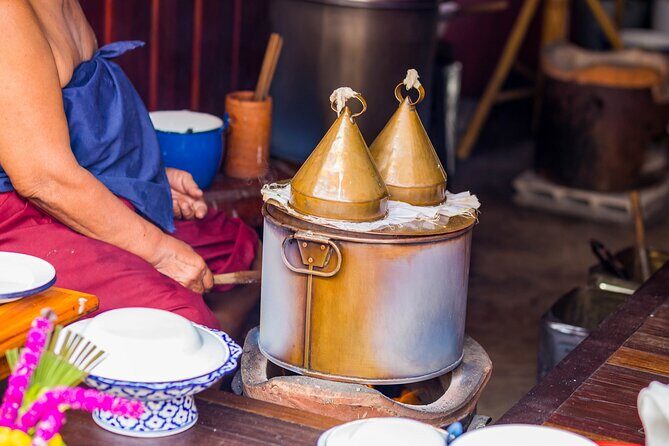
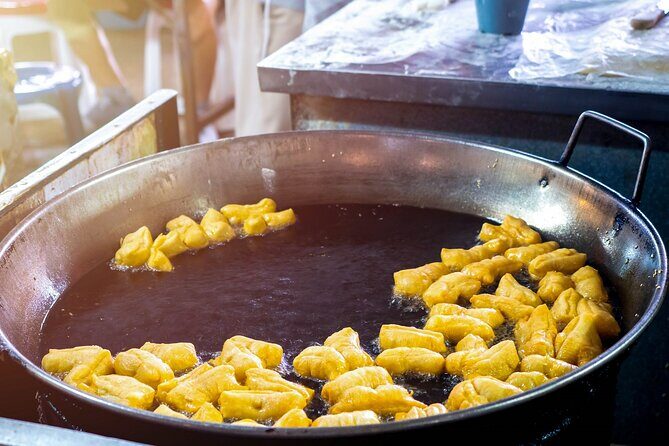
Next you head to Gor Neng for pa tong go, the deep-fried dough snack many locals grab for a quick treat. The shape is part of the fun. People describe it as dinosaur-like buns, which is hilarious, but also a clue: this is a snack with personality, not a generic pastry.
What I like about this stop is that it’s instantly recognizable once you see it. Even if you’ve never tried pa tong go, the smell and crunch do the work. And because the guide frames it as a Chinese-influenced Thai street favorite, you get more than just eating something fried. You get a reason it belongs in Chiang Mai’s food story.
Time here is about 30 minutes, with a free admission ticket. That tells you the emphasis is on the snack itself and the context around it. If you’re the type who loves street food but also wants to understand what makes it local, this is a strong anchor stop.
Potential drawback: if fried dough snacks aren’t your thing, this can feel like one big theme early. But honestly, that’s also why the stop works. It sets you up for the rest of the walk, where texture and method show up again and again.
Warorot Market (Kad Luang): where snacks share space with real shopping
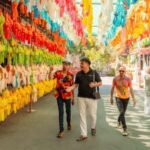
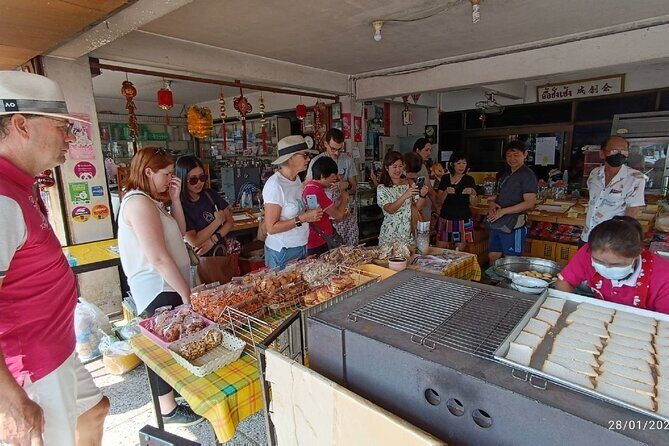
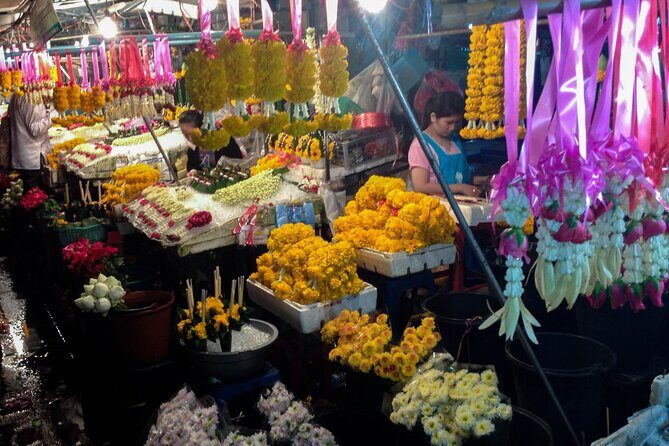
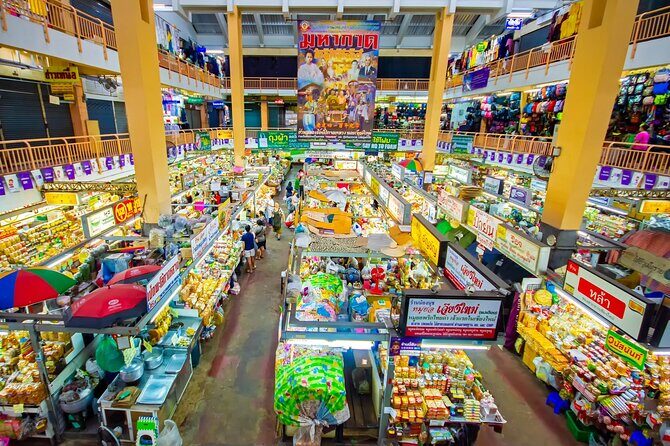
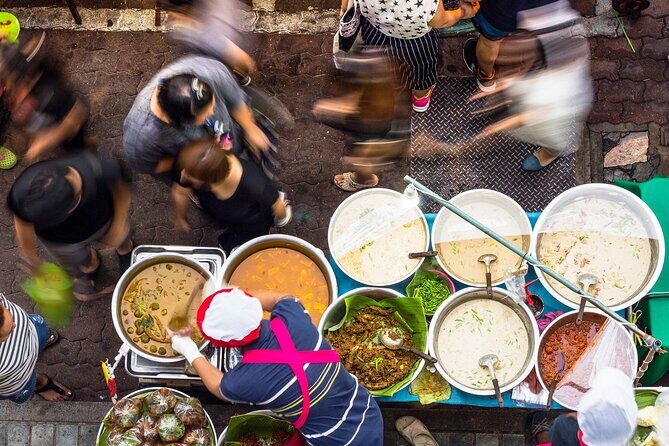
After pa tong go, the tour moves into Warorot Market (Kad Luang). This is where the experience becomes more than food. Warorot is a working market where you’ll see snacks alongside produce, clothes, and general shopping. You’re not only eating; you’re also watching the food system in action.
That’s also the trade-off. One unhappy review complained the tour felt like walking through a market selling lots of items and only getting a small amount of food. I get the frustration, especially if you paid expecting every stop to be a full tasting plate.
Here’s how I’d think about it before you go: markets like Warorot are authentic because they are messy and mixed-use. If your expectation is a themed food-only route, you might feel let down when the market is simply… a market. But if you enjoy seeing how locals shop and snack during the same trip, you’ll probably like this stop a lot.
A practical tip: give the guide permission to choose the stalls and flavors. It’s easy to get distracted by the non-food stuff and then miss what you actually came for. Also, markets can be hot and crowded depending on the day, so keep your water handy and don’t rush your tasting.
Thana Ocha noodles: the Hakka-style finish that feels like closure
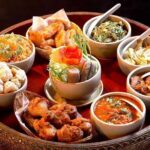
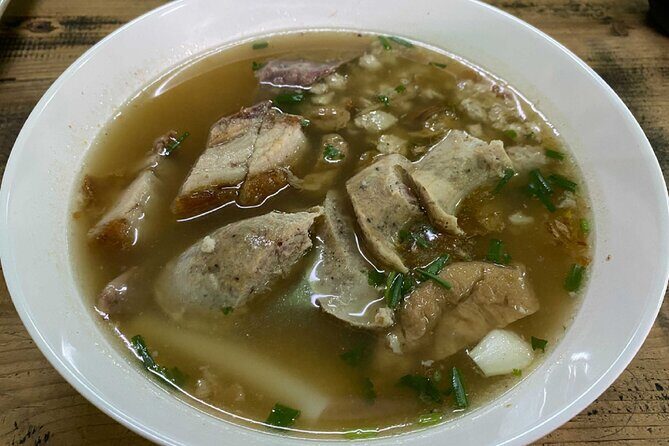
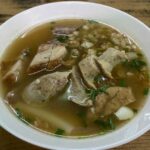
The last stop is Thana Ocha Noodle, and it’s a smart way to finish. You’re not ending on something sweet and simple. You’re ending with a savory dish built for comfort and depth: Hakka-style noodles with Hakka stuffed tofu, fish sausage, and wontons.
This is one of the best parts of the tour concept. Chiang Mai isn’t only about famous Thai staples. It also has strong Chinese culinary influence, and Hakka flavors show up in ways you can taste: the fillings, the noodle style, and the balance of savory components.
Finishing with a warm, filling meal helps after walking in Chiang Mai’s heat. One reviewer specifically noted how blisteringly hot it was, yet still described the day as a great experience because the guide kept it moving and made it feel personal. That lines up with how a good ending stop should work: it gives your stomach a real win.
Another practical angle: if you’re worried about the “no vegan option” issue, this kind of noodle dish means you’ll likely be choosing a version with meat-based elements. The best move is to ask your guide what you can order that still fits your dietary needs, but the tour itself doesn’t advertise vegan alternatives.
You can also read our reviews of more food & drink experiences in Chiang Mai

Price and what value really looks like at $40
The price is $40 per person for the walk, a professional guide, and insurance. The big value question is this: what you’re paying for versus what you’ll still need to spend.
Food tasting expenses are listed as not included. That means the tour price is mostly about the guide’s expertise and access to the right places, not a buffet where every bite is covered by the ticket price. It’s common, but it’s also where misunderstandings happen.
One reviewer gave a low score because they said no food was included and they only had a coconut drink. I can’t confirm what happened in that specific case, but I can tell you what to do to protect yourself: during booking, confirm what tastings are included in the base tour versus what you’ll pay at stops. Don’t assume. In markets, pricing can vary based on what the guide orders, what’s available, and what you choose.
That said, there’s still strong value here if you’re the type who wants local guidance. You’re paying for someone who can point you to the right stalls, explain what you’re tasting, and keep you from wasting time on the wrong options. If you’d otherwise wander markets alone and end up with random snacks, this tour is a time-saver.
Timing, heat, and why the 2:30 pm slot may change the route
This tour can have multiple start time options, including a 2:30 pm slot. Here’s the practical thing: the tour information notes that many restaurants close by early afternoon. So if you pick the 2:30 pm time, you should expect the guide to use alternative (but still authentic) street food stalls to keep the experience on track.
If you want the clearest match to the exact stops you read about, the guidance is to choose morning slots. That’s not just about convenience. It can affect what you’re able to taste, and it affects how calm the market scene feels.
Also, the tour requires good weather. Chiang Mai can throw surprises, and you don’t want to be stuck waiting in bad conditions. If the activity is canceled due to poor weather, you’ll be offered a different date or a full refund.
One reviewer described the heat as intense and still had a good experience, which suggests the guide can handle it, but you should take it seriously. Plan like it’s going to be hot: wear breathable clothes, bring water, and consider light sun protection.
Who should book this tour in Chiang Mai
I think this tour fits best if you:
- Want a guided street-food experience where dishes are explained, not just handed to you.
- Like learning the “why” behind food, especially Chinese-influenced Thai snacks and Hakka-style flavors.
- Prefer walking with a small group (max 15) so you can ask questions without feeling rushed.
It might be less satisfying if you:
- Expect the $40 to include every bite with no extra spending for food.
- Want a strictly food-only route with zero market-shopping energy.
- Need vegan options, since there’s no vegan option listed.
For couples and solo travelers, this style can be especially good. Heat and crowds are real in Chiang Mai, and having a guide help you pace the day makes it easier to enjoy the food instead of just surviving the walk.
Should you book this Chiang Mai Michelin Food Walking Tour?
I’d book it if you treat it as a guided food route that helps you eat well and learn fast, while also planning a realistic food budget on top of the ticket price. At $40, you’re paying for the guide, the walking structure, and the access to the right local stops, not for an unlimited tasting meal.
Choose a morning time if you want the most consistent stop pattern. If you pick afternoon, go in knowing the guide may swap in equivalent street stalls. And if you’re vegan or have strong dietary needs, double-check what the guide can realistically accommodate, since the tour doesn’t advertise vegan options.
If you’re picky about market atmosphere, keep your expectations flexible. Warorot Market is part food, part shopping, and you’ll see the everyday side of Chiang Mai, not just a food carnival.
Overall, the strongest signal from the experience is guide quality. With guides like Sunny and Koi highlighted in feedback, you’re likely to get a friend-like local perspective that turns small bites into a bigger food story.
FAQ
How long is the Chiang Mai Michelin Food Walking Tour?
It runs for about 2 hours 30 minutes (approx.).
What does the tour cost?
The price is $40.00 per person.
Are food tastings included in the tour price?
The tour includes the guide, the walking tour, and insurance, but all food tasting expenses are not included, so you should budget for what you choose to eat.
What food stops are included?
You’ll visit places tied to pa tong go at Gor Neng, snacks and shopping areas at Warorot Market (Kad Luang), and finish at Thana Ocha Noodle for Hakka-style noodles. The tour also highlights local dishes like Hakka-style noodle, mango sticky rice, pa tong go, and khao kriab pak moh.
Do they offer a vegan option?
No. There is no vegan option available.
How many people are in the group?
The tour has a maximum of 15 travelers.
Where do I meet and where does the tour end?
You meet at Chansom Memorial Bridge (Khua Khaek), and the tour ends at Thana Ocha Noodle in Chang Moi Sub-district.
What happens if the weather is bad?
The experience requires good weather. If it’s canceled due to poor weather, you’ll be offered a different date or a full refund.