REVIEW · CHIANG MAI
Chiang Mai: Half Day Evening Cooking Class with Market Tour
Book on GetYourGuide →Operated by Yummy Tasty Thai Cooking Class · Bookable on GetYourGuide
Want curry paste made by hand?
In Chiang Mai, this half-day evening cooking class turns a trip to the market into real cooking skills. I like the small-group feel (max 10) and the hands-on focus on Thai flavors, especially the chance to learn curry paste the traditional way with instructors such as Sky. You’ll start with a local ingredient hunt at Kad Kom, then cook at your own station—fun, practical, and centered on food you can actually recreate.
Another thing I love is the individual menu and individual cooking station, so you’re not stuck watching others while someone else does the work. The one thing to consider is the kitchen is open-air with no AC, so plan for warm, humid evenings and dress accordingly.
In This Review
- Key reasons this class works so well
- Market Tour First: Kad Kom’s ingredients drive the whole class
- Your own station and menu choice: how the class keeps you active
- The main event: curry paste by hand, then 5 dishes you can repeat
- What you’ll cook
- Step-by-step guidance (and why it matters)
- Cooking outdoors: the fun part comes with a real weather note
- English instruction, small group vibe, and instructor personalities
- PDF recipe book: what you can actually cook after the class
- Price and value: why $35 for 4 hours can be a smart buy
- Who this evening class is best for (and who should skip it)
- Should you book this Chiang Mai half-day evening cooking class?
- FAQ
- How long is the Chiang Mai evening cooking class?
- What does pickup look like for hotels?
- How many people are in the group?
- What language is the instruction?
- Do I cook, or is it mostly watching?
- Can I choose what I cook?
- Do I make curry paste?
- Will I get recipes to take home?
- Is the kitchen air-conditioned?
- Is there free cancellation?
Key reasons this class works so well
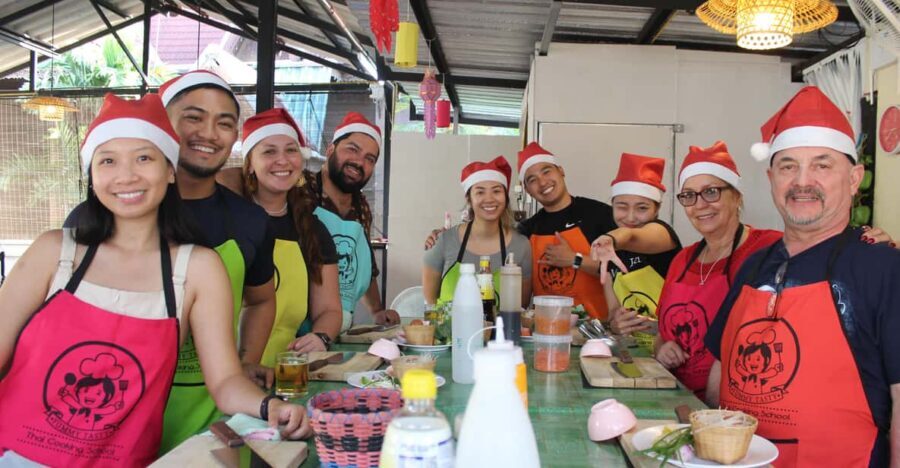
- You choose your menu and cook from your own station, not a shared setup.
- Handmade curry paste using a traditional Thai method.
- Market shopping at Kad Kom so you understand ingredients before you cook them.
- You cook 5 dishes with step-by-step guidance and tasting as you go.
- Open-air kitchen means no indoor cooling—hot weather planning matters.
- You leave with a PDF recipe book to bring the dishes home.
Market Tour First: Kad Kom’s ingredients drive the whole class
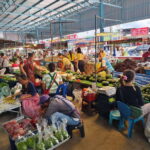
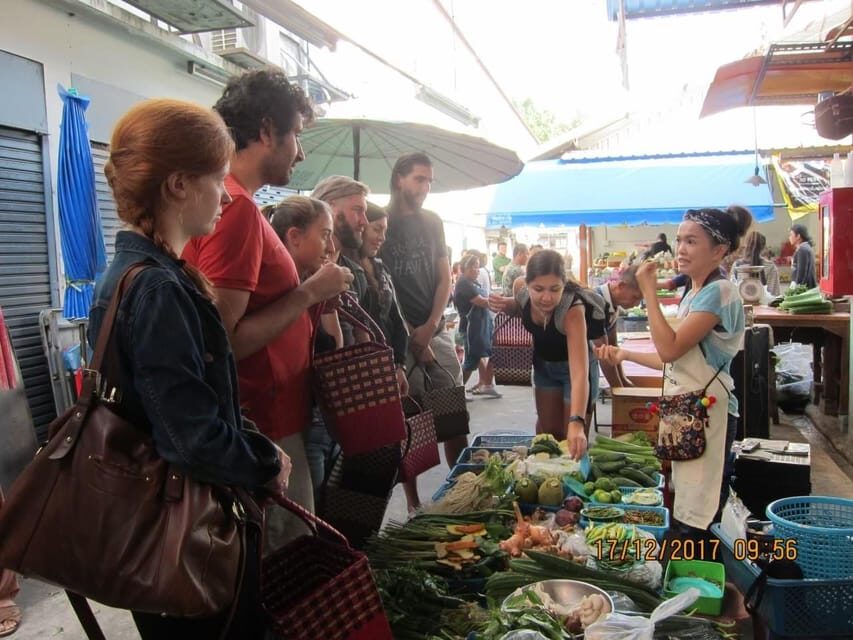
The evening starts with pickup from your hotel within a 3 km radius of Kad Kom Market. If you’re farther out (Nimman area is called out, or anywhere beyond the pick-up range), you’ll go meet the group at Kad Kom instead. Either way, you’ll begin with a market walk designed for cooking, not just sightseeing.
Here’s what makes this part valuable: you’re not only buying food. You’re learning what the ingredients actually do. In Thai cooking, flavor comes from balancing multiple elements—herbs, aromatics, chilies, sour notes, and salty depth. A good market tour helps you spot the differences before you start pounding, stirring, and tasting.
You’ll spend time shopping for fresh vegetables and seasonings used in class. You’ll also get practical context on what to look for. One example from the experience style: with guides like Noodle, the market visit includes learning the difference between types of chili and how to choose ingredients like tofu. That kind of detail matters later when you’re trying to match the flavors at home.
And yes, the market part is also a chance to snack a little and get oriented. The pace is relaxed enough to explore, but purposeful enough that it feels like it’s feeding your cooking.
You can also read our reviews of more shopping tours in Chiang Mai

Your own station and menu choice: how the class keeps you active
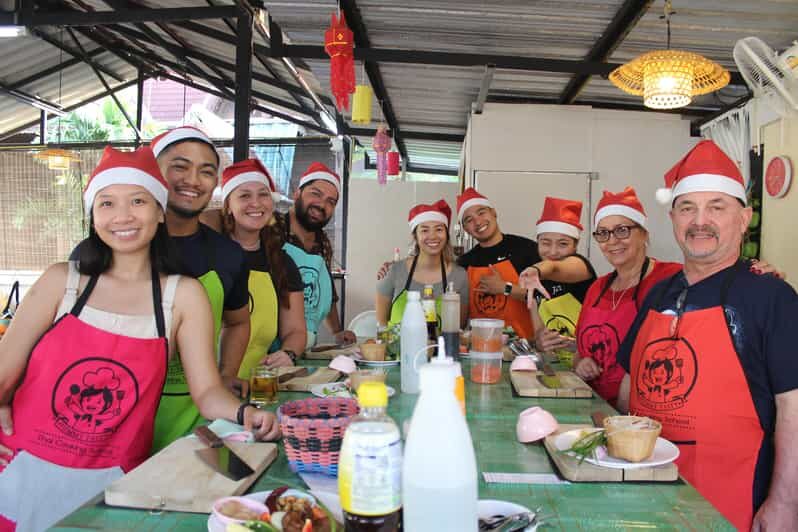
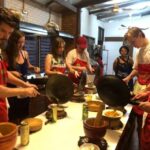
After the market, you settle into the Yummy Tasty Cooking School. You’re greeted with welcome snacks, fruits, and drinking water—small touches, but they help you get in the right mood before the stove time begins.
Then comes the part that most cooking classes don’t quite nail: you’re not just participating. You’re in control of the station. This experience is set up for individual cooking stations and an individual menu choice, meaning your work space is yours and your dishes are yours.
With a class size capped at 10 people, the instructors can actually watch what you’re doing. That’s why step-by-step guidance feels hands-on rather than rushed. If you’re a beginner, you get structure. If you’re more confident, you still benefit from the tasting and adjustments the instructors suggest as you go.
Many highlights in the reviews center on this active format: you work through the recipes yourself, then taste what you made. Some people even mention being able to try other dishes made by others—so you get variety without losing your focus.
The main event: curry paste by hand, then 5 dishes you can repeat
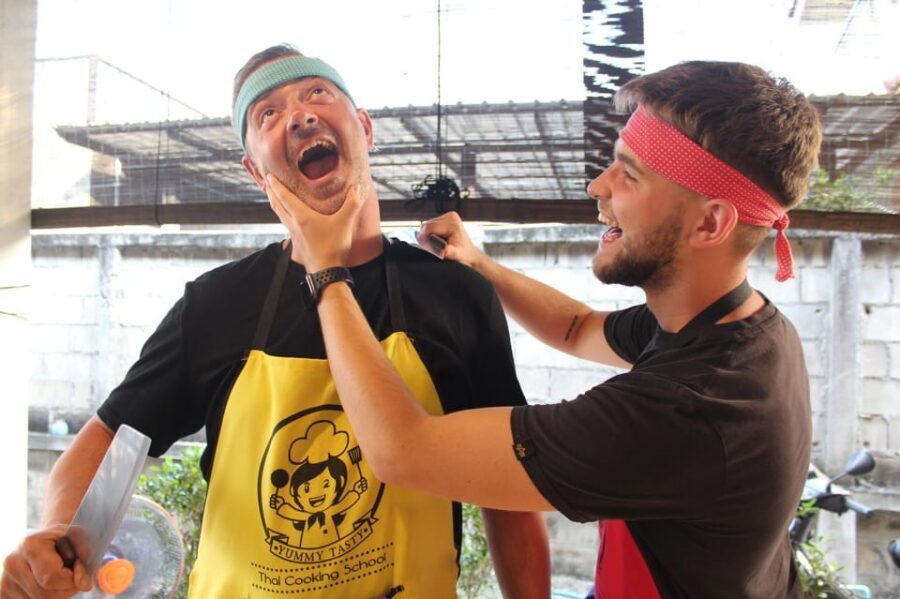
The core skill you’ll come away with is curry paste. You make it yourself using a Thai traditional method—pounding and working the ingredients until they turn into a fragrant paste. This isn’t just a chef trick. It’s the starting point for Thai curries, and the method helps you understand why curry tastes the way it does.
Your instruction also includes how Thai herbs and seasonings behave in combination, plus substitution ideas when you cook at home. That’s key: many cooking classes teach a recipe, but fewer explain what to swap when you can’t find the exact same ingredients. This one aims to address that gap.
What you’ll cook
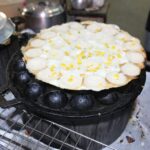
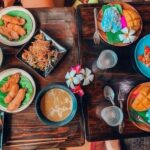
You cook 5 dishes during the class. The exact menu can vary depending on your individual selection, but the experience is built so you’re doing real cooking steps across multiple Thai flavor styles—often including curry and some classic stir-fry or noodle-style choices.
One review described dishes including Pad Thai, red curry, and mango sticky rice. Another talked about wrapping spring rolls. Even if your personal menu differs, the structure should feel similar: you’ll learn techniques, assemble flavors, cook, and then taste your results.
Step-by-step guidance (and why it matters)
In a good Thai cooking class, the instructor doesn’t just tell you what to do—they explain the why. Here, you get guidance throughout, with emphasis on balancing sweet, salty, sour, and spicy. That balance shows up constantly in Thai cooking, and when you learn the balance rather than memorizing steps, you can cook with more confidence later.
You can also read our reviews of more tours and experiences in Chiang Mai


Cooking outdoors: the fun part comes with a real weather note

The kitchen is open air with no AC. That detail can be a dealbreaker if you expect a chilled indoor studio. In Chiang Mai, evenings can still feel warm and humid, so you’ll want to dress smart.
My practical take:
- Wear lightweight clothes you don’t mind getting close to cooking activity.
- Bring a light layer you can toss on if you cool off later.
- Expect to sweat a bit and rely on the provided water and the class pace.
On the plus side, outdoor cooking can feel more lively and authentic. You’re not sealed away from the environment—you’re cooking in a setting that matches the casual food culture of Thailand.
One review also highlighted that the area felt clean and cleaned between dishes. So yes, it’s open-air, but it’s not chaotic.
English instruction, small group vibe, and instructor personalities
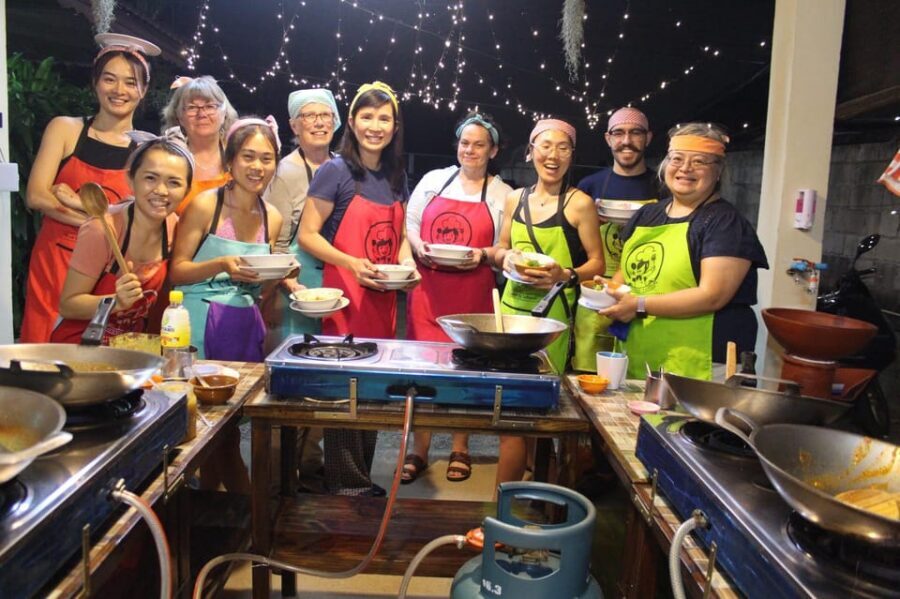
Instruction is in English, and the group is kept small (up to 10 participants). That combination matters because Thai cooking isn’t always intuitive if you’re new—timing, texture, spice levels, and flavor balance all require feedback.
The reviews also bring out the human side. People mention instructors with humor—Sky was described as funny and entertaining—and others described the instructor as a storyteller, tying Thai culture and history into the dishes. That style isn’t just for laughs. It makes the food feel more connected, and it helps you remember techniques because you’re mentally linking them to a bigger story.
Noodle also comes up in reviews as someone who explains steps and ingredients clearly, especially during the market tour. If you learn better by hearing the reasons behind choices (like chili type or ingredient selection), that explanation style is exactly what you want.
PDF recipe book: what you can actually cook after the class
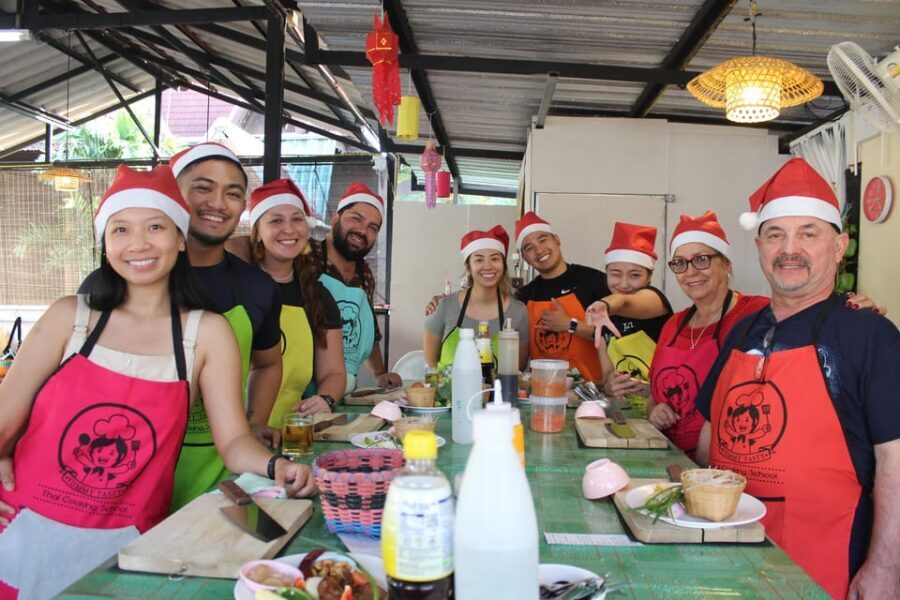
At the end, you leave with a PDF recipe book. This is one of those things that separates a good experience from a one-night food party.
The biggest value isn’t the paper itself—it’s that the recipes are meant to help you recreate what you cooked. Since the class includes guidance on differences between Thai herbs and seasonings and what can be substituted at home, your home version should be more accurate than a typical “copy the ingredient list” approach.
If you’ve ever tried to remake a Thai dish and ended up with something that tastes close but not quite right, this kind of substitution guidance is exactly where you’ll feel the difference.
Also, since you cook 5 dishes, you’ll have enough variety to justify the time—your meal back home won’t be limited to a single curry.
Price and value: why $35 for 4 hours can be a smart buy
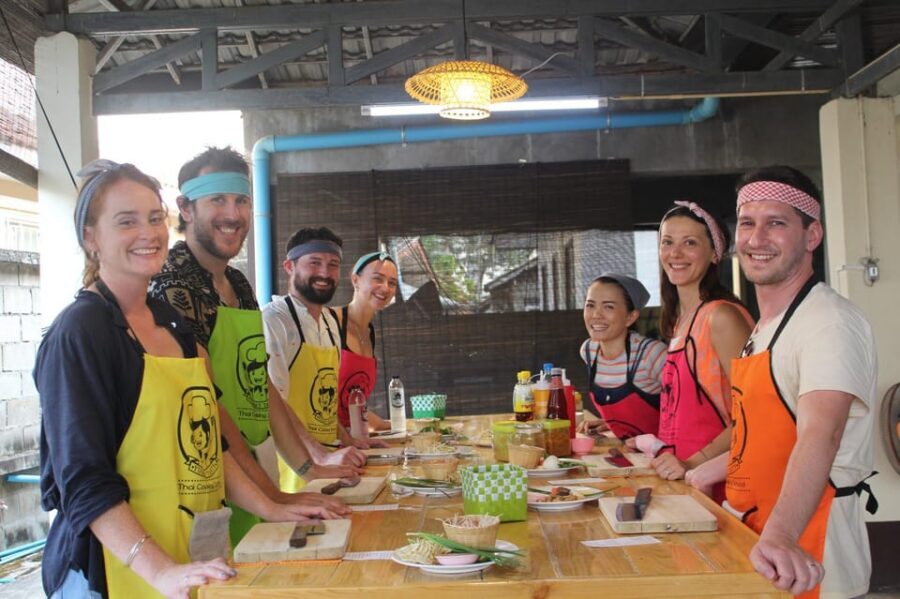
The price is $35 per person for about 4 hours. On paper, that might look like a lot. In practice, the value comes from three things:
- Market + ingredient shopping included, so the class isn’t pretending you already know what’s in the recipes.
- You cook 5 dishes at your own station, which means the time is hands-on instead of mostly observation.
- You make curry paste, which is labor-intensive and foundational to multiple Thai dishes.
For many visitors, the biggest cost of cooking classes isn’t only the fee—it’s the frustration of coming away with no repeatable skills. Here, the focus on curry paste method, flavor balancing, and substitutions gives you more than a meal. You get a tool kit you can use later.
Who this evening class is best for (and who should skip it)
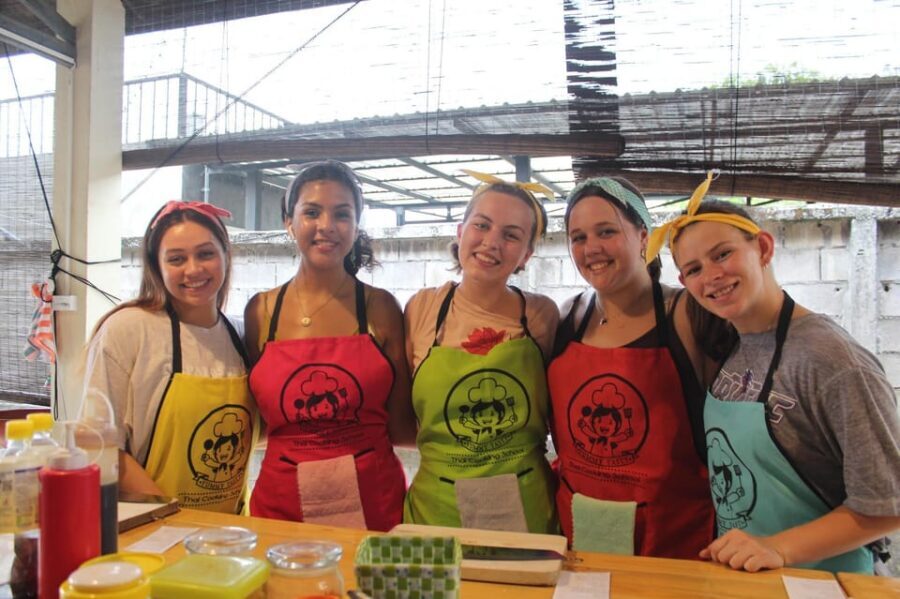
This class is a strong match if you:
- Want a hands-on food experience rather than a demo.
- Like structured instruction but still want to cook everything yourself.
- Are excited to shop for ingredients and learn what you’re buying at the market.
It also fits families and friends who want a fun shared activity—just keep in mind the safety and suitability notes. It’s not suitable for children under 2, and there are multiple age limits listed up through under 6. It’s also not suitable for wheelchair users or people with back problems. The class is also listed as not suitable for people with a cold, and there are weight limits and other medical considerations noted.
If you fall into any of those categories, it’s worth checking carefully before booking so you don’t end up uncomfortable.
Should you book this Chiang Mai half-day evening cooking class?
Book it if you want a cooking class that feels practical: you’ll shop at Kad Kom, learn curry paste in a traditional Thai way, and cook 5 dishes with real step-by-step support in English. The small group size and individual station setup help you stay active, and the PDF recipe book makes it more than a one-night experience.
Skip it (or at least think twice) if you hate heat and need strong climate control, because the kitchen is open-air with no AC. Also skip if your mobility or health needs conflict with the suitability notes.
If you’re in Chiang Mai and you’ve got one evening to spare, this is the kind of class where you leave full, confident, and with enough notes to cook again—without turning Thai food into a guessing game.
FAQ
How long is the Chiang Mai evening cooking class?
It lasts about 4 hours, with the evening session running from 3:30 p.m. to 8:00 p.m.
What does pickup look like for hotels?
Pickup is included if your hotel is within 3 km of Kad Kom Market. If your hotel is farther out (including Nimman area), you’ll meet at Kad Kom Market.
How many people are in the group?
The class is kept small, limited to 10 participants.
What language is the instruction?
The instructor provides instruction in English.
Do I cook, or is it mostly watching?
You cook at your own individual station, and you will cook 5 dishes.
Can I choose what I cook?
Yes, you can choose an individual menu and you work at an individual cooking station.
Do I make curry paste?
Yes. You make your own curry paste using a traditional Thai method.
Will I get recipes to take home?
Yes. You receive a PDF recipe book at the end so you can recreate the dishes later.
Is the kitchen air-conditioned?
No. The kitchen is open air and there is no AC.
Is there free cancellation?
Free cancellation is available up to 24 hours in advance for a full refund.