REVIEW · CHIANG MAI
3 day Yoga and Meditation Retreat in Chiang Mai
Book on Viator →Operated by Meditation & Yoga in Chiang Mai · Bookable on Viator
Three days in Chiang Mai can feel like a reset button.
This small-group retreat pairs gentle yoga with mindfulness and meditation in a calm garden setting, plus built-in free time so you’re not locked into a rigid script.
What I like most is the human pace. Amori (your guide) adapts the practice to the group level, and the food lands better than you’d expect from a retreat itinerary. I’m especially taken with the way the meals are described as prepared with love, including a big fruit platter and water during the stay.
One thing to consider: the program is more about yoga and meditation than sightseeing. Big-ticket outings like waterfall stops, elephant camps, or night markets are not included, so you’ll want either free time planning or an optional sightseeing add-on.
In This Review
- Key things to know before you go
- Entering the calm at Flow Yoga Chiang Mai (and why the setting matters)
- Day 1 arrival: nature time, optional sitting, and an easy first evening yoga
- Day 2 morning structure: mindfulness, yoga, breakfast, and a long reset window
- Day 3 wrap-up: final morning sessions, breakfast, and a 14:00 checkout
- Optional sightseeing: Wat Phra That Doi Saket and Doi Saket add a local flavor
- Food and props: where this retreat quietly outperforms expectations
- Group size and pacing: what “limited to six guests” changes
- Price and value: is $480.95 a good deal for 3 days?
- Who should book this retreat (and who might want a different style)
- FAQ
- FAQ
- How long is the yoga and meditation retreat in Chiang Mai?
- What time do I check in on Day 1?
- What meals are included?
- Is yoga gear included?
- Is pickup included?
- Are the meditation sessions optional?
- What is the cancellation deadline for a full refund?
- Should you book this retreat?
Key things to know before you go
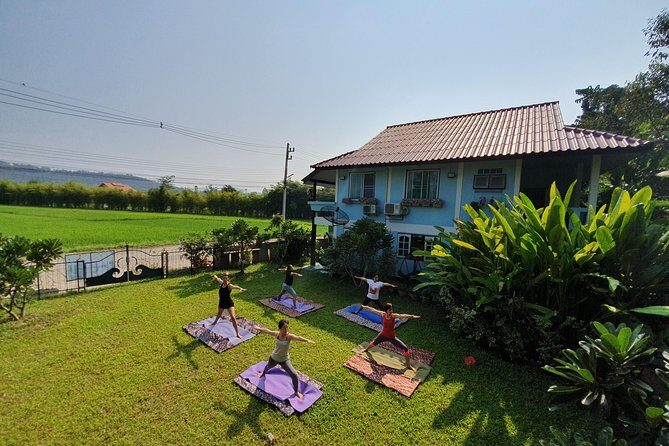
- Max 6 participants: the retreat is intentionally intimate, so class intensity can match the people in front of you
- Optional meditation moments: certain meditation sessions are marked as optional, which helps if you’re new to sitting practice
- Flow Yoga Chiang Mai check-in: your arrival day starts with check-in at 14:00, then decompress time in nature
- Props provided: you get a mat plus blocks and straps, so you’re not lugging gear
- Meals included: you’re covered for healthy breakfast and a healthy lunch
- Sightseeing is an add-on: temple and hill stops can be offered, but many common Chiang Mai activities aren’t part of this package
Entering the calm at Flow Yoga Chiang Mai (and why the setting matters)
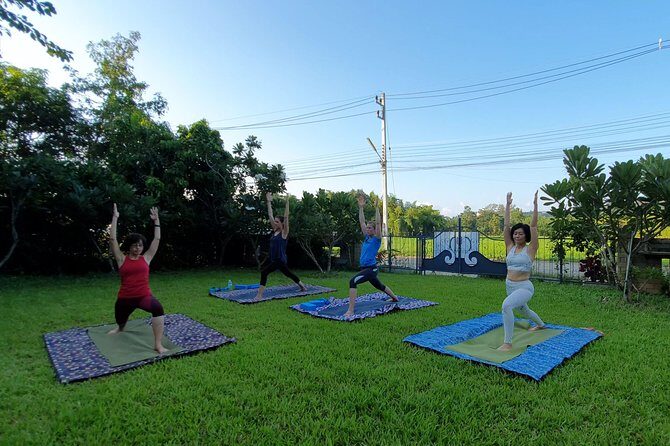
The retreat runs out of Flow Yoga Chiang Mai, and that matters because it keeps the whole experience feeling like one contained rhythm instead of “class, then scramble, then class again.” You check in at 14:00, then your first block of time is simply for relaxing in nature.
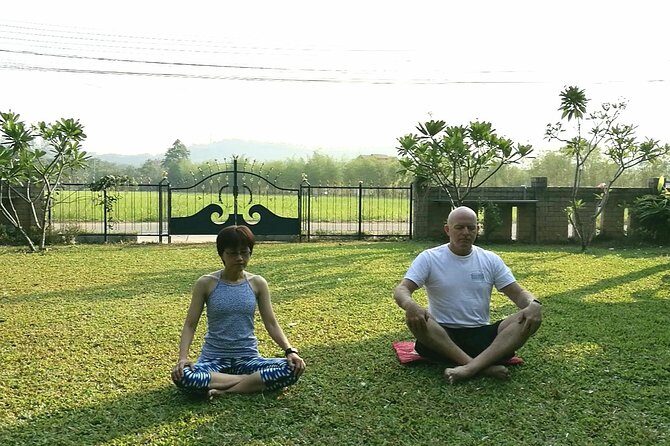
You’ll be in a garden-focused environment designed for rest and healing. That’s not just marketing fluff. When your surroundings lean quiet—lush greenery, open space, and a slower pace—you can actually notice the difference between doing yoga as exercise and doing it as practice. And because it’s limited to six guests, the atmosphere stays more personal and less like a production line.
Practical perks help too. Pickup is offered, there’s an air-conditioned vehicle included, and you’ll receive a mobile ticket. If you’re arriving in Chiang Mai already a bit tired from travel, those details help you start the retreat without friction.
You can also read our reviews of more tours and experiences in Chiang Mai



Day 1 arrival: nature time, optional sitting, and an easy first evening yoga
Day 1 is built for landing, not performing. After you check in at 14:00 at Flow Yoga Chiang Mai, you get 14:30 to 16:00 for relaxing time in nature. This is the kind of unplanned decompression that makes a retreat work. Your mind has a place to settle before you start asking your body for anything.
Then you have 16:00 to 17:00 mindfulness and meditation, and the key word here is optional. If you’re brand new to meditation, or you know you need to ease in, that optional structure can keep the experience from feeling stressful.
The day closes with 17:00 to 18:00 evening yoga. That’s a good choice for arrival day because it’s active enough to feel like progress, but it still fits into a calm evening window. Think of Day 1 as your soft opening: breathe, reset, then move.
Day 2 morning structure: mindfulness, yoga, breakfast, and a long reset window
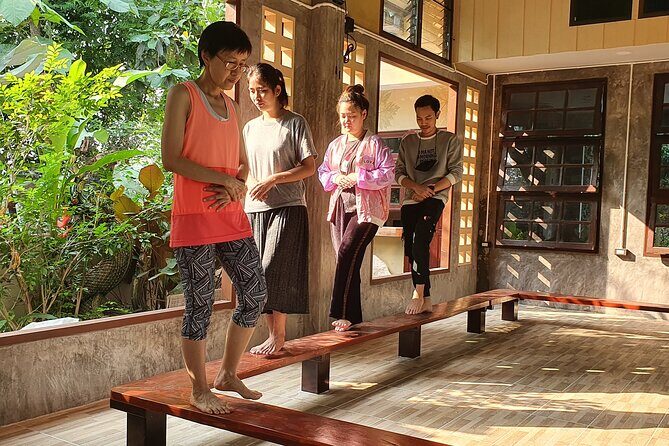
Day 2 starts early, but the schedule is gentle and spaced. You begin with 07:00 to 08:00 morning mindfulness and meditation. Then it shifts into movement with 08:00 to 09:00 morning yoga.
From 09:00 to 10:00, you get a healthy breakfast and then free time to rest, explore, and adventure (your choice). I like this because it breaks the retreat into chapters. You’re not just going from class to class. You’re given a real window to be a person again: hydration, journaling, a walk, or just sitting quietly with a cup of something warm.
You’ll also have lunch included during the retreat days. The retreat concept here is simple: you don’t waste mental energy deciding what to eat or chasing food between sessions. That matters if you’re trying to actually practice mindfulness instead of doing yoga while half-stressed about logistics.
In the afternoon, there’s another 16:00 to 17:00 mindfulness and meditation, again optional. Then you finish with 17:00 to 18:00 evening yoga. What that pattern does is give you two chances to reconnect with stillness—morning and later in the day—without forcing you into a one-size-fits-all schedule.
Day 3 wrap-up: final morning sessions, breakfast, and a 14:00 checkout
Day 3 keeps the same rhythm: you start with 07:00 to 08:00 morning mindfulness and meditation, then 08:00 to 09:00 morning yoga. At 09:00 to 10:00, there’s healthy breakfast and more free time. This is a smart design for the final day because your body usually responds better when you’re not rushing straight into departure.
After that free time, you check out at 14:00. That end time is helpful if you want to keep your Chiang Mai plans flexible—head back into town, meet a friend, or just grab lunch without racing the clock.
The best part of a short retreat is how it helps you notice what you want when life returns to normal. By Day 3, you’ll likely recognize which session type calms you most: sitting practice, morning movement, or the evening flow. That can make the retreat more than a one-off vacation activity—it becomes a reference point you can use later.
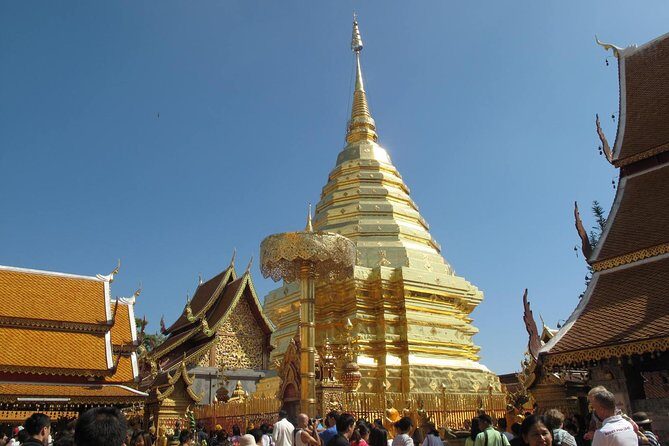
Optional sightseeing: Wat Phra That Doi Saket and Doi Saket add a local flavor
This retreat is first and foremost about yoga and meditation, so many sightseeing-style activities are not automatically included. You won’t find elephant camps, night markets, or waterfall visits as part of the base offering.
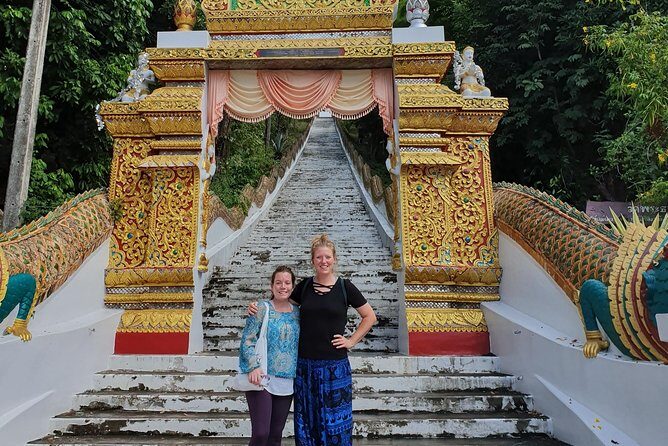
That said, there is an option to add sightseeing focused on Wat Phra That Doi Saket and Doi Saket. If you’re the type of traveler who wants a temple or a “see the place” moment, this add-on can balance the retreat with something cultural and scenic—without derailing your practice schedule.
If you prefer your days quiet and self-guided, you can also use the free time blocks on Day 2 and Day 3 to plan something independently. The retreat’s design gives you permission to do as much or as little as you like.






Food and props: where this retreat quietly outperforms expectations
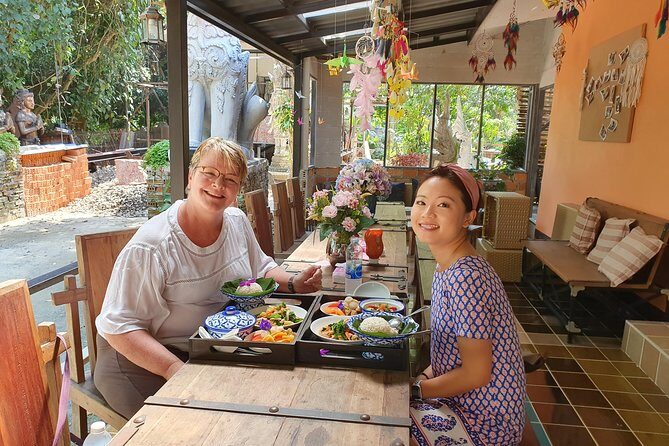
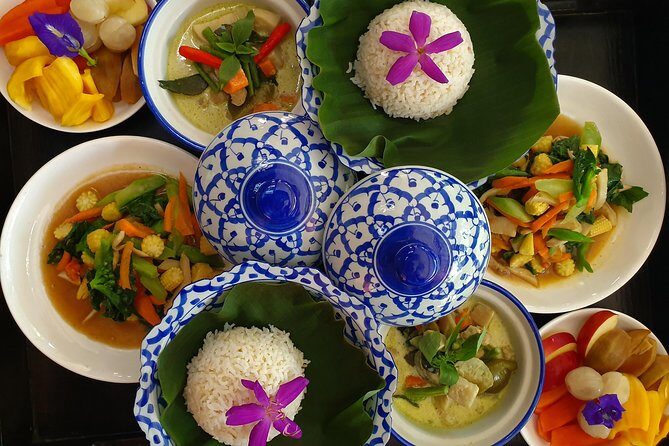
I pay attention to two things in retreat food: how it tastes and whether it supports how you feel. Here, the healthy meals are a major part of the experience. The stay includes healthy breakfast and healthy lunch, and the food is described as excellent and prepared with love—specifically including a huge fruit platter and water. That kind of detail signals care, not just convenience.
There’s also a practical angle: when the food is planned around the retreat rhythm, you don’t feel like you’re constantly negotiating hunger, energy swings, or digestion. Yoga works best when your body feels steady, and meals that are light but satisfying tend to help.
Then there are the props. You’re provided a yoga mat, blocks, and straps. That’s a small thing that makes a big difference in real travel life. You can pack lighter, and you can also try variations safely—props are a big help for keeping poses accessible.
One more subtle win: the retreat’s small size means your level can be adapted. The practice isn’t presented as a hard drill. It’s shaped to the participants in front of you, which is ideal if your flexibility and strength vary day to day.
Group size and pacing: what “limited to six guests” changes
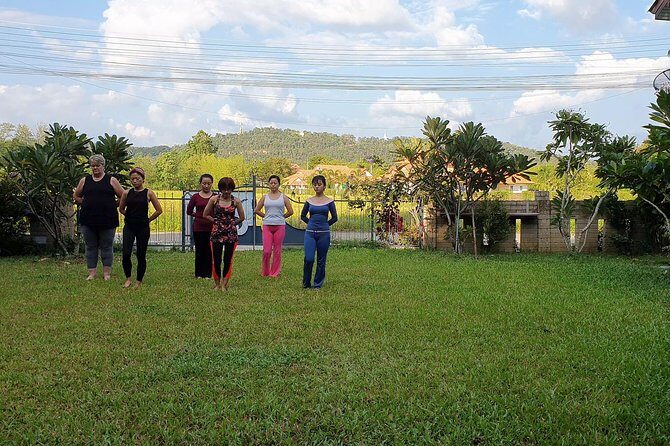
A lot of retreats claim intimacy. This one actually sets a hard limit: maximum of six travelers. That changes the vibe in day-to-day ways.
First, it reduces the pressure of being on display. In a bigger group, you often feel like you’re doing yoga at the same time as everyone else is being evaluated. Here, it feels more like a practice space.
Second, with fewer people, Amori can better adjust instruction to match the room. That’s especially useful because yoga isn’t just about flexibility—it’s about alignment, breath, and comfort. When the level is adapted, it helps you participate instead of “survive.”
Finally, the optional sections matter more in a small group. If you want to skip meditation at a certain point, you’re not breaking the social rhythm. Nobody’s counting your minutes.
Price and value: is $480.95 a good deal for 3 days?
At $480.95 per person, this retreat isn’t a budget throwaway. But it also isn’t just “three classes and a handshake.”
Here’s what you’re getting:
- Yoga and meditation sessions across three days
- Healthy breakfast and a healthy lunch
- Yoga gear: mat, blocks, and straps
- An air-conditioned vehicle, plus pickup offered
- A small group size (up to six)
For me, the value comes from the combo: instruction + food + support + minimal logistical work. If you had to piece this together yourself in Chiang Mai—finding daily classes with consistent instructors, lining up meals, and building a schedule around them—the effort would add up fast.
Also, the retreat’s structure includes optional meditation and free time windows. That means you’re paying for an experience design, not just a sequence of exercises.
Who should book this retreat (and who might want a different style)
This retreat fits best if you want:
- a calmer pace in Chiang Mai
- yoga and mindfulness with minimal decision-making
- a setting that supports rest and healing
- classes that can adapt to your level
It also notes you should have moderate physical fitness. That doesn’t mean you need to be advanced. It means you should be comfortable enough for yoga practice without assuming every movement will be fully sedentary.
You might want to skip this retreat (or only choose it if you plan extra days) if your main goal is a packed sightseeing itinerary. Since sightseeing like waterfalls, elephant camps, and night markets isn’t included, you’d need to build that around your retreat dates.
FAQ
FAQ
How long is the yoga and meditation retreat in Chiang Mai?
It’s a 3-day retreat.
What time do I check in on Day 1?
Check in is at 14:00 at Flow Yoga Chiang Mai.
What meals are included?
The experience includes healthy breakfast and healthy lunch.
Is yoga gear included?
Yes. You get a yoga mat, blocks and straps.
Is pickup included?
Pickup is offered, and there is also an air-conditioned vehicle included.
Are the meditation sessions optional?
Yes. The schedule lists mindfulness and meditation sessions as optional (including times on Day 1, Day 2, and Day 3).
What is the cancellation deadline for a full refund?
You can cancel for a full refund up to 24 hours before the experience’s start time.
Should you book this retreat?
Book it if you want a short Chiang Mai experience that actually slows your nervous system—morning mindfulness, yoga, healthy meals, and quiet breaks in nature. The small group size (six max) and the way Amori adapts the level make it especially appealing if you’re trying yoga for recovery, balance, or a more mindful pace.
Don’t book it if your vacation style is mostly about nonstop sightseeing. This program is centered on practice, with sightseeing available as an add-on rather than built into the base schedule. If that fits your priorities, you’ll likely leave with calmer routines you can carry home.