REVIEW · CHIANG MAI
3-Day Chiang Dao Mountain Trek
Book on Viator →Operated by ActiveThailand · Bookable on Viator
Chiang Dao is the kind of hike that slows you down. This 3-day mountain trek near Chiang Mai swaps city comfort for jungle trails, hill-tribe villages, and homestay nights with real local food. You’ll move with a small team, usually 10 or up to about a dozen people, and you get round-trip transport plus a guided route far from the main tourist trail.
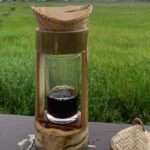
I love how the days are built around hands-on local life, not just views. Breakfast can start with locally grown tea or coffee from nearby plantations, and your meals are cooked by your guide for a proper home-style rhythm. I also like that the guides lean into the natural world and village culture, with famous guides like Tan and Sap sharing what they notice on the trail.
One thing to think about first: this is not a gentle walk. You need moderate fitness, expect several hours of undulating hiking, and the steep descents can feel rough on your knees—especially if you’re not used to downhill.
In This Review
- Key things that make this trek worth your time
- From Chiang Mai to the Chiang Dao trail: the morning setup matters
- Meet the guides: Tan, Sap, and the “real Thailand” pace
- Day 1: drive north, market stop, and a first taste of hill-country hiking
- Day 2: jungle trails, ridge walking, and the hardest day
- Day 3: the Maetang River valley descent, waterfall break, riverside lunch
- Homestays: clean, simple, and yes, there’s village noise
- Meals on the trail: guide-cooked Thai food beats guesswork
- How hard is it, really? Fitness and footwear you should take seriously
- Price and value: $256 is mostly about what’s included
- Who this trek is best for
- Should you book the 3-Day Chiang Dao Mountain Trek?
- FAQ
- How early do I get picked up?
- Where does the trek start and end?
- Is this a small-group trek?
- What fitness level do I need?
- What’s included in the price?
- Are vegetarian meals available?
- What should I pack?
- What footwear should I bring?
- Will I be okay without earplugs?
- What if the weather is bad?
Key things that make this trek worth your time
- Small group hiking with a max of around 10 (and the tour is also listed up to about 12), so you’re not lost in a crowd
- Hotel pickup and round-trip transport from Chiang Mai city, plus a market stop that sets up the food story
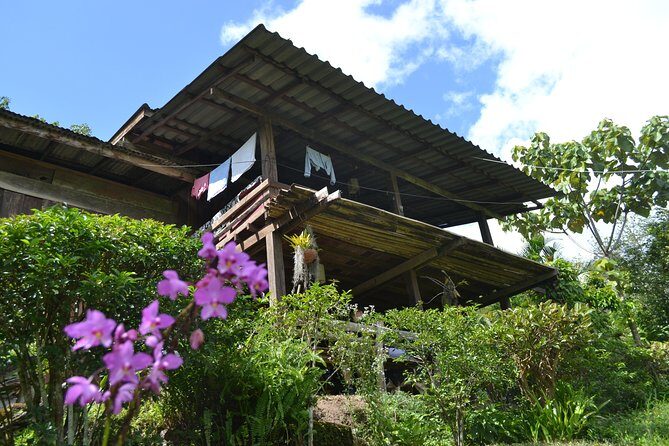
- Homestay living with simple, clean stays and the everyday sounds of village life
- Real guide-led jungle walking, including plant tastings and explanations as you go
- Day 3 descent into the Maetang River valley, including a waterfall break and riverside lunch
From Chiang Mai to the Chiang Dao trail: the morning setup matters

The trek starts with pickup from your Chiang Mai hotel area (within the second ring road radius). You leave early enough to feel like you’ve escaped before the city fully wakes up. The drive north is part of the experience, because it gets you from busy streets into the hills at a steady pace.
A useful detail: you stop at a local market where your guide introduces ingredients you’ll recognize from Thai meals. This gives you context for what’s coming next, instead of showing up hungry with no idea what you’re about to eat. It’s also a nice way to break the drive and stretch before the first hike day.
What to expect from the group day one pace: you’ll hike a chunk on day one, then settle into homestay life. Some people find day one a warm-up, not a sprint. Still, it’s day one of three, so you’ll want good shoes and a light backpack from the start.
You can also read our reviews of more hiking tours in Chiang Mai
Meet the guides: Tan, Sap, and the “real Thailand” pace
This trek lives or dies with the person leading it, and the guide team here gets strong credit for two big things: trail guidance and food. Names you may encounter include Tan and Sap. Many people also mention assistant support (like Mac) and a driver/cook role (like Room), which helps everything run smoothly even when the walking gets rugged.
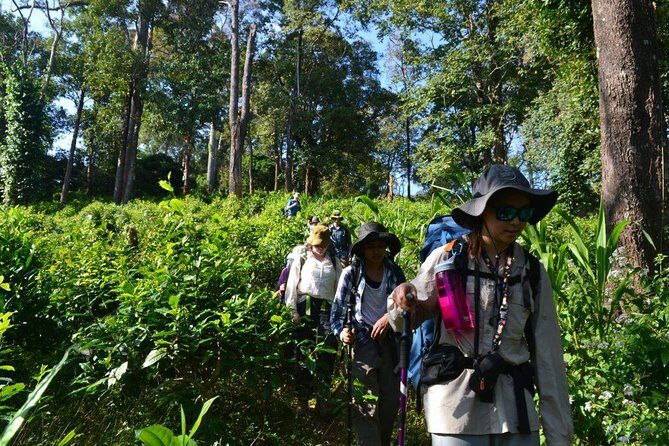
What I like is how the guides don’t treat the trek like a checklist. They watch the trail, adjust as needed, and explain what’s around you—plants, natural details, and village life. There’s also a fun element reported on multiple occasions: tasting certain plants along the way. It’s not only a cultural lesson; it’s also a reminder that you’re walking through a living environment, not a theme park.
English ability is sometimes called out (for example, Sap is praised for good English), so if you’re worried about communication, this tour generally performs well in that area. Still, bring a flexible mindset: part of the joy is the slower tempo and the way the guide translates local life into something you can understand.
Day 1: drive north, market stop, and a first taste of hill-country hiking
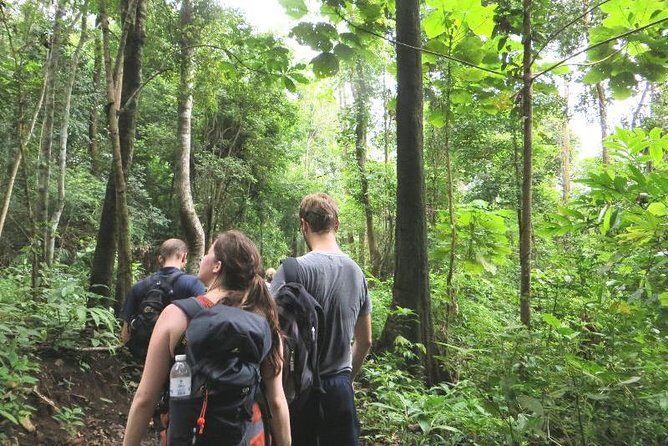
Day one begins with pickup and a morning push out of Chiang Mai. Along the way, you get that market stop where the guide can point out ingredients and explain how they fit into Thai cooking. Then you head into the higher country and start your first walking day.
Why day one is valuable: it sets the tone without immediately overwhelming you. You’re not just hiking for hours; you’re learning the route rhythms—how trails shift, how ridges guide your path, and how quickly scenery changes once you’re out of city air.
By the end of day one, you reach your first homestay. The stays are described as clean and basic, with some seasons offering nice views and good sunrise or sunset moments from the property. In other words, you’re trading luxury for atmosphere—and you get it without feeling like you’re in the roughest possible conditions.
Practical tip: bring a headlamp or small flashlight. Homestays are simple, and when you’re winding down after hiking, you’ll appreciate seeing where you’re putting things.
Day 2: jungle trails, ridge walking, and the hardest day
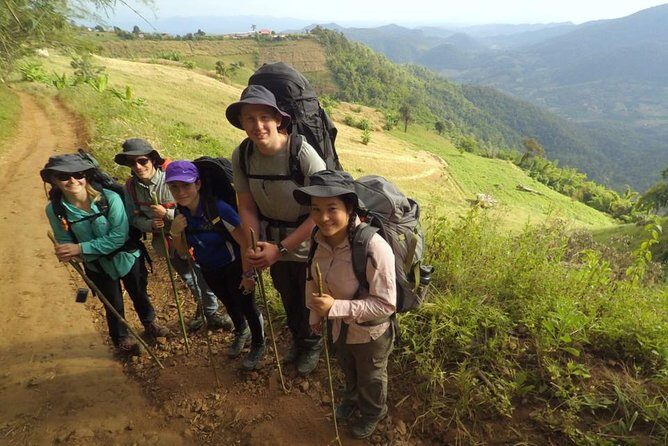
Day two is where the trek really earns its keep. You start with breakfast, often described as locally grown tea or coffee, and then you head into a challenging mix of jungle trails and criss-crossing paths. The goal is to keep you moving through different terrain types so you feel the mountains, not just a single straight trail.
This is the day you should plan to work for your views. There are reports of steep climbs and lots of up-and-down walking, and the overall hike time can feel long. One helpful reality check: the tour expects participants to hike roughly 5 to 6 hours on undulating landscapes, and day two commonly pushes near the upper end.
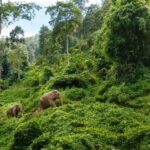
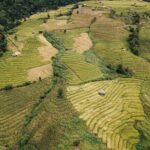
What makes this day special: you’re in the highlands north of Chiang Mai, and the trek route is described as off the beaten track. Instead of focusing on one famous viewpoint, you spend the day moving through bamboo forests and jungle-type sections. The guide’s explanations can make those hours feel purposeful, because you’re learning what you’re walking past.
Your body note: downhill is hard. Even if you can climb, your knees may feel it later—one person specifically calls out that descending can be tough even when walking down seems easier on paper.
Packing reminder: you carry a 45L backpack limit for personal effects through the trek. Keep it light. If you pack extra shoes or heavy toiletries, you’ll pay for it with your legs for three days.
Day 3: the Maetang River valley descent, waterfall break, riverside lunch
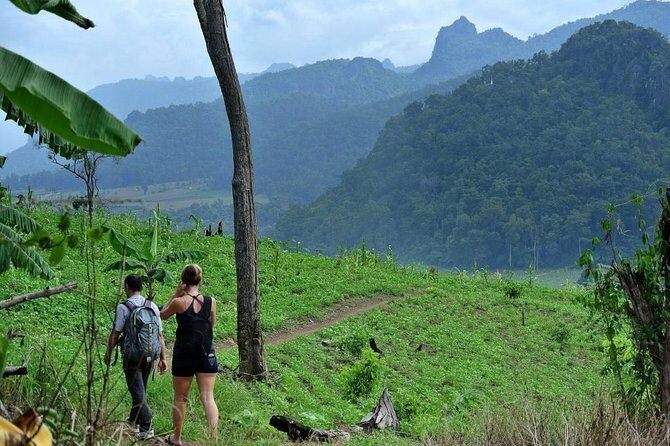
Day three starts with breakfast on the mountain before the final leg. Then comes a big change: a descent into the Maetang River valley below, described as about a three-hour drop. That shift matters because it changes the air, the terrain feel, and the overall vibe of the journey.
Along the way, there’s a waterfall stop for a break—an easy moment to reset after the downhills. Lunch is then served in a tranquil riverside setting, giving you a calm landing after a trekking day.
After lunch, you’re picked back up for the drive back toward Chiang Mai. The key is that day three isn’t just about getting to the finish. It’s about transitioning from ridges and jungle to valley life, so your final hours feel like a complete arc, not just a countdown.
What you’ll likely remember most: that valley feel after the steepness. It’s the moment when the trip stops being only physical and becomes emotional—because you can finally breathe, look around, and realize how far you’ve moved.
You can also read our reviews of more tours and experiences in Chiang Mai
Homestays: clean, simple, and yes, there’s village noise
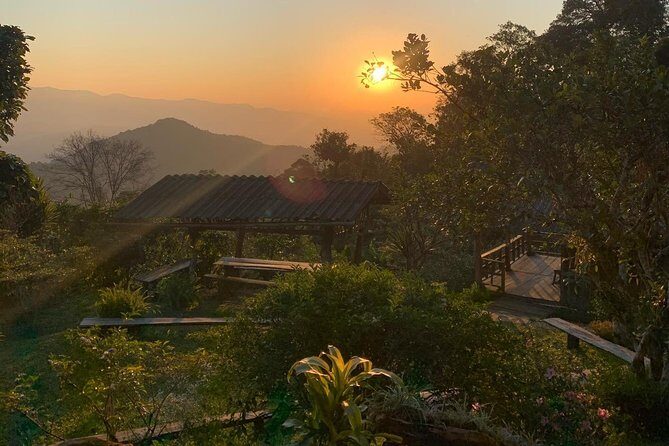
The homestay experience is one of the most praised parts of this trek. People describe the first overnight as peaceful and picture-ready, and the second as more lively. That’s not a complaint; it’s village reality.
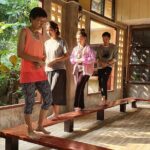
Expect basic accommodations. Multiple people call them clean and workable, and some mention solar energy for electricity. You’re not paying for a hotel bed; you’re paying for a chance to live the rhythm of mountain communities for a night or two.
Now the practical part: bring earplugs. Dogs, roosters, and similar village sounds can get loud at night. One review says it plainly, and the tour team even reinforces that you should plan for noise because it’s part of village life. Earplugs are cheap, light, and worth it.
What to pack for homestays: a small towel if you prefer one you control, a dry bag for your essentials, and a layer for nighttime. Even in Thailand, mountain evenings can feel cooler than you expect after a warm hike day.
Meals on the trail: guide-cooked Thai food beats guesswork
Food is included on this trek, and the way it’s handled makes it better value than many tours. You get:
- Breakfast (2)
- Lunch (3)
- Dinner (2)
That’s a lot of meal coverage for $256, especially when you factor in that you also get guide support, transport, and homestay nights. The meals are described as Thai, home-cooked, and often “awesome.” Your guide cooks, which matters because it keeps things consistent even when the schedule changes slightly.
There’s also a note for vegetarians: you need to plan ahead and tell the operator at reservation time. If you wait, you can end up stuck with limited options. If you eat a vegetarian diet, message early and be clear about what you do and don’t eat.
Beverages: not included at local homestays or restaurants. Bring water planning you can trust. Also consider a small electrolyte packet for long, sweaty hours, since you’ll likely spend day two working up a serious sweat.
How hard is it, really? Fitness and footwear you should take seriously
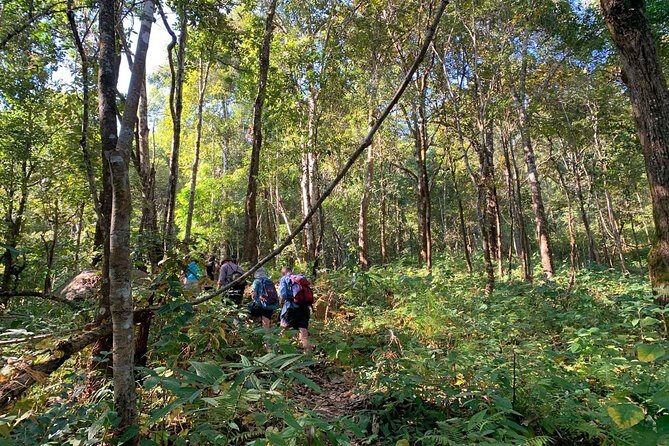
This trek is for people with moderate physical fitness. The tour asks you to hike 5 to 6 hours on undulating ground, and the route includes climbs plus long descents. A steep downhill can strain knees if you don’t normally hike.
It’s not designed for kids under 10, unless they’re used to multiple hours of hiking. If you’re traveling with younger kids, you’ll likely need to look at a different style of trek.
Footwear matters. You’ll want hiking boots or at least sturdy runners with grip. Trails in jungle and mixed terrain can get slippery or uneven, and you don’t want to feel underprepared halfway through day two.
Bring a light mindset: the tour encourages limiting personal effects to fit a 45L backpack you carry through the trek. Travel light. You’ll feel better on every single uphill.
Price and value: $256 is mostly about what’s included
At $256 for about three days, this trek can feel like a bargain once you break down the package. You’re getting:
- small-group guided hiking
- breakfast, lunch, and dinner coverage (7 total meals across the days)
- hotel pickup within the second ring road and round-trip transport
- homestay accommodation
- a kit list based on season (provided by the operator)
Many cheaper treks cut corners by leaving you to manage meals or transport. Here, the included meals and the guided cooking remove a lot of stress from the trail days. You pay for the coordination and the local access.
Is it still a budget trip? It’s not a bare-bones overnight for backpackers, but it’s priced in a way that makes sense if you want the full experience: guidance, food, and homestays, not just “walk somewhere in the mountains.”
Who this trek is best for
You’ll probably love this trek if you:
- want authentic village contact via homestays and home-style meals
- like guided hiking with cultural context and trail explanations
- can handle several hours of walking with hills and descents
- don’t mind basic accommodations and bring earplugs for village noise
You might skip it if you:
- want a comfortable, low-effort walking day every time
- have knee issues or know you struggle with steep downhill
- dislike the idea of limited beverage availability at homestays
- need strict vegetarian meals without planning ahead
Should you book the 3-Day Chiang Dao Mountain Trek?
If your idea of a great Thailand trip includes real walking, real village life, and a guide who knows the plants and the people, I’d book it. The best part is the package: you get small-group guidance, homestay living, and full meal coverage without you having to micromanage the logistics.
If you’re on the fence, use these quick filters. Do you have moderate fitness for 5 to 6 hours of undulating hiking? Will you pack light into a 45L backpack? Can you handle noisy village nights with earplugs? If the answer is yes, this trek is a strong pick for Chiang Dao’s mountain world—and for the kind of trip memory you’ll still be talking about months later.
FAQ
How early do I get picked up?
You’re picked up from your Chiang Mai accommodation in the morning before driving north. Exact timing is described as pickup around 8:30am.
Where does the trek start and end?
It starts at Le Dta’ Wan Food Market in Chiang Mai city, and it ends back at the same meeting point.
Is this a small-group trek?
Yes. It’s described as a small-group tour with a maximum of 10 people, and it’s also listed as having up to 12 travelers.
What fitness level do I need?
The trek is for moderate fitness. You should be able to hike about 5 to 6 hours on undulating landscapes.
What’s included in the price?
Breakfast (2), lunch (3), dinner (2), plus the guided trekking experience, homestay accommodation, and hassle-free hotel pickup and round-trip transport from Chiang Mai.
Are vegetarian meals available?
Vegetarian meals need to be planned in advance. You should advise the operator at the time of reservation.
What should I pack?
You’re asked to limit personal effects to fit in a 45L backpack that you carry through the trek. You’ll also get a kit list according to the season.
What footwear should I bring?
Wear suitable outdoor clothing, including hiking boots or runners.
Will I be okay without earplugs?
Not if you’re a light sleeper. Noise from dogs and roosters can happen during homestay nights, so earplugs are strongly recommended.
What if the weather is bad?
This experience requires good weather. If it’s canceled due to poor weather, you’ll be offered a different date or a full refund.