REVIEW · CHIANG MAI
From Chiang Mai: Slow Boat to Luang Prabang 3 days/2 nights
Book on GetYourGuide →Operated by LaoLuangTravel · Bookable on GetYourGuide
Mekong time moves slower, and that’s the point. This 3-day route turns the border crossing from Thailand into Laos into a guided handoff, and it gives you river communities up close while you float down the Mekong on a slow boat to Luang Prabang. I also like the fact that you break the trip with an overnight in Pak Beng, so you are not cooked after one long day. One possible drawback: the logistics can feel like a choose-your-own-adventure if small cross-border bits aren’t fully covered, so you’ll want to double-check what you’ll pay for yourself.
You’ll spend much of this trip with your body clock reset to boat schedule, not city schedule. Bring what the day needs (passport, some cash, and even a passport-sized photo) and you’ll stay in control when plans change or pickup details get messy. The whole experience is best when you’re okay with heat, waiting, and doing parts of the journey at the speed of the river.
In This Review
- Key things you should know before you go
- What Makes the Chiang Mai to Luang Prabang Slow Boat Route Special
- Day 1: Chiang Mai to Chiang Khong, the Laos Border Handoff, and Night in Huay Xai
- Day 2: Huay Xai to Pak Beng Slow Boat at 9:00, Then an Overnight Reset
- Day 3: Pak Beng Check-In Before 8:30 and the Final Run to Luang Prabang
- Price and Logistics: What You Pay For vs What You Still Might Need to Pay
- Day-by-Day Feel: What the Experience Is Like in Real Terms
- How to Prepare So Border Day Stays Calm
- Who This Slow Boat Trip Suits (and Who Should Rethink It)
- Should You Book This Slow Boat Tour?
- FAQ
- How long is the slow boat journey from Huay Xai to Pak Beng?
- What time does the boat leave from Pak Beng for Luang Prabang?
- How long is the bus transfer from Chiang Mai to the border area?
- Are meals included in the price?
- Do I need to pay visa or tourist fees?
- Is the cross-border bus included?
- What documents should I bring?
Key things you should know before you go
- Guided border handoff at Huay Xai keeps you from getting stuck at the passport check step
- Two long Mekong days (about 11 hours to Pak Beng, then about 9 hours to Luang Prabang)
- Overnight stays in between make the trip easier on your legs and sleep
- Small costs not included can pop up (like the cross-border bus portion and visa/tourist fees)
- English-speaking support is focused on the border and key transfer points, not full-day guiding
What Makes the Chiang Mai to Luang Prabang Slow Boat Route Special
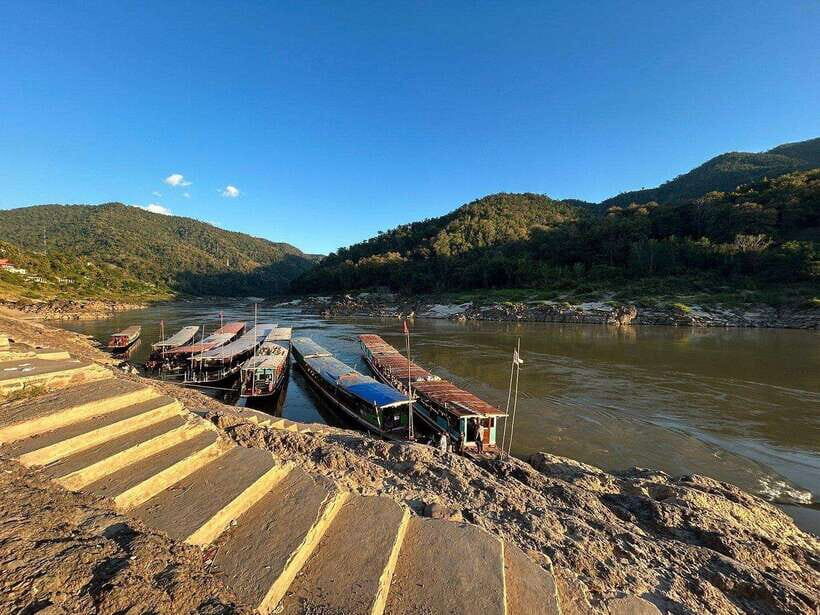
This is not a fast, check-the-box transfer. It’s a slow-moving Mekong journey that trades speed for texture. You’ll watch riverside life unfold day by day: docks, simple homes, fishing activity, and the way communities cling to the water for daily life. Even if you’ve seen river shots before, being on the boat changes how you read the place.
The best part for me is how the route builds anticipation. You leave Chiang Mai, then you spend the night near the Laos border in Huay Xai, and the next day you drift into the heart of the Mekong corridor toward Pak Beng. By the time you reach Luang Prabang, you’re not just arriving—you’ve already been living inside the river rhythm for 2 full days.
The practical tradeoff: this trip asks for patience. The day-to-day timing is fixed (bus, border processing, check-ins at piers, boat departures), and you’ll likely spend time in queues or in transit longer than you’d expect if you’re used to private cars.
You can also read our reviews of more boat tours in Chiang Mai


Day 1: Chiang Mai to Chiang Khong, the Laos Border Handoff, and Night in Huay Xai
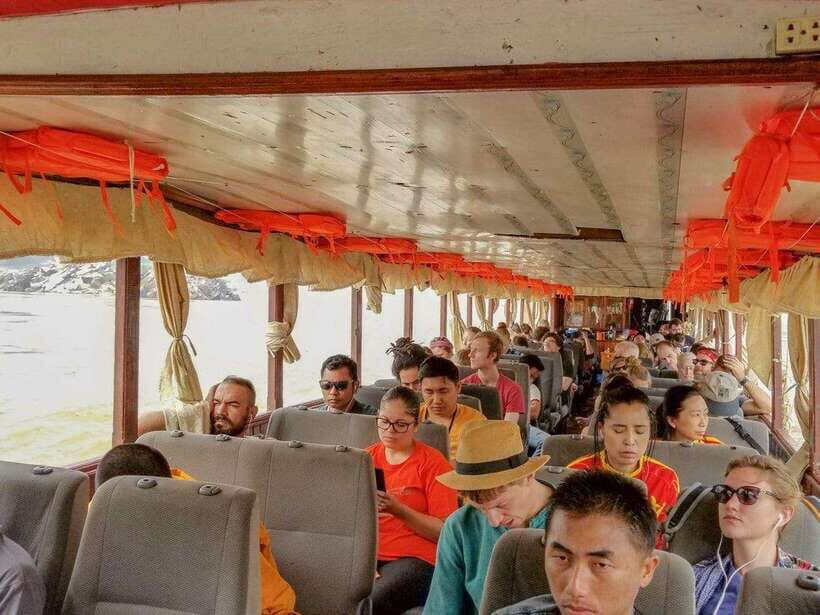
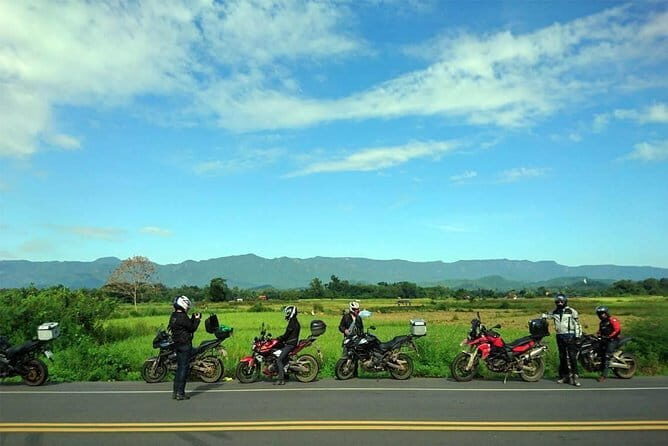
Your day starts early-ish in Chiang Mai. The van/bus leaves at 8:30 a.m. and the drive to the Chiang Khong area takes about 5–6 hours. It’s a long push, but it sets you up for the only thing that matters on this day: getting across the border without losing half the day to confusion.
Once you reach Chiang Khong, you take the shuttle across to the Laos border (Huay Xai). A key detail: the cross-border bus to the Laos side is listed as not included (35 Baht), so plan for that small payment in advance. After you’ve handled passport work, the operator’s team takes you to your hotel and you stop overnight in Huay Xai.
This is also the day where a little prep pays off. You’re asked for full details in advance for the bus ticket booking—your full name, gender, passport number, and contact phone number (WhatsApp recommended). If any detail is off, it can cause extra time at the start when you want smooth movement.
If you’re the kind of traveler who hates last-minute stress, book your Huay Xai stay early. The info provided notes that it’s recommended to arrange accommodation in advance, and that matches how border towns work: rooms can be limited when many people arrive for the same boat.
What I like about this day is the structure. You’re not trying to figure out every step alone. There’s an English-language guide at the border, plus border transfer support (piers and bus stations are part of what’s included). What I watch for is clarity: you’ll still want to confirm what you’ll be paying for versus what’s covered, especially any short local rides.
Day 2: Huay Xai to Pak Beng Slow Boat at 9:00, Then an Overnight Reset

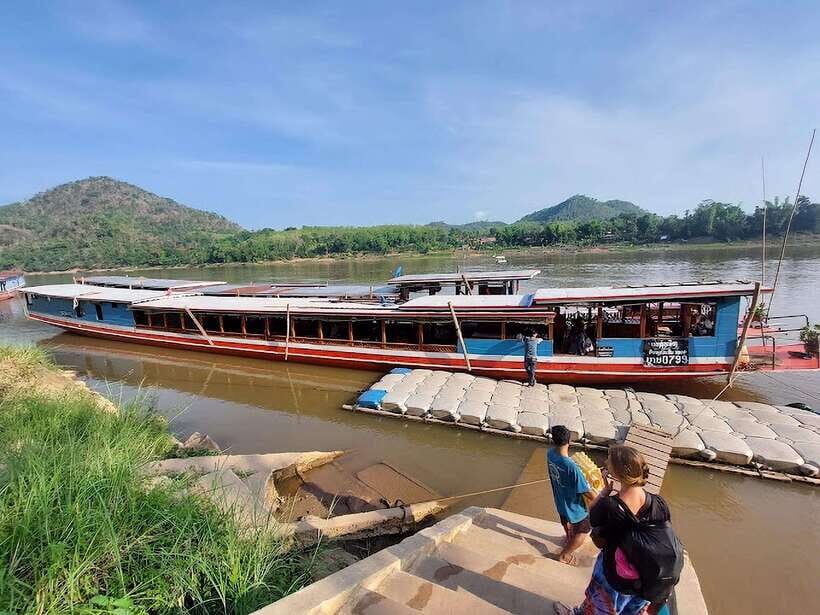
The second day is pure river time. At 9:00 a.m., you board the slow boat heading toward Pak Beng. The journey takes about 11 hours, with arrival in the evening. Then you sleep in Pak Beng for another night.
This is where you decide what you want from the Mekong. If you expect comfort like a long-distance train, you might find the boat experience more basic than you imagined. The point here is the view and the slow pace: you’re watching riverside stretches slide by, not sprinting past them.
The day is long, but the payoff is real. As the boat travels downriver, you’ll see the communities that live along the Mekong in a way you can’t get from a highway. It’s not just scenery; it’s daily life. You’re close enough to notice how people use boats, how goods move, and how the shoreline changes.
This is also why the overnight in Pak Beng is valuable. Without that second night, you’d be trying to handle border travel plus a full-day boat plus a final arrival day all in one go. With the overnight stop, you can eat, shower, and recover a bit before Luang Prabang.
One more practical note: food is not included. That means you’ll need cash for snacks and meals on the boat or at stops. Packing some easy extras (water, basic snacks, and change of clothes) is a smart way to stay comfortable during the longer hours.
Day 3: Pak Beng Check-In Before 8:30 and the Final Run to Luang Prabang
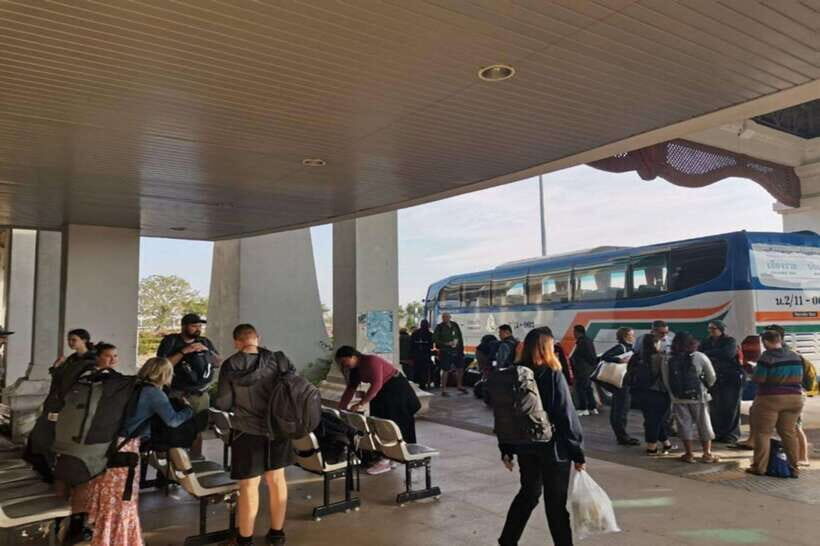
On the last day, you check in early. You’re instructed to be back at the pier for check-in before 8:30 a.m., then you continue on the slow boat from Pak Beng to Luang Prabang. The ride takes about 9 hours, and you arrive in the afternoon or evening, with a listed arrival around 5 p.m. at the Luang Prabang slow boat terminal.
This final day is usually easier than Day 2 because you’re closer to the end, and you already know what a slow boat day feels like. You’ll still be on the water most of the day, so plan for sun and heat. Wear something you don’t mind getting a little dusty, and bring a light layer if the wind cools you down at the wrong moment.
What I like about the arrival timing is that it leaves you at least part of the evening in Luang Prabang. Even if you can’t do much sightseeing, you can orient yourself, eat without rushing, and get sleep before diving into temples and town streets.
Hotel pickup is included only for Huay Xai (not Luang Prabang), so your last-day logistics can depend on what you’ve arranged for Luang Prabang after your arrival. If you selected a package option that includes hotel for overnight stays, it covers the in-between nights. For the rest, you should be ready to handle your final ride or check-in details based on where your accommodation is.
Price and Logistics: What You Pay For vs What You Still Might Need to Pay
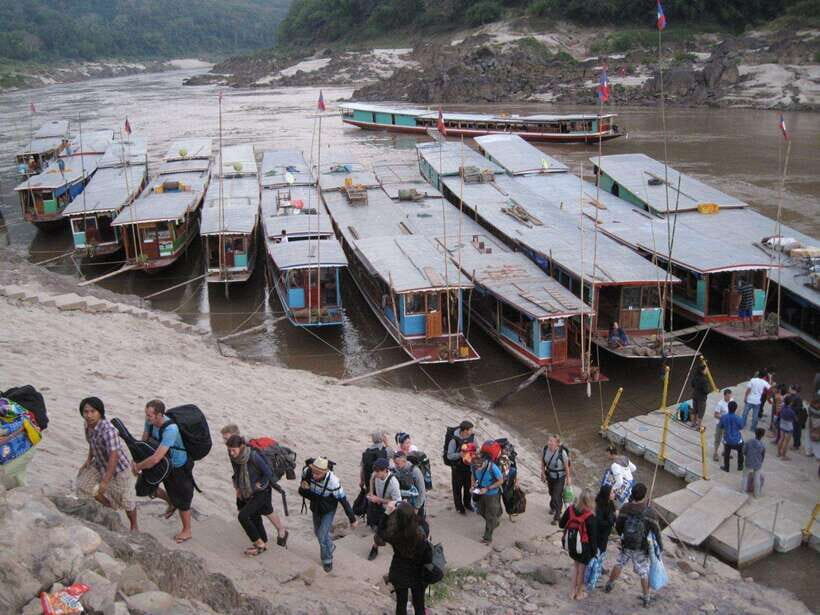
At $180 per person for a 3-day trip, you’re paying for a bundle: bus from Chiang Mai to the border area, border guidance in English, a slow boat ticket, and transfer support tied to piers and bus stations. If your option includes hotels, you also get overnight accommodation during the in-between nights.
But the list of exclusions matters. Not included are:
- Visa on arrival fees
- Tourist fees
- Food
- The cross-border bus to the Laos border (35 Baht)
That means your true cost can move depending on your visa/tourist fee totals and how you eat. It’s still not likely to become outrageous, but it can surprise you if you treat the price as everything-all-in.
This is where I think you should be extra careful with expectations. When a trip involves multiple handoffs—van, shuttle, border processing, dock transfers, then the boat—small misunderstandings can become real time-and-money issues. The information you were given includes border transfer service and pier support, but you’ll still want to confirm specifics day-of: where you meet people, what time, and which transport legs are actually covered.
If you prefer a stress-free plan, aim to keep your documents ready and your cash accessible. A few small details can prevent bigger hassles later.
You can also read our reviews of more tours and experiences in Chiang Mai






Day-by-Day Feel: What the Experience Is Like in Real Terms

Here’s the honest feel of the pacing.
Day 1 is “travel and crossing.” You’re moving for hours by bus, then doing passport work, then sleeping. Your goal should be to arrive in Huay Xai clear-headed enough to sleep, not to cram in sightseeing.
Day 2 is “float and watch.” You’ll be on the boat for about 11 hours. This is where you’ll either enjoy people-watching and river life or you’ll wish you’d packed differently for comfort. Bring a change of clothes because you might want to freshen up when you reach Pak Beng.
Day 3 is “finish strong.” You check in before 8:30, ride about 9 hours, and reach Luang Prabang around 5 p.m. It’s a long day, but it’s the final push toward one of Laos’s most walkable, atmospheric towns.
This trip is best when you accept that the boat is the attraction. If you want bullet trains, fast taxis, and guaranteed comfort, you’ll get frustrated. If you want a route that shows you what life looks like along the Mekong, this fits.
How to Prepare So Border Day Stays Calm
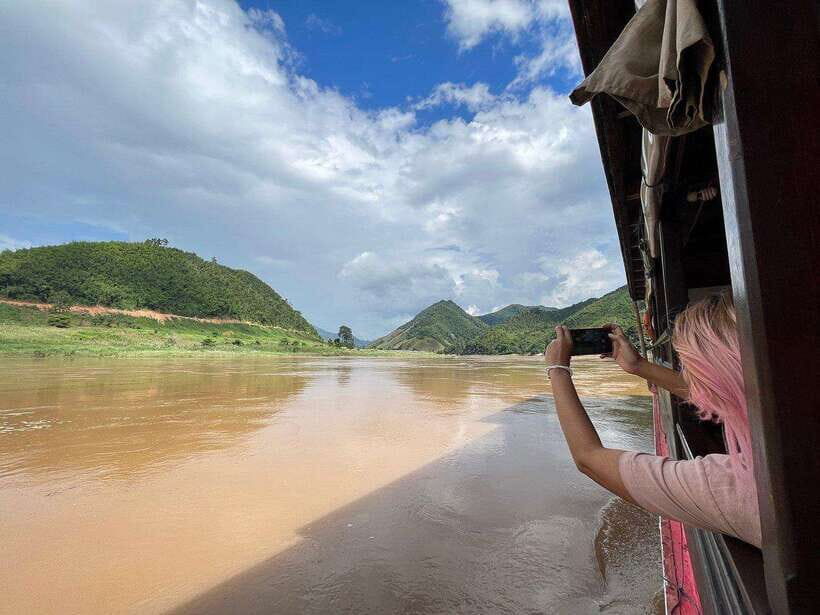
The tour info is very clear on what to bring, so treat that as a checklist, not suggestions. At minimum:
- Passport
- Change of clothes
- Cash
- Passport-sized photo
And keep your details consistent. Since bus ticket booking requires your full name, gender, passport number, and phone number, double-check what you provided before you travel. WhatsApp is recommended, because messages and coordination often happen there.
Also, no pets are allowed. If you’re traveling with an animal, you’ll need a different plan.
One more prep idea: keep screenshots or printed copies of your accommodation name and address in both English and any local script you can manage. That can help when you’re dealing with hotel drop-offs and local tuk-tuk or shuttle decisions. Even with support, you’ll be the one holding the paper trail.
Who This Slow Boat Trip Suits (and Who Should Rethink It)
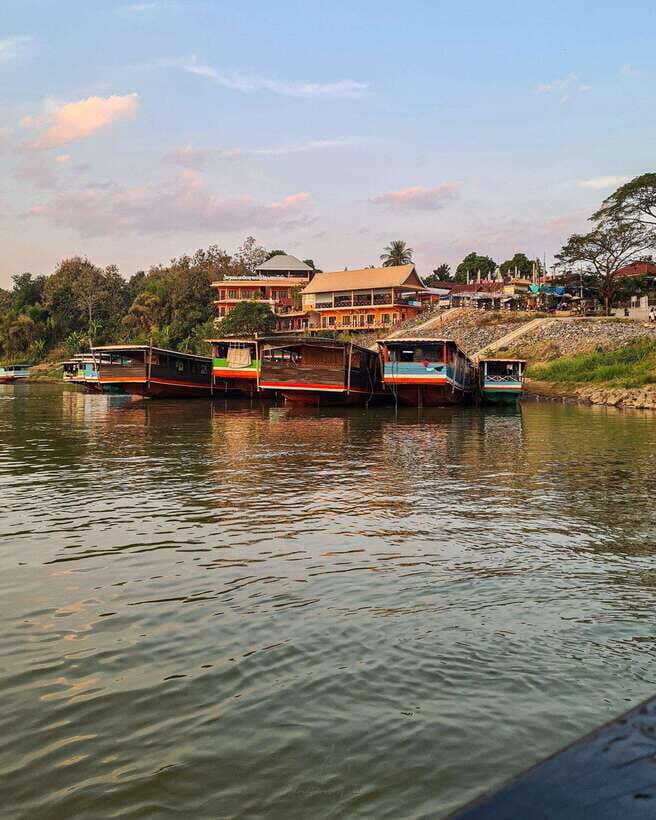
This slow boat experience is a good match if:
- You want the Mekong route as a core attraction, not just transit
- You like a slower travel rhythm and can handle long days
- You’re comfortable with basic boat conditions and bring what you need for comfort
- You’re okay doing a border crossing with guidance, but you still stay organized yourself
You might rethink this option if:
- You want total control of every leg, including where your ride comes from at each dock
- You get easily stressed by changing details, missed handoffs, or the need for short extra payments
- You’re traveling with very tight time windows and can’t afford delays
The price is often reasonable for what’s bundled, but the quality of the whole chain depends on smooth handoffs. If you’re the kind of traveler who needs flawless communication, you should plan extra time for border processes and keep your expectations realistic.
Should You Book This Slow Boat Tour?
I’d book this trip if your priority is the slow boat down the Mekong and you’re happy to trade speed for a closer look at river life. The itinerary is built around sensible breaks: one night in Huay Xai and one night in Pak Beng, so you’re not doing everything in a single brutal push.
I’d slow down and verify details if you’re the type who hates paying anything unexpected. This route explicitly lists a few costs not included, and cross-border transport can require small payments and clear meeting points. If you do your homework—documents ready, cash on hand, accommodation lined up—you’ll likely have a much smoother experience.
If you tell me your travel month and whether you’re planning to book hotels yourself in Luang Prabang, I can help you sanity-check the flow so you don’t get caught scrambling at the finish line.
FAQ
How long is the slow boat journey from Huay Xai to Pak Beng?
It takes about 11 hours, leaving at 9:00 a.m. and arriving in Pak Beng in the evening.
What time does the boat leave from Pak Beng for Luang Prabang?
You need to check in before 8:30 a.m., and the slow boat ride takes about 9 hours, arriving in Luang Prabang around 5 p.m.
How long is the bus transfer from Chiang Mai to the border area?
The bus/van ride to Chiang Khong takes about 5–6 hours.
Are meals included in the price?
No. Food is listed as not included.
Do I need to pay visa or tourist fees?
Yes. Visa on arrival fees and tourist fun fees are listed as not included.
Is the cross-border bus included?
No. The cross-border bus to the Laos border (35 Baht) is not included.
What documents should I bring?
Bring your passport, a passport-sized photo, cash, and a change of clothes.