REVIEW · CHIANG MAI
Chiang Rai White Blue Red Temples with Hot Spring from Chaing Mai
Book on Viator →Operated by Oh-Hoo · Bookable on Viator
Early-morning road trip, big temple payoff. This full-day outing from Chiang Mai links a natural hot spring stop with three signature temples in Chiang Rai—Wat Rong Khun (White), Wat Rong Suea Ten (Blue), and Wat Huay Pla Kang (Red)—all wrapped into a simple, efficient schedule.
What I like most is how much you get for the money: transfers from Chiang Mai Old Town, lunch, entrance fees, guide time in English/Thai, and travel insurance are included. I also like the small group setup (max 12), and the guides you may meet—like Da-da, Eddy, Chin, and New—tend to be friendly and informative, which matters when you’re watching art and symbolism move by fast.
One drawback to plan around: it’s a long day with several hours on the road each way, and some temple areas can feel busy, so you’ll want patience early and good shoes that match the dress rules.
In This Review
- Key highlights worth your attention
- Chiang Rai in one long day: what you’re really buying
- The morning hot spring stop: soothing, but plan for feet-only
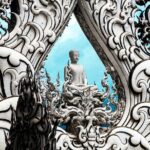
- Wat Rong Khun (White Temple): mirrored symbolism you’ll notice more with context
- Wat Rong Suea Ten (Blue Temple): calm color, quick but meaningful
- Wat Huay Pla Kang (Red Temple): Guan Yin presence and a 9-level pagoda
- Lunch and timing: the road is part of the deal
- Optional Long Neck Village: cultural context, plus an extra THB 300
- Price and value: why $47.95 can make sense here
- Practical tips that stop problems before they start
- Who this tour fits best (and who should think twice)
- Should you book this Chiang Rai White Blue Red Temples tour?
- FAQ
- What time does the tour start?
- How long is the tour?
- Where do you get picked up in Chiang Mai?
- Is lunch included?
- Are entrance tickets included?
- Can you bathe in the hot spring?
- What should I wear to the temples?
- Is the Long Neck Village included?
- How many people are in the group?
- Can I cancel for a full refund?
- What happens if the tour is canceled due to weather?
Key highlights worth your attention
- Hot spring stop is feet-only, so it’s a quick reset, not a full bath
- Small groups (up to 12) make the pace feel more human
- Three iconic temples in one day: White, Blue, and Red
- Lunch, entrance tickets, and drinking water are already included
- Temple dress code is strict (no flip-flops, no tank tops, no short pants)
- Long Neck Village is optional with an extra THB 300 per person charge
Chiang Rai in one long day: what you’re really buying
This tour is built for people who want Chiang Rai’s most famous temple sights without planning, renting, or hopping between multiple bookings. You leave Chiang Mai early (start time 7:00 am) and return to the same meeting point, with the full experience running about 10 hours including transfer time.
That time math is the key idea. Yes, you’ll see three temples plus a hot spring stop. No, you won’t have “slow travel” time to wander for hours at each site. If you’re the type who likes to take photos, read a few key details from your guide, and move on, this format works well.
On a practical level, you also get fewer stress points than DIY. Hotel transfers from Chiang Mai Old Town, an included lunch, entrance fees, and a guide handling the route means you can focus on the sights—not logistics. The smaller group size helps keep photo stops from becoming a slow-motion parking lot.
You can also read our reviews of more tours and experiences in Chiang Mai

The morning hot spring stop: soothing, but plan for feet-only
You start with a natural hot spring stop (about 30 minutes), and admission is included. The big rule is that you can only dip your feet; full-body bathing isn’t allowed.
So think of it as a quick, relaxing reset before temple viewing—not a spa day. If you’re hoping for a longer soaking session, this may feel short. Still, for most people, it’s a nice way to warm up and loosen travel stiffness before you get out and start walking.
What to wear here is simple: keep your temple shoes ready, and bring something easy to change into if you want to be comfortable. Then you’ll be back on the road fast, so don’t make the morning more complicated than it needs to be.
Wat Rong Khun (White Temple): mirrored symbolism you’ll notice more with context
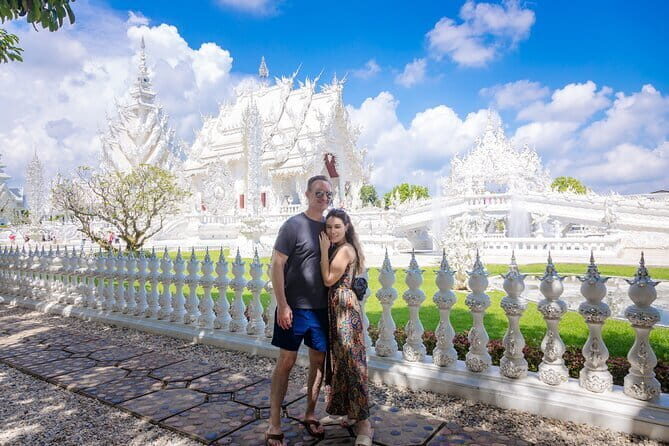
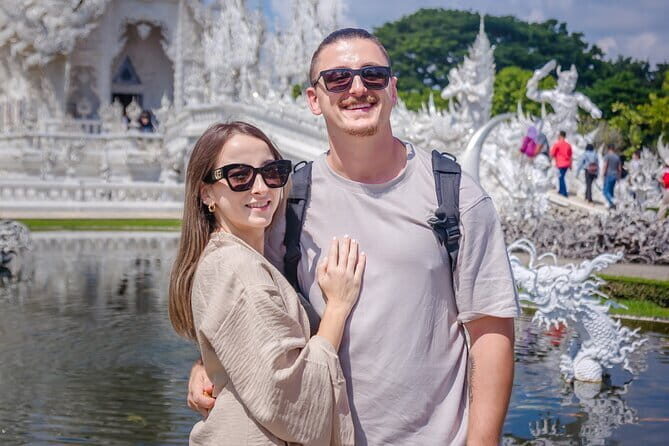
Wat Rong Khun is the headline temple for many first-timers to Chiang Rai. You get about 2 hours, plus the entrance ticket is included. The best way to experience this place is to look past the wow-factor and pay attention to what the guide points out as symbolic details.
This is modern Thai temple architecture with a sharp visual identity. The reflective mirror-like elements create constant light play, so even short pauses can turn into great photo moments. Your time window is long enough to do the main viewpoints and some of the detailed areas without feeling like you’re rushing every second.
A real-world consideration: White Temple is popular. Expect crowds and waiting in certain spots. With a group of up to 12, it won’t feel like a tour bus stampede, but you should still expect some congestion around the best photo angles.
If you’re debating between this and other “temple add-ons,” prioritize whichever site fits your style. For many people, White Temple is the iconic first-choice—but your day also isn’t complete until you see what the Blue and Red temples bring to the story.
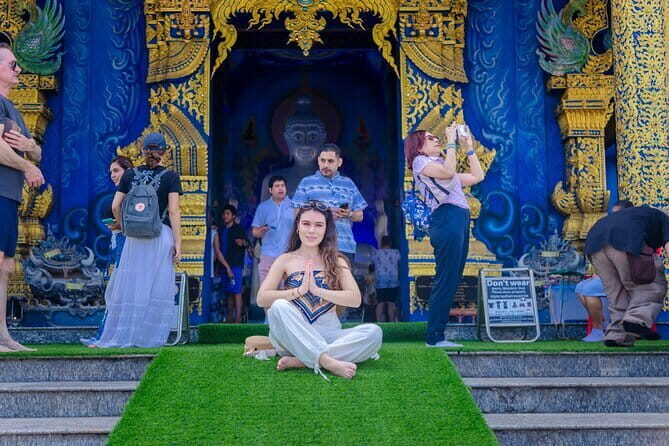
Wat Rong Suea Ten (Blue Temple): calm color, quick but meaningful
The Blue Temple stop (Wat Rong Suea Ten) lasts about 1 hour. Entrance is included, so you can focus on the interior style rather than worrying about ticket lines.
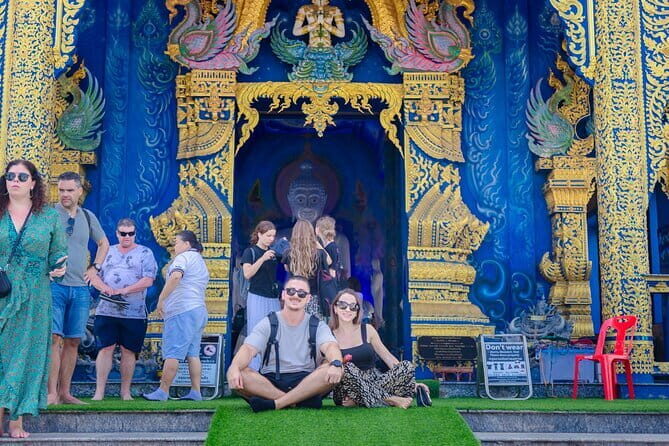
This one is known for its bright blue and gold interior details and a quieter atmosphere compared with the big landmark buzz at some of the other temple stops. It’s a great breather in the middle of the day. You’ll typically get enough time to see key interiors and take in the design language without feeling trapped for hours.
If you love art that tells a story through color and pattern, you’ll probably enjoy how the guide helps you connect the visual choices to the spiritual setting. If you prefer lots of open time to wander alone, the hour may feel “just getting started.” Still, as part of a full-day circuit, it’s a sensible pacing choice.
Wat Huay Pla Kang (Red Temple): Guan Yin presence and a 9-level pagoda
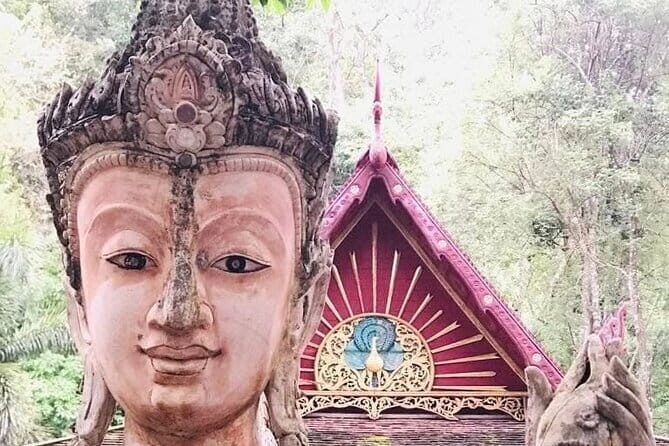
The Red Temple portion (Wat Huay Pla Kang) is about 1 hour and includes the entrance fee. This is where the day gets bigger and more dramatic. You’ll see a towering 25-meter Guan Yin statue, plus a 9-level pagoda that supports wide views of the surrounding area.
Even if you’re not the kind of person who reads every detail, the scale does the work for you. This stop has a “moment” factor: you arrive, look up, and immediately understand why people call it a must-see. The guide’s job here is especially important—turning what could feel like just photos into something you can remember and explain.
Timing-wise, one hour is enough for the main sights and viewpoints, but not enough for endless climbing and linger-time. If you’re someone who wants to sit quietly and absorb, plan on taking a few “micro-pauses” rather than expecting long downtime.
One extra note from what I’ve seen people appreciate: when someone is choosing between temple circuits, they often pick this type of Red Temple experience because it has an unmistakable focal presence and strong photo points.





Lunch and timing: the road is part of the deal
The tour structure is straightforward: hot spring early, then White, then Blue, then Red, with lunch included. You’ll also have drinking water during the day. Your schedule is built so there’s enough time to see the major sights without running late, but it’s still a long cross-region drive.
Expect a serious amount of time in a vehicle. Some guides describe the Chiang Mai to Chiang Rai route as roughly 2–3 hours each way, depending on traffic and conditions. One review detail that matches the reality: the ride is typically in an air-conditioned van, which makes a big difference when you’re doing a full-day loop.
If you’re sensitive to long drives, bring a small “comfort kit.” Think neck support, water, and something light to snack on if you get hungry between stops. The lunch is included, but you won’t always have a lot of breathing room for late-day hunger.
Also remember: the plan is subject to change, and the published times are approximate. That’s normal with tours like this. The guide adjusts the remaining time based on travel and stop conditions.
Optional Long Neck Village: cultural context, plus an extra THB 300
You can add the Long Neck Village for an extra cultural layer. The village visit is not included by default, and it costs THB 300 per person as an add-on.
Whether it’s worth it depends on your interests. If you want to learn about Karen traditions and see cultural life firsthand, it can be a good fit. If your main goal is temple art and architecture, you might consider skipping it to keep the day moving and avoid stretching your energy too thin.
Either way, you’ll want to treat it as an optional decision, not a guaranteed part of the experience. The cleanest move is to decide based on your group’s energy level, not just excitement on paper.
Price and value: why $47.95 can make sense here

At $47.95 per person, this tour looks cheap on the surface—until you see what’s included. You’re paying for a lot of the expensive bits upfront: hotel transfers, lunch, entrance fees for the stops, a professional English/Thai guide, travel insurance, and drinking water.
Here’s the value logic I’d use as you decide:
- If you’d otherwise pay separately for transport, tickets, and a guide, the bundle starts to look fair fast.
- The inclusion of entrance fees matters at these kinds of temples, where ticketing and timing can add friction if you go DIY.
- The small group size (up to 12) is another value signal. It’s easier to ask questions and get help with timing, especially when you’re dealing with dress code rules.
Are there cheaper ways to do Chiang Rai? Sure, if you’re comfortable renting or joining a bare-bones ride. But for many people, the real cost is time and stress. This tour reduces both.
Practical tips that stop problems before they start
Temple rules are not suggestions here. For visiting the temples, dress respectfully: no flip-flops, no tank tops (t-shirts are fine), and no short pants (long pants like jeans are ideal). If you show up in the wrong outfit, you may have to adjust on the spot.
Footwear matters for comfort. You’ll do a fair amount of walking across different temple zones, plus you’ll want something that looks acceptable and feels stable. Sneakers are often the best bet.
Hot spring rules are also straightforward: you can dip your feet, but full-body bathing is prohibited. If you want to enjoy the water, set expectations for a quick soak and a change to dry clothing.
Finally, go early mentally. This is a 7:00 am start, and that early departure plus road time can blunt your enthusiasm if you sleep poorly. I’d plan a normal bedtime the night before and keep your first stop mindset simple: relax for 30 minutes, then get ready to look up at the temples.
Who this tour fits best (and who should think twice)
This tour fits best if you:
- want a fast, structured introduction to Chiang Rai’s major temple sites
- like having a guide explain symbolic architecture and what to look for
- prefer small group pacing over large crowds and loud bus tours
- value included basics like lunch, tickets, transfers, and insurance
You might think twice if you:
- hate long drives. You’re signing up for hours on the road each way.
- need lots of free time to wander slowly at each site.
- want a long hot spring soak rather than a quick feet-only stop.
Should you book this Chiang Rai White Blue Red Temples tour?
I’d book it if you want the “greatest hits” of Chiang Rai in a single day with minimal planning. The price makes sense because it bundles transfers, guide time, lunch, and entrance fees—things that add up fast when you piece them together.
I’d skip it or adjust expectations if you’re temple-aesthetics obsessed and want to spend half a day at one site. This tour is efficient, not slow. It’s also best when you’re okay with crowds in popular places and you can follow the dress code without fuss.
If you’re a first-timer to Chiang Rai, you’ll likely come away with strong photos, clear memories, and a sense of how these temples speak through design. Just be ready for the long drive part of the bargain, and you’ll enjoy the day a lot more.
FAQ
What time does the tour start?
The tour starts at 7:00 am.
How long is the tour?
It runs about 10 hours (approx.), including hotel transfer time and travel time between locations.
Where do you get picked up in Chiang Mai?
Hotel transfers are included from Chiang Mai Old Town.
Is lunch included?
Yes. Lunch is included.
Are entrance tickets included?
Yes. Entrance fees are included for the stops on the route, including the hot spring and the temples.
Can you bathe in the hot spring?
No. You can only dip your feet. Full-body bathing is prohibited.
What should I wear to the temples?
Dress respectfully: no flip-flops, no tank tops (t-shirts are fine), and no short pants. Long pants like jeans are ideal.
Is the Long Neck Village included?
It’s optional, and an extra charge of THB 300 per person applies if you choose to go.
How many people are in the group?
The tour has a maximum of 12 travelers.
Can I cancel for a full refund?
Yes. You can cancel up to 24 hours in advance for a full refund.
What happens if the tour is canceled due to weather?
The tour requires good weather. If it’s canceled due to poor weather, you’ll be offered a different date or a full refund.