REVIEW · CHIANG MAI
Morning Cooking Class in Traditional Pavilion with Beautiful Garden – Chiang Mai
Book on Viator →Operated by Oh-Hoo · Bookable on Viator
Cooking Thai food starts with what you buy. This morning class strings together a local market ingredient lesson with a farm visit and then hands-on cooking in a beautiful garden pavilion. I love that you get practical guidance on what to buy and why, and you cook at an individual station instead of hovering. One possible drawback: pickup timing can be inconsistent, so it’s smart to verify details and stay alert.
From Tha Phae Gate at 9:00 am, you head into an organic farm where you may help with mushroom harvesting and egg collecting, then you cook three Thai dishes plus dessert. The group stays small (max 8), which keeps the class from feeling rushed and gives you real instructor time.
In This Review
- Key highlights at a glance
- Morning start at Tha Phae Gate and what that means for your day
- Market walk: learning Thai ingredient choices, not just names
- Organic farm time: mushrooms, eggs, and why it matters
- Traditional Thai pavilion cooking: your station, your pace
- Choosing your dishes: the menu is flexible with season and ingredients
- The dishes you’ll make: what each one teaches you
- Tom Yam (Hot and Sour Soup): learning the flavor balance
- Tom Kha (Coconut Soup): sweetness and roundness
- Pad Thai (Thai Stir-Fried Rice Noodles): noodle technique and seasoning control
- Green curry and red curry: curry paste and heat management
- Mango sticky rice dessert: the finishing move
- Why the small group and step-by-step teaching is the real value
- Price and what you’re really paying for (US$50.50)
- Booking smart: how to avoid the biggest real-world hiccup
- Who this Chiang Mai morning class is best for
- Should you book this cooking class in Chiang Mai?
- FAQ
- How long is the Chiang Mai morning cooking class?
- What time does it start?
- Where does the tour start?
- Is pickup included?
- How many dishes will I cook?
- What dishes are included?
- How large is the group?
- Will I get to choose what I cook?
- What happens if the weather is bad?
- Is there a cancellation deadline?
Key highlights at a glance
- Local market ingredient skills: you learn what to look for when selecting herbs, vegetables, and key Thai pantry items
- Hands-on farm moments: you get the farming-life experience, including tasks like harvesting mushrooms and collecting eggs
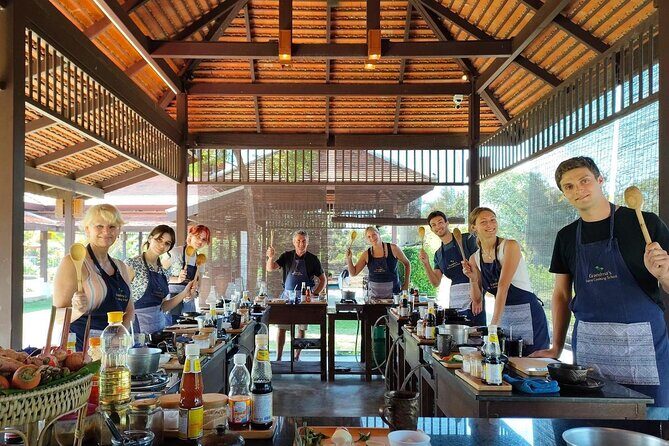
- Traditional pavilion setup: cooking happens in a garden setting with an easy morning rhythm
- Small group, max 8: each person gets their own cooking station, so you’re actually cooking
- Classic menu outcome: you’ll cook three dishes such as Tom Yam, Tom Kha, Pad Thai, and green or red curry (seasonal swaps possible)
- Dessert included: mango sticky rice is served
Morning start at Tha Phae Gate and what that means for your day
The experience begins at Tha Phae Gate (Tha Phae Road side), with a 9:00 am start and pickup offered. Real talk: mornings in Chiang Mai move fast once the sun is up, so this timing is ideal if you want to see food culture without losing your whole day.
You’ll be back at the meeting point at the end, which matters because it reduces hassle. You don’t need to plan a second transport step after a half-day activity—just regroup and continue exploring.
The duration is about 4 hours, so you’re not committing to an all-day tour. That makes it a good fit if you already have temple stops, a night market, or a massage penciled in. Think of it as a focused food morning that also tells you how to shop like a cook.
You can also read our reviews of more cooking classes in Chiang Mai


Market walk: learning Thai ingredient choices, not just names
The first major stop is the local market. This is where the class earns its keep. Instead of starting with a recipe sheet, the instructors introduce the basic ingredients used in Thai cuisine and how to select them.
You’ll get taught what matters in Thai cooking basics like sourness, fragrance, and balance—then you apply that to real ingredients you can see and touch. The value here is long-term: once you learn how to judge produce and herbs, Thai food at restaurants makes more sense, and your own home cooking gets better.
A practical tip: take notes if you can. Even a quick list of what you bought or what the instructor emphasizes will help later when you’re trying to recreate the dishes. And if you like spice, pay attention to how herbs and pastes change taste intensity. That’s often the difference between bland and memorable.
Organic farm time: mushrooms, eggs, and why it matters
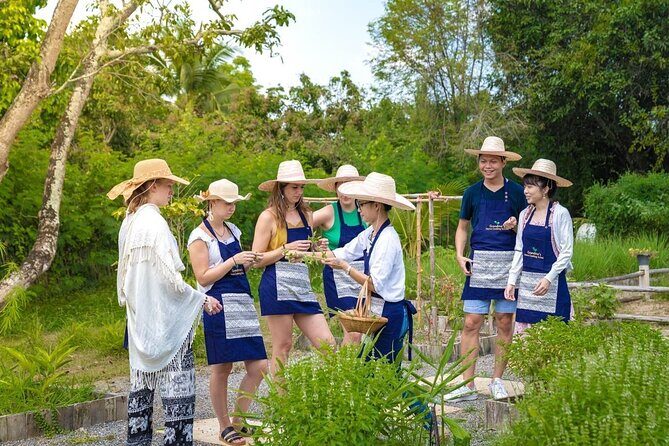
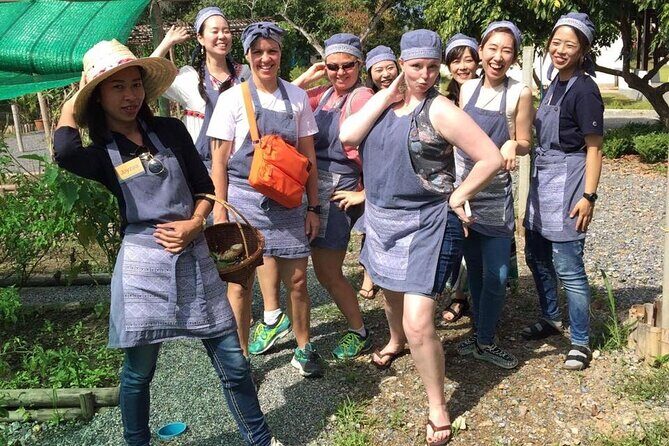
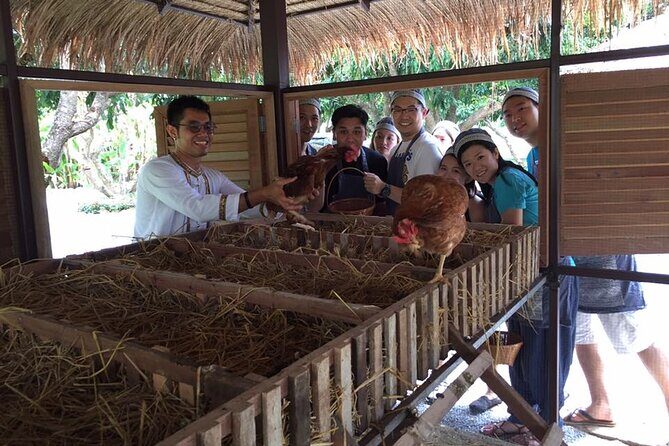
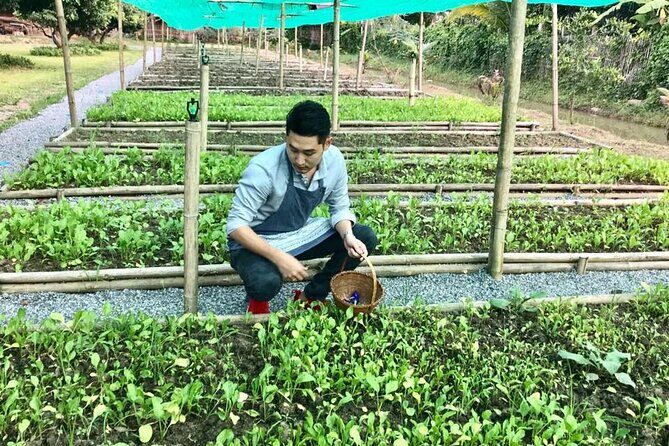
After the market, you move to an organic farm in a garden-like setting. The class isn’t just show-and-tell. You may get to harvest mushrooms and collect chicken eggs, plus learn more about Thai herbs and vegetables.
This part does two useful things for you:
- It connects ingredients to where they come from, so the cooking feels more grounded.
- It adds a hands-on rhythm to the morning, so the day doesn’t turn into only seated instruction.
There’s also an aesthetic element. One of the standout bits from the experience feedback is that the farm setup feels clean and well cared for, and the setting itself makes the activity feel calm rather than chaotic.
Of course, farm work can be weather-sensitive. This experience requires good weather, so if the day is rainy, expect the operator to adjust by offering another date or a refund.
Traditional Thai pavilion cooking: your station, your pace
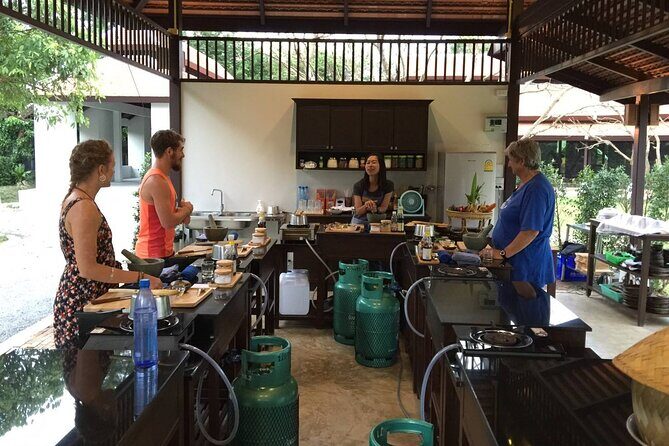
Then comes the cooking class in traditional pavilion-style spaces surrounded by a beautiful garden. The setup is built for active cooking, not watching.
Two practical advantages matter here:
- The group is capped at 8 travelers. That keeps questions from piling up.
- You have an individual cooking station, which means you’re doing the work instead of waiting for space or sharing tools.
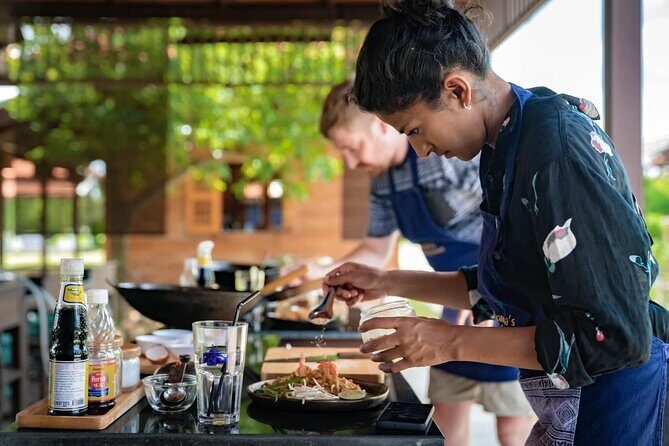
In many food classes, you might end up taking turns. Here, the structure is designed so you can actually practice each step. The instructors demonstrate techniques step by step first, and then it’s your turn to cook your selected dishes.
What to do during the demo phase: watch the full motion of each step, then focus on the timing. In Thai cooking, timing is everything—stirring length, heat control, and when ingredients go into the pan can change the whole outcome. Even if you’re not a chef, you can still learn the timing cues.
Choosing your dishes: the menu is flexible with season and ingredients
You cook three dishes, and dessert is served. The class categories are appetizer, stir-fry, soup, curry, and dessert, and you’ll be able to select one refreshment and select one dish from the categories for your meal.
That flexibility is important because it reflects real cooking availability. The menu can change based on the season and ingredient availability, so don’t expect every dish to be identical every day.
From the dish list provided, you may cook options such as:
- Tom Yam (Hot and Sour Soup)
- Tom Kha (Coconut Soup)
- Pad Thai (Thai Stir-Fried Rice Noodles)
- Green Curry (also listed as Kang Kew Waan)
- Red Curry
- Massaman Curry (listed as an option)
- Mango sticky rice for dessert
Here’s a helpful way to think about your choices: pick dishes you actually want to eat again later. If you’re new to Thai food, starting with Tom Yam or Pad Thai is a smart move because they’re commonly found and easy to compare against what you learn in class. If you’re already confident, choose one of the curries to learn how paste-based flavors build depth.
You can also read our reviews of more tours and experiences in Chiang Mai


The dishes you’ll make: what each one teaches you
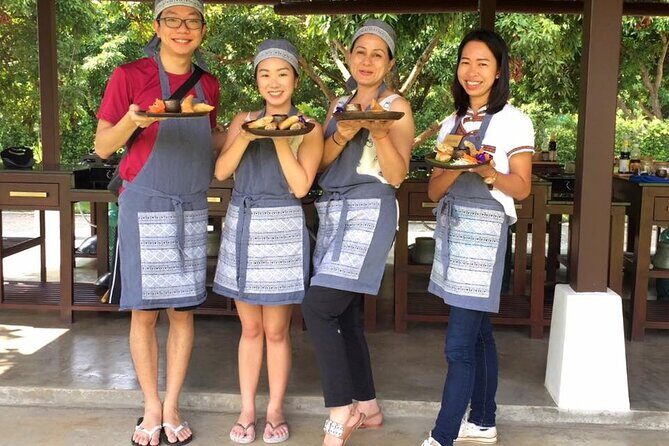
The class outcome is not just a plate of food. Each dish teaches a different Thai technique group, and that’s what makes the morning more valuable.
Tom Yam (Hot and Sour Soup): learning the flavor balance
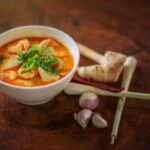
Tom Yam is your crash course in Thai balance: heat, sourness, and fragrance working together. You’ll learn how hot and sour flavors come from the right combination of ingredients, not just from dumping in something spicy.
If you want to understand Thai cooking at a fundamental level, Tom Yam is a great anchor dish. It shows how the cuisine builds flavor layers quickly.
Tom Kha (Coconut Soup): sweetness and roundness
Tom Kha brings coconut richness into the mix. Compared to Tom Yam, it tends to feel more rounded and soothing while still carrying bright flavor notes.
This is a good pairing in your learning if you’re trying to grasp how Thai cooks manage creamy textures without losing the sharp edges that make the food Thai.
Pad Thai (Thai Stir-Fried Rice Noodles): noodle technique and seasoning control
Pad Thai is often where people learn that noodle cooking is timing plus technique. The class format helps because you get step-by-step guidance, then you repeat it at your own station.
You’re also learning seasoning logic—how sweetness, saltiness, and tang come together so it tastes balanced rather than one-note.
Green curry and red curry: curry paste and heat management
Curries are where Thai cooking feels like chemistry. Green or red curry teaches you how curry paste behaves once it hits heat and liquid, and how the sauce thickness and aroma develop.
This is the dish category that tends to impress friends later, because it’s not just about taste—it’s about aroma and texture.
Mango sticky rice dessert: the finishing move
Dessert is mango sticky rice. It’s the kind of plate that makes the class feel complete. Also, it’s useful because it gives you a sweet reference point for Thai coconut flavors that also show up in soups and curries.
If you’ve ever eaten mango sticky rice that tasted bland, you’ll understand why learning it in a Thai cooking context matters.
Why the small group and step-by-step teaching is the real value
This experience is priced like a serious cooking lesson, not like a casual tourist meal. And the structure is what justifies it.
With max 8 people, you’re not stuck competing for attention. You can ask questions and adjust how you cook. That matters because Thai recipes often look simple on paper, but the technique makes them work.
Also, each person gets their own station, so you can practice. If you’ve been disappointed by past classes where you barely touch the food, this setup directly addresses that problem.
Price and what you’re really paying for (US$50.50)
At US$50.50 per person for roughly 4 hours, you’re paying for more than ingredients. You’re paying for:
- market guidance on ingredient selection
- farm tasks and farm learning around herbs and vegetables
- instructor-led, step-by-step cooking at your own station
- cooking outcomes (three dishes) plus dessert served
- pickup offered (depending on your location)
In Chiang Mai, cooking classes range widely. The key value signal here is the full morning flow: market → organic farm → pavilion cooking. If you only wanted a single cooking dish, this might be more than you need. But if you want a half-day that teaches skills you can use later, the value is stronger than it looks.
The one thing to keep in mind is that the menu can change with the season. That doesn’t make it worse, but it does mean you should be flexible about exact dish combinations.
Booking smart: how to avoid the biggest real-world hiccup
One piece of feedback stands out in a negative way: a missed pickup led to a long wait until a taxi was arranged. Even if that’s rare, it’s the kind of failure you should protect yourself against.
Here’s how you can reduce risk:
- Confirm the pickup time and any driver details right after booking.
- Plan to be ready a few minutes early at Tha Phae Gate.
- Keep your phone handy for any updates, since confirmations and mobile tickets are part of the process.
If pickup does fail, you’ll want to act quickly instead of waiting in place for a long time. That one habit can save your morning.
Who this Chiang Mai morning class is best for
This class fits you if you want:
- a practical Thai food lesson with ingredient choices, not just a recipe tutorial
- a calm morning pacing with a farm and garden setting
- hands-on cooking at your own station
- a small group experience (max 8)
It’s also a good fit for people who like food culture and want a reason to learn what Thai cooks think about before the stove. If you’re short on time but still want more than restaurant tasting, this delivers.
If you hate any chance of weather disruption, note that this experience requires good weather. If the operator cancels due to poor weather, you’re offered a different date or a full refund.
Should you book this cooking class in Chiang Mai?
I’d book it if you want a structured morning where you learn how to shop, how ingredients behave on the stove, and how classic dishes come together. The market + organic farm sequence gives context, and the small-group station setup means you’re actively cooking rather than watching.
I’d think twice only if pickup failures would seriously ruin your day. If you’re very sensitive to timing, double-check pickup details and show up early. Once that’s handled, you’re in for a fun, skill-focused Chiang Mai food morning with a farm-side start and a satisfying plate at the end.
FAQ
How long is the Chiang Mai morning cooking class?
It runs for approximately 4 hours.
What time does it start?
The start time is 9:00 am.
Where does the tour start?
The meeting point is Tha Phae Gate on Tha Phae Road, Chang Khlan, Mueang Chiang Mai.
Is pickup included?
Pickup is offered, and the activity ends back at the meeting point.
How many dishes will I cook?
You will cook 3 dishes, and dessert is served.
What dishes are included?
Options include Tom Yam, Tom Kha, Pad Thai, Green Curry, Red Curry, and Massaman Curry, plus mango sticky rice for dessert. The exact menu can change by season and ingredient availability.
How large is the group?
The class has a maximum of 8 travelers.
Will I get to choose what I cook?
Yes. You can select dishes from the categories (appetizer, stir fry, soup, curry, dessert), and you also select one refreshment.
What happens if the weather is bad?
The experience requires good weather. If it’s canceled due to poor weather, you’ll be offered a different date or a full refund.
Is there a cancellation deadline?
Yes. You can cancel up to 24 hours in advance for a full refund. Changes made less than 24 hours before the start time are not accepted.