Elephants and Thai cooking in one long day. I love the Mae Hia market ingredient-picking start, and I also like the Joy Elephant Sanctuary elephant observation approach with hands-on, Karen culture activities mixed in. It’s a full-day plan that feels practical and meaningful, not just a checklist of stops.
One note before you book: the tour runs about 10 to 11 hours and it starts at 8:00 am, so you’ll want an early wake-up plan. If you’re looking for super-short sightseeing or heavy elephant handling, this one is more about observation and responsible interaction than thrill rides.
In This Review
- Key things I’d circle before you go
- Mae Hia Fresh Market: choosing your Thai ingredients first
- Team Aim Thai Cooking Class: learning real dishes with Aim
- Vegan and vegetarian options
- Comfort and structure
- Joy Elephant Sanctuary: Karen cultural change + responsible observation
- What if you want more direct contact?
- Herbal tea and a waterfall pause in the forests
- Building a Thai handmade souvenir at the end
- Meals and what’s included: brunch, dinner, and more than snacks
- Price and value: does $87.12 make sense?
- Timing and pacing: what a 10–11 hour day feels like
- Who should book this Chiang Mai combo (and who shouldn’t)
- Should you book? My practical call
- FAQ
- How long is the Chiang Mai Thai cooking and elephant observation tour?
- What time does the tour start in Chiang Mai?
- Is hotel pickup included?
- What’s included in the price besides the activities?
- Are vegan or vegetarian options available?
- Do I need prior cooking experience?
- What can I expect to do at the elephant sanctuary?
- How big is the group?
Key things I’d circle before you go
- Mae Hia Fresh Market selection: You choose ingredients for your cooking session, which makes the recipes feel personal.
- Team Aim Cooking School class (about 3 hours): A teacher with 10 years of experience guides you through authentic Thai dishes.
- You can cook vegan or vegetarian: The class and inclusions are set up for options, and you can flag allergies to the teacher.
- Karen clothing + elephant food prep: You change into traditional Karen clothing and help prepare elephant food.
- Observation in the jungle: You watch elephants as they behave naturally, plus you’ll learn about history and behavior.
- Included breaks and comfort: Herbal tea, a waterfall pause, and air-conditioned vehicle help break up the long day.
Mae Hia Fresh Market: choosing your Thai ingredients first
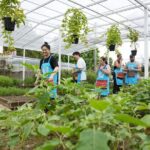
Your day starts with a hotel pick-up, then you head to Mae Hia Fresh Market. You’ll have about 30 minutes here, and the goal is simple: pick fresh ingredients you’ll use later in your cooking class. This is one of those “small” parts of the day that actually changes how you experience the food—your dishes aren’t just taught, they’re personal.
Markets also train your eye. You start spotting Thai herbs, aromatics, and the everyday ingredients that show up across curries, stir-fries, soups, and salads. Even if your cooking skills are zero, you’ll walk out understanding the ingredients behind the flavors.
The market stop includes an admission ticket, which saves you one more decision later. Just plan for a quick pace. Thirty minutes goes fast once you start comparing options and thinking ahead to what you want to cook.
You can also read our reviews of more cooking classes in Chiang Mai

Team Aim Thai Cooking Class: learning real dishes with Aim
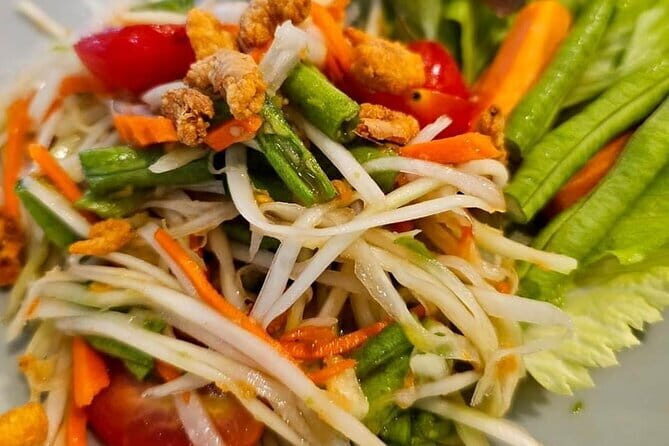
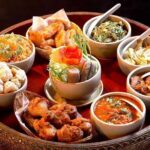
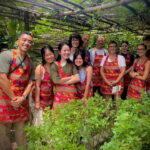
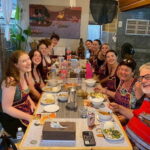
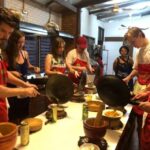
After the market, you move to i-Like Thai Cooking School (Team Aim Cooking School). This part runs about 3 hours, and you’ll cook several Thai dishes with guidance from a teacher who has 10 years of experience. I like that the instruction is focused on food you can actually recognize and recreate later, not vague “Thai-inspired” versions.
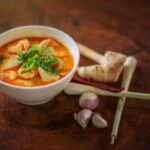
The menu you’ll work on typically includes dishes in the categories you’d expect from a serious Thai meal: spring rolls, curries, soups, salads, and stir-fries. One recent group reported making six dishes in their session, which lines up with the idea that you’re not just tasting—you’re producing a full plate.
One of the best signs for value is that the class comes with the ingredients. That matters because Thai cooking can become confusing if you’re forced to guess what to buy. Here, you cook with what the class has already planned, using what you selected from the market.
Vegan and vegetarian options
If you eat vegan or vegetarian, this tour includes that option. That’s a big deal because many cooking classes say “adaptable” and then the options are mostly substitutions. Here, the tour explicitly supports vegan and vegetarian choices, and you can also let the cooking class teacher know about allergies.
Comfort and structure
You’ll be in an air-conditioned environment for the class, which is worth noting in Chiang Mai heat. The tour also includes an e-book recipes set, so you’re not stuck relying on memory once you’re back home.
Joy Elephant Sanctuary: Karen cultural change + responsible observation
Next, you head to Joy Elephant Sanctuary. The elephant portion runs about 3 hours, and it starts with a cultural step: you change into traditional Karen clothing. This isn’t just a photo moment. It’s tied to learning and to the activities around elephant care and observation.
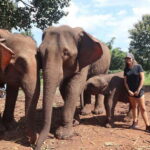
Then you get hands-on with elephant food prep. You’ll help prepare the elephants’ food, along with snacks, and you’ll learn about the elephants’ history and behavior. This is the part I think animal lovers appreciate most: it’s structured and educational, and you’re contributing to care rather than chasing entertainment.
The observation element matters, too. You watch the elephants in their natural behavior in the jungle setting. The emphasis is on seeing them as animals, not props. The tone throughout is calm and observational, which can be a relief if you’ve been to places that feel overly staged.
You can also read our reviews of more tours and experiences in Chiang Mai

What if you want more direct contact?
This program is called Elephant Observation, so you should plan your expectations around watching and learning. You do get participation through food prep, but it’s not framed as a hands-on ride or performance type of experience. If you want maximum physical interaction, this may not match your dream day.
Herbal tea and a waterfall pause in the forests
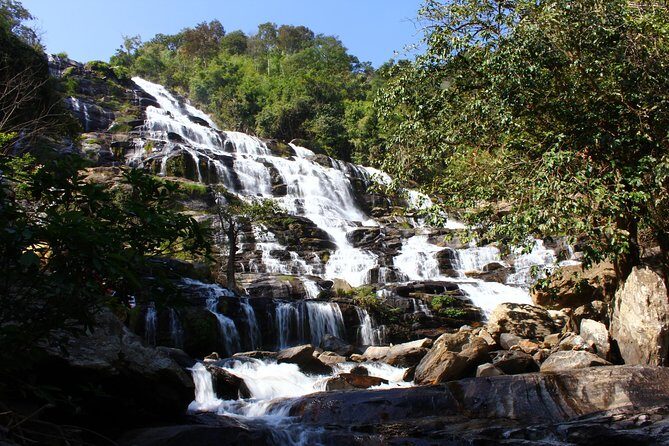
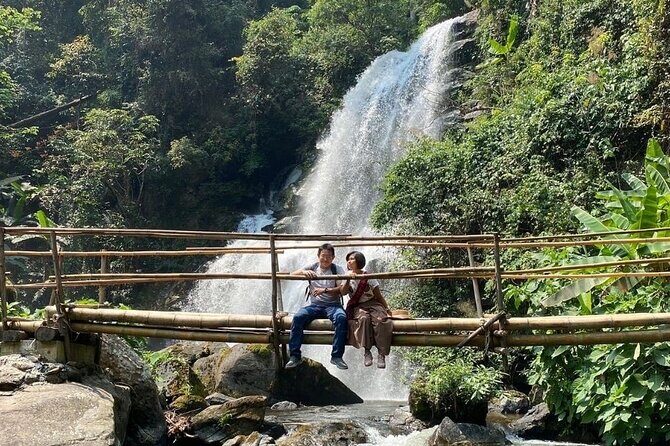
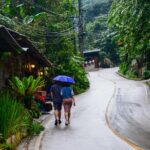
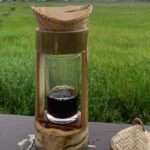
Between learning and observing, you get a break: herbal tea plus time at a waterfall. The tour describes this as being in lush forest areas, surrounded by serene rivers. Even if you only catch brief views through the greenery, it’s a nice change of pace during a long day.
This kind of rest is practical. After market shopping and active cooking, you don’t want another nonstop block. The tea and waterfall stop helps you reset your energy before the day moves on.
If you’re the type who tends to skip “break” moments because you want more photos, don’t. It’s part of why this day feels balanced instead of exhausting.
Building a Thai handmade souvenir at the end
Near the close of the day, you’ll make a Thai cultural handmade souvenir. The tour doesn’t spell out the exact craft in detail, but it does emphasize the cultural aspect—learning how to craft your own souvenir you can bring home.
I like adding a handmade step to an itinerary like this because it turns your day into something you can keep. Food is great, but you can’t hang curries on a wall. This gives you a physical memory that doesn’t depend on remembering recipes perfectly.
Meals and what’s included: brunch, dinner, and more than snacks
This tour includes a lot of the day’s needs, and that’s where the value really shows. You get brunch and dinner, plus coffee and/or tea, drinking water, and elephant food and snacks during the sanctuary portion.
For a 10 to 11 hour day, meals included matters more than you might think. You’ll spend less time hunting for food, and you’ll spend more time in the activities you booked. It also helps keep the day on schedule—less lag, fewer last-minute decisions.
Brunch plus dinner also works well if you tend to be hungry after cooking class. You’ll have time to eat what you helped create, and then you still get a full dinner later without scrambling.
Price and value: does $87.12 make sense?
At $87.12 per person, this tour isn’t the cheapest option in Chiang Mai. But it’s priced like a full-day experience that combines multiple included costs.
Here’s why it can feel fair:
- Admission tickets are included for the market and the cooking class.
- Cooking ingredients are included, plus e-book recipes.
- Elephant food and snacks are included.
- The sanctuary portion is included with observation and Karen cultural activities.
- Meals, coffee/tea, and water are included.
- Insurance is included.
- You get air-conditioned vehicle transport.
When you add up the pieces, the cost becomes less about “one attraction” and more about a whole day with transport, instruction, and multiple inclusions. If you were to book cooking and an elephant sanctuary program separately, you’d likely pay more in total once you factor in transport and meals.
So my advice is simple: consider this a bundle day. If you want a coordinated market-to-cooking-to-sanctuary itinerary with fewer gaps, it’s a good use of your time in Chiang Mai.
Timing and pacing: what a 10–11 hour day feels like
You start at 8:00 am. That means you’ll be active early and likely stay on the move through most of the day. The itinerary is paced in blocks: market, cooking class, elephant sanctuary, and then the afternoon craft and breaks.
This pacing can be great if you like structured days. It can feel long if you’re used to slow mornings and late lunches.
I’d plan for a few realities:
- You’ll probably want to eat your brunch and actually use it as fuel for cooking.
- You’ll need water. It’s included, which helps.
- Wear comfortable shoes. You’ll be in market areas and moving around between stops.
Who should book this Chiang Mai combo (and who shouldn’t)
This is a strong match if you’re:
- A food-focused traveler who wants to cook Thai dishes, not just watch.
- An animal lover who prefers observation and education over showy activities.
- Someone who wants cultural context, including Karen clothing and a handmade craft.
- Traveling with dietary needs like vegan or vegetarian meals, since options are available.
You might skip it if:
- You only have a half-day and can’t handle 10–11 hours.
- You want a fully hands-on elephant experience beyond food prep and observation.
- You dislike early starts. The 8:00 am start is non-negotiable here.
If you fall somewhere in the middle, it helps to know the format. This isn’t a quick city tour. It’s a full-day experience that blends food skill-building with an animal-centered sanctuary visit.
Should you book? My practical call
If you want a Chiang Mai day that combines real Thai cooking instruction, a market ingredient start, and responsible elephant observation with cultural activities, I think this is worth serious consideration. The included meals, insurance, air-conditioned transport, and recipe e-book help it feel like more than a ticket to two attractions.
The main reason not to book is expectation mismatch. This is a full day, and the elephant part is observation-centered, with food prep as your active role—not an interaction that’s about thrill or heavy handling.
If that fits your style, book it and plan to treat it like a single big experience, not separate stops you rush through.
FAQ
How long is the Chiang Mai Thai cooking and elephant observation tour?
It lasts about 10 to 11 hours.
What time does the tour start in Chiang Mai?
The start time is 8:00 am.
Is hotel pickup included?
Yes, pickup is offered.
What’s included in the price besides the activities?
Included items are brunch, dinner, coffee and/or tea, drinking water, elephant’s food & snack, cooking ingredients, insurance, and an e-book recipes guide.
Are vegan or vegetarian options available?
Yes. Vegan and vegetarian options are available.
Do I need prior cooking experience?
No prior cooking experience is required.
What can I expect to do at the elephant sanctuary?
You’ll change into traditional Karen clothing, help prepare elephant food, learn about elephant history and behavior, and observe elephants in their natural behavior. Herbal tea and a waterfall break are also included.
How big is the group?
The tour has a maximum of 24 travelers.