REVIEW · CHIANG MAI
Half-Day Thai Cuisine Cooking Experience in Chiang Mai
Book on Viator →Operated by Oh-Hoo · Bookable on Viator
Cooking Thai beats takeout every time. This half-day class in Chiang Mai lets you cook real Thai dishes with Thai chefs at your own station, close to Tha Phae Gate and the Saturday walking street area. You’ll choose your dishes, learn what makes Thai food taste Thai, then eat a meal you made yourself.
What I like most is how practical it is. You get a full hands-on setup with your own cooking station and tools, and you can pick a menu of 4 or 6 dishes so you control how adventurous your meal gets.
One thing to consider: the experience requires good weather. Since there’s an open-air kitchen style, you’ll want to keep expectations flexible if the day turns rainy.
In This Review
- Key highlights at a glance
- Thai cookery at Tha Phae Gate: the vibe and the setup
- Price and value: is $31.30 worth it?
- Choosing your menu: how to pick 4 or 6 dishes smartly
- What the class teaches you (beyond chopping)
- Two kitchens, one meal: what cooking style feels like
- Tasting ingredients: why tamarind and palm sugar matter
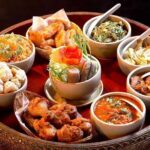
- From prep to final feast: what you actually end up eating
- Languages and coaching: getting help without stress
- Logistics that actually matter: meeting point, pickup, and time
- Who this class suits best (and who might not)
- Should you book this half-day Thai cooking class in Chiang Mai?
- FAQ
- How long is the Thai cooking experience in Chiang Mai?
- Is hotel pickup included?
- Can I choose what dishes to cook?
- Where is the meeting point?
- What languages are the classes offered in?
- What happens if the weather is bad or I need to cancel?
Key highlights at a glance
- Hands-on station for every student so you’re cooking, not watching from the sidelines
- Choose 4 or 6 dishes from a menu ranging from curries and soups to salads and desserts
- Two kitchen styles including a restaurant-style kitchen and a first-floor open-air option
- Pickup and drop-off included making it easy to fit into a busy Chiang Mai day
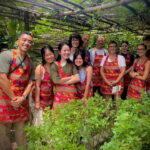
- Small group size (max 8) which helps you get help when you need it
Thai cookery at Tha Phae Gate: the vibe and the setup
This class is based near Tha Phae Gate, one of the most useful locations for exploring central Chiang Mai. The meeting point sits right on Tha Phae Road, close to the Saturday walking street area, so you’re not stuck on the edge of town. If you’re already planning to spend time around Tha Phae, this makes the schedule feel easy.
The cooking school itself is in a Lanna-style wooden premise. That matters more than you might think. You’re not in a sterile classroom. The setting feels like a real place where people cook every day, and that helps you stay relaxed when you’re learning new techniques. They also run two kitchen styles: one restaurant-style and one on the first floor that’s open air. So you may feel more like you’re working in a kitchen than sitting in a demonstration room.
Most importantly, you’re not asked to show up with ingredients or tools. You get your own cooking station, chef’s knives, woks, and clean utensils. That’s a big value point because good tools make a real difference when you’re chopping, stir-frying, or working with paste-based sauces. You just bring your enthusiasm and follow the chef’s lead.
You can also read our reviews of more cooking classes in Chiang Mai


Price and value: is $31.30 worth it?
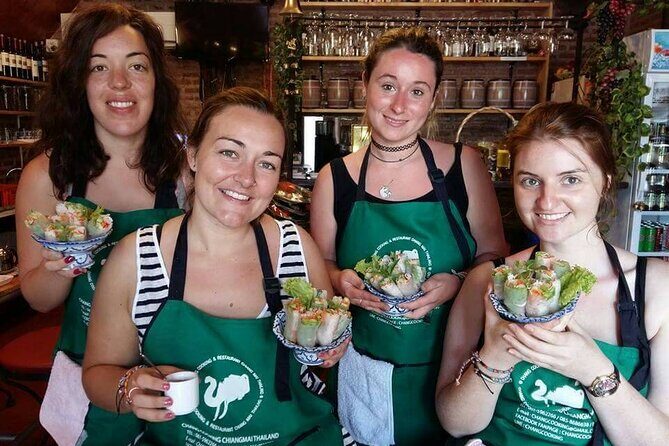
At $31.30 per person, this is positioned as a budget-friendly cooking class compared to longer or full-day food tours. The price starts to look fair when you consider what’s included in the experience.
Here’s what you’re paying for in practical terms:
- Chef instruction for authentic Thai recipes, not just a food tasting session
- Hands-on cooking at your own station with knives, woks, and utensils provided
- A meal at the end made from what you choose and cook
- Pickup and drop-off from your Chiang Mai hotel (so you’re not spending time and money figuring out transport)
The value also improves if you like choice. Because you can pick 4 or 6 dishes, you can match the class to your appetite and your comfort level. Choose fewer dishes if you want a slower, more relaxed session. Choose more if you want variety and you’re confident you’ll enjoy learning multiple flavors.
One note: the class is offered with a maximum of 8 travelers. Smaller groups usually mean better odds you’ll get a clear answer when something goes wrong (like a sauce that needs a quick tweak). That’s a hidden value driver that matters on cooking days.
Choosing your menu: how to pick 4 or 6 dishes smartly
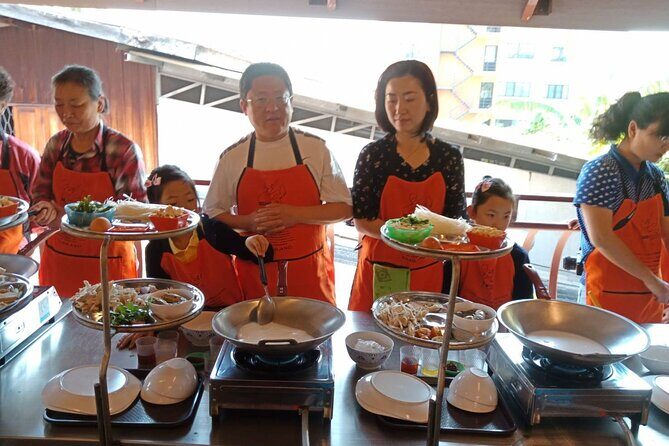
Your class lets you select dishes from a printed menu with four categories of choices (and more specific options under each). Once you decide, you’ll be guided on the ingredients used in Thai cooking. You’ll also taste extra components along the way, including tamarind and palm sugar.
You can choose:
- Deep fry options: spring roll, golden noodle, fried banana, fish cake
- Salad options: glass noodle salad, fruit salad, papaya salad, raw spring rolls
- Soup options: tom kha kai, yellow chicken soup, clear tofu soup, tom yam gung
- Curry options: panang curry with chicken, khao soi (Chiang Mai noodle), massaman curry with chicken, green curry with chicken
- Stir-fry options: fried rice, pineapple rice, pad thai, chicken cashew nut
- Dessert options: mango sticky rice, herbal drink, khanom krok (coconut cakes), Thai jelly
If you’re not sure what to pick, think in terms of balance. Thai meals often feel complete when you combine a few different textures and flavor types. Here are a few combinations that usually work well for a learning-focused class:
- If you want the most “Thai household cooking” feel: choose one curry (like panang, green, or massaman) plus one stir-fry (like pad thai or chicken cashew nut) plus one salad. Then add a dessert if you’re doing 6 dishes.
- If you’re in Chiang Mai mode: include khao soi if it’s on your menu selection. It’s a standout noodle dish from the region and a great way to learn a different Thai flavor structure than rice or stir-fry.
- If you’re craving variety fast: do 6 dishes but split them across categories (soup + curry + stir-fry + salad + one fried item + one dessert). You’ll taste more Thai flavors in one go.
If you’re the type who gets overwhelmed by menus, pick your “must cook” dish first. Then build around it. The goal is not to sample everything. The goal is to leave knowing how to recreate a few key flavors back home.
What the class teaches you (beyond chopping)
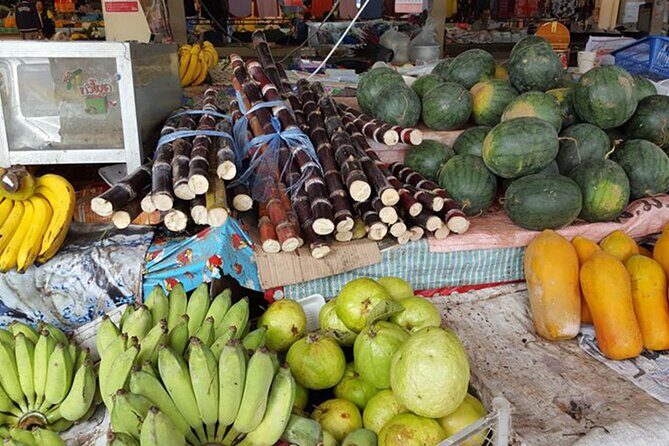
This isn’t framed as a lecture. You’ll be taught the basics quickly and clearly about the ingredients that define Thai cooking: herbs, vegetables, and spices. That’s useful because Thai food can look random to a newcomer, but it’s actually a system. Once you understand the building blocks, recipes start to make sense.
You’ll learn about ingredients used in your chosen dishes and why they’re used. And then you’ll get the practical side: applying that knowledge while you cook at your station. That’s the difference between tasting Thai food and learning how to make it.
The chef-led approach also matters because technique changes flavor. For example:
- Stir-frying depends on heat and timing
- Curries depend on paste and how it develops in the pan
- Soups rely on balancing aromatic ingredients with the right liquids and seasonings
Even if you’ve cooked before, Thai flavors can be a little different from what you’re used to. That’s where chef guidance pays off. You’re not guessing.
The class also includes tasting steps for ingredients like tamarind and palm sugar. That’s a clever teaching method. These are flavor anchors in many Thai dishes, and you can use tasting to learn what to aim for when you’re seasoning later.
Two kitchens, one meal: what cooking style feels like
The school uses two kitchen setups: a restaurant-style kitchen and an open-air kitchen area on the first floor. If you prefer quieter, more controlled cooking, you might find the restaurant-style area more comfortable. If you like fresh air and the feeling of a working kitchen, the open-air setup can make the experience feel more relaxed.
Either way, you’re assigned a cooking station. That keeps you active. You’re not wandering around watching other people. You’re learning how to do the job: chopping, cooking, tasting, and adjusting based on what you’re making.
Also, because the group is small (max 8), you’re more likely to get attention when you need it. Cooking lessons can go sideways when you can’t get help. Here, the size helps keep it under control.
You can also read our reviews of more tours and experiences in Chiang Mai




Tasting ingredients: why tamarind and palm sugar matter
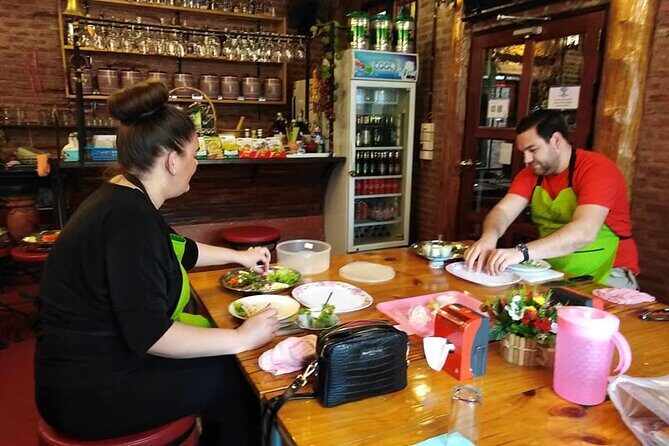
Thai dishes often balance sour, sweet, salty, and spicy in a way that feels instinctive once you’ve tasted the components. Tamarind and palm sugar are perfect examples.
In this class, you won’t just cook with them blindly. You’ll get to taste ingredients like tamarind and palm sugar as part of the learning process. That helps you connect the flavor to what’s happening in the dish. If your homemade version later tastes too sharp, too flat, or not sweet enough, you’ll know what to adjust.
This is also where Chiang Mai cooking culture comes through. The region is known for its flavorful food scene, and a class that includes local noodle knowledge like khao soi shows you that Thai cooking isn’t one single style. It has regional personalities.
From prep to final feast: what you actually end up eating
At the end, you’ll enjoy a feast of what you cooked. That’s the part I think you should look forward to most. It’s not just about learning; it’s about finishing with something real and filling.
Because you select your dishes (4 or 6), your final meal will reflect your choices. If you chose a mix of soup, curry, stir-fry, salad, and dessert, you’ll basically have a complete Thai spread. If you chose fewer dishes, you might have a more focused plate with less variety but more time with fewer recipes.
Either way, the meal is the payoff. You’ll eat what you made, which means you can actually judge what worked and what you’d tweak next time.
Practical tip: when you’re cooking, taste as you go and pay attention to the balance. Your chef will guide you, but your palate is the final tool. If you finish the meal and something felt off, you’ll remember what it was closest to, which makes it easier to recreate at home.
Languages and coaching: getting help without stress
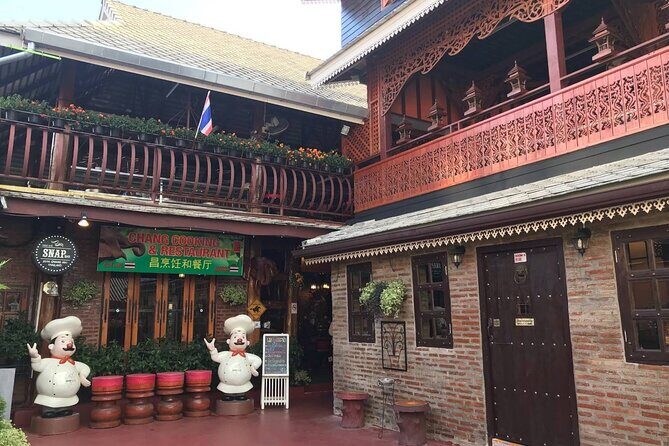
The class can be taught in English, Chinese, Japanese, or Thai. That flexibility is useful if you’re traveling with language preferences. It also helps if you’re not confident with Thai food terms.
One detail I really value is how coaching seems to work when the group isn’t large. If you’re a solo English speaker in a small group, you may find the instruction becomes more personal and directly tailored. That can make the cooking feel less intimidating. You’re more likely to ask questions and get clear answers.
No matter what language you choose, the teaching style is hands-on. You learn by doing, and the chefs can correct technique on the spot.
Logistics that actually matter: meeting point, pickup, and time
This experience runs about 6 hours. That’s a workable half-day if you plan it as your main activity. It’s not the kind of short “photo and stir” class. You’ll be cooking enough that your brain and arms will both feel it by the end.
Pickup is offered from your Chiang Mai hotel, and the activity ends back at the meeting point. There’s also a mobile ticket. Those two details matter because they reduce friction. In Chiang Mai, getting around can be easy, but not every half day needs planning stress. This one handles it for you.
The start point is at Tha Phae Gate on Tha Phae Road. If you arrive early, you’ll already be close to the central neighborhood scene, which helps if you’re pairing this with your walking street plans.
Also, there’s a good chance you’ll want to wear comfortable clothes and shoes you’re fine with getting warm. Cooking can get hot, and you’ll be at your station for long stretches.
Who this class suits best (and who might not)
This class fits best if you want:
- A hands-on Thai cooking experience rather than a tasting tour
- A meal outcome (you eat what you cook)
- Choice and control (pick 4 or 6 dishes)
- A small group setup that keeps help accessible
It’s also great if you’re staying in Chiang Mai Gate-adjacent areas and you want a meaningful activity close to where you already want to be.
Who might hesitate: if you strongly dislike weather-dependent plans, you’ll want to note that the experience requires good weather. Since there’s an open-air kitchen style, rain could affect how things run. The good news is that if it’s canceled for weather, you’ll be offered a different date or a full refund.
Should you book this half-day Thai cooking class in Chiang Mai?
I’d book it if you want real cooking skill in a short window. The combination of hands-on stations, chef-led instruction, and the ability to pick 4 or 6 dishes gives you a lot of control for the money. At $31.30, it’s hard to beat when pickup and utensils are included and you finish with a meal.
I’d skip or think twice if your schedule is tightly locked and you can’t handle a potential weather disruption. Also, if you’re only curious about Thai flavors and don’t want the cooking part, you may prefer a pure food tour instead.
If you do book, pick dishes that feel like your Thai food priorities. Choose at least one curry or soup if you want the classic flavor framework. Add a salad if you like freshness and contrast. Then finish with a dessert you’ll actually want to eat after cooking.
If you’ve got one solid half-day in Chiang Mai, this is the kind of activity that turns memories into recipes you can repeat.
FAQ
How long is the Thai cooking experience in Chiang Mai?
It’s approximately 6 hours.
Is hotel pickup included?
Yes, pickup and drop-off are offered from your Chiang Mai hotel.
Can I choose what dishes to cook?
Yes. You can choose 4 or 6 dishes from the menu.
Where is the meeting point?
The start is at Tha Phae Gate on Tha Phae Road in Chiang Mai, and the activity ends back at the meeting point.
What languages are the classes offered in?
Classes are available in English, Chinese, Japanese, and Thai.
What happens if the weather is bad or I need to cancel?
The experience requires good weather. If it’s canceled due to poor weather, you’ll be offered a different date or a full refund. You can cancel for a full refund up to 24 hours in advance.