REVIEW · CHIANG MAI
Chiang Mai: Elephant Sanctuary Bamboo Raft & Padthai Cooking
Book on GetYourGuide →Operated by Living Green Elephant Sanctuary Chiang Mai and Chonburi · Bookable on GetYourGuide
Elephants, rafting, and cooking in one calm day. I like how this trip stays firmly on the ethical elephant side of the spectrum, with no riding, no chains, and no forced performances, while still letting you get close through walking and supervised feeding. I also love the combo of activities: bamboo rafting on the Wang River in the middle of the day, then a vegetarian Pad Thai workshop where you actually make lunch. One thing to consider: cooking can feel less hands-on if the group is large, so manage your expectations before you book.
The day runs about 10 hours, with hotel pickup and a return to Chiang Mai, plus traditional northern clothing for the sanctuary portion. You’re out for a full day of movement, water (rafts get wet), and warm weather comfort, but the pace is built for you to watch, listen, and learn rather than rush through.
In This Review
- Key Highlights Worth Planning For
- Ethical Elephant Time at Living Green: What You’re Really Signing Up For
- The Drive From Chiang Mai: Timing, Comfort, and What Can Catch You Off Guard
- Mo Hom Outfit + Elephant Stories: The Start That Sets the Tone
- Forest Feeding and Walking: What Ethical Interaction Feels Like
- Vegetarian Pad Thai Workshop: Make Lunch, Not Just a Meal
- Bamboo Rafting on the Wang River: Splash Zone, Scenic Break
- Weather Rules: When Elephant River Bathing Happens and When It Doesn’t
- Group Size, Hands-On Level, and How to Get the Most Out of It
- What You Actually Get for Around $54: Value Breakdown
- Who This Tour Suits Best (and Who Should Skip It)
- Should You Book This Chiang Mai Elephant + Raft + Pad Thai Day Trip?
Key Highlights Worth Planning For
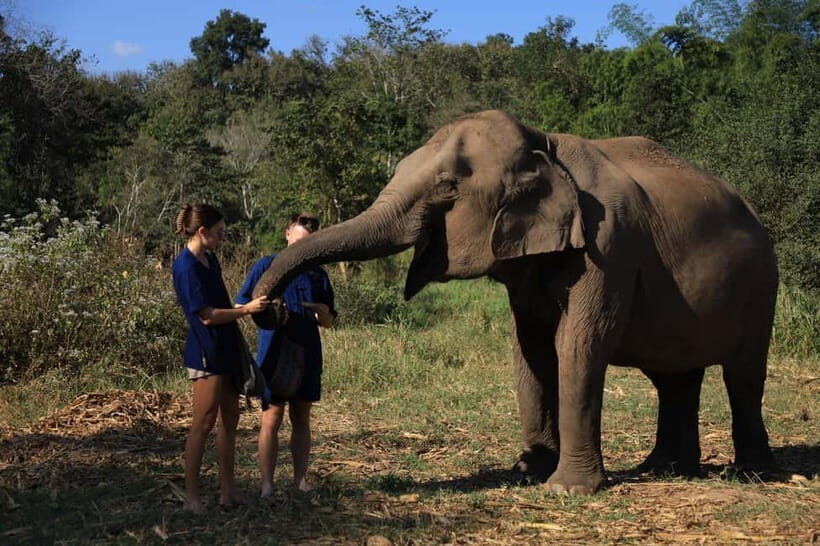
- Elephants treated as individuals: you’re guided to observe natural behaviors, not just pose.
- No riding, no chains, no forced performances: the focus is welfare and consent-based interaction.
- Mo Hom clothing and elephant stories: you start with context before you ever get to the forest path.
- Row the bamboo raft on the Wang River: local raft masters guide, and you’ll likely get splashed.
- Vegetarian Pad Thai workshop: you learn and eat what you cook, not just watch someone else cook.
- River bathing only when it’s comfortable: if weather is too cold, the bathing part is skipped.
Ethical Elephant Time at Living Green: What You’re Really Signing Up For
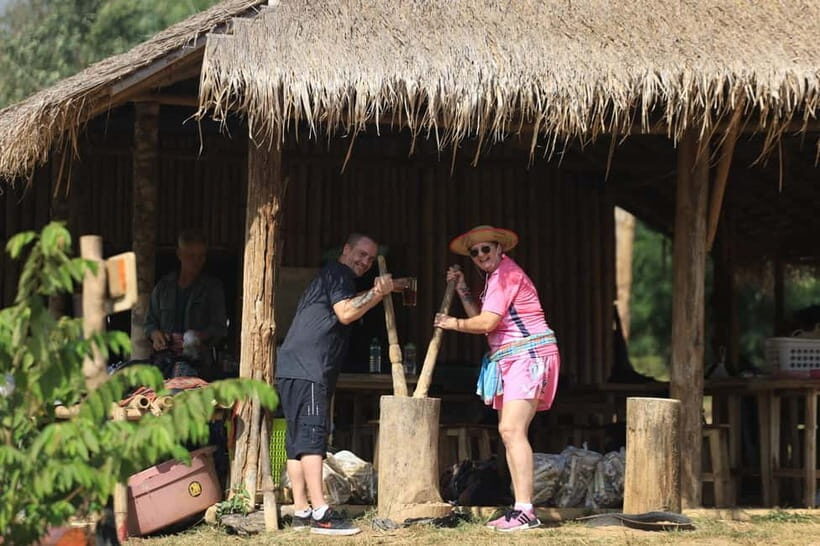
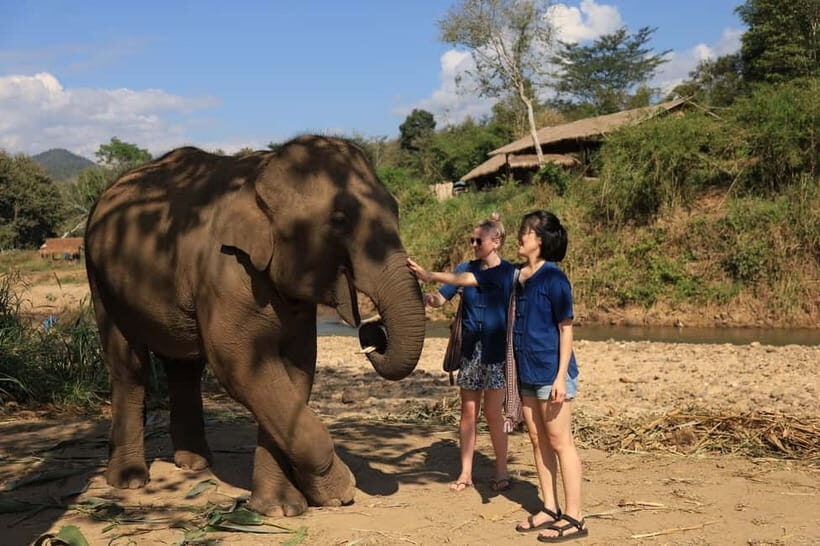
This isn’t a quick stop to check a box. The value here is the type of elephant interaction you get: rescued elephants live in a sanctuary setting where the program is built around their welfare. You’re told they’re not chained, you won’t ride them, and there are no forced performances. That matters, because the sanctuary format changes the whole feeling of the day. Instead of watching a show, you’re there to learn their routines and patterns.
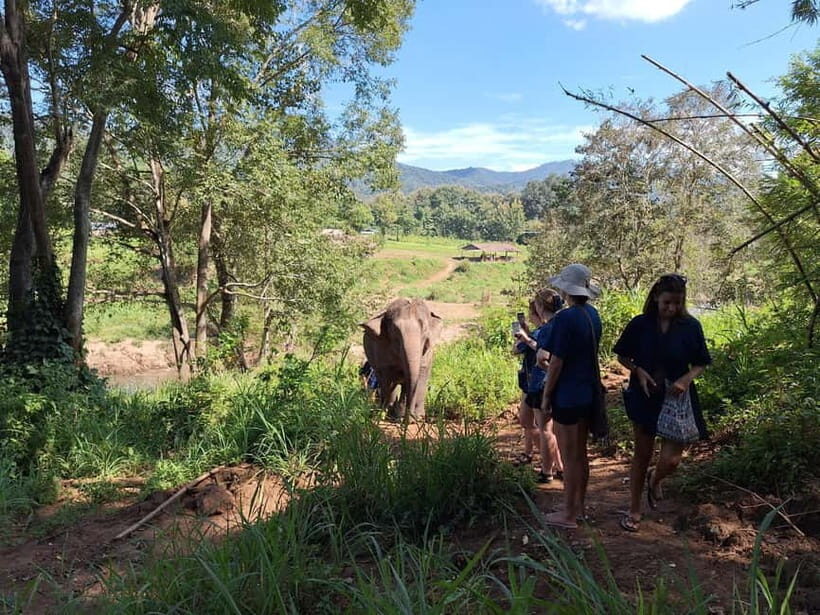
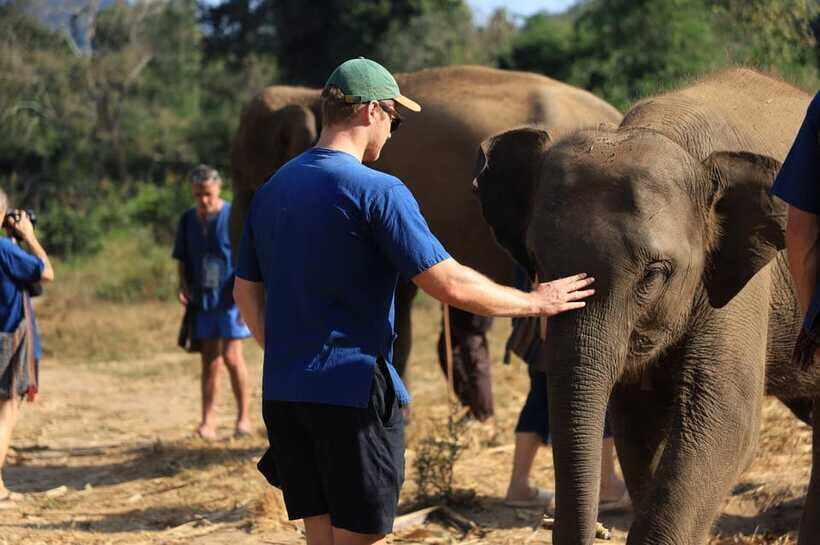
The day begins with a change of clothes into traditional northern Mo Hom attire. Then you hear about elephants as individuals, including stories meant to help you understand their behaviors. After that, the interaction turns practical: you’ll hand-feed and walk with the elephants through the forest with caretakers guiding you. In a place like this, you’re not just looking for a photo. You’re trying to notice how elephants move, pause, explore, and respond.
One key detail I appreciate is that the day is structured around time and observation. You get multiple moments with the elephants, not one rushed encounter. Plus, you’ll see them in wet places too—river time and mud baths—when conditions allow.
You can also read our reviews of more cooking classes in Chiang Mai


The Drive From Chiang Mai: Timing, Comfort, and What Can Catch You Off Guard
Pickup is early, around 8:00, and you’re out for about 10 hours total. The sanctuary is about 1.5 hours from Chiang Mai, so expect a solid chunk of time on the road before you ever reach the elephants.
Comfort-wise, the trip uses a minibus/van for hotel pickup and drop-off. This is usually fine, but some people report the driving can feel fast and a bit tense at times. If you’re the kind of person who gets travel uneasy, pack accordingly. A small thing that helps: wear comfortable clothes and don’t plan on perfect hair or makeup for the return.
What to wear is also part logistics, part survival:
- Bring a change of clothes
- Wear comfortable clothes you don’t mind getting dirty
- Pack swimwear, towel, and sandals
- Use insect repellent and sunscreen
- Bring a hat
You’ll start dry, but the rafting portion can get water on you, and you’ll want to transition afterward.
Mo Hom Outfit + Elephant Stories: The Start That Sets the Tone
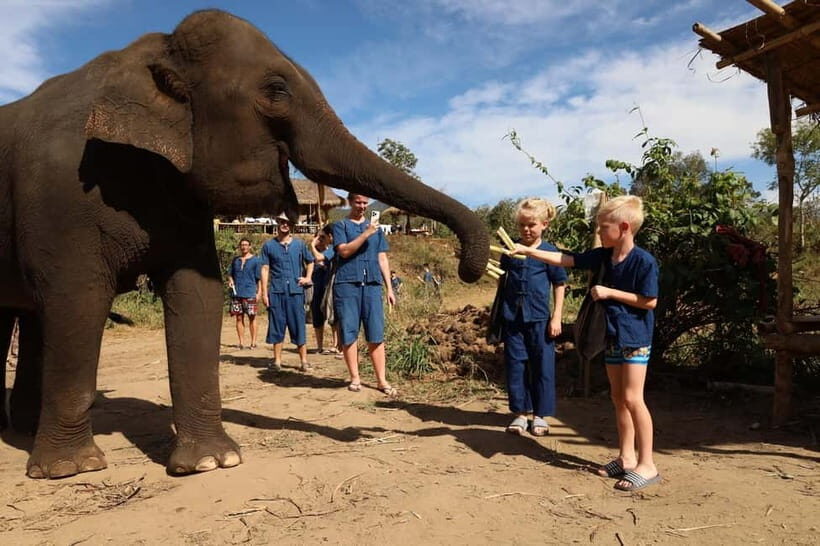
Most elephant tours jump straight into activity. This one starts by slowing you down. You’ll change into Mo Hom clothing first, then get a briefing about what you’re about to see and what guides will ask you to do. That briefing is more than theater. It helps you understand why your behavior matters.
You’ll learn about each elephant’s individual story and likely what caretakers pay attention to during daily routines. Then you move into the forest. That sequence changes how you watch: you’re not just thinking elephant, big ears, wow. You’re thinking behavior, body language, and welfare.
From the way guides are described, they don’t just recite facts. People mention guides explaining elephant care and welfare in ways that feel personal, and it sounds like you’re encouraged to ask questions. Names that show up in firsthand reports include Mark, Nim, John/Jon, and Tuctuc. You might meet one of these (or another English-speaking guide), but the important point is the tone: focused, practical, and built around the elephants, not a script.
Forest Feeding and Walking: What Ethical Interaction Feels Like
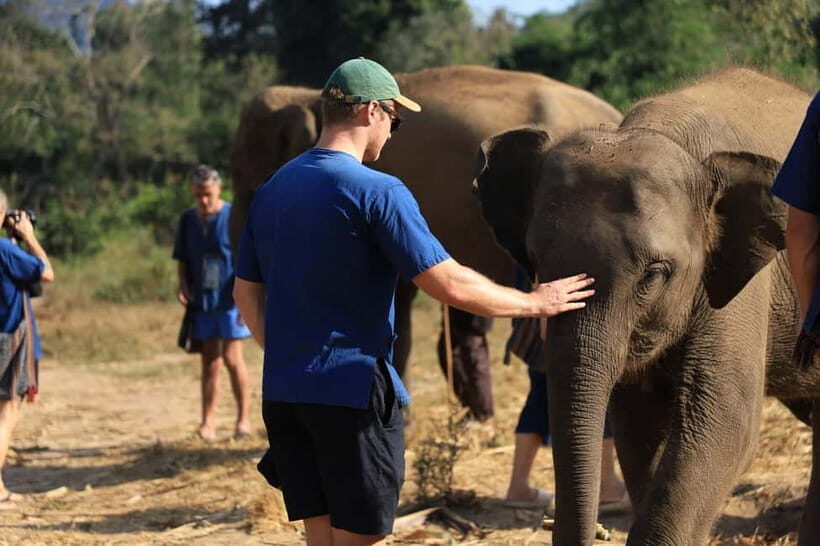
The heart of the day is the elephant time in their natural habitat. You’ll feed and walk with the elephants through the forest. You’re also guided to observe natural behaviors, including playful moments in the river and mud bath rituals later on.
A couple things to keep in mind so you don’t feel frustrated:
- This is not a free-for-all. You’ll follow caretakers’ guidance step by step.
- Feeding is part of the supervised program, but you shouldn’t feed animals on your own. In other words: listen, then do what the guide tells you.
- You’re there to watch welfare. That means your role is calm and respectful, not competitive or loud.
If you care a lot about ethics, here’s the honest balance: the elephants are living with caretakers and mahout teams, so they’re not completely untouched by humans. One person raised a thoughtful question about how much independence animals have when they’re familiar with humans. If your personal definition of freedom is strict, you might carry a bit of uncertainty. The flip side is that the program avoids the red-flag stuff—no riding, no chains, no forced show behavior—and it’s clearly focused on comfort and welfare.
Also, some reports mention each elephant having close one-to-one carer support. That tends to mean more consistent care routines, not chaotic crowd handling.
Vegetarian Pad Thai Workshop: Make Lunch, Not Just a Meal
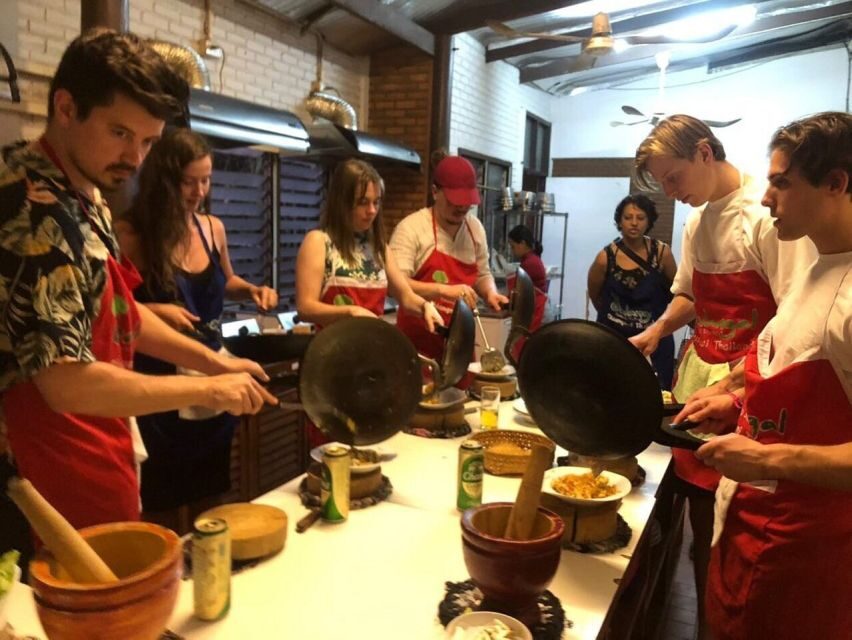
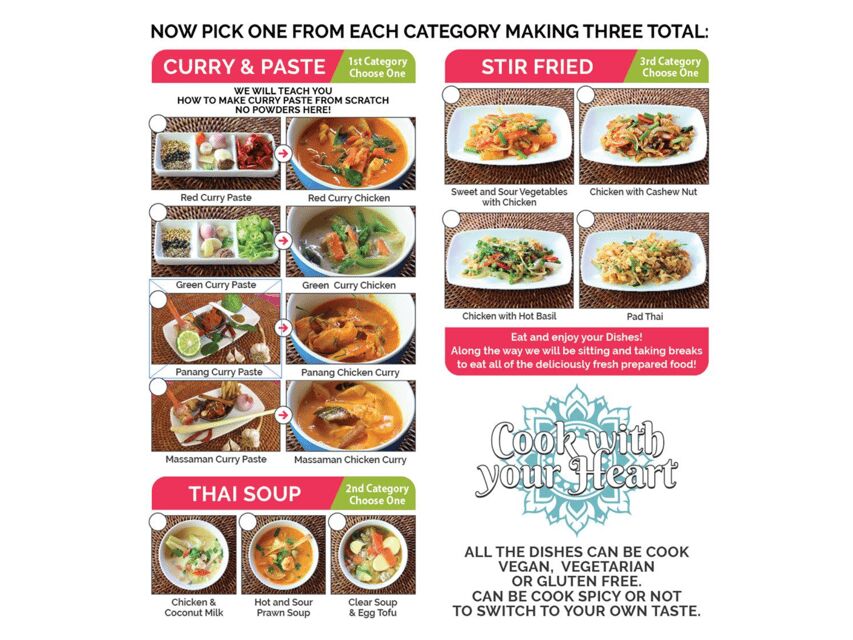
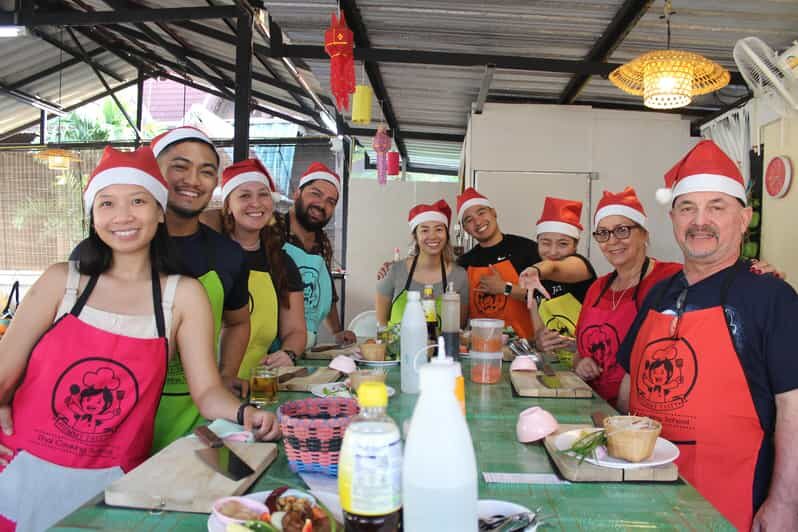
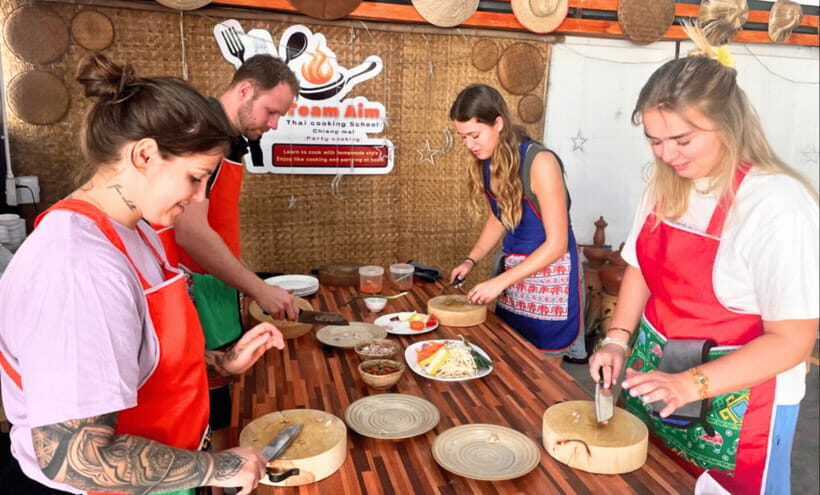
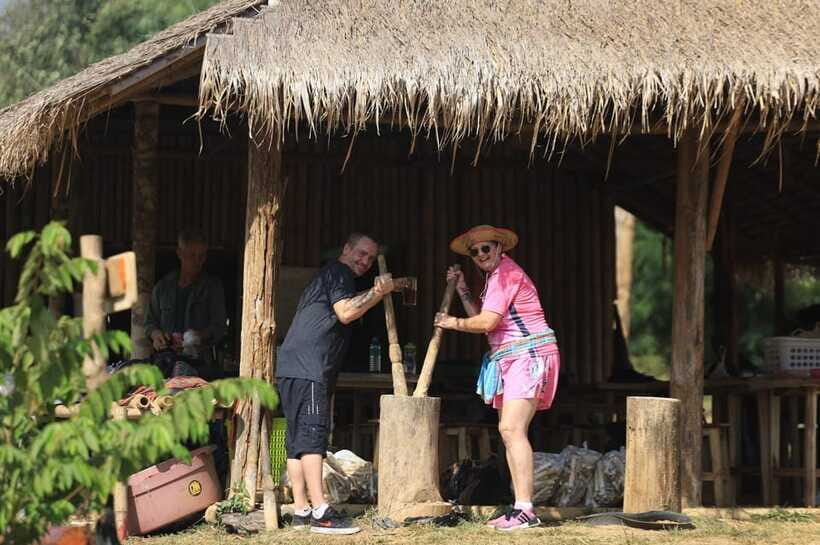
After elephant time, you shift gears to food. The tour includes a Pad Thai cooking workshop (vegetarian), followed by eating what you make. In practice, that turns lunch into an actual activity, not a waiting period.
A few details matter for value here:
- You cook your own vegetarian Pad Thai and eat it as part of the day.
- Lunch is more than a plate. Reports mention fruit alongside the main dish, and lots of bottled water is available.
- The cooking segment runs in the middle of the day, so it also works as a break from heat and walking.
There’s also a timing note: this Pad Thai workshop is available starting from 2 December. If you’re visiting before that date, double-check whether the cooking component still runs the same way.
One honest drawback comes through in reports about group size. If the group is large, you might share cooking stations and not feel as hands-on as you hoped. Still, it’s fun for the people who like learning by doing. You’ll leave with a sense of how Thai flavors balance out—tamarind-sweet-sour, salty-savory, and that nutty finish—so it’s not just an experience, it’s a technique you can try later.





Bamboo Rafting on the Wang River: Splash Zone, Scenic Break
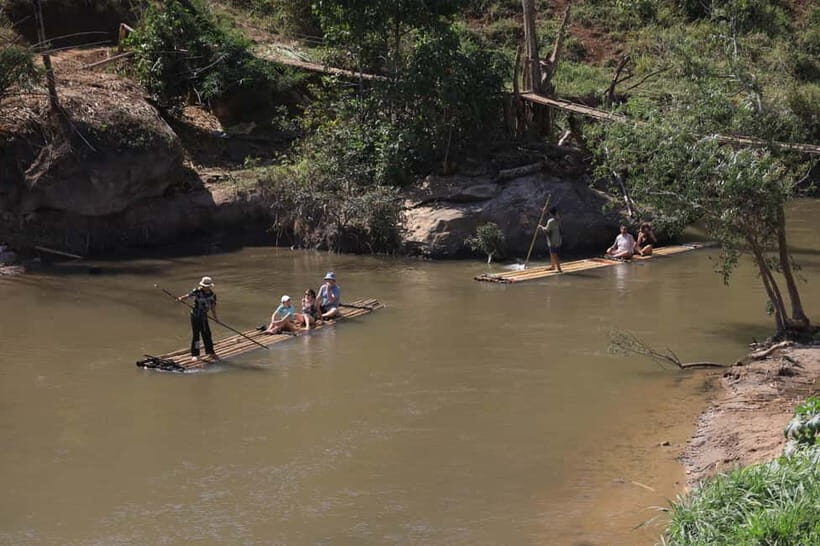
Then comes the part a lot of people remember first: bamboo rafting on the Wang River. This is guided by a local raft master, and you end up rowing through calm water and lush jungle scenery.
What makes this section especially good value is that it’s active but not exhausting. You’re involved, not just seated. And if you enjoy a bit of chaos, the raft experience has that playful energy people talk about—splashes, giggles, and lots of laughing while everyone adjusts to water-level reality.
Yes, you get wet. More than once, people warn you clearly: plan on it. Practical tip that helps: bring a waterproof case for your phone or at least put it in a zip bag and keep it secure.
Also, if you’re sensitive to cold, note the tour can adapt around weather. In the same way that bathing might be adjusted for comfort, rafting can also be affected by river conditions.
Weather Rules: When Elephant River Bathing Happens and When It Doesn’t
In warm seasons, seeing elephants in water and mud can be one of the most moving parts of the day. The program includes time for observing their bathing routines in the river, and it’s explicitly weather-dependent.
If it’s too cold, elephants won’t be forced into the river. That’s important because it’s not just a change for schedule convenience. It’s comfort-based. And if rafting can’t run due to high water levels, you’re told an on-site refund of 200 THB per person will be provided.
So, you should think of the day as flexible. You’re not just chasing one fixed moment. You’re there to spend time in the sanctuary and respond to conditions the way caretakers do.
Group Size, Hands-On Level, and How to Get the Most Out of It
A full-day program can run smoother or feel crowded depending on group size. Reports vary widely: some people describe small groups, while others mention very large groups (over 40). That affects the feel of the cooking workshop most noticeably, because you share space and stations.
You can still have a great day. Here’s how:
- Go in expecting a team experience, not a private class.
- Use the guide briefing time well. Ask questions during elephant and feeding segments.
- If you’re the type who wants maximum hands-on cooking, be mentally ready for shared pans and rotating steps.
The rafting segment tends to stay fun even with bigger groups because you’re on the water, moving together, and the raft masters are there to manage.
What You Actually Get for Around $54: Value Breakdown
At $54 per person, this tour stacks a lot of items into one day. You’re paying for more than a ride and a meal. You’re buying:
- Hotel pickup and drop-off
- An English-speaking guide
- Traditional northern clothing for the sanctuary visit
- Entry and guided time at the sanctuary
- Elephant time centered on welfare
- A vegetarian Pad Thai cooking workshop
- Lunch (your own handmade Pad Thai) plus drinking water
- Bamboo rafting with a river guide
- Insurance
Here’s why that matters for your travel math. Many separate tours in Chiang Mai charge extra for transport, guide time, and a food activity. By bundling elephant welfare time + cooking + rafting, you avoid the hassle of coordinating multiple bookings. If you like efficiency without feeling like a cattle-lot schedule, this combination is a solid value.
The trade-off is that it’s a full day. If you hate long drives and hate getting wet, this may not feel worth it even if it’s priced well. But if you want one day that blends animals, food, and outdoors, it’s hard to beat.
Who This Tour Suits Best (and Who Should Skip It)
This trip is best for people who want an elephant experience that avoids the worst tourism practices. You’ll like it if you enjoy:
- Ethical travel and welfare-focused interactions
- Walking outdoors and watching animal behavior
- A cooking workshop you can actually participate in
- River time and a wet, playful rafting segment
It’s not suitable for:
- Children under 8
- Pregnant women
- People with back problems
- People with mobility impairments
Also, it’s designed around being able to change clothes, walk, and handle uneven, outdoors conditions. If that’s you, you’ll likely be comfortable. If not, you might want a different style of sanctuary visit.
Should You Book This Chiang Mai Elephant + Raft + Pad Thai Day Trip?
I’d book it if you want a single, well-packed day that feels genuinely focused on elephant welfare, includes real participation (walking, feeding, cooking, and rafting), and gives you variety without making you organize anything. The no riding, no chains, no forced performances approach is a big deal, and the bamboo rafting helps break up the day so it doesn’t feel heavy the whole time.
I’d pause and rethink if you know you strongly prefer smaller groups for hands-on cooking, or if you’re very sensitive to driving conditions and getting wet. Cooking may be shared in larger groups, and the rafting part is water-heavy.
If you’re an animal lover who also wants to come home with a recipe and a story from the river, this is the kind of day trip that makes Chiang Mai feel like more than markets and temples.