REVIEW · CHIANG MAI
Chiang Mai: Traditional Thai-Akha Cooking Class& Market Tour
Book on GetYourGuide →Operated by Manta Marina Co.,Ldt. · Bookable on GetYourGuide
Akha flavors meet Thai comfort food. I like the market tour that teaches you what goes into Northern Thai cooking, and I like the hands-on menu that has you cooking everything from papaya salad to curry and stir-fry in one afternoon. You also get a direct line to Akha foodways through chefs who know the stories behind the dishes, not just the recipes.
One catch: this is not a light snack class. Plan for real cooking time, and if you’re sensitive to spice or have allergies, you’ll want to tell the team early to manage the spice level and ingredients.
In This Review
- Key points you’ll care about
- Why this Thai-Akha Kitchen class is built for value
- Hotel pickup and the 5–6 hour flow that actually works
- Market tour: learning why Northern ingredients taste different
- Thai Akha Kitchen: a cooking setup designed for learning
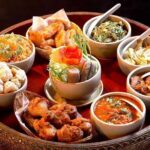
- The full menu you’ll cook, from papaya salad to stir-fry
- Akha dishes: the flavors that feel distinct in the North
- Thai curries, soups, and stir-fries: how you build a full meal
- Spice level and pacing: how to get the heat right
- What’s included, and why the extras matter
- English support and how the teaching typically feels
- Price check: why $41 feels fair for what you get
- Who this Chiang Mai class suits best
- Practical tips before you go
- Should you book this Chiang Mai Thai-Akha cooking class?
- FAQ
- How long is the Chiang Mai traditional Thai-Akha cooking class and market tour?
- Is hotel pickup included?
- What’s included in the price besides the cooking?
- What dishes will I cook during the class?
- Do I need to tell the provider about allergies?
- What languages are used by the instructor?
Key points you’ll care about

- Market tour with real picking skills: You learn how fresh ingredients affect the taste, not just what to buy.
- A big, structured cooking menu: Appetizers, Akha dishes, curries, soups, desserts, and stir-fry all show up.
- Akha-specific flavors, not a token side dish: Tomato dipping sauce, Akha salad, and Akha soup are part of the core set.
- You can steer the heat: The class is paced with room to adapt chili and spice to your preferences.
- Take-home recipe support: You get both a recipe and a cookbook plus spices.
Why this Thai-Akha Kitchen class is built for value
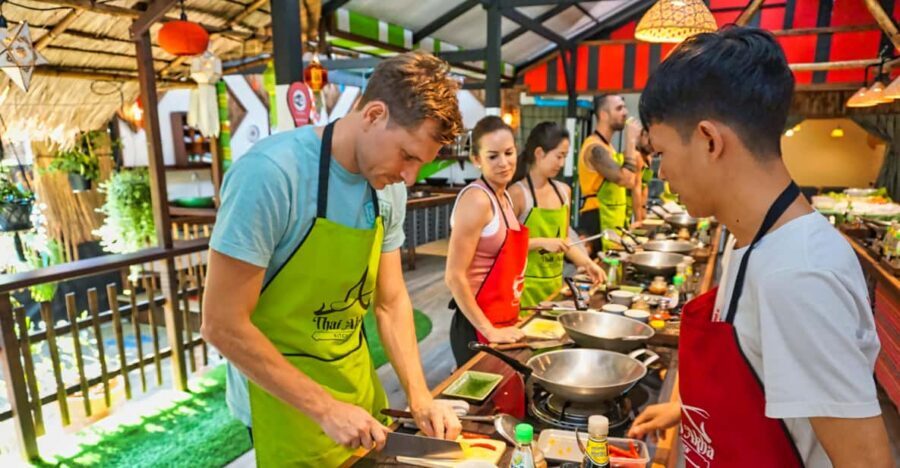
For $41, you’re buying more than a cooking demo. You’re getting a full 5–6 hour experience that combines an ingredient hunt, a guided cooking session, and printed recipes you can use later. Add hotel pickup from your Chiang Mai hotel, plus organic ingredients, and the price starts to make sense fast.
What I like most is that it’s not trying to be fancy for the sake of being fancy. The focus is practical: taste, chop, mix, stir, adjust. You leave with dishes you recognize from Thai menus, plus Akha additions that feel like they belong to the North, not a theme park version of it.
You can also read our reviews of more shopping tours in Chiang Mai

Hotel pickup and the 5–6 hour flow that actually works
This experience runs about 5–6 hours, which is a sweet spot in Chiang Mai. You get enough time to shop, cook multiple dishes, and eat a proper meal without feeling rushed. The hotel pickup matters too. In Thai cities, that small bit of logistics can save you time and hassle, especially after a day already full of temples and night markets.
Once you’re picked up, the day usually has two main phases:
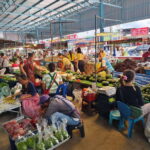
- A local market tour where you see ingredients up close
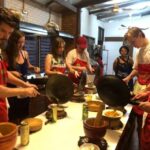
- A cooking session at Thai Akha Kitchen with step-by-step instruction
If you like your day structured, this format is very friendly. If you hate schedules, it may feel like you’re always moving. But the cooking portion stays organized, and the menu has clear sections.
Market tour: learning why Northern ingredients taste different
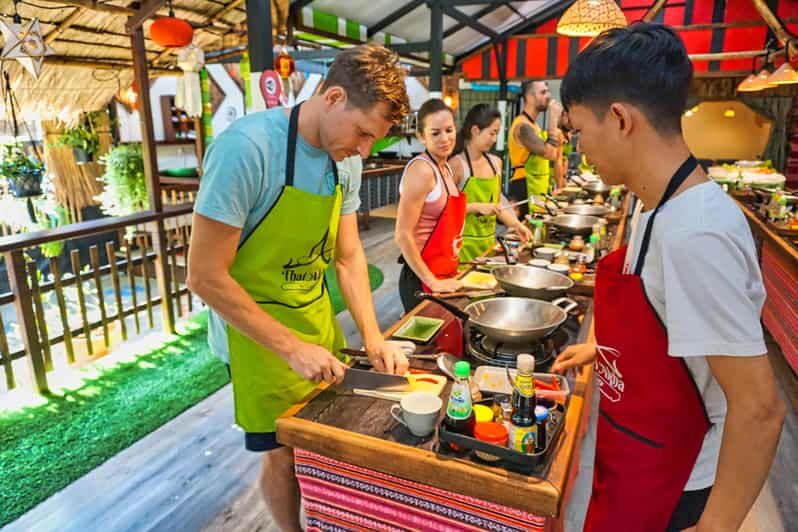
The market tour isn’t just for wandering. It’s meant to show you how Northern Thai flavors are built. You get to see, handle, and choose ingredients that shape the final dishes, like herbs, aromatics, and produce you might otherwise buy pre-packaged.
This is also where you learn something subtle: many Thai dishes taste the way they do because of freshness and balance. In practice, that means garlic and herbs shouldn’t be tired, and produce should still smell alive. I love that you’re not only eating later; you’re understanding earlier.
You’ll likely also sample local treats during the market portion. That keeps the walk from turning into homework. It’s a snack-driven lesson, and it makes the cooking class portion click when you start prepping.
Thai Akha Kitchen: a cooking setup designed for learning
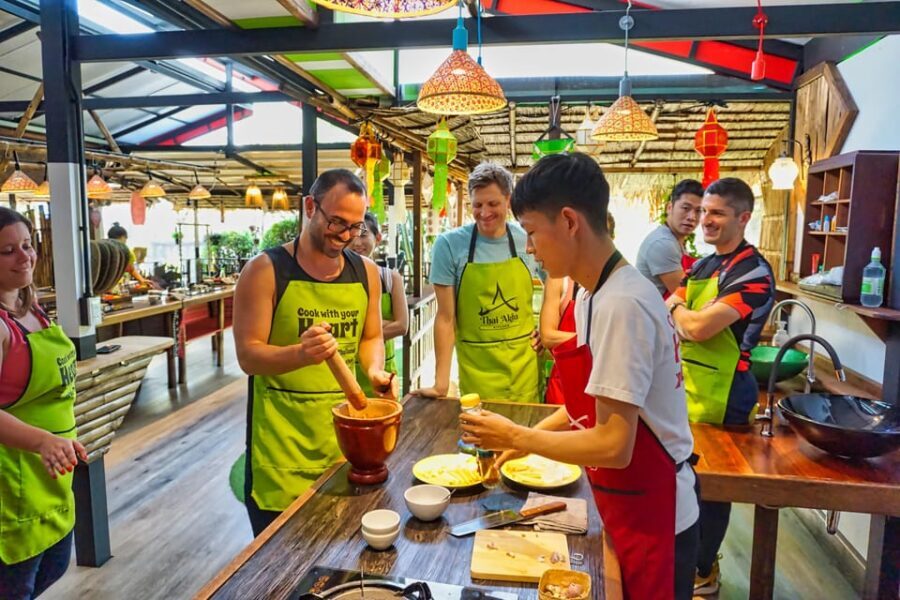
Thai Akha Kitchen is where the session really turns into hands-on work. The cooking is organized with a menu that mixes familiar Thai dishes with Akha-specific recipes. The instructor is supported by English and Thai, which helps if you want to ask questions about techniques or substitutions.
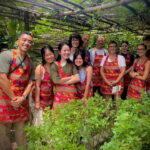
The class is also the kind where personality matters. In past sessions, instructors such as An, Xuan, and Evelyn have been described as fun and helpful, and you can feel that in how the cooking is taught. The pacing tends to stay upbeat, and you’ll spend less time stuck and more time actually cooking.
The full menu you’ll cook, from papaya salad to stir-fry
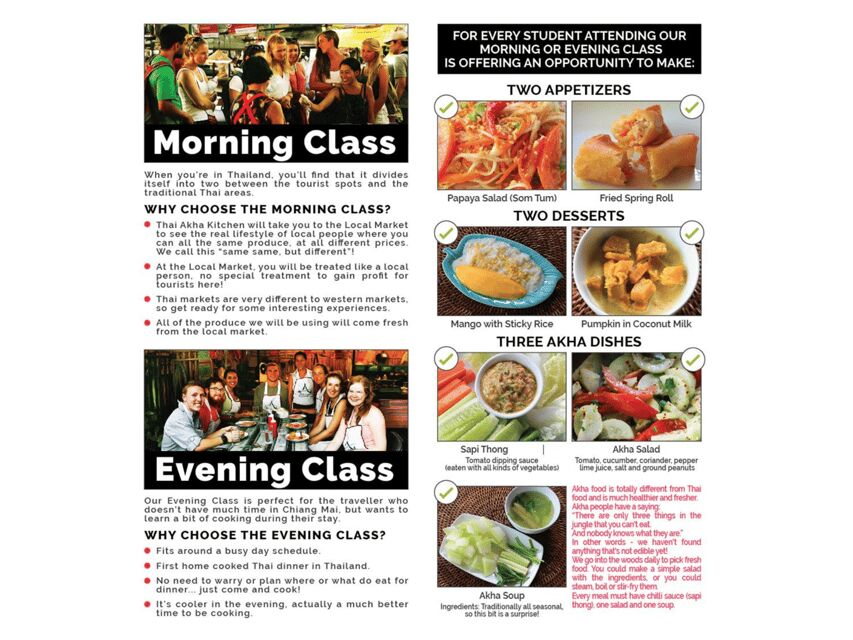
This class includes a long menu, and you don’t just watch most of it. You prepare a selection across the day. Here’s the structure of what’s on the menu:
Appetizers
- Papaya salad
- Fried spring roll
Desserts
- Mango with sticky rice
- Pumpkin in coconut milk
Akha dishes (3 items)
- Sapi Thong (tomato dipping sauce)
- Akha salad (tomato, cucumber, coriander, pepper, lime juice, salt, and ground peanuts)
- Akha soup
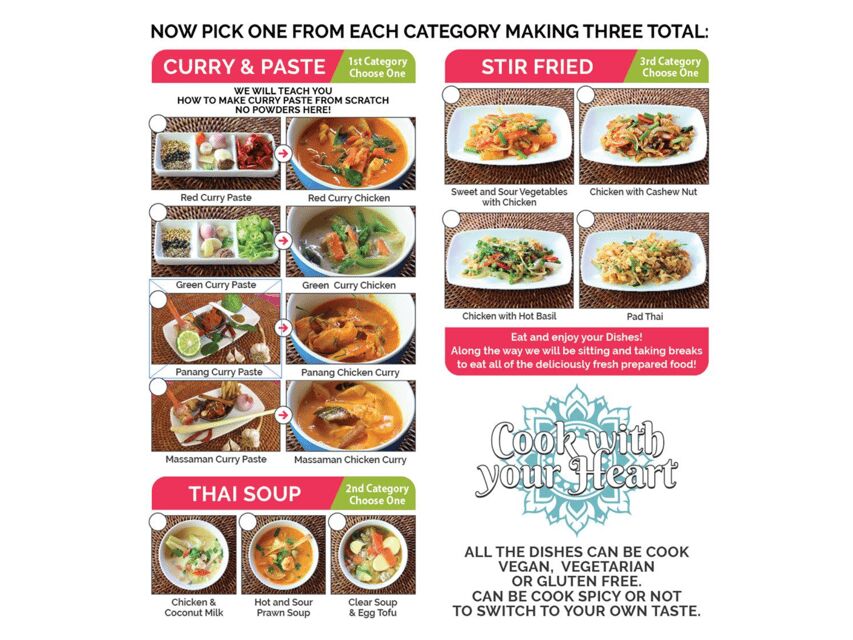
Curry and paste (choose 1)
- Red curry chicken
- Green curry chicken
- Panang chicken curry
- Massaman chicken curry
Thai soup (choose 1)
- Chicken and coconut milk
- Hot and sour prawn soup
- Clear soup with egg tofu
Stir-fried dish (choose 1)
- Sweet and sour vegetables and chicken
- Chicken with hot basil
- Chicken with cashew nut
- Pad Thai
That is a lot of food for one class, and it’s also a smart mix. You get sweet, sour, salty, herb-forward dishes, and both creamy and clear soups. You’re learning how ingredients change flavors across different cooking styles, not just repeating the same base sauce.
One practical note: because you choose among several curry/soup/stir-fry options, your exact final lineup depends on what you pick and what’s available that day.
You can also read our reviews of more tours and experiences in Chiang Mai



Akha dishes: the flavors that feel distinct in the North
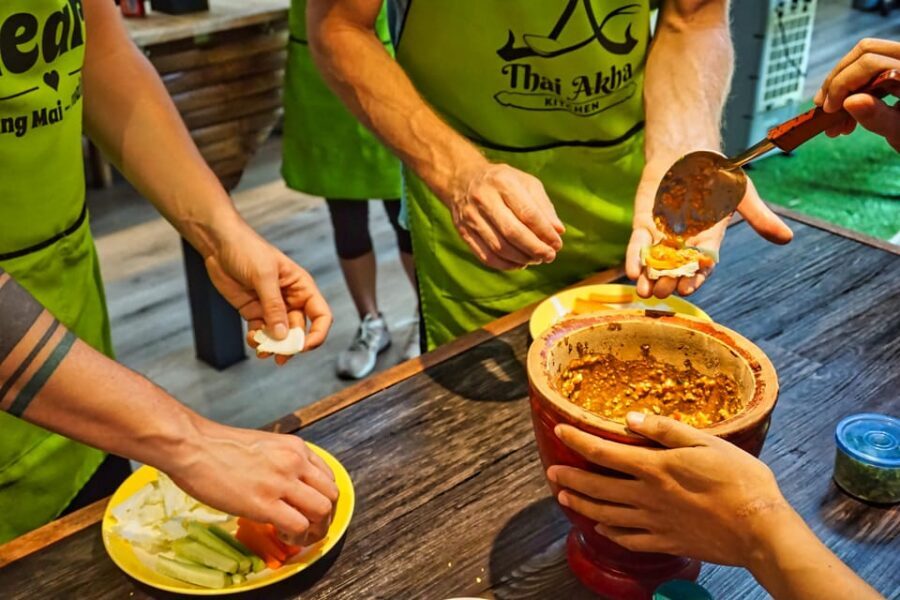
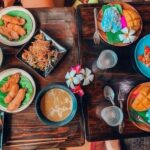
The Akha part is the heart of this experience. If you want more than generic Thai cooking, pay attention to these three items, because they’re the clearest expressions of Akha foodways.
Sapi Thong (tomato dipping sauce)
This is a tomato-based dip, which sounds simple until you taste it alongside other dishes. It teaches you how dipping sauces can carry big flavor without being a full meal.
Akha salad
You’ll mix tomato, cucumber, coriander, pepper, lime juice, salt, and ground peanuts. This combo is a great lesson in crunch and contrast: cool vegetables, bright citrus, herb bite, and nutty depth. It’s also the kind of salad you can adapt later because it uses ingredients you can find at home.
Akha soup
Even without getting buried in secret family recipes, the soup teaches structure. You learn how the base tastes before it becomes a finished bowl, which helps if you cook similar soups later.
Instructors often focus on the why behind these dishes, not just the steps. That makes the Akha portion feel meaningful rather than like a side quest.
Thai curries, soups, and stir-fries: how you build a full meal
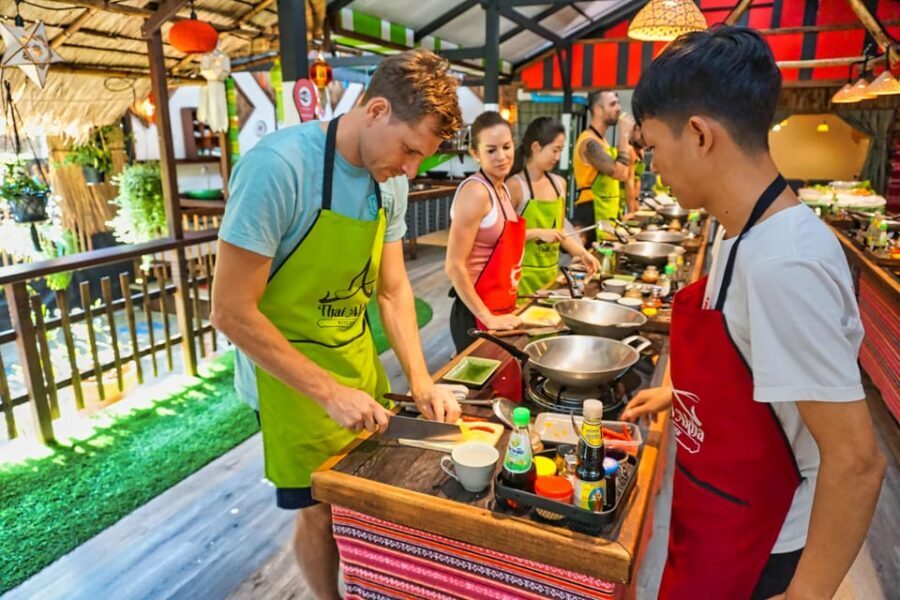
After the Akha dishes, the menu shifts into classic Thai comfort food. This is where the class helps you connect hill-tribe ingredients with mainstream Thai technique.
You choose one curry from four options:
- Red curry chicken
- Green curry chicken
- Panang chicken curry
- Massaman chicken curry
Then you choose one soup from three:
- Chicken and coconut milk
- Hot and sour prawn soup
- Clear soup with egg tofu
Finally you choose one stir-fry from four:
- Sweet and sour vegetables and chicken
- Chicken with hot basil
- Chicken with cashew nut
- Pad Thai
What this does for you is practical learning. You’re not only making one dish; you’re building a meal. By the time you reach dessert, you’ve tasted how Thai cooking balances fat, acidity, heat, and herbs across multiple courses.
Spice level and pacing: how to get the heat right
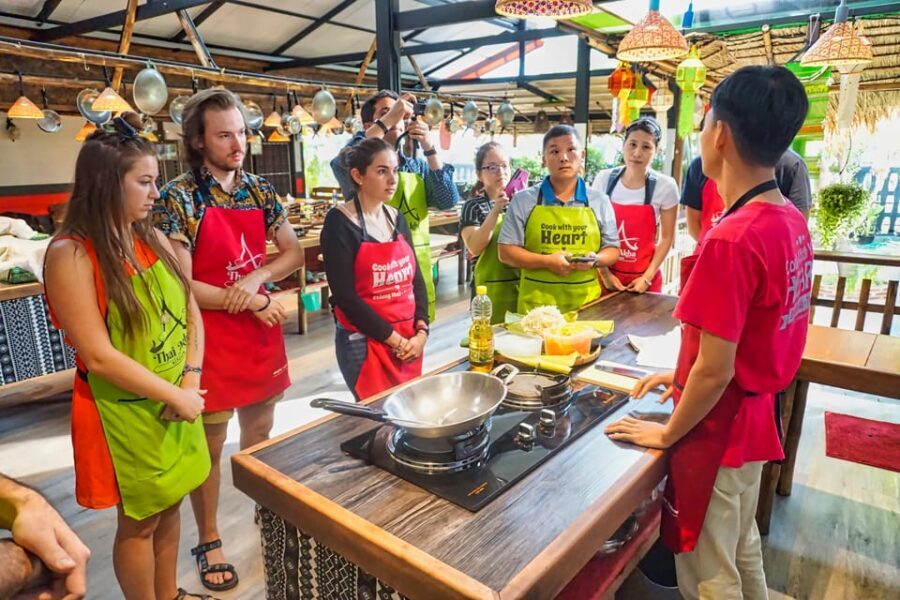
Thai cooking can be spicy, but it doesn’t have to be painful. One of the best things about this class is that you can adapt. If you want less chili, you can follow the cooking guidance and adjust to your taste while you’re making the dishes.
Still, do one simple thing before you start: tell the instructor your spice preference. If you have dietary limits besides spice, say that too. The team asks you to inform them of food allergies in advance (via email or WhatsApp), so do that early and you’ll get the safest, most comfortable experience.
Also: since you’re cooking a lot of items, the pace can feel energetic. Wear comfortable clothes and plan for you to get involved. This is a good fit if you like doing, not just learning.
What’s included, and why the extras matter

Here’s what you get with the experience:
- Cooking session
- Local market tour session
- Recipe
- Cook book
- Organic ingredients
- Pick up service from Chiang Mai hotel
The cook book and recipe are not just polite paperwork. They help you recreate dishes later, especially the Akha items where ingredient lists and balance matter. The spices included (mentioned in feedback about leaving with spices) also make it easier to reproduce flavor without guessing at home.
If you’ve ever taken a cooking class and then realized you can’t remember what went into the sauce, this kind of take-home support is the difference between a fun evening and a skill you actually use.
English support and how the teaching typically feels
The instructor supports English and Thai. That makes it easier to ask direct questions, whether you’re curious about substitutions or simply want to confirm the step you’re about to do.
Based on how the class is described, teaching style tends to be friendly and upbeat. People have praised the energy, the clarity, and instructors like An, Xuan, and Evelyn for keeping things fun while still getting everyone cooking.
If you’re traveling solo, this also helps. You’re likely to feel included rather than lost in a crowd.
Price check: why $41 feels fair for what you get
$41 per person can look like a bargain or like a risk, depending on what’s included. Here, it’s easier to feel confident because you’re paying for a full meal’s worth of cooking plus the learning component.
You get:
- Hotel pickup
- A market tour
- Organic ingredients
- A long menu of dishes you cook
- Recipe materials and a cook book
That combination is the key. You’re not paying just for food. You’re paying for guidance, ingredients, and the ability to take the knowledge with you.
For me, the best value comes from the Akha portion. It’s the part that adds originality and makes the class feel more specific to Chiang Mai rather than repeatable anywhere.
Who this Chiang Mai class suits best
This class is a strong match if you:
- Want a cooking class that covers more than one dish
- Like Thai food but also want Akha Northern flavors
- Enjoy market shopping and ingredient selection
- Prefer classes where you cook with guidance instead of only watching
- Want take-home recipes and spices
It’s less ideal if you’re looking for a slow, casual tasting only. This is hands-on and structured, and you’ll leave with food skills you earned, not just photos.
Practical tips before you go
A few small moves will make the day smoother:
- Tell the team about allergies in advance (email or WhatsApp).
- Let them know your spice comfort level before you start cooking.
- Eat lightly before pickup if you tend to get full fast. You’ll be cooking and eating a lot.
- Plan comfortable clothes. You’ll be standing, mixing, and chopping.
- If you’re traveling with a friend, try to coordinate your curry/soup/stir-fry choices so you can compare bites afterward.
Also, since the class runs 5–6 hours, it’s smart to treat the day like a real activity. Don’t stack it with another time-sensitive booking right after.
Should you book this Chiang Mai Thai-Akha cooking class?
Yes, if you want one of the most complete cooking days you can do in Chiang Mai. The market tour gives you context, the Akha dishes provide true Northern flavor identity, and the menu keeps you cooking through appetizers, curries, soups, stir-fry, and desserts.
I’d skip it only if you strongly prefer light snacks, or if you’re not comfortable managing spice or allergies. In that case, contact the team first so they can guide the menu adjustments safely.
Bottom line: for $41, you’re getting a full, skill-building Thai day with Akha personality, hotel pickup, organic ingredients, and take-home recipes that make the experience last longer than dinner.
FAQ
How long is the Chiang Mai traditional Thai-Akha cooking class and market tour?
It lasts about 5–6 hours.
Is hotel pickup included?
Yes. Pickup is included from Chiang Mai hotels.
What’s included in the price besides the cooking?
You get the cooking session, the local market tour session, organic ingredients, a recipe, and a cook book.
What dishes will I cook during the class?
You’ll cook a set menu that includes appetizers (papaya salad and fried spring rolls), Akha dishes (Sapi Thong tomato dipping sauce, Akha salad, and Akha soup), plus choices for curry, soup, and stir-fry. Desserts included are mango with sticky rice and pumpkin in coconut milk.
Do I need to tell the provider about allergies?
Yes. You should inform them of any food allergies in advance through email or WhatsApp.
What languages are used by the instructor?
The instructor speaks English and Thai.