REVIEW · CHIANG MAI
Chiang Mai : Super Fun Thai Cooking Class
Book on GetYourGuide →Operated by Joy Your Trip · Bookable on GetYourGuide
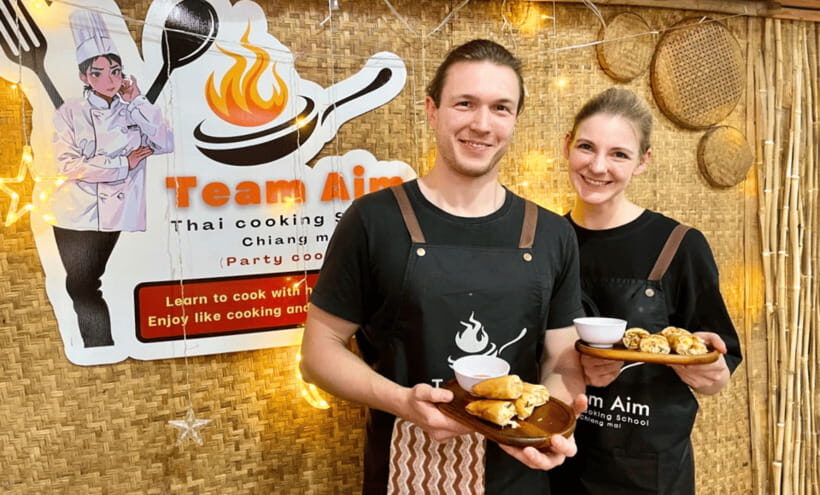
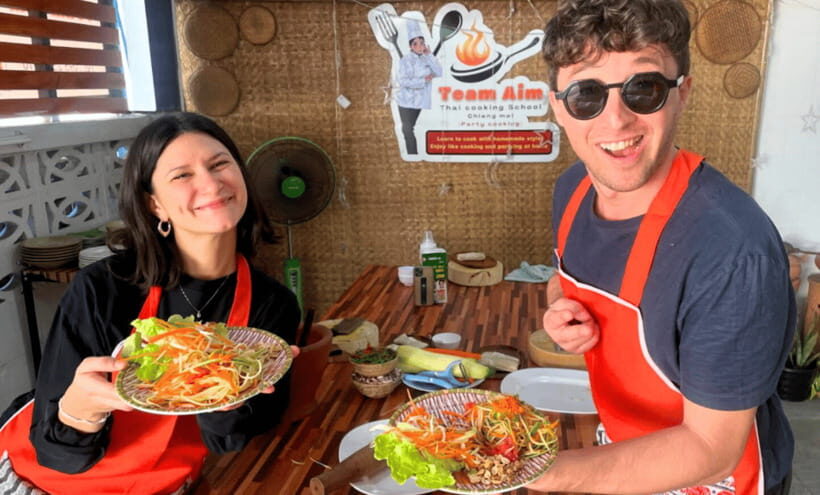
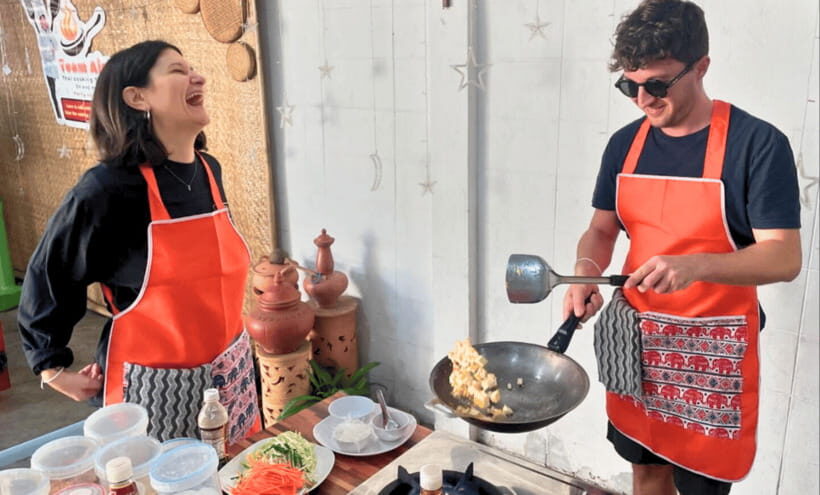
If you love food, this class gives you a hands-on plan. You shop for ingredients and cook outdoors in Chiang Mai, in a open-air kitchen setting that feels like part lesson and part good day with friends. The best part is that you’re not just watching—you’re making Thai dishes from real market produce.
I especially like the small class size, which means you can actually get help at your station, and the clear goal of 7 traditional dishes built from ingredient to plate. One thing to keep in mind: one guest felt the pace was too fast, so if you prefer a slower, chatty cooking rhythm, choose your expectations accordingly.
In This Review
- Key Things I’d Watch For Before You Go
- Chiang Mai’s Open-Air Kitchen: The Setting You’ll Remember
- The Market Visit: Learn Thai Flavor Before You Cook
- Cooking the 7 Traditional Dishes: What You’re Really Learning
- Open-Air, Old Town Vibes: Why the Kitchen Layout Matters
- Vegetarian, Vegan, and Allergy Support You Can Actually Use
- Transfers and Time: How to Fit This Into Your Chiang Mai Day
- Price Check: Is $36 Good Value for This Class?
- Who This Cooking Class Suits Best (And Who Should Rethink)
- Should You Book This Thai Cooking Class?
- FAQ
- How long is the Chiang Mai Super Fun Thai Cooking Class?
- What’s included in the price?
- Are vegetarian and vegan options available?
- Can the class handle allergies?
- Is hotel pickup included?
- Is the class suitable for children?
- What languages are used during the class?
Key Things I’d Watch For Before You Go
- Market visit first so you understand what you’re buying and why it matters for Thai flavor.
- Open-air cooking in old town for a more memorable setting than a closed kitchen.
- Small-group, individual stations so you’re not stuck waiting for your turn.
- 7 dishes you can recreate thanks to e-book recipes and take-away service.
- Vegetarian/vegan and allergy options are supported, so you can cook in your own lane.
Chiang Mai’s Open-Air Kitchen: The Setting You’ll Remember
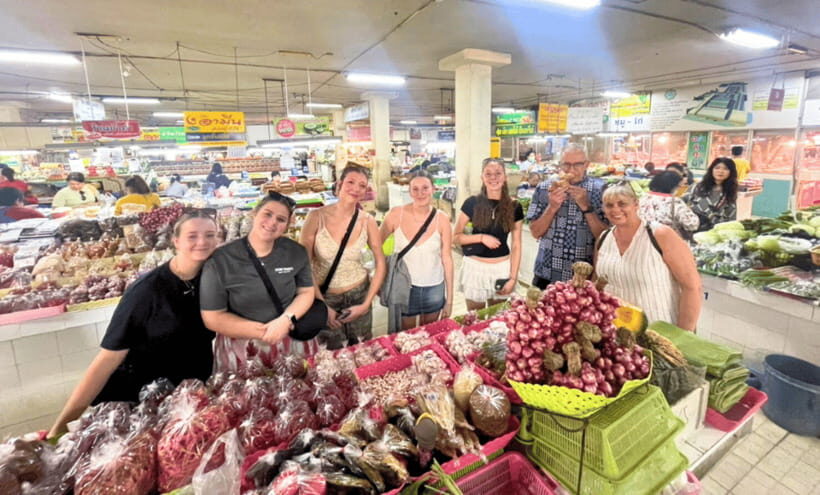
There’s a big difference between cooking in a quiet room and cooking in a real place where life is happening around you. Here, you cook outdoors in an old town style setting. That changes the feel of the whole class. You get the sights and sounds of Chiang Mai while you prep Thai ingredients and learn technique, not just recipes.
The class runs 4 to 5 hours, which is long enough to do real work—shopping, chopping, stirring, tasting—but still short enough that you’re not losing half your vacation day. You’re also in a setup designed for hands-on cooking, with an individual cooking station and the right ingredients already planned for the dish lineup.
You’ll also notice the mood the instructors bring. The class is described as fun, interactive, and taught by an experienced teacher with English-Thai support and a humorous, friendly style. In one example, an instructor named Richie was praised for clear explanations and a great vibe. Another class mentioned Bryan for organization and support with vegan requests, and another named Cindy as fun, upbeat, and easy to follow. You can reasonably expect that kind of energy, not a stiff classroom.
You can also read our reviews of more cooking classes in Chiang Mai


The Market Visit: Learn Thai Flavor Before You Cook
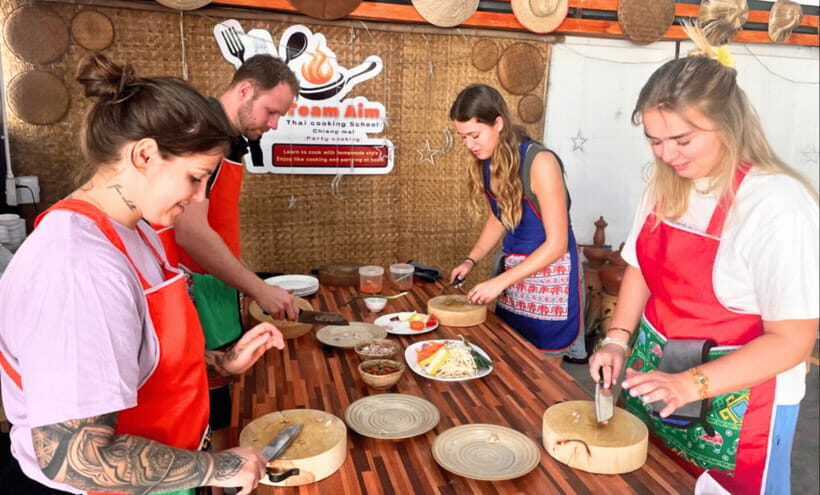
The class includes a local market visit, and that’s not a small add-on. It’s the point where Thai cooking stops being “recipes” and turns into understanding ingredients.
You’ll start by selecting fresh produce from a nearby local market. This matters because Thai flavors depend on freshness and balance—herbs, aromatics, and produce quality affect everything from stir-fries to salads and curries. A market walk also makes you pay attention to what you’d otherwise skip in a grocery store: the specific herbs, the pungent aromatics, and the ingredients that give Thai food its signature taste.
Practical tip: come with an appetite. You’ll learn what to buy and then you’ll use it shortly after. If you’re the type who likes to ask questions, this is your moment—guides can explain what each ingredient does in the final dish.
And if you have restrictions, this is where you’ll appreciate that the experience can be tailored. Vegetarian/vegan needs and ingredient allergies are supported, which means you’re more likely to cook something that fits your diet rather than just swapping ingredients at the end.
Cooking the 7 Traditional Dishes: What You’re Really Learning
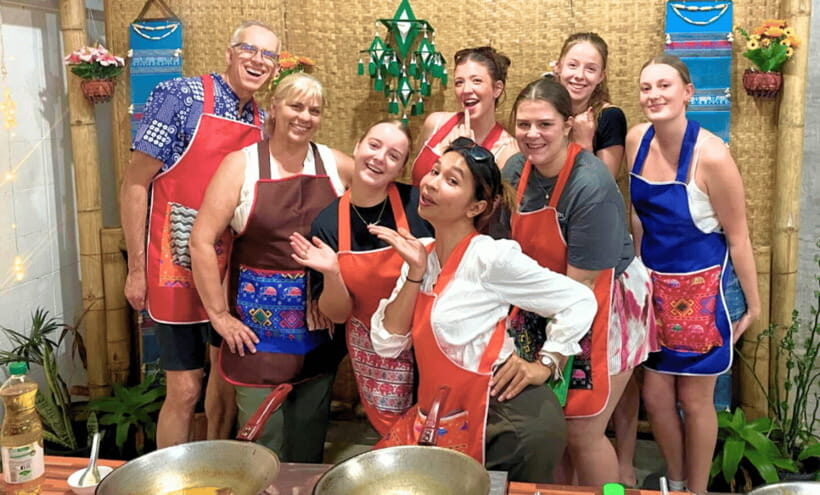
The class goal is simple: you prepare 7 traditional Thai dishes using fresh market ingredients. The exact dishes aren’t listed here, but the structure is clear—there’s a planned lineup and you work through it at your own station.
Here’s what this kind of class usually trains you to do well, and you’ll feel it as you cook:
- Build flavor in stages (aromatics first, then balance, then herbs and finishing touches).
- Work with Thai ingredient textures—how something slices, how something bruises, how herbs should be added.
- Balance taste, especially sour-salty-sweet and fresh herb notes.
- Get comfortable with Thai kitchen rhythm, so you can repeat meals at home without guessing.
In the experience description, you cook with guidance and then leave with e-book recipes designed to help you recreate the dishes later. That’s a big deal. Many cooking classes teach technique but don’t give you a usable plan for at-home cooking. Here, you get recipes you can reference again.
Even the “take-away” part matters. Getting food to take home means you can try the dishes again later and compare your flavors with what you remember from the class. It also helps if you’re feeding someone back at your hotel.
Open-Air, Old Town Vibes: Why the Kitchen Layout Matters
Cooking outdoors sounds romantic, but it’s also practical. An open-air setup usually means the workshop is built for active cooking rather than lecture mode. You’re moving, tasting, adjusting, and getting your hands on ingredients.
You’re also using a private kitchen area after the market visit, so you’re not dealing with chaos or competing for counter space. Each person has an individual cooking station, which keeps the class from turning into a “watch and wait” situation.
The small-group structure is part of the value. The class is designed to offer personalized guidance with an intimate, hands-on session. That matters because Thai cooking can feel tricky the first time—sauces, spice, herb timing, and texture. When you have a station and attention, you can correct small mistakes early instead of finishing a dish that’s off.
One caution from the feedback you provided: at least one person felt the activity was rushed. If you’re easily thrown off by a fast pace, consider arriving calm and ready to focus. You’ll get the most from the class if you’re comfortable working quickly and asking questions as you go.
Vegetarian, Vegan, and Allergy Support You Can Actually Use
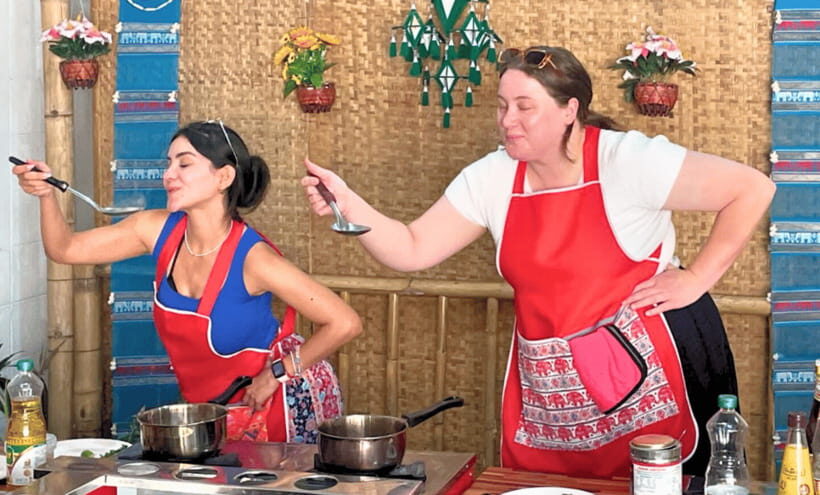
This is one of the strongest reasons to book. The class explicitly states you can get vegetarian/vegan options and can be accommodated if you’re allergic to any ingredients.
That changes your decision from:
- Will I be able to eat what I cook?
to
- Can I cook the Thai dishes I came for, in a way that fits my needs?
In at least one example, an instructor (Bryan) catered to vegan requests. That’s exactly what you want to hear. It suggests the accommodation isn’t just “we’ll give you plain rice.” It’s about adjusting what you prepare and guiding you through a version you can eat confidently.
Practical advice: if you have allergies, communicate them clearly when you book. Thai cooking uses lots of aromatic ingredients and common sauce components, so the more specific you are, the easier it is to tailor safely.
You can also read our reviews of more tours and experiences in Chiang Mai



Transfers and Time: How to Fit This Into Your Chiang Mai Day
This class includes round-trip transfer to and from your accommodation, as long as you’re within 5 km of Chiang Mai’s Old City. If you’re farther out, there’s a surcharge for locations outside that range.
Why it matters: Chiang Mai traffic and timing can make “easy” activities feel harder than they should. Having transfer included makes your day smoother, especially if you’re combining this with a market or temple visit earlier.
Also, this is a 4 to 5 hour block. Plan for it like a mini-tour: eat lightly beforehand if you can, and keep your schedule flexible afterward so you can enjoy your take-away food without needing to rush off again.
Price Check: Is $36 Good Value for This Class?
$36 per person for a 4 to 5 hour hands-on cooking class is strong value—if you care about real instruction, not just a meal.
Here’s what you get for that price:
- All necessary ingredients
- Local market visit
- English-Thai cooking instructor
- Individual cooking station
- E-book recipes
- Take-away service
- Drinking water
- Round-trip transfer within 5 km of the Old City
- Vegetarian/vegan options
When a cooking class includes market time plus ingredients plus recipes plus transfer, you’re essentially paying for a guided food experience and a skill-building workshop. You’ll also leave with more than “I ate Thai today.” You’ll have the tools to cook again.
Could it be less if you just book a meal somewhere? Sure. But this isn’t a restaurant. It’s practice, guidance, and a structured dish lineup. If you’ve ever wanted to understand Thai cooking instead of just tasting it, this price makes sense.
Who This Cooking Class Suits Best (And Who Should Rethink)
This class is a great fit if you:
- Love Thai food and want to learn how it’s built
- Want a fun, interactive activity in Chiang Mai that’s not just sightseeing
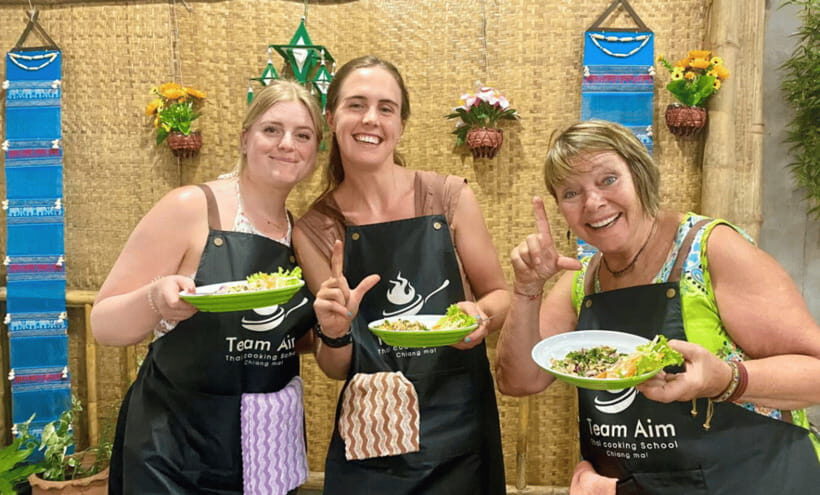
- Prefer small groups with hands-on guidance
- Need vegetarian/vegan options or have ingredient allergies
- Like the idea of taking home e-recipes you can follow later
It may not be the best fit if you:
- Need wheelchair accessibility (the class notes it isn’t suitable for wheelchair users)
- Are traveling with very young children (it’s not suitable for children under 5)
- Expect a super relaxed pace with lots of slow chatting—one experience noted that the class can feel fast
Should You Book This Thai Cooking Class?
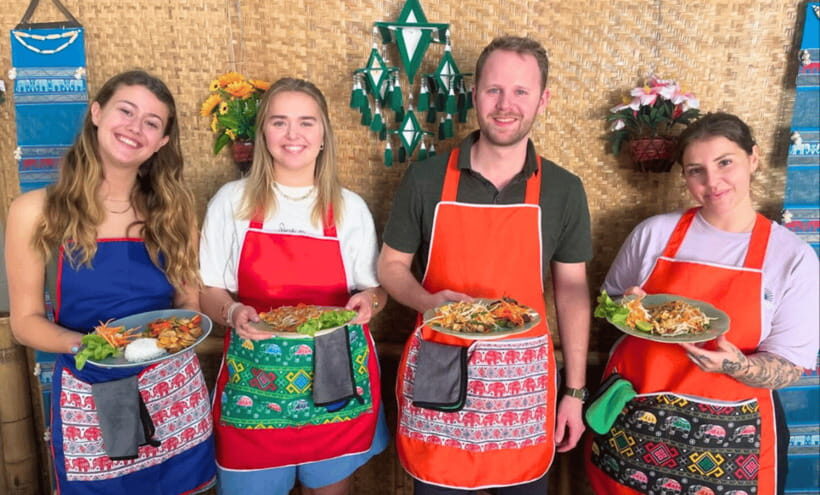
I’d book this if you want a practical, skills-first Thai food experience. The market visit plus 7 dishes, individual stations, and e-book recipes make it easier to recreate the results at home. Add the fact that vegetarian/vegan and allergy needs can be accommodated, and it becomes a class you can feel good about choosing.
Skip it or adjust expectations if you know you hate rush pacing. In a hands-on workshop, speed is part of the format. Go in ready to cook, listen closely, and ask questions while you’re working.
FAQ
How long is the Chiang Mai Super Fun Thai Cooking Class?
The class lasts about 4 to 5 hours.
What’s included in the price?
The price includes ingredients, a local market visit, an English-Thai instructor, individual cooking stations, drinking water, e-book recipes, take-away service, and round-trip transfers within 5 km of Chiang Mai’s Old City.
Are vegetarian and vegan options available?
Yes. Vegetarian and vegan options are available, and the experience can be tailored for preferences.
Can the class handle allergies?
Yes. The class notes that if you have allergies to any ingredients, the experience can be tailored accordingly.
Is hotel pickup included?
Pickup and round-trip transfer are included if your accommodation is within 5 km of Chiang Mai’s Old City. Locations outside that radius have an additional surcharge.
Is the class suitable for children?
It is not suitable for children under 5. A non-cooking guest or children age 4–6 can enjoy the meal prepared during the class as an add-on option.
What languages are used during the class?
The instructor uses English and Thai.