REVIEW · CHIANG MAI
Chiang Mai: Doi Suthep Temple Guided Tour
Book on GetYourGuide →Operated by Sun Leisure World Corporation · Bookable on GetYourGuide
A hilltop temple fixes your whole day. This guided trip takes you to Wat Phra That Doi Suthep, with a climb of over 300 steps and the kind of city views you can’t fake. I love how the route builds anticipation as you move from park drive to the temple stairway, and then into the grounds where the details grab you fast.
Two things I really liked: first, the English-speaking guide. The info stays clear and practical, and the tour pace feels thought out for a 4-hour visit. Second, the sights are specific and memorable, from the Naga guardians at the stairway to the five-tiered golden parasols in the inner courtyard.
One consideration: those 300+ steps are real. If you’re not comfortable with stairs or you’re easily wiped out by heat, plan extra patience and pace yourself on the way up.
In This Review
- Key Things to Notice on This Doi Suthep Guided Tour
- Wat Phra That Doi Suthep: Why This Sacred Hilltop Still Feels Special
- Getting There from Chiang Mai: The Scenic Climb Above 3,500 Feet
- Doi Suthep-Pui National Park Stop: A Guided Start Before the Temple
- The 306-Step Approach and the Naga Guardians
- Golden Pillars, Six-Foot Gongs, and Rows of Bells
- Five-Tiered Golden Parasols in the Inner Courtyard
- The Buddha Relic Pagoda You Can Spot From Afar
- Panoramic Views: When the City Spreads Out Under the Temple
- Price and Logistics: Is $28 for a 4-Hour Tour Worth It?
- What the 4-Hour Flow Feels Like on the Ground
- Who Should Book This Guided Doi Suthep Trip?
- Practical Tips So You Enjoy the Temple Without Rushing
- FAQ
- Where does the tour start and end?
- How long is the Chiang Mai Doi Suthep temple guided tour?
- Is hotel pickup included?
- What’s included in the price?
- How many steps do you climb?
- What should I bring?
- What’s not allowed during the tour?
- Should You Book This Wat Prathat Doi Suthep Guided Tour?
Key Things to Notice on This Doi Suthep Guided Tour
- Two Nagas guarding the climb, right at the start of the temple approach
- 306 steps to the hilltop temple, with time to breathe and take photos
- Golden pillars, six-foot gongs, and rows of bells that make the temple grounds feel alive
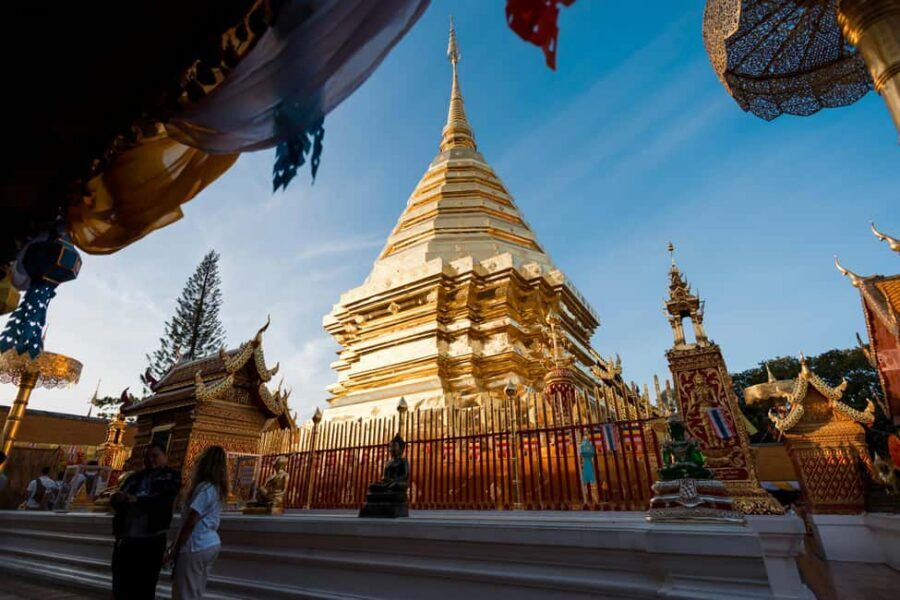
- Five-tiered golden parasols in the inner courtyard, gleaming from multiple angles
- A panoramic view of Chiang Mai and the surrounding countryside when visibility is good
Wat Phra That Doi Suthep: Why This Sacred Hilltop Still Feels Special
Wat Phra That Doi Suthep is one of those places where you stop treating a temple like a photo stop and start treating it like a living spiritual landmark. The big draw is obvious: it’s described as Chiang Mai’s most renowned and sacred temple, and it’s also built in 1383, with a holy relic of the Lord Buddha enshrined in a golden pagoda.
What I like as a visitor is that the tour doesn’t just say it’s important. It shows you the parts that make it feel important in your own eyes: the grand temple approach, the relic area, and the visual markers—like the golden parasols—that signal this isn’t just another stop on your list.
Also, the temple’s golden pagoda is said to be visible for miles around. That detail matters because it helps you understand why people come here, even before you’re standing inside.
You can also read our reviews of more guided tours in Chiang Mai
Getting There from Chiang Mai: The Scenic Climb Above 3,500 Feet
You start in Chiang Mai with hotel pickup from selected hotels and an air-conditioned vehicle. That’s more than comfort. It also makes the timing feel smooth, especially if you’re trying to avoid paying for extra rides or coordinating transport on your own.
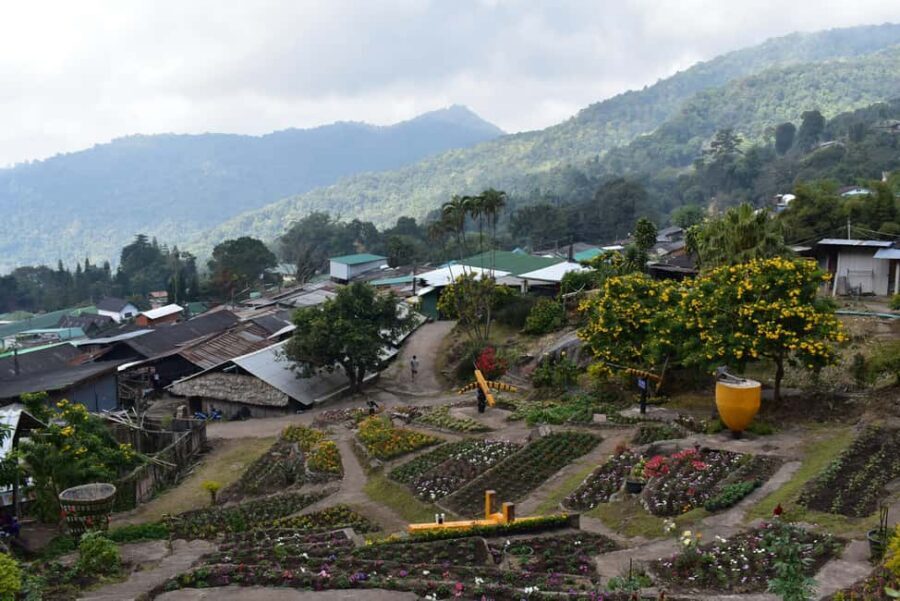
Then you head toward Doi Suthep-Pui National Park. The big physical clue in the experience is the elevation: you’re winding up to about 3,500 feet above sea level. Even if you don’t feel a big temperature change, you’ll feel the shift in pace. The drive sets a different tone—slower, more scenic, and more “this is the destination” than “we’re passing by.”
There’s a practical side too: the tour includes entry/admission for Doi Suthep-Pui National Park, so you’re not juggling tickets while you’re trying to enjoy the view.
Doi Suthep-Pui National Park Stop: A Guided Start Before the Temple
The itinerary includes a guided visit in the national park area before you reach the temple itself. That order makes sense. You get context before you hit the stairs.
Even without long hiking time spelled out, you’re still going into the temple’s natural setting. So it doesn’t feel like you’re arriving only at a single building. It feels like you’re arriving at a place, on a sacred hill connected to the surrounding park area.
This is the part of the tour where a good guide earns their keep. You can expect explanations as you transition from the drive to the temple approach, which helps you spot what you’ll later see up close—like the Naga guardians and the ritual-feel details around the grounds.
The 306-Step Approach and the Naga Guardians
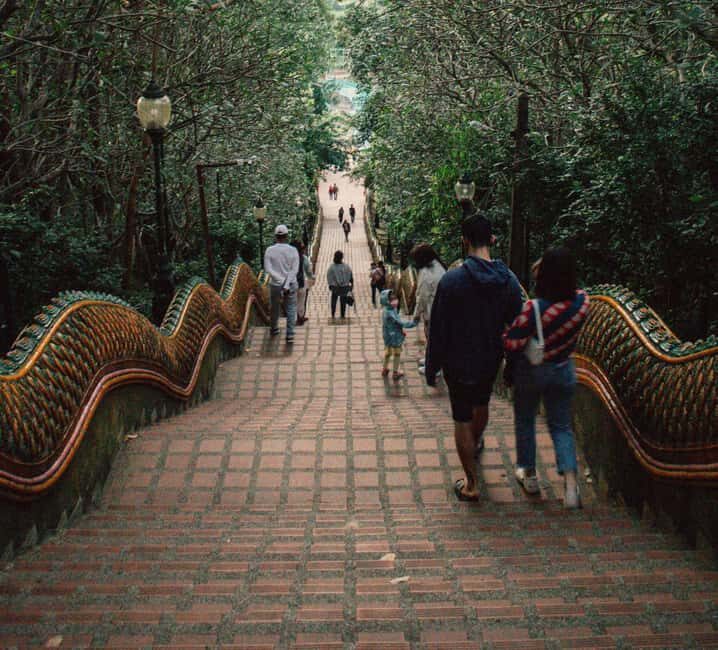
Here’s the moment you’ll remember: climbing over 300 naga-guarded steps to reach the sacred hilltop temple.
When the stairs start, you’re met by two splendid Nagas (serpents). That isn’t just decoration. It frames the whole experience. The climb becomes part of the ritual geography—like the temple is guiding you upward, not just waiting at the top.
Practical tip: start slow. Don’t treat it like a race. Even if you’re fit, you’ll be using energy you’ll want later when you’re walking the grounds and lingering for photos.
Also, bring comfortable shoes for this part. The tour makes it clear you should wear them, and I agree. The difference between slippers and proper shoes is the difference between enjoying the climb and counting minutes.
Golden Pillars, Six-Foot Gongs, and Rows of Bells
Once you’re on the temple grounds, the tour becomes a “look closer” experience. The standout features described include golden pillars, six-foot gongs, and rows of bells.
What you’ll likely appreciate (once you’re there) is how these objects shape the mood. Gongs and bells are not just aesthetic here. They add to the sense that you’ve stepped into an active sacred space where sound and ceremony belong.
The golden pillars give you structure and scale. They help you judge distance and perspective as you move through the grounds. And if you’re the type who likes small details, this is where you’ll feel rewarded—because the tour sets you up to notice things instead of just passing by.
If you’re walking in heat, this is also where pacing matters again. Take a breather when you need one, especially while the guide keeps the group moving.





Five-Tiered Golden Parasols in the Inner Courtyard
The inner courtyard is where the tour’s biggest visual payoff comes in. You’ll see five-tiered golden parasols shining in the inner courtyard.
This is the kind of sight that’s hard to capture in one photo because it’s both detailed and reflective. From different angles, the parasols change how they look—so you’ll want a minute or two to look, not just snap.
And because the tour is guided, you don’t feel like you’re standing there guessing what matters. You’re moving with the story the temple is telling—how the sacred space is arranged, and why the relic area is the heart of the experience.
The Buddha Relic Pagoda You Can Spot From Afar
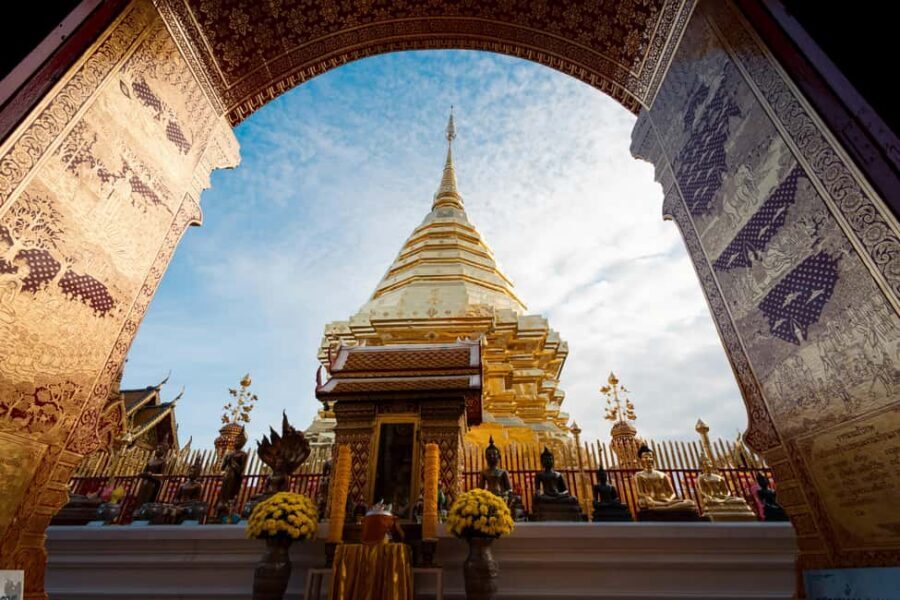
Inside the sacred walls, the tour focuses on the holy relic of the Lord Buddha, enshrined in a magnificent golden pagoda. You’re told it’s visible for miles around, which connects the hilltop temple to the wider city.
That “visible for miles” point is worth holding onto while you’re walking. It’s a reminder that this place isn’t hidden. It’s meant to be seen and it has a presence.
As a visitor, I like that the tour doesn’t treat the pagoda like a background object. It frames it as the sacred core, so your time feels purposeful—especially if you only have a few hours in Chiang Mai and want one standout cultural experience.
Panoramic Views: When the City Spreads Out Under the Temple
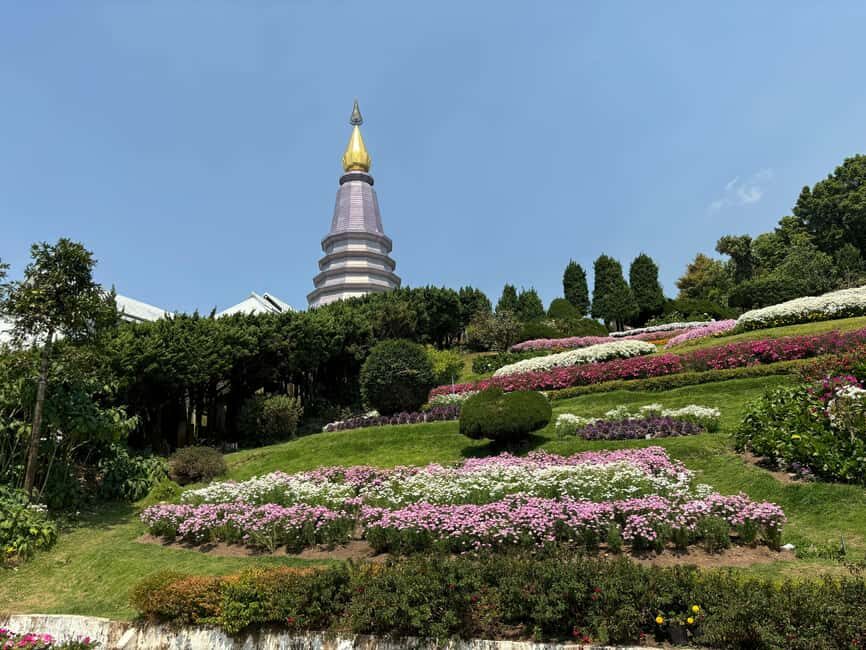
One of the tour highlights is the panoramic view of Chiang Mai and the surrounding countryside from the temple grounds.
This matters because it turns a religious site into a sense-making viewpoint. You can connect what you’re seeing on the hill with the city below. It’s a simple shift, but it changes how you remember the place.
You’ll want your camera ready, and the tour specifically suggests bringing one. Also bring sunscreen and a hat. Views are great, but sun up on a hill can be blunt.
From the tour feedback, weather can line up perfectly. One verified booking noted the weather was perfect, which is a nice reminder: clarity levels really affect how good the view feels. If the skies are hazy, the city may look softer; if it’s clear, the view can feel wide and dramatic.
Price and Logistics: Is $28 for a 4-Hour Tour Worth It?
Let’s talk value. At $28 per person for a 4-hour experience, you’re paying for more than entry to a temple.
You’re also getting:
- A professional English-speaking guide
- Hotel pickup and drop-off (from selected Chiang Mai hotels)
- An air-conditioned vehicle
- Entry/admission for Doi Suthep-Pui National Park and Wat Phra That Doi Suthep
For me, the value equation is simple: the guided part plus the transport and admissions means you spend less time coordinating and more time on-site. If you tried to do this on your own, you’d still need to figure out how to get up there, plan admission, and manage the stair climb without guidance. Even if you’re confident handling logistics, the guide helps you spot the “what matters” details so your hour count feels productive.
If you hate group pacing, this might feel like a tight schedule. But if you want a smooth, organized cultural experience with meaningful stops, the price-to-time ratio is pretty strong.
What the 4-Hour Flow Feels Like on the Ground
The tour structure is straightforward: pick up in Chiang Mai, visit the national park area, visit Wat Phra That Doi Suthep, and then return to Chiang Mai.
That rhythm is ideal if you want the main sights without turning your day into a half-day that drags. You’ll get enough time to see the major temple elements—especially the courtyard highlights and the view points—without feeling stuck for hours.
Here’s where the guide makes a difference: you’ll be moving through the grounds with context, so the time doesn’t feel like wandering. It feels like following a route with a point.
And yes, the main physical effort happens early in the experience once you start the climb. Plan your energy for the stairs, then settle into a slower, more observant pace once you’re inside the temple complex.
Who Should Book This Guided Doi Suthep Trip?
I’d point this tour toward you if:
- You want one big Chiang Mai cultural experience with clear English guidance
- You enjoy religious sites that come with strong visual details (bells, gongs, parasols)
- You can handle a steady climb up stairs and walking around the temple grounds
- You want a day plan with pickup and transport handled for you
I’d think twice if:
- You struggle with stairs or long uphill movement. The tour centers on climbing over 300 steps.
- You’re very heat-sensitive. You’ll be outdoors for parts of the climb and viewing time, so your comfort depends on conditions.
Practical Tips So You Enjoy the Temple Without Rushing
Pack and wear what the tour requests. It’s not just advice—it’s your comfort checklist:
- Comfortable shoes for the naga-guarded stair climb
- A hat and sunscreen for sun exposure
- A water bottle so you don’t slow down from dehydration
- Bring your camera, because the courtyard features and views are photo-friendly
Also note what’s not allowed: smoking in general and smoking in the vehicle, plus alcohol and drugs. If you’re a casual smoker, plan ahead so you don’t feel stressed about rules while you’re there.
Finally, keep a calm pace. The best temple photos come when you stop moving for a moment and actually look.
FAQ
Where does the tour start and end?
It starts with pickup in Chiang Mai and returns you to Chiang Mai at the end of the tour.
How long is the Chiang Mai Doi Suthep temple guided tour?
The total duration is 4 hours.
Is hotel pickup included?
Yes, pickup and drop-off are included for selected hotels in Chiang Mai.
What’s included in the price?
The price includes a professional English-speaking guide, hotel pickup/drop-off (selected hotels), an air-conditioned vehicle, and entry/admission for Doi Suthep-Pui National Park and Wat Phra That Doi Suthep.
How many steps do you climb?
You climb over 300 naga-guarded steps to reach the hilltop temple.
What should I bring?
Bring comfortable shoes, a hat, a camera, sunscreen, and water.
What’s not allowed during the tour?
Smoking is not allowed, including smoking in the vehicle. Alcohol and drugs are also not allowed.
Should You Book This Wat Prathat Doi Suthep Guided Tour?
If you want a well-paced hit of one of Chiang Mai’s most important temples, I’d book it. The value is strong because you’re paying for guide support, transport, and admissions in one package—not just a ticket.
Also, the tour’s praised for the guide’s clarity in English and the professionalism of the driver. That matters on a day where timing and comfort make the difference between enjoying the climb and feeling stressed.
Just be honest with yourself about the stairs. If you’re comfortable walking uphill and taking your time, this is a satisfying, memorable way to see Wat Phra That Doi Suthep without turning your day into logistics work.