REVIEW · CHIANG MAI
From Chiang Mai: Living Green Elephant Sanctuary Tour
Book on GetYourGuide →Operated by Living Green Elephant Sanctuary Chiang Mai and Chonburi · Bookable on GetYourGuide
Elephants, rain or mud, with zero rides. This Chiang Mai experience at Living Green Elephant Sanctuary focuses on ethical care and real time with elephants in their own space, just about 1.5 hours from town near Inthanon National Park. You’ll do calm, hands-on moments like feeding, walking, and watching natural river play—no tricks, no shows.
I love the way the day is built around respect: no riding, no chains, no performances, just attentive caretakers and elephants moving freely. I also like the cultural touch of getting into traditional Mo Hom clothing, then finishing with a tasty vegetarian Pad Thai meal.
One consideration: plans can shift a bit because the drive is affected by traffic, and cold weather can change whether elephants go into the river for bathing (they’re never forced). Bring layers and be ready for a wet day if you’re bathing.
In This Review
- Key highlights you’ll actually care about
- What makes this Chiang Mai elephant sanctuary ethically different
- Half-day vs full-day: choose the right amount of elephant time
- Half-day program (about 6–7 hours, with hotel transfer included)
- Full-day program (about 9–10 hours)
- Getting there and settling in: Mo Hom clothing and the scenic drive
- Feeding, forest walking, and river bathing without the gimmicks
- Feeding: calm, guided, and purposeful
- Walking with elephants through the forest
- River and mud bath moments
- Pad Thai, herbal medicine balls, and seedlings: why the food and extras matter
- Half-day: vegetarian Pad Thai as part of the day
- Full-day: you cook vegetarian Pad Thai (starting 2 December)
- Herbal medicine balls and digestion support
- Planting seedlings for natural elephant food
- What to pack, what rules to follow, and who should skip this
- Pack like the day will get messy
- Respect the rules: no riding, no alcohol, no smoking
- Who this isn’t for
- Price and value: is $46 a fair deal?
- Should you book Living Green Elephant Sanctuary in Chiang Mai?
- FAQ
- Is elephant riding allowed on this tour?
- What’s the main difference between the half-day and full-day options?
- Does the tour include hotel pickup and drop-off?
- What times does the half-day tour run?
- When does the vegetarian Pad Thai cooking workshop start?
- What should I bring for the bathing parts?
- Can I cancel for a refund, and can I pay later?
Key highlights you’ll actually care about
- Ethics-first elephant care with no riding, no chains, and no performance element
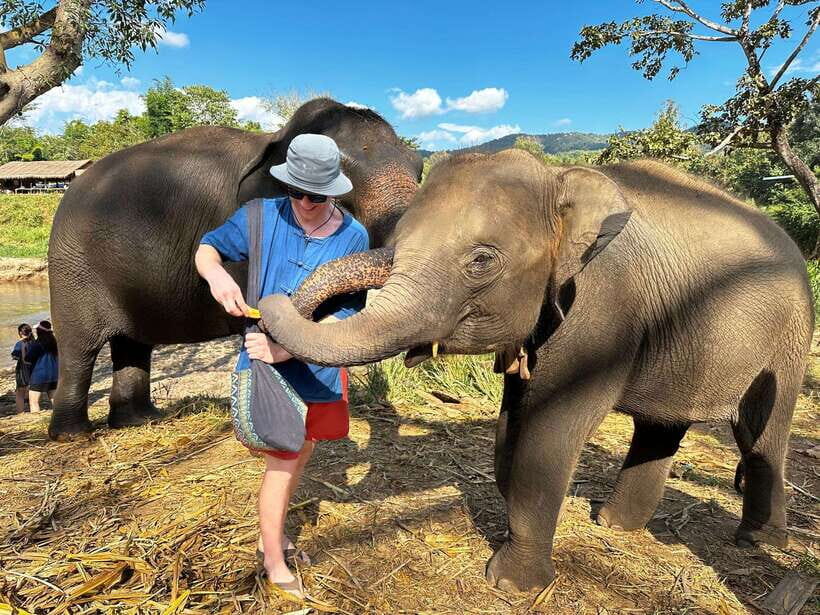
- Feed, walk, and observe elephants in an open-air river-jungle setting
- Half-day or full-day options, both with hotel pickup and drop-off
- Pad Thai experience: a shared meal on half-day, and a vegetarian cooking workshop on the full-day (from 2 December)
- Full-day extras like herbal medicine balls for digestion and planting seedlings for future elephant food
What makes this Chiang Mai elephant sanctuary ethically different
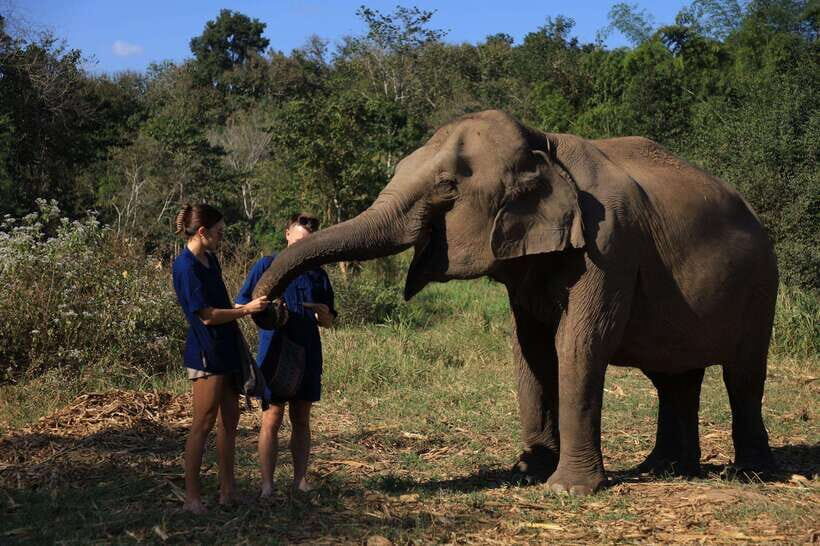
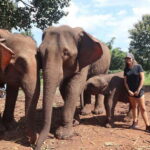
Living Green Elephant Sanctuary is designed around animal welfare, not entertainment. The big promise here is simple and important: there’s no riding, no chains, and no performances. Instead, you spend time watching elephants behave like elephants—moving at their pace, interacting with their environment, and taking part in water moments when they choose to.
That matters for you because it changes the whole vibe of the day. You’re not waiting your turn on a ride or watching a staged routine. You’re more like a respectful observer who can also participate in gentle, supported activities like feeding and walking.
I also like that the sanctuary experience includes caretakers who focus on elephant well-being. In the guide team, names like Paou, Rainbow, John, Mr Su, and Nim come up in people’s stories—each one bringing clear explanations and a calm attitude around the animals. When you’re around elephants, the tone matters as much as the rules.
Finally, the setting helps. Many sanctuaries feel like a zoo with better marketing. This one is described as open-air and quiet, with no fence-style barriers and no crowd-boosting distractions.
You can also read our reviews of more tours and experiences in Chiang Mai.


Half-day vs full-day: choose the right amount of elephant time
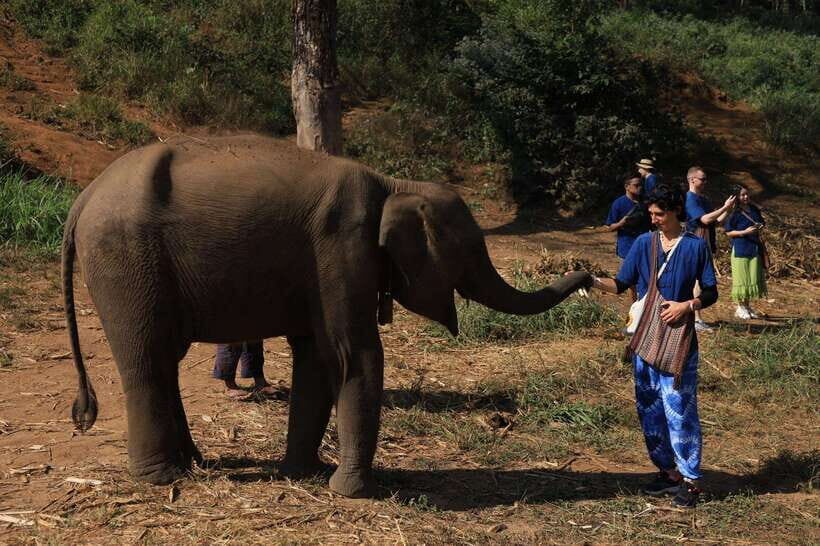
You get two time options, and the difference is more than just hours. If you’re short on time or you don’t want a packed schedule, the half-day program is usually the sweet spot.
Half-day program (about 6–7 hours, with hotel transfer included)
There are two departure windows: morning 07:00–14:00 or afternoon 12:00–19:00. Either way, you start with a pick-up from your Chiang Mai hotel, then get a scenic drive through rural areas like rivers, rice fields, and banana plantations.
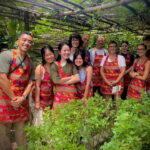
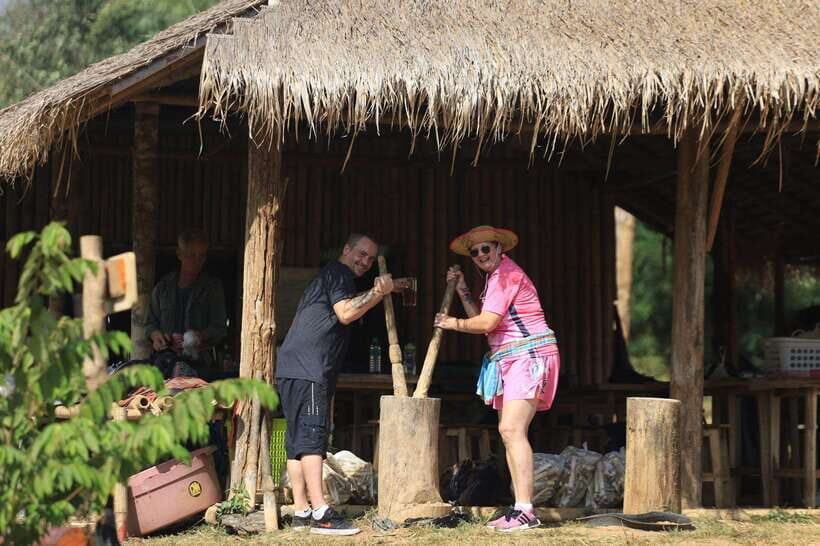
Once you arrive, you’ll do a welcome briefing and change into traditional northern Mo Hom clothing. Then the main event: you’ll feed and interact with elephants in their habitat, and later walk with them toward the river to observe their bathing moments naturally.
You’ll also get a meal—typically the vegetarian Pad Thai experience is part of the food package for the day’s flow. Then it’s back to Chiang Mai about 1.5 hours later.
The half-day is a strong choice if:
- you want the essentials—feeding, walking, bathing observation—without extra add-ons
- you’re pairing this with other Chiang Mai activities
- you prefer a shorter day in the heat (or if you just don’t want to plan for a full-day commitment)
Full-day program (about 9–10 hours)
Full-day runs 08:00–17:00 and is longer for a reason: you get more enrichment and more “learning-by-doing” moments.
After the hotel pick-up and the scenic drive, you again start with the briefing and Mo Hom clothing. You then feed and walk with elephants in the forest, then move into the vegetarian Pad Thai Cooking Workshop (available from 2 December).
After cooking, you’ll have additional full-day options:
- making herbal medicine balls to support digestion
- planting seedlings that will grow into natural elephant food
Then it’s back to the river area for natural bathing observation. After that, you change clothes, say goodbye, and return to Chiang Mai.
The full-day is ideal if:
- you want a deeper schedule that includes the cooking workshop and enrichment activities
- you like hands-on moments that go beyond just “watching”
- you want more time for questions with guides and caretakers
One more detail that affects your experience: a Chinese guide is available for the full-day program only. Everyone gets English guidance, but that language layer can help if you’re more comfortable with Mandarin support during longer activities.
Getting there and settling in: Mo Hom clothing and the scenic drive
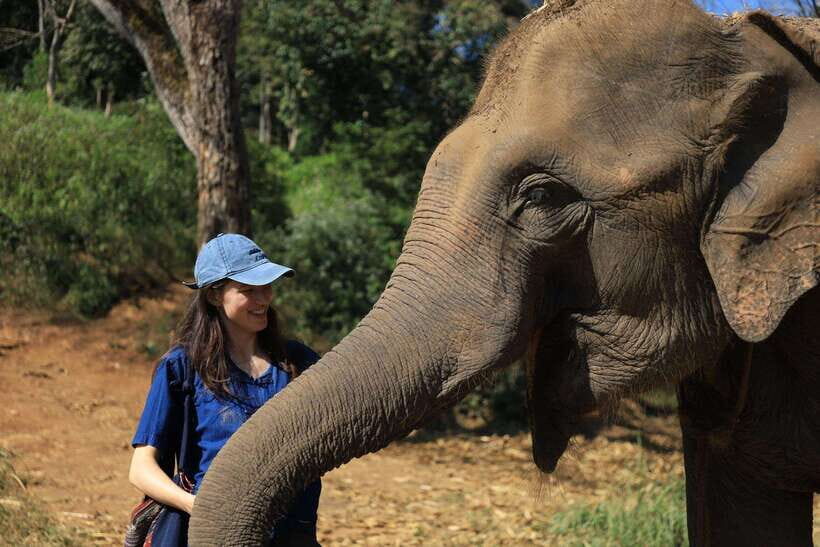
The day starts the way you want it to: hotel pickup and drop-off. You’ll travel about 1.5 hours each way from Chiang Mai to the sanctuary area near Inthanon National Park. Along the drive you’ll pass through rural scenery—rivers, rice fields, and plantations—which helps you shift out of city mode before you meet the elephants.
When you arrive, you’ll do a welcome briefing and then change into traditional northern Mo Hom clothing. It’s more than a photo prop. The point is to set a respectful tone and make the visit feel like a northern Thailand cultural experience, not a tourist assembly line.
Practical note: the guide will explain what to expect and what’s appropriate around the animals. Since elephants are large and close-up, this is where you get your mental safety plan—where to stand, how to move, and how to keep the atmosphere calm.
And yes, if you’re bathing elephants, you should assume you’ll get wet. That’s not a reason to skip the experience. It’s just a reminder to bring the right gear and keep your phone and valuables protected.

Feeding, forest walking, and river bathing without the gimmicks
This is where the day becomes meaningful. The sanctuary structure is designed so you’re not “doing tricks” with elephants. Instead, you’re participating in natural behaviors and supported care activities.
Feeding: calm, guided, and purposeful
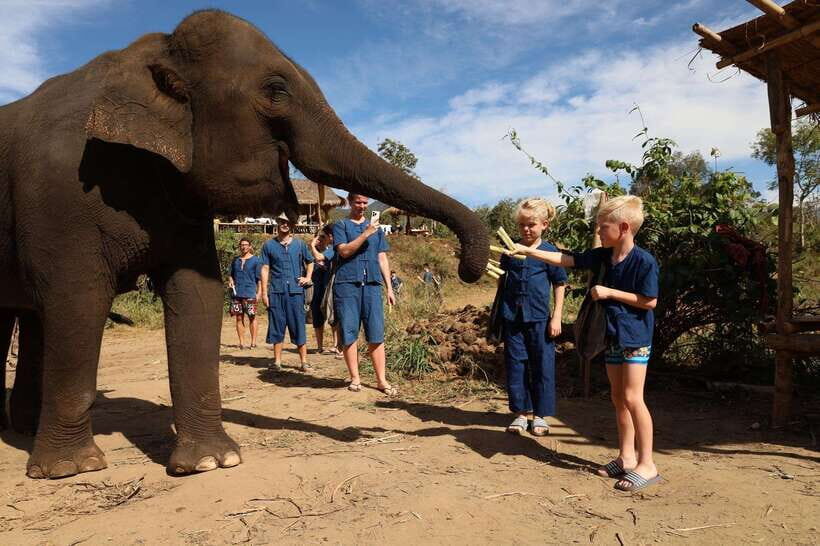
You’ll hand-feed the elephants, guided by caretakers. Feeding time is one of the most memorable parts because it lets you see the elephants up close while staying in an ethical framework. It also forces you to slow down. You’re paying attention to behavior, not rushing for a selfie.
Guides like John or Rainbow (names that show up in visitor accounts) tend to explain what you’re seeing—why elephants react a certain way, what their movement might mean, and how caretakers manage safety and welfare.
Walking with elephants through the forest
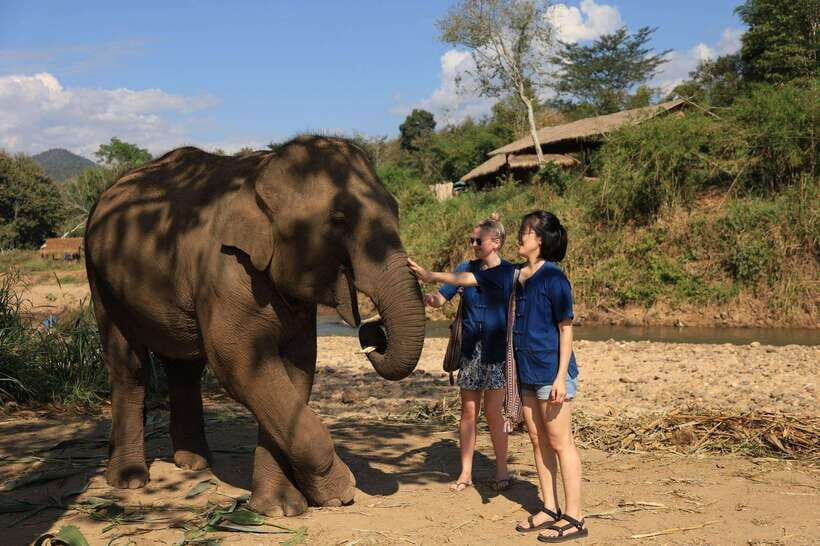
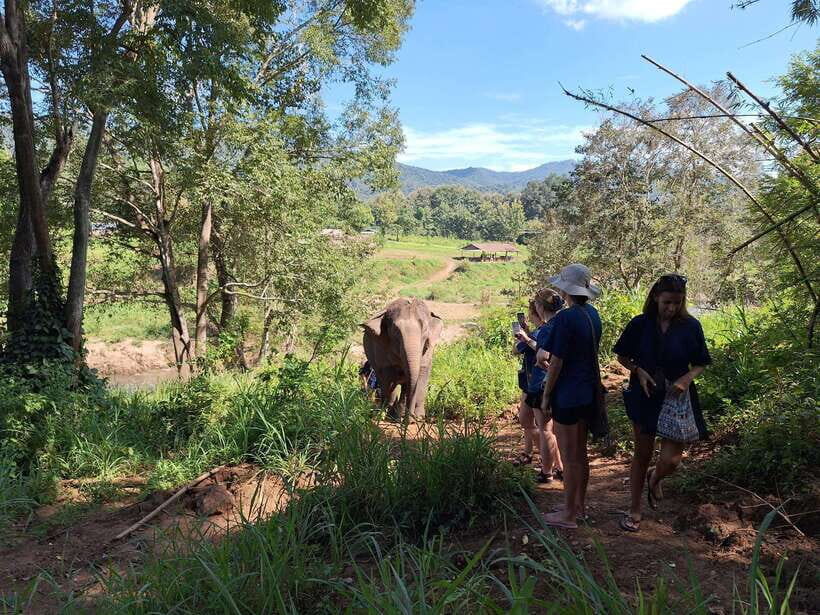
After feeding, you’ll walk with elephants through the forest. This is not a hike you can treat casually. Comfortable shoes matter because you’re walking near uneven natural ground.
What you’ll like here is the rhythm. Elephants set the pace. You’re not pushing an agenda. If you want a more relaxed day, this part delivers.
River and mud bath moments
The river and mud bath observation is often the highlight. You’ll walk with the elephants toward the water and watch them naturally interact—splashing, stepping into mud, and enjoying the cooling moments.
Important: elephants are never forced into the river during cold weather. So if the day is chilly, you may see less bathing action than you’d hoped. That’s not a failure of the tour; it’s part of the welfare approach.
Also, the bathing phase is why you should plan for a clothing change. Bring a towel and dry clothes ready for the drive back. People mention having facilities like toilets and showers on-site, which makes the wet-to-dry transition easier.
Pad Thai, herbal medicine balls, and seedlings: why the food and extras matter
The vegetarian Pad Thai component is more than lunch. It turns the experience into something you can take home in your memory and your stomach.
Half-day: vegetarian Pad Thai as part of the day
On half-day programs, you get the meal experience that includes Pad Thai. You’ll cook or prepare nothing yourself on half-day (the workshop is tied to the full-day), but you still get the satisfaction of eating a proper local dish after spending hours with elephants.
The value here is timing. You eat after the elephant time, when your body is tired and your appetite is awake. It’s a good way to close the day without hauling around a snack plan.
Full-day: you cook vegetarian Pad Thai (starting 2 December)
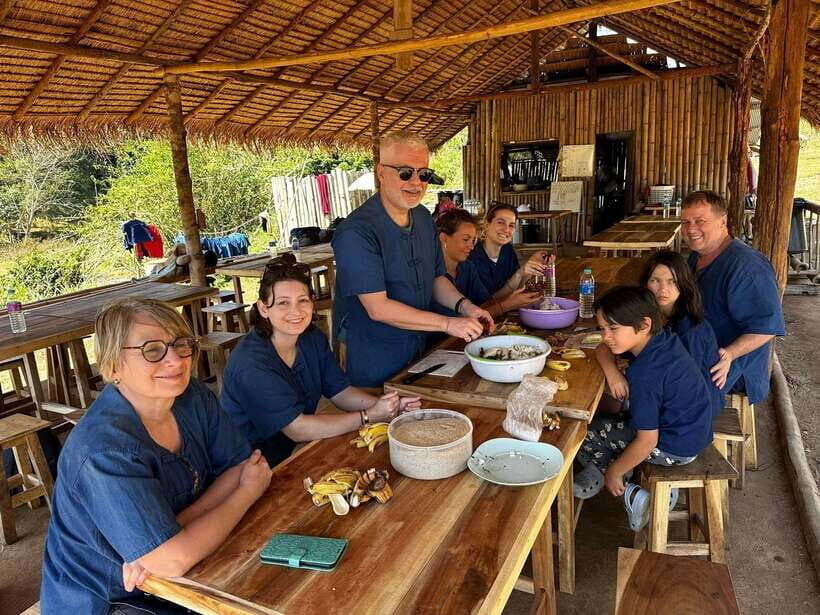
If you do the full-day option, you’ll join the Pad Thai Cooking Workshop and cook your own vegetarian Pad Thai using local ingredients. You’ll also get to enjoy what you make.
Why I think this is worth paying for: cooking grounds the day in Thai culture beyond elephants. You’re not leaving only with animal photos. You’re leaving with a skill and flavors you can replicate later.
Herbal medicine balls and digestion support
Full-day activities can include making herbal medicine balls to support digestion. This isn’t just a craft. It’s described as part of elephant digestion support—so it fits the welfare theme of the day.
Even if you don’t fully translate all the terms, you’ll understand the intent: caretakers use feeding and enrichment methods to support elephant health.
Planting seedlings for natural elephant food
Another option is planting seedlings that will grow into natural elephant food. That’s a long-term care idea, not a quick souvenir moment. It’s a reminder that sanctuaries think in seasons and growth cycles, not just today’s schedule.
If you like the feeling of doing something that helps beyond your single visit, these two extras (medicine balls and planting) will land well.
What to pack, what rules to follow, and who should skip this
This tour is straightforward, but it has a wet-and-wild nature vibe. You’ll enjoy it more if you show up prepared.
Pack like the day will get messy
Bring:
- Swimwear and a change of clothes
- a towel
- comfortable clothes and sandals
- a hat, sunscreen, and insect repellent
- a camera (you’ll want it), plus anything you use to keep your phone dry
If you’re thinking of bringing only one set of clothes, don’t. You’ll likely get wet during bathing moments.
Respect the rules: no riding, no alcohol, no smoking
Elephant riding is not allowed, and the tour is built around welfare—no chains and no forced behavior. Also expect standard conduct rules: no smoking, and no alcohol or drugs.
Who this isn’t for
The tour isn’t suitable for:
- children under 2
- pregnant women
- people with back problems
- people with heart problems
That’s because the activities involve walking, being outdoors, and likely getting wet. If any of that could be a medical strain, it’s better to choose a different kind of Chiang Mai day.
Price and value: is $46 a fair deal?
At $46 per person, you’re paying for a structured full-day experience that includes hotel pickup and drop-off, traditional clothing for the visit, time for feeding and walking, bathing observation, a meal, photography service, and travel insurance.
Here’s why that feels like value rather than just “paying for elephants”:
- the transport isn’t optional—this sanctuary is a drive away, so you’re saving time and hassle
- the ethical rules remove the “cheap gimmick” side of elephant tourism
- you’re getting both education and hands-on interaction, not a rushed photo stop
- the food element means you’re not hunting lunch right after a muddy river experience
If you’re comparing options, pay attention to what’s included. Full-day adds the vegetarian Pad Thai cooking workshop (from 2 December) plus optional welfare-focused extras like medicine balls and planting seedlings. Those add-ons make the longer day feel like more than an extended version of the half-day.
Should you book Living Green Elephant Sanctuary in Chiang Mai?
If you want an elephant day that feels calm, respectful, and ethically grounded, this is a strong pick. The key reasons are the clear welfare approach—no riding, no chains, no performances—plus real time feeding, walking, and watching river bathing naturally.
Book the half-day if you’re balancing other Chiang Mai plans and still want the core elephant moments. Book the full-day if you care about more learning and hands-on activities, especially the vegetarian Pad Thai cooking workshop starting 2 December.
Only hold back if wet weather would ruin your comfort, or if you fall into the medical or age limits listed for the tour. And if traffic timing matters for your schedule, build in buffer time for the drive.
FAQ
Is elephant riding allowed on this tour?
No. Riding is not allowed, and the experience is built around animal welfare with no chains and no performances.
What’s the main difference between the half-day and full-day options?
The half-day centers on feeding, walking, and observing elephants near the river, plus a meal. The full-day adds extra activities such as the vegetarian Pad Thai cooking workshop (from 2 December), plus optional herbal medicine balls and planting seedlings.
Does the tour include hotel pickup and drop-off?
Yes. Hotel pick-up and drop-off are included as part of the program.
What times does the half-day tour run?
The half-day has two sessions: 07:00–14:00 for the morning session and 12:00–19:00 for the afternoon session.
When does the vegetarian Pad Thai cooking workshop start?
The Pad Thai Cooking Workshop starts on 2 December.
What should I bring for the bathing parts?
Bring swimwear, a towel, a change of clothes, comfortable clothes, sandals, and sunscreen. It also helps to pack a hat and insect repellent.
Can I cancel for a refund, and can I pay later?
Yes. You can cancel up to 24 hours in advance for a full refund, and there is also a reserve now & pay later option.