REVIEW · CHIANG MAI
Chiang Mai : Cook in Farm, Market tour & Go by a Local Train
Book on GetYourGuide →Operated by Chiang Mai Smart Cook · Bookable on GetYourGuide
Thai cooking meets a countryside train ride. This 5-hour Chiang Mai area class pairs market ingredients with an organic farm kitchen lesson, so your Thai flavors start long before you touch a wok. You’re also adding a traditional train segment that gives you real Northern Thailand scenery, not just another drive around town.
I like that the experience builds from ingredients to technique. You begin with a local market stop for herbs and produce, then you move to a family-style countryside setting where you can gather fresh greens and herbs for your menu. One possible drawback: the train time is short, so if your top goal is a long, scenic rail day, the extra cost may feel harder to justify than the cooking and market parts.
If you care about instruction style, that’s a strong point here. English-speaking guidance can feel relaxed and patient in the way you’re taught to choose flavors and balance sweet, sour, salty, and spicy. Depending on the day, you might be guided by names like Shisha and Poppy or you may meet an instructor such as Cat or Mac, and the class has a reputation for explaining things clearly from ingredient choice onward. One small practical note: if you ride the train segment, bring your passport, just in case.
In This Review
- Key Points That Make This Tour Worth Your Time
- From Hotel Pickup to Lamphun: The Local Train Moment
- Lamphun’s Old City Market and the Chama Dhevi Stop
- Welcome Drinks, Snacks, and Designing Your Own Menu
- Organic Herb and Vegetable Harvest: The Farm-to-Table Difference
- Hands-On Cooking: Technique, Balance, and Building Thai Flavors
- Tasting, Food Value, and What You Take Home
- Price and Logistics: Is It Good Value for $57?
- Who This Class Fits Best (And Who Might Prefer Something Else)
- Should You Book This Chiang Mai Cook in Farm, Market Tour & Go by a Local Train?
- FAQ
- How long is the experience?
- What’s included in the price?
- Is alcohol included or allowed?
- What language is the instruction?
- Do I need to bring anything?
- Where does the train ride happen and how long is it?
Key Points That Make This Tour Worth Your Time
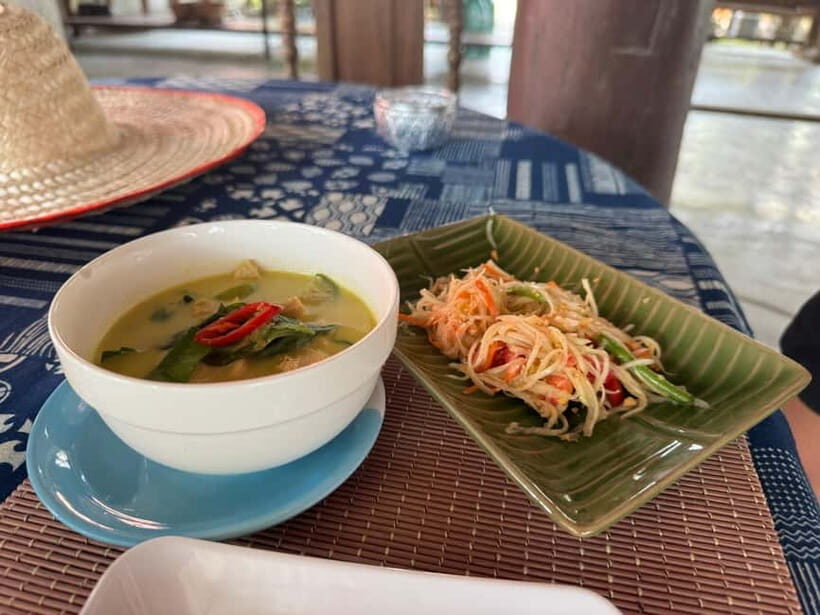
- Farm-to-table starts with shopping, not with a grocery list you never see
- An organic herb and spice setup means your cooking is built around fresh Thai flavors
- You design your own menu and adjust based on preference during the session
- A local train ride to Lamphun adds a sense of place beyond the kitchen
- A PDF recipe book online helps you recreate your dishes after you get home
- You’ll snack and sip on-site while you plan and prep (alcohol isn’t part of it)
From Hotel Pickup to Lamphun: The Local Train Moment
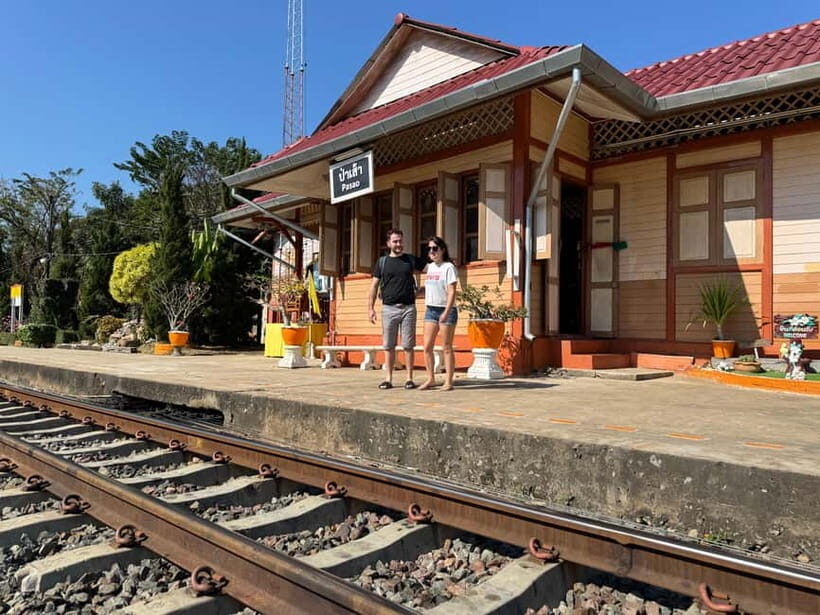
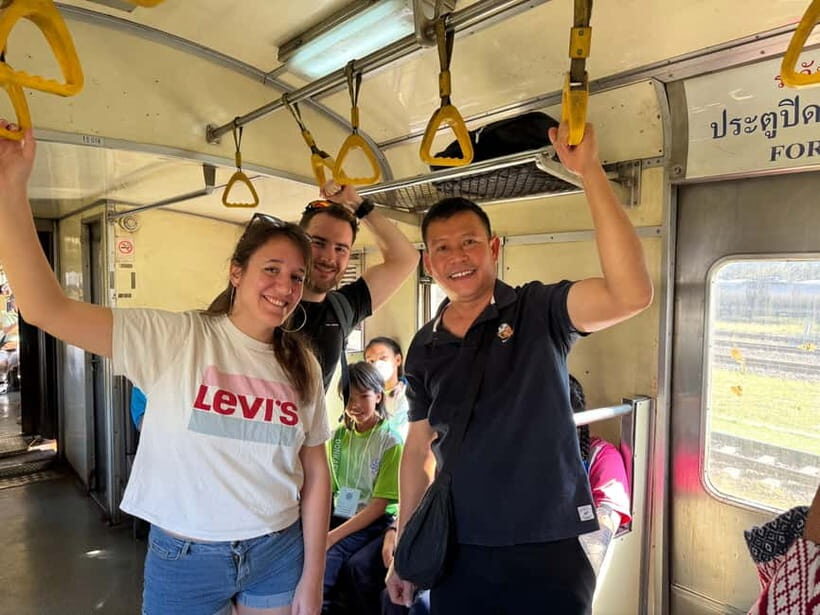
The day starts with hotel pickup, and you’ll want to be ready at the lobby about 20 minutes before the scheduled start time. Then it’s off to Lamphun for the train portion, which takes roughly 20 to 30 minutes.
This isn’t a “ride for the sake of riding” situation. The train is there to move you from city bustle into a more countryside rhythm—close enough to Chiang Mai to be convenient, but far enough that the scenery and daily life feel different. For many people, that short rail segment becomes the memory they didn’t expect: watching landscapes shift while you’re mentally switching from sightseeing mode into cooking mode.
Practical tip: if the train segment is part of your route (it is), bring your passport. Even when everything is handled smoothly, you don’t want to be caught without the document you might need for travel-related checks.
Also plan your clothing for comfort. This is active, not fancy: comfortable clothes matter more than looking great in photos.
You can also read our reviews of more shopping tours in Chiang Mai

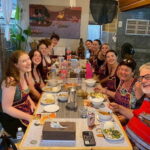
Lamphun’s Old City Market and the Chama Dhevi Stop
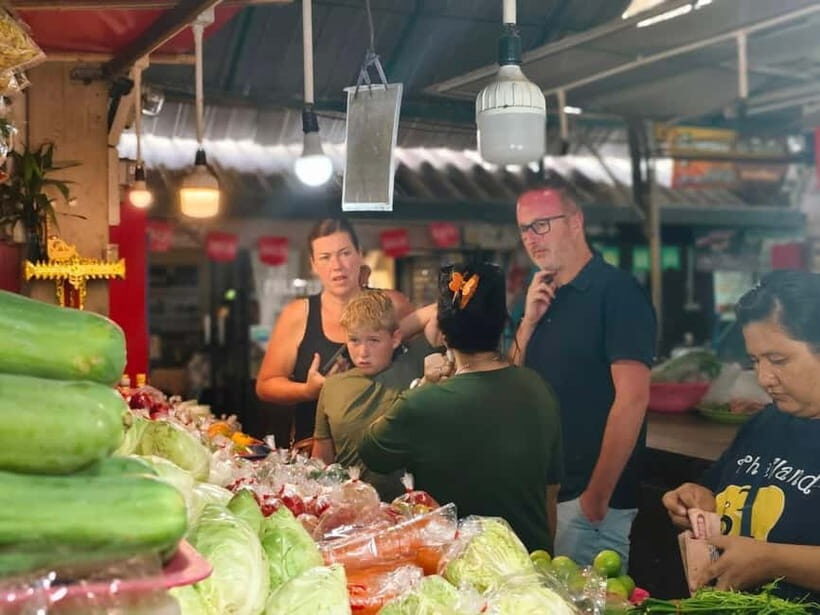
Before you get settled into the home and farm portion, you stop at a very local, very old market in Lamphun’s old city. This is one of the best parts of the whole format because it trains your eye for what actually powers Thai cooking.
In Thailand, the key isn’t just “what dish do I want.” It’s the ingredient building blocks:
- herbs that perfume a dish at the beginning or end,
- leafy greens that add crunch and balance,
- spices and aromatics that change the whole taste direction.
You’ll also get time for sightseeing and a famous landmark tied to Lamphun’s history: the Chama Dhevi monument. That stop matters even if you’re not a dedicated monument person, because it anchors the meal. Instead of learning Thai flavors as something floating in a cooking class, you’re connecting them to a place with its own identity.
You’ll have shopping time too—enough to pick ingredients you want to use later. That can be a big advantage if you’re picky about spice level or you want to recreate something closer to your taste back home.
Welcome Drinks, Snacks, and Designing Your Own Menu
Once you reach the countryside home base, you’ll get a welcome drink and snacks. It’s a small detail, but it sets the tone. You’re not dropped into a chaotic cooking line right away. You slow down, eat something light, and start thinking like a Thai cook: what flavors work together, and how much of each component do you want?
Then comes the menu design part. You’ll plan your own favorite menu before you head into the farm ingredient gathering stage. That flexibility is a big deal for value. It means you’re not stuck with one rigid set of dishes. If you love something herb-forward, you can guide the session toward those flavors. If you prefer a milder path, you can shape the choices around that too.
This also makes the class easier to enjoy even if you’re not a confident cook. You’re choosing the direction first, then learning how to build it. That sequencing helps you understand Thai cooking rather than just copying steps.
Alcohol isn’t included and isn’t allowed, so don’t plan on pairing the session with beer. The focus stays on food, ingredients, and technique.
Organic Herb and Vegetable Harvest: The Farm-to-Table Difference
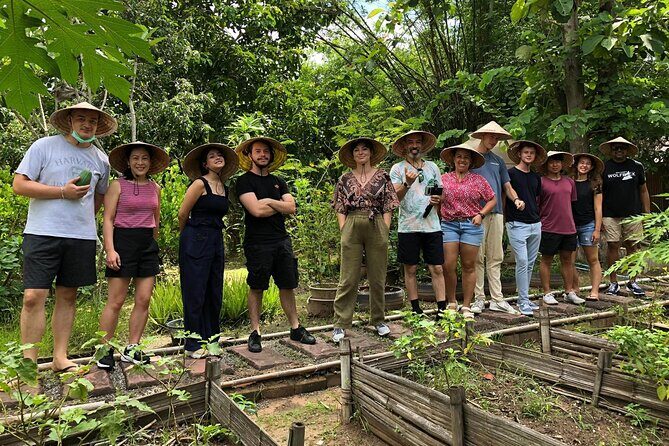
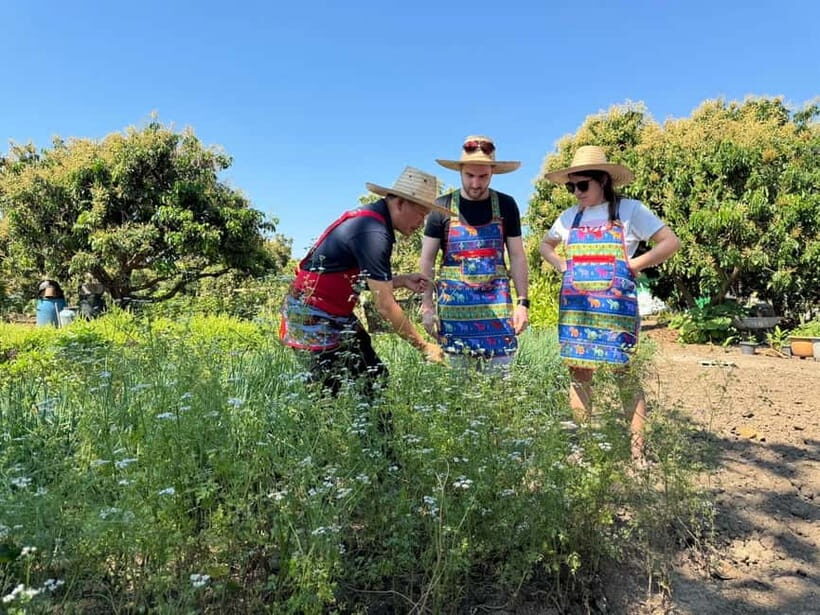
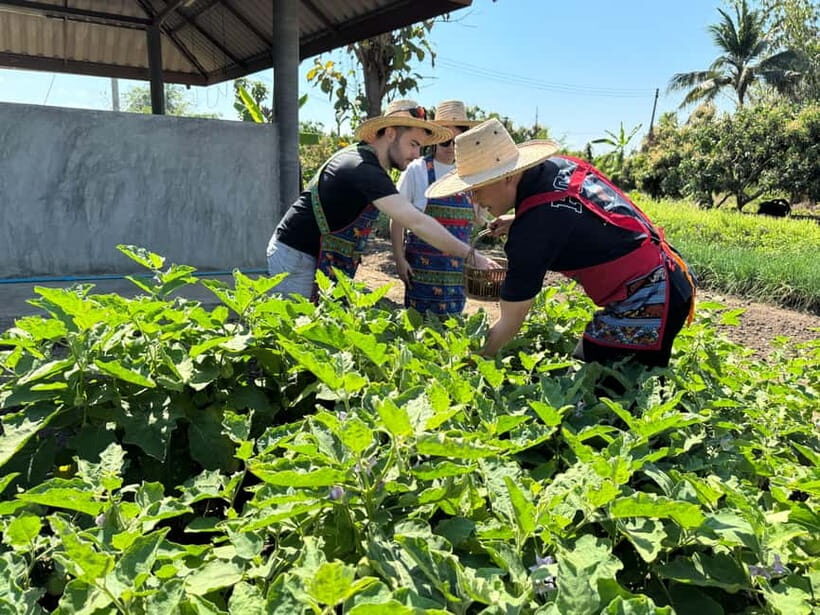
After planning, you collect fresh herbs and greens from the organic farm setting. This is where the farm-to-table concept becomes more than marketing. It changes your cooking because the ingredients aren’t “similar.” They’re fresh, fragrant, and sometimes harvested close to when you’ll use them.
You might learn about the farm and the way kitchen herbs, spices, and ingredients are grown there. And there’s also the possibility of harvesting produce, which makes the experience feel hands-on instead of observational.
Why this matters: a lot of cooking classes use store-bought ingredients that behave predictably. Farm-picked Thai herbs often feel more intense and aromatic. When you smell them in a moment of quiet prep, you start to understand why Thai cuisine relies on balance and timing—when something is added can matter as much as what it is.
You’ll be preparing your dishes using what you gathered. That connection—pick it, then cook it—is what turns a regular meal into a learning moment you can remember.
Hands-On Cooking: Technique, Balance, and Building Thai Flavors
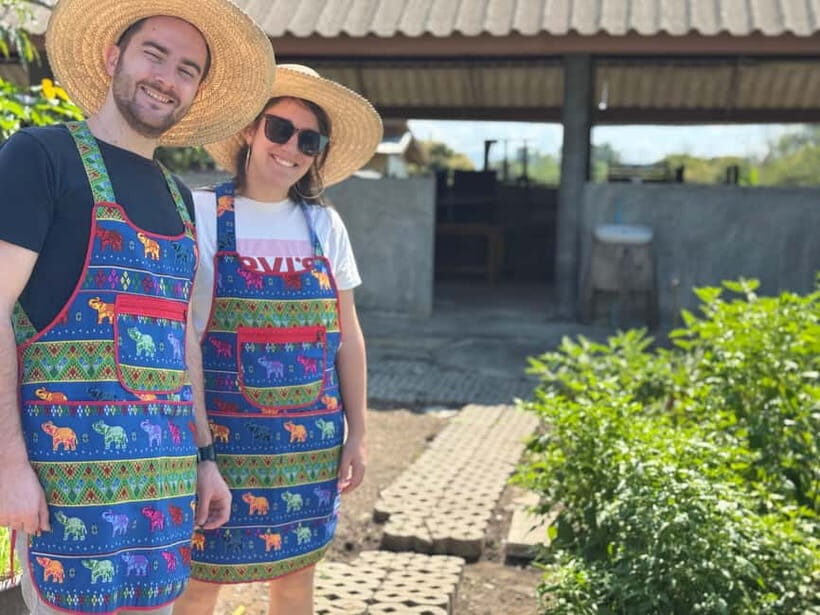
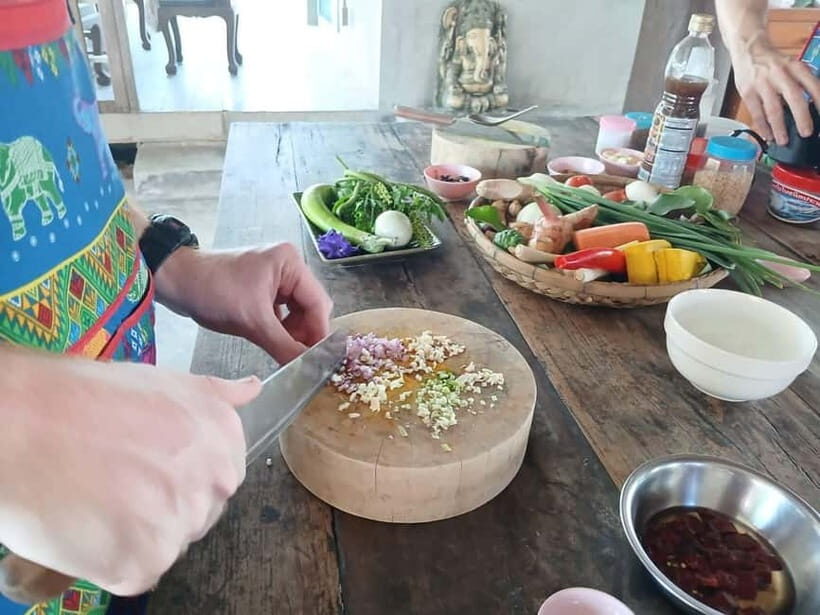
Now the kitchen work begins. You’ll cook the dishes you designed, using ingredients you sourced and harvested. This is hands-on instruction with an expert local Thai instructor, and the teaching approach is practical: you learn by doing.
From the guidance style people describe, the class is built around patience and clear explanation. That’s important because Thai cooking can sound complex until you learn the logic behind it. Once you grasp how the flavors are balanced, you stop thinking of dishes as mysterious and start seeing them as structured.
Here are the cooking skills this format naturally reinforces:
- how aromatics and herbs influence fragrance,
- how sour and sweet components interact,
- how salt and heat steer the final taste,
- why “balance” isn’t vague—it’s repeatable.
You’ll likely demonstrate and cook side-by-side, so even if you’re not confident with chopping or seasoning, you’re given a path. Also, the class keeps its English instruction focus, so you’re not stuck translating in your head during the critical steps.
The outcome is that you don’t just eat Thai food—you understand what makes Thai food taste Thai.
You can also read our reviews of more tours and experiences in Chiang Mai


Tasting, Food Value, and What You Take Home
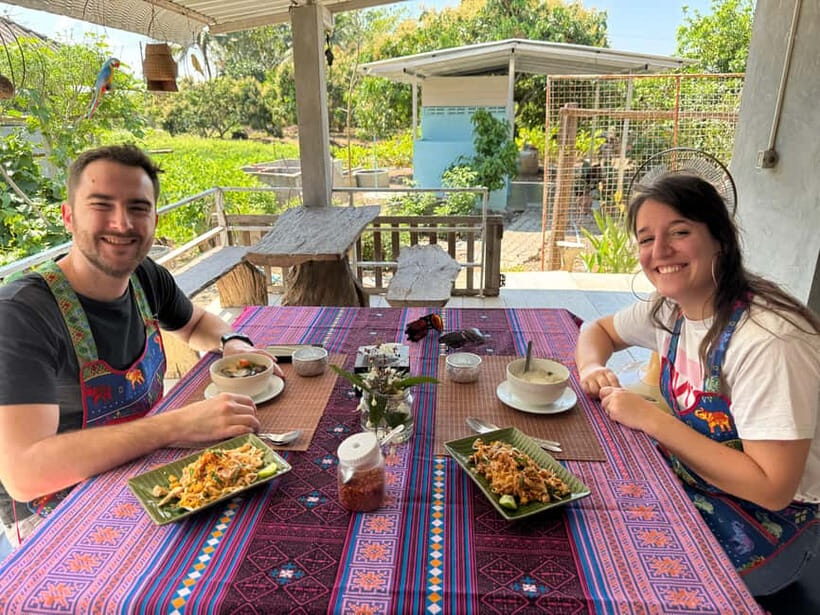
After cooking, you’ll taste what you made. This is a useful checkpoint because Thai flavor balance is hard to nail on the first try unless you get feedback in the moment. The structure of shopping, harvesting, cooking, and then tasting gives you feedback loops that help your brain learn faster.
You also get an authentic Thai recipe book online in PDF version. That’s one of those details that sounds “generic” until you realize how valuable it is for recreating a meal later. Thai recipes often depend on ingredient ratios and timing. Having a written guide makes it easier to repeat what you learned without guessing.
Plus, because you chose your own menu, the PDF book is more likely to match what you actually cooked. That makes your “take home value” stronger than a class that teaches a fixed set of dishes you didn’t request.
Price and Logistics: Is It Good Value for $57?
At $57 per person for about 5 hours, this sits in the mid-range for Chiang Mai cooking classes—but it’s not just cooking.
You’re paying for three separate value drivers:
- Ingredient sourcing through a local market stop (you see and shop, not just taste)
- Farm-to-table freshness through an organic garden experience with herbs and greens
- A local train segment to Lamphun, which adds transportation value and a cultural change of pace
So you’re not paying extra money for “more sightseeing.” You’re paying for a different flavor-learning method: ingredients first, then cooking, then tasting, and finally a recipe guide.
The only time the value can feel shaky is if your priority is the train ride itself. One criticism you might want to weigh: if you expect a long, round-trip rail experience with lots of time spent on the train, this format is more compact. In that case, make sure you’re buying primarily for the cooking and farm-market learning, with the train as a bonus.
Who This Class Fits Best (And Who Might Prefer Something Else)
This experience works well if you want Thai cooking that feels connected to place. You’ll probably enjoy it most if you:
- like food travel that includes ingredient shopping,
- want a farm-to-table angle without needing a full day in the countryside,
- prefer learning a menu format you can reuse later,
- enjoy train travel and scenic countryside views.
It’s less ideal if you:
- mostly want a sightseeing-heavy itinerary and don’t care about cooking instruction,
- expect a long rail journey as the main event.
Age note: it’s not suitable for children under 5, and it isn’t designed for people over 95.
Should You Book This Chiang Mai Cook in Farm, Market Tour & Go by a Local Train?
I’d book this if you want a Thai cooking class with real ingredient grounding. The combination of market herbs, organic farm gathering, and cooking your own menu makes it easier to remember and repeat later. The train ride adds extra local texture, and the PDF recipe book helps lock in the learning.
Before you book, think about your travel style. If you’re the type who loves food details—what goes into a dish and why—you’ll get strong value from the market-to-farm-to-kitchen flow. If you’re chasing a long countryside train day first and a cooking lesson second, you may feel the time is too short to justify the focus.
FAQ
How long is the experience?
The experience lasts about 5 hours.
What’s included in the price?
Round-trip transportation from your hotel is included, along with the local market tour, all cooking ingredients, drinking water, an online recipe book (PDF version), and a local train ticket.
Is alcohol included or allowed?
Beer and alcohol are not included, and alcohol and drugs are not allowed.
What language is the instruction?
The instructor speaks English.
Do I need to bring anything?
Wear comfortable clothes, and if you’re taking the train, bring your passport.
Where does the train ride happen and how long is it?
After pickup, you head toward Lamphun for the local train segment. The train trip is about 20 to 30 minutes.