REVIEW · CHIANG MAI
Cooking Class with Organic Farm in Chiang Mai
Book on Viator →Operated by Oh-Hoo · Bookable on Viator
Cook Thai food where the herbs grow. This class takes you from a local market to a real organic garden where you pick ingredients, then teaches you to make six Thai dishes (salad, stir-fry, soup, curry paste, curry, dessert). The countryside setting and the small group size make it feel less like a factory lesson and more like a full day of learning.
I especially like the hands-on setup: you cook at your own station and use fresh produce you helped select. I also like that you get a recipe book so you can repeat your favorites at home, not just eat and forget.
One consideration: the experience needs good weather, and the schedule is packed into about 6 hours. If you’re hoping for a slow, leisurely day, this might feel a bit brisk.
In This Review
- Key things to know before you go
- Market morning in Chiang Mai: more than a quick photo stop
- The organic farm setup: 1.6 acres and 20+ plant types
- Your cooking station and your six-dish plan
- What you’ll likely do during the cooking block
- Vegetarian note
- The meal: filling, varied, and worth tasting slowly
- Transfers and timing: how to plan your Chiang Mai day
- Instructor energy: why guides like Gayle and Lily matter
- Price and value: what $46.95 actually buys
- Who should book this cooking class (and who might not)
- Should you book this farm-to-pan class?
- FAQ
- How long is the cooking class?
- What time does the class start?
- Is pickup from hotels included?
- Where do we meet?
- Will I get a recipe book?
- How many dishes do I cook?
- What dishes can I choose from?
- How many people are in the group?
- Are children allowed?
- What happens if the weather is bad or the tour is canceled?
Key things to know before you go
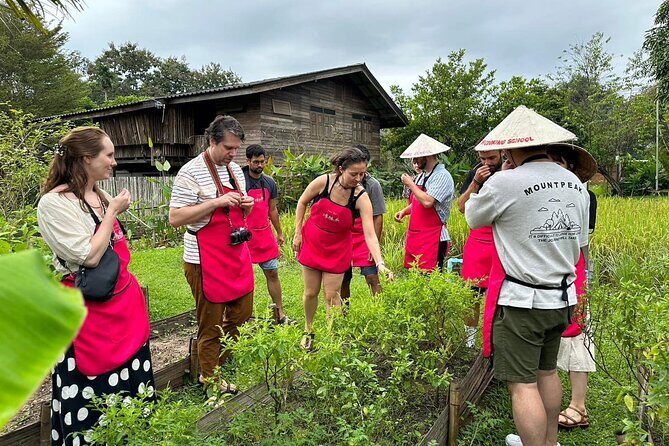
- Market-to-farm start: You begin with a local market stop, then head to the countryside to harvest ingredients.
- Organic garden time: The farm covers 1.6 acres with 20+ types of plants for herbs and vegetables.
- Pick exactly six dishes: Choose from salad, stir-fried, soup, curry paste, curry, and dessert options.
- Small group (up to 12): Easier for questions and more time with your instructor.
- Meal and recipes included: You cook and eat what you make, then take home a recipe book.
- Transfers help a lot: Pickup is offered and you finish with a return to your meeting point or hotel area.
Market morning in Chiang Mai: more than a quick photo stop
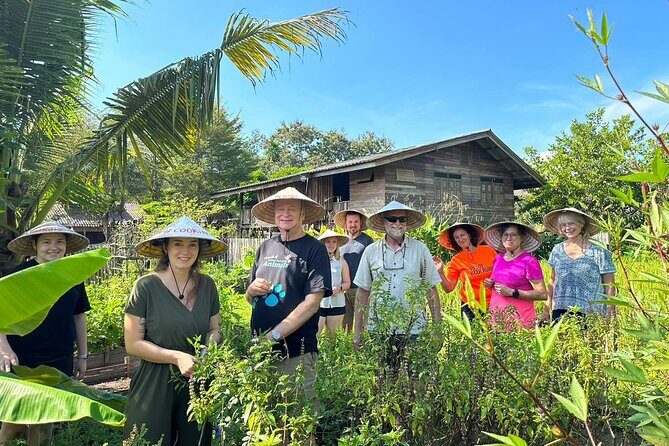
A good Thai cooking class should start before you ever touch a cutting board. Here, you start at 9:00 am with a visit to a local market. For me, the value is that the market teaches you what matters in Thai cooking: ingredient variety, what’s in season, and how different herbs and vegetables change the final flavor.
You’re not just looking at stalls. You’re building a mental shopping guide for later. When you see things like herbs used in stir-fries and salads, you understand why the cooking steps take the time they do. And since the class ends with a recipe book, that early ingredient context helps you actually cook these dishes correctly later.
After the market, you head to the farm (about 30 minutes by car in many similar setups, and your day is paced to fit that travel time). This timing matters. If you start cooking right after a long morning bus ride, you lose the fun part—learning what you grabbed and why.
You can also read our reviews of more cooking classes in Chiang Mai


The organic farm setup: 1.6 acres and 20+ plant types
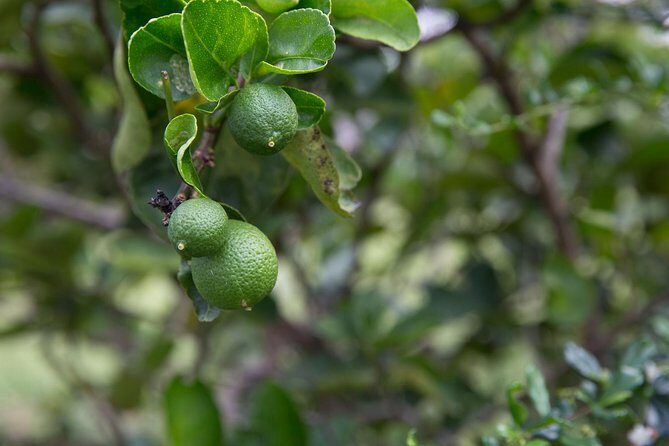
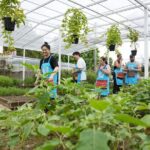
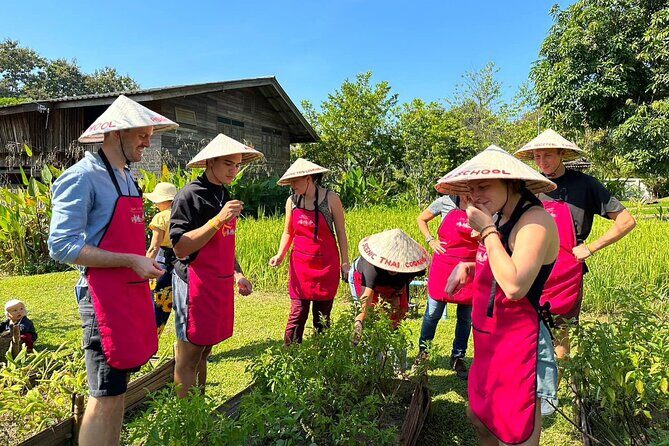
The heart of this experience is the farm. You’ll spend time exploring the garden before cooking, including harvesting herbs and vegetables for your dishes. The farm area is 1.6 acres and includes more than 20 types of plants, so you’re not stuck in a tiny herb patch.
For you, this is where the class stops being generic. When you pick ingredients yourself, it changes how you notice flavor. You pay attention to fragrance in herbs, texture in vegetables, and how “fresh” isn’t just a buzzword—it affects the sauce balance, crunch in salads, and depth in curries.
In the reviews, people also mention having downtime to explore the farm between cooking steps. That’s a big deal. It keeps the day from becoming nonstop chopping. You get to slow down, look around, and enjoy the countryside without feeling like you’re constantly “on.”
Your cooking station and your six-dish plan
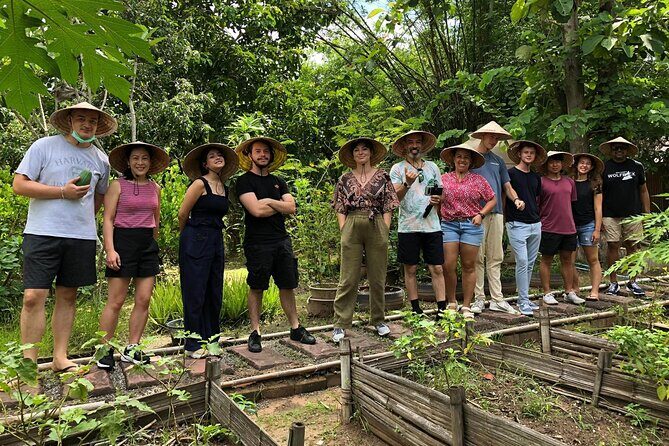
This class is built around choice: you select six dishes from a defined set of menus. The structure is smart because it covers the main categories of Thai home cooking. You can mix and match based on what you actually want to eat.
Here are the options you can choose from:
- Salad: Spicy Chicken Salad, Papaya Salad, Glass noodle Salad
- Stir-Fried: Pad Thai, Pad See Uw, Hot Basil Stir Fried, Cashewnut With Chicken
- Soup: Coconut Milk Soup, Tom Yum, Tom Sab
- Curry Paste: Red, Green, Massaman, Panang, Khaw Soi
- Curry: Red Curry, Green Curry, Massaman Curry, Panang Curry, Khaw Soi
- Dessert: Deep Fried Banana, Banana In Coconut Milk, Sticky Rice With Mango
What I like about this format is that you’re learning how Thai flavors connect. For example, curry paste isn’t just an ingredient—it’s the flavor engine. If you choose a curry paste option and then also a curry, you’ll start to understand how paste, coconut milk (when used), and spice intensity work together.
What you’ll likely do during the cooking block
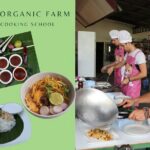
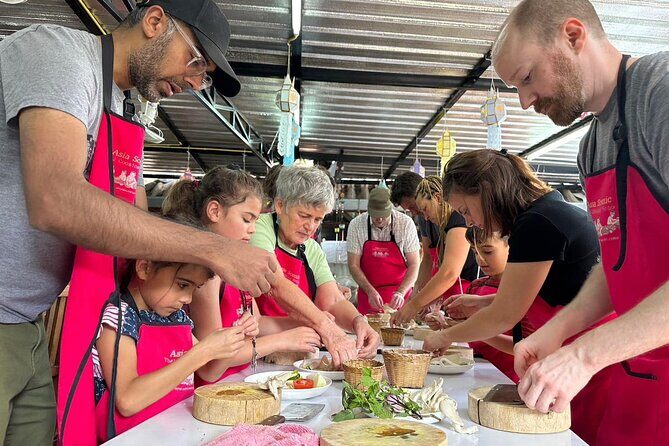
Your day isn’t random. You’ll go dish category by dish category, using ingredients from the organic garden. You cook at an individual station, which means you’re not stuck watching someone else do everything.
Since the class is about learning “basics,” it’s a good fit even if you’re not a confident cook. A lot of the success depends on your instructor guiding timing—when to add garlic and aromatics, when to manage heat for stir-fries, and how to balance sour, salty, and sweet flavors in soups and salads.
Vegetarian note
If you eat vegetarian, don’t assume it’s a one-size-fits-all deal. In one account, the instructor made vegetarian substitutions and taught them during the class. If you have dietary needs, it’s worth speaking up so the class can adjust as much as possible.
You can also read our reviews of more tours and experiences in Chiang Mai


The meal: filling, varied, and worth tasting slowly
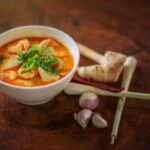
You’ll cook and then enjoy the meal you create. And because you’re making six dishes, it’s not the tiny “one dish only” style class. In one review, the portion felt generous enough that the person could rely on the food for most of the day.
Expect variety. Your plate can easily cover:
- a crunchy or sharp salad component
- a noodle or stir-fry dish for chew and depth
- a hot soup or coconut-based option for comfort and aroma
- a curry and curry paste foundation (if you choose both)
- something sweet at the end
That variety is practical. You get a more complete understanding of Thai meals, not just one “signature dish.” It also helps you take the recipe book home with confidence. If you made one salad you love, you’ll actually want to cook it again—and you’ll know the technique, not just the ingredients.
Transfers and timing: how to plan your Chiang Mai day
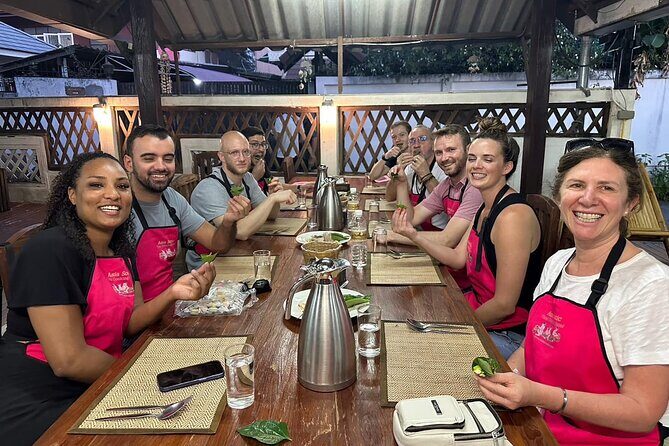
Logistics can make or break a class day, and this one is set up to be easy. Pickup is offered from Chiang Mai city hotels, and you’ll be taken back at the end. The listed meeting point is near Tha Phae Gate on Tha Phae Road, and the activity also references ending back at the meeting point, so you’ll want to confirm how your pickup/drop-off is arranged when booking.
With a 9:00 am start and about 6 hours total, you’ll likely be done by mid-afternoon. That’s ideal for Chiang Mai. You can schedule a temple visit, night market stroll, or dinner plan after you’re finished, without feeling rushed.
Also note the class has a maximum group size of 12 people. Smaller groups tend to mean quicker help and fewer bottlenecks at the chopping station.
Instructor energy: why guides like Gayle and Lily matter
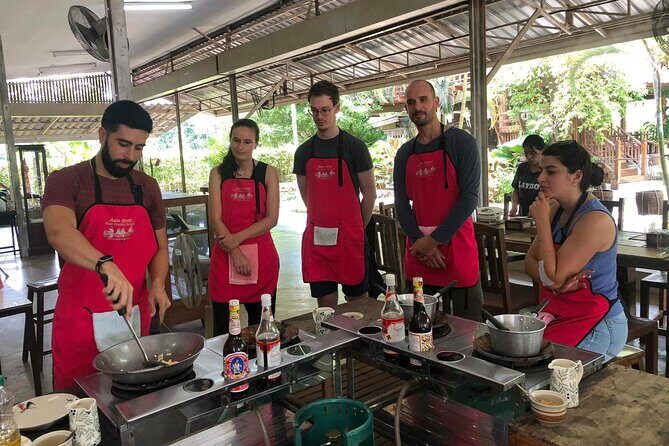
This experience is taught by expert instructors and includes a certified chef component. The best part isn’t just credentials—it’s how the teaching style keeps the room moving.
One review highlights an instructor named Gayle and mentions a first-time student doing an amazing job, with a class that felt fun and supportive. Another review praises a guide named Lily as funny and very skilled at keeping things light while you learn.
I love that combination: clear instructions plus humor. Thai cooking has steps where timing matters. If the vibe is calm, you’re more likely to focus on what your instructor is showing—heat control, seasoning balance, and plating choices.
Price and value: what $46.95 actually buys
At $46.95 per person for about 6 hours, this is one of those deals that can work well if you compare it to buying ingredients plus finding a class plus paying for transportation separately.
Here’s what’s included in the value:
- Market visit to see ingredient basics
- Organic farm access and ingredient picking
- Cooking instruction at your station with the chance to make six dishes
- Your meal
- A recipe book to take home
- Pickup/drop-off support within Chiang Mai city
There’s also a built-in chance you’ll get your money’s worth because you choose from a list. You’re not locked into dishes you don’t like. If you pick the dishes you actually crave—say Tom Yum, Pad Thai, and a curry paste—you’ll feel like the day matched your tastes.
Average booking timing is about 18 days in advance, so if you’re traveling in peak season, it’s smart to book early.
Who should book this cooking class (and who might not)
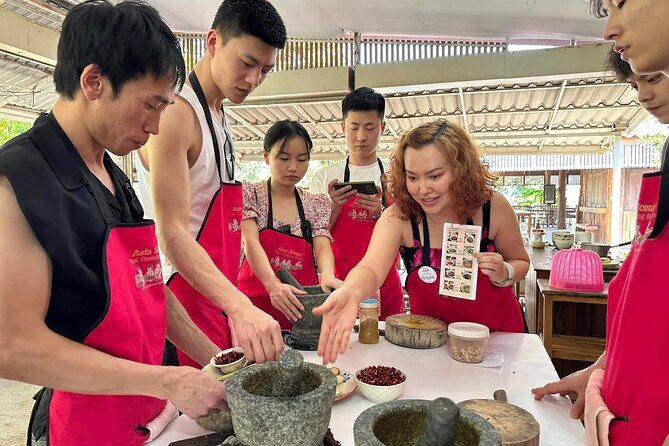
This is a strong choice if you want:
- hands-on cooking, not a short demonstration
- ingredient picking at an organic farm
- a class that covers several categories of Thai food
- a recipe book you’ll actually use later
It’s also good for couples and small groups because the maximum size is 12. If you’re solo, you’ll still get plenty of station attention.
You might think twice if:
- you need a slow-paced schedule (the day is about 6 hours)
- you have strict dietary requirements beyond what you can clearly communicate (vegetarian substitutions have been offered, but the class doesn’t list every possible restriction)
- weather is a concern for your plans (the experience requires good weather)
Should you book this farm-to-pan class?
Yes, you should book if you’re the type who wants to understand Thai food, not just eat it. The market start plus the organic ingredient picking make the lesson stick. And the six-dish menu choice means you can build a day around your tastes, not someone else’s idea of what you should cook.
If you’re on the fence, decide based on two questions:
- Do you want to take home techniques, not just memories? The recipe book and full dish variety point strongly in that direction.
- Are you okay with a structured day? If a 9:00 am start and a weather-dependent schedule work for you, this is the kind of activity that pays off long after your Chiang Mai trip ends.
FAQ
How long is the cooking class?
It runs for about 6 hours.
What time does the class start?
The start time is 9:00 am.
Is pickup from hotels included?
Pickup is offered, and the experience includes round-trip transfers from hotels in Chiang Mai city.
Where do we meet?
The listed meeting point is Tha Phae Gate on Tha Phae Road, in the Chang Khlan area of Chiang Mai.
Will I get a recipe book?
Yes, you receive a recipe book to recreate the dishes at home.
How many dishes do I cook?
You cook six dishes, chosen from the dish options provided.
What dishes can I choose from?
You can choose from salads (Spicy Chicken Salad, Papaya Salad, Glass noodle Salad), stir-fried dishes (Pad Thai, Pad See Uw, Hot Basil Stir Fried, Cashewnut With Chicken), soups (Coconut Milk Soup, Tom Yum, Tom Sab), curry paste (Red, Green, Massaman, Panang, Khaw Soi), curries (Red Curry, Green Curry, Massaman Curry, Panang Curry, Khaw Soi), and desserts (Deep Fried Banana, Banana In Coconut Milk, Sticky Rice With Mango).
How many people are in the group?
The maximum group size is 12.
Are children allowed?
Children between 5-11 years old are included.
What happens if the weather is bad or the tour is canceled?
The experience requires good weather. If it’s canceled due to poor weather, you’ll be offered a different date or a full refund. Cancellation is also free up to 24 hours in advance for a full refund.